A competitively priced automotive component can become a costly purchase once tariffs enter the equation. Import duties can change supplier rankings and weaken expected savings.
For procurement teams navigating the global automotive parts trade supply chain, the priority is comparing verified landed costs, including duties, logistics, inventory, and qualification expenses.
From electric compressors and battery cooling systems to high-voltage wiring harnesses, exposure depends on classification, origin, customs valuation, applicable trade measures, and commercial terms.
The strongest sourcing decisions combine accurate customs assumptions with realistic operating costs. A lower factory price delivers value only when the complete purchasing economics remain competitive.
What do tariffs actually add to your component costs?

Tariffs are import duties assessed under the destination market’s rules. For percentage-based duties, the starting calculation multiplies the applicable customs value by the duty rate.
Customs value is not automatically the supplier’s invoice total. Depending on local rules, adjustments may include certain tooling contributions, royalties, packing, freight, or insurance charges.
Some duties use specific amounts or combined formulas. Additional trade measures may also apply, so a single headline percentage can understate the actual import burden.
For procurement purposes, calculate landed cost as purchase price plus applicable duties, transport, insurance, brokerage, handling, and other nonrecoverable import charges attributable to the shipment.
Then extend that comparison to total sourcing cost by adding qualification, inventory carrying, expected quality losses, and disruption exposure. These costs often change supplier rankings.
Keep recoverable import VAT or similar taxes separate from permanent expenses. They may still create financing costs when payment precedes recovery by several months.
Tariffs can also affect domestic suppliers indirectly. A local compressor assembler using imported motors or electronics may pass upstream duty increases into its component quotations.
How can a cheaper quotation become the more expensive option?
Consider two approved suppliers offering technically equivalent electric compressors for the same destination. The following figures are illustrative assumptions, rather than current tariff rates for any market.
Assume each quoted price equals the accepted customs value, and logistics charges shown below are excluded from that value under the applicable destination valuation rules.
Supplier A’s factory price is $12 lower, yet its landed cost is $9.40 higher. Across 100,000 units, that difference represents $940,000 before other sourcing expenses.
However, switching suppliers is economical only if those savings exceed validation, tooling, transition, and operational costs. A tariff advantage alone does not establish a business case.
If switching requires $300,000 in one-time expenditure, the illustrative break-even volume is approximately 31,915 units, assuming the $9.40 recurring advantage remains stable throughout the transition.
Procurement should also test exchange rates, freight changes, and tariff scenarios. A sourcing decision becomes fragile when its savings disappear after a small assumption changes.
Which customs facts should buyers verify before awarding business?
Start with tariff classification. Automotive applications do not automatically place every component under the same vehicle-parts heading; electrical equipment and other assemblies may classify elsewhere.
A high-voltage harness, cockpit display, integrated thermal valve, and electric compressor can require different classification analyses. Product function, construction, and presentation at import all matter.
Provide customs specialists with drawings, technical specifications, materials, operating principles, and assembly details. Supplier descriptions such as “EV parts” rarely support a defensible classification decision.
Next, establish origin under the relevant rules. Shipping a component through another country or changing its packaging generally does not establish a new manufacturing origin.
Distinguish preferential origin from nonpreferential origin. Trade agreement eligibility and origin treatment for additional trade measures can involve different tests, even for the same shipment.
Finally, verify valuation and additional measures. Certain products or producers may face trade remedies, while exclusions, quotas, or relief arrangements can carry narrow eligibility conditions.
Record the tariff code, origin basis, valuation assumptions, applicable measures, and verification date. Obtain an official ruling where available when material uncertainty justifies the effort.
Why do automotive component categories respond differently?
For high-voltage wiring harnesses, destination duties interact with labor content, copper prices, connector sourcing, and shipping characteristics. Regional assembly may change several cost drivers simultaneously.
Yet moving harness assembly does not automatically secure preferential treatment. Buyers must examine the applicable product-specific origin rule and obtain supporting production and material records.
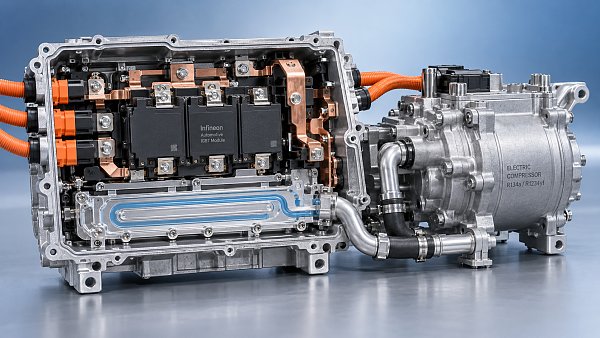
Electric compressors combine mechanical, electrical, and control functions. Supplier substitution can require checks covering voltage compatibility, refrigerant requirements, noise performance, control interfaces, and vehicle integration.
Battery cooling plates and integrated thermal modules may carry substantial tooling or validation commitments. Their switching economics depend heavily on remaining program volume and design maturity.
Smart cockpit displays and head units can expose buyers to both hardware costs and software integration work. Tariff savings may be outweighed by engineering changes.
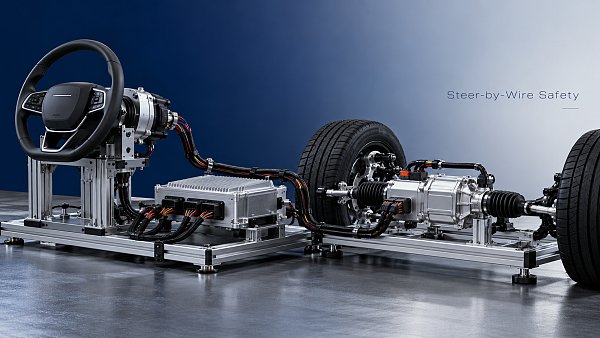
For EPS and other steering systems, approval requirements and safety implications can restrict rapid substitution. Duty exposure should therefore inform sourcing decisions before program nomination.
Across these categories, procurement needs a component-level comparison. Broad assumptions about automotive parts imports can hide important differences in classification, qualification effort, and supplier flexibility.
Who pays when tariffs change after the contract is signed?
The importer of record generally handles customs obligations, while the commercial contract determines how buyers and suppliers share the financial impact between themselves in practice.
Incoterms allocate specified delivery responsibilities and costs, but they do not replace detailed pricing provisions. State the agreed Incoterms version and named place or port.
For delivered quotations, request visibility into the duty assumptions embedded in pricing. Confirm who will import, maintain supporting records, and resolve customs queries or assessments.
A useful tariff adjustment clause defines the baseline rate, covered products, triggering events, supporting evidence, and effective date. It should address both increases and decreases.
Apply adjustments to the agreed dutiable value or documented incremental duty, as appropriate. Applying a tariff percentage to the entire delivered price can overstate compensation.
Contracts should also address exclusions, refunds, and retrospective assessments. Assign responsibility for submitting claims and specify how recovered amounts will be credited between the parties.
Before accepting a surcharge, request the affected tariff lines, origin information, calculation basis, and shipment dates. This makes negotiations more precise and helps prevent duplicate recovery.
Which actions can reduce exposure without creating larger costs?
First, check whether eligible trade agreement preferences are being claimed correctly. A potentially favorable rate has no purchasing value when required origin evidence is unavailable.
Second, investigate destination-specific relief mechanisms, including applicable drawback, bonded arrangements, or inward processing procedures. Eligibility, recordkeeping, timing, and restrictions determine whether these options create savings.
Third, compare alternative manufacturing footprints using complete production economics. Include material sourcing, labor productivity, yield, logistics, capacity, and the origin consequences of the proposed operations.
A supplier’s additional plant can improve flexibility, but confirm its actual manufacturing capability. Commercial availability, validated equipment, staffing, and program approvals matter more than an address.
Fourth, consider dual sourcing for high-spend or vulnerable components when volumes support it. Maintaining approved alternatives can improve negotiating flexibility and shorten responses to policy changes.
Fifth, examine lawful design or sourcing changes with engineering and customs specialists. A component redesign may affect classification or origin, but performance and compliance remain essential.
Advance purchases require particular care. Earlier shipment may not secure an earlier duty treatment, because the legally relevant date depends on the specific measure and procedure.
How should procurement teams monitor tariff risk during a vehicle program?
Create a sourcing register linking each material part number to its supplier, manufacturing location, destination, tariff classification, origin determination, annual volume, and current duty assumptions.
Prioritize components by annual duty exposure, potential rate changes, switching difficulty, and supply criticality. High-value thermal assemblies and hard-to-replace electronics may warrant particularly close review.
Run a base scenario and plausible alternatives. Show the effects on unit cost, annual spend, cash requirements, supplier margins, and the payback period for alternatives.
Use official customs publications and trade measure notices to verify legal changes. Industry intelligence helps identify developments, but procurement calculations need current, destination-specific source documents.
Assign ownership across procurement, customs, finance, engineering, and suppliers. Recheck assumptions after manufacturing transfers, material changes, contract renewals, and significant updates to the relevant rules.
GACT’s coverage of thermal systems, wiring harnesses, steering, and cockpit electronics can support this work by connecting supply developments with product requirements and market conditions.
Make the sourcing decision on verified total cost
Tariffs affect automotive sourcing through direct import charges, upstream price increases, working capital, and supplier relocation decisions. Their significance varies by component, route, and program.
For procurement teams, the practical sequence is clear: verify classification and origin, calculate landed cost, test alternatives, and negotiate transparent responsibility for future duty changes.
The best opportunity may be an existing preference, improved documentation, a contract correction, or a different supplier. Select the option with the strongest verified economics.
In the global automotive parts trade supply chain, durable savings come from combining customs accuracy with engineering feasibility, supplier capability, and disciplined comparison across realistic scenarios.