Chassis Dynamics Issues That Hurt Ride Confidence




When a vehicle feels nervous at speed, vague in corners, or tiring on rough roads, chassis dynamics are often the hidden cause.
These behaviors shape trust between driver, vehicle, and road. They also influence safety perception, cabin comfort, and long-distance fatigue.
For the broader mobility sector, chassis dynamics connect mechanical layout, steering response, damping control, tire behavior, and electronic systems.
That makes the topic especially relevant for platforms tracking smart steering, thermal packaging, electrification, and the evolution of ride-focused vehicle engineering.
What Chassis Dynamics Means in Real Driving

Chassis dynamics describes how a vehicle responds to steering, braking, acceleration, bumps, and load transfer during motion.
It includes suspension tuning, steering calibration, body control, tire grip, bushing compliance, braking stability, and electronic intervention logic.
Good chassis dynamics create predictable reactions. The vehicle settles quickly, tracks cleanly, and communicates grip without sudden surprises.
Poor chassis dynamics do the opposite. The car may float, crash over bumps, wander in crosswinds, or feel delayed after steering input.
In modern vehicles, chassis dynamics also interact with EPS, ADAS sensors, regenerative braking, and battery pack placement.
That is why chassis dynamics has become a cross-domain issue rather than a suspension-only discussion.
Key Industry Signals Behind Ride Confidence
Across the auto industry, ride confidence is increasingly tied to system integration rather than isolated component performance.
Electrification changes mass distribution. Smart cabins raise comfort expectations. Steer-by-wire and software tuning reshape feedback quality.
The following signals explain why chassis dynamics now receives broader attention:
- Heavier battery systems amplify the need for precise damping and body motion control.
- Electric power steering calibration strongly affects lane stability and steering confidence.
- Low-noise EV cabins make vibration, harshness, and tire impact feel more obvious.
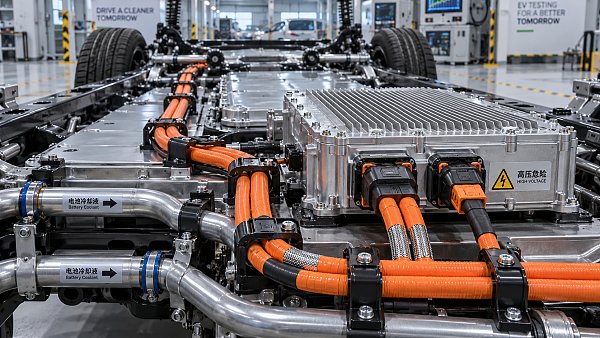
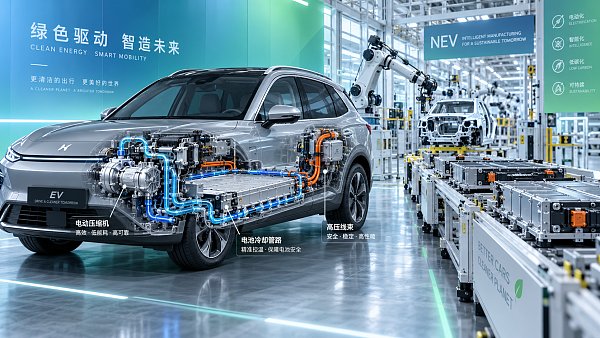
- Thermal system packaging can influence weight balance, front axle load, and serviceability.
- ADAS and autonomous functions demand stable vehicle behavior for accurate sensor and control performance.
For intelligence platforms like GACT, chassis dynamics sits beside steering, wiring, IVI, and thermal management as a reliability signal.
A comfortable vehicle is no longer judged only by softness. It is judged by consistency, composure, and control.
Chassis Dynamics Issues That Hurt Ride Confidence
Several chassis dynamics problems repeatedly reduce trust during daily driving. Most are felt before they are fully diagnosed.
1. Excessive Body Roll
When the body leans too much in corners, drivers sense delay between steering input and vehicle response.
This weakens confidence during lane changes, highway ramps, and emergency avoidance maneuvers.
2. Floaty or Bouncy Damping
A vehicle that keeps oscillating after a bump feels unsettled. It becomes harder to predict tire contact and stopping stability.
This is a classic chassis dynamics warning sign, especially on uneven expressways.
3. Harsh Impact Over Small Road Inputs
If expansion joints, patched pavement, or speed humps produce sharp cabin shocks, suspension compliance may be poorly balanced.
The result is fatigue, noise, and the impression of low refinement.
4. Vague On-Center Steering
A steering wheel that feels numb around center forces constant micro-corrections on straight roads.
This chassis dynamics issue is common in poorly tuned EPS systems and can quickly undermine highway confidence.
5. Sudden Understeer or Rear Instability
If front grip disappears too early, or the rear feels loose during lift-off, the vehicle stops feeling trustworthy.
Balanced chassis dynamics should warn progressively, not react abruptly.
6. Brake Dive and Poor Weight Transfer Control
Heavy front-end dive during braking unsettles passengers and can reduce steering precision entering a corner.
In electrified vehicles, blended braking calibration adds another layer to this chassis dynamics challenge.
Why These Problems Matter Beyond Comfort
Weak chassis dynamics affects more than subjective feel. It changes workload, safety margins, and acceptance of advanced vehicle technologies.
Drivers may slow down earlier, avoid quick steering inputs, or distrust driver assistance features if the platform feels unstable.
That directly influences perceived product quality. It also shapes retention, reviews, and long-term brand credibility.
For connected and electrified vehicles, chassis dynamics also supports sensor steadiness, passenger screen usability, and noise management.
A calm platform helps IVI systems feel premium, reduces motion discomfort, and improves confidence in semi-automated functions.
Typical Vehicle Contexts Where Chassis Dynamics Problems Appear
These examples show that chassis dynamics problems are not limited to one segment or powertrain type.
How Related Systems Influence Chassis Dynamics
Chassis dynamics is deeply connected to other core vehicle systems tracked across the auto components landscape.
- Power steering systems define effort build-up, steering ratio feel, and correction accuracy.
- Wiring harness architecture supports communication speed between sensors, controllers, and active chassis functions.
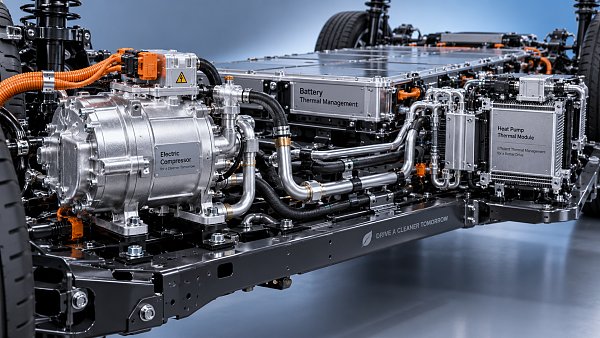
- NEV thermal management packaging can alter center of gravity and front-rear weight distribution.
- IVI and smart cabin expectations raise sensitivity to noise, vibration, and secondary ride motions.
This system view matters because a vehicle can have quality hardware yet still suffer poor chassis dynamics through weak calibration.
Practical Evaluation Points for Better Decision-Making
A useful test drive should focus on repeatable behaviors rather than first impressions alone.
- Check straight-line stability on a smooth road. Note whether constant steering correction is needed.
- Drive over small surface changes. Listen for harsh impacts and feel for repeated bouncing.
- Take a moderate corner. Observe body roll, steering delay, and how naturally the car settles.
- Brake from medium speed. Watch for nose dive, directional wandering, or unstable pedal-to-body response.
- Try a quick lane change in a safe environment. Good chassis dynamics should stay calm and predictable.
These checks help separate a comfortable-looking vehicle from one that actually inspires ride confidence.
Recommended Attention Areas for the Road Ahead
As vehicles become more electrified and software-defined, chassis dynamics will increasingly depend on integrated tuning discipline.
Priority areas include steering consistency, damper control logic, tire matching, brake blending, and packaging-aware weight management.
Following reliable technical intelligence is also valuable. It helps connect component trends with real-world ride and handling outcomes.
For anyone assessing modern mobility products, chassis dynamics remains one of the clearest signals of engineering maturity.
Use test results, technical reports, and system-level analysis together to identify whether a vehicle will feel secure, refined, and trustworthy over time.
Related News
- 00
0000-00
How electric compressor speed affects EV battery cooling capacity - 00
0000-00
How to verify a variable frequency compressor supplier’s efficiency claims - 00
0000-00
How bend radius affects FPC reliability in automotive camera modules - 00
0000-00
How to diagnose intermittent loss of electric power steering assist - 00
0000-00
How to size automotive power modules for electric compressors
Weekly Insights
Stay ahead with our curated technology reports delivered every Monday.
Recommended News
 How electric compressor speed affects EV battery cooling capacityElectric compressor technology: battery cooling depends on more than RPM. Discover how speed, refrigerant flow, and system limits affect EV cooling capacity and energy efficiency.Author:Time:Oct 19, 2026
 How to verify a variable frequency compressor supplier’s efficiency claimsVerify a variable frequency compressor supplier’s efficiency claims using COP boundaries, matched test conditions, and duty-cycle data. Learn how to choose with confidence.Author:Time:Oct 18, 2026
 How bend radius affects FPC reliability in automotive camera modulesAutomotive FPC applications: camera module reliability starts with bend radius. Learn how stack-up, strain, and validation guide robust designs and help prevent costly failures.Author:Time:Oct 17, 2026
 How to diagnose intermittent loss of electric power steering assistMaster power steering system diagnostics to trace intermittent EPS assist loss. Learn proven checks for voltage, wiring, and fault codes to avoid costly guesswork.Author:Time:Oct 16, 2026
 How to size automotive power modules for electric compressorsSize automotive power modules for electric compressors with confidence. Learn how voltage, phase current, losses, and cooling shape reliable selection—and avoid costly oversizing.Author:Time:Oct 15, 2026
 Why automotive power electronics are shifting to silicon carbideAutomotive Power Electronics are shifting to silicon carbide. Discover how SiC can cut losses, boost EV power density, and reshape cooling, reliability, and system costs.Author:Time:Oct 14, 2026
 How EV adoption shapes the electrically driven compressor marketExplore how EV adoption shapes the electrically driven compressor market, from battery cooling and heat pumps to supplier margins. Discover the drivers of profitable growth.Author:Time:Oct 13, 2026
 How to size a PTC heater for reliable EV cabin heatingPTC Heater sizing for EV cabins: learn how to balance defrost performance, heat-pump integration, airflow, voltage range, and battery power for reliable winter comfort.Author:Time:Oct 12, 2026
 What determines the cooling output of electric automotive AC compressors?Automotive air conditioning compressors electric systems: explore how speed, voltage, refrigerant, controls, and heat exchangers shape EV cooling capacity and efficiency.Author:Time:Oct 11, 2026
 What makes a touchscreen media head unit responsive enough for daily use?Touchscreen media head unit performance explained: discover what delivers fast starts, smooth maps, reliable phone pairing, and responsive daily driving.Author:Time:Oct 10, 2026
 Can a Domain Controller Share a Cooling Loop with Other Electronics?Can a domain controller share a cooling loop with other electronics? Explore thermal zoning, flow control, safety priorities, and reliable vehicle electronics cooling strategies.Author:Time:Oct 19, 2026
 What Causes Domain Controller Overheating During Summer Testing?What causes domain controller overheating in summer testing? Explore heat load, airflow, installation, software factors, and practical fixes.Author:Time:Oct 18, 2026
 Is a Head-Up Display Hard to Integrate with Different Windshields?Is a head-up display difficult to integrate with different windshields? Discover how glass geometry, coatings, and calibration affect HUD clarity, cost, and production readiness.Author:Time:Oct 17, 2026
 What Should Be Checked Before Selecting an Automotive Head Unit?What should be checked before selecting an automotive head unit? Explore compatibility, performance, cybersecurity, compliance, and supplier support.Author:Time:Oct 16, 2026
 Is Steer-by-Wire More Expensive Than an EPS Steering System?Is steer-by-wire more expensive than an EPS steering system? Explore the true costs, safety demands, software value, and when SbW justifies its premium.Author:Time:Oct 15, 2026
 Which Automotive Electronics Need Validation for 800V Platforms?What automotive electronics should be validated for 800V platforms? Explore critical checks for harnesses, power electronics, thermal systems, safety, and EMC.Author:Time:Oct 14, 2026
 How Do Automotive Compressor Export Requirements Vary by Market?How do automotive compressor export requirements vary by market? Explore key compliance rules for refrigerants, EV safety, OEM approvals, labeling, and customs.Author:Time:Oct 13, 2026
 What Documents Are Needed to Export Automotive Thermal Components?What documents are needed to export automotive thermal components? Explore customs, compliance, technical records, and shipping tips to prevent costly delays.Author:Time:Oct 12, 2026
 How Often Should an EV Air Conditioning Compressor Be Inspected?How often should an EV air conditioning compressor be inspected? Discover recommended service intervals, warning signs, and expert care tips to protect cooling performance and EV reliability.Author:Time:Oct 11, 2026
 How to size power solutions for automotive head-up display systemsHeads-up display systems power solutions: learn how to size automotive HUD power architectures for startup, brightness, thermal limits, EMC, protection, and reliable vehicle operation.Author:Time:Oct 19, 2026
 How does a head-up display work in a high-performance car?Hoe werkt een head-up display in een high-performance auto en welke informatie toont het? Discover the tech, safety alerts, and performance data that sharpen every drive.Author:Time:Oct 18, 2026
 Which trends will shape zonal EV architectures in the next decade?Future trends in zonal EV architectures: explore smarter power distribution, 48V systems, thermal integration, software, and resilient networks shaping next-gen vehicles.Author:Time:Oct 17, 2026
 When does a zonal EV architecture outperform a centralized design?Explore the trade-offs between zonal and centralized EV architectures to identify the best path for harness efficiency, software scalability, safety, and faster EV launches.Author:Time:Oct 16, 2026
 How to compare vendors for zonal EV power architecturesComparing vendors for zonal EV power architectures: assess electrical capability, interface ownership, lifecycle support, and integration risk for smarter sourcing.Author:Time:Oct 15, 2026
 How zonal architectures can improve EV reliability at the system levelHow zonal architectures affect EV reliability: explore fault containment, diagnostics, power resilience, and software strategies for more dependable electric vehicles.Author:Time:Oct 14, 2026
 What is driving growth in the automotive E/E architecture market?Explore what drives the automotive electric electronic systems architecture market, from EV power systems and zonal computing to ADAS, cybersecurity, and software-defined vehicles.Author:Time:Oct 13, 2026
 How to evaluate top-rated vehicle electrical components for reliabilityDiscover how to evaluate top-rated vehicle electrical components for reliability, from connector integrity and thermal margins to validation data and manufacturing control.Author:Time:Oct 12, 2026
 What makes vehicle electrical components reliable over a long service life?Top-rated vehicle electrical components for reliability depend on thermal control, sealing, vibration resistance, and validated manufacturing. Discover how to choose durable parts.Author:Time:Oct 11, 2026
 How battery thermal management solutions prevent fast-charge overheatingBattery thermal management solutions prevent fast-charge overheating with intelligent cooling, valve control, predictive preconditioning, and reliable heat rejection.Author:Time:Oct 09, 2026
 What an automotive market report can reveal about EV demand shiftsAutomotive market report insights reveal EV demand shifts, component opportunities, regional risks, and smarter investment strategies for growth.Author:Time:Oct 08, 2026