Automotive Supply Chain Risks That Still Catch Programs Off Guard




Even experienced teams still underestimate how quickly automotive supply chain disruptions can derail timelines, inflate costs, and expose hidden technical dependencies. For project managers and engineering leads, the real risk is not only shortages, but delayed decisions across wiring, steering, thermal systems, and smart cabin electronics. This article explores the supply chain blind spots that continue to catch programs off guard—and what leaders should watch earlier.
What automotive supply chain risk really means in current programs
In practical terms, automotive supply chain risk is not limited to a missing part at the plant gate. It includes every upstream constraint that changes engineering feasibility, sourcing timing, validation plans, launch sequencing, or warranty exposure. For project managers, that means a harness connector that slips by six weeks can be just as dangerous as a chip shortage, because it can delay prototype builds, software integration, thermal validation, and regulatory milestones all at once.
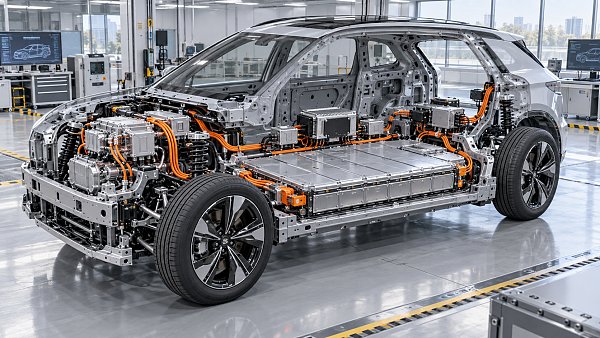
This broader understanding matters because today’s vehicle programs are tightly coupled systems. Electrification, software-defined features, smart cockpit functions, and high-voltage thermal architectures have increased the number of technical interfaces per vehicle. A late change in one subsystem can ripple through packaging, calibration, EMC testing, functional safety reviews, and supplier PPAP readiness. The automotive supply chain now behaves less like a linear delivery network and more like a dependency web.
That is why programs still get caught off guard even when teams believe they are monitoring supplier status. They may be tracking piece price and delivery dates, yet missing material availability, secondary tooling constraints, software release dependency, or single-source subcomponent exposure buried two or three tiers below the direct supplier.
Why the industry is paying closer attention
The current automotive environment has made supply chain visibility a core program discipline rather than a purchasing function alone. Several structural shifts explain why. First, EV and hybrid platforms use more high-voltage interconnects, thermal modules, sensors, and power electronics with strict qualification requirements. Second, the move toward integrated architectures means fewer standalone parts but more system-level interdependence. Third, commodity volatility in copper, aluminum, semiconductors, magnets, refrigerants, and specialty polymers can alter lead times and cost assumptions unexpectedly.
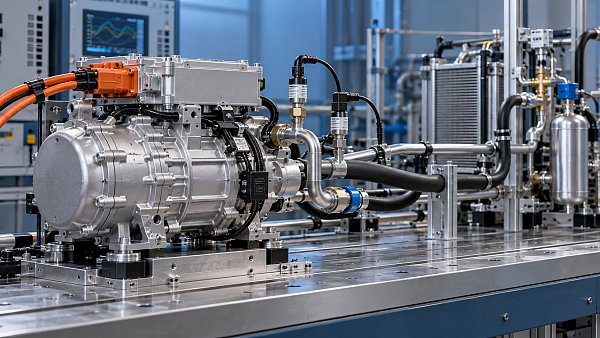
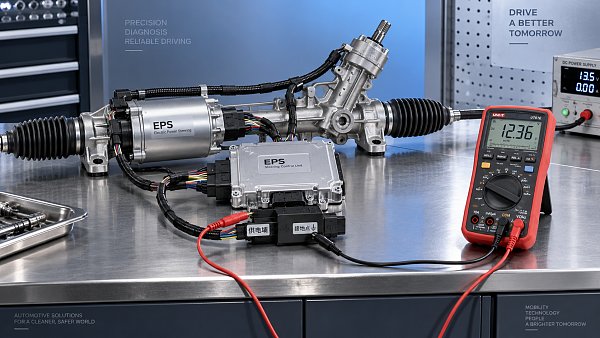
For intelligence-focused organizations such as GACT, this is especially important in five component domains that directly shape vehicle reliability and comfort: wiring harnesses, power steering systems, auto A/C compressors, in-vehicle infotainment, and NEV thermal management systems. These categories sit at the intersection of electrical signal flow, mechanical integration, fluid control, and thermal efficiency. As a result, they are often where hidden risk accumulates first.
Where hidden automotive supply chain exposure tends to emerge
Most launch disruptions do not start with a dramatic event. They begin with a blind spot that seems manageable until several dependencies stack up. In the automotive supply chain, the most common blind spots usually appear in the following forms.
- Deep-tier material concentration: A direct supplier may appear healthy while one resin, copper terminal, MCU, compressor bearing, or valve actuator comes from a constrained source with long recovery time.
- Engineering change timing: Late design updates can invalidate sourced inventory, tooling settings, validation reports, or software baselines.
- Cross-domain validation conflicts: A hardware-ready component may still be blocked by calibration, thermal mapping, cybersecurity, or functional safety signoff.
- Localization assumptions: Teams may assume a regional source can replace a global one quickly, only to discover automotive-grade certification and process stability take far longer.
- Capacity that exists only on paper: Quoted output may depend on future tooling, labor ramp-up, or unapproved second lines.
For program leaders, these issues are difficult because they are not always visible in standard milestone reviews. A green dashboard can hide rising fragility if commercial, engineering, and manufacturing data are not stitched together early enough.
Industry overview by component area
The table below summarizes how risk patterns differ across key parts of the automotive supply chain that matter to electrified and intelligent vehicles.
Why project managers and engineering leads are affected differently
The same automotive supply chain issue can look very different depending on role. Project managers feel the schedule compression first. They must absorb supplier recovery plans, changing build logic, and finance pressure while protecting launch dates. Engineering leads, however, often face the hidden technical cost: redesign loops, interface instability, test repetition, and compromised optimization targets.
This is where many organizations lose time. Commercial teams may escalate only when delivery slips become explicit. Engineering teams may escalate only when validation fails. By then, the program is already reacting instead of controlling. The stronger approach is to define risk not only by supplier lateness, but also by technical maturity, architecture dependence, and change propagation potential.
Common scenarios that still catch programs off guard
Several recurring situations show why the automotive supply chain remains difficult even for experienced teams.
Wiring harness complexity grows faster than review discipline
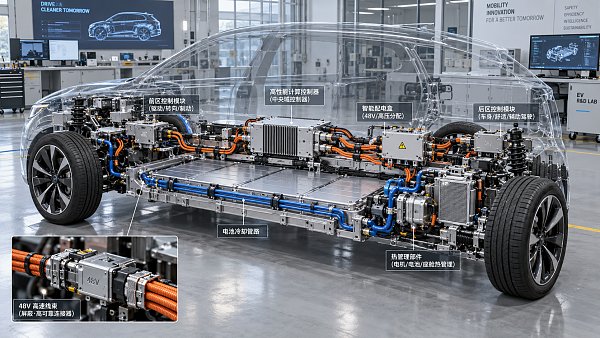
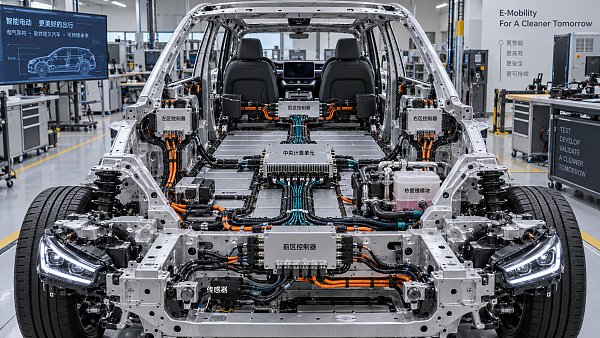
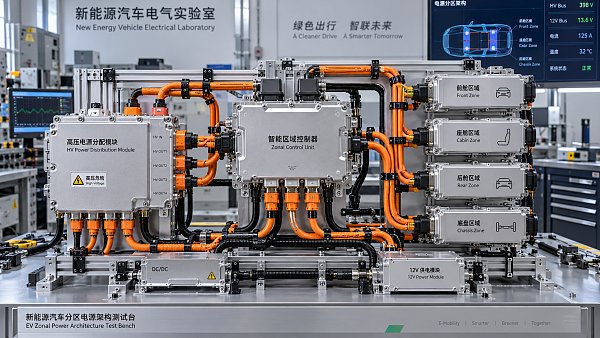
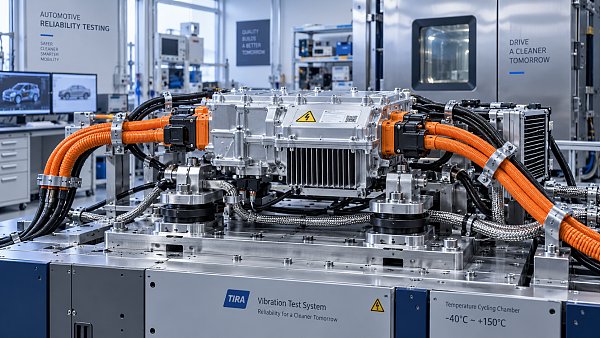
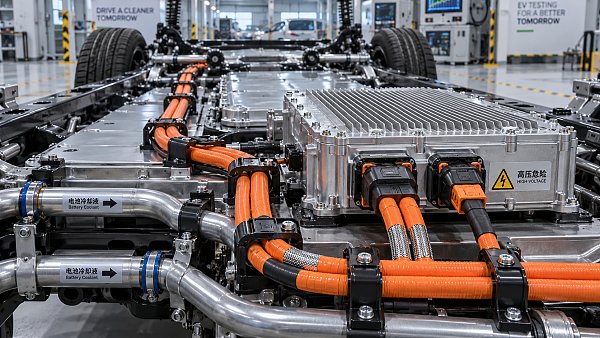
High-voltage harnesses, shielding needs, zonal architecture shifts, and connector diversification create many low-visibility risks. A small routing or pin-definition change can affect supplier tooling, assembly sequence, and vehicle EMC behavior. Teams often treat harnesses as mature commodities, but in advanced programs they are architectural components.
Thermal systems are integrated, but organizations remain siloed
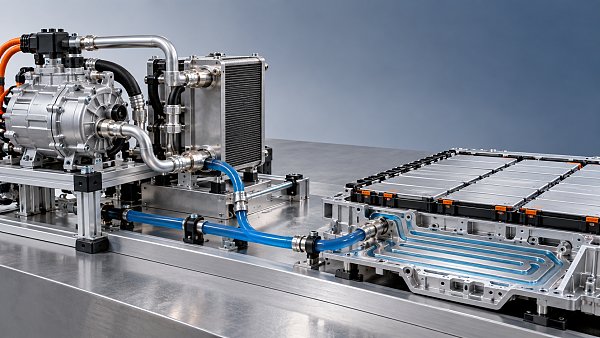
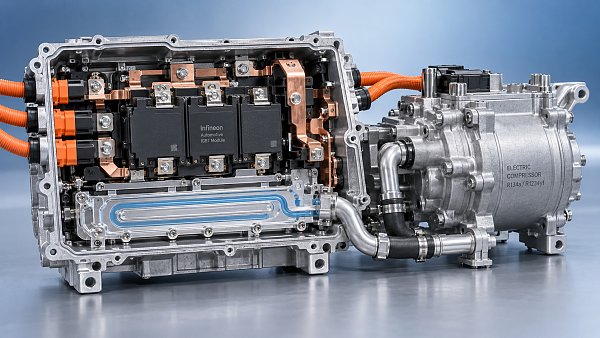
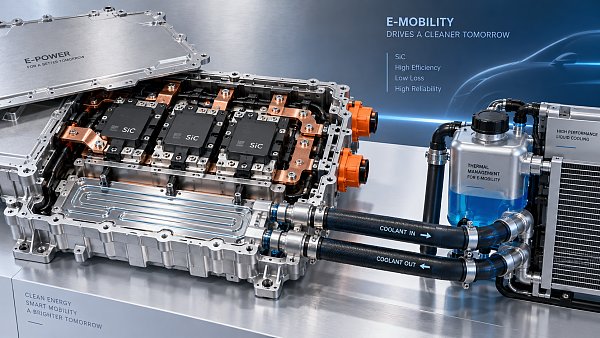
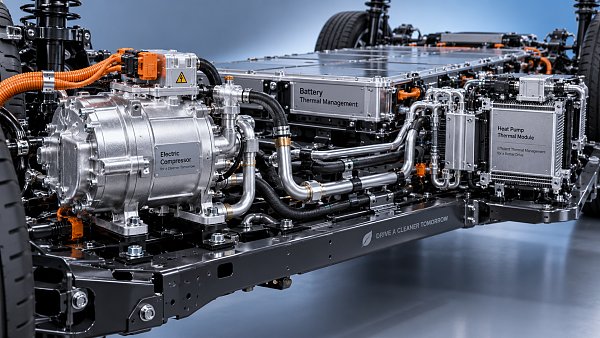
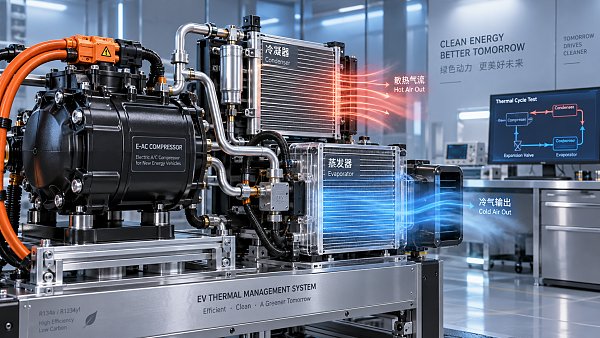
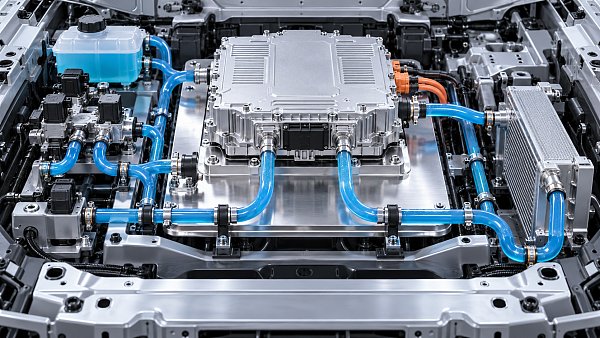
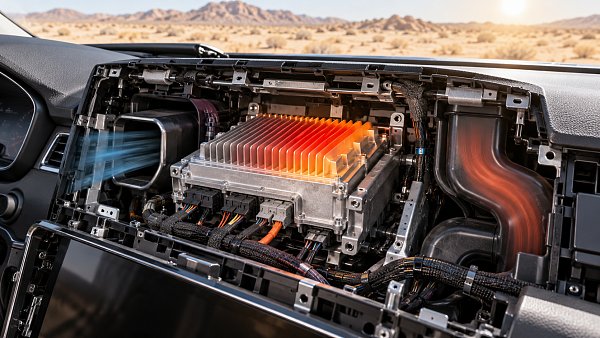
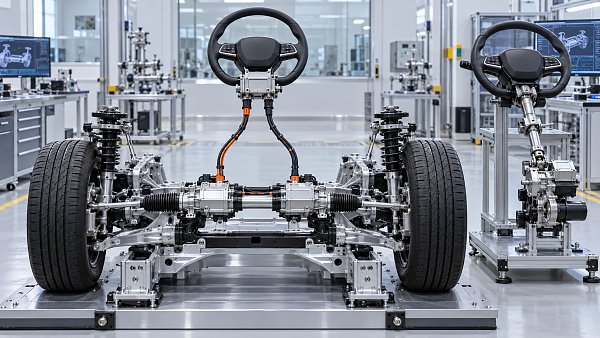
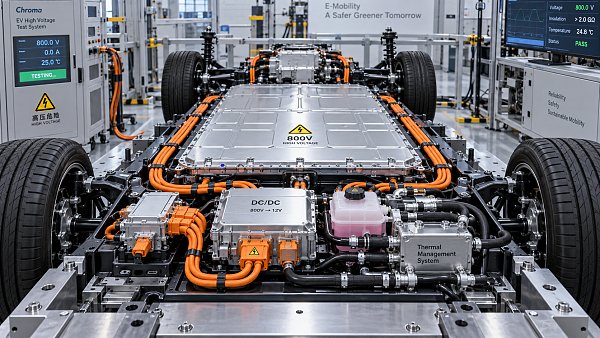
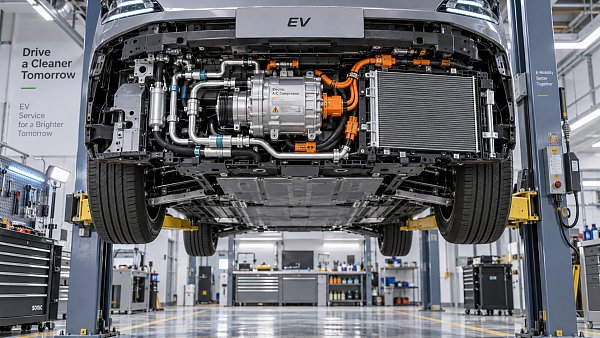
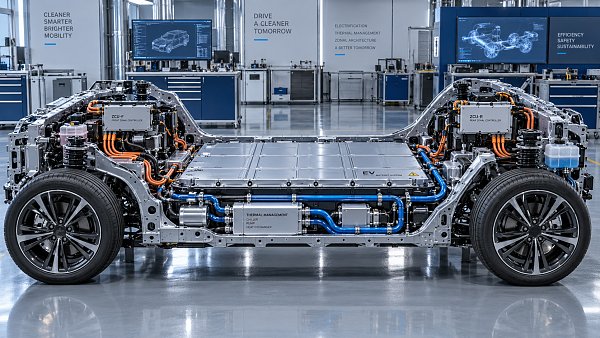
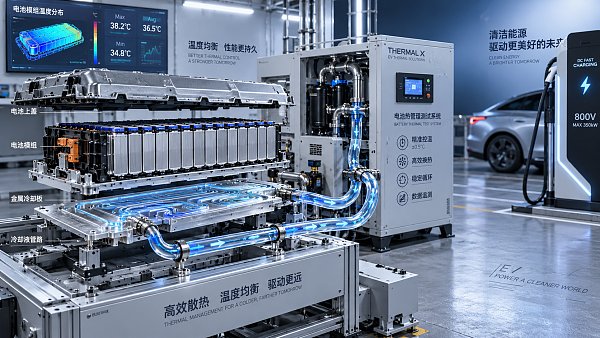
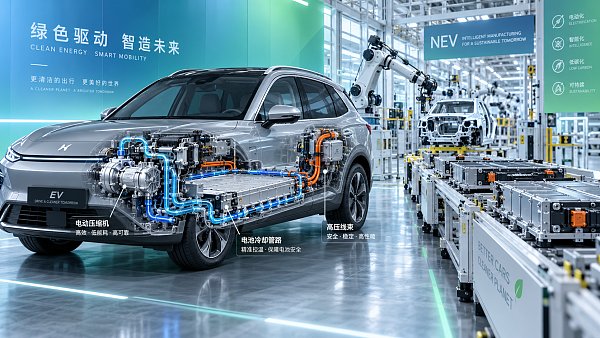
Battery conditioning, cabin comfort, e-drive cooling, and heat pump controls increasingly operate as one energy management system. Yet procurement, HVAC engineering, controls teams, and vehicle integration groups may still work on separate timelines. That disconnect allows a small part shortage or software delay to become a vehicle-level efficiency problem discovered too late.
Smart cabin electronics depend on software readiness as much as hardware supply
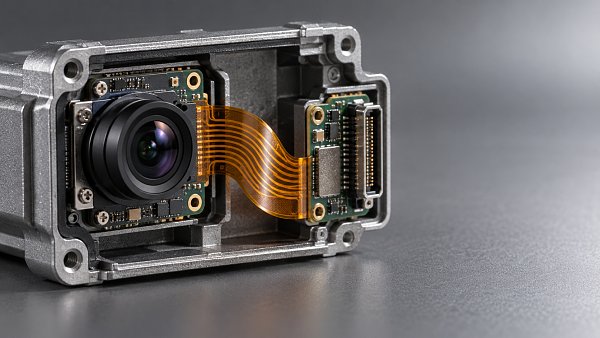
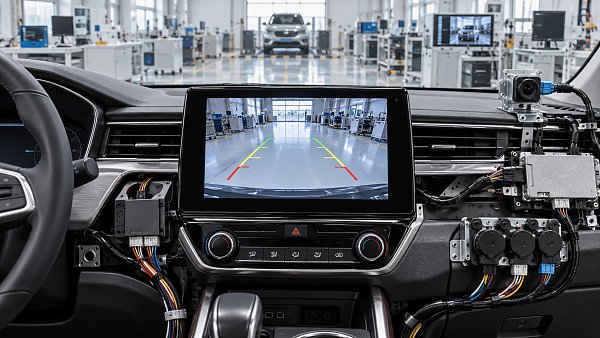
In IVI and digital cockpit programs, sourcing a display or processor does not guarantee feature readiness. Middleware compatibility, cybersecurity updates, voice stack integration, and cloud validation can be the real bottleneck. In these cases, the automotive supply chain includes release management and ecosystem coordination, not just physical logistics.
Second-source plans are weaker than expected
A listed alternate supplier may not be production-equivalent. Different firmware, connectors, calibration logic, refrigerant oil compatibility, or manufacturing tolerances can trigger revalidation. Programs often discover this when they try to activate contingency measures under time pressure.
Practical value of early intelligence in the automotive supply chain
Early intelligence is valuable because it converts uncertainty into manageable trade-offs. For example, tracking copper and aluminum movements can inform harness and thermal exchanger cost exposure before sourcing freezes. Monitoring automotive-grade access standards can identify where localization may be feasible and where qualification barriers remain high. Understanding the evolution of heat pump control logic or flat-wire motor cooling can also reveal which suppliers are truly ahead versus those relying on narrow capacity claims.
This is where a strategic intelligence view adds more value than headline news. Programs benefit when market signals, component roadmaps, manufacturing capability, and validation requirements are interpreted together. That integrated perspective is especially useful in the domains GACT follows, where electrical, thermal, and control-system interactions directly shape vehicle performance and launch reliability.
A practical framework for assessing risk earlier
For project managers and engineering leads, a useful method is to review each critical component through four lenses: supply concentration, technical coupling, change sensitivity, and recovery speed. This creates a more realistic view of automotive supply chain resilience than lead time alone.
What leaders should watch earlier in program phases
During concept and sourcing, leaders should identify which components drive architecture lock-in. In many EV and smart vehicle programs, this includes high-voltage harness routes, steering electronics strategy, compressor control approach, central compute interfaces, and integrated thermal modules. If these areas are sourced or specified without enough scenario analysis, later options become expensive or technically impractical.
During development, teams should focus on engineering changes that alter sourced content, software dependencies, or qualification scope. Even a beneficial improvement can destabilize the automotive supply chain if it arrives after tooling release or validation planning. Change boards should therefore include supply chain impact as a standard criterion, not an afterthought.
During industrialization, the key issue is whether supplier readiness is proven at process level rather than promised at management level. Capacity data, yield trends, test coverage, and logistics routing should be reviewed together. This is especially important for labor-sensitive harness production, electronics-heavy IVI assemblies, and integrated thermal systems with multiple leak-tightness and control-quality requirements.
Practical recommendations for stronger program control
- Map critical components beyond Tier 1 for parts with high technical coupling, not only high spend.
- Link engineering change management with supplier readiness reviews in one governance routine.
- Treat software and controls maturity as part of automotive supply chain status for IVI, steering, and thermal domains.
- Validate second-source interchangeability before crisis conditions force activation.
- Use market intelligence on commodities, standards, and technology evolution to challenge optimistic sourcing assumptions.
- Prioritize cross-functional reviews where purchasing, engineering, quality, manufacturing, and program management assess the same risk picture.
Closing perspective
The automotive supply chain still catches programs off guard because risk rarely arrives as a single event. It emerges from unnoticed dependency between materials, components, controls, validation, and launch timing. For project managers and engineering leaders, the best defense is earlier visibility into the systems most likely to amplify disruption: wiring, steering, compressors, smart cabin electronics, and NEV thermal management.
Organizations that combine technical insight with supply intelligence are better positioned to protect schedules, contain cost drift, and avoid last-minute compromises in performance or reliability. If your program depends on electrified architectures and intelligent cockpit functions, now is the time to review where your automotive supply chain assumptions may still be too shallow—and where deeper component intelligence can improve decision quality before disruption becomes delay.
Related News
- 00
0000-00
How electric compressor speed affects EV battery cooling capacity - 00
0000-00
How to verify a variable frequency compressor supplier’s efficiency claims - 00
0000-00
How bend radius affects FPC reliability in automotive camera modules - 00
0000-00
How to diagnose intermittent loss of electric power steering assist - 00
0000-00
How to size automotive power modules for electric compressors
Weekly Insights
Stay ahead with our curated technology reports delivered every Monday.
Recommended News
 How electric compressor speed affects EV battery cooling capacityElectric compressor technology: battery cooling depends on more than RPM. Discover how speed, refrigerant flow, and system limits affect EV cooling capacity and energy efficiency.Author:Time:Oct 19, 2026
 How to verify a variable frequency compressor supplier’s efficiency claimsVerify a variable frequency compressor supplier’s efficiency claims using COP boundaries, matched test conditions, and duty-cycle data. Learn how to choose with confidence.Author:Time:Oct 18, 2026
 How bend radius affects FPC reliability in automotive camera modulesAutomotive FPC applications: camera module reliability starts with bend radius. Learn how stack-up, strain, and validation guide robust designs and help prevent costly failures.Author:Time:Oct 17, 2026
 How to diagnose intermittent loss of electric power steering assistMaster power steering system diagnostics to trace intermittent EPS assist loss. Learn proven checks for voltage, wiring, and fault codes to avoid costly guesswork.Author:Time:Oct 16, 2026
 How to size automotive power modules for electric compressorsSize automotive power modules for electric compressors with confidence. Learn how voltage, phase current, losses, and cooling shape reliable selection—and avoid costly oversizing.Author:Time:Oct 15, 2026
 Why automotive power electronics are shifting to silicon carbideAutomotive Power Electronics are shifting to silicon carbide. Discover how SiC can cut losses, boost EV power density, and reshape cooling, reliability, and system costs.Author:Time:Oct 14, 2026
 How EV adoption shapes the electrically driven compressor marketExplore how EV adoption shapes the electrically driven compressor market, from battery cooling and heat pumps to supplier margins. Discover the drivers of profitable growth.Author:Time:Oct 13, 2026
 How to size a PTC heater for reliable EV cabin heatingPTC Heater sizing for EV cabins: learn how to balance defrost performance, heat-pump integration, airflow, voltage range, and battery power for reliable winter comfort.Author:Time:Oct 12, 2026
 What determines the cooling output of electric automotive AC compressors?Automotive air conditioning compressors electric systems: explore how speed, voltage, refrigerant, controls, and heat exchangers shape EV cooling capacity and efficiency.Author:Time:Oct 11, 2026
 What makes a touchscreen media head unit responsive enough for daily use?Touchscreen media head unit performance explained: discover what delivers fast starts, smooth maps, reliable phone pairing, and responsive daily driving.Author:Time:Oct 10, 2026
 Can a Domain Controller Share a Cooling Loop with Other Electronics?Can a domain controller share a cooling loop with other electronics? Explore thermal zoning, flow control, safety priorities, and reliable vehicle electronics cooling strategies.Author:Time:Oct 19, 2026
 What Causes Domain Controller Overheating During Summer Testing?What causes domain controller overheating in summer testing? Explore heat load, airflow, installation, software factors, and practical fixes.Author:Time:Oct 18, 2026
 Is a Head-Up Display Hard to Integrate with Different Windshields?Is a head-up display difficult to integrate with different windshields? Discover how glass geometry, coatings, and calibration affect HUD clarity, cost, and production readiness.Author:Time:Oct 17, 2026
 What Should Be Checked Before Selecting an Automotive Head Unit?What should be checked before selecting an automotive head unit? Explore compatibility, performance, cybersecurity, compliance, and supplier support.Author:Time:Oct 16, 2026
 Is Steer-by-Wire More Expensive Than an EPS Steering System?Is steer-by-wire more expensive than an EPS steering system? Explore the true costs, safety demands, software value, and when SbW justifies its premium.Author:Time:Oct 15, 2026
 Which Automotive Electronics Need Validation for 800V Platforms?What automotive electronics should be validated for 800V platforms? Explore critical checks for harnesses, power electronics, thermal systems, safety, and EMC.Author:Time:Oct 14, 2026
 How Do Automotive Compressor Export Requirements Vary by Market?How do automotive compressor export requirements vary by market? Explore key compliance rules for refrigerants, EV safety, OEM approvals, labeling, and customs.Author:Time:Oct 13, 2026
 What Documents Are Needed to Export Automotive Thermal Components?What documents are needed to export automotive thermal components? Explore customs, compliance, technical records, and shipping tips to prevent costly delays.Author:Time:Oct 12, 2026
 How Often Should an EV Air Conditioning Compressor Be Inspected?How often should an EV air conditioning compressor be inspected? Discover recommended service intervals, warning signs, and expert care tips to protect cooling performance and EV reliability.Author:Time:Oct 11, 2026
 How to size power solutions for automotive head-up display systemsHeads-up display systems power solutions: learn how to size automotive HUD power architectures for startup, brightness, thermal limits, EMC, protection, and reliable vehicle operation.Author:Time:Oct 19, 2026
 How does a head-up display work in a high-performance car?Hoe werkt een head-up display in een high-performance auto en welke informatie toont het? Discover the tech, safety alerts, and performance data that sharpen every drive.Author:Time:Oct 18, 2026
 Which trends will shape zonal EV architectures in the next decade?Future trends in zonal EV architectures: explore smarter power distribution, 48V systems, thermal integration, software, and resilient networks shaping next-gen vehicles.Author:Time:Oct 17, 2026
 When does a zonal EV architecture outperform a centralized design?Explore the trade-offs between zonal and centralized EV architectures to identify the best path for harness efficiency, software scalability, safety, and faster EV launches.Author:Time:Oct 16, 2026
 How to compare vendors for zonal EV power architecturesComparing vendors for zonal EV power architectures: assess electrical capability, interface ownership, lifecycle support, and integration risk for smarter sourcing.Author:Time:Oct 15, 2026
 How zonal architectures can improve EV reliability at the system levelHow zonal architectures affect EV reliability: explore fault containment, diagnostics, power resilience, and software strategies for more dependable electric vehicles.Author:Time:Oct 14, 2026
 What is driving growth in the automotive E/E architecture market?Explore what drives the automotive electric electronic systems architecture market, from EV power systems and zonal computing to ADAS, cybersecurity, and software-defined vehicles.Author:Time:Oct 13, 2026
 How to evaluate top-rated vehicle electrical components for reliabilityDiscover how to evaluate top-rated vehicle electrical components for reliability, from connector integrity and thermal margins to validation data and manufacturing control.Author:Time:Oct 12, 2026
 What makes vehicle electrical components reliable over a long service life?Top-rated vehicle electrical components for reliability depend on thermal control, sealing, vibration resistance, and validated manufacturing. Discover how to choose durable parts.Author:Time:Oct 11, 2026
 How battery thermal management solutions prevent fast-charge overheatingBattery thermal management solutions prevent fast-charge overheating with intelligent cooling, valve control, predictive preconditioning, and reliable heat rejection.Author:Time:Oct 09, 2026
 What an automotive market report can reveal about EV demand shiftsAutomotive market report insights reveal EV demand shifts, component opportunities, regional risks, and smarter investment strategies for growth.Author:Time:Oct 08, 2026