Electric Compressors: Where Reliability Issues Usually Start




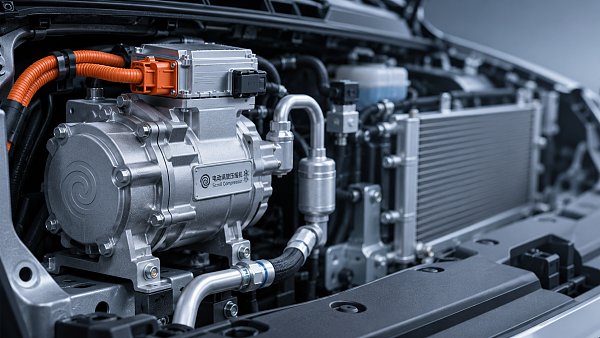
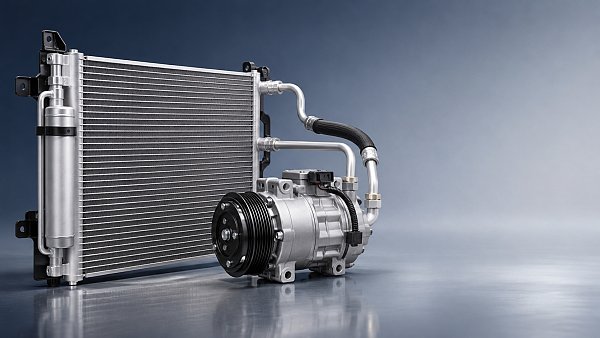
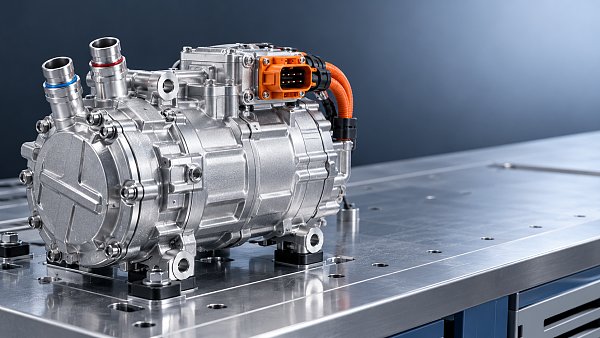
Electric compressors rarely fail without warning—reliability issues usually begin with small deviations in insulation, lubrication, sealing, vibration, or control logic. For quality control and safety management teams, identifying these early failure triggers is essential to preventing system downtime, thermal inefficiency, and compliance risks. This article explores where electric compressors most often start to lose reliability and what signals should never be ignored.
Why reliability risk in electric compressors is becoming a bigger industry signal
Across the automotive and broader thermal systems landscape, electric compressors are no longer judged only by cooling capacity or energy efficiency. They are now evaluated as safety-relevant, control-sensitive, software-linked components operating inside increasingly integrated vehicle architectures. This shift matters because reliability problems in electric compressors are no longer isolated mechanical incidents. They can affect battery thermal stability, cabin comfort, defrost performance, high-voltage safety, warranty cost, and even fleet availability.
For quality control teams, the trend is clear: the failure starting point has moved upstream. Instead of waiting for visible breakdown, more companies are trying to detect weak insulation margins, oil return instability, abnormal vibration signatures, connector heating, and software calibration mismatches long before a compressor stops running. For safety management teams, the same trend creates a new compliance challenge. A compressor that still operates may already be drifting into unsafe or inefficient conditions.
In new energy vehicles and advanced HVAC platforms, electric compressors work under more variable loads, wider ambient temperature swings, and tighter noise targets. As a result, small quality deviations now have amplified consequences. What used to be a minor process inconsistency can become a field reliability issue once exposed to repeated start-stop cycles, variable-speed operation, and high-voltage electrical stress.
The biggest change: failure no longer starts at one point only
One of the most important market changes is that electric compressors increasingly fail through interaction effects rather than single-point defects. In older diagnostic thinking, teams often searched for one dominant cause such as bearing wear, refrigerant leakage, or motor burnout. Today, reliability loss often begins as a chain reaction: a slight sealing issue affects lubricant condition, lubricant degradation changes friction behavior, friction alters vibration, vibration affects electrical connectors or winding insulation, and the control system compensates until the entire unit drifts beyond safe operating limits.
This means electric compressors should be monitored as electromechanical systems, not just refrigeration devices. The companies seeing better field performance are usually those that combine electrical quality checks, thermal performance validation, vibration analysis, contamination control, and software logic review into one reliability framework.
Trend table: where reliability issues in electric compressors usually start
Insulation weakness is moving from hidden defect to frontline risk
Among all early failure triggers in electric compressors, insulation weakness deserves special attention because it often develops quietly. In high-voltage systems, insulation is not simply a pass-fail parameter at end-of-line. It is a life-cycle reliability issue influenced by contamination, moisture ingress, winding quality, inverter switching behavior, and thermal aging. Even when initial test data looks acceptable, real-world cycling can reduce insulation margin faster than expected.
This is especially relevant as electric compressors become more integrated with vehicle thermal management systems. Frequent speed variation, extended high-load operation, and harsh startup conditions increase electrical stress. Quality personnel should not rely only on static hipot or insulation resistance values. Trend-based analysis, repeated thermal-electric cycling, and contamination sensitivity testing are becoming more useful indicators of future reliability.
For safety managers, the practical question is simple: if insulation degradation begins before visible failure, what internal threshold should trigger containment action? The answer should include not just electrical pass criteria, but also rate-of-change monitoring, root-cause traceability, and escalation rules tied to field severity.
Lubrication and sealing problems are becoming more sensitive under EV operating patterns
Another clear trend is that lubrication and sealing stability are under greater pressure than in conventional compressor applications. Electric compressors in electrified vehicles operate across broader speed ranges and may spend longer periods in partial-load conditions. These patterns can change oil circulation behavior, film strength, and refrigerant-oil interaction. A compressor may pass conventional durability checks but still experience long-term reliability decline if oil return is inconsistent in specific duty cycles.
Sealing performance is also facing new demands. Material compatibility with refrigerants, thermal expansion mismatch, assembly cleanliness, and micro-leak pathways all matter more when thermal systems become tightly optimized for efficiency. A small leak no longer affects only cooling output. It can alter compressor temperature, lubrication condition, and energy consumption across the entire thermal loop.
This creates a useful inspection shift for quality teams: instead of treating lubrication and sealing as independent checks, they should be reviewed together. If the system shows unexplained noise increase, current fluctuation, or discharge temperature drift, the root cause may be mixed rather than isolated.
Vibration is no longer just an NVH issue; it is an early reliability language
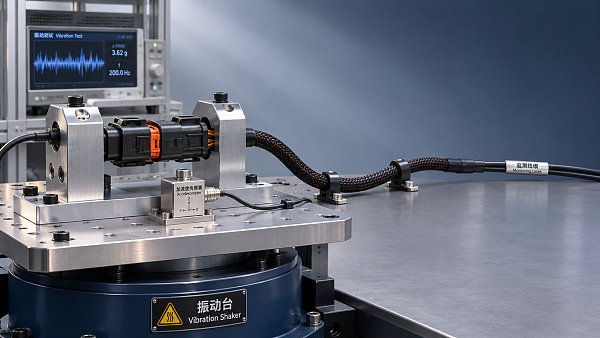
In many programs, vibration used to be escalated only when customer comfort was affected. That mindset is changing. In electric compressors, abnormal vibration often appears earlier than hard mechanical failure and can serve as a cross-domain warning signal. It may indicate imbalance, bearing distress, mounting weakness, rotor eccentricity, pressure pulsation, or control instability. In quiet EV cabins, these patterns are easier to notice, but their importance goes beyond sound quality.
For quality control, the trend is toward condition interpretation rather than single-value acceptance. A compressor that meets one vibration limit at one speed point may still show dangerous resonance behavior during transient operation. For safety management, recurring vibration excursions should be treated as reliability evidence, not cosmetic annoyance. Over time, they can damage brackets, wiring interfaces, connectors, and sealing surfaces.
Software and control logic are now part of the compressor reliability boundary
One of the most important industry shifts is the expansion of responsibility from hardware to hardware-plus-control. Electric compressors increasingly depend on inverter strategy, thermal management coordination, sensor plausibility, fault handling, and startup logic. A mechanically sound unit can still lose reliability if the control system repeatedly commands unstable transitions, allows frequent hunting around target values, or fails to protect against extreme pressure-temperature combinations.
This matters because many organizations still separate compressor quality review from software validation. In practice, electric compressors sit at the intersection of both. A safety manager assessing risk should therefore ask whether failure mode analysis includes command logic, communication faults, and degraded sensor conditions. A quality engineer should ask whether field returns are being screened for calibration-related stress instead of being labeled as hardware-only defects.
Impact table: who is most affected by these reliability shifts
The strongest warning signals are usually small, repeated, and cross-functional
The market often focuses on catastrophic failures, but the better reliability signal is repetition. Electric compressors usually show early evidence through recurring minor anomalies: slightly elevated current draw, more frequent thermal derating, intermittent communication faults, repeated refrigerant correction, gradual efficiency loss, or a narrow vibration peak appearing only in a certain speed band. Any one symptom may look manageable. Together, they indicate that reliability is already weakening.
This is why cross-functional review matters. Electrical teams may notice insulation drift, mechanical teams may hear noise, thermal teams may see reduced COP, and software teams may log unstable control behavior. If these signals stay in separate systems, the compressor problem looks small. When combined, they often reveal the real failure trajectory.
What quality and safety teams should watch next
Looking ahead, several judgment points will shape how organizations manage electric compressors. First, validation standards will likely move toward more realistic duty cycles rather than narrow laboratory profiles. Second, supplier assessment will increasingly focus on process stability in insulation, cleanliness, sealing, and software calibration discipline. Third, field monitoring will become more valuable, especially where connected diagnostics can identify early drift before a hard failure occurs.
For organizations working with electric compressors, the most practical response is not to add more inspection everywhere, but to improve the quality of the signals being reviewed. Teams should identify which deviations tend to appear first, which of them correlate with later field events, and which thresholds deserve immediate containment. In other words, the goal is better judgment, not just more data.
Priority checklist for near-term action
- Reassess whether current validation cycles reflect real EV thermal operating patterns.
- Review electric compressor failure analysis across electrical, mechanical, thermal, and software teams together.
- Track minor repeat anomalies instead of waiting for severe failures.
- Strengthen supplier audits around cleanliness, insulation process control, sealing consistency, and calibration governance.
- Define clear escalation rules for drift in insulation, vibration, current, pressure, and temperature behavior.
A practical way to judge whether your electric compressors are entering a risk zone
If your business depends on stable thermal performance, the right question is not whether electric compressors have failed yet, but whether they are beginning to fail in ways that current controls cannot see. That judgment starts with a few focused questions: Are abnormal signals recurring in the same duty cycle window? Are quality, safety, and software teams seeing related but disconnected evidence? Are field returns showing mixed symptoms such as noise, leakage, current instability, and intermittent faults? Are suppliers demonstrating process capability for the specific stress conditions your system actually uses?
Electric compressors will remain central to efficient cabin cooling and broader thermal management strategies. As systems become more electrified and integrated, the reliability starting point will continue to move toward subtle, early-stage deviations. Companies that recognize those signals early will reduce downtime, improve safety confidence, and build stronger decision-making across the supply chain. If an enterprise wants to judge how these trends affect its own operations, the first step is to confirm where reliability data is fragmented, where thresholds are too late, and which early-warning patterns deserve immediate attention.
Have questions about this sector analysis, or seeking best practices specific to your niche? Drop us a line below and let the senior consultants at GAC assist you.
“We respect your privacy. Your information is strictly confidential.”
Related News
- 00
0000-00
How to assess a smart cockpit electronics manufacturer's integration capability - 00
0000-00
How does a shielded HSD cable reduce interference in vehicles? - 00
0000-00
What drives demand for scroll compressors in the automotive market? - 00
0000-00
Does AEC-Q200 apply to flexible printed circuits? - 00
0000-00
How does production volume affect automotive flexible electronics costs?
Weekly Insights
Stay ahead with our curated technology reports delivered every Monday.
Recommended News
 How to assess a smart cockpit electronics manufacturer's integration capabilityAssess a smart cockpit electronics manufacturer's integration capability with practical checks for interfaces, testing, safety, cybersecurity and supplier support.Author:Time:Nov 18, 2026
 How does a shielded HSD cable reduce interference in vehicles?Discover how a shielded HSD cable reduces vehicle interference, and learn why connector design, routing, and testing matter for reliable high-speed data links.Author:Time:Nov 17, 2026
 What drives demand for scroll compressors in the automotive market?Explore the scroll compressor for automobile market and discover how EV adoption, heat pumps, efficiency, and supplier capabilities shape demand.Author:Time:Nov 16, 2026
 Does AEC-Q200 apply to flexible printed circuits?Flexible Printed Circuit AEC-Q200 requirements explained: discover which components qualify and how to assess automotive FPC reliability.Author:Time:Nov 15, 2026
 How does production volume affect automotive flexible electronics costs?Explore how production volume affects automotive flexible electronics cost, from tooling and yield to testing. Compare quotes and negotiate smarter.Author:Time:Nov 14, 2026
 How much does an in-vehicle infotainment system cost to replace?Explore in-vehicle infotainment cost, from affordable repairs to factory replacements. Compare options, installation fees, and compatibility before you buy.Author:Time:Nov 13, 2026
 How does condenser efficiency affect heat pump performance?Discover how condenser high efficiency can improve heat pump performance, reduce compressor power, and boost heating COP—plus the trade-offs to watch.Author:Time:Nov 12, 2026
 What does each FAKRA cable color code mean?FAKRA cable color code explained: Explore common connector colors, typical uses and key compatibility checks before choosing a replacement.Author:Time:Nov 11, 2026
 How to compare noise ratings for battery coolant pumpsCompare coolant pump low noise ratings with confidence. Learn how test conditions, hydraulic duty, tonal noise and installation affect your choice.Author:Time:Nov 10, 2026
 How bright should automotive display systems be in sunlight?Automotive Display Systems need more than brightness to stay readable in sunlight. Discover why 1,000 nits is a starting point and how to evaluate glare and heat.Author:Time:Nov 09, 2026
 How heat pumps improve the efficiency of EV thermal systemsEV Thermal Systems use heat pumps to reduce heating energy demand. Explore how they work, where they excel, and what limits efficiency in cold weather.Author:Time:Nov 08, 2026
 Can a smart cockpit platform support multiple displays?Can a smart cockpit platform support multiple displays? Explore key requirements for performance, safety, connectivity, and supplier evaluation.Author:Time:Nov 07, 2026
 How is automotive connector vibration resistance tested?Automotive connector vibration resistance testing reveals hidden contact failures. Explore test profiles, continuity monitoring and pass criteria.Author:Time:Nov 06, 2026
 How heat pumps save energy in automotive cabin climate systemsAutomotive Cabin Climate Systems energy saving starts with smarter heat pump design. Explore real-world efficiency, cold-weather trade-offs, and testing tips.Author:Time:Nov 05, 2026
 Is an EV heat pump worth it for winter driving range?Is a heat pump worth using in a cold-climate EV? Discover how it affects winter range, when it pays off, and what to check before buying.Author:Time:Nov 04, 2026
 When should you use 50-ohm coaxial cable instead of 75-ohm?Coaxial cable 50 ohm or 75 ohm? Learn when to use each, avoid impedance mismatches, and choose the right cable for reliable RF and video performance.Author:Time:Nov 03, 2026
 How to select a high temperature motor harness for an EVChoose the right high temperature motor harness for your EV. Compare thermal limits, current capacity, shielding, routing, and validation evidence.Author:Time:Nov 02, 2026
 How much does electric power steering replacement cost?Electric power steering price typically ranges from $1,000 to $3,000 for major replacements. Discover cost factors, repair options, and tips for comparing quotes.Author:Time:Nov 01, 2026
 How to size an EV A/C compressor for the required cooling capacitySize an EV A/C Compressor with confidence. Explore cooling loads, performance maps and power limits to select the right compressor for your vehicle.Author:Time:Oct 31, 2026
 How to choose the right pitch for an FPC board connectorFPC board connector pitch affects space, assembly and reliability. Learn how to compare options and select the best fit for your design.Author:Time:Oct 30, 2026
 How zonal design affects harness routing in high-voltage EV architecturesExplore high-voltage electrical architecture zonal design and its impact on EV harness routing. Discover key trade-offs in cable length, safety, thermal performance, and service access.Author:Time:Oct 29, 2026
 How tariffs affect costs in global automotive parts supply chainsNavigate tariffs in the global automotive parts trade supply chain. Learn to compare landed costs, manage duty exposure, and uncover smarter sourcing strategies to protect your margins.Author:Time:Oct 28, 2026
 How to assess vendor lock-in in a software-defined vehicle platformAssess Software-Defined Vehicle platform lock-in with practical tests for API portability, data access, update control, and exit costs. Learn how to choose a platform with a proven exit path.Author:Time:Oct 27, 2026
 How ISO 26262 guides functional safety in steer-by-wire systemsExplore steering systems functional safety through ISO 26262. Learn how hazard analysis, fault-tolerant design, and validation build a stronger steer-by-wire safety case.Author:Time:Oct 26, 2026
 How to evaluate a steering angle sensor manufacturer's accuracy claimsEvaluate steering angle sensor manufacturer accuracy claims with practical checks on calibration, latency, and test evidence. Compare suppliers confidently and avoid costly selection mistakes.Author:Time:Oct 25, 2026
 How to diagnose CAN bus faults in a hybrid vehicle control unitDiagnose Hybrid Vehicle Systems control unit CAN bus faults with step-by-step power, wiring, and waveform checks. Find the root cause and avoid unnecessary replacement.Author:Time:Oct 24, 2026
 How does battery cooling pipe diameter affect coolant pressure drop?Battery Cooling Pipe diameter affects coolant pressure drop and pump power. Explore sizing calculations and practical tips to optimize EV battery cooling and compare options with confidence.Author:Time:Oct 23, 2026
 How to assess PPAP readiness of automotive sensor system manufacturersAssess Automotive Sensor Systems manufacturers for PPAP readiness. Learn to verify production evidence, measurement capability, validation, and traceability to reduce sourcing risks.Author:Time:Oct 22, 2026
 What to ask an FPC connector manufacturer about reliability testingChoosing an FPC Connector manufacturer? Learn what to ask about reliability testing, failure limits, and traceable results to reduce design risks and select with confidence.Author:Time:Oct 21, 2026
 How to verify vehicle fitment for an aftermarket AC evaporatorNavigating the evaporator aftermarket? Verify vehicle fitment with VIN data, OE numbers, and physical interface checks. Use this guide to avoid costly mismatches and order confidently.Author:Time:Oct 20, 2026