Smart Cabin Electronics Features Drivers Actually Notice




From seamless screen controls to quieter climate systems, smart cabin electronics are shaping the features drivers notice every day. As vehicles become more connected, comfortable, and intelligent, consumers are paying closer attention to the technologies that improve convenience, safety, and in-cabin experience. This article explores the cabin electronics features that truly stand out in real-world driving.
What do drivers really mean when they talk about smart cabin electronics?
For most consumers, smart cabin electronics are not abstract automotive technologies hidden behind dashboards. They are the systems people touch, hear, see, and rely on every time they drive. That includes responsive touchscreens, digital instrument clusters, voice assistants, wireless phone integration, seat memory, intelligent climate control, ambient lighting, driver monitoring, and the quiet coordination of sensors and controllers that make the cabin feel modern.
What matters most is not the number of screens or the marketing language around “smart mobility.” Drivers usually notice whether the cabin responds quickly, whether information is easy to understand, whether audio and navigation work without friction, and whether comfort settings adjust smoothly. In other words, smart cabin electronics become valuable when they reduce effort and increase confidence.
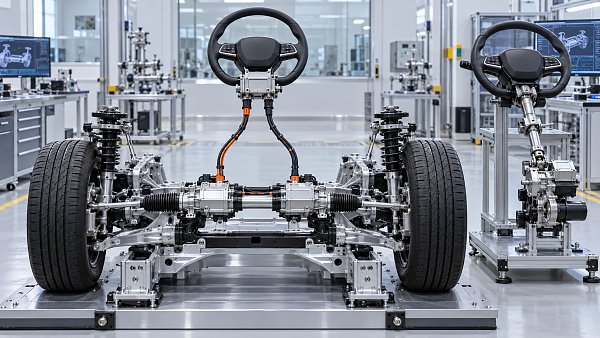
This is one reason the topic now receives so much attention across the automotive market. As vehicle electrification and digitalization accelerate, cabin systems are no longer isolated convenience features. They increasingly connect infotainment, thermal control, steering feedback, safety alerts, and even energy use. For consumers, that means the in-cabin experience has become a major part of how a car feels on a daily basis.
Which smart cabin electronics features do drivers actually notice first?
Not every feature gets equal attention. Some technologies look impressive in a showroom but matter less in real traffic. Others seem simple on paper but make a major difference over months of ownership. In real-world driving, several smart cabin electronics features consistently stand out.
1. Fast, intuitive screen response
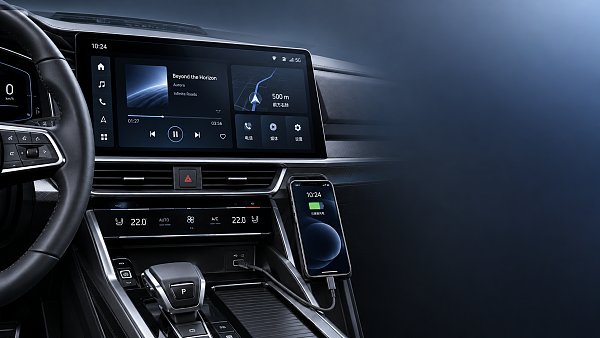
Drivers immediately notice lag. A touchscreen that responds quickly, keeps menus simple, and minimizes deep navigation feels premium. A slow or confusing interface feels frustrating, even if the hardware looks advanced. Smooth graphics, logical icons, and customizable shortcuts matter more than oversized displays alone.
2. Voice control that actually works
Consumers increasingly expect hands-free interaction. But they only value voice control when it can handle natural commands such as setting a destination, adjusting cabin temperature, calling a contact, or changing music without repeated attempts. Good voice systems reduce distraction; poor ones quickly get ignored.
3. Quieter, smarter climate management
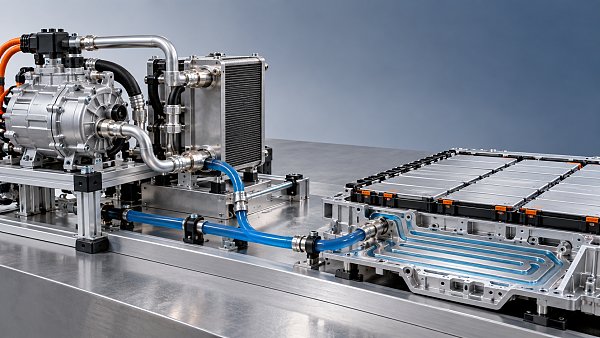
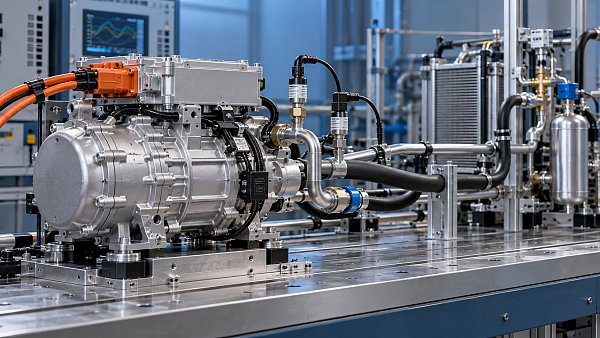
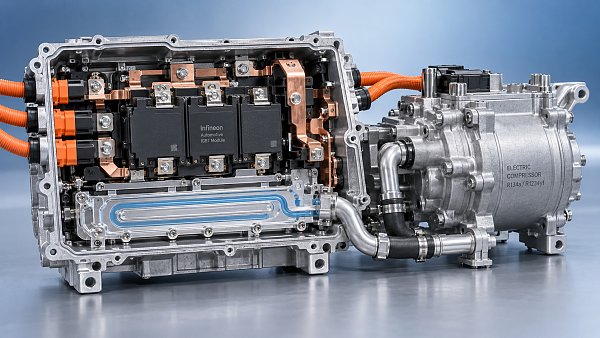
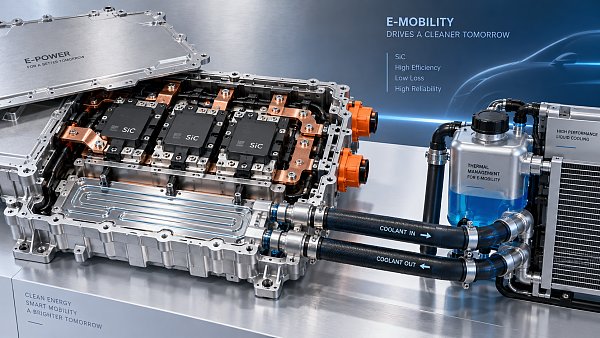
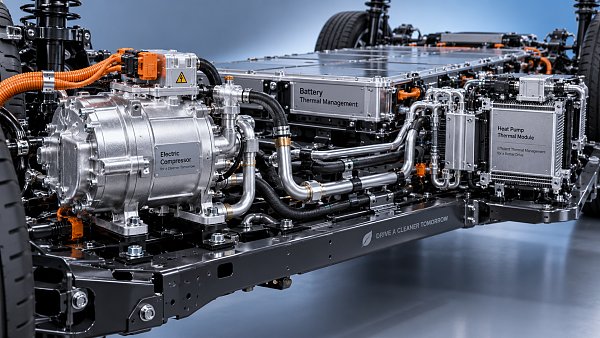
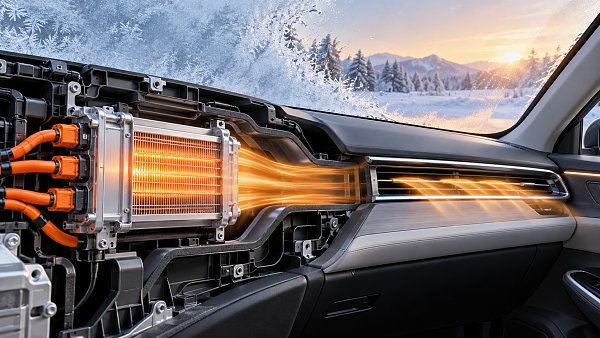
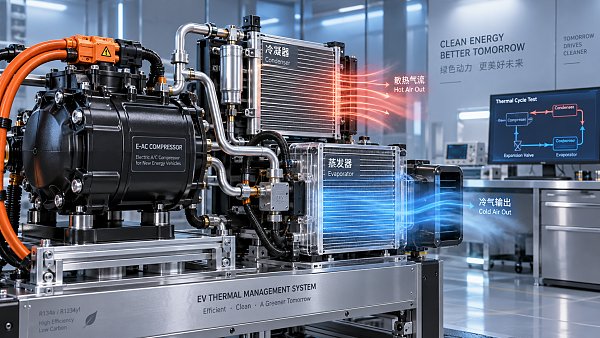
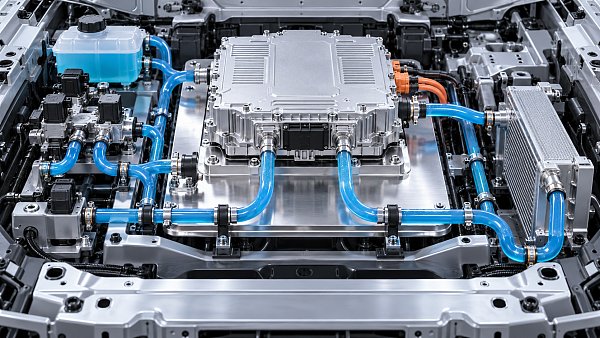
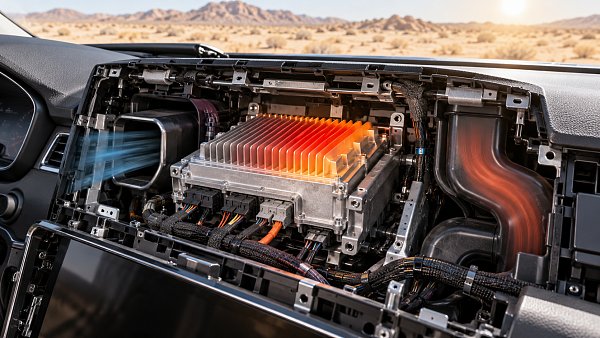
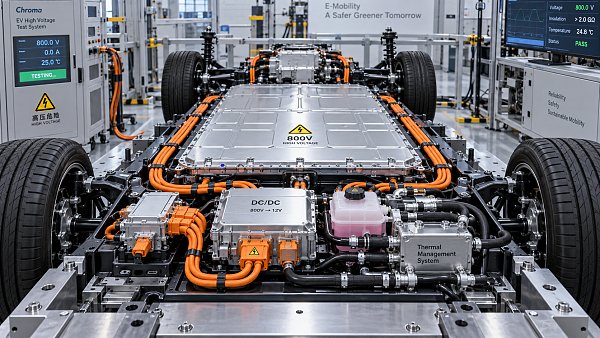
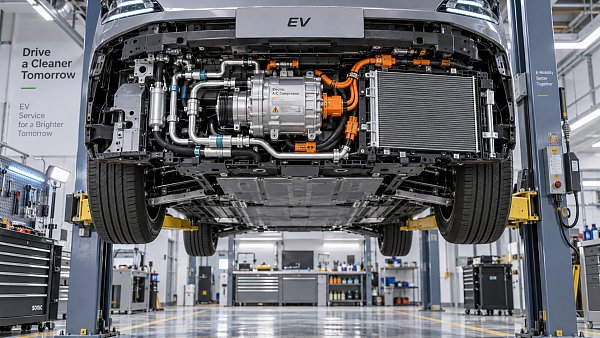
Cabin comfort is one of the most noticeable areas for smart cabin electronics. People recognize when air conditioning cools evenly, defogging starts fast, and fan noise stays low. In newer vehicles, especially electrified models, electronically controlled compressors and integrated thermal management systems play a major role in this experience. Drivers may not know the engineering details, but they feel the result immediately.
4. Seamless smartphone connectivity
Wireless Apple CarPlay, Android Auto, Bluetooth stability, and fast charging are now baseline expectations for many buyers. If pairing fails, audio drops, or charging overheats the phone, the overall cabin impression declines fast. The best smart cabin electronics make the phone feel integrated rather than tolerated.
5. Helpful visual information
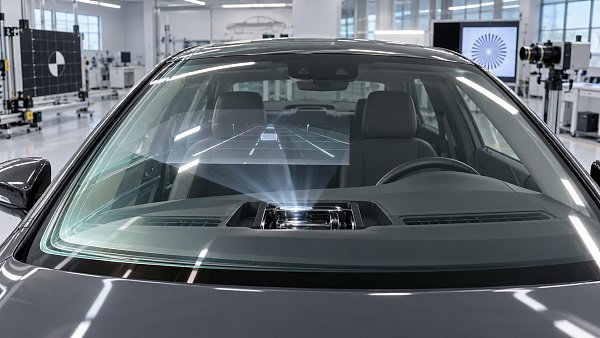
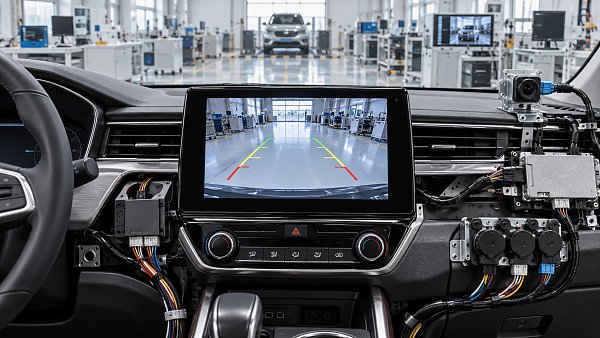
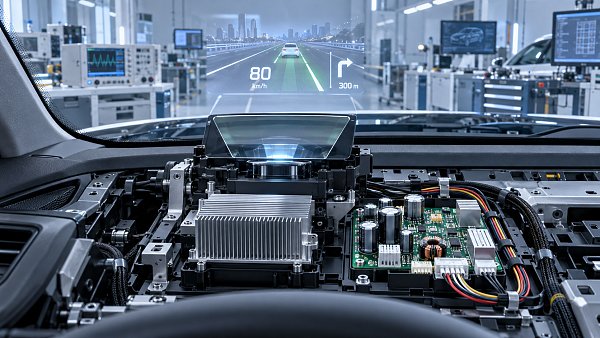
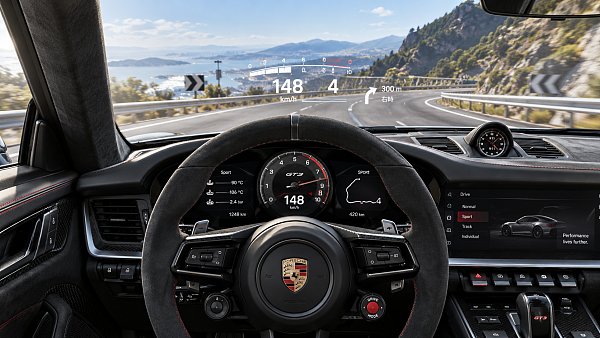
Digital clusters, head-up displays, 360-degree camera views, and parking guidance can strongly influence driver confidence. These features are most appreciated when they reduce stress in lane changes, parking, heavy rain, or nighttime driving. Clarity beats complexity: drivers prefer useful information delivered at the right moment over crowded displays full of rarely used data.
How are smart cabin electronics different from traditional in-car features?
Traditional cabin equipment often worked as separate systems. The radio had its own controls, the air conditioning worked independently, and the instrument panel displayed limited information. Smart cabin electronics increasingly combine these functions into connected digital ecosystems. That shift changes both convenience and expectations.
For example, a modern cabin may coordinate navigation, battery range, outside temperature, and climate settings to optimize comfort and efficiency. A route to a charging stop can trigger pre-conditioning suggestions. A driver profile can restore seat position, mirror angle, ambient lighting, and favorite apps. Driver monitoring can issue alerts if fatigue or distraction is detected. These are not just isolated features; they are linked experiences enabled by software, sensors, and electronic control architecture.
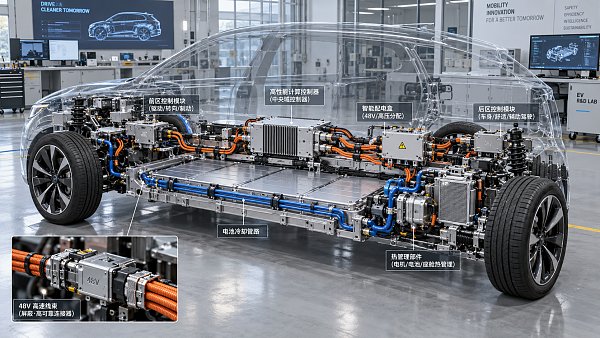
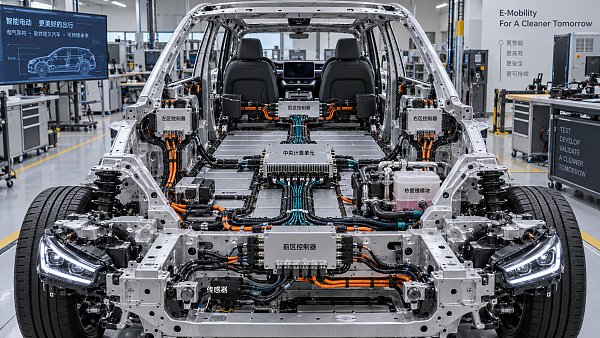
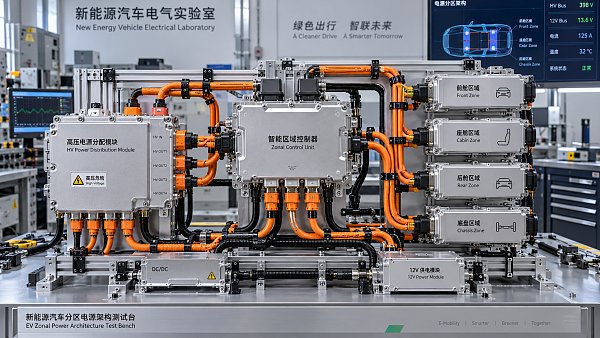
This integration also explains why companies tracking automotive electronics, wiring systems, infotainment, and thermal management are increasingly relevant. Behind a smooth user experience is a complex network of harnesses, controllers, compressors, displays, and communication modules. Smart cabin electronics succeed when all of these hidden layers work together without demanding attention from the driver.
Which features are worth paying for, and which are mostly marketing?
This is one of the most practical consumer questions. Not every package upgrade adds equal value. The best way to judge smart cabin electronics is to focus on frequency of use, ease of operation, and impact on comfort or safety.
Features worth paying for often include a stable infotainment system, reliable smartphone mirroring, quality microphones, clear reverse and surround-view cameras, low-noise climate control, memory settings for multiple drivers, and a well-designed digital cluster or HUD. These improve daily interaction every single trip.
By contrast, some buyers overpay for features they rarely use, such as overly theatrical lighting modes, gesture controls with inconsistent recognition, or interfaces overloaded with app-like gimmicks. These may impress during a test drive but can become irrelevant in normal commuting.
A simple rule helps: if a feature reduces distraction, saves time, improves comfort, or supports safer decision-making, it likely deserves attention. If it mainly adds visual drama without long-term usability, think twice.
What common mistakes do consumers make when judging smart cabin electronics?
One common mistake is focusing too much on hardware appearance. Bigger screens and glossy interfaces can create a strong first impression, but they do not guarantee a better experience. Software stability, processing speed, update support, and control logic often matter more than raw screen size.
Another mistake is overlooking climate and acoustic performance. Many buyers test the display, speakers, and seat materials but forget to evaluate whether the HVAC system is smooth, quiet, and effective. Yet climate comfort is one of the cabin qualities people notice every day, especially in hot summers, cold winters, and stop-and-go traffic.
A third mistake is assuming all smart features age equally well. Some smart cabin electronics depend on software maintenance, mobile compatibility, and long-term supplier support. A flashy connected feature may lose relevance if updates stop or if the interface becomes unreliable after a few years. This is especially important as vehicles rely more heavily on integrated domain controllers, sensor networks, and cloud-linked services.
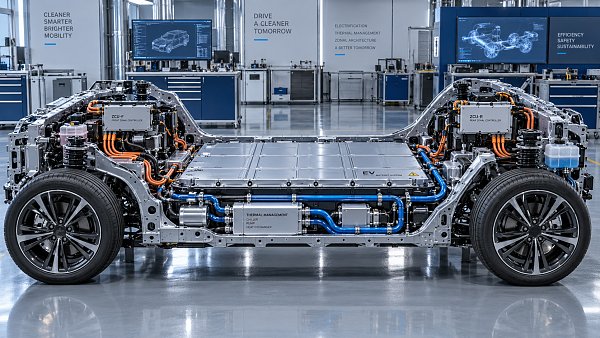
Finally, consumers sometimes ignore the relationship between cabin intelligence and underlying vehicle systems. A premium user experience often depends on robust wiring harnesses, high-quality electronic components, efficient electric compressors, and well-designed thermal management architecture. If these foundations are weak, the visible smart features may feel inconsistent over time.
How can buyers test smart cabin electronics during a real vehicle comparison?
The best evaluation happens during a hands-on comparison, not by reading a feature list alone. Start with the tasks you perform most often. Connect your phone. Set a destination. Change music. Adjust climate settings. Use voice control. Reverse into a tight space. Switch between menus while the vehicle is moving slowly in a safe environment. These small tasks reveal far more than specification sheets.
Pay attention to speed and clarity. Do menus react instantly? Can you complete common actions in one or two steps? Is the screen still readable in bright daylight? Are physical controls available for critical functions like temperature, defrost, or volume? Good smart cabin electronics usually blend digital flexibility with practical ergonomics.
Also listen to the cabin. Fan noise, compressor sound, alert chimes, and voice assistant volume all shape the sense of refinement. In electrified vehicles, the absence of engine noise makes poor electronic tuning easier to notice. A cabin that feels calm and coordinated typically reflects stronger integration across infotainment, thermal systems, and control electronics.
If possible, test the vehicle in conditions that matter to your lifestyle: school runs, commuting, parking garages, rainy weather, or longer highway drives. Smart cabin electronics should support real routines, not only showroom demonstrations.
Why will smart cabin electronics matter even more in electric and next-generation vehicles?
As the global auto industry moves further into electrification and intelligent control, cabin systems will become more central to vehicle value. Electric vehicles make thermal efficiency, software coordination, and energy-aware comfort more important. Drivers increasingly expect the cabin to help manage range, charging convenience, and personalized settings without complexity.
At the same time, the rise of integrated vehicle electronics means the cabin is no longer just a passenger space. It is becoming the front-end expression of deeper systems: wiring harness capacity, domain controller architecture, human-machine interaction design, and thermal strategy. Whether it is a quieter electric A/C compressor, a more responsive IVI platform, or better coordination between navigation and battery conditioning, smart cabin electronics are where advanced engineering becomes visible to consumers.
This is exactly why market observers, suppliers, and consumers all watch the segment so closely. The features drivers notice every day often reflect broader trends in automotive reliability, comfort, energy efficiency, and digital integration.
What should consumers ask before choosing a vehicle with advanced smart cabin electronics?
Before making a final decision, buyers should ask practical questions rather than only comparing feature counts. How fast is the infotainment system after startup? Does wireless connectivity work consistently? Are software updates available, and how are they delivered? Is climate control quiet and effective in extreme weather? Can key functions still be accessed easily without navigating multiple screens? How good is visibility on the digital cluster or HUD during night and sunlight conditions?
It is also wise to ask about long-term support. Smart cabin electronics depend on electronic hardware, software calibration, and supplier quality. Vehicles backed by stronger development ecosystems often deliver better consistency over time. For consumers following automotive technology more closely, it can be useful to understand whether the brand invests in core areas such as IVI platforms, thermal systems, and integrated control architectures rather than chasing superficial feature inflation.
If you need to confirm a specific solution, parameter set, upgrade path, rollout cycle, or supplier direction, start by clarifying your most important use cases: daily commute, family travel, climate demands, charging habits, and preferred interaction style. From there, compare how each vehicle’s smart cabin electronics support those priorities in practice, not just in promotion.
Related News
- 00
0000-00
How electric compressor speed affects EV battery cooling capacity - 00
0000-00
How to verify a variable frequency compressor supplier’s efficiency claims - 00
0000-00
How bend radius affects FPC reliability in automotive camera modules - 00
0000-00
How to diagnose intermittent loss of electric power steering assist - 00
0000-00
How to size automotive power modules for electric compressors
Weekly Insights
Stay ahead with our curated technology reports delivered every Monday.
Recommended News
 How electric compressor speed affects EV battery cooling capacityElectric compressor technology: battery cooling depends on more than RPM. Discover how speed, refrigerant flow, and system limits affect EV cooling capacity and energy efficiency.Author:Time:Oct 19, 2026
 How to verify a variable frequency compressor supplier’s efficiency claimsVerify a variable frequency compressor supplier’s efficiency claims using COP boundaries, matched test conditions, and duty-cycle data. Learn how to choose with confidence.Author:Time:Oct 18, 2026
 How bend radius affects FPC reliability in automotive camera modulesAutomotive FPC applications: camera module reliability starts with bend radius. Learn how stack-up, strain, and validation guide robust designs and help prevent costly failures.Author:Time:Oct 17, 2026
 How to diagnose intermittent loss of electric power steering assistMaster power steering system diagnostics to trace intermittent EPS assist loss. Learn proven checks for voltage, wiring, and fault codes to avoid costly guesswork.Author:Time:Oct 16, 2026
 How to size automotive power modules for electric compressorsSize automotive power modules for electric compressors with confidence. Learn how voltage, phase current, losses, and cooling shape reliable selection—and avoid costly oversizing.Author:Time:Oct 15, 2026
 Why automotive power electronics are shifting to silicon carbideAutomotive Power Electronics are shifting to silicon carbide. Discover how SiC can cut losses, boost EV power density, and reshape cooling, reliability, and system costs.Author:Time:Oct 14, 2026
 How EV adoption shapes the electrically driven compressor marketExplore how EV adoption shapes the electrically driven compressor market, from battery cooling and heat pumps to supplier margins. Discover the drivers of profitable growth.Author:Time:Oct 13, 2026
 How to size a PTC heater for reliable EV cabin heatingPTC Heater sizing for EV cabins: learn how to balance defrost performance, heat-pump integration, airflow, voltage range, and battery power for reliable winter comfort.Author:Time:Oct 12, 2026
 What determines the cooling output of electric automotive AC compressors?Automotive air conditioning compressors electric systems: explore how speed, voltage, refrigerant, controls, and heat exchangers shape EV cooling capacity and efficiency.Author:Time:Oct 11, 2026
 What makes a touchscreen media head unit responsive enough for daily use?Touchscreen media head unit performance explained: discover what delivers fast starts, smooth maps, reliable phone pairing, and responsive daily driving.Author:Time:Oct 10, 2026
 Can a Domain Controller Share a Cooling Loop with Other Electronics?Can a domain controller share a cooling loop with other electronics? Explore thermal zoning, flow control, safety priorities, and reliable vehicle electronics cooling strategies.Author:Time:Oct 19, 2026
 What Causes Domain Controller Overheating During Summer Testing?What causes domain controller overheating in summer testing? Explore heat load, airflow, installation, software factors, and practical fixes.Author:Time:Oct 18, 2026
 Is a Head-Up Display Hard to Integrate with Different Windshields?Is a head-up display difficult to integrate with different windshields? Discover how glass geometry, coatings, and calibration affect HUD clarity, cost, and production readiness.Author:Time:Oct 17, 2026
 What Should Be Checked Before Selecting an Automotive Head Unit?What should be checked before selecting an automotive head unit? Explore compatibility, performance, cybersecurity, compliance, and supplier support.Author:Time:Oct 16, 2026
 Is Steer-by-Wire More Expensive Than an EPS Steering System?Is steer-by-wire more expensive than an EPS steering system? Explore the true costs, safety demands, software value, and when SbW justifies its premium.Author:Time:Oct 15, 2026
 Which Automotive Electronics Need Validation for 800V Platforms?What automotive electronics should be validated for 800V platforms? Explore critical checks for harnesses, power electronics, thermal systems, safety, and EMC.Author:Time:Oct 14, 2026
 How Do Automotive Compressor Export Requirements Vary by Market?How do automotive compressor export requirements vary by market? Explore key compliance rules for refrigerants, EV safety, OEM approvals, labeling, and customs.Author:Time:Oct 13, 2026
 What Documents Are Needed to Export Automotive Thermal Components?What documents are needed to export automotive thermal components? Explore customs, compliance, technical records, and shipping tips to prevent costly delays.Author:Time:Oct 12, 2026
 How Often Should an EV Air Conditioning Compressor Be Inspected?How often should an EV air conditioning compressor be inspected? Discover recommended service intervals, warning signs, and expert care tips to protect cooling performance and EV reliability.Author:Time:Oct 11, 2026
 How to size power solutions for automotive head-up display systemsHeads-up display systems power solutions: learn how to size automotive HUD power architectures for startup, brightness, thermal limits, EMC, protection, and reliable vehicle operation.Author:Time:Oct 19, 2026
 How does a head-up display work in a high-performance car?Hoe werkt een head-up display in een high-performance auto en welke informatie toont het? Discover the tech, safety alerts, and performance data that sharpen every drive.Author:Time:Oct 18, 2026
 Which trends will shape zonal EV architectures in the next decade?Future trends in zonal EV architectures: explore smarter power distribution, 48V systems, thermal integration, software, and resilient networks shaping next-gen vehicles.Author:Time:Oct 17, 2026
 When does a zonal EV architecture outperform a centralized design?Explore the trade-offs between zonal and centralized EV architectures to identify the best path for harness efficiency, software scalability, safety, and faster EV launches.Author:Time:Oct 16, 2026
 How to compare vendors for zonal EV power architecturesComparing vendors for zonal EV power architectures: assess electrical capability, interface ownership, lifecycle support, and integration risk for smarter sourcing.Author:Time:Oct 15, 2026
 How zonal architectures can improve EV reliability at the system levelHow zonal architectures affect EV reliability: explore fault containment, diagnostics, power resilience, and software strategies for more dependable electric vehicles.Author:Time:Oct 14, 2026
 What is driving growth in the automotive E/E architecture market?Explore what drives the automotive electric electronic systems architecture market, from EV power systems and zonal computing to ADAS, cybersecurity, and software-defined vehicles.Author:Time:Oct 13, 2026
 How to evaluate top-rated vehicle electrical components for reliabilityDiscover how to evaluate top-rated vehicle electrical components for reliability, from connector integrity and thermal margins to validation data and manufacturing control.Author:Time:Oct 12, 2026
 What makes vehicle electrical components reliable over a long service life?Top-rated vehicle electrical components for reliability depend on thermal control, sealing, vibration resistance, and validated manufacturing. Discover how to choose durable parts.Author:Time:Oct 11, 2026
 How battery thermal management solutions prevent fast-charge overheatingBattery thermal management solutions prevent fast-charge overheating with intelligent cooling, valve control, predictive preconditioning, and reliable heat rejection.Author:Time:Oct 09, 2026
 What an automotive market report can reveal about EV demand shiftsAutomotive market report insights reveal EV demand shifts, component opportunities, regional risks, and smarter investment strategies for growth.Author:Time:Oct 08, 2026