How Chassis Dynamics Tuning Changes the Driving Experience




From sharper cornering to a smoother ride, chassis dynamics tuning can dramatically reshape how a vehicle feels on the road. For everyday drivers, it is not just about performance—it is about confidence, comfort, and control in every situation. Understanding chassis dynamics helps consumers see why suspension, steering, and stability calibration matter when choosing a car that truly matches their driving expectations.
What Chassis Dynamics Means in Real Driving
For most consumers, the term chassis dynamics may sound technical, but its effects are easy to feel. It describes how a vehicle responds to steering inputs, braking, acceleration, uneven roads, and cornering loads. In practical terms, chassis dynamics combines the behavior of the suspension, steering system, tires, brakes, body control, and electronic stability functions into one overall driving character.
A car with well-balanced chassis dynamics feels predictable. It turns in cleanly, stays composed over bumps, and remains stable when the driver makes a sudden maneuver. A poorly tuned setup may feel floaty on the highway, harsh on rough pavement, or nervous during lane changes. This is why two vehicles with similar engine output can deliver very different driving experiences.
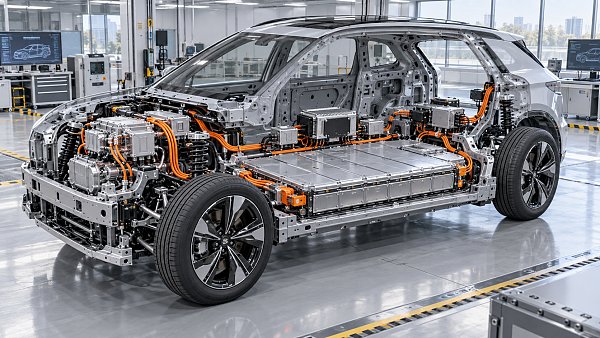
The topic matters even more today because modern vehicles are changing fast. Electrification, advanced driver assistance, steer-by-wire development, lightweight materials, and software-defined vehicle architecture are all reshaping how engineers approach chassis tuning. For consumers, that means the quality of chassis dynamics is increasingly determined not only by hardware, but also by sensors, control algorithms, and system integration.
Why the Automotive Industry Pays So Much Attention to Chassis Dynamics
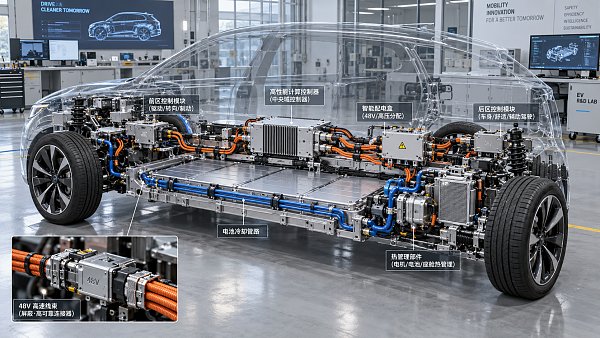
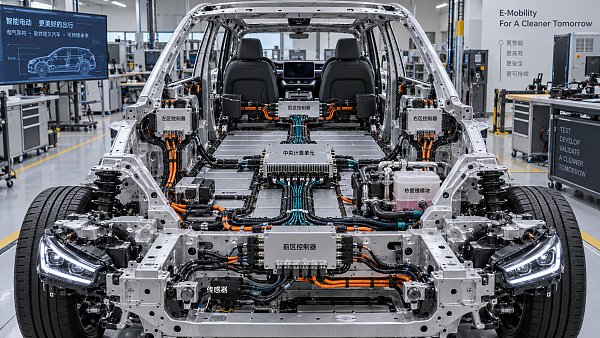
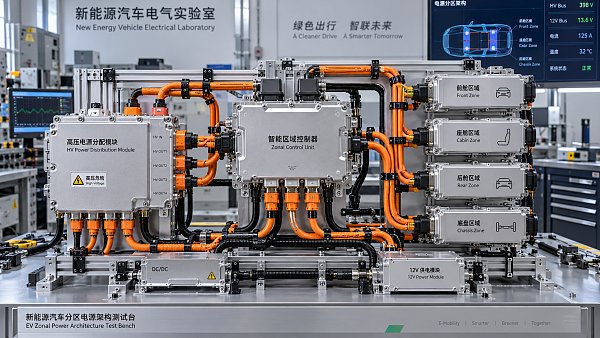
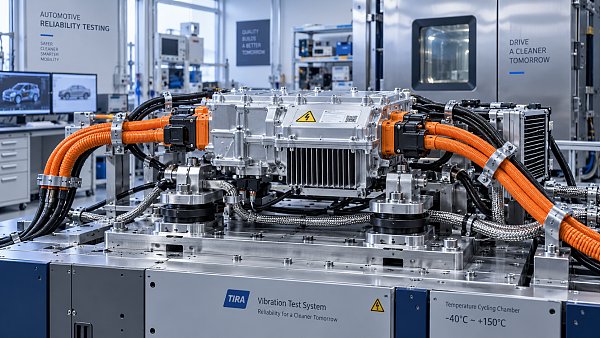
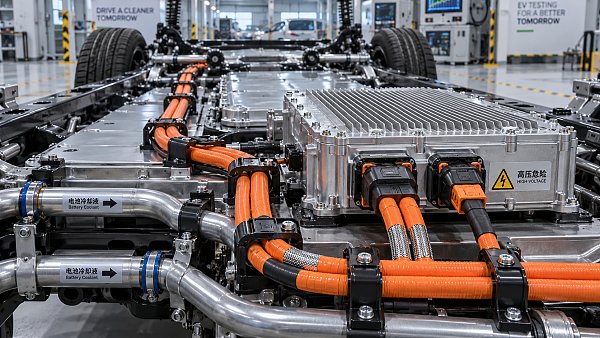
Across the broader auto components industry, chassis dynamics sits at the intersection of safety, comfort, and intelligent control. It is no longer an isolated topic handled only by suspension engineers. It now connects with power steering systems, electronic control units, braking logic, vehicle wiring architecture, and even thermal management in electric vehicles.
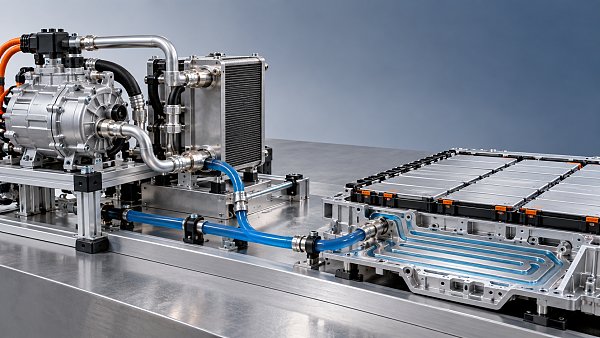
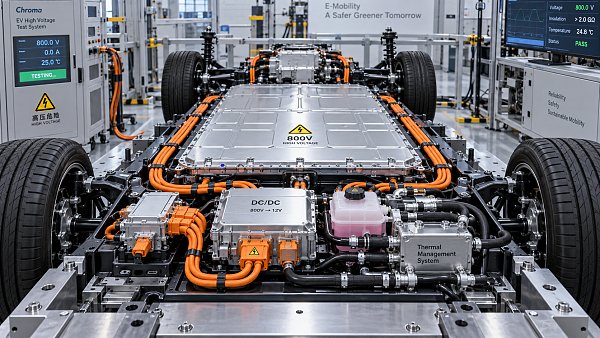
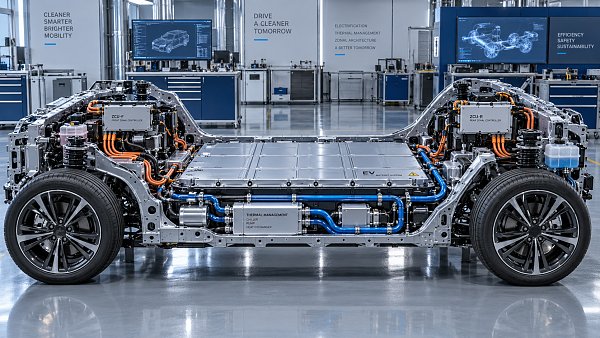
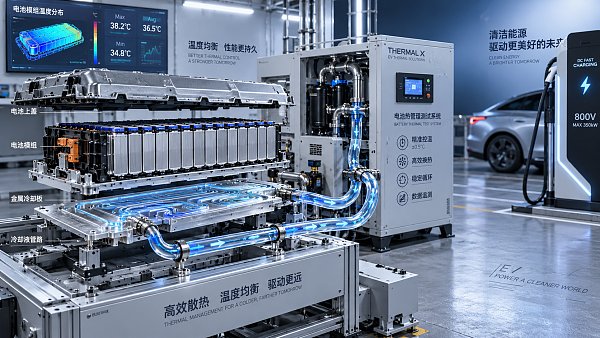
This broader context matters because every key subsystem influences vehicle behavior. Electric power steering determines how quickly and naturally steering inputs are translated into wheel angle. Wiring harness quality supports the fast and reliable data exchange required by stability control and active chassis systems. In new energy vehicles, battery placement changes weight distribution, which directly affects cornering balance and ride tuning. Thermal management can also influence performance consistency by keeping batteries, motors, and power electronics in stable operating ranges during repeated load changes.
For an intelligence portal like GACT, chassis dynamics is part of a larger systems story. A vehicle does not feel refined because of one excellent component alone. It feels refined when electrical signals, mechanical forces, and software calibration are stitched together into a cohesive result. That is especially important as consumers expect one car to be quiet, safe, efficient, connected, and enjoyable at the same time.
The Core Elements That Shape Chassis Dynamics
To understand how chassis dynamics tuning changes the driving experience, it helps to break the topic into its major building blocks. Each one contributes to the overall feel, but the best results come from how they work together rather than from any single part in isolation.
Suspension Calibration
Springs, dampers, bushings, anti-roll bars, and suspension geometry all affect how a car absorbs road inputs and controls body motion. Softer tuning can improve comfort but may allow more body roll and pitch. Firmer tuning can sharpen response but may create a busier ride on imperfect roads. Good chassis dynamics finds the right compromise for the vehicle’s mission.
Steering Response
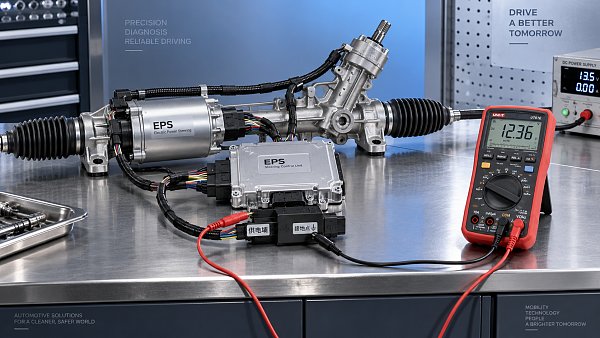
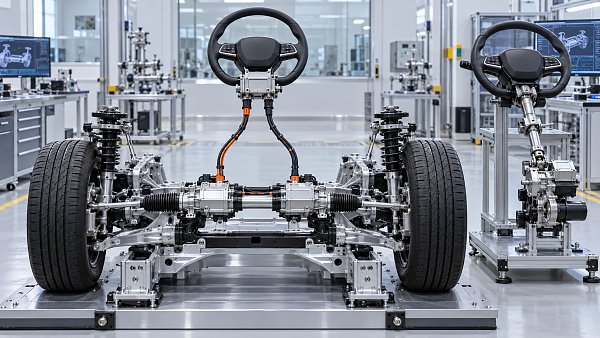
Steering is the driver’s first communication channel with the vehicle. The ratio, assist level, on-center stability, and feedback quality all influence confidence. Modern EPS systems can be tuned for light urban convenience, sporty precision, or long-distance calm. As steer-by-wire develops, software will play an even larger role in shaping chassis dynamics.
Tire and Wheel Behavior
Tires are the final contact point between the vehicle and the road. Grip level, sidewall stiffness, tread design, and wheel size strongly influence ride, noise, braking stability, and cornering feel. Even excellent suspension tuning cannot fully compensate for a tire choice that is mismatched to the intended use.
Electronic Stability and Brake Control
Modern chassis dynamics relies heavily on software. Electronic stability control, traction control, brake-based torque vectoring, and regenerative braking coordination in EVs all affect how stable and natural a vehicle feels. The best systems intervene smoothly and early enough to help, without making the driver feel disconnected.
Industry Overview: How Key Vehicle Systems Influence Driving Feel
The following overview shows why chassis dynamics should be understood as a cross-system outcome rather than a single engineering domain.
How Chassis Dynamics Changes the Everyday Driving Experience
When consumers hear about handling, they often think of sports cars. In reality, chassis dynamics matters just as much in ordinary driving. A family SUV, compact sedan, urban EV, or premium crossover all benefit from better tuning in different ways.
First, it improves comfort. Well-managed chassis dynamics reduces head toss, harsh impacts, and unwanted body movement. That means passengers feel less fatigue on broken city streets and long highway journeys. Second, it improves control. A vehicle that reacts consistently to steering and braking helps the driver stay calm in traffic, wet weather, and sudden evasive situations. Third, it improves trust. The more predictable the vehicle feels, the less mental effort is required to drive it smoothly.
This is especially noticeable in electrified vehicles. Because EVs often carry heavy battery packs low in the floor, they may feel planted in corners, but that same mass can challenge damping and body control over repeated bumps. Strong chassis dynamics tuning helps balance those effects so the vehicle feels secure rather than heavy or abrupt.
Typical Vehicle Types and Their Chassis Priorities
Different vehicle categories require different chassis dynamics targets. There is no single ideal tune for every driver, because use cases vary.
Why Consumers Should Evaluate Chassis Dynamics Before Buying
For end users, chassis dynamics is not an engineering buzzword. It is one of the clearest predictors of long-term satisfaction. During a short showroom visit, materials and screens may attract more attention than steering calibration or suspension compliance. But after weeks or months of ownership, the way the vehicle rides and responds often becomes far more important.
A vehicle with mature chassis dynamics tends to feel more expensive, even when its powertrain output is modest. It masks road imperfections better, reacts more naturally, and inspires less stress in daily use. This matters for school runs, commuting, road trips, and bad-weather travel alike. It can also influence perceived quality, because rattles, vibrations, and abrupt weight transfer often make a vehicle feel less refined overall.
Consumers comparing similar models should pay attention to body roll in corners, steering consistency around center, braking stability, ride harshness on patched pavement, and how calm the car remains after a bump. These are all visible signs of chassis dynamics tuning quality.
Practical Ways to Judge Chassis Dynamics on a Test Drive
A brief test drive can still reveal a lot if you know what to observe. Start at low speed. Notice whether the steering feels overly light, artificial, or delayed. Move to a rougher road and see whether the suspension absorbs impacts in one clean motion or keeps bouncing afterward. On a gentle curve, check whether the vehicle settles confidently or leans more than expected.
If possible, test highway merging and lane changes. Strong chassis dynamics usually shows up as stable straight-line behavior and smooth directional transitions. Under braking, the car should remain composed without wandering. In an EV or hybrid, notice whether regenerative braking blends naturally with the friction brakes, because poor calibration can disrupt vehicle balance.
It is also wise to drive the car in the conditions you actually face most often. Urban stop-and-go traffic, uneven suburban roads, and higher-speed motorways can produce very different impressions. The best chassis dynamics setup for one driver may not be the best for another, especially when comfort priorities and road quality differ.
The Growing Role of Intelligent Control in Chassis Dynamics
The future of chassis dynamics will be shaped increasingly by software and system intelligence. Active dampers, rear-wheel steering, torque vectoring, and integrated domain controllers are allowing automakers to fine-tune vehicle behavior in more scenarios than ever before. This is aligned with the broader shift seen across the global automotive supply chain, where electrical architecture, signal transmission, and intelligent control are becoming central to the driving experience.
As these technologies spread, the difference between average and excellent tuning may become even more noticeable. Vehicles that intelligently coordinate steering, braking, and suspension can deliver both comfort and responsiveness in ways that traditional fixed setups struggled to achieve. For suppliers, analysts, and consumers alike, chassis dynamics is becoming a useful lens for understanding how core components create real-world value.
Final Takeaway for Everyday Drivers
Chassis dynamics is ultimately about how a vehicle translates engineering into feeling. It determines whether a car feels secure or unsettled, relaxing or tiring, precise or vague. In a market shaped by electrification, smart steering systems, advanced electronics, and integrated thermal platforms, the quality of chassis dynamics says a great deal about overall vehicle development maturity.
For consumers, the smartest approach is to look beyond horsepower and screen size. Pay close attention to ride comfort, steering behavior, braking stability, and composure across real roads. If a vehicle delivers strong chassis dynamics, it will usually reward you every day with better confidence, greater comfort, and a more natural connection to the road. That makes it one of the most valuable factors to understand before making your next automotive decision.
Related News
- 00
0000-00
How electric compressor speed affects EV battery cooling capacity - 00
0000-00
How to verify a variable frequency compressor supplier’s efficiency claims - 00
0000-00
How bend radius affects FPC reliability in automotive camera modules - 00
0000-00
How to diagnose intermittent loss of electric power steering assist - 00
0000-00
How to size automotive power modules for electric compressors
Weekly Insights
Stay ahead with our curated technology reports delivered every Monday.
Recommended News
 How electric compressor speed affects EV battery cooling capacityElectric compressor technology: battery cooling depends on more than RPM. Discover how speed, refrigerant flow, and system limits affect EV cooling capacity and energy efficiency.Author:Time:Oct 19, 2026
 How to verify a variable frequency compressor supplier’s efficiency claimsVerify a variable frequency compressor supplier’s efficiency claims using COP boundaries, matched test conditions, and duty-cycle data. Learn how to choose with confidence.Author:Time:Oct 18, 2026
 How bend radius affects FPC reliability in automotive camera modulesAutomotive FPC applications: camera module reliability starts with bend radius. Learn how stack-up, strain, and validation guide robust designs and help prevent costly failures.Author:Time:Oct 17, 2026
 How to diagnose intermittent loss of electric power steering assistMaster power steering system diagnostics to trace intermittent EPS assist loss. Learn proven checks for voltage, wiring, and fault codes to avoid costly guesswork.Author:Time:Oct 16, 2026
 How to size automotive power modules for electric compressorsSize automotive power modules for electric compressors with confidence. Learn how voltage, phase current, losses, and cooling shape reliable selection—and avoid costly oversizing.Author:Time:Oct 15, 2026
 Why automotive power electronics are shifting to silicon carbideAutomotive Power Electronics are shifting to silicon carbide. Discover how SiC can cut losses, boost EV power density, and reshape cooling, reliability, and system costs.Author:Time:Oct 14, 2026
 How EV adoption shapes the electrically driven compressor marketExplore how EV adoption shapes the electrically driven compressor market, from battery cooling and heat pumps to supplier margins. Discover the drivers of profitable growth.Author:Time:Oct 13, 2026
 How to size a PTC heater for reliable EV cabin heatingPTC Heater sizing for EV cabins: learn how to balance defrost performance, heat-pump integration, airflow, voltage range, and battery power for reliable winter comfort.Author:Time:Oct 12, 2026
 What determines the cooling output of electric automotive AC compressors?Automotive air conditioning compressors electric systems: explore how speed, voltage, refrigerant, controls, and heat exchangers shape EV cooling capacity and efficiency.Author:Time:Oct 11, 2026
 What makes a touchscreen media head unit responsive enough for daily use?Touchscreen media head unit performance explained: discover what delivers fast starts, smooth maps, reliable phone pairing, and responsive daily driving.Author:Time:Oct 10, 2026
 Can a Domain Controller Share a Cooling Loop with Other Electronics?Can a domain controller share a cooling loop with other electronics? Explore thermal zoning, flow control, safety priorities, and reliable vehicle electronics cooling strategies.Author:Time:Oct 19, 2026
 What Causes Domain Controller Overheating During Summer Testing?What causes domain controller overheating in summer testing? Explore heat load, airflow, installation, software factors, and practical fixes.Author:Time:Oct 18, 2026
 Is a Head-Up Display Hard to Integrate with Different Windshields?Is a head-up display difficult to integrate with different windshields? Discover how glass geometry, coatings, and calibration affect HUD clarity, cost, and production readiness.Author:Time:Oct 17, 2026
 What Should Be Checked Before Selecting an Automotive Head Unit?What should be checked before selecting an automotive head unit? Explore compatibility, performance, cybersecurity, compliance, and supplier support.Author:Time:Oct 16, 2026
 Is Steer-by-Wire More Expensive Than an EPS Steering System?Is steer-by-wire more expensive than an EPS steering system? Explore the true costs, safety demands, software value, and when SbW justifies its premium.Author:Time:Oct 15, 2026
 Which Automotive Electronics Need Validation for 800V Platforms?What automotive electronics should be validated for 800V platforms? Explore critical checks for harnesses, power electronics, thermal systems, safety, and EMC.Author:Time:Oct 14, 2026
 How Do Automotive Compressor Export Requirements Vary by Market?How do automotive compressor export requirements vary by market? Explore key compliance rules for refrigerants, EV safety, OEM approvals, labeling, and customs.Author:Time:Oct 13, 2026
 What Documents Are Needed to Export Automotive Thermal Components?What documents are needed to export automotive thermal components? Explore customs, compliance, technical records, and shipping tips to prevent costly delays.Author:Time:Oct 12, 2026
 How Often Should an EV Air Conditioning Compressor Be Inspected?How often should an EV air conditioning compressor be inspected? Discover recommended service intervals, warning signs, and expert care tips to protect cooling performance and EV reliability.Author:Time:Oct 11, 2026
 How to size power solutions for automotive head-up display systemsHeads-up display systems power solutions: learn how to size automotive HUD power architectures for startup, brightness, thermal limits, EMC, protection, and reliable vehicle operation.Author:Time:Oct 19, 2026
 How does a head-up display work in a high-performance car?Hoe werkt een head-up display in een high-performance auto en welke informatie toont het? Discover the tech, safety alerts, and performance data that sharpen every drive.Author:Time:Oct 18, 2026
 Which trends will shape zonal EV architectures in the next decade?Future trends in zonal EV architectures: explore smarter power distribution, 48V systems, thermal integration, software, and resilient networks shaping next-gen vehicles.Author:Time:Oct 17, 2026
 When does a zonal EV architecture outperform a centralized design?Explore the trade-offs between zonal and centralized EV architectures to identify the best path for harness efficiency, software scalability, safety, and faster EV launches.Author:Time:Oct 16, 2026
 How to compare vendors for zonal EV power architecturesComparing vendors for zonal EV power architectures: assess electrical capability, interface ownership, lifecycle support, and integration risk for smarter sourcing.Author:Time:Oct 15, 2026
 How zonal architectures can improve EV reliability at the system levelHow zonal architectures affect EV reliability: explore fault containment, diagnostics, power resilience, and software strategies for more dependable electric vehicles.Author:Time:Oct 14, 2026
 What is driving growth in the automotive E/E architecture market?Explore what drives the automotive electric electronic systems architecture market, from EV power systems and zonal computing to ADAS, cybersecurity, and software-defined vehicles.Author:Time:Oct 13, 2026
 How to evaluate top-rated vehicle electrical components for reliabilityDiscover how to evaluate top-rated vehicle electrical components for reliability, from connector integrity and thermal margins to validation data and manufacturing control.Author:Time:Oct 12, 2026
 What makes vehicle electrical components reliable over a long service life?Top-rated vehicle electrical components for reliability depend on thermal control, sealing, vibration resistance, and validated manufacturing. Discover how to choose durable parts.Author:Time:Oct 11, 2026
 How battery thermal management solutions prevent fast-charge overheatingBattery thermal management solutions prevent fast-charge overheating with intelligent cooling, valve control, predictive preconditioning, and reliable heat rejection.Author:Time:Oct 09, 2026
 What an automotive market report can reveal about EV demand shiftsAutomotive market report insights reveal EV demand shifts, component opportunities, regional risks, and smarter investment strategies for growth.Author:Time:Oct 08, 2026