Vehicle Electrification Trends Reshaping Platform Planning




Vehicle electrification is no longer a future concept but a platform-planning imperative that is reshaping architectures, component strategies, and supply chain priorities across the automotive industry. For business decision-makers, understanding how electrification impacts wiring systems, steering, thermal management, and smart cabin integration is essential to building competitive, scalable, and reliable vehicle platforms in a rapidly evolving global market.
For OEM leaders, Tier 1 executives, procurement heads, and platform strategy teams, the shift is no longer about launching a single EV nameplate. It is about redesigning the vehicle platform from the floor up so that high-voltage distribution, software-defined functions, thermal efficiency, and cabin intelligence can scale across 3 to 5 vehicle programs with acceptable cost, safety, and delivery risk.
This is where vehicle electrification becomes a board-level planning issue. Decisions made at the platform stage affect harness weight, steering redundancy, compressor selection, heat pump architecture, battery conditioning logic, and domain controller integration for the next 5 to 8 years. For organizations navigating this transition, GACT provides a component-level intelligence view that connects engineering realities with sourcing and investment decisions.
Why Vehicle Electrification Now Drives Platform Planning
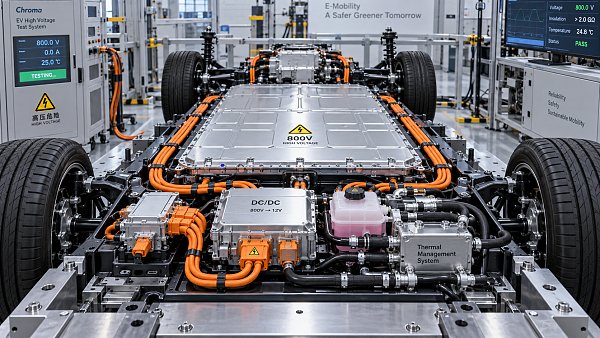
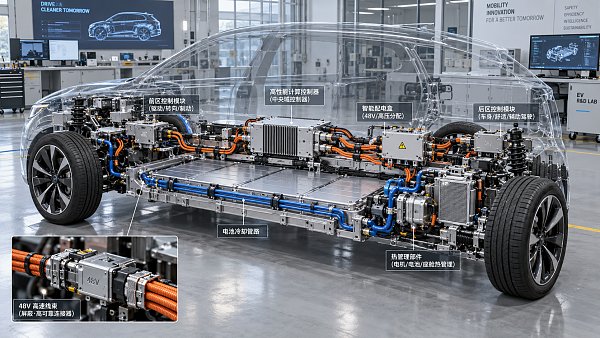
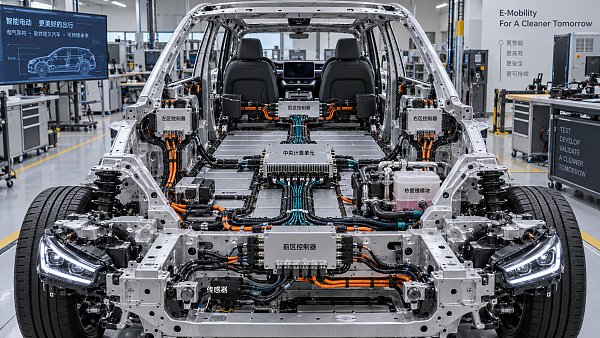
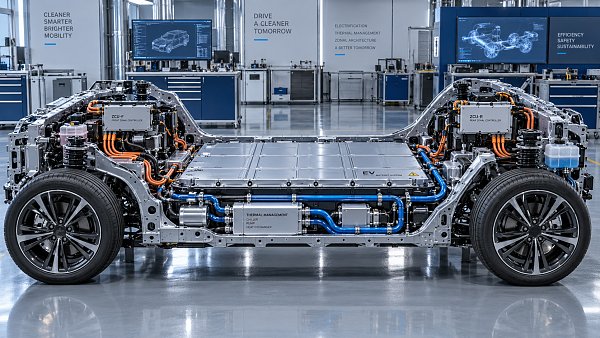
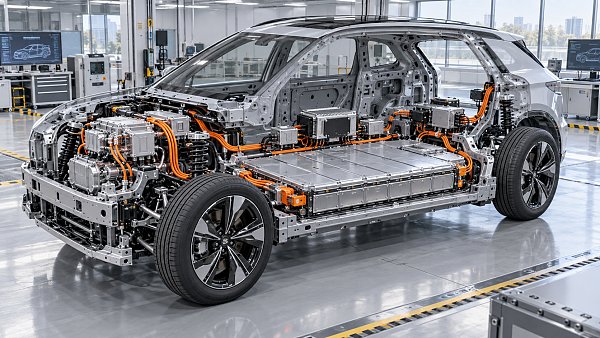
The traditional platform model separated powertrain, chassis, HVAC, and cockpit planning into relatively independent workstreams. Vehicle electrification changes that structure. In battery electric and plug-in hybrid platforms, a 400V or 800V electrical architecture can influence cable routing, thermal loop design, packaging volume, shielding requirements, and even front-end crash structure decisions.
For decision-makers, the key issue is convergence. A modern electrified platform must support at least 4 tightly linked systems: energy distribution, thermal management, control architecture, and user experience. If one of these is underdesigned, the full platform can suffer from reduced range, slower charging, lower cabin comfort, or delayed SOP by 8 to 16 weeks.
From model-centric design to scalable electrical architecture
In internal combustion programs, many components could be optimized model by model. Under vehicle electrification, scale matters more. Platform teams increasingly need common electrical backbones, modular thermal assemblies, and software-compatible subsystems that can serve compact cars, SUVs, and light commercial vehicles with only limited variation in connector count, cooling capacity, and control logic.
This is why platform planning cycles are becoming more front-loaded. Instead of validating component fit after styling freeze, manufacturers now review voltage class, cooling load, steering fail-operational requirements, and cockpit compute demand 18 to 30 months before launch. Early clarity reduces late engineering changes, which often increase BOM pressure by 3% to 7%.
The five component pillars shaping competitiveness
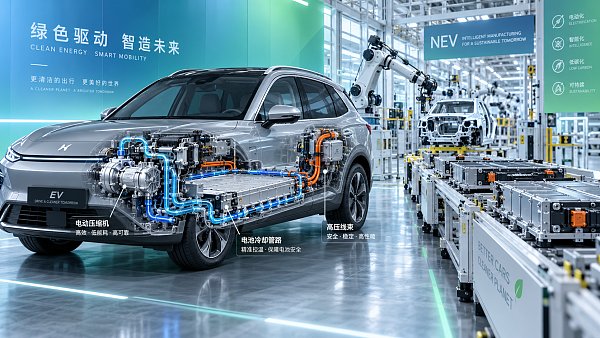
GACT tracks five component domains that now define platform competitiveness: auto wiring harnesses, power steering systems, auto A/C compressors, in-vehicle infotainment, and NEV thermal management systems. These areas influence reliability, comfort, efficiency, and software readiness far more directly than in previous vehicle generations.
- Wiring harnesses determine high-voltage safety, data transmission speed, and weight control.
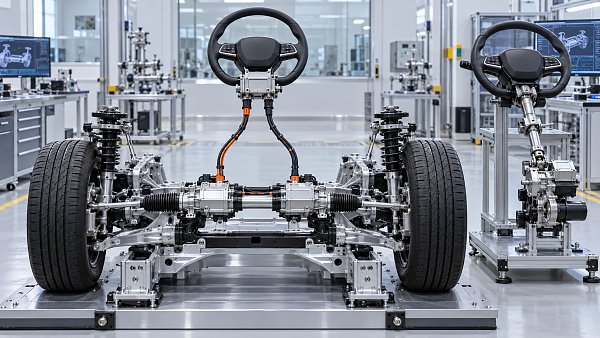
- Steering systems support the transition from EPS to steer-by-wire and higher redundancy levels.
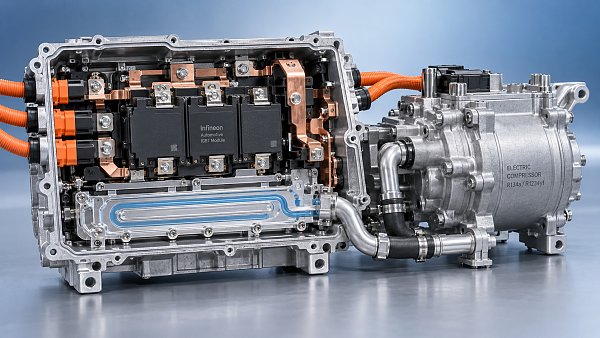
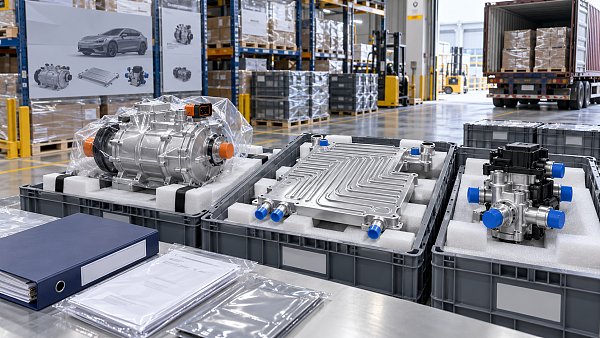
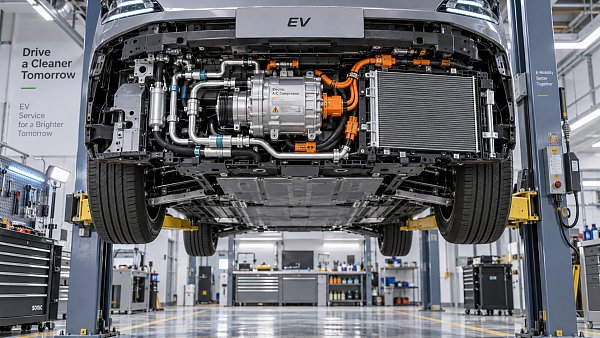
- Electric compressors directly affect energy consumption, NVH, and thermal response speed.
- IVI systems raise power demand, heat density, and domain integration complexity.
- Thermal management systems link battery health, e-drive durability, and winter range performance.
The strategic impact is clear: vehicle electrification is not just changing propulsion. It is reshaping the dependency map between electromechanical controls, cabin electronics, and thermal systems.
Component-Level Impacts of Vehicle Electrification
The most successful platform teams translate electrification goals into component-level specifications early. Below is a practical view of how the main subsystems are being redefined by vehicle electrification and what procurement and engineering leaders should evaluate before supplier nomination.
High-voltage wiring harnesses: more than a packaging issue
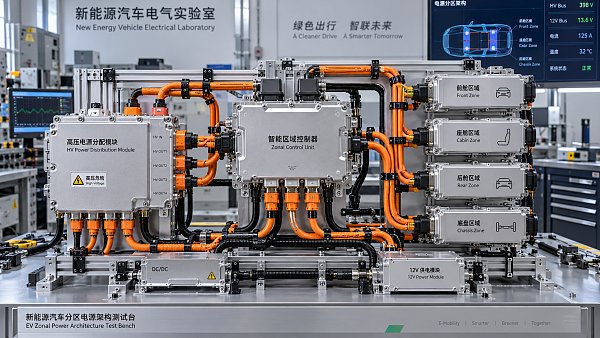
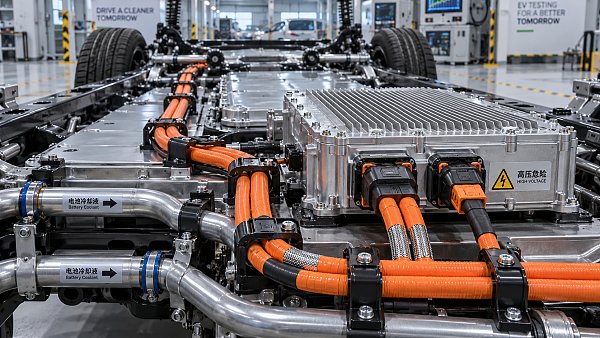
High-voltage harnesses now carry greater strategic value because they affect safety, current capacity, EMC performance, weight, and assembly complexity. In 400V systems, routing and insulation requirements differ materially from 800V layouts, especially in vehicles targeting fast charging above 150kW. Even a few kilograms of excess harness weight can hurt range and cost across annual volumes of 100,000 units or more.
Platform teams should review conductor material strategy, connector standardization, shielding needs, thermal exposure zones, and serviceability. Copper and aluminum price fluctuations can also alter sourcing decisions, particularly when the design uses long trunk routes or high-current branch circuits.
Key evaluation points for harness planning
- Voltage class alignment: 400V versus 800V
- Current load and temperature rise under peak duty cycles
- Shielding requirements for ADAS and high-speed data lines
- Installation time per vehicle and repair access
- Material volatility exposure for copper and aluminum
Power steering shifts toward redundancy and software integration
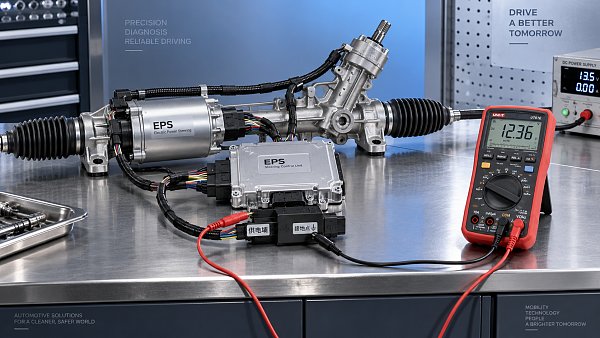
Vehicle electrification often progresses alongside higher levels of assisted driving. That makes steering system planning more demanding. EPS remains the base for many programs, but steer-by-wire is moving from concept evaluation to production roadmaps where platform redundancy, actuator response time, and fail-safe logic are central considerations.
For executive teams, the steering decision is not only technical. It affects homologation strategy, software architecture, and supplier capability requirements. A platform intended to support Level 2+ to Level 3 features over a 6-year lifecycle may require a different steering roadmap than one built only for cost-focused urban vehicles.
Electric A/C compressors and the efficiency equation
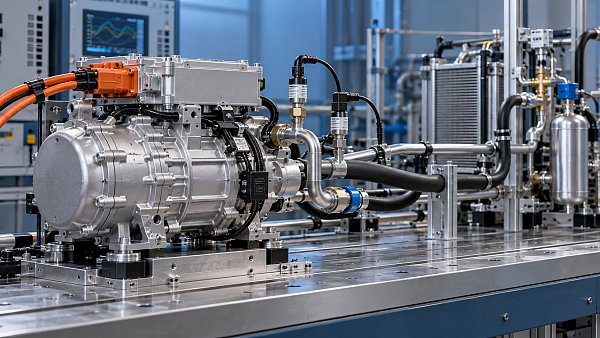
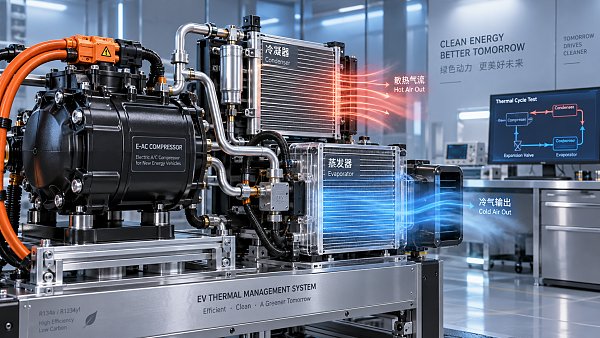
In electrified vehicles, the compressor is no longer an accessory tied to engine speed. It becomes an active energy-management device. Variable-frequency electric compressors typically improve control precision, but they also introduce new tradeoffs in NVH, inverter compatibility, lubricant management, and low-temperature performance.
A common platform mistake is evaluating compressor cost in isolation. In practice, the compressor should be assessed as part of the full thermal system, including refrigerant loop design, cabin pull-down target, battery cooling demand, and heat pump coordination. A component that saves a small amount at purchase may increase winter energy consumption or reduce battery conditioning responsiveness.
Smart cabin electronics increase thermal and electrical complexity
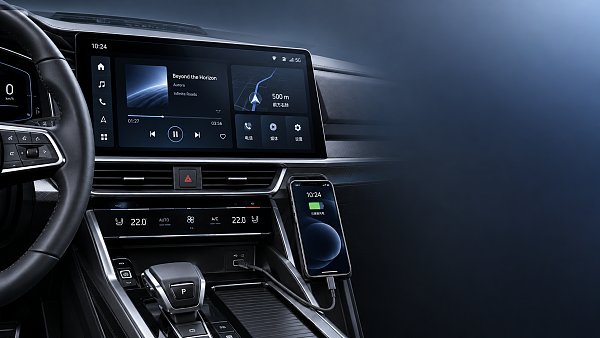
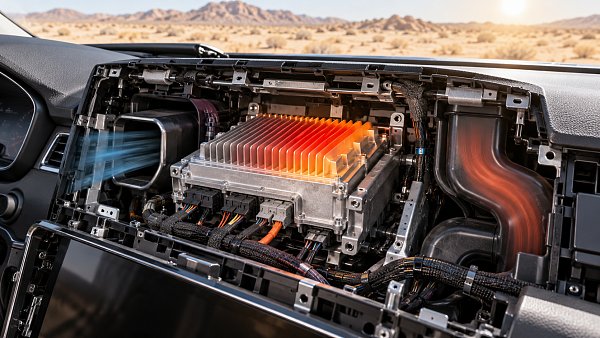
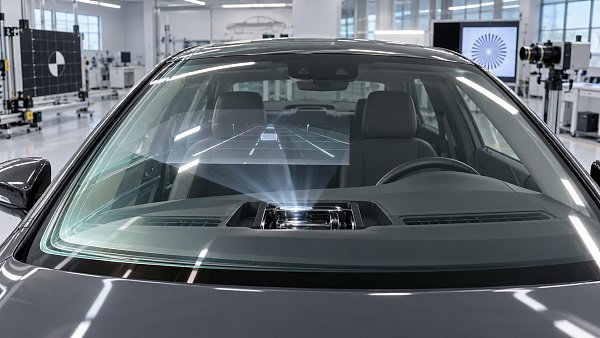
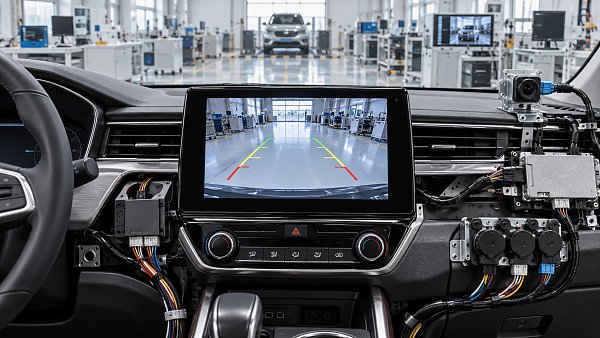
As IVI evolves toward multi-screen cockpits, AR-HUD, cloud-connected services, and domain-based computing, power density rises across the instrument panel and central control zone. Vehicle electrification amplifies this trend because users expect digital experiences comparable to consumer electronics, while OEMs still need automotive-grade reliability over broad temperature ranges such as -30°C to 85°C in localized electronics environments.
This means platform planning must consider not just display count or processor capability, but also heat dissipation paths, harness routing for data and power, and software update architecture. Smart cabins are no longer isolated feature sets. They are tightly coupled with electrical load management and thermal packaging.
NEV thermal management becomes a range and durability lever
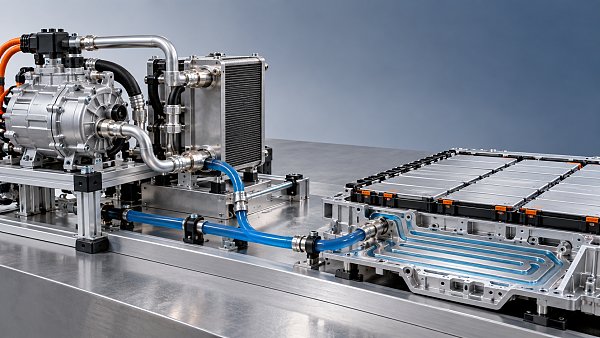
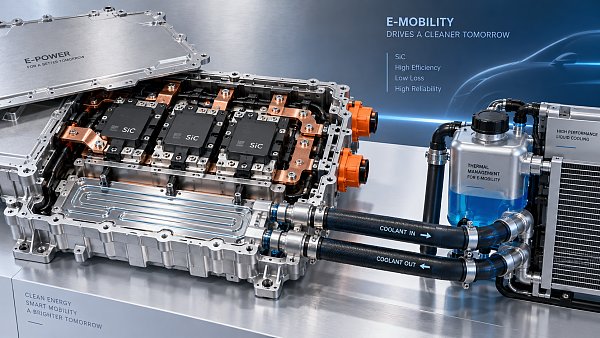
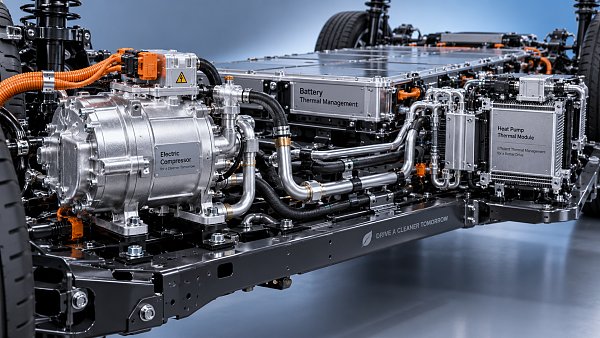
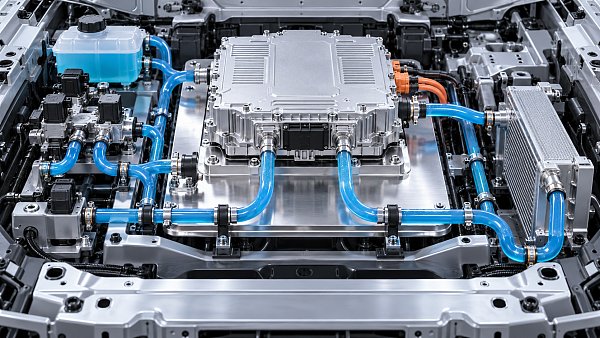
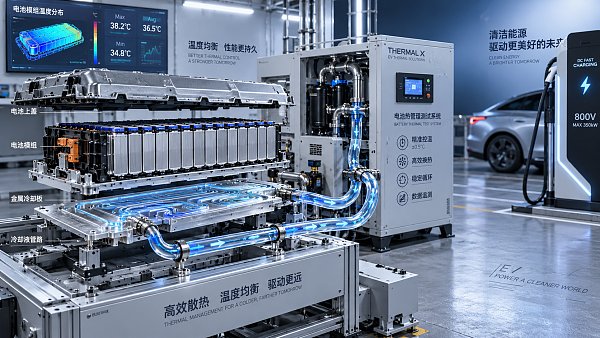
Among all subsystems, thermal management has become one of the most decisive under vehicle electrification. Battery thermoregulation, e-drive cooling, power electronics protection, and cabin comfort must now work as one coordinated energy loop. Integrated heat pumps, chiller circuits, plate heat exchangers, and multi-way valves are becoming standard planning elements rather than premium add-ons.
For many electrified platforms, the thermal architecture can influence charging consistency, winter range, component aging, and customer-perceived comfort. Battery packs often operate best in a relatively narrow window, and even modest improvements in thermal control strategy can affect charging time and energy use across daily operation.
The following comparison helps decision-makers identify how vehicle electrification changes subsystem priorities at the platform level.
The table shows why vehicle electrification forces a broader planning lens. Components once treated as discrete purchasing items now function as interdependent platform enablers. This raises the value of cross-domain intelligence during sourcing and design freeze.
How Decision-Makers Should Evaluate Electrified Platform Readiness
A strong response to vehicle electrification requires a disciplined evaluation model. Companies that rely only on unit price or individual part performance often miss system-level risks. Decision-makers should instead use a 4-layer review structure covering architecture, supplier maturity, lifecycle economics, and operational resilience.
1. Architecture fit across multiple vehicle programs
The first question is whether the component strategy can support platform reuse. Can the thermal module serve two battery sizes? Can the steering architecture support both current and planned ADAS functions? Can harness layouts be standardized across left-hand and right-hand drive variants without excessive branching? These questions reduce engineering churn and tooling complexity.
2. Supplier depth beyond component supply
Under vehicle electrification, the supplier role increasingly includes simulation support, software calibration input, validation coordination, and change management. A supplier that ships a part in 6 weeks but cannot support thermal logic tuning or connector adaptation may create hidden launch risk. Strategic sourcing should therefore assess engineering responsiveness within 24 to 72 hours for critical issues during development milestones.
3. Total cost and performance over the platform lifecycle
Lifecycle thinking matters. A lower-cost compressor, valve block, or steering actuator may increase software complexity, validation hours, or warranty exposure later. Platform leaders should compare not only piece price, but also integration labor, validation cycles, material volatility sensitivity, expected service complexity, and retrofit risk for future variants.
4. Supply chain resilience and standards compliance
Electrified platforms depend on materials and components with tighter qualification paths. Copper, aluminum, automotive semiconductors, magnets, refrigerant-compatible seals, and high-voltage connectors all have lead-time sensitivity. In practical terms, sourcing teams should track at least 6 risk points: raw material volatility, second-source availability, PPAP timing, regional compliance, logistics route stability, and ramp-up yield capability.
The matrix below provides a practical procurement framework for executives managing vehicle electrification programs across engineering and sourcing teams.
This framework helps convert vehicle electrification from a high-level strategy into operational criteria that purchasing, engineering, and program management teams can use jointly. It is especially useful when comparing suppliers that appear similar on unit price but differ significantly in integration capability and launch support.
Implementation Risks, Common Missteps, and Practical Responses
Even well-funded electrification programs can run into preventable issues. The most common failures are not dramatic technology gaps, but coordination mistakes between subsystems, teams, and sourcing assumptions. Because vehicle electrification increases interdependence, small errors can propagate quickly through cost, validation, and launch timing.
Misstep 1: treating thermal systems as late-stage tuning items
Thermal decisions made too late can affect battery layout, front-end packaging, compressor sizing, and control software complexity. A platform team that freezes the battery enclosure or front module before confirming thermal loop requirements may face redesign iterations that extend development by 6 to 12 weeks.
Misstep 2: optimizing cost at the part level while losing system efficiency
This often happens with harnesses, valves, sensors, and compressors. A lower-cost part can increase installation time, harness routing difficulty, calibration effort, or thermal energy draw. Business leaders should require system-level tradeoff reviews rather than isolated cost-down proposals.
Misstep 3: underestimating the impact of smart cabin power and heat loads
Larger screens, more compute power, and always-on connectivity add heat and power demand that must be managed inside the electrical and thermal architecture. In some programs, cockpit electronics create enough localized load to require revised ducting, different connector strategies, or stronger EMC countermeasures.
A five-step response model for executives
- Set platform-level voltage, thermal, and software assumptions before major packaging freeze.
- Run cross-functional reviews involving E/E, chassis, cabin electronics, and HVAC teams.
- Use at least 3 scenario tests: fast charging, winter heating, and high-load urban stop-go duty.
- Build a supplier short list based on integration support, not only cost and capacity.
- Monitor raw material and compliance risks quarterly during development and ramp-up.
This process is especially relevant to companies working across multiple regions, where regulatory expectations, climate conditions, and supplier ecosystems differ. Vehicle electrification rewards disciplined planning much more than reactive problem solving.
Why Intelligence Depth Matters in the Electrification Transition
As electrified architectures become more integrated, the quality of market and technical intelligence becomes a competitive factor in itself. Decision-makers need visibility not just into product announcements, but into the underlying shifts in cooling logic for high-voltage flat-wire motors, heat pump defrost strategies, domain controller integration, and material cost trends across copper and aluminum.
GACT’s focus on the vehicle’s “neurons” and “temperature control hubs” is especially relevant in this environment. Wiring harnesses, steering systems, electric compressors, IVI, and NEV thermal management are no longer separate reporting categories. They form a connected system that determines whether a platform can deliver reliability, comfort, energy efficiency, and scalable intelligence in real production conditions.
Where insight creates business value
For Tier 1 suppliers, intelligence can reveal where highly integrated thermal modules are gaining demand and where technical barriers are rising. For OEM planners, it supports better nomination timing, architecture decisions, and component standardization. For investors and corporate strategy teams, it clarifies which subsystem domains are moving from incremental improvement to structural importance under vehicle electrification.
That intelligence edge matters because platform choices made today can lock in cost and capability for one full product cycle. In a market moving toward higher integration, digitalization, and lightweighting, waiting for late-stage certainty often costs more than making informed early decisions.
Planning for the Next Phase of Vehicle Electrification
Vehicle electrification is redefining how automotive platforms are conceived, engineered, sourced, and scaled. The winners will be companies that understand the interaction between high-voltage harnesses, steering evolution, electric compressor strategy, smart cabin power demand, and integrated thermal management, then convert that understanding into disciplined platform planning.
For business decision-makers, the practical path forward is clear: evaluate systems rather than isolated parts, prioritize architecture readiness over short-term cost savings, and build sourcing strategies around integration capability and lifecycle resilience. GACT supports that process with focused intelligence on the components and thermal systems that now shape vehicle competitiveness.
If your organization is reviewing platform roadmaps, supplier strategies, or component priorities in the age of vehicle electrification, now is the right time to deepen the analysis. Contact GACT to get tailored insight, discuss component trends, and explore more solutions for scalable, reliable, and market-ready electrified vehicle platforms.
Related News
- 00
0000-00
How electric compressor speed affects EV battery cooling capacity - 00
0000-00
How to verify a variable frequency compressor supplier’s efficiency claims - 00
0000-00
How bend radius affects FPC reliability in automotive camera modules - 00
0000-00
How to diagnose intermittent loss of electric power steering assist - 00
0000-00
How to size automotive power modules for electric compressors
Tags
- auto wiring harnesses
- power steering systems
- auto A/C compressors
- in-vehicle infotainment
- NEV thermal management
- vehicle electrification
- thermal systems
- electric compressors
- smart cabin electronics
- high-voltage harness
- steer-by-wire
- AR-HUD
- battery thermoregulation
- e-drive cooling
- domain controller
- multi-way valves
- high-voltage flat-wire motors
Weekly Insights
Stay ahead with our curated technology reports delivered every Monday.
Recommended News
 How electric compressor speed affects EV battery cooling capacityElectric compressor technology: battery cooling depends on more than RPM. Discover how speed, refrigerant flow, and system limits affect EV cooling capacity and energy efficiency.Author:Time:Oct 19, 2026
 How to verify a variable frequency compressor supplier’s efficiency claimsVerify a variable frequency compressor supplier’s efficiency claims using COP boundaries, matched test conditions, and duty-cycle data. Learn how to choose with confidence.Author:Time:Oct 18, 2026
 How bend radius affects FPC reliability in automotive camera modulesAutomotive FPC applications: camera module reliability starts with bend radius. Learn how stack-up, strain, and validation guide robust designs and help prevent costly failures.Author:Time:Oct 17, 2026
 How to diagnose intermittent loss of electric power steering assistMaster power steering system diagnostics to trace intermittent EPS assist loss. Learn proven checks for voltage, wiring, and fault codes to avoid costly guesswork.Author:Time:Oct 16, 2026
 How to size automotive power modules for electric compressorsSize automotive power modules for electric compressors with confidence. Learn how voltage, phase current, losses, and cooling shape reliable selection—and avoid costly oversizing.Author:Time:Oct 15, 2026
 Why automotive power electronics are shifting to silicon carbideAutomotive Power Electronics are shifting to silicon carbide. Discover how SiC can cut losses, boost EV power density, and reshape cooling, reliability, and system costs.Author:Time:Oct 14, 2026
 How EV adoption shapes the electrically driven compressor marketExplore how EV adoption shapes the electrically driven compressor market, from battery cooling and heat pumps to supplier margins. Discover the drivers of profitable growth.Author:Time:Oct 13, 2026
 How to size a PTC heater for reliable EV cabin heatingPTC Heater sizing for EV cabins: learn how to balance defrost performance, heat-pump integration, airflow, voltage range, and battery power for reliable winter comfort.Author:Time:Oct 12, 2026
 What determines the cooling output of electric automotive AC compressors?Automotive air conditioning compressors electric systems: explore how speed, voltage, refrigerant, controls, and heat exchangers shape EV cooling capacity and efficiency.Author:Time:Oct 11, 2026
 What makes a touchscreen media head unit responsive enough for daily use?Touchscreen media head unit performance explained: discover what delivers fast starts, smooth maps, reliable phone pairing, and responsive daily driving.Author:Time:Oct 10, 2026
 Can a Domain Controller Share a Cooling Loop with Other Electronics?Can a domain controller share a cooling loop with other electronics? Explore thermal zoning, flow control, safety priorities, and reliable vehicle electronics cooling strategies.Author:Time:Oct 19, 2026
 What Causes Domain Controller Overheating During Summer Testing?What causes domain controller overheating in summer testing? Explore heat load, airflow, installation, software factors, and practical fixes.Author:Time:Oct 18, 2026
 Is a Head-Up Display Hard to Integrate with Different Windshields?Is a head-up display difficult to integrate with different windshields? Discover how glass geometry, coatings, and calibration affect HUD clarity, cost, and production readiness.Author:Time:Oct 17, 2026
 What Should Be Checked Before Selecting an Automotive Head Unit?What should be checked before selecting an automotive head unit? Explore compatibility, performance, cybersecurity, compliance, and supplier support.Author:Time:Oct 16, 2026
 Is Steer-by-Wire More Expensive Than an EPS Steering System?Is steer-by-wire more expensive than an EPS steering system? Explore the true costs, safety demands, software value, and when SbW justifies its premium.Author:Time:Oct 15, 2026
 Which Automotive Electronics Need Validation for 800V Platforms?What automotive electronics should be validated for 800V platforms? Explore critical checks for harnesses, power electronics, thermal systems, safety, and EMC.Author:Time:Oct 14, 2026
 How Do Automotive Compressor Export Requirements Vary by Market?How do automotive compressor export requirements vary by market? Explore key compliance rules for refrigerants, EV safety, OEM approvals, labeling, and customs.Author:Time:Oct 13, 2026
 What Documents Are Needed to Export Automotive Thermal Components?What documents are needed to export automotive thermal components? Explore customs, compliance, technical records, and shipping tips to prevent costly delays.Author:Time:Oct 12, 2026
 How Often Should an EV Air Conditioning Compressor Be Inspected?How often should an EV air conditioning compressor be inspected? Discover recommended service intervals, warning signs, and expert care tips to protect cooling performance and EV reliability.Author:Time:Oct 11, 2026
 How to size power solutions for automotive head-up display systemsHeads-up display systems power solutions: learn how to size automotive HUD power architectures for startup, brightness, thermal limits, EMC, protection, and reliable vehicle operation.Author:Time:Oct 19, 2026
 How does a head-up display work in a high-performance car?Hoe werkt een head-up display in een high-performance auto en welke informatie toont het? Discover the tech, safety alerts, and performance data that sharpen every drive.Author:Time:Oct 18, 2026
 Which trends will shape zonal EV architectures in the next decade?Future trends in zonal EV architectures: explore smarter power distribution, 48V systems, thermal integration, software, and resilient networks shaping next-gen vehicles.Author:Time:Oct 17, 2026
 When does a zonal EV architecture outperform a centralized design?Explore the trade-offs between zonal and centralized EV architectures to identify the best path for harness efficiency, software scalability, safety, and faster EV launches.Author:Time:Oct 16, 2026
 How to compare vendors for zonal EV power architecturesComparing vendors for zonal EV power architectures: assess electrical capability, interface ownership, lifecycle support, and integration risk for smarter sourcing.Author:Time:Oct 15, 2026
 How zonal architectures can improve EV reliability at the system levelHow zonal architectures affect EV reliability: explore fault containment, diagnostics, power resilience, and software strategies for more dependable electric vehicles.Author:Time:Oct 14, 2026
 What is driving growth in the automotive E/E architecture market?Explore what drives the automotive electric electronic systems architecture market, from EV power systems and zonal computing to ADAS, cybersecurity, and software-defined vehicles.Author:Time:Oct 13, 2026
 How to evaluate top-rated vehicle electrical components for reliabilityDiscover how to evaluate top-rated vehicle electrical components for reliability, from connector integrity and thermal margins to validation data and manufacturing control.Author:Time:Oct 12, 2026
 What makes vehicle electrical components reliable over a long service life?Top-rated vehicle electrical components for reliability depend on thermal control, sealing, vibration resistance, and validated manufacturing. Discover how to choose durable parts.Author:Time:Oct 11, 2026
 How battery thermal management solutions prevent fast-charge overheatingBattery thermal management solutions prevent fast-charge overheating with intelligent cooling, valve control, predictive preconditioning, and reliable heat rejection.Author:Time:Oct 09, 2026
 What an automotive market report can reveal about EV demand shiftsAutomotive market report insights reveal EV demand shifts, component opportunities, regional risks, and smarter investment strategies for growth.Author:Time:Oct 08, 2026