Smart Mobility Trends Worth Watching Through 2026




Smart mobility is reshaping the automotive value chain far beyond connected cars and autonomous features. Through 2026, decision-makers should closely track how electrification, smart cabins, steer-by-wire, wiring architecture, and NEV thermal management are converging to redefine reliability, comfort, and competitive advantage. This article highlights the trends that matter most for leaders seeking clearer strategy, stronger supply chain positioning, and long-term growth.
Why smart mobility now demands board-level attention
For many executives, smart mobility once sounded like a software story centered on connectivity, apps, and autonomous driving. That view is no longer enough. Through 2026, the real competitive shift is happening deeper in the vehicle architecture, where electrical distribution, thermal control, steering electronics, and cabin computing are becoming tightly interdependent.
This matters because value is moving from isolated components to coordinated systems. A high-voltage harness decision can affect thermal packaging. A smart cabin architecture can change power consumption profiles. A steer-by-wire roadmap influences redundancy requirements, controller integration, and safety validation. In smart mobility, technical choices increasingly shape sourcing risk, cost structure, launch timing, and product differentiation at the same time.
- Electrification is raising dependence on high-voltage, lightweight, and thermally stable component systems.
- Software-defined vehicle trends are increasing domain integration across cockpit, chassis, and energy systems.
- Supply chain uncertainty is making material exposure, certification readiness, and engineering support more important than unit price alone.
For decision-makers, the central question is not whether smart mobility will accelerate. It is which component domains will create the largest strategic leverage, and which blind spots will create avoidable risk.
Which smart mobility trends through 2026 will influence sourcing and product strategy most?
The strongest smart mobility trends are not isolated technology headlines. They are convergence trends across vehicle neurons and temperature control hubs. GACT tracks this convergence because component decisions increasingly need intelligence that connects electrical signals, fluid pathways, heat transfer logic, and system integration constraints.
1. Wiring architecture is becoming a strategic bottleneck
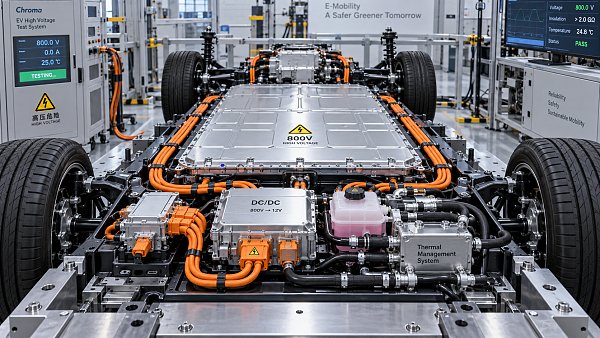
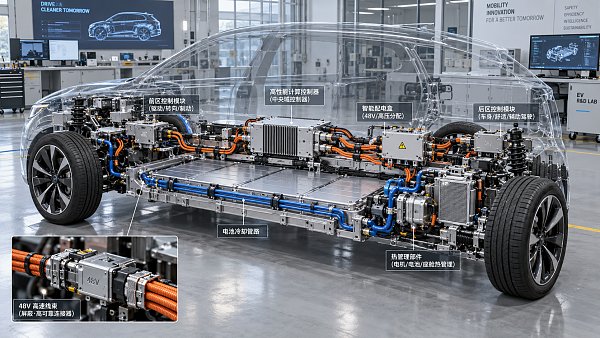
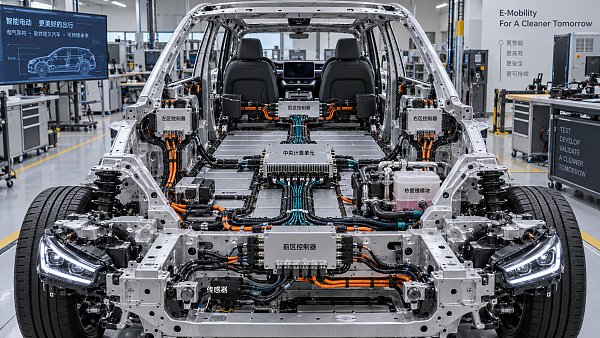
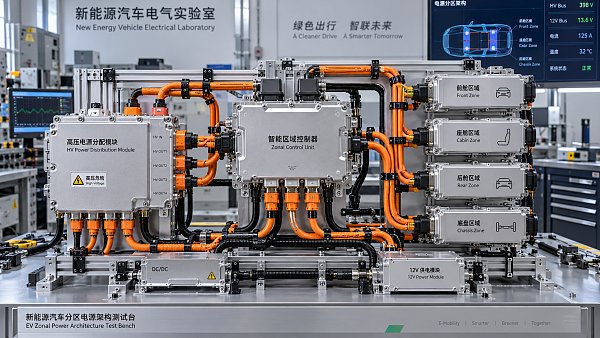
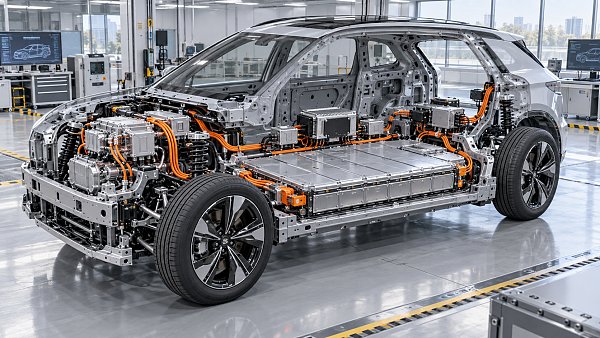
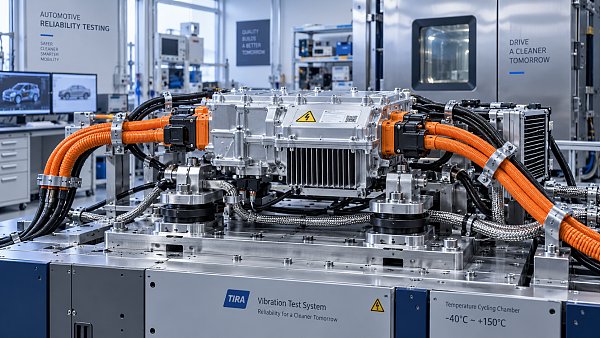
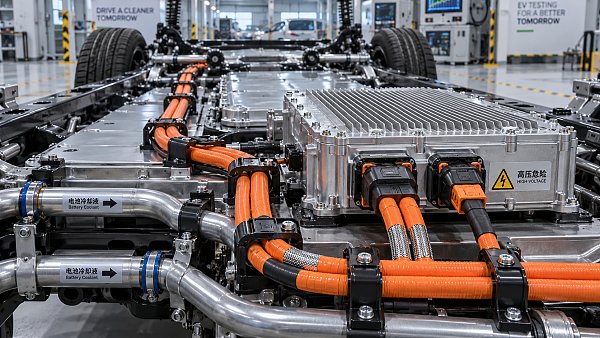
Vehicle wiring harnesses are moving from passive infrastructure to strategic enablers of smart mobility. Higher voltage platforms, zonal architectures, advanced driver assistance, and smart cabins all increase demands on power transmission, signal integrity, weight reduction, electromagnetic compatibility, and assembly efficiency.
For procurement and product planning teams, this means harness evaluation should no longer focus only on routing and cost. Copper and aluminum exposure, connector platform strategy, thermal endurance, and compatibility with future domain architectures now deserve executive review.
2. Steer-by-wire is moving from concept to architecture planning
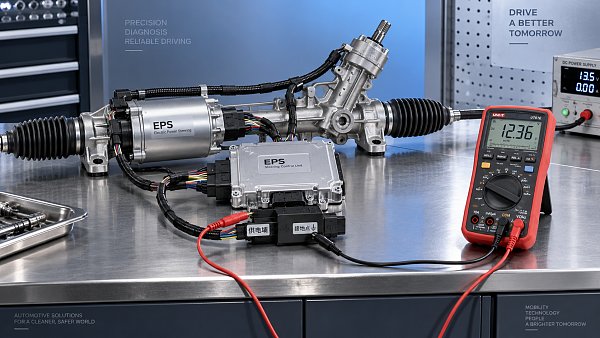
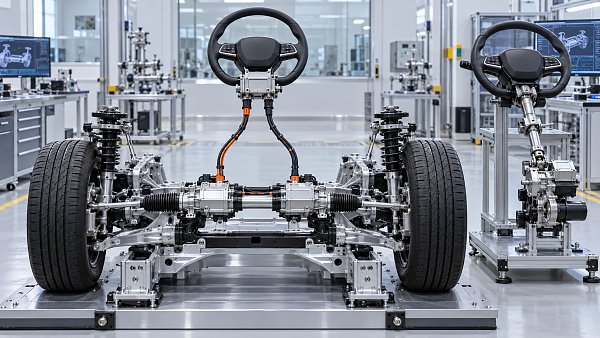
Power steering systems are evolving toward steer-by-wire to support higher automation, packaging flexibility, and chassis redundancy. Even where full deployment remains phased, many OEMs and suppliers are already redesigning the supporting electrical and safety architecture. Smart mobility leaders should watch this area not only for steering innovation, but for its impact on fail-operational design, validation workload, and supplier capability screening.
3. Electric A/C compressors are becoming energy management assets
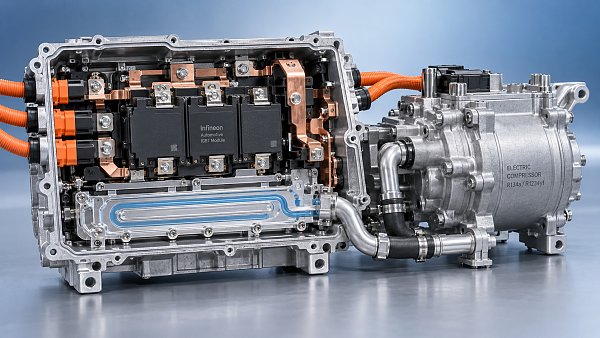
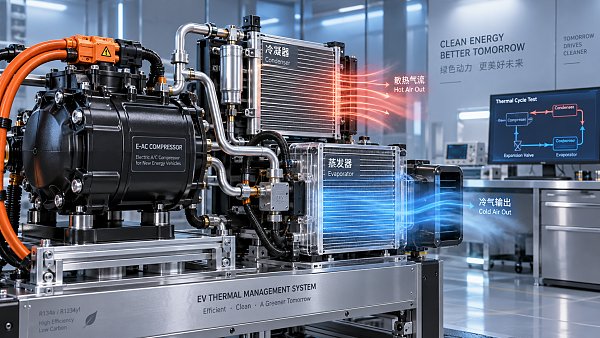
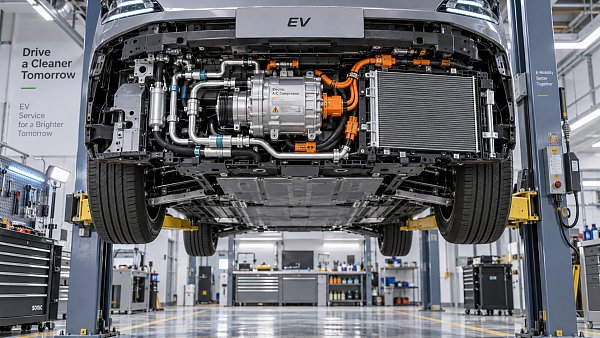
In NEV programs, the auto A/C compressor is no longer just a comfort component. Variable-frequency electric compressors affect battery range, cabin noise, heat pump coordination, and low-temperature performance. As smart mobility platforms prioritize efficiency and user experience together, compressor selection increasingly influences brand perception and total energy balance.
4. IVI is becoming the operating layer of the smart cabin
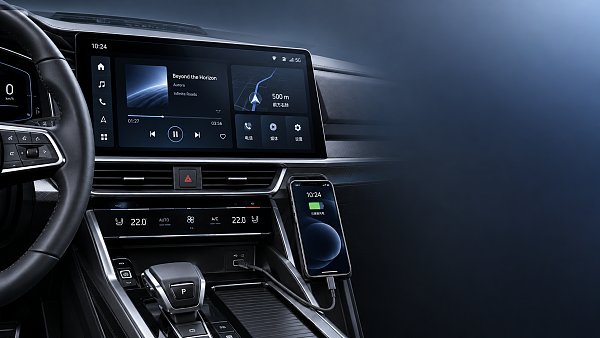
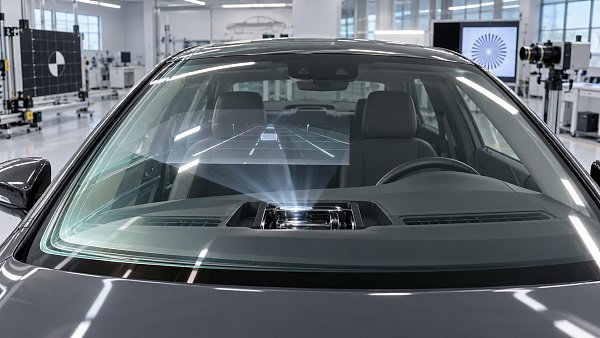
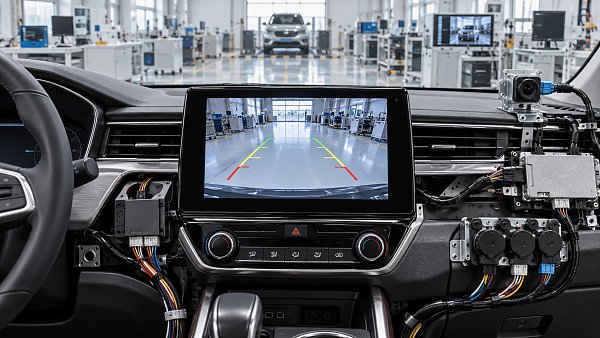
In-vehicle infotainment is evolving into a broader human-machine interaction domain integrating multi-screen systems, AR-HUD, cloud services, voice, and ecosystem services. For business leaders, this trend creates two implications: cockpit hardware and electronics can no longer be sourced without software lifecycle thinking, and cabin architecture choices increasingly affect thermal loads, power management, and controller consolidation.
5. NEV thermal management is becoming a profit and reliability driver
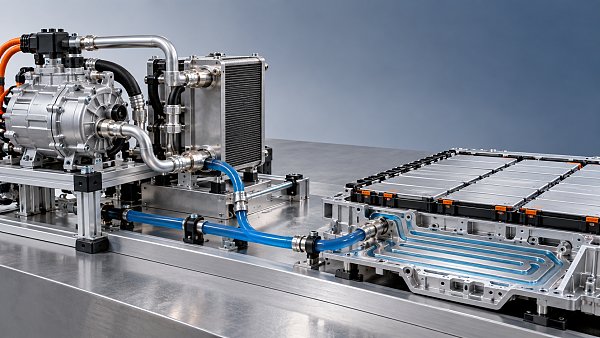
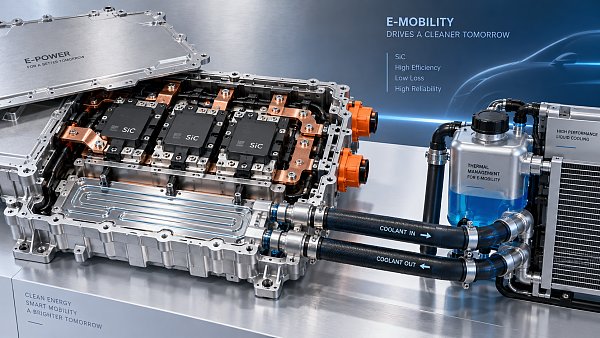
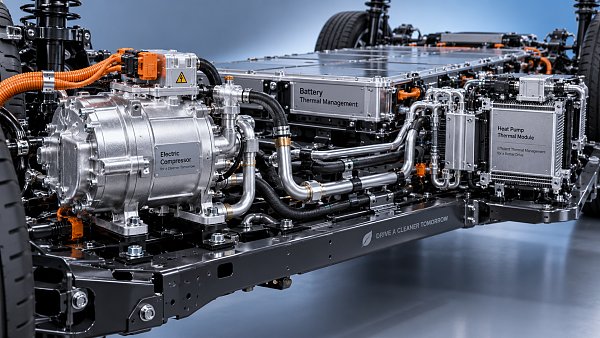
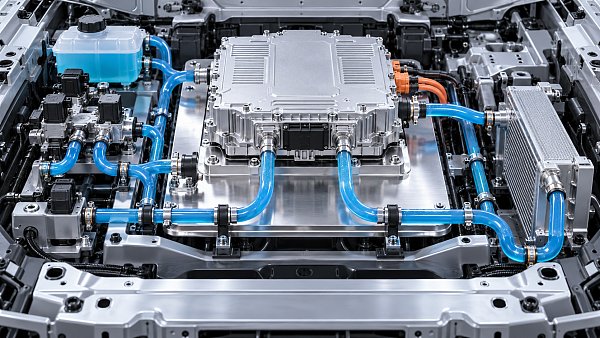
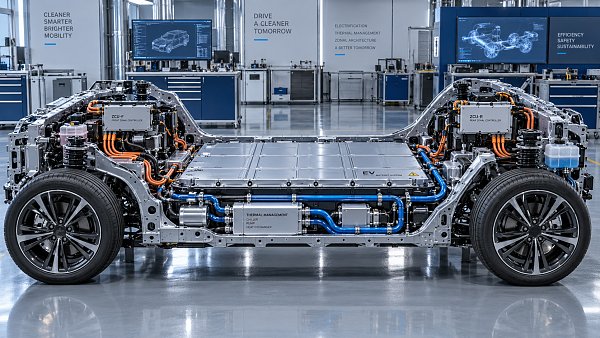
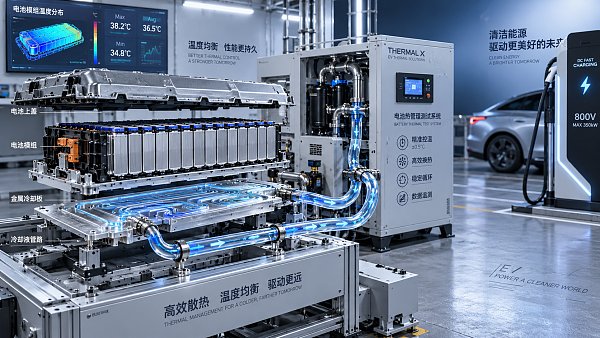
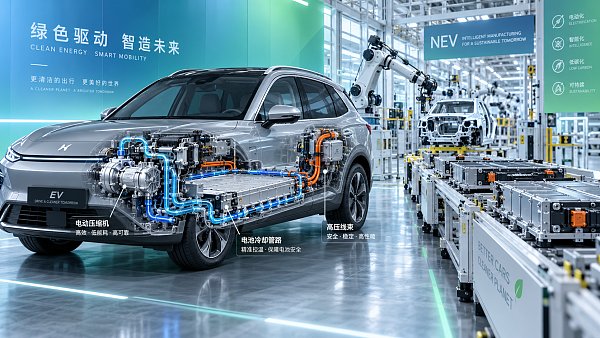
Highly integrated heat pumps, valves, refrigerant circuits, battery conditioning loops, and e-drive cooling strategies are central to smart mobility economics. Thermal management now determines not only comfort, but charging performance, range retention, durability, and platform flexibility across climates. The supplier landscape is also shifting, with demand rising for integrated thermal modules rather than fragmented subassemblies.
The table below summarizes how the most important smart mobility domains influence executive priorities through 2026.
A useful takeaway is that smart mobility decisions are increasingly cross-functional. The best supplier conversation is rarely limited to a single part number. It usually starts with architecture, operating conditions, compliance needs, and future platform direction.
How should decision-makers compare smart mobility investments?
Leaders often face a familiar problem: several technologies look promising, but budgets, engineering bandwidth, and launch windows are limited. In smart mobility, investment discipline depends on knowing which domains improve multiple outcomes at once. That means prioritizing options that strengthen reliability, comfort, compliance, and supply resilience together.
A practical comparison lens
- Does the technology reduce vehicle energy loss or improve usable range?
- Does it simplify architecture, reduce mass, or support future software integration?
- Does it require new validation or compliance effort that may slow program timing?
- Does the supply base have enough maturity to support global scale?
The table below offers a decision-oriented comparison for smart mobility planning rather than a purely technical ranking.
This comparison shows why NEV thermal management and wiring architecture often deserve earlier funding than expected. They influence several downstream systems and can either unlock or constrain later smart mobility upgrades.
What should buyers and program leaders check before selecting suppliers?
One of the biggest smart mobility risks is choosing suppliers based on legacy category logic. A supplier that performs well in a traditional component program may not be ready for cross-domain integration, automotive-grade electronics, or thermal-control complexity in next-generation platforms.
Procurement checklist for smart mobility programs
- Confirm architecture fit, not just component fit. Ask whether the supplier can support zonal migration, integrated thermal loops, or controller convergence.
- Review material and commodity sensitivity. Copper, aluminum, magnets, and automotive-grade semiconductor exposure can directly affect price stability and delivery reliability.
- Assess compliance readiness. Functional safety expectations, EMC performance, refrigerant regulations, and automotive-grade validation requirements should be discussed early.
- Evaluate engineering collaboration depth. In smart mobility, many failures happen at interfaces, so the supplier must communicate beyond its own component boundary.
- Check scalability across regions and vehicle programs. Global launches require stable access to qualified production, documentation, and service response.
GACT’s intelligence approach is useful here because it does not treat harnesses, steering, compressors, IVI, and thermal systems as separate news categories. It connects commercial signals with engineering logic, helping decision-makers understand where a sourcing decision may create hidden technical debt or future cost pressure.
Where do companies most often misread smart mobility risk?
Many firms underestimate smart mobility risk because they focus on visible features instead of system dependencies. A sleek cabin interface may win attention, but poor thermal integration can damage range and user satisfaction. An advanced steering roadmap may look attractive, but insufficient redundancy planning can delay industrialization.
Common mistakes to avoid
- Treating smart mobility as a software project while underestimating electromechanical and thermal hardware dependencies.
- Assuming lower component count always means lower system risk, without checking validation and service implications.
- Focusing on peak performance claims instead of real operating conditions such as cold weather, long charging sessions, or dense urban duty cycles.
- Waiting too long to align sourcing, engineering, and compliance teams on architecture-level requirements.
A disciplined smart mobility strategy should therefore combine market timing, technical feasibility, and supply chain realism. That is especially important for enterprises navigating multiple vehicle segments, regional regulations, and evolving customer expectations.
FAQ: smart mobility questions decision-makers ask most
How should we prioritize smart mobility investments if budget is limited?
Start with technologies that improve more than one KPI. In many cases, wiring optimization and NEV thermal management deliver broad value because they affect efficiency, reliability, packaging, and platform readiness together. After that, evaluate cabin electronics and steering upgrades based on target segment, autonomy roadmap, and validation capacity.
Which smart mobility areas carry the highest hidden implementation risk?
Steer-by-wire readiness and integrated thermal management often carry hidden risk because both depend on interface quality, controls logic, and safety validation rather than component specification alone. Programs can appear mature on paper while remaining vulnerable at system integration level.
What should we ask suppliers before RFQ release?
Ask about architecture assumptions, operating temperature range, compatibility with future domain controllers, material sourcing sensitivity, validation scope, and expected lead times for prototypes and engineering changes. In smart mobility, a strong RFQ is one that clarifies interfaces and lifecycle expectations early.
Are smart cabin upgrades mainly a branding decision?
No. Smart cabin upgrades influence electrical load, heat generation, controller consolidation, software maintenance, and user retention. They can be strong branding tools, but they should be assessed as system-level business decisions, not only design statements.
Why GACT is a practical intelligence partner for smart mobility planning
Decision-makers need more than fragmented updates. They need connected intelligence that explains how component evolution, cost movement, compliance pressure, and system integration trends interact. GACT is built around that need. Its focus on vehicle electrification, chassis dynamics, smart cabin electronics, and thermal systems creates a more useful view of smart mobility than siloed tracking can provide.
This is especially relevant when evaluating high-voltage wiring harnesses, power steering evolution, electric A/C compressors, IVI architectures, and integrated NEV thermal management. These areas determine both vehicle experience and platform economics, yet many organizations still assess them separately. GACT helps connect the dots between technical evolution and commercial positioning.
Why choose us
If your team is reviewing smart mobility strategy through 2026, GACT can support discussions that go beyond general trend watching. You can consult on harness architecture direction, steer-by-wire readiness signals, electric compressor selection factors, smart cabin domain integration trends, and NEV thermal management module evolution.
- Parameter confirmation for component categories affected by electrification and thermal integration.
- Selection guidance for programs balancing comfort, energy efficiency, safety, and cost.
- Lead time and delivery-cycle discussion where engineering changes may affect sourcing strategy.
- Customized intelligence support for compliance screening, architecture planning, and supplier evaluation.
- Sample scope and quotation communication priorities for early-stage platform decisions.
For enterprises that need sharper visibility into smart mobility, the most effective next step is a focused discussion around your target vehicle program, sourcing constraints, and integration priorities. That is where better decisions start.
Related News
- 00
0000-00
How electric compressor speed affects EV battery cooling capacity - 00
0000-00
How to verify a variable frequency compressor supplier’s efficiency claims - 00
0000-00
How bend radius affects FPC reliability in automotive camera modules - 00
0000-00
How to diagnose intermittent loss of electric power steering assist - 00
0000-00
How to size automotive power modules for electric compressors
Weekly Insights
Stay ahead with our curated technology reports delivered every Monday.
Recommended News
 How electric compressor speed affects EV battery cooling capacityElectric compressor technology: battery cooling depends on more than RPM. Discover how speed, refrigerant flow, and system limits affect EV cooling capacity and energy efficiency.Author:Time:Oct 19, 2026
 How to verify a variable frequency compressor supplier’s efficiency claimsVerify a variable frequency compressor supplier’s efficiency claims using COP boundaries, matched test conditions, and duty-cycle data. Learn how to choose with confidence.Author:Time:Oct 18, 2026
 How bend radius affects FPC reliability in automotive camera modulesAutomotive FPC applications: camera module reliability starts with bend radius. Learn how stack-up, strain, and validation guide robust designs and help prevent costly failures.Author:Time:Oct 17, 2026
 How to diagnose intermittent loss of electric power steering assistMaster power steering system diagnostics to trace intermittent EPS assist loss. Learn proven checks for voltage, wiring, and fault codes to avoid costly guesswork.Author:Time:Oct 16, 2026
 How to size automotive power modules for electric compressorsSize automotive power modules for electric compressors with confidence. Learn how voltage, phase current, losses, and cooling shape reliable selection—and avoid costly oversizing.Author:Time:Oct 15, 2026
 Why automotive power electronics are shifting to silicon carbideAutomotive Power Electronics are shifting to silicon carbide. Discover how SiC can cut losses, boost EV power density, and reshape cooling, reliability, and system costs.Author:Time:Oct 14, 2026
 How EV adoption shapes the electrically driven compressor marketExplore how EV adoption shapes the electrically driven compressor market, from battery cooling and heat pumps to supplier margins. Discover the drivers of profitable growth.Author:Time:Oct 13, 2026
 How to size a PTC heater for reliable EV cabin heatingPTC Heater sizing for EV cabins: learn how to balance defrost performance, heat-pump integration, airflow, voltage range, and battery power for reliable winter comfort.Author:Time:Oct 12, 2026
 What determines the cooling output of electric automotive AC compressors?Automotive air conditioning compressors electric systems: explore how speed, voltage, refrigerant, controls, and heat exchangers shape EV cooling capacity and efficiency.Author:Time:Oct 11, 2026
 What makes a touchscreen media head unit responsive enough for daily use?Touchscreen media head unit performance explained: discover what delivers fast starts, smooth maps, reliable phone pairing, and responsive daily driving.Author:Time:Oct 10, 2026
 Can a Domain Controller Share a Cooling Loop with Other Electronics?Can a domain controller share a cooling loop with other electronics? Explore thermal zoning, flow control, safety priorities, and reliable vehicle electronics cooling strategies.Author:Time:Oct 19, 2026
 What Causes Domain Controller Overheating During Summer Testing?What causes domain controller overheating in summer testing? Explore heat load, airflow, installation, software factors, and practical fixes.Author:Time:Oct 18, 2026
 Is a Head-Up Display Hard to Integrate with Different Windshields?Is a head-up display difficult to integrate with different windshields? Discover how glass geometry, coatings, and calibration affect HUD clarity, cost, and production readiness.Author:Time:Oct 17, 2026
 What Should Be Checked Before Selecting an Automotive Head Unit?What should be checked before selecting an automotive head unit? Explore compatibility, performance, cybersecurity, compliance, and supplier support.Author:Time:Oct 16, 2026
 Is Steer-by-Wire More Expensive Than an EPS Steering System?Is steer-by-wire more expensive than an EPS steering system? Explore the true costs, safety demands, software value, and when SbW justifies its premium.Author:Time:Oct 15, 2026
 Which Automotive Electronics Need Validation for 800V Platforms?What automotive electronics should be validated for 800V platforms? Explore critical checks for harnesses, power electronics, thermal systems, safety, and EMC.Author:Time:Oct 14, 2026
 How Do Automotive Compressor Export Requirements Vary by Market?How do automotive compressor export requirements vary by market? Explore key compliance rules for refrigerants, EV safety, OEM approvals, labeling, and customs.Author:Time:Oct 13, 2026
 What Documents Are Needed to Export Automotive Thermal Components?What documents are needed to export automotive thermal components? Explore customs, compliance, technical records, and shipping tips to prevent costly delays.Author:Time:Oct 12, 2026
 How Often Should an EV Air Conditioning Compressor Be Inspected?How often should an EV air conditioning compressor be inspected? Discover recommended service intervals, warning signs, and expert care tips to protect cooling performance and EV reliability.Author:Time:Oct 11, 2026
 How to size power solutions for automotive head-up display systemsHeads-up display systems power solutions: learn how to size automotive HUD power architectures for startup, brightness, thermal limits, EMC, protection, and reliable vehicle operation.Author:Time:Oct 19, 2026
 How does a head-up display work in a high-performance car?Hoe werkt een head-up display in een high-performance auto en welke informatie toont het? Discover the tech, safety alerts, and performance data that sharpen every drive.Author:Time:Oct 18, 2026
 Which trends will shape zonal EV architectures in the next decade?Future trends in zonal EV architectures: explore smarter power distribution, 48V systems, thermal integration, software, and resilient networks shaping next-gen vehicles.Author:Time:Oct 17, 2026
 When does a zonal EV architecture outperform a centralized design?Explore the trade-offs between zonal and centralized EV architectures to identify the best path for harness efficiency, software scalability, safety, and faster EV launches.Author:Time:Oct 16, 2026
 How to compare vendors for zonal EV power architecturesComparing vendors for zonal EV power architectures: assess electrical capability, interface ownership, lifecycle support, and integration risk for smarter sourcing.Author:Time:Oct 15, 2026
 How zonal architectures can improve EV reliability at the system levelHow zonal architectures affect EV reliability: explore fault containment, diagnostics, power resilience, and software strategies for more dependable electric vehicles.Author:Time:Oct 14, 2026
 What is driving growth in the automotive E/E architecture market?Explore what drives the automotive electric electronic systems architecture market, from EV power systems and zonal computing to ADAS, cybersecurity, and software-defined vehicles.Author:Time:Oct 13, 2026
 How to evaluate top-rated vehicle electrical components for reliabilityDiscover how to evaluate top-rated vehicle electrical components for reliability, from connector integrity and thermal margins to validation data and manufacturing control.Author:Time:Oct 12, 2026
 What makes vehicle electrical components reliable over a long service life?Top-rated vehicle electrical components for reliability depend on thermal control, sealing, vibration resistance, and validated manufacturing. Discover how to choose durable parts.Author:Time:Oct 11, 2026
 How battery thermal management solutions prevent fast-charge overheatingBattery thermal management solutions prevent fast-charge overheating with intelligent cooling, valve control, predictive preconditioning, and reliable heat rejection.Author:Time:Oct 09, 2026
 What an automotive market report can reveal about EV demand shiftsAutomotive market report insights reveal EV demand shifts, component opportunities, regional risks, and smarter investment strategies for growth.Author:Time:Oct 08, 2026