Smart Mobility Shifts Reshaping Dealer Strategy




As smart mobility turns vehicles into software-defined, electrified systems, channel players face a practical question: where will margin, relevance, and customer loyalty come from next?
For dealers, distributors, and agents, the answer is no longer found in product breadth alone. It depends on technical positioning, aftersales readiness, supplier alignment, and the ability to sell system value.
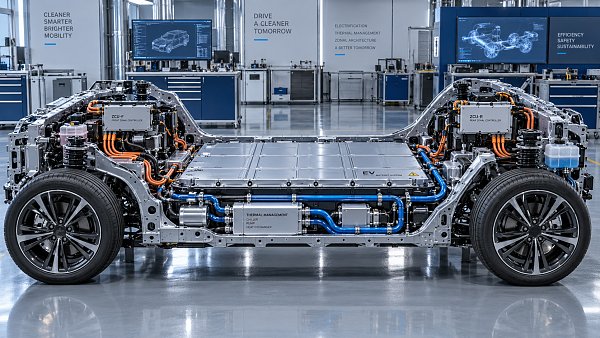
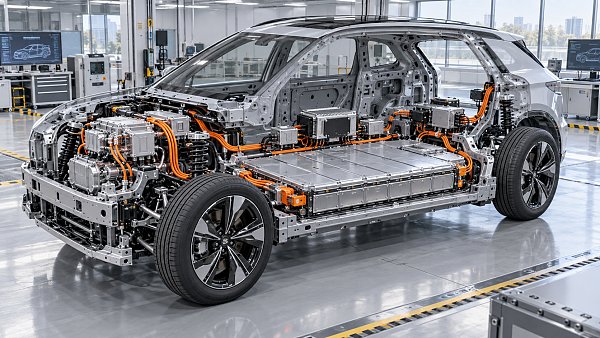
Smart mobility is reshaping dealer strategy because demand is moving from isolated components toward integrated, intelligent, and service-sensitive automotive solutions across electrification, connectivity, and thermal efficiency.
That shift matters especially in categories such as wiring harnesses, power steering, IVI, electric A/C compressors, and NEV thermal management, where product choice increasingly affects uptime, energy use, safety, and software compatibility.
For channel businesses, the winners will not simply stock more parts. They will identify which products fit rising vehicle architectures, which suppliers can scale, and which services create durable account value.
This article examines the core search intent behind smart mobility from a dealer perspective: how to adapt portfolio strategy, partnerships, inventory, and technical support to capture real growth.
Why smart mobility now demands a different dealer strategy
The central issue for dealers is not whether smart mobility is growing. It is how fast the transition will alter buying criteria for OEMs, workshops, fleets, and regional distribution networks.
Traditional channel logic focused on price, availability, and replacement frequency. Those factors still matter, but smart mobility adds new filters: vehicle platform compatibility, data integration, energy efficiency, and functional safety.
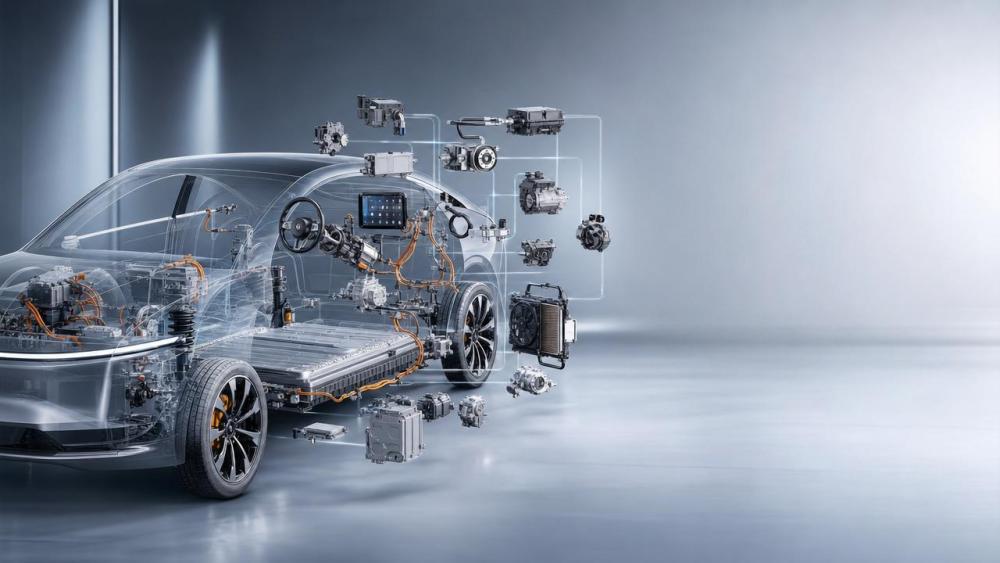
As vehicles become more electrified and digitally controlled, component selection carries wider consequences. A harness affects data integrity, a compressor affects range, and a steering system affects autonomy readiness.
This means dealers and agents must move upstream in their thinking. They need to understand not just part numbers, but the system role each product plays in modern vehicle design.
Customers are also changing. OEMs want scalable partners with technical fluency. Workshops need diagnostic support. Fleets want lower downtime. Regional buyers seek confidence that stocked products will remain relevant.
In this environment, dealer strategy must shift from transactional distribution toward consultative channel value. The ability to explain application fit becomes a commercial advantage, not just a technical extra.
What dealers, distributors, and agents are really worried about
When target readers search for smart mobility trends, they are usually trying to reduce uncertainty. They want to know where demand is going, what to stock, and which categories deserve capital.
The first concern is portfolio risk. Many channel businesses worry about investing in products that lose relevance as EV architectures, software platforms, and integrated modules become mainstream.
The second concern is margin pressure. As some traditional parts commoditize, dealers need to identify smart mobility segments where specification complexity and service needs support better profitability.
The third concern is capability gap. Selling advanced automotive systems often requires more application knowledge, stronger supplier coordination, and more structured technical support than conventional categories.
Another major concern is aftersales responsibility. Products tied to electronics, thermal control, or steering cannot be treated like simple mechanical replacements. Returns, diagnostics, and warranty handling become more sensitive.
Finally, many agents are evaluating competitive timing. Enter too early, and education costs rise. Enter too late, and stronger specialists lock in OEM, workshop, and fleet relationships.
Because of these concerns, the most useful smart mobility content is not broad futurism. It is clear guidance on demand signals, category economics, risk management, and action priorities.
Which component categories deserve the closest attention
Not every smart mobility product offers the same channel opportunity. Dealers should prioritize categories where technological transition is already influencing sourcing decisions and aftermarket service models.
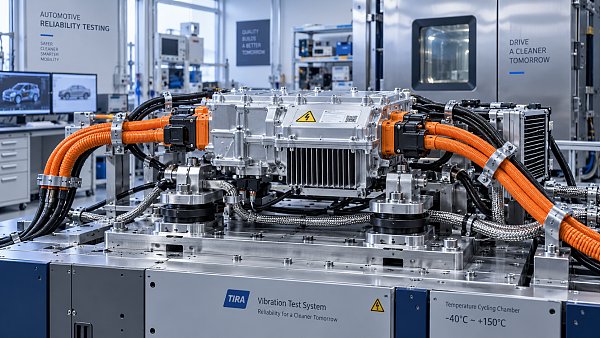
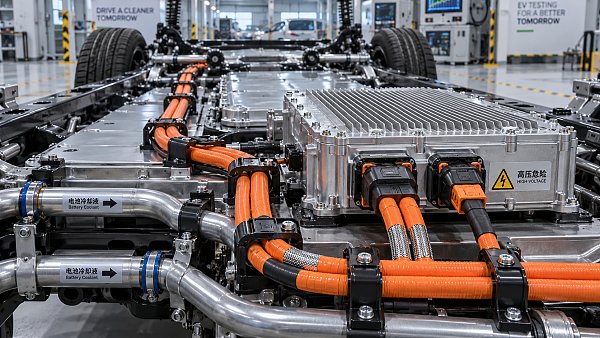
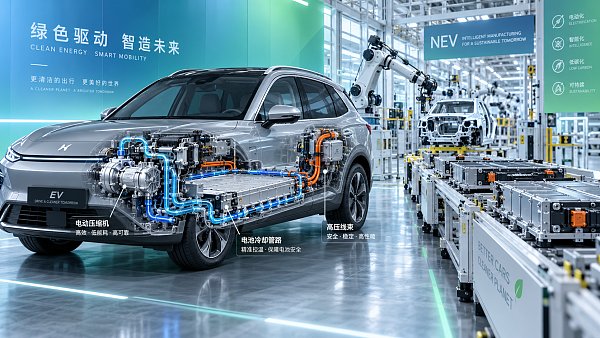
Auto wiring harnesses remain fundamental because electrified vehicles and advanced driver systems require higher-voltage transmission, cleaner signal pathways, and growing data complexity throughout the vehicle architecture.
For distributors, this creates opportunities in high-voltage harness assemblies, lightweight materials, shielding solutions, and supplier lines able to support evolving safety and compliance standards.
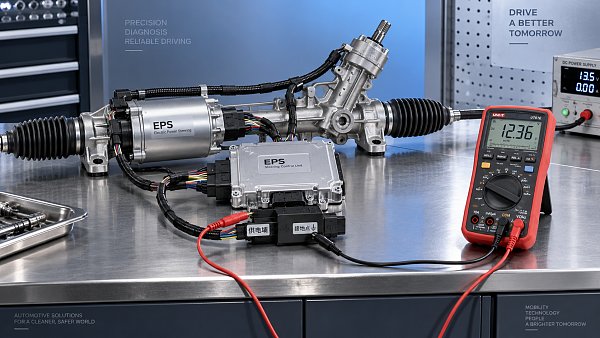
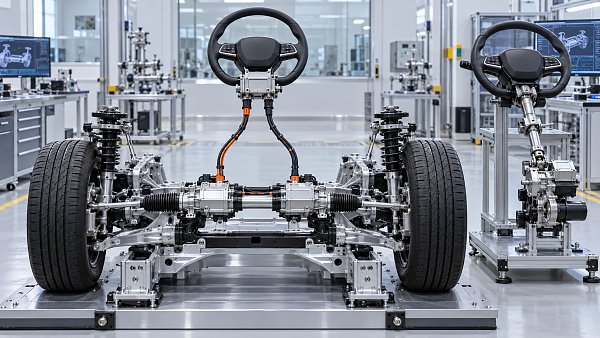
Power steering systems are also moving into a new phase. The path from EPS to steer-by-wire changes both the product mix and the qualification burden for channel partners.
Dealers should watch steering suppliers with strong control integration, redundancy capabilities, and long-term platform relevance. This is not just a replacement business; it is a strategic architecture business.
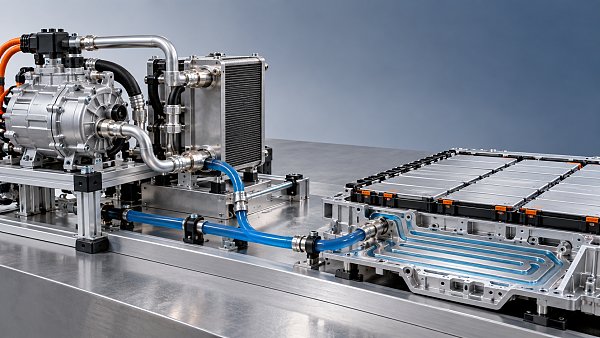
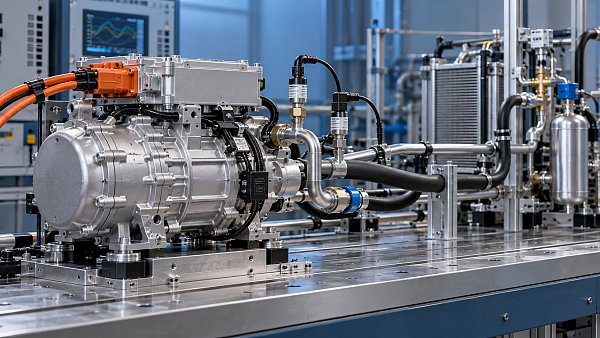
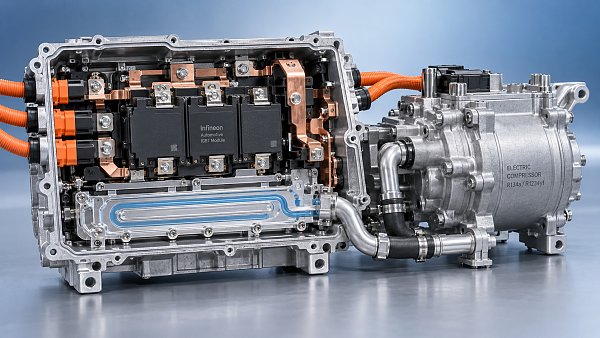
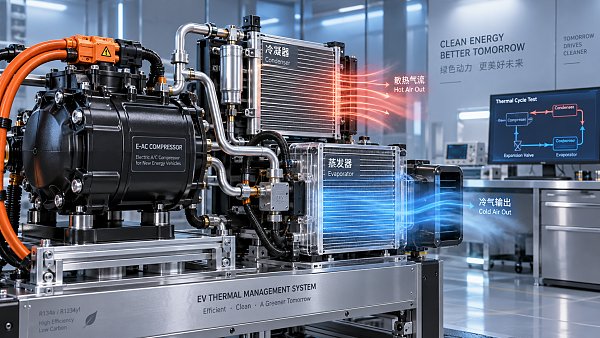
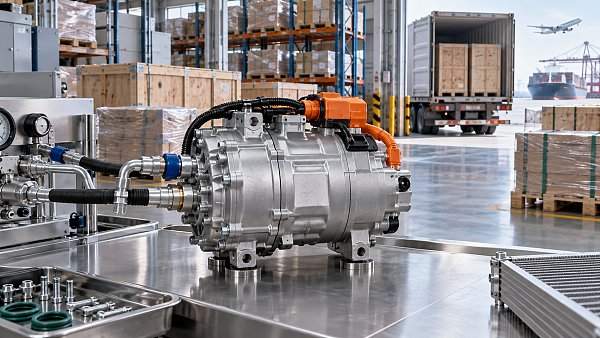
Electric A/C compressors have become especially important in NEV applications because thermal efficiency directly affects comfort, battery performance, and energy consumption. That makes compressor selection more commercially significant.
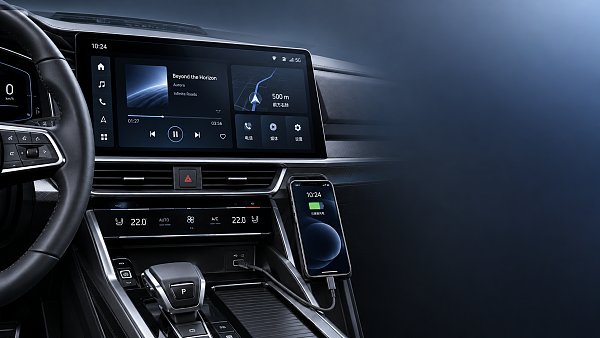
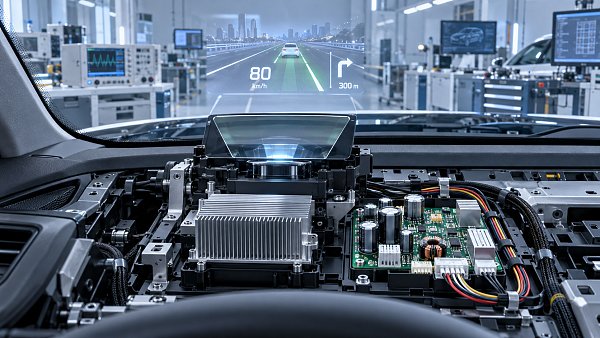
IVI systems present a different kind of opportunity. While some distributors may not lead with infotainment, those serving smart cabin ecosystems can benefit from demand for connected displays, control modules, and integration accessories.
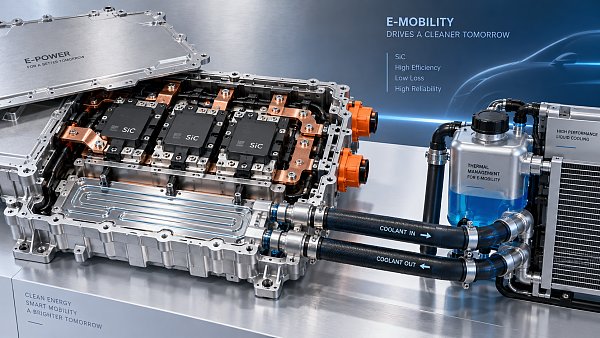
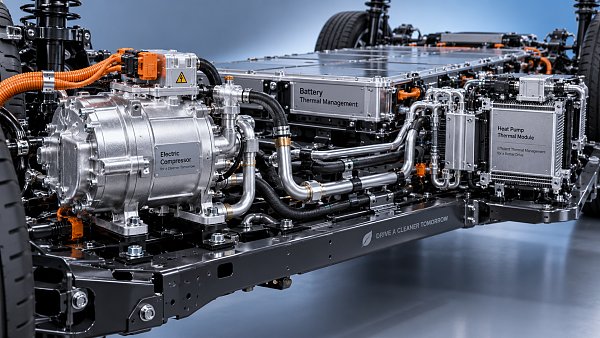
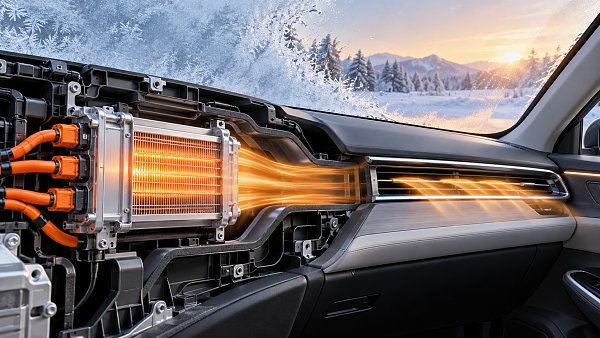
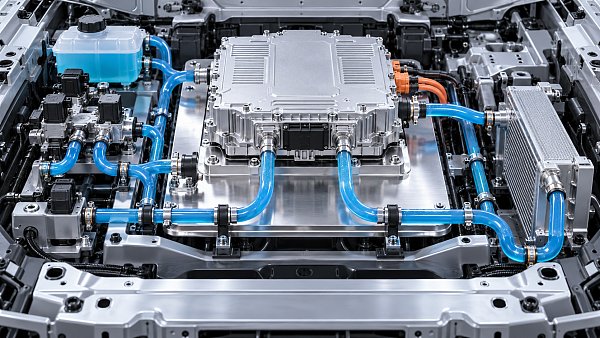
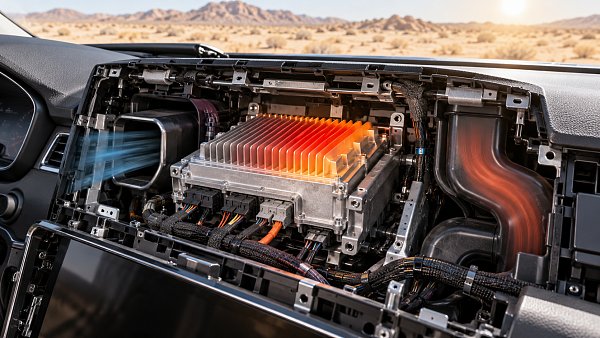
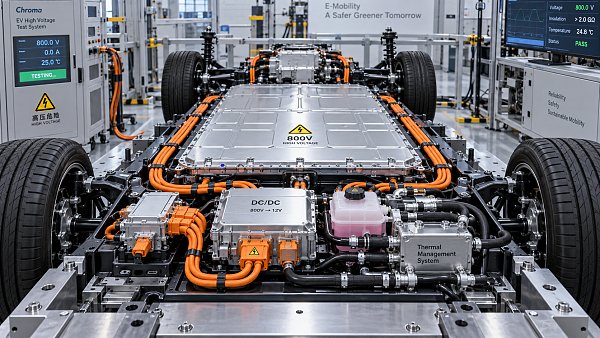
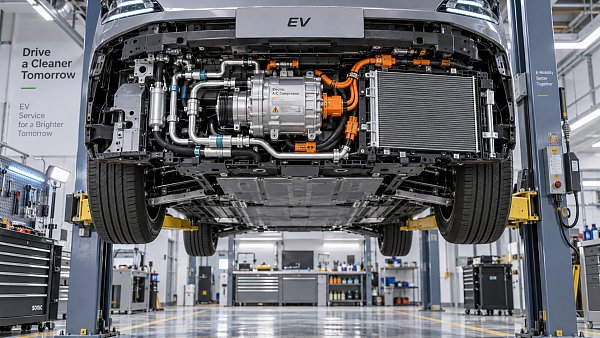
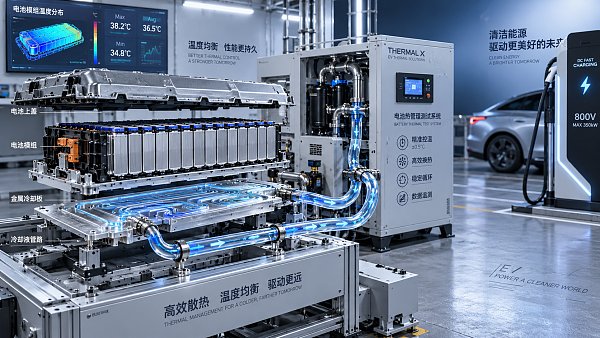
NEV thermal management systems may offer the strongest strategic upside. Heat pumps, valves, integrated cooling modules, and thermal control subsystems are increasingly central to vehicle efficiency and cold-weather performance.
For channel players, these categories matter because they are harder to commoditize. They reward technical understanding, application support, and close supplier relationships more than low-price competition alone.
How smart mobility changes inventory and product positioning
One of the biggest dealer mistakes is treating smart mobility as a branding exercise rather than an inventory and assortment decision. Real adaptation begins with stock structure.
Dealers should reassess SKU strategy based on future-fit demand, not historical volume alone. A part that sold well in legacy platforms may offer less strategic value than a lower-volume product tied to EV growth.
That does not mean abandoning conventional categories overnight. It means creating a balanced inventory ladder that protects current cash flow while gradually increasing exposure to smart mobility segments.
Product positioning must also evolve. Instead of selling a compressor as a standalone component, dealers should frame it around energy efficiency, noise control, and suitability for electrified thermal systems.
Similarly, wiring harnesses should be positioned not only by configuration but by voltage capability, durability, shielding performance, and compatibility with increasingly data-intensive vehicle functions.
This approach helps customers see why a product matters operationally. It also reduces purely price-driven comparison, which is critical for protecting margin in technically differentiated categories.
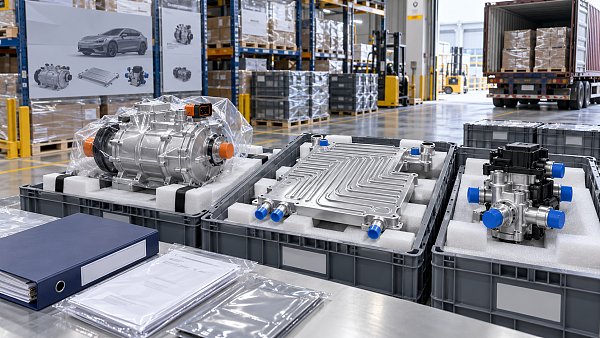
Inventory policy should further reflect lead-time volatility, certification complexity, and supplier resilience. In smart mobility markets, stockouts can cost more because replacement options are narrower and validation requirements are stricter.
Dealers that map inventory by strategic relevance, technical complexity, and service dependency are better equipped to avoid dead stock while supporting fast-growing demand pockets.
Supplier selection is becoming more strategic than ever
In smart mobility, the right supplier is not just a source of goods. It is a source of future readiness, commercial stability, and technical credibility.
Dealers should evaluate suppliers on more than price and lead time. The key questions are whether they support next-generation vehicle platforms, maintain quality consistency, and provide meaningful engineering or application support.
For categories like steer-by-wire, thermal modules, or intelligent cabin systems, supplier roadmaps matter. A channel partner tied to outdated product development may lose relevance even with strong current sales.
Another essential factor is documentation quality. Smart mobility components often require clearer specifications, traceability, test records, and installation guidance to reduce downstream disputes and warranty risk.
Global supply chain resilience should also be assessed carefully. Materials exposure, regional manufacturing concentration, and compliance readiness can all influence supply continuity in advanced automotive categories.
The strongest channel relationships are increasingly collaborative. Dealers should seek suppliers willing to provide training, co-marketing support, technical explainers, and product upgrade visibility.
This matters because customers buying into smart mobility often need reassurance. A dealer backed by a knowledgeable, transparent supplier can close deals with more confidence and lower perceived risk.
Aftersales and technical support are becoming revenue drivers
Many channel businesses still treat aftersales as a cost center. In smart mobility, that mindset leaves money on the table and weakens customer retention.
As products become more intelligent and integrated, buyers need support with installation, diagnostics, compatibility questions, and failure analysis. The dealer who can answer those questions gains more than goodwill.
Technical support increases switching costs. Once customers rely on a distributor for troubleshooting and application guidance, the relationship becomes harder for lower-cost competitors to displace.
This is especially true in NEV thermal management and smart cabin systems, where product performance depends on broader system interaction. Customers value partners who understand these interactions.
Dealers do not need to become engineering houses. But they should build enough structured expertise to explain use cases, common faults, fitment issues, and product differentiation in practical terms.
Training sales teams and field support staff is therefore not optional. It directly affects conversion rate, return rate, warranty burden, and long-term account development.
Aftersales can also create service revenue opportunities through diagnostic assistance, onboarding sessions, installer education, and premium support programs for key accounts or fleet buyers.
How to identify the best smart mobility opportunities by customer type
Dealer strategy should not treat all customers the same. Smart mobility opportunities differ across OEM-facing accounts, aftermarket workshops, fleet operators, and regional sub-distributors.
For OEM-linked business, the priority is specification confidence. Customers want stable suppliers, strong validation evidence, and products aligned with future platform requirements.
For independent workshops, ease of installation, diagnostic clarity, and access to technical support are often more important than the most advanced feature list.
Fleet customers usually focus on uptime, efficiency, lifecycle cost, and service responsiveness. Thermal systems, steering reliability, and harness robustness can matter more than headline innovation.
Regional distributors and agents often care most about marketability, stock turnover, and protection from obsolescence. They need product lines that will remain commercially relevant as vehicle mixes change.
By segmenting the customer base this way, dealers can avoid generic messaging. They can promote the same smart mobility category differently depending on the buyer’s actual business priorities.
That sharper positioning improves both sales efficiency and trust. It also helps channel partners decide where deeper technical investment will generate the greatest return.
A practical framework for dealers adjusting to smart mobility
For many readers, the key question is where to begin. A practical response is to build strategy around four moves: assess, prioritize, enable, and scale.
First, assess current exposure. Review which product lines are tied to declining legacy demand and which are connected to electrification, cabin intelligence, or advanced control systems.
Second, prioritize categories with clear market pull and defensible value. Focus on components where complexity supports margin and where your team can realistically build credibility.
Third, enable the organization. Equip sales teams with better technical narratives, improve supplier collaboration, and create basic support processes for application and aftersales issues.
Fourth, scale selectively. Expand inventory and market coverage only after validating demand, service capability, and supplier performance in the chosen smart mobility segments.
This phased model reduces risk while preserving momentum. It helps dealers avoid both reckless overexpansion and passive delay, which are the two most common strategic errors.
Conclusion: smart mobility rewards channel players that move from parts sellers to value partners
Smart mobility is not just changing vehicles. It is changing how dealers, distributors, and agents create relevance in the automotive value chain.
The most important shift is from selling components in isolation to selling technical fit, future readiness, and dependable support across increasingly integrated vehicle systems.
For channel businesses serving categories such as wiring harnesses, steering systems, electric compressors, IVI, and NEV thermal management, the opportunity is real but selective.
Success will depend on choosing the right product categories, building stronger supplier partnerships, improving technical competence, and aligning inventory with next-generation demand rather than yesterday’s volume.
In that sense, smart mobility does not eliminate the dealer role. It elevates it. The channel players that adapt early can become trusted interpreters of complexity and durable growth partners in a changing market.
Related News
- 00
0000-00
How electric compressor speed affects EV battery cooling capacity - 00
0000-00
How to verify a variable frequency compressor supplier’s efficiency claims - 00
0000-00
How bend radius affects FPC reliability in automotive camera modules - 00
0000-00
How to diagnose intermittent loss of electric power steering assist - 00
0000-00
How to size automotive power modules for electric compressors
Weekly Insights
Stay ahead with our curated technology reports delivered every Monday.
Recommended News
 How electric compressor speed affects EV battery cooling capacityElectric compressor technology: battery cooling depends on more than RPM. Discover how speed, refrigerant flow, and system limits affect EV cooling capacity and energy efficiency.Author:Time:Oct 19, 2026
 How to verify a variable frequency compressor supplier’s efficiency claimsVerify a variable frequency compressor supplier’s efficiency claims using COP boundaries, matched test conditions, and duty-cycle data. Learn how to choose with confidence.Author:Time:Oct 18, 2026
 How bend radius affects FPC reliability in automotive camera modulesAutomotive FPC applications: camera module reliability starts with bend radius. Learn how stack-up, strain, and validation guide robust designs and help prevent costly failures.Author:Time:Oct 17, 2026
 How to diagnose intermittent loss of electric power steering assistMaster power steering system diagnostics to trace intermittent EPS assist loss. Learn proven checks for voltage, wiring, and fault codes to avoid costly guesswork.Author:Time:Oct 16, 2026
 How to size automotive power modules for electric compressorsSize automotive power modules for electric compressors with confidence. Learn how voltage, phase current, losses, and cooling shape reliable selection—and avoid costly oversizing.Author:Time:Oct 15, 2026
 Why automotive power electronics are shifting to silicon carbideAutomotive Power Electronics are shifting to silicon carbide. Discover how SiC can cut losses, boost EV power density, and reshape cooling, reliability, and system costs.Author:Time:Oct 14, 2026
 How EV adoption shapes the electrically driven compressor marketExplore how EV adoption shapes the electrically driven compressor market, from battery cooling and heat pumps to supplier margins. Discover the drivers of profitable growth.Author:Time:Oct 13, 2026
 How to size a PTC heater for reliable EV cabin heatingPTC Heater sizing for EV cabins: learn how to balance defrost performance, heat-pump integration, airflow, voltage range, and battery power for reliable winter comfort.Author:Time:Oct 12, 2026
 What determines the cooling output of electric automotive AC compressors?Automotive air conditioning compressors electric systems: explore how speed, voltage, refrigerant, controls, and heat exchangers shape EV cooling capacity and efficiency.Author:Time:Oct 11, 2026
 What makes a touchscreen media head unit responsive enough for daily use?Touchscreen media head unit performance explained: discover what delivers fast starts, smooth maps, reliable phone pairing, and responsive daily driving.Author:Time:Oct 10, 2026
 Can a Domain Controller Share a Cooling Loop with Other Electronics?Can a domain controller share a cooling loop with other electronics? Explore thermal zoning, flow control, safety priorities, and reliable vehicle electronics cooling strategies.Author:Time:Oct 19, 2026
 What Causes Domain Controller Overheating During Summer Testing?What causes domain controller overheating in summer testing? Explore heat load, airflow, installation, software factors, and practical fixes.Author:Time:Oct 18, 2026
 Is a Head-Up Display Hard to Integrate with Different Windshields?Is a head-up display difficult to integrate with different windshields? Discover how glass geometry, coatings, and calibration affect HUD clarity, cost, and production readiness.Author:Time:Oct 17, 2026
 What Should Be Checked Before Selecting an Automotive Head Unit?What should be checked before selecting an automotive head unit? Explore compatibility, performance, cybersecurity, compliance, and supplier support.Author:Time:Oct 16, 2026
 Is Steer-by-Wire More Expensive Than an EPS Steering System?Is steer-by-wire more expensive than an EPS steering system? Explore the true costs, safety demands, software value, and when SbW justifies its premium.Author:Time:Oct 15, 2026
 Which Automotive Electronics Need Validation for 800V Platforms?What automotive electronics should be validated for 800V platforms? Explore critical checks for harnesses, power electronics, thermal systems, safety, and EMC.Author:Time:Oct 14, 2026
 How Do Automotive Compressor Export Requirements Vary by Market?How do automotive compressor export requirements vary by market? Explore key compliance rules for refrigerants, EV safety, OEM approvals, labeling, and customs.Author:Time:Oct 13, 2026
 What Documents Are Needed to Export Automotive Thermal Components?What documents are needed to export automotive thermal components? Explore customs, compliance, technical records, and shipping tips to prevent costly delays.Author:Time:Oct 12, 2026
 How Often Should an EV Air Conditioning Compressor Be Inspected?How often should an EV air conditioning compressor be inspected? Discover recommended service intervals, warning signs, and expert care tips to protect cooling performance and EV reliability.Author:Time:Oct 11, 2026
 How to size power solutions for automotive head-up display systemsHeads-up display systems power solutions: learn how to size automotive HUD power architectures for startup, brightness, thermal limits, EMC, protection, and reliable vehicle operation.Author:Time:Oct 19, 2026
 How does a head-up display work in a high-performance car?Hoe werkt een head-up display in een high-performance auto en welke informatie toont het? Discover the tech, safety alerts, and performance data that sharpen every drive.Author:Time:Oct 18, 2026
 Which trends will shape zonal EV architectures in the next decade?Future trends in zonal EV architectures: explore smarter power distribution, 48V systems, thermal integration, software, and resilient networks shaping next-gen vehicles.Author:Time:Oct 17, 2026
 When does a zonal EV architecture outperform a centralized design?Explore the trade-offs between zonal and centralized EV architectures to identify the best path for harness efficiency, software scalability, safety, and faster EV launches.Author:Time:Oct 16, 2026
 How to compare vendors for zonal EV power architecturesComparing vendors for zonal EV power architectures: assess electrical capability, interface ownership, lifecycle support, and integration risk for smarter sourcing.Author:Time:Oct 15, 2026
 How zonal architectures can improve EV reliability at the system levelHow zonal architectures affect EV reliability: explore fault containment, diagnostics, power resilience, and software strategies for more dependable electric vehicles.Author:Time:Oct 14, 2026
 What is driving growth in the automotive E/E architecture market?Explore what drives the automotive electric electronic systems architecture market, from EV power systems and zonal computing to ADAS, cybersecurity, and software-defined vehicles.Author:Time:Oct 13, 2026
 How to evaluate top-rated vehicle electrical components for reliabilityDiscover how to evaluate top-rated vehicle electrical components for reliability, from connector integrity and thermal margins to validation data and manufacturing control.Author:Time:Oct 12, 2026
 What makes vehicle electrical components reliable over a long service life?Top-rated vehicle electrical components for reliability depend on thermal control, sealing, vibration resistance, and validated manufacturing. Discover how to choose durable parts.Author:Time:Oct 11, 2026
 How battery thermal management solutions prevent fast-charge overheatingBattery thermal management solutions prevent fast-charge overheating with intelligent cooling, valve control, predictive preconditioning, and reliable heat rejection.Author:Time:Oct 09, 2026
 What an automotive market report can reveal about EV demand shiftsAutomotive market report insights reveal EV demand shifts, component opportunities, regional risks, and smarter investment strategies for growth.Author:Time:Oct 08, 2026