Cabin Climate Control Issues That Drive Service Callbacks




Cabin climate control failures often look simple at handover but become expensive after delivery. A weak cooling complaint may hide sensor drift, unstable blower logic, or an intermittent compressor response.
When these faults are missed, service callbacks rise, customer trust falls, and workshop efficiency suffers. Better diagnosis of cabin climate control issues improves first-time fix rates and protects long-term vehicle comfort.
Why cabin climate control callbacks vary by service scenario
Not every cabin climate control complaint starts from the same root cause. The symptom can change with weather, vehicle architecture, drive cycle, and software calibration status.
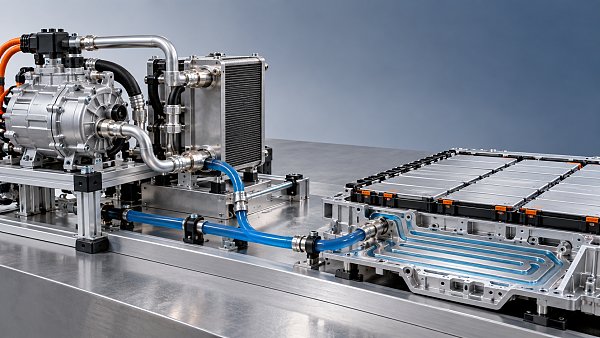
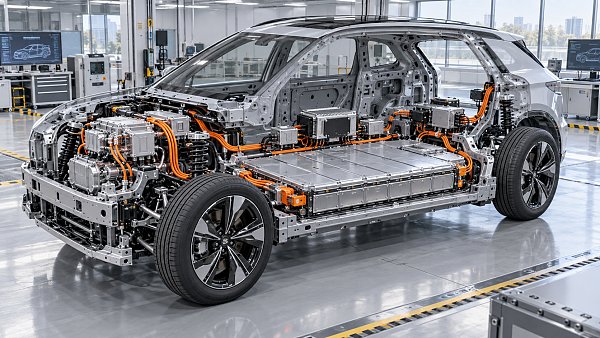
A conventional engine vehicle may show poor cooling from refrigerant charge loss. An electrified platform may instead reveal thermal coordination faults between battery cooling and cabin demand.
This difference matters in aftersales work. If the scenario is judged correctly at intake, diagnostic time drops and unnecessary part replacement becomes less likely.
The hidden cost behind repeat repairs
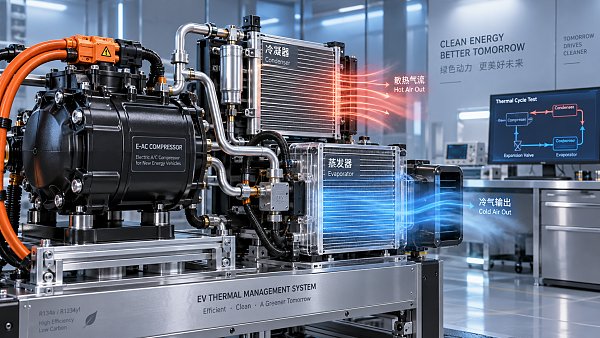
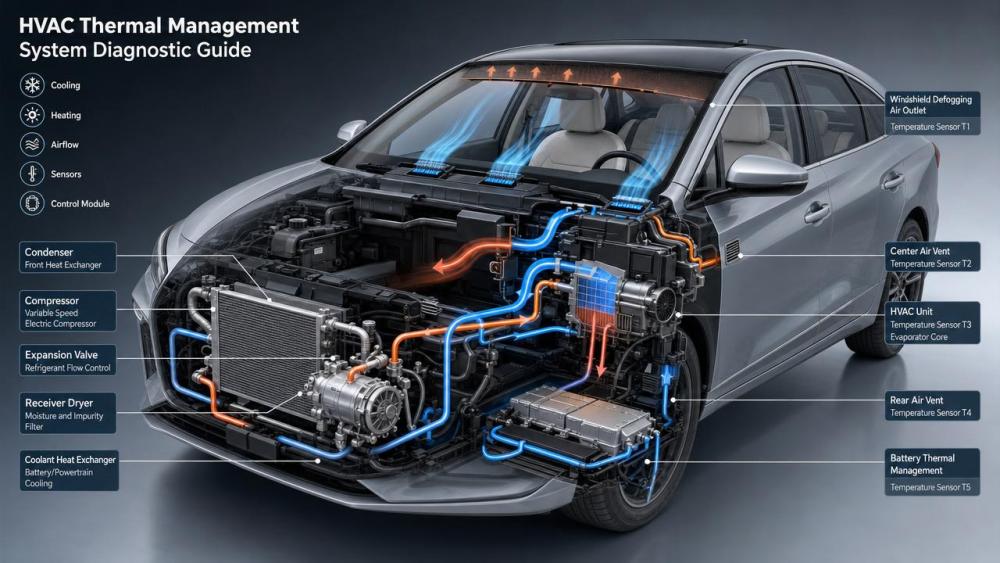
Cabin climate control systems now combine sensors, actuators, software, valves, compressors, and networked controllers. A single comfort complaint can involve airflow, temperature, pressure, and signal integrity together.
Callbacks usually happen when teams fix the visible symptom only. Recharging refrigerant, replacing a blower, or resetting a controller may help briefly without resolving the true trigger.
Scenario 1: Intermittent cooling loss during urban stop-and-go driving
This is one of the most common cabin climate control complaints. Cooling feels acceptable at highway speed but weakens in traffic, at idle, or during repeated short trips.
Core judgment points include condenser airflow, fan response, compressor speed control, refrigerant stability, and pressure sensor consistency. Heat soak after parking can make the issue appear worse.
What often gets missed
- Radiator or condenser debris restricting low-speed heat rejection
- Cooling fan operation that is delayed, noisy, or unstable
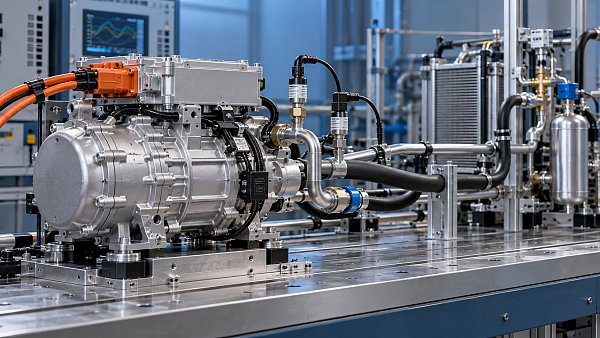
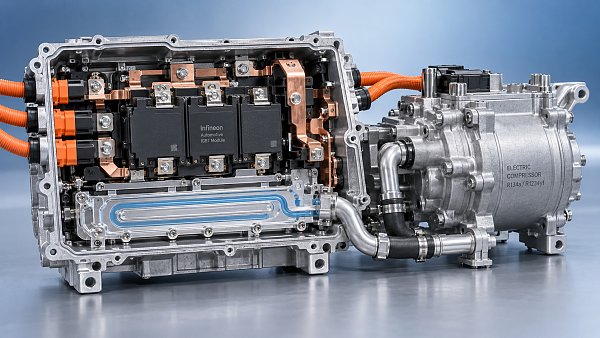
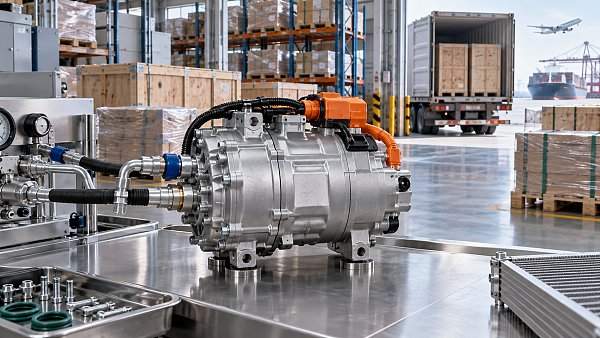
- Electric compressor output reduced by control logic or voltage events
- Pressure sensor drift causing incorrect compressor modulation
For this scenario, static checks are not enough. A road simulation with live pressure, vent temperature, fan command, and compressor current data is more reliable.
Scenario 2: Uneven airflow or side-to-side temperature difference in the cabin
Many cabin climate control callbacks come from comfort imbalance rather than total failure. One side may cool properly while the other side stays warm or fluctuates.
The main judgment points are blend door travel, actuator feedback, duct leakage, cabin filter restriction, evaporator loading, and calibration after battery disconnection or module replacement.
Typical causes in modern systems
- Blend door motor wear or sticking gears
- Lost actuator end-stop learning after service procedures
- Blocked ducts or contaminated cabin filters
- Faulty in-car temperature sensors affecting zonal control
A vent thermometer alone may mislead diagnosis. Compare commanded position, actual feedback, and airflow volume across modes before replacing hardware.
Scenario 3: Weak heating or slow defogging in cold-weather operation
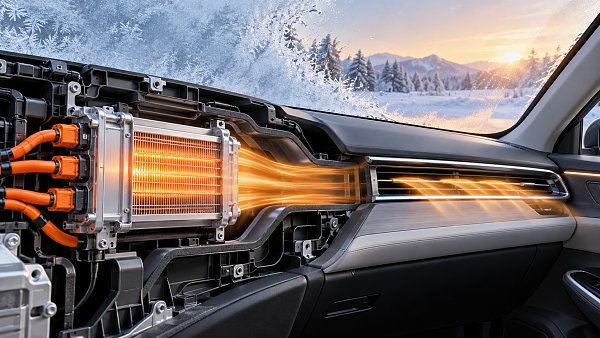
Cold-start discomfort creates high dissatisfaction, especially in electrified vehicles. Cabin climate control performance during heating depends on thermal strategy, not only heater output.
Important judgment points include coolant routing, heat pump mode switching, PTC heater support, humidity sensing, windshield airflow targeting, and software logic during low ambient temperatures.
Why callbacks repeat in this scenario
Heating complaints may be tested in the workshop under warmer conditions than the original event. The system then appears normal, and the vehicle returns with the same complaint.
For accurate cabin climate control diagnosis, ambient temperature, soak time, battery state, and HVAC mode history should be captured before repair decisions are made.
Scenario 4: NEV cabin climate control conflicts with energy efficiency targets
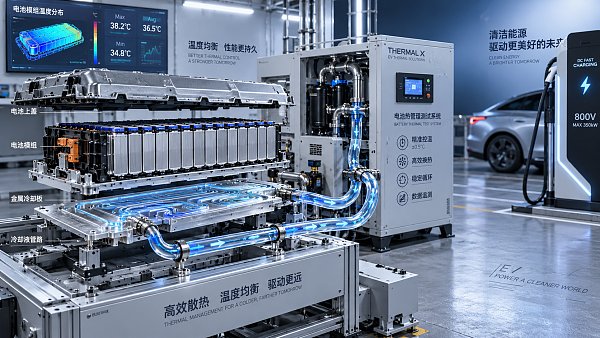
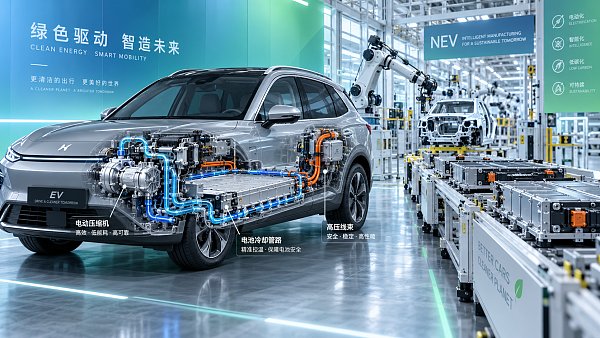
In NEVs, cabin climate control is tightly linked to range, battery conditioning, and compressor power management. Comfort complaints may be caused by normal protection logic, poor calibration, or hardware faults.
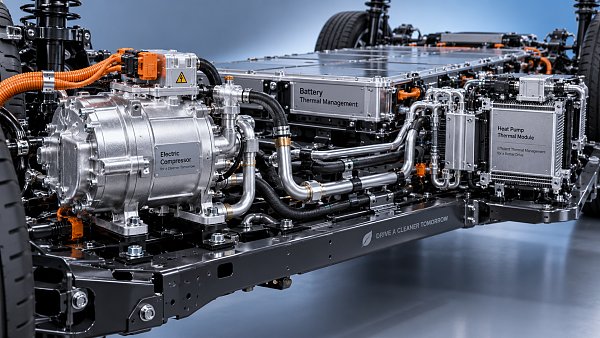
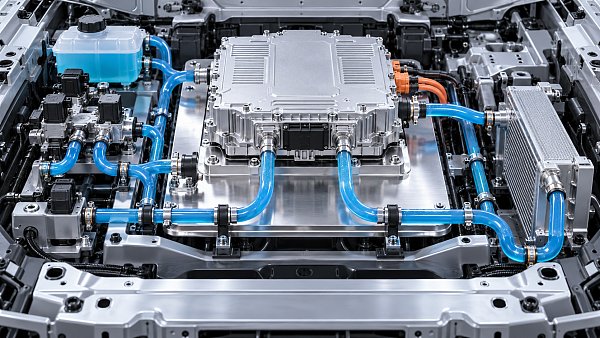
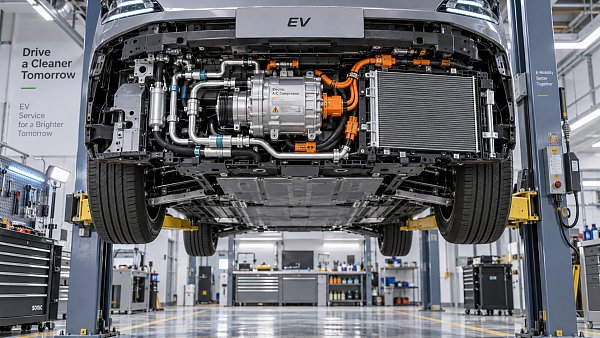
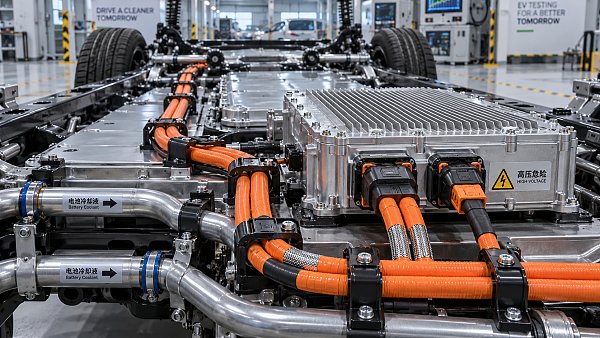
Core checks should include thermal prioritization logic, multi-way valve position, heat pump state transitions, compressor inverter behavior, and communication between thermal controllers.
Signals that point beyond a simple HVAC fault
- Cabin comfort drops during fast charging or battery preconditioning
- Heating weakens when battery thermal demand rises
- Compressor noise changes under high electrical load
- No fault code appears despite clear comfort degradation
These cases require system-level thinking. Looking at the HVAC controller alone may miss the real reason behind the cabin climate control complaint.
How service needs differ across cabin climate control scenarios
Practical service actions that improve first-time cabin climate control fixes
Reducing callbacks starts with structured intake and scenario reproduction. The more precisely the complaint is framed, the better the cabin climate control diagnosis becomes.
- Capture ambient temperature, humidity, drive cycle, and parking soak time.
- Record vent temperature, blower command, compressor status, and pressure values together.
- Check sensor plausibility before replacing major HVAC components.
- Validate actuator calibration after any electrical or module service.
- For NEVs, review thermal coordination across cabin, battery, and e-drive systems.
These steps fit the broader direction of smart thermal diagnostics highlighted across modern automotive electromechanical systems. They also align with rising integration in compressors, controllers, and heat pump modules.
Common misjudgments that keep cabin climate control complaints returning
One frequent mistake is treating every comfort issue as a refrigerant issue. Another is trusting stored fault codes too much when intermittent signal faults leave little trace.
A further error is ignoring software and network behavior. Cabin climate control performance now depends on data exchange between multiple modules, especially in intelligent and electrified vehicles.
- Replacing compressors before confirming command logic
- Skipping condenser airflow inspection
- Ignoring cabin sensor contamination or placement effects
- Missing heat pump valve or actuator synchronization errors
Next-step focus for more reliable cabin climate control service outcomes
The most effective next step is to build a scenario-based workflow for cabin climate control complaints. Match the symptom to operating conditions, then test live data under similar conditions.
That approach reduces unnecessary parts use, shortens repeat visits, and supports better comfort results across engine vehicles, hybrids, and NEVs. In today’s market, accurate cabin climate control service is both a technical necessity and a competitive advantage.
Related News
- 00
0000-00
How electric compressor speed affects EV battery cooling capacity - 00
0000-00
How to verify a variable frequency compressor supplier’s efficiency claims - 00
0000-00
How bend radius affects FPC reliability in automotive camera modules - 00
0000-00
How to diagnose intermittent loss of electric power steering assist - 00
0000-00
How to size automotive power modules for electric compressors
Weekly Insights
Stay ahead with our curated technology reports delivered every Monday.
Recommended News
 How electric compressor speed affects EV battery cooling capacityElectric compressor technology: battery cooling depends on more than RPM. Discover how speed, refrigerant flow, and system limits affect EV cooling capacity and energy efficiency.Author:Time:Oct 19, 2026
 How to verify a variable frequency compressor supplier’s efficiency claimsVerify a variable frequency compressor supplier’s efficiency claims using COP boundaries, matched test conditions, and duty-cycle data. Learn how to choose with confidence.Author:Time:Oct 18, 2026
 How bend radius affects FPC reliability in automotive camera modulesAutomotive FPC applications: camera module reliability starts with bend radius. Learn how stack-up, strain, and validation guide robust designs and help prevent costly failures.Author:Time:Oct 17, 2026
 How to diagnose intermittent loss of electric power steering assistMaster power steering system diagnostics to trace intermittent EPS assist loss. Learn proven checks for voltage, wiring, and fault codes to avoid costly guesswork.Author:Time:Oct 16, 2026
 How to size automotive power modules for electric compressorsSize automotive power modules for electric compressors with confidence. Learn how voltage, phase current, losses, and cooling shape reliable selection—and avoid costly oversizing.Author:Time:Oct 15, 2026
 Why automotive power electronics are shifting to silicon carbideAutomotive Power Electronics are shifting to silicon carbide. Discover how SiC can cut losses, boost EV power density, and reshape cooling, reliability, and system costs.Author:Time:Oct 14, 2026
 How EV adoption shapes the electrically driven compressor marketExplore how EV adoption shapes the electrically driven compressor market, from battery cooling and heat pumps to supplier margins. Discover the drivers of profitable growth.Author:Time:Oct 13, 2026
 How to size a PTC heater for reliable EV cabin heatingPTC Heater sizing for EV cabins: learn how to balance defrost performance, heat-pump integration, airflow, voltage range, and battery power for reliable winter comfort.Author:Time:Oct 12, 2026
 What determines the cooling output of electric automotive AC compressors?Automotive air conditioning compressors electric systems: explore how speed, voltage, refrigerant, controls, and heat exchangers shape EV cooling capacity and efficiency.Author:Time:Oct 11, 2026
 What makes a touchscreen media head unit responsive enough for daily use?Touchscreen media head unit performance explained: discover what delivers fast starts, smooth maps, reliable phone pairing, and responsive daily driving.Author:Time:Oct 10, 2026
 Can a Domain Controller Share a Cooling Loop with Other Electronics?Can a domain controller share a cooling loop with other electronics? Explore thermal zoning, flow control, safety priorities, and reliable vehicle electronics cooling strategies.Author:Time:Oct 19, 2026
 What Causes Domain Controller Overheating During Summer Testing?What causes domain controller overheating in summer testing? Explore heat load, airflow, installation, software factors, and practical fixes.Author:Time:Oct 18, 2026
 Is a Head-Up Display Hard to Integrate with Different Windshields?Is a head-up display difficult to integrate with different windshields? Discover how glass geometry, coatings, and calibration affect HUD clarity, cost, and production readiness.Author:Time:Oct 17, 2026
 What Should Be Checked Before Selecting an Automotive Head Unit?What should be checked before selecting an automotive head unit? Explore compatibility, performance, cybersecurity, compliance, and supplier support.Author:Time:Oct 16, 2026
 Is Steer-by-Wire More Expensive Than an EPS Steering System?Is steer-by-wire more expensive than an EPS steering system? Explore the true costs, safety demands, software value, and when SbW justifies its premium.Author:Time:Oct 15, 2026
 Which Automotive Electronics Need Validation for 800V Platforms?What automotive electronics should be validated for 800V platforms? Explore critical checks for harnesses, power electronics, thermal systems, safety, and EMC.Author:Time:Oct 14, 2026
 How Do Automotive Compressor Export Requirements Vary by Market?How do automotive compressor export requirements vary by market? Explore key compliance rules for refrigerants, EV safety, OEM approvals, labeling, and customs.Author:Time:Oct 13, 2026
 What Documents Are Needed to Export Automotive Thermal Components?What documents are needed to export automotive thermal components? Explore customs, compliance, technical records, and shipping tips to prevent costly delays.Author:Time:Oct 12, 2026
 How Often Should an EV Air Conditioning Compressor Be Inspected?How often should an EV air conditioning compressor be inspected? Discover recommended service intervals, warning signs, and expert care tips to protect cooling performance and EV reliability.Author:Time:Oct 11, 2026
 How to size power solutions for automotive head-up display systemsHeads-up display systems power solutions: learn how to size automotive HUD power architectures for startup, brightness, thermal limits, EMC, protection, and reliable vehicle operation.Author:Time:Oct 19, 2026
 How does a head-up display work in a high-performance car?Hoe werkt een head-up display in een high-performance auto en welke informatie toont het? Discover the tech, safety alerts, and performance data that sharpen every drive.Author:Time:Oct 18, 2026
 Which trends will shape zonal EV architectures in the next decade?Future trends in zonal EV architectures: explore smarter power distribution, 48V systems, thermal integration, software, and resilient networks shaping next-gen vehicles.Author:Time:Oct 17, 2026
 When does a zonal EV architecture outperform a centralized design?Explore the trade-offs between zonal and centralized EV architectures to identify the best path for harness efficiency, software scalability, safety, and faster EV launches.Author:Time:Oct 16, 2026
 How to compare vendors for zonal EV power architecturesComparing vendors for zonal EV power architectures: assess electrical capability, interface ownership, lifecycle support, and integration risk for smarter sourcing.Author:Time:Oct 15, 2026
 How zonal architectures can improve EV reliability at the system levelHow zonal architectures affect EV reliability: explore fault containment, diagnostics, power resilience, and software strategies for more dependable electric vehicles.Author:Time:Oct 14, 2026
 What is driving growth in the automotive E/E architecture market?Explore what drives the automotive electric electronic systems architecture market, from EV power systems and zonal computing to ADAS, cybersecurity, and software-defined vehicles.Author:Time:Oct 13, 2026
 How to evaluate top-rated vehicle electrical components for reliabilityDiscover how to evaluate top-rated vehicle electrical components for reliability, from connector integrity and thermal margins to validation data and manufacturing control.Author:Time:Oct 12, 2026
 What makes vehicle electrical components reliable over a long service life?Top-rated vehicle electrical components for reliability depend on thermal control, sealing, vibration resistance, and validated manufacturing. Discover how to choose durable parts.Author:Time:Oct 11, 2026
 How battery thermal management solutions prevent fast-charge overheatingBattery thermal management solutions prevent fast-charge overheating with intelligent cooling, valve control, predictive preconditioning, and reliable heat rejection.Author:Time:Oct 09, 2026
 What an automotive market report can reveal about EV demand shiftsAutomotive market report insights reveal EV demand shifts, component opportunities, regional risks, and smarter investment strategies for growth.Author:Time:Oct 08, 2026