Automotive Electromechanical Systems: Key Supplier Checks




In today’s fast-evolving vehicle supply chain, sourcing reliable automotive electromechanical components demands more than price comparison. Procurement teams must assess supplier capability across quality systems, technical integration, compliance, and delivery resilience. This guide highlights the key checks that help buyers reduce risk, secure long-term value, and choose partners aligned with the future of electrified, intelligent mobility.
Buyers searching for automotive electromechanical supplier checks usually want a practical evaluation framework. Their main concern is not theory, but how to identify capable suppliers before quality failures, launch delays, or warranty risks appear.
For procurement teams, the most important questions are straightforward. Can the supplier meet technical requirements consistently? Can it scale safely? Does it understand automotive-grade compliance? And will it remain reliable during cost, logistics, and demand volatility?
This article focuses on those decision points. Rather than offering broad industry definitions, it explains what to verify, why each check matters, and how to compare suppliers for long-term sourcing success.
Why automotive electromechanical sourcing needs deeper supplier checks
Automotive electromechanical parts sit at the intersection of electronics, mechanics, software, sealing, and thermal performance. That complexity makes supplier evaluation more demanding than standard component purchasing in less regulated industries.
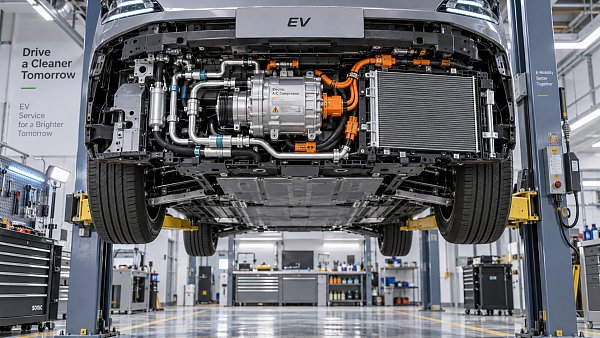
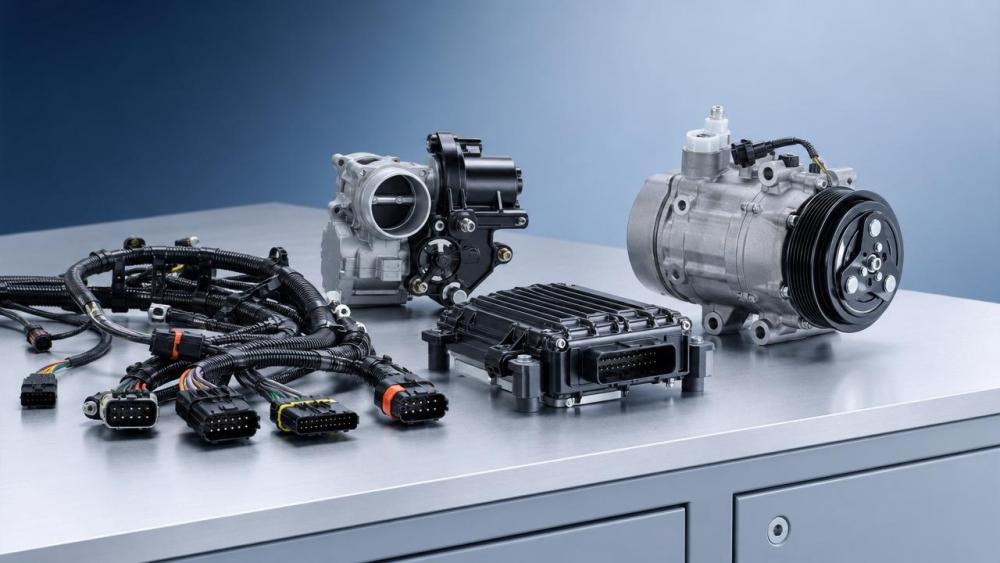
A wiring harness, electric compressor, EPS module, actuator, or smart cabin control unit may look cost-competitive on paper. However, hidden weaknesses in validation, process control, or materials management can quickly raise total ownership cost.
For procurement professionals, the real objective is risk-adjusted value. The best supplier is not always the lowest bidder, but the one with stable quality, proven engineering discipline, and dependable delivery under changing market conditions.
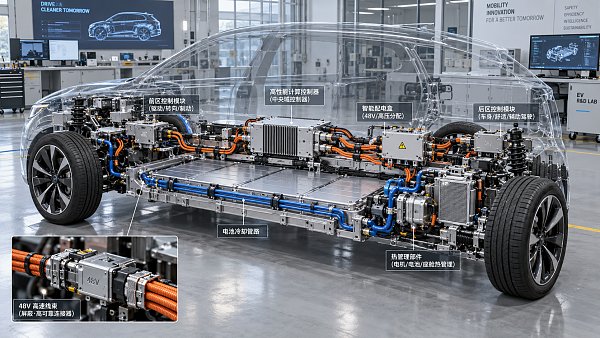
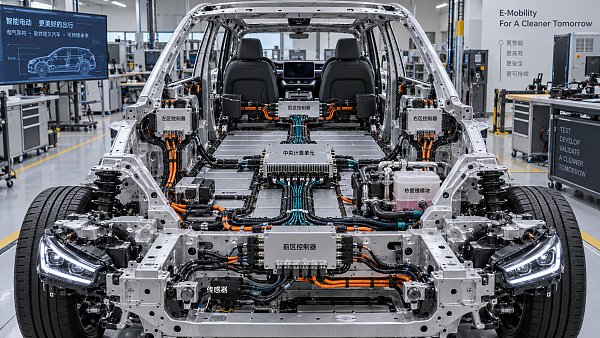
This is especially true as electrification and intelligent vehicle architecture increase system interdependence. A failure in one electromechanical subsystem can affect safety, thermal efficiency, diagnostics, cabin comfort, or vehicle uptime.
Start with product and application fit, not just supplier scale
The first check is application fit. Many suppliers claim competence in automotive electromechanical manufacturing, but their actual strength may be narrow, such as low-voltage assemblies, basic motors, or non-safety cabin devices.
Procurement teams should confirm whether the supplier has experience with the exact product category, vehicle platform needs, voltage class, operating temperature range, and durability profile required for the program.
For example, a supplier strong in conventional A/C systems may not be ready for variable-speed electric compressors in new energy vehicles. Likewise, harness expertise in passenger cars may not translate directly to high-load commercial platforms.
Ask for evidence tied to real programs. Review similar application cases, performance records, validation results, and engineering change history. Fit at the component level is more meaningful than broad capability claims.
Verify quality systems beyond certification logos
Most serious suppliers can present IATF 16949 and ISO 9001 certificates. These matter, but procurement should look beyond certificates and check whether quality disciplines are actively embedded in daily operations.
Review how the supplier manages APQP, PPAP, FMEA, control plans, MSA, SPC, traceability, and layered process audits. Strong documentation is useful only when supported by repeatable shop-floor execution.
Ask to see recent internal audit findings, customer complaint trends, PPM levels, and corrective action closure speed. A mature supplier should explain not only what went wrong, but how recurrence was prevented.
For automotive electromechanical products, process control is critical because failure modes often involve interaction between mechanical wear, electrical continuity, connector sealing, vibration, and thermal stress over time.
Assess engineering depth and change management discipline
Technical support capability is a major differentiator in supplier selection. Buyers should evaluate whether the supplier can contribute to design optimization, DFM feedback, validation planning, and issue resolution during development and SOP.
A good supplier should have cross-functional engineering resources covering electrical design, mechanical structure, materials, reliability, testing, and manufacturing process engineering. This matters when designs evolve under timing pressure.
Engineering change management deserves special attention. In automotive electromechanical supply, even a small material substitution, terminal geometry change, or firmware adjustment can affect performance, compliance, or assembly compatibility.
Check the supplier’s ECN workflow, approval hierarchy, sample revalidation triggers, and communication process with customers. Weak change discipline is one of the most common sources of hidden supply chain risk.
Check manufacturing process capability where failures actually occur
Procurement teams should not rely only on presentation slides. They need visibility into the processes where electromechanical defects are most likely to emerge, including crimping, winding, soldering, molding, balancing, sealing, and calibration.
During supplier audits, verify process capability data for critical dimensions and functional parameters. Ask which steps are automated, which remain operator-dependent, and how the supplier controls variation across shifts and lines.
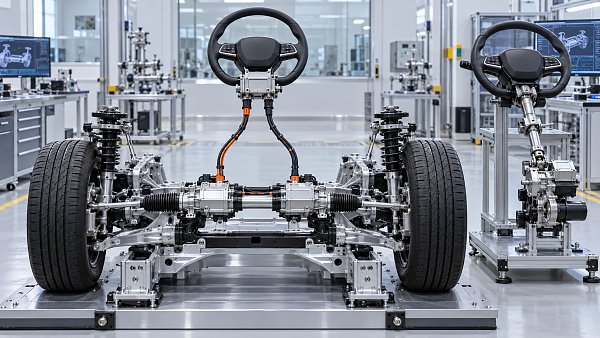
For wiring harnesses, inspect crimp force monitoring, continuity testing, terminal insertion controls, and routing checks. For steering or actuator systems, focus on torque consistency, sensor alignment, and endurance validation.
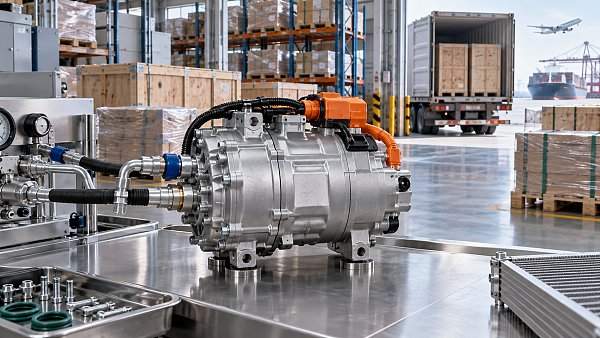
For electric compressors and thermal modules, review cleanliness control, leak testing, NVH management, refrigerant compatibility, and thermal cycling capability. The key is linking manufacturing discipline directly to end-use performance risk.
Review validation, reliability, and test coverage in detail
Reliable automotive electromechanical sourcing depends heavily on verification depth. Buyers should confirm that the supplier can test products under realistic electrical, thermal, mechanical, and environmental stress conditions.
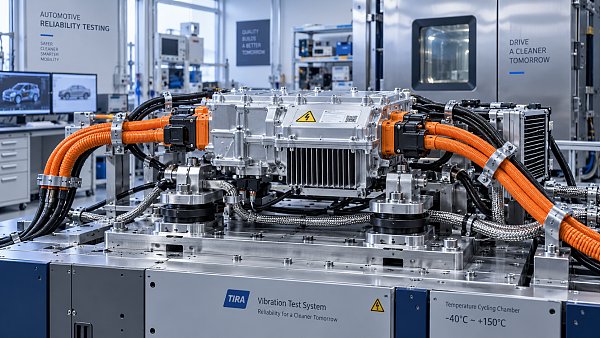
Look for test capabilities such as vibration, thermal shock, humidity, salt spray, ingress protection, electrical load cycling, pressure testing, endurance running, EMC support, and connector mating durability where applicable.
The right question is not whether testing exists, but whether test plans reflect actual vehicle use cases. Components for high-voltage, smart cabin, or thermal management systems need application-specific validation logic.
Also ask how field returns are analyzed. A supplier with robust failure analysis methods, including root cause isolation and design-process correlation, is better positioned to reduce long-term warranty and recall exposure.
Confirm material, component, and sub-supplier control
Many procurement risks come from lower-tier suppliers rather than direct manufacturers. Automotive electromechanical products often depend on copper, aluminum, magnets, semiconductors, resins, seals, bearings, and specialized connectors.
Buyers should check approved vendor management, incoming inspection strategy, alternative source planning, and material traceability. Dependence on a single fragile source can undermine even a technically strong Tier 1 or Tier 2 supplier.
This is especially important in categories sensitive to commodity fluctuation and supply tension. Wiring harnesses and thermal systems, for example, can be directly affected by metal prices, refrigerant regulation, and electronics availability.
Ask suppliers how they monitor raw material exposure, qualify substitutions, and protect delivery continuity. Strong sub-supplier governance often separates resilient partners from reactive ones during market disruption.
Evaluate compliance, safety, and regulatory readiness
Automotive electromechanical sourcing must align with regional regulations, OEM standards, and product safety expectations. Procurement should verify compliance readiness early, especially for global or multi-platform programs.
Important checks may include RoHS, REACH, IMDS reporting, ELV compliance, functional safety alignment where relevant, EMC compatibility support, and customer-specific requirements for documentation and validation records.
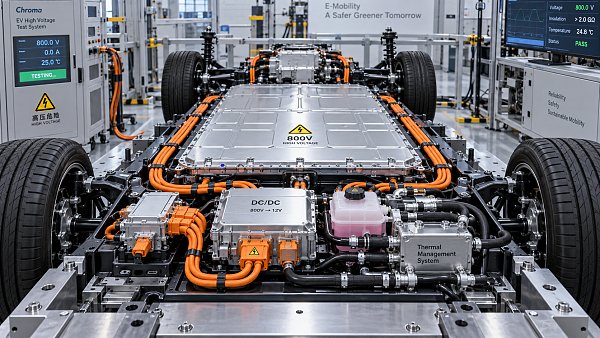
For high-voltage or safety-related systems, the compliance bar is even higher. Buyers should confirm insulation performance, shielding strategy, creepage and clearance management, and relevant protection measures in design and production.
A supplier that treats compliance as an afterthought often creates delays at PPAP, audit friction, and risk during international expansion. Regulatory readiness should be considered part of sourcing capability, not an administrative add-on.
Measure delivery resilience and program management strength
Even a capable manufacturer can become a weak supplier if delivery execution is unstable. Procurement teams should assess capacity planning, production scheduling discipline, inventory strategy, and logistics contingency planning.
Ask whether the supplier can support launch ramps, engineering builds, service parts, and regional demand variation. Review historical on-time delivery performance, premium freight frequency, and response quality during shortages.
Program management is equally important. Complex automotive electromechanical programs involve tooling readiness, validation timing, supplier coordination, and fast issue escalation. Buyers need partners that manage milestones with rigor.
Suppliers should provide clear communication structures, risk trackers, escalation paths, and ownership of open actions. In sourcing decisions, transparent execution often matters as much as pure manufacturing capability.
Compare total cost of ownership, not just unit price
Unit price remains important, but procurement should evaluate the full commercial picture. A cheaper component can become more expensive through scrap, delayed launch, warranty claims, engineering rework, or unstable supply.
Total cost of ownership for automotive electromechanical products should include tooling life, validation support, packaging efficiency, logistics exposure, defect cost, change responsiveness, and expected lifecycle cost stability.
It is also smart to assess value engineering potential. Suppliers with real technical insight may reduce weight, improve integration, simplify assembly, or support energy efficiency gains that outweigh modest differences in piece price.
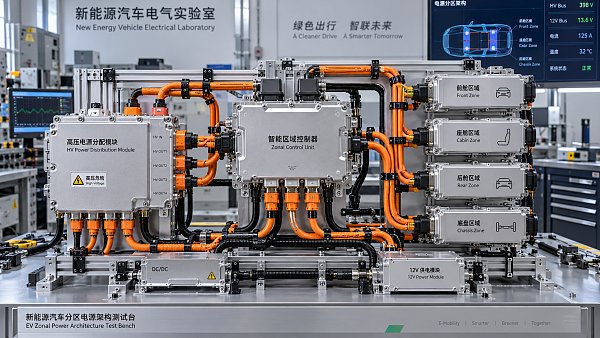
For electrified vehicles, this is particularly relevant. Better thermal management, lower harness complexity, or smarter control integration can create measurable business value in efficiency, reliability, and platform scalability.
Use a practical supplier scorecard for sourcing decisions
To compare candidates objectively, procurement teams should use a weighted scorecard. This reduces overreliance on persuasive sales presentations and helps align sourcing decisions with engineering, quality, and operations priorities.
A useful scorecard may include product fit, quality maturity, engineering capability, process control, validation depth, compliance readiness, sub-supplier management, launch execution, delivery resilience, and total commercial value.
Weights should reflect program risk. For a safety-relevant steering component, validation and process capability may deserve greater emphasis. For a thermal module, integration know-how and leak-proof manufacturing may rank higher.
Procurement should also distinguish between current readiness and future potential. Some suppliers may be suitable for low-risk programs today, while others are better positioned for strategic partnership in next-generation vehicle platforms.
Red flags buyers should not ignore during supplier evaluation
Several warning signs deserve immediate attention. One is vague technical communication, especially when suppliers avoid detailed answers about validation, failure modes, or process capability on critical characteristics.
Another red flag is inconsistent data across teams. If sales, quality, and engineering provide different explanations, internal alignment may be weak. That often leads to execution gaps after nomination.
Watch for overdependence on a few people, poor audit readiness, frequent material changes, unstable lead times, or reluctance to share corrective action evidence. These issues often signal structural risk rather than temporary weakness.
Procurement teams should also be cautious when a supplier appears highly competitive only because quality cost, tooling assumptions, or testing responsibility has been shifted back to the customer.
What strong automotive electromechanical suppliers usually have in common
The best suppliers tend to show consistent patterns. They understand the application in detail, communicate openly about risks, and support sourcing decisions with data rather than generic capability statements.
They also demonstrate control over critical processes, disciplined engineering change management, and investment in reliability validation. Their teams can connect component behavior with broader vehicle performance and integration needs.
Commercially, they are transparent about cost drivers and realistic about capacity. Operationally, they respond quickly, document clearly, and maintain traceability from raw material to finished product.
For procurement organizations, these qualities reduce uncertainty. They support stronger launch outcomes, lower warranty risk, and better long-term supply continuity in an increasingly complex automotive environment.
Conclusion: buy confidence, not just components
Effective sourcing in automotive electromechanical categories requires a structured, evidence-based approach. Procurement teams should evaluate suppliers through the lens of application fit, quality maturity, engineering depth, compliance, and resilience.
When these checks are done properly, buyers make better decisions before problems surface. That means fewer surprises at launch, lower lifecycle cost, and stronger alignment with the future of electrified and intelligent mobility.
The most reliable supplier is rarely defined by price alone. It is the partner that can consistently deliver performance, control change, manage risk, and support vehicle programs as technical and market demands continue to rise.
Related News
- 00
0000-00
How electric compressor speed affects EV battery cooling capacity - 00
0000-00
How to verify a variable frequency compressor supplier’s efficiency claims - 00
0000-00
How bend radius affects FPC reliability in automotive camera modules - 00
0000-00
How to diagnose intermittent loss of electric power steering assist - 00
0000-00
How to size automotive power modules for electric compressors
Weekly Insights
Stay ahead with our curated technology reports delivered every Monday.
Recommended News
 How electric compressor speed affects EV battery cooling capacityElectric compressor technology: battery cooling depends on more than RPM. Discover how speed, refrigerant flow, and system limits affect EV cooling capacity and energy efficiency.Author:Time:Oct 19, 2026
 How to verify a variable frequency compressor supplier’s efficiency claimsVerify a variable frequency compressor supplier’s efficiency claims using COP boundaries, matched test conditions, and duty-cycle data. Learn how to choose with confidence.Author:Time:Oct 18, 2026
 How bend radius affects FPC reliability in automotive camera modulesAutomotive FPC applications: camera module reliability starts with bend radius. Learn how stack-up, strain, and validation guide robust designs and help prevent costly failures.Author:Time:Oct 17, 2026
 How to diagnose intermittent loss of electric power steering assistMaster power steering system diagnostics to trace intermittent EPS assist loss. Learn proven checks for voltage, wiring, and fault codes to avoid costly guesswork.Author:Time:Oct 16, 2026
 How to size automotive power modules for electric compressorsSize automotive power modules for electric compressors with confidence. Learn how voltage, phase current, losses, and cooling shape reliable selection—and avoid costly oversizing.Author:Time:Oct 15, 2026
 Why automotive power electronics are shifting to silicon carbideAutomotive Power Electronics are shifting to silicon carbide. Discover how SiC can cut losses, boost EV power density, and reshape cooling, reliability, and system costs.Author:Time:Oct 14, 2026
 How EV adoption shapes the electrically driven compressor marketExplore how EV adoption shapes the electrically driven compressor market, from battery cooling and heat pumps to supplier margins. Discover the drivers of profitable growth.Author:Time:Oct 13, 2026
 How to size a PTC heater for reliable EV cabin heatingPTC Heater sizing for EV cabins: learn how to balance defrost performance, heat-pump integration, airflow, voltage range, and battery power for reliable winter comfort.Author:Time:Oct 12, 2026
 What determines the cooling output of electric automotive AC compressors?Automotive air conditioning compressors electric systems: explore how speed, voltage, refrigerant, controls, and heat exchangers shape EV cooling capacity and efficiency.Author:Time:Oct 11, 2026
 What makes a touchscreen media head unit responsive enough for daily use?Touchscreen media head unit performance explained: discover what delivers fast starts, smooth maps, reliable phone pairing, and responsive daily driving.Author:Time:Oct 10, 2026
 Can a Domain Controller Share a Cooling Loop with Other Electronics?Can a domain controller share a cooling loop with other electronics? Explore thermal zoning, flow control, safety priorities, and reliable vehicle electronics cooling strategies.Author:Time:Oct 19, 2026
 What Causes Domain Controller Overheating During Summer Testing?What causes domain controller overheating in summer testing? Explore heat load, airflow, installation, software factors, and practical fixes.Author:Time:Oct 18, 2026
 Is a Head-Up Display Hard to Integrate with Different Windshields?Is a head-up display difficult to integrate with different windshields? Discover how glass geometry, coatings, and calibration affect HUD clarity, cost, and production readiness.Author:Time:Oct 17, 2026
 What Should Be Checked Before Selecting an Automotive Head Unit?What should be checked before selecting an automotive head unit? Explore compatibility, performance, cybersecurity, compliance, and supplier support.Author:Time:Oct 16, 2026
 Is Steer-by-Wire More Expensive Than an EPS Steering System?Is steer-by-wire more expensive than an EPS steering system? Explore the true costs, safety demands, software value, and when SbW justifies its premium.Author:Time:Oct 15, 2026
 Which Automotive Electronics Need Validation for 800V Platforms?What automotive electronics should be validated for 800V platforms? Explore critical checks for harnesses, power electronics, thermal systems, safety, and EMC.Author:Time:Oct 14, 2026
 How Do Automotive Compressor Export Requirements Vary by Market?How do automotive compressor export requirements vary by market? Explore key compliance rules for refrigerants, EV safety, OEM approvals, labeling, and customs.Author:Time:Oct 13, 2026
 What Documents Are Needed to Export Automotive Thermal Components?What documents are needed to export automotive thermal components? Explore customs, compliance, technical records, and shipping tips to prevent costly delays.Author:Time:Oct 12, 2026
 How Often Should an EV Air Conditioning Compressor Be Inspected?How often should an EV air conditioning compressor be inspected? Discover recommended service intervals, warning signs, and expert care tips to protect cooling performance and EV reliability.Author:Time:Oct 11, 2026
 How to size power solutions for automotive head-up display systemsHeads-up display systems power solutions: learn how to size automotive HUD power architectures for startup, brightness, thermal limits, EMC, protection, and reliable vehicle operation.Author:Time:Oct 19, 2026
 How does a head-up display work in a high-performance car?Hoe werkt een head-up display in een high-performance auto en welke informatie toont het? Discover the tech, safety alerts, and performance data that sharpen every drive.Author:Time:Oct 18, 2026
 Which trends will shape zonal EV architectures in the next decade?Future trends in zonal EV architectures: explore smarter power distribution, 48V systems, thermal integration, software, and resilient networks shaping next-gen vehicles.Author:Time:Oct 17, 2026
 When does a zonal EV architecture outperform a centralized design?Explore the trade-offs between zonal and centralized EV architectures to identify the best path for harness efficiency, software scalability, safety, and faster EV launches.Author:Time:Oct 16, 2026
 How to compare vendors for zonal EV power architecturesComparing vendors for zonal EV power architectures: assess electrical capability, interface ownership, lifecycle support, and integration risk for smarter sourcing.Author:Time:Oct 15, 2026
 How zonal architectures can improve EV reliability at the system levelHow zonal architectures affect EV reliability: explore fault containment, diagnostics, power resilience, and software strategies for more dependable electric vehicles.Author:Time:Oct 14, 2026
 What is driving growth in the automotive E/E architecture market?Explore what drives the automotive electric electronic systems architecture market, from EV power systems and zonal computing to ADAS, cybersecurity, and software-defined vehicles.Author:Time:Oct 13, 2026
 How to evaluate top-rated vehicle electrical components for reliabilityDiscover how to evaluate top-rated vehicle electrical components for reliability, from connector integrity and thermal margins to validation data and manufacturing control.Author:Time:Oct 12, 2026
 What makes vehicle electrical components reliable over a long service life?Top-rated vehicle electrical components for reliability depend on thermal control, sealing, vibration resistance, and validated manufacturing. Discover how to choose durable parts.Author:Time:Oct 11, 2026
 How battery thermal management solutions prevent fast-charge overheatingBattery thermal management solutions prevent fast-charge overheating with intelligent cooling, valve control, predictive preconditioning, and reliable heat rejection.Author:Time:Oct 09, 2026
 What an automotive market report can reveal about EV demand shiftsAutomotive market report insights reveal EV demand shifts, component opportunities, regional risks, and smarter investment strategies for growth.Author:Time:Oct 08, 2026