High-Voltage Flat-Wire Motors: Key Integration Checks




As electrified powertrains scale, integrating high-voltage flat-wire motors requires more than headline efficiency. Program success depends on early checks across insulation, cooling, packaging, NVH, and manufacturing consistency.
In complex vehicle platforms, small integration misses can trigger late redesigns, certification delays, or durability issues. A structured review helps align motor performance with system safety, thermal balance, and production readiness.
Why integration checks matter across vehicle scenarios
The same high-voltage flat-wire motors can behave differently in compact EVs, premium SUVs, hybrids, or commercial platforms. Duty cycle, ambient load, packaging pressure, and acoustic targets all change the correct design judgment.
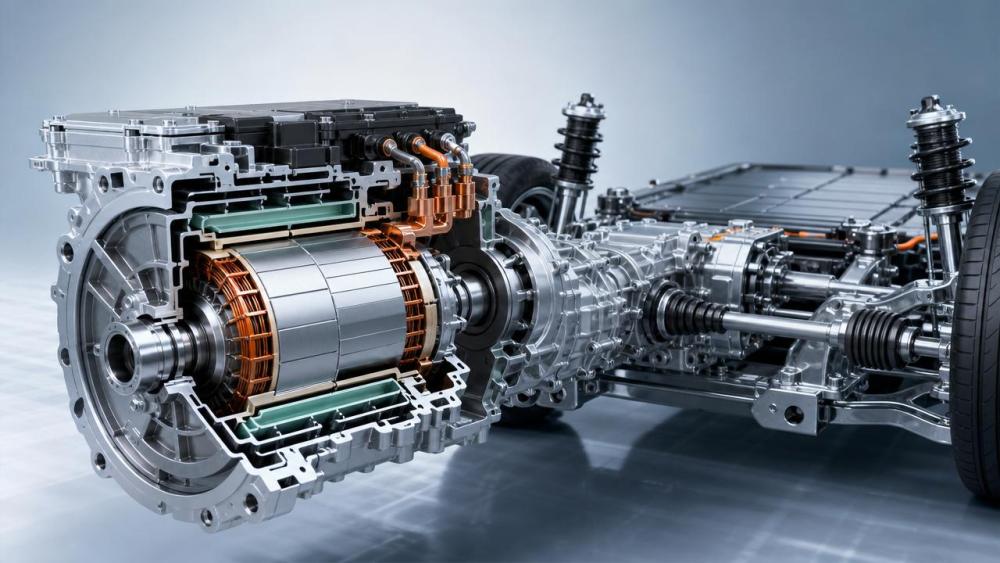
Flat-wire motor architectures offer strong slot fill, power density, and efficiency. Yet these benefits only convert into vehicle value when busbar layout, inverter matching, coolant routing, and housing stiffness are validated early.
For broader automotive intelligence work, this is where cross-domain observation matters. Motor integration touches wiring harnesses, thermal systems, steering loads, cabin acoustics, and digital control strategies at the same time.
Scenario 1: Compact EV platforms with tight packaging constraints
In compact EVs, the first check is not peak power. It is packaging compatibility. High-voltage flat-wire motors must fit within aggressive wheelbase, crash, and battery envelope limits without compromising serviceability.
Key judgment points include motor length, connector exit direction, cooling port orientation, and gearbox interface stack-up. Even a small mismatch can affect subframe clearance or high-voltage harness routing.
- Check inverter and motor terminal spacing for safe creepage and assembly access.
- Confirm coolant hoses avoid sharp bends near body and battery structures.
- Review lifting, installation, and repair tool paths before design freeze.
Scenario 2: Performance-oriented platforms with aggressive thermal loads
For dual-motor or high-output platforms, thermal path validation becomes the dominant gate. High-voltage flat-wire motors can deliver impressive torque density, but hotspot control determines repeatable performance.
The critical question is whether winding heat, rotor losses, and bearing temperatures remain stable under repeated acceleration, hill climb, and high-speed cruising. Single-point thermal simulation is never enough.
Core thermal checks
- Validate coolant distribution uniformity around stator and end-turn regions.
- Check interface resistance between windings, slot liner, core, and housing.
- Assess thermal interaction with inverter, reducer, and nearby battery loop components.
- Verify derating logic under hot soak and consecutive launch conditions.
When the vehicle uses integrated heat pump architecture, thermal competition may appear. Motor cooling demand can affect cabin comfort, battery conditioning, or compressor energy use under extreme climates.
Scenario 3: Premium cabins where NVH and refinement drive acceptance
In quiet EV cabins, sound quality matters more than old engine masking assumptions. High-voltage flat-wire motors need NVH checks that consider electromagnetic forces, housing modes, and inverter switching behavior together.
The important judgment is not only sound pressure level. It is whether tonal content, speed-order peaks, and transient whine remain acceptable during launch, cruise, regenerative braking, and parking maneuvers.
- Map electromagnetic excitation orders across the full speed and torque range.
- Check mount stiffness and housing resonance interactions with subframe modes.
- Review inverter PWM strategy impacts on perceived whine.
- Assess structure-borne transfer into steering column, floor, and seat rails.
This scenario often links motor integration to smart cabin expectations. If acoustic refinement falls short, strong efficiency data alone rarely protects user satisfaction or brand perception.
Scenario 4: High-volume production programs where tolerance stack matters
In mass production, the key risk is variation. High-voltage flat-wire motors may pass prototype tests yet struggle when conductor forming, varnish coverage, rotor balance, or bearing preload drift across many builds.
The correct integration view combines design intent with process capability. If the design window is too narrow, line performance, scrap rate, and field reliability can deteriorate together.
Manufacturing-related integration checks
- Confirm bend radius control for flat conductors during insertion and forming.
- Review enamel integrity after welding, handling, and thermal cycling.
- Check end-turn dimensional repeatability against housing and cover clearances.
- Validate balance correction process for high-speed rotor consistency.
- Link final EOL tests to insulation, resistance, noise, and leak indicators.
How scenario needs differ for high-voltage flat-wire motors
Practical checks that should happen before program lock
A reliable review flow for high-voltage flat-wire motors should start before final package release. Waiting for late DV or PV stages usually turns manageable issues into structural delays.
- Run insulation coordination review with actual voltage spikes, altitude, humidity, and contamination assumptions.
- Perform coupled thermal simulation using vehicle-level coolant temperatures, not standalone bench values.
- Freeze interface control documents for mounting points, ports, connectors, and software signals.
- Build tolerance stack models including stator, rotor, bearing, seal, and housing contributors.
- Plan NVH testing with real inverter calibration and representative road load conditions.
- Align EOL criteria with field failure modes rather than only nominal specification limits.
Common misjudgments when integrating high-voltage flat-wire motors
One frequent mistake is treating motor efficiency maps as sufficient proof of system fitness. Vehicle integration can still fail because of harness bending limits, poor venting, or coolant maldistribution.
Another issue is underestimating partial discharge and insulation aging risks. High-voltage flat-wire motors face increasing electrical stress from higher bus voltages and faster switching edges.
A third misjudgment is separating mechanical and control decisions. Mount tuning, torque ripple compensation, inverter strategy, and thermal protection logic all influence final motor behavior in the vehicle.
Programs also overlook manufacturability too often. A brilliant prototype design can become a warranty concern if conductor welding windows or impregnation coverage are difficult to stabilize in serial production.
Next-step actions for stronger platform readiness
To improve readiness, create a scenario-based checklist for high-voltage flat-wire motors at concept stage. Tie every check to a measurable risk, owner, interface document, and validation milestone.
Then connect motor review data with adjacent domains. High-voltage routing, e-drive cooling, cabin acoustics, and software calibration should share the same integration assumptions and change history.
For organizations tracking global component evolution, this integrated method supports better technical decisions across electrification, smart cabin refinement, and thermal system optimization. It also reduces late surprises in launch preparation.
When these checks are completed early, high-voltage flat-wire motors are more likely to deliver the intended efficiency, durability, and user experience across demanding vehicle applications.
Have questions about this sector analysis, or seeking best practices specific to your niche? Drop us a line below and let the senior consultants at GAC assist you.
“We respect your privacy. Your information is strictly confidential.”
Related News
- 00
0000-00
How to assess a smart cockpit electronics manufacturer's integration capability - 00
0000-00
How does a shielded HSD cable reduce interference in vehicles? - 00
0000-00
What drives demand for scroll compressors in the automotive market? - 00
0000-00
Does AEC-Q200 apply to flexible printed circuits? - 00
0000-00
How does production volume affect automotive flexible electronics costs?
Weekly Insights
Stay ahead with our curated technology reports delivered every Monday.
Recommended News
 How to assess a smart cockpit electronics manufacturer's integration capabilityAssess a smart cockpit electronics manufacturer's integration capability with practical checks for interfaces, testing, safety, cybersecurity and supplier support.Author:Time:Nov 18, 2026
 How does a shielded HSD cable reduce interference in vehicles?Discover how a shielded HSD cable reduces vehicle interference, and learn why connector design, routing, and testing matter for reliable high-speed data links.Author:Time:Nov 17, 2026
 What drives demand for scroll compressors in the automotive market?Explore the scroll compressor for automobile market and discover how EV adoption, heat pumps, efficiency, and supplier capabilities shape demand.Author:Time:Nov 16, 2026
 Does AEC-Q200 apply to flexible printed circuits?Flexible Printed Circuit AEC-Q200 requirements explained: discover which components qualify and how to assess automotive FPC reliability.Author:Time:Nov 15, 2026
 How does production volume affect automotive flexible electronics costs?Explore how production volume affects automotive flexible electronics cost, from tooling and yield to testing. Compare quotes and negotiate smarter.Author:Time:Nov 14, 2026
 How much does an in-vehicle infotainment system cost to replace?Explore in-vehicle infotainment cost, from affordable repairs to factory replacements. Compare options, installation fees, and compatibility before you buy.Author:Time:Nov 13, 2026
 How does condenser efficiency affect heat pump performance?Discover how condenser high efficiency can improve heat pump performance, reduce compressor power, and boost heating COP—plus the trade-offs to watch.Author:Time:Nov 12, 2026
 What does each FAKRA cable color code mean?FAKRA cable color code explained: Explore common connector colors, typical uses and key compatibility checks before choosing a replacement.Author:Time:Nov 11, 2026
 How to compare noise ratings for battery coolant pumpsCompare coolant pump low noise ratings with confidence. Learn how test conditions, hydraulic duty, tonal noise and installation affect your choice.Author:Time:Nov 10, 2026
 How bright should automotive display systems be in sunlight?Automotive Display Systems need more than brightness to stay readable in sunlight. Discover why 1,000 nits is a starting point and how to evaluate glare and heat.Author:Time:Nov 09, 2026
 How heat pumps improve the efficiency of EV thermal systemsEV Thermal Systems use heat pumps to reduce heating energy demand. Explore how they work, where they excel, and what limits efficiency in cold weather.Author:Time:Nov 08, 2026
 Can a smart cockpit platform support multiple displays?Can a smart cockpit platform support multiple displays? Explore key requirements for performance, safety, connectivity, and supplier evaluation.Author:Time:Nov 07, 2026
 How is automotive connector vibration resistance tested?Automotive connector vibration resistance testing reveals hidden contact failures. Explore test profiles, continuity monitoring and pass criteria.Author:Time:Nov 06, 2026
 How heat pumps save energy in automotive cabin climate systemsAutomotive Cabin Climate Systems energy saving starts with smarter heat pump design. Explore real-world efficiency, cold-weather trade-offs, and testing tips.Author:Time:Nov 05, 2026
 Is an EV heat pump worth it for winter driving range?Is a heat pump worth using in a cold-climate EV? Discover how it affects winter range, when it pays off, and what to check before buying.Author:Time:Nov 04, 2026
 When should you use 50-ohm coaxial cable instead of 75-ohm?Coaxial cable 50 ohm or 75 ohm? Learn when to use each, avoid impedance mismatches, and choose the right cable for reliable RF and video performance.Author:Time:Nov 03, 2026
 How to select a high temperature motor harness for an EVChoose the right high temperature motor harness for your EV. Compare thermal limits, current capacity, shielding, routing, and validation evidence.Author:Time:Nov 02, 2026
 How much does electric power steering replacement cost?Electric power steering price typically ranges from $1,000 to $3,000 for major replacements. Discover cost factors, repair options, and tips for comparing quotes.Author:Time:Nov 01, 2026
 How to size an EV A/C compressor for the required cooling capacitySize an EV A/C Compressor with confidence. Explore cooling loads, performance maps and power limits to select the right compressor for your vehicle.Author:Time:Oct 31, 2026
 How to choose the right pitch for an FPC board connectorFPC board connector pitch affects space, assembly and reliability. Learn how to compare options and select the best fit for your design.Author:Time:Oct 30, 2026
 How zonal design affects harness routing in high-voltage EV architecturesExplore high-voltage electrical architecture zonal design and its impact on EV harness routing. Discover key trade-offs in cable length, safety, thermal performance, and service access.Author:Time:Oct 29, 2026
 How tariffs affect costs in global automotive parts supply chainsNavigate tariffs in the global automotive parts trade supply chain. Learn to compare landed costs, manage duty exposure, and uncover smarter sourcing strategies to protect your margins.Author:Time:Oct 28, 2026
 How to assess vendor lock-in in a software-defined vehicle platformAssess Software-Defined Vehicle platform lock-in with practical tests for API portability, data access, update control, and exit costs. Learn how to choose a platform with a proven exit path.Author:Time:Oct 27, 2026
 How ISO 26262 guides functional safety in steer-by-wire systemsExplore steering systems functional safety through ISO 26262. Learn how hazard analysis, fault-tolerant design, and validation build a stronger steer-by-wire safety case.Author:Time:Oct 26, 2026
 How to evaluate a steering angle sensor manufacturer's accuracy claimsEvaluate steering angle sensor manufacturer accuracy claims with practical checks on calibration, latency, and test evidence. Compare suppliers confidently and avoid costly selection mistakes.Author:Time:Oct 25, 2026
 How to diagnose CAN bus faults in a hybrid vehicle control unitDiagnose Hybrid Vehicle Systems control unit CAN bus faults with step-by-step power, wiring, and waveform checks. Find the root cause and avoid unnecessary replacement.Author:Time:Oct 24, 2026
 How does battery cooling pipe diameter affect coolant pressure drop?Battery Cooling Pipe diameter affects coolant pressure drop and pump power. Explore sizing calculations and practical tips to optimize EV battery cooling and compare options with confidence.Author:Time:Oct 23, 2026
 How to assess PPAP readiness of automotive sensor system manufacturersAssess Automotive Sensor Systems manufacturers for PPAP readiness. Learn to verify production evidence, measurement capability, validation, and traceability to reduce sourcing risks.Author:Time:Oct 22, 2026
 What to ask an FPC connector manufacturer about reliability testingChoosing an FPC Connector manufacturer? Learn what to ask about reliability testing, failure limits, and traceable results to reduce design risks and select with confidence.Author:Time:Oct 21, 2026
 How to verify vehicle fitment for an aftermarket AC evaporatorNavigating the evaporator aftermarket? Verify vehicle fitment with VIN data, OE numbers, and physical interface checks. Use this guide to avoid costly mismatches and order confidently.Author:Time:Oct 20, 2026