Software-Defined Vehicles: Key Platform Risks and 2026 Trends




Software-Defined Vehicles: Key Platform Risks and 2026 Trends
The phrase Automotive Software-Defined Vehicles is often treated as if it simply means “cars with more screens and more code.” That is too shallow to be useful. In practice, a software-defined vehicle is a vehicle whose functions, feature set, performance logic, diagnostics, and even part of its commercial value are increasingly managed through software over the full lifecycle of the platform. The real shift is not cosmetic. It changes how OEMs design electrical architecture, how Tier 1 suppliers divide responsibility, how validation is planned, and how product value is maintained years after SOP.
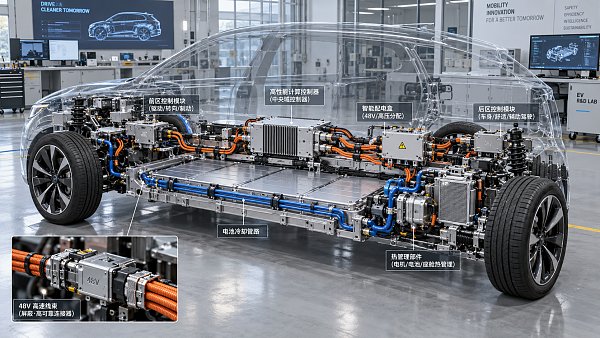
That is why the discussion has moved well beyond infotainment. Thermal management, battery conditioning, ADAS domain control, smart cockpit interaction, steer-by-wire preparation, energy management, zonal gateway behavior, and high-voltage system coordination are all being pulled into the software layer. For decision-makers, the relevant question is no longer whether software-defined vehicle architecture is coming. It is where the platform risks sit, which risks are structural rather than temporary, and what choices made in 2025 will still be defensible in 2026 and after.
Why the concept matters differently in automotive
In consumer electronics, software can often be updated without much concern for physical consequences. Automotive does not have that luxury. Here, software is tied to homologation boundaries, functional safety assumptions, cybersecurity controls, thermal limits, actuator behavior, and warranty exposure. A poor update strategy is not just a UX problem. It can affect drivability, charging performance, cabin comfort, battery aging, power consumption, or fault tracing across multiple ECUs.
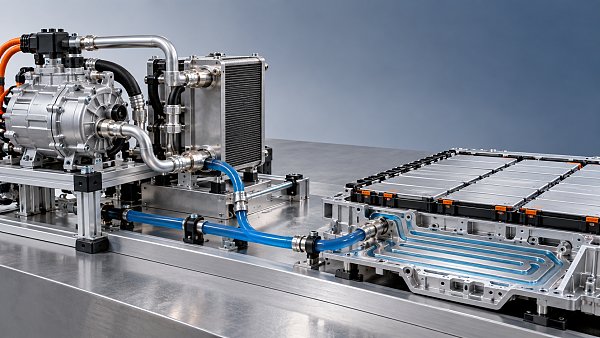
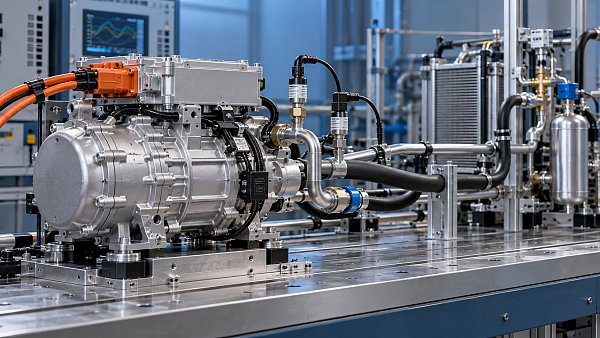
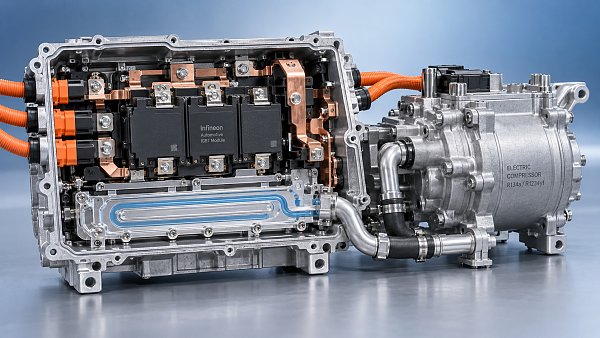
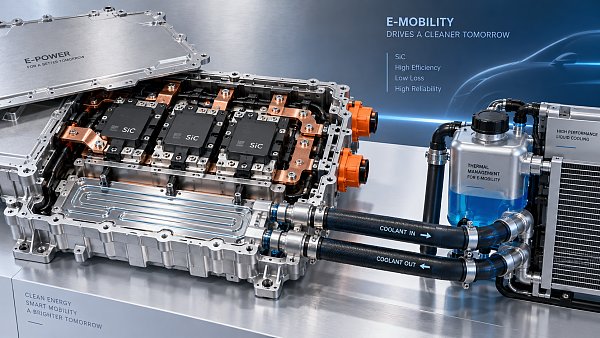
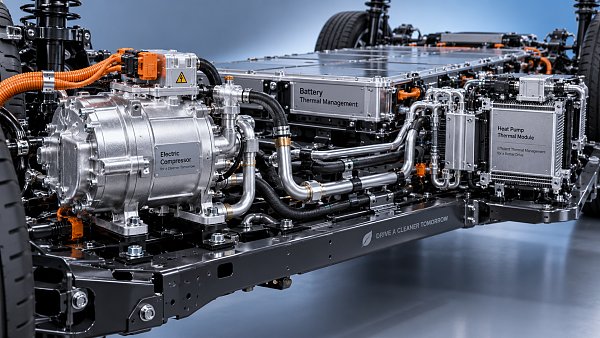
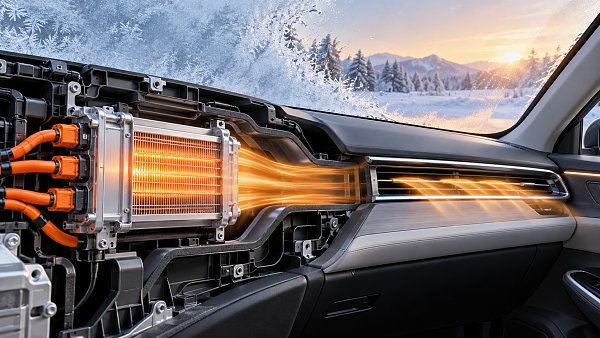
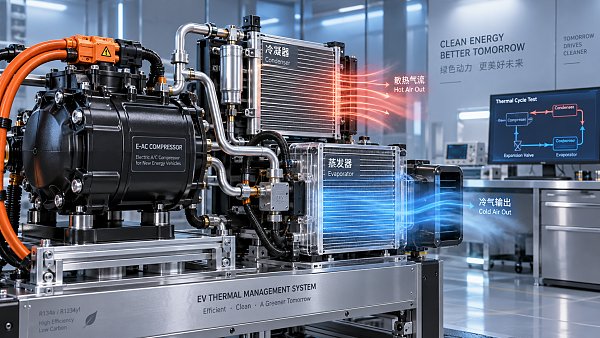
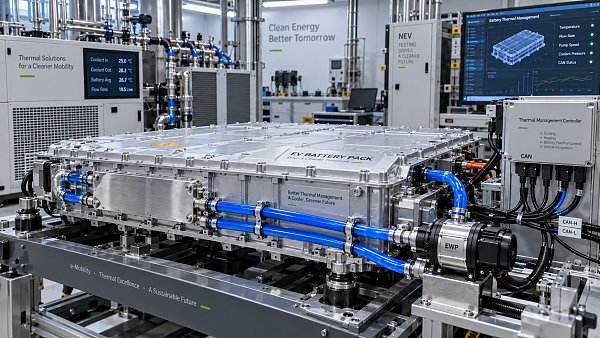
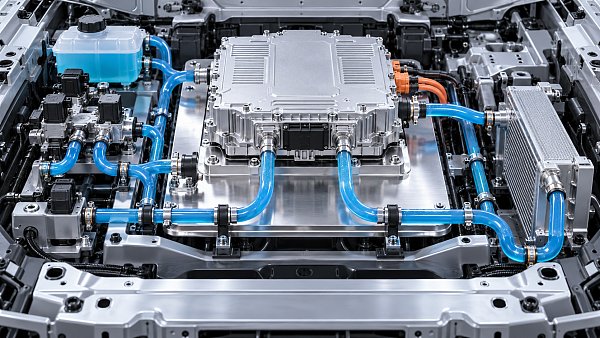
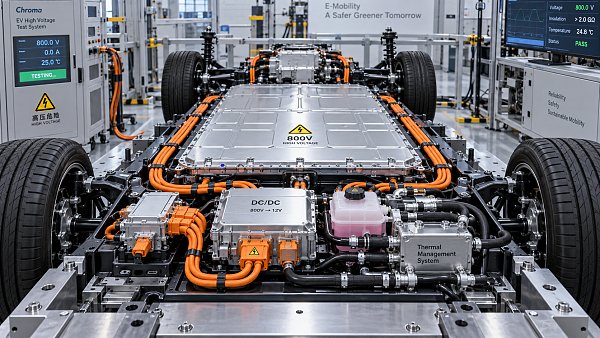
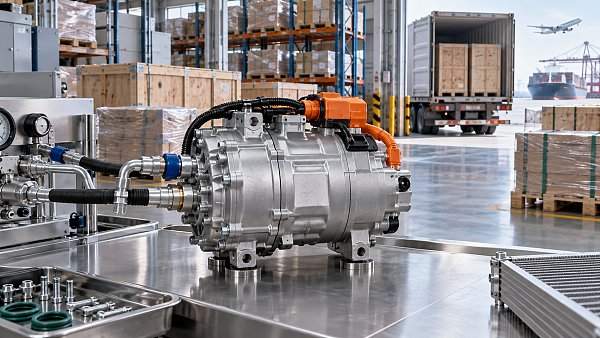
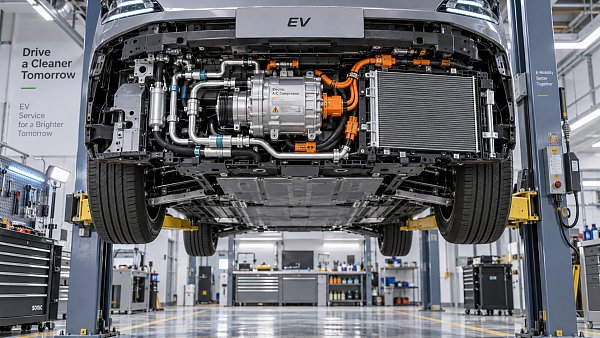
This is especially relevant in electrified vehicles. Battery liquid cooling systems, heat pump systems, electric compressors, integrated thermal valves, and energy optimization strategies are not isolated hardware modules anymore. Their commercial value increasingly depends on control software, calibration quality, sensor fusion, and coordinated operation under different ambient conditions. A heat pump architecture, for example, may look competitive on paper, yet its real-world performance depends heavily on software logic across compressors, valves, pumps, HVAC controls, and battery thermal priorities.
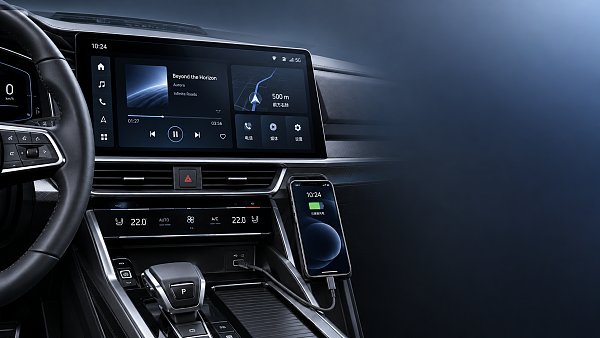
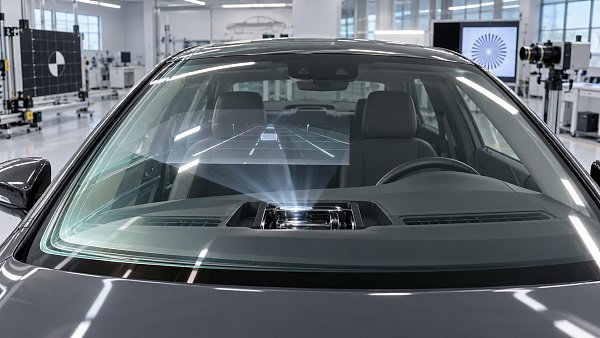
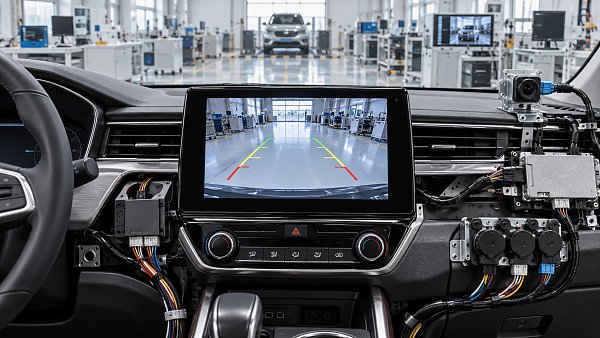
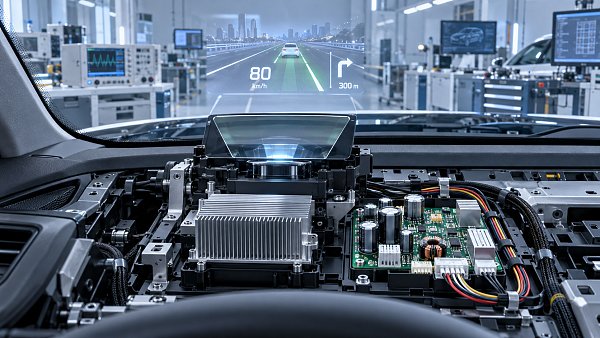
The same applies in the cockpit. Media head units, HUD systems, and cockpit displays are visible to users, but what matters commercially is the platform underneath: middleware, compute allocation, update management, app ecosystem constraints, and integration with vehicle networks. The software-defined vehicle is therefore not a single technology stack. It is a business model built on centralized control, reusable code, and post-sale feature management.
The platform risks executives tend to underestimate
One common misunderstanding is to treat software-defined transformation as mainly a sourcing issue: choose a stronger OS partner, a better chip vendor, or a more capable cockpit supplier, and the problem is solved. In reality, most platform risk appears at the interfaces.
The first risk is architectural fragmentation. Many vehicle programs still carry a mixture of legacy distributed ECUs, newer domain controllers, and partial zonal concepts. That can work in transition, but it creates friction in diagnostics, timing coordination, data consistency, and update governance. If the central compute strategy is unclear, suppliers end up integrating to moving targets. That increases rework, slows validation, and often produces hidden technical debt that becomes visible only when OTA campaigns start at scale.
The second risk is ownership ambiguity. Software-defined vehicles require very clear decisions on who owns feature logic, cybersecurity response, software bill of materials visibility, test responsibility, and lifecycle maintenance. Traditional component sourcing models are not always prepared for this. An OEM may buy a thermal subsystem from one supplier, a compressor from another, power electronics from a third, and cloud services from a fourth. When the system behaves poorly in winter range optimization or charging preconditioning, the root cause may be distributed across multiple parties. Without disciplined interface governance, the commercial argument around accountability becomes more complex than the engineering problem itself.
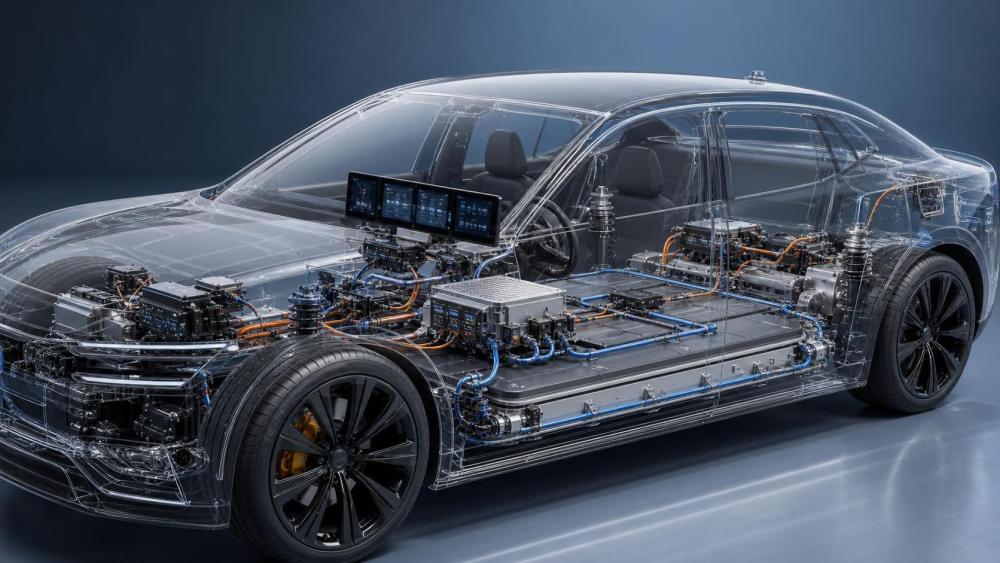
The third risk is cybersecurity and compliance exposure. The automotive industry already works within a stricter framework than many adjacent sectors. UNECE R155 and R156 have changed how cybersecurity management systems and software update management systems are treated in markets that adopt those frameworks. Even where local implementation differs, the direction is clear: vehicle software can no longer be managed as an informal afterthought. Platform strategies that ignore secure update paths, traceable version control, incident response workflows, and supplier evidence chains will struggle under regulatory scrutiny and fleet-scale operations.
The fourth risk is data overload without usable governance. Software-defined vehicles generate and consume more vehicle-state data, diagnostic records, user interaction signals, thermal behavior histories, and performance logs. More data does not automatically create better decisions. If signal naming, storage rules, edge-to-cloud filtering, and access permissions are poorly designed, organizations end up with expensive telemetry and limited operational insight. That is a strategic problem, not an IT inconvenience.
Where 2026 trends are becoming clearer
By 2026, the strongest platforms are likely to be distinguished less by headline feature count and more by software control discipline. Several trends are already visible.
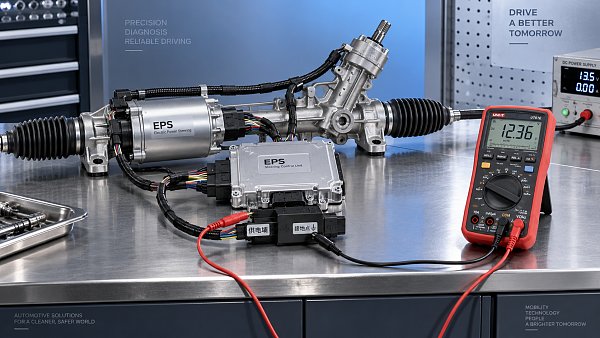
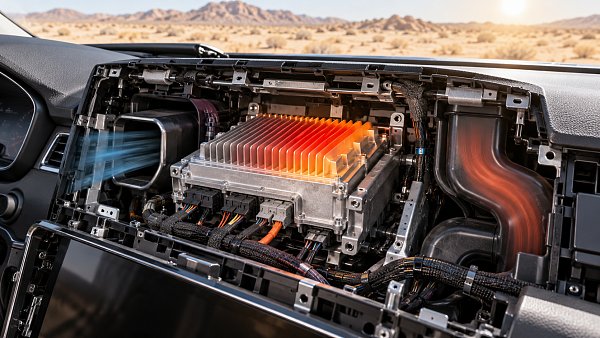
One is the move toward fewer but more capable compute nodes. The exact path differs by automaker, and not every program will fully adopt a zonal architecture soon, but the trajectory is consistent. Consolidated compute simplifies some update and orchestration challenges, while raising the bar for safety partitioning, thermal design, fail-operational behavior, and supplier integration. This matters directly to smart cockpit electronics, steer-by-wire preparation, EPS coordination, and advanced thermal control strategies, because those functions increasingly compete for compute resources and network determinism.
Another trend is the deeper convergence of software and energy efficiency. In EVs and hybrids, thermal systems are no longer just support hardware. They are an operating margin. Battery liquid cooling, heat pump calibration, electric compressor management, and cabin comfort tradeoffs will be evaluated increasingly as software-managed efficiency assets. Suppliers that can explain the interaction between valves, sensors, compressors, control strategies, and vehicle energy maps will be in a stronger position than those still selling isolated hardware performance.
A third trend is lifecycle monetization under tighter customer scrutiny. The industry has spent several years discussing feature-on-demand, subscription logic, and paid upgrades. By 2026, the easier revenue ideas will already have been tested. What remains is harder: deciding which software-enabled features genuinely justify recurring commercial models, and which should be treated as expected vehicle capability. Users may accept paid digital services in some cockpit or fleet-management scenarios. They are less tolerant when core vehicle functions appear artificially restricted. That boundary will shape brand trust as much as revenue strategy.
There is also a supplier-side trend that deserves more attention: software capability is becoming a sourcing filter even for hardware-heavy product categories. Wiring harness suppliers, FPC providers, steering system manufacturers, and compressor makers are being evaluated not only on cost, quality, and delivery, but also on diagnostics integration, firmware coordination, data transparency, and compatibility with centralized vehicle software platforms. In other words, software-defined vehicle logic is pushing into categories that were previously judged mainly by mechanical and manufacturing competence.
What to examine before calling a platform “software-defined”
The label is now used very loosely. A practical way to judge maturity is to ask a few uncomfortable questions.
If the answer to most of those questions is vague, the vehicle may have digital features, but it is not yet operating as a mature software-defined platform.
Implications for component strategy and supply chain decisions
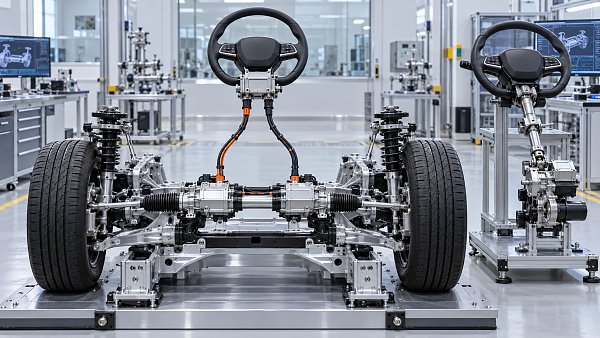
For companies operating in automotive components, this transition changes more than product roadmaps. It changes sales language, quotation assumptions, validation scope, and after-sales obligations. A supplier of high-voltage harnesses or data communication cables now needs to understand bandwidth growth, EMC implications, gateway architecture, and future serviceability expectations. A steering system supplier must think beyond actuator performance to software interfaces, redundancy strategy, and the broader shift toward steer-by-wire capable platforms. Thermal system suppliers are increasingly expected to discuss not only cooling capacity but also control logic integration and efficiency behavior across drive cycles.
This does not mean every supplier must become a full-stack software company. It does mean that “black box” positioning is getting harder to defend. OEMs want cleaner interfaces, clearer data access, update compatibility, and better evidence that a component can live inside a centralized, secure, and updateable architecture. Suppliers that cannot explain those interfaces may still win legacy business, but they risk being pushed to lower-value positions as platform control consolidates elsewhere.
For procurement and strategy teams, the practical task is to separate software narrative from platform readiness. A good decision framework looks at architectural fit, compliance preparedness, integration burden, validation ownership, and lifecycle economics together. Cost-down logic alone is increasingly unreliable when a low-price component introduces software complexity that later multiplies program risk.
By 2026, the companies best positioned in Automotive Software-Defined Vehicles will probably not be those making the loudest claims about intelligence. They will be the ones that can coordinate hardware, software, data, and supplier responsibility with fewer contradictions. That is what turns software from a feature layer into a durable vehicle platform capability.
Related News
- 00
0000-00
How to evaluate a steering angle sensor manufacturer's accuracy claims - 00
0000-00
How to diagnose CAN bus faults in a hybrid vehicle control unit - 00
0000-00
How does battery cooling pipe diameter affect coolant pressure drop? - 00
0000-00
How to assess PPAP readiness of automotive sensor system manufacturers - 00
0000-00
What to ask an FPC connector manufacturer about reliability testing
Tags
- thermal systems
- electric compressors
- steer-by-wire
- heat pump systems
- automotive components
- domain controllers
- smart cockpit electronics
- thermal valves
- smart cockpit
- head units
- cockpit displays
- data communication cables
- Electric Compressor
- battery liquid cooling
- Software-Defined Vehicle
- Automotive Software-Defined Vehicles
- Software-Defined Vehicle architecture
- liquid cooling systems
Weekly Insights
Stay ahead with our curated technology reports delivered every Monday.
Recommended News
 How to evaluate a steering angle sensor manufacturer's accuracy claimsEvaluate steering angle sensor manufacturer accuracy claims with practical checks on calibration, latency, and test evidence. Compare suppliers confidently and avoid costly selection mistakes.Author:Time:Oct 25, 2026
 How to diagnose CAN bus faults in a hybrid vehicle control unitDiagnose Hybrid Vehicle Systems control unit CAN bus faults with step-by-step power, wiring, and waveform checks. Find the root cause and avoid unnecessary replacement.Author:Time:Oct 24, 2026
 How does battery cooling pipe diameter affect coolant pressure drop?Battery Cooling Pipe diameter affects coolant pressure drop and pump power. Explore sizing calculations and practical tips to optimize EV battery cooling and compare options with confidence.Author:Time:Oct 23, 2026
 How to assess PPAP readiness of automotive sensor system manufacturersAssess Automotive Sensor Systems manufacturers for PPAP readiness. Learn to verify production evidence, measurement capability, validation, and traceability to reduce sourcing risks.Author:Time:Oct 22, 2026
 What to ask an FPC connector manufacturer about reliability testingChoosing an FPC Connector manufacturer? Learn what to ask about reliability testing, failure limits, and traceable results to reduce design risks and select with confidence.Author:Time:Oct 21, 2026
 How to verify vehicle fitment for an aftermarket AC evaporatorNavigating the evaporator aftermarket? Verify vehicle fitment with VIN data, OE numbers, and physical interface checks. Use this guide to avoid costly mismatches and order confidently.Author:Time:Oct 20, 2026
 How electric compressor speed affects EV battery cooling capacityElectric compressor technology: battery cooling depends on more than RPM. Discover how speed, refrigerant flow, and system limits affect EV cooling capacity and energy efficiency.Author:Time:Oct 19, 2026
 How to verify a variable frequency compressor supplier’s efficiency claimsVerify a variable frequency compressor supplier’s efficiency claims using COP boundaries, matched test conditions, and duty-cycle data. Learn how to choose with confidence.Author:Time:Oct 18, 2026
 How bend radius affects FPC reliability in automotive camera modulesAutomotive FPC applications: camera module reliability starts with bend radius. Learn how stack-up, strain, and validation guide robust designs and help prevent costly failures.Author:Time:Oct 17, 2026
 How to diagnose intermittent loss of electric power steering assistMaster power steering system diagnostics to trace intermittent EPS assist loss. Learn proven checks for voltage, wiring, and fault codes to avoid costly guesswork.Author:Time:Oct 16, 2026
 How to size automotive power modules for electric compressorsSize automotive power modules for electric compressors with confidence. Learn how voltage, phase current, losses, and cooling shape reliable selection—and avoid costly oversizing.Author:Time:Oct 15, 2026
 Why automotive power electronics are shifting to silicon carbideAutomotive Power Electronics are shifting to silicon carbide. Discover how SiC can cut losses, boost EV power density, and reshape cooling, reliability, and system costs.Author:Time:Oct 14, 2026
 How EV adoption shapes the electrically driven compressor marketExplore how EV adoption shapes the electrically driven compressor market, from battery cooling and heat pumps to supplier margins. Discover the drivers of profitable growth.Author:Time:Oct 13, 2026
 How to size a PTC heater for reliable EV cabin heatingPTC Heater sizing for EV cabins: learn how to balance defrost performance, heat-pump integration, airflow, voltage range, and battery power for reliable winter comfort.Author:Time:Oct 12, 2026
 What determines the cooling output of electric automotive AC compressors?Automotive air conditioning compressors electric systems: explore how speed, voltage, refrigerant, controls, and heat exchangers shape EV cooling capacity and efficiency.Author:Time:Oct 11, 2026
 What makes a touchscreen media head unit responsive enough for daily use?Touchscreen media head unit performance explained: discover what delivers fast starts, smooth maps, reliable phone pairing, and responsive daily driving.Author:Time:Oct 10, 2026
 How Does a Battery Management System Communicate Cooling Demand?How does a battery management system communicate cooling demand? Explore CAN signals, thermal priorities, fault handling, and EV cooling control strategies.Author:Time:Oct 20, 2026
 Can a Domain Controller Share a Cooling Loop with Other Electronics?Can a domain controller share a cooling loop with other electronics? Explore thermal zoning, flow control, safety priorities, and reliable vehicle electronics cooling strategies.Author:Time:Oct 19, 2026
 What Causes Domain Controller Overheating During Summer Testing?What causes domain controller overheating in summer testing? Explore heat load, airflow, installation, software factors, and practical fixes.Author:Time:Oct 18, 2026
 Is a Head-Up Display Hard to Integrate with Different Windshields?Is a head-up display difficult to integrate with different windshields? Discover how glass geometry, coatings, and calibration affect HUD clarity, cost, and production readiness.Author:Time:Oct 17, 2026
 What Should Be Checked Before Selecting an Automotive Head Unit?What should be checked before selecting an automotive head unit? Explore compatibility, performance, cybersecurity, compliance, and supplier support.Author:Time:Oct 16, 2026
 Is Steer-by-Wire More Expensive Than an EPS Steering System?Is steer-by-wire more expensive than an EPS steering system? Explore the true costs, safety demands, software value, and when SbW justifies its premium.Author:Time:Oct 15, 2026
 Which Automotive Electronics Need Validation for 800V Platforms?What automotive electronics should be validated for 800V platforms? Explore critical checks for harnesses, power electronics, thermal systems, safety, and EMC.Author:Time:Oct 14, 2026
 How Do Automotive Compressor Export Requirements Vary by Market?How do automotive compressor export requirements vary by market? Explore key compliance rules for refrigerants, EV safety, OEM approvals, labeling, and customs.Author:Time:Oct 13, 2026
 What Documents Are Needed to Export Automotive Thermal Components?What documents are needed to export automotive thermal components? Explore customs, compliance, technical records, and shipping tips to prevent costly delays.Author:Time:Oct 12, 2026
 How Often Should an EV Air Conditioning Compressor Be Inspected?How often should an EV air conditioning compressor be inspected? Discover recommended service intervals, warning signs, and expert care tips to protect cooling performance and EV reliability.Author:Time:Oct 11, 2026
 How resolution and refresh rate affect vehicle dashboard displaysCompare resolutions and refresh rates of vehicle dashboard displays to optimize readability, motion, latency, and cockpit performance. Explore the right specs for every vehicle display.Author:Time:Oct 20, 2026
 How to size power solutions for automotive head-up display systemsHeads-up display systems power solutions: learn how to size automotive HUD power architectures for startup, brightness, thermal limits, EMC, protection, and reliable vehicle operation.Author:Time:Oct 19, 2026
 How does a head-up display work in a high-performance car?Hoe werkt een head-up display in een high-performance auto en welke informatie toont het? Discover the tech, safety alerts, and performance data that sharpen every drive.Author:Time:Oct 18, 2026
 Which trends will shape zonal EV architectures in the next decade?Future trends in zonal EV architectures: explore smarter power distribution, 48V systems, thermal integration, software, and resilient networks shaping next-gen vehicles.Author:Time:Oct 17, 2026