What drives automotive projection display price?




Automotive projection display price is usually determined by the specification stack behind the part, not by the visible image area alone. Optical engine design, projection method, brightness target, thermal control, driver interface, and vehicle integration effort all move the cost in different directions. A low-cost unit may look acceptable on paper and still create problems later if it cannot hold luminance in daylight, cannot survive cockpit heat soak, or needs extra calibration time during assembly.
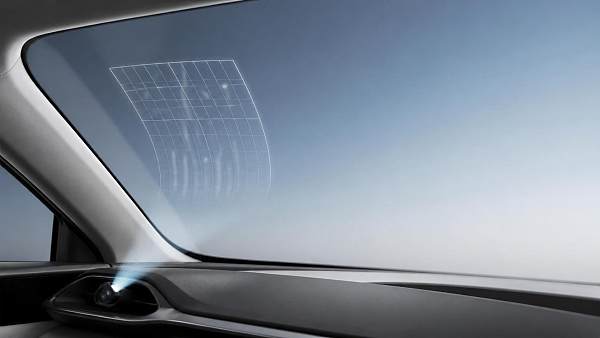
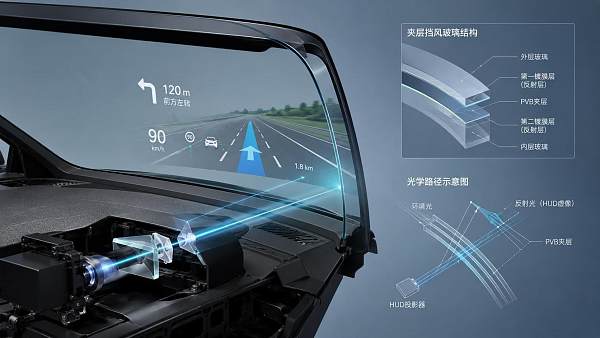
One of the first price drivers is the display architecture itself. A head-up style projection unit may rely on a compact LCD or DLP light engine, a collimating optical path, a reflective combiner, and housing features that keep alignment stable under vibration. Each of those parts adds its own material and machining burden. If the design uses a larger virtual image, wider field of view, or higher apparent image distance, the optical path usually becomes more demanding and tolerances tighten. That can raise cost even when the core panel size changes very little.
Brightness and contrast are another major factor. Projection displays used in vehicles have to remain readable under direct sunlight and through tinted glazing, so the backlight, light source efficiency, optical loss control, and anti-reflection treatment all matter. A supplier may quote a lower unit price for a dimmer configuration that works only in controlled lighting, while a spec tuned for broad daylight visibility often needs stronger illumination, more thermal management, and stricter binning on optical components. Those differences are easy to miss if the comparison starts and ends with screen size.
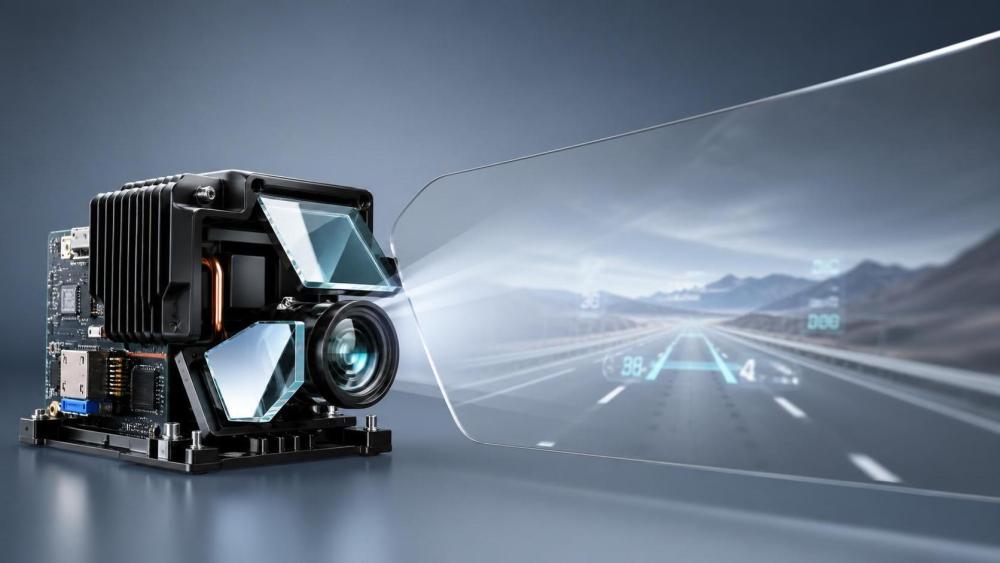
Materials also shape the automotive projection display price in ways that are not obvious from the outside. Lens quality, polarization films, mirrors, adhesive systems, and housing materials each influence stability and image fidelity. Heat-resistant plastics, reinforced brackets, and low-outgassing adhesives may cost more, but they reduce drift, haze, and long-term optical deformation. In cabin applications, a small change in material grade can alter assembly yield or durability under thermal cycling, especially if the display sits near vents, defrosters, or the instrument panel surface.
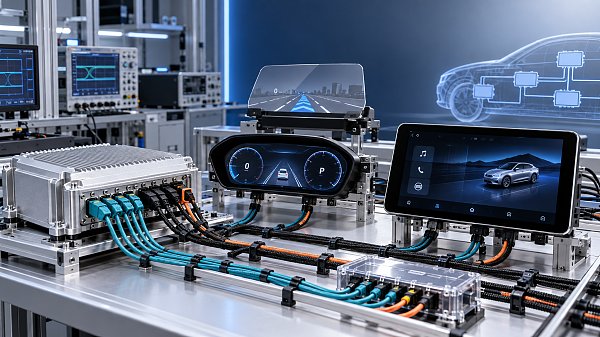
Electronics and software integration can matter as much as the optical stack. If the projection display must interface with vehicle networks, synchronize with instrument clusters, support multiple warning states, or accept custom graphics from the cockpit domain controller, the development load increases. Cost rises when the unit needs signal conversion, custom firmware, diagnostic support, or functional behavior matched to a specific vehicle platform. A standard module may be cheaper to source, but a vehicle-specific integration often reduces rework later in the program.
Supplier process capability is another hidden variable. Precision alignment, contamination control, optical inspection, and end-of-line calibration all affect repeatability. If a production line has to spend more time on focal adjustment, image uniformity tuning, or alignment correction, the quoted price usually reflects that labor and yield loss. For procurement comparison, a unit with a slightly higher piece price but tighter process control may create less downstream scrap, fewer warranty claims, and fewer launch delays than a cheaper part with loose tolerances.
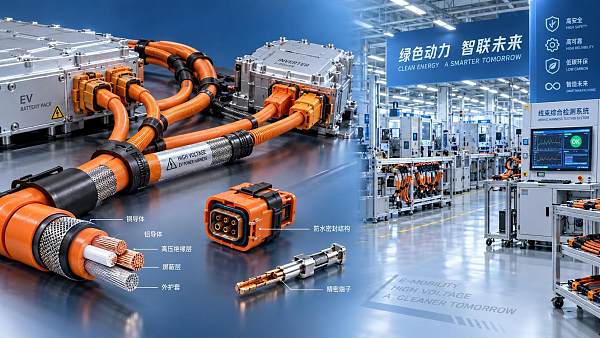
Installation requirements can move the total cost more than the component quote. Some projection displays need a custom bracket, dedicated thermal pad, special cable routing, or extra shielding near high-voltage harnesses and noisy electronics. Others require a stable mounting angle to preserve the eye box and prevent image distortion. If packaging space is tight, the supplier may need a smaller optical module, a redesigned enclosure, or a more complex connector layout. Those adaptations are often invisible in the initial quotation but show up during vehicle packaging and validation.
Transport and handling should also be included in the sourcing logic. Optical modules are sensitive to shock, dust, and moisture, so packaging quality influences scrap risk before the part ever reaches the assembly line. Long-distance shipping, especially by mixed transport lanes, can expose units to temperature swings and vibration that are not friendly to aligned optics. If a display requires controlled storage or careful opening procedures, the logistics cost may be modest compared with the cost of field failures from damaged optical surfaces or misaligned components.
Maintenance expectations affect pricing when the display is meant for long-life use. Sealed modules, easier replacement access, and stable light-source performance can reduce service burden, but they may raise initial cost. Some designs use replaceable subassemblies; others are built as compact sealed units that are cheaper to install but harder to repair. The right choice depends on the vehicle program, expected operating conditions, and whether the display is treated as a wear item or a long-duration cockpit feature.
Common mistakes in price comparison usually come from comparing incomplete specifications. Two quotation sheets may both say “projection display,” yet one may include a full optical engine, software support, and vehicle calibration data, while the other covers only the bare module. Another mistake is ignoring the effect of environmental requirements. Temperature range, humidity tolerance, UV exposure, and vibration resistance all change the component structure and the validation burden. A part that meets a narrow lab spec may be inexpensive, but it may not remain stable across the cockpit conditions of the target vehicle.
Program volume and customization level matter as well. Higher volume often improves tooling amortization and reduces per-unit overhead, but only if the design is stable enough to repeat. A heavily customized display for a specific dashboard geometry, brand animation set, or unique warning logic can cost more at low volume because the supplier spreads engineering, tooling, and test effort across fewer units. Standardized designs are usually easier to source, though they may not fit every cabin architecture without extra adaptation.
The most practical way to judge automotive projection display price is to break the offer into its functional layers: optical performance, electronics, mechanical design, validation scope, and logistics conditions. That approach makes it easier to see why one quotation is higher even when the external appearance is similar. It also helps identify where cost is tied to real vehicle needs and where it comes from over-specification, duplication, or avoidable integration work.
In procurement work, the best comparison is the one that ties the quoted unit price to the actual operating environment. A display intended for strong daylight readability, stable long-term alignment, and system-level integration will rarely sit at the same cost level as a simpler projection module. The price follows the discipline of the specification, the quality of the process, and the burden of making the part fit the vehicle without surprises.
Related News
- 00
0000-00
How to choose a high voltage warning label for EV harnesses - 00
0000-00
How fluid dynamics CFD helps prevent battery cooling hotspots - 00
0000-00
When does a shielded motor harness prevent EMI problems in EVs? - 00
0000-00
How to size an automotive cooling systems pump for EV battery loops - 00
0000-00
How global auto parts buyers can verify supplier quality before ordering
Weekly Insights
Stay ahead with our curated technology reports delivered every Monday.
Recommended News
 How to choose a high voltage warning label for EV harnessesHigh voltage warning label selection for EV harnesses: learn how to ensure durable adhesion, clear visibility, compliant symbols, and reliable safety performance.Author:Time:Sep 30, 2026
 How fluid dynamics CFD helps prevent battery cooling hotspotsFluid dynamics CFD helps prevent battery cooling hotspots by revealing flow imbalance, pressure loss, and thermal risks—enabling smarter cold plate design and reliable pack performance.Author:Time:Sep 29, 2026
 When does a shielded motor harness prevent EMI problems in EVs?Shielded motor harness guide for EVs: learn when shielding prevents EMI, protects sensitive electronics, and improves EMC compliance margins.Author:Time:Sep 28, 2026
 How to size an automotive cooling systems pump for EV battery loopsAutomotive Cooling Systems pump sizing for EV battery loops: calculate flow, pressure drop, control range, and thermal margins for reliable performance.Author:Time:Sep 26, 2026
 How global auto parts buyers can verify supplier quality before orderingGlobal auto parts buyers: learn how to verify supplier quality through audits, testing, traceability, and staged approvals before placing orders.Author:Time:Sep 25, 2026
 How global automotive supply chain disruption reshapes sourcing riskGlobal automotive supply chain disruption is reshaping sourcing risk. Discover practical strategies for resilient automotive procurement, recovery planning, regionalization, and supplier continuity.Author:Time:Sep 24, 2026
 When is a single pair ethernet cable the right choice for vehicles?Single pair Ethernet cable: learn when it delivers lighter, reliable vehicle networks—and how to assess bandwidth, power, EMC, and connector readiness.Author:Time:Sep 23, 2026
 When does a zonal automotive Ethernet architecture reduce wiring complexity?Automotive Ethernet architecture reduces wiring complexity when zonal controllers aggregate local loads, replacing long cross-vehicle circuits with efficient backbones.Author:Time:Sep 22, 2026
 Which automotive component export regulations apply before shipping?Automotive Component Export regulations explained: master customs, safety approvals, batteries, chemicals, transport rules, and sanctions screening before shipment.Author:Time:Sep 21, 2026
 How automotive software architecture shapes EV platform scalabilityAutomotive Software Architecture defines EV platform scalability—discover how modular interfaces, controlled configurations, and resilient updates accelerate innovation.Author:Time:Sep 20, 2026
 When R744 HVAC technology is the right fit for heat pump systemsR744 HVAC technology: discover when CO2 heat pumps deliver stronger cold-weather performance, vehicle thermal integration, and long-term value.Author:Time:Sep 19, 2026
 How AUTOSAR shapes software integration for cockpit domain controllersCockpit domain controller AUTOSAR integration explained: assess software boundaries, safety, updates, and scalable smart cockpit architecture.Author:Time:Sep 18, 2026
 What should you verify before choosing a heat pump supplier?Heat pump supplier selection guide: verify engineering fit, cold-climate performance, manufacturing quality, supply resilience, and commercial readiness before nomination.Author:Time:Sep 17, 2026
 Which Automotive CAN Bus standard fits a new vehicle network?Automotive CAN Bus standard guide: compare Classical CAN, CAN FD, and CAN XL to build a reliable, scalable vehicle network with the right cost, bandwidth, and compatibility.Author:Time:Sep 16, 2026
 How thermodynamic parameter modeling improves battery cooling designThermodynamic parameter modeling improves battery cooling design by predicting heat flow, temperature uniformity, flow balance, and transient performance.Author:Time:Sep 15, 2026
 Where automotive thermal management applications matter most in EV designAutomotive thermal management applications shape EV battery safety, fast charging, range, HVAC comfort, and powertrain reliability. Explore the design priorities that matter most.Author:Time:Sep 14, 2026
 How actuator redundancy affects steer-by-wire system safetySteer by wire actuator redundancy explained: discover how independent power, sensing, control, and fault handling protect vehicle steering safety.Author:Time:Sep 13, 2026
 What cable ratings matter most in a fast charging harness?Fast charging harness ratings explained: assess current capacity, thermal derating, voltage, shielding, and connector performance for reliable EV charging.Author:Time:Sep 12, 2026
 How to specify a low voltage harness assembly for automotive useLow voltage harness assembly specification guide for automotive use—covering circuit design, durability, EMC, validation, and production-ready compliance.Author:Time:Sep 11, 2026
 What to verify before choosing a variable speed compressor supplierVariable speed compressor supplier selection made easier: verify technical fit, validation, compliance, capacity, and after-sales support before sourcing.Author:Time:Sep 10, 2026
 What is driving the EV wiring harness price trend in 2026?EV wiring harness price trend in 2026: explore how high-voltage systems, copper costs, vehicle architecture, and sourcing strategies shape EV harness costs.Author:Time:Sep 09, 2026
 How windshield curvature causes HUD system image distortionHUD system image distortion explained: discover how windshield curvature affects focus, ghosting, keystone, and AR-HUD accuracy—and how to evaluate solutions.Author:Time:Sep 08, 2026
 How to choose an AR-HUD projector for different windshield designsAR-HUD projector selection guide for different windshield designs. Learn how curvature, wedge glass, coatings, calibration, and packaging affect clear, stable AR display performance.Author:Time:Sep 07, 2026
 How does an e-drive cooling system prevent motor and inverter overheating?E-drive cooling system guide: learn how targeted coolant flow, cold plates, heat rejection, and smart controls prevent motor and inverter overheating.Author:Time:Sep 07, 2026
 How does vehicle motion control support safer steer-by-wire systems?Vehicle motion control strengthens steer-by-wire safety by coordinating steering, braking, and propulsion. Explore fault handling, validation, and safer vehicle responses.Author:Time:Sep 05, 2026
 How insulation monitoring protects high-voltage electrical architectureHigh-voltage electrical architecture insulation monitoring detects leakage early, improving EV safety, fault diagnosis, quality control, and reliability.Author:Time:Sep 04, 2026
 How ISO 26262 shapes functional safety requirements for automotive actuatorsAutomotive Actuators functional safety: discover how ISO 26262 links vehicle hazards, ASILs, diagnostics, and safety evidence for reliable actuator design.Author:Time:Sep 03, 2026
 How to choose a thermal management controller for battery coolingThermal Management Controller selection guide for battery cooling: compare control accuracy, BMS integration, safety, efficiency, and validation for smarter EV performance.Author:Time:Sep 02, 2026
 How EV powertrain components in Europe are adapting to 800V systemsEV Powertrain Components Europe are evolving for 800V systems—discover how inverters, e-axles, connectors and cooling enable safer, faster, high-performance EVs.Author:Time:Sep 01, 2026
 How electronic expansion valves improve heat pump efficiency at part loadElectronic expansion valve heat pump systems improve part-load efficiency through precise refrigerant control, stable superheat, and smarter EV thermal management. Explore key insights.Author:Time:Aug 31, 2026