How does production volume affect automotive flexible electronics costs?




Production volume can significantly influence automotive flexible electronics cost, but a larger order does not automatically guarantee the best value. Tooling, material selection, manufacturing yield, testing requirements and supplier capacity all affect the price buyers ultimately pay. For procurement teams sourcing flexible printed circuits and related automotive components, understanding how these factors change from prototype to mass production is essential for comparing quotes, managing risk and negotiating effectively.
The question is not simply, “What is the price at our forecast volume?” It is also, “What must we commit to, what happens if demand changes, and which costs sit outside the quoted piece price?” A useful comparison follows the product from engineering samples through vehicle launch and into service supply.
Why volume changes the cost of flexible electronics
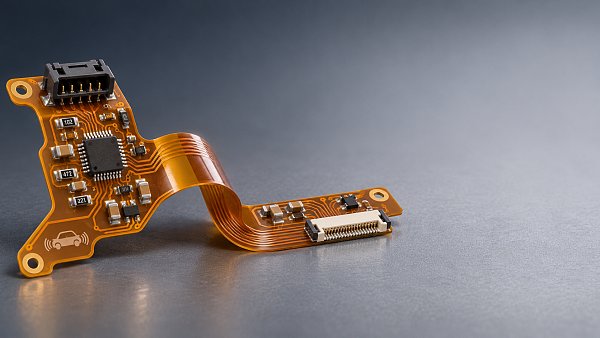
Flexible electronics cover a range of products, including flexible printed circuits (FPCs), flexible sensor assemblies and circuits integrated into vehicle displays or wiring systems. Their construction and manufacturing processes vary, but most quotations combine two broad cost groups:
- Fixed or launch-related costs: engineering preparation, tooling, production setup, process validation and agreed qualification work.
- Recurring costs: materials, fabrication, assembly, inspection, testing, packaging and logistics for each accepted part.
As volume rises, fixed costs can be spread across more parts. Suppliers may also improve material purchasing, equipment utilization and production scheduling. However, variable costs do not fall at the same rate indefinitely. A thin-film material, a complex connector or a demanding electrical test may remain significant regardless of how many units are ordered.
For a basic comparison, buyers can use this relationship:
Effective cost per accepted part = recurring unit cost + allocated fixed costs per accepted part + other applicable costs per accepted part.
Use accepted parts rather than simply manufactured parts when considering yield. Also confirm whether the supplier’s quoted unit price already includes scrap, testing and amortized tooling. Adding those costs again would distort the comparison.

From prototype quantities to serial production
Volume affects cost differently at each stage of a vehicle program. The cheapest option for engineering samples may not be the best foundation for an eventual production contract.
A prototype supplier may use a manufacturing route that is economical for a short run but less suitable for sustained automotive volumes. Conversely, committing to dedicated tooling too early can be expensive if connector positions, bend geometry or material specifications are still changing. Ask the supplier where its proposed process stops being economical and whether a later process change would require new validation.
The costs that do not always fall with a bigger order
Material selection and panel utilization
Flexible circuit pricing depends on the substrate, copper construction, coverlay, adhesives, surface finish and other specified materials. Automotive applications may also require materials compatible with particular temperature ranges, chemical exposure or repeated bending.
Volume can improve purchasing leverage, but design geometry matters. If the circuit shape leaves substantial unused space on a production panel, buying more parts does not necessarily solve the underlying material waste. Ask suppliers to explain panel utilization and whether an alternative layout, panel arrangement or material construction could reduce cost without compromising performance.
Yield, complexity and inspection
Fine conductor features, multiple layers, tight tolerances and difficult connector interfaces can increase manufacturing complexity. A supplier may anticipate lower yield or more inspection time and include that risk in the price.
Higher volume can give a supplier more opportunity to stabilize a process, but improvement is not automatic. A large order placed before a design is manufacturable may simply multiply the cost of scrap and disruption. Discuss critical dimensions, defect criteria and inspection coverage before agreeing to aggressive price reductions.
For cockpit electronics, an FPC used near a display or head unit may face different mechanical and electrical demands from a flexible sensor circuit elsewhere in the vehicle. Buyers should compare quotes against the actual application, not assume that two visually similar circuits carry the same risk.
Testing and automotive documentation
Electrical testing, traceability, reliability validation and production documentation can remain substantial at scale. The appropriate scope depends on the part, its application and the customer’s requirements. A lower quote may be entirely reasonable—or it may exclude a test, record or approval activity included elsewhere.
Request a line-by-line description of validation and production controls. Distinguish one-time qualification charges from recurring inspection, and confirm who pays when a customer requests a change to the test plan.
How to compare volume-based supplier quotes
Two offers with the same annual forecast can represent very different commercial arrangements. One supplier may quote a low unit price that assumes a firm annual commitment; another may quote a higher price but allow smaller releases and more schedule flexibility. The comparison should reflect the quantities your organization is likely to buy, not only the forecast used to negotiate.
Ask each supplier to quote on a consistent basis:
- Volumes and timing: annual forecast, firm order quantity, release frequency and expected program life.
- Price breaks: the quantity basis for each tier, when the tier takes effect and whether it depends on cumulative or individual orders.
- Non-recurring charges: tooling, engineering, setup, validation and any ownership or transfer conditions.
- Included activities: fabrication, component assembly, electrical testing, inspection, packaging and required documentation.
- Delivery terms: shipping responsibilities, lead times, inventory arrangements and applicable charges.
- Change and exit provisions: treatment of excess material, cancellation, rescheduling, design revisions and end-of-life supply.
It is worth asking for several scenarios: the expected volume, a lower-demand case and a higher-demand case. Include planned launch quantities and service requirements where possible. This exposes the point at which a low piece price is offset by unused inventory, extra tooling or inflexible commitments.
A simple break-even check
Suppose one manufacturing approach has higher upfront tooling costs but a lower recurring price than an alternative. The basic break-even quantity is the difference in upfront costs divided by the recurring cost saving per accepted part.
That calculation is a starting point, not a complete business case. It assumes the compared parts meet the same requirements and overlooks differences such as lead time, financing, yield, logistics and the likelihood of reaching the forecast. If the break-even point sits beyond a credible program volume, the more automated or dedicated approach may not be the economical choice.
When higher volume can increase procurement risk
A tempting price break can encourage a buyer to place a larger order than the production schedule supports. For flexible electronics, that decision may lock in a design just before an engineering change, or leave the buyer holding material that cannot be used on another program.
Supplier capacity deserves equal attention. A supplier may offer an attractive high-volume price but depend on a production line, material source or subcontractor with limited spare capacity. Ask how the quoted volume fits its capacity plan, what lead times apply to critical materials and how schedule fluctuations are handled. A capacity claim is more useful when it is tied to your release profile and product configuration.
Also check whether the price assumes a particular manufacturing site or process. Moving production, changing material sources or replacing equipment can affect validation and customer approval requirements. The contract should make the notification and approval process clear.
Negotiating automotive flexible electronics cost without losing flexibility
Good negotiations separate genuine scale efficiencies from concessions that transfer risk to the buyer. Rather than asking only for a lower unit price, explore which assumptions could change the supplier’s cost:
- Can several vehicle variants share a circuit design, material or connector without creating application compromises?
- Would a more stable release schedule improve utilization while keeping inventory at an acceptable level?
- Can engineering adjust the layout to improve panel utilization or avoid unnecessary manufacturing complexity?
- Would separate prototype and production tooling reduce the cost of likely design revisions?
- Can price tiers be reviewed against actual cumulative purchases rather than an unrealistic initial forecast?
Design changes should involve engineering and quality teams. A less expensive material or simplified test may appear attractive in a purchasing spreadsheet but create performance or validation issues in service. The goal is to remove unnecessary cost, not requirements that protect the application.
Before placing the order, record the assumptions behind the agreed price: drawing revision, expected volume, lead time, acceptance criteria, tooling charges and responsibilities for obsolete stock. These details give both parties a reference when the program changes—as automotive programs often do.
Production volume is a powerful cost lever, but it works best alongside a stable design, an appropriate manufacturing process and realistic purchasing commitments. For procurement teams following developments in FPC systems, cockpit electronics and automotive wiring, GACT provides industry and product context that can support supplier discussions. The final decision should still rest on comparable quotations and the technical and commercial requirements of the specific vehicle program.
Have questions about this sector analysis, or seeking best practices specific to your niche? Drop us a line below and let the senior consultants at GAC assist you.
“We respect your privacy. Your information is strictly confidential.”
Related News
- 00
0000-00
What does AEC-Q100 qualification mean for automotive camera systems? - 00
0000-00
How to verify a waterproof connector supplier's IP ratings - 00
0000-00
How do air pockets affect automotive coolant systems? - 00
0000-00
How to identify automotive component export opportunities in new markets - 00
0000-00
How to assess a smart cockpit electronics manufacturer's integration capability
Weekly Insights
Stay ahead with our curated technology reports delivered every Monday.
Recommended News
 What does AEC-Q100 qualification mean for automotive camera systems?Automotive Camera Systems AEC-Q100 qualification: Discover what it means for IC reliability, temperature grades and camera validation before approving a design.Author:Time:Nov 22, 2026
 How to verify a waterproof connector supplier's IP ratingsWaterproof connector supplier IP ratings: learn how to verify test reports, match configurations and reduce automotive sourcing risks before you buy.Author:Time:Nov 21, 2026
 How do air pockets affect automotive coolant systems?Automotive Coolant Systems can overheat when air pockets disrupt coolant flow. Discover the warning signs, safe bleeding methods, and when to seek further diagnosis.Author:Time:Nov 20, 2026
 How to identify automotive component export opportunities in new marketsDiscover Automotive Component Export opportunities in new markets by assessing buyer access, technical fit, trade requirements, and landed costs.Author:Time:Nov 19, 2026
 How to assess a smart cockpit electronics manufacturer's integration capabilityAssess a smart cockpit electronics manufacturer's integration capability with practical checks for interfaces, testing, safety, cybersecurity and supplier support.Author:Time:Nov 18, 2026
 How does a shielded HSD cable reduce interference in vehicles?Discover how a shielded HSD cable reduces vehicle interference, and learn why connector design, routing, and testing matter for reliable high-speed data links.Author:Time:Nov 17, 2026
 What drives demand for scroll compressors in the automotive market?Explore the scroll compressor for automobile market and discover how EV adoption, heat pumps, efficiency, and supplier capabilities shape demand.Author:Time:Nov 16, 2026
 Does AEC-Q200 apply to flexible printed circuits?Flexible Printed Circuit AEC-Q200 requirements explained: discover which components qualify and how to assess automotive FPC reliability.Author:Time:Nov 15, 2026
 How does production volume affect automotive flexible electronics costs?Explore how production volume affects automotive flexible electronics cost, from tooling and yield to testing. Compare quotes and negotiate smarter.Author:Time:Nov 14, 2026
 How much does an in-vehicle infotainment system cost to replace?Explore in-vehicle infotainment cost, from affordable repairs to factory replacements. Compare options, installation fees, and compatibility before you buy.Author:Time:Nov 13, 2026
 How does condenser efficiency affect heat pump performance?Discover how condenser high efficiency can improve heat pump performance, reduce compressor power, and boost heating COP—plus the trade-offs to watch.Author:Time:Nov 12, 2026
 What does each FAKRA cable color code mean?FAKRA cable color code explained: Explore common connector colors, typical uses and key compatibility checks before choosing a replacement.Author:Time:Nov 11, 2026
 How to compare noise ratings for battery coolant pumpsCompare coolant pump low noise ratings with confidence. Learn how test conditions, hydraulic duty, tonal noise and installation affect your choice.Author:Time:Nov 10, 2026
 How bright should automotive display systems be in sunlight?Automotive Display Systems need more than brightness to stay readable in sunlight. Discover why 1,000 nits is a starting point and how to evaluate glare and heat.Author:Time:Nov 09, 2026
 How heat pumps improve the efficiency of EV thermal systemsEV Thermal Systems use heat pumps to reduce heating energy demand. Explore how they work, where they excel, and what limits efficiency in cold weather.Author:Time:Nov 08, 2026
 Can a smart cockpit platform support multiple displays?Can a smart cockpit platform support multiple displays? Explore key requirements for performance, safety, connectivity, and supplier evaluation.Author:Time:Nov 07, 2026
 How is automotive connector vibration resistance tested?Automotive connector vibration resistance testing reveals hidden contact failures. Explore test profiles, continuity monitoring and pass criteria.Author:Time:Nov 06, 2026
 How heat pumps save energy in automotive cabin climate systemsAutomotive Cabin Climate Systems energy saving starts with smarter heat pump design. Explore real-world efficiency, cold-weather trade-offs, and testing tips.Author:Time:Nov 05, 2026
 Is an EV heat pump worth it for winter driving range?Is a heat pump worth using in a cold-climate EV? Discover how it affects winter range, when it pays off, and what to check before buying.Author:Time:Nov 04, 2026
 When should you use 50-ohm coaxial cable instead of 75-ohm?Coaxial cable 50 ohm or 75 ohm? Learn when to use each, avoid impedance mismatches, and choose the right cable for reliable RF and video performance.Author:Time:Nov 03, 2026
 How to select a high temperature motor harness for an EVChoose the right high temperature motor harness for your EV. Compare thermal limits, current capacity, shielding, routing, and validation evidence.Author:Time:Nov 02, 2026
 How much does electric power steering replacement cost?Electric power steering price typically ranges from $1,000 to $3,000 for major replacements. Discover cost factors, repair options, and tips for comparing quotes.Author:Time:Nov 01, 2026
 How to size an EV A/C compressor for the required cooling capacitySize an EV A/C Compressor with confidence. Explore cooling loads, performance maps and power limits to select the right compressor for your vehicle.Author:Time:Oct 31, 2026
 How to choose the right pitch for an FPC board connectorFPC board connector pitch affects space, assembly and reliability. Learn how to compare options and select the best fit for your design.Author:Time:Oct 30, 2026
 How zonal design affects harness routing in high-voltage EV architecturesExplore high-voltage electrical architecture zonal design and its impact on EV harness routing. Discover key trade-offs in cable length, safety, thermal performance, and service access.Author:Time:Oct 29, 2026
 How tariffs affect costs in global automotive parts supply chainsNavigate tariffs in the global automotive parts trade supply chain. Learn to compare landed costs, manage duty exposure, and uncover smarter sourcing strategies to protect your margins.Author:Time:Oct 28, 2026
 How to assess vendor lock-in in a software-defined vehicle platformAssess Software-Defined Vehicle platform lock-in with practical tests for API portability, data access, update control, and exit costs. Learn how to choose a platform with a proven exit path.Author:Time:Oct 27, 2026
 How ISO 26262 guides functional safety in steer-by-wire systemsExplore steering systems functional safety through ISO 26262. Learn how hazard analysis, fault-tolerant design, and validation build a stronger steer-by-wire safety case.Author:Time:Oct 26, 2026
 How to evaluate a steering angle sensor manufacturer's accuracy claimsEvaluate steering angle sensor manufacturer accuracy claims with practical checks on calibration, latency, and test evidence. Compare suppliers confidently and avoid costly selection mistakes.Author:Time:Oct 25, 2026
 How to diagnose CAN bus faults in a hybrid vehicle control unitDiagnose Hybrid Vehicle Systems control unit CAN bus faults with step-by-step power, wiring, and waveform checks. Find the root cause and avoid unnecessary replacement.Author:Time:Oct 24, 2026