What drives auto A/C compressors price differences across vehicle types




It usually starts with a familiar procurement problem: two compressors look similar on paper, both are listed as suitable for automotive air conditioning, yet the quoted cost gap is much larger than expected. One is intended for a compact passenger car, another for an SUV, and a third for an electric delivery van. The initial reaction is often that one supplier is simply overpriced. But once drawings, vehicle architecture, cooling load, and system matching are reviewed, the price difference begins to make more sense.
This is where many sourcing decisions get difficult. If the team compares only unit price, it can easily miss the cost logic behind the part. That creates risk in both directions: overpaying for a specification that is not needed, or choosing a lower-cost compressor that later causes packaging conflicts, inadequate cooling, NVH issues, or compatibility problems with the vehicle electrical and thermal system. For anyone trying to understand auto A/C compressors price across vehicle types, the real task is not finding the cheapest line item. It is learning which cost drivers are structural and which are negotiable.
Why the same category of compressor can land in very different cost bands
The first mistake many buyers make is treating all vehicle platforms as if they place the same demands on the compressor. They do not. A small internal combustion sedan, a premium SUV, a heavy-duty truck, and a battery electric vehicle may all require cabin cooling, but the compressor’s working environment, drive method, control logic, packaging limits, and durability targets can be very different.
In a basic passenger car application, the compressor may be a relatively common belt-driven mechanical type with established supply options and mature tooling. In a larger SUV or multi-row vehicle, the cooling load rises because the cabin volume is greater, glazing area may be larger, and thermal comfort expectations are often higher. That can push demand toward higher displacement, stronger internal components, or tighter performance control. Even before brand positioning enters the conversation, the hardware itself is no longer directly comparable.
Commercial vehicles add another layer. Duty cycle changes. Idle conditions matter more. Reliability under heavier operating hours matters more. Serviceability can matter more too, depending on fleet use. A compressor selected for a van or truck is often priced not only around cooling performance, but around life expectations, mounting arrangements, and resistance to harsher vibration and thermal conditions.
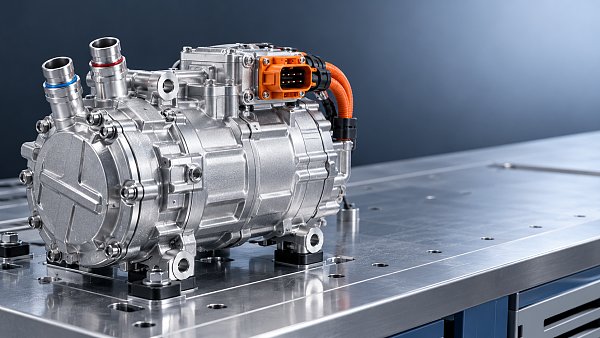
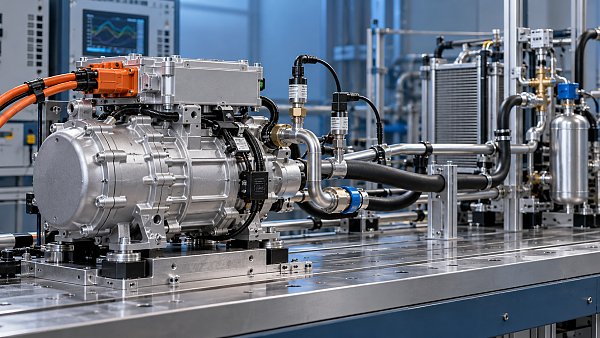
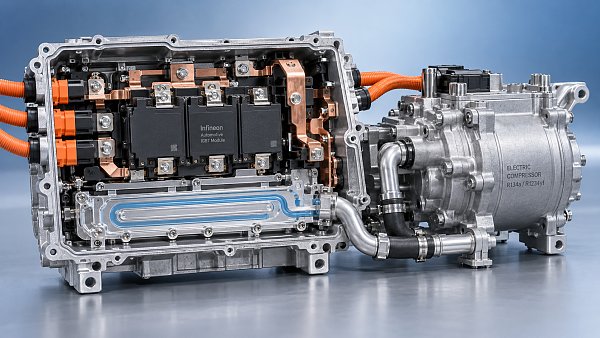
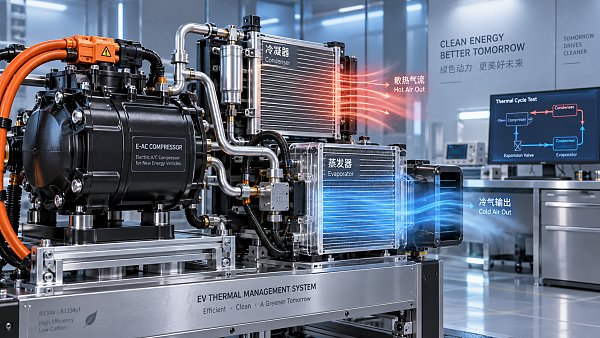
Then there are electric and hybrid platforms, where the compressor may no longer be mechanically driven at all. Instead, electric compressors introduce motor, inverter-related integration requirements, electrical insulation considerations, and software control needs that do not exist in the same way for conventional designs. This alone can move the part into a very different procurement discussion.
Vehicle type changes the engineering brief, not just the application label
When buyers ask why quotes vary so much, it helps to stop looking at the vehicle category name and look instead at the engineering brief behind it. A compressor quote reflects the problem the part is being asked to solve.
For smaller cars, packaging pressure is often strong, but the thermal load may remain moderate. In this case, cost competitiveness can be driven by production scale, mature design architecture, and broad supplier availability. Price differences still exist, but they are often narrower when the product specification is common.
For SUVs and MPVs, the compressor may need to manage a wider operating envelope. Pull-down performance in hot weather, stable cooling during low-speed driving, and passenger comfort in rear cabin zones all influence the system target. If the compressor must maintain stronger output over a wider range, that affects displacement, internal tolerances, valve design, and sometimes material selection.
For buses, trucks, and work vehicles, the discussion often shifts from peak comfort to duty stability. Buyers sometimes discover that the “more expensive” option is not expensive because of branding, but because it is designed for longer high-load operation and harder service conditions. If downtime carries a meaningful operational cost, the lower quoted compressor is not always the lower-cost decision in practice.
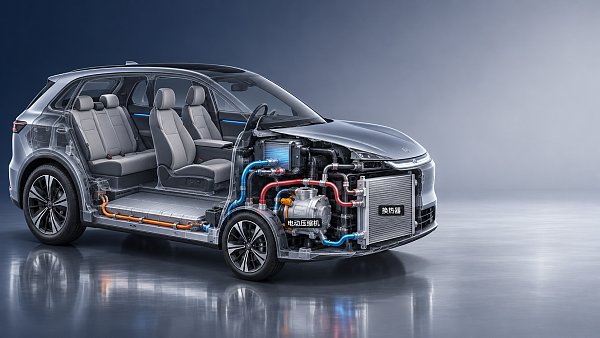
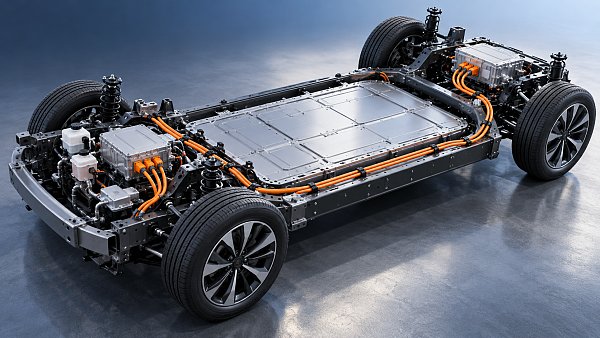
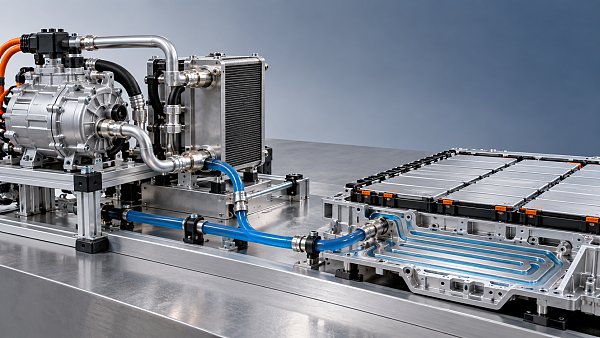
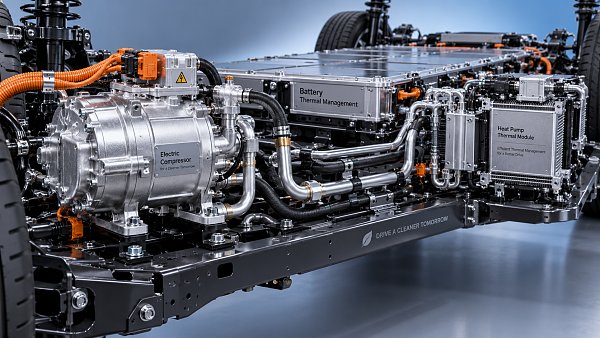
For battery electric vehicles, the compressor can also support broader thermal management tasks beyond cabin cooling, depending on system design. In these vehicles, thermal integration becomes a serious price driver. The part may interact with battery cooling loops, heat pump systems, or high-voltage architectures. Once a compressor becomes part of a larger thermal control strategy, the quote reflects more than isolated cooling capacity.

Design architecture is often the biggest hidden factor
A recurring source of confusion is that buyers compare compressors by external size or nominal specification, while suppliers price them by internal architecture and control complexity. Scroll compressors, swash plate compressors, and electric compressors are not just interchangeable labels. They differ in manufacturing process, internal precision, efficiency behavior, NVH characteristics, and suitability for certain vehicle platforms.
Scroll compressors are often associated with smoother operation and can fit applications where refinement and efficiency are priorities. Swash plate compressors remain common in many conventional vehicle systems and can be attractive where established supply chains and cost control matter. Electric compressors introduce a different pricing structure because the unit includes electromechanical functions that go well beyond a traditional belt-driven assembly.
That means a quote difference may not be the result of supplier margin inflation at all. It may be the result of a more demanding architecture. If the request for quotation does not clearly specify whether the project needs a conventional mechanical design, a variable displacement format, or an electric compressor matched to an electrified thermal system, pricing comparisons become noisy very quickly.
Material and manufacturing choices also move the needle
Another reason auto A/C compressors price varies by vehicle type is that not every vehicle segment tolerates the same material strategy. A compressor for a compact, cost-sensitive application may use a mature material mix and a highly optimized manufacturing route. For more demanding applications, the design may need upgraded bearings, more stringent sealing performance, improved corrosion resistance, or housings tuned for weight reduction and packaging constraints.
These are not always visible in a basic quotation sheet. Procurement teams often see only the top-line price and maybe a short specification summary. But behind that, there may be differences in machining precision, balancing, rotor quality, electromagnetic design in electric units, contamination control requirements, or validation depth expected by the platform.
This matters especially when a part crosses from conventional fuel vehicles into new energy applications. Components connected to battery cooling systems, heat pump systems, or integrated thermal valves often sit within a more tightly managed thermal ecosystem. In those situations, the compressor is not being bought as a stand-alone part in the old sense. It is being bought as one node in a broader thermal management strategy, and that changes the cost basis.
Supplier positioning affects price, but usually less than buyers assume
It is true that supplier positioning influences quotes. Some suppliers build around scale and standardized catalog products. Others focus on tighter customization, premium NVH targets, or stronger alignment with electrified platforms. However, a practical sourcing review often shows that the biggest quote gaps come from specification mismatch, not simply from supplier tiering.
A common scenario is requesting a compressor for “SUV use” without defining whether the vehicle is mild hybrid, plug-in hybrid, or fully electric; whether the cabin size is standard or extended; whether the platform uses a heat pump; whether the mounting layout is fixed; or whether the expected control protocol is already frozen. In that situation, different suppliers may quote different technical assumptions. The pricing appears inconsistent because the requests are inconsistent.
This is also where market intelligence becomes more useful than a generic parts list. Looking at product insights across scroll compressors, swash plate compressors, electric compressors, and related thermal management categories can help a buyer understand whether a quote reflects a mainstream route or a specialized route. It does not replace engineering validation, but it helps narrow where questions should be asked.
When a lower quote is not really a lower-cost option
Procurement pressure often pushes teams toward quick quote comparisons, but compressors punish shallow comparison. A low initial price can lose its appeal if the unit requires bracket redesign, creates control integration work, fails to match the refrigerant and oil strategy already set by the platform, or forces compromises elsewhere in the thermal system.
For electric vehicle programs, the risk is even more obvious. If an electric compressor is selected without close attention to voltage compatibility, thermal load profile, software interface expectations, and system-level interaction with battery liquid cooling systems or heat pump systems, the cost problem simply moves downstream. The purchase price looked attractive, but the total sourcing burden grew.
Even in conventional vehicle programs, a cheaper compressor can become expensive if it affects belt system layout, calibration work, idle cooling performance, or field service complexity. This is why experienced buyers usually ask a second question after price: “What assumptions are embedded in this quote?” That question reveals more than the number itself.
A better way to compare quotes across vehicle types
If you are trying to make a cleaner decision, start by grouping quotes according to vehicle architecture rather than broad vehicle category. Compare mechanical compressors with mechanical compressors, electric compressors with electric compressors, and then narrow further by displacement class, mounting configuration, refrigerant compatibility, voltage level where relevant, and control requirements.
Next, look at the thermal role of the compressor. Is it only for cabin cooling, or is it part of a larger thermal management layout? If the answer is the latter, then the buying decision should be reviewed alongside connected components such as integrated thermal valves, battery liquid cooling systems, and heat pump system design. A compressor that looks expensive in isolation may fit the total architecture better and reduce integration friction.
It also helps to separate three kinds of cost drivers:
- Structural drivers, such as compressor type, electrification level, capacity class, and durability requirement.
- Application-specific drivers, such as packaging, mounting, control strategy, and climate performance targets.
- Commercial drivers, such as order volume, localization, lead time pressure, and supplier relationship conditions.
Once these are separated, negotiations become more grounded. Structural drivers usually cannot be bargained away without changing the engineering requirement. Application-specific drivers can sometimes be optimized if the design team confirms flexibility. Commercial drivers are where procurement typically has the most room to work.
Questions worth resolving before asking for final pricing
Many price disputes begin because the RFQ went out too early. Before requesting final numbers, it is worth confirming whether the vehicle platform is conventional, hybrid, or battery electric; whether the cabin cooling load is standard or elevated; whether the compressor must support a heat pump-related architecture; whether there are strict NVH expectations; and whether supplier customization is expected from the start.
It is also useful to ask whether the chosen vehicle type suggests future export or regional deployment differences. Compressor expectations can shift depending on climate range, local service conditions, and sourcing strategy. Even when exact operating conditions are still being refined, these directional details help suppliers quote on a more consistent basis.
If you regularly source across categories, keeping track of product updates and market analysis in adjacent thermal management areas can make compressor pricing easier to interpret. Changes in electrification trends, high-voltage architecture, thermal efficiency targets, and the spread of electric compressors all influence what becomes “normal” pricing in the market. Without that context, a quote can look unreasonable when it is simply aligned with a different generation of vehicle requirements.
Where buyers usually land after doing the comparison properly
After the noise is removed, most purchasing decisions come down to fit rather than headline price. The useful question is not, “Why is this compressor more expensive than that one?” It is, “Which of these parts matches the actual vehicle duty, thermal architecture, and sourcing constraints without creating hidden cost later?”
That shift in thinking tends to make auto A/C compressors price easier to judge across passenger cars, SUVs, commercial vehicles, and new energy platforms. Different vehicle types create different engineering burdens, and the compressor cost reflects that burden. When buyers compare like for like, challenge unclear assumptions, and view the compressor within the broader thermal system, the price spread stops looking arbitrary and starts looking readable.
In other words, better sourcing usually comes from better classification. Once the vehicle type is translated into compressor duty, system interaction, and technical boundaries, the quote tells a clearer story. And that is usually the point where negotiations become more productive, because everyone is finally discussing the same part in the same context.
Have questions about this sector analysis, or seeking best practices specific to your niche? Drop us a line below and let the senior consultants at GAC assist you.
“We respect your privacy. Your information is strictly confidential.”
Related News
- 00
0000-00
Can a smart cockpit platform support multiple displays? - 00
0000-00
How is automotive connector vibration resistance tested? - 00
0000-00
How heat pumps save energy in automotive cabin climate systems - 00
0000-00
Is an EV heat pump worth it for winter driving range? - 00
0000-00
When should you use 50-ohm coaxial cable instead of 75-ohm?
Weekly Insights
Stay ahead with our curated technology reports delivered every Monday.
Recommended News
 Can a smart cockpit platform support multiple displays?Can a smart cockpit platform support multiple displays? Explore key requirements for performance, safety, connectivity, and supplier evaluation.Author:Time:Nov 07, 2026
 How is automotive connector vibration resistance tested?Automotive connector vibration resistance testing reveals hidden contact failures. Explore test profiles, continuity monitoring and pass criteria.Author:Time:Nov 06, 2026
 How heat pumps save energy in automotive cabin climate systemsAutomotive Cabin Climate Systems energy saving starts with smarter heat pump design. Explore real-world efficiency, cold-weather trade-offs, and testing tips.Author:Time:Nov 05, 2026
 Is an EV heat pump worth it for winter driving range?Is a heat pump worth using in a cold-climate EV? Discover how it affects winter range, when it pays off, and what to check before buying.Author:Time:Nov 04, 2026
 When should you use 50-ohm coaxial cable instead of 75-ohm?Coaxial cable 50 ohm or 75 ohm? Learn when to use each, avoid impedance mismatches, and choose the right cable for reliable RF and video performance.Author:Time:Nov 03, 2026
 How to select a high temperature motor harness for an EVChoose the right high temperature motor harness for your EV. Compare thermal limits, current capacity, shielding, routing, and validation evidence.Author:Time:Nov 02, 2026
 How much does electric power steering replacement cost?Electric power steering price typically ranges from $1,000 to $3,000 for major replacements. Discover cost factors, repair options, and tips for comparing quotes.Author:Time:Nov 01, 2026
 How to size an EV A/C compressor for the required cooling capacitySize an EV A/C Compressor with confidence. Explore cooling loads, performance maps and power limits to select the right compressor for your vehicle.Author:Time:Oct 31, 2026
 How to choose the right pitch for an FPC board connectorFPC board connector pitch affects space, assembly and reliability. Learn how to compare options and select the best fit for your design.Author:Time:Oct 30, 2026
 How zonal design affects harness routing in high-voltage EV architecturesExplore high-voltage electrical architecture zonal design and its impact on EV harness routing. Discover key trade-offs in cable length, safety, thermal performance, and service access.Author:Time:Oct 29, 2026
 How tariffs affect costs in global automotive parts supply chainsNavigate tariffs in the global automotive parts trade supply chain. Learn to compare landed costs, manage duty exposure, and uncover smarter sourcing strategies to protect your margins.Author:Time:Oct 28, 2026
 How to assess vendor lock-in in a software-defined vehicle platformAssess Software-Defined Vehicle platform lock-in with practical tests for API portability, data access, update control, and exit costs. Learn how to choose a platform with a proven exit path.Author:Time:Oct 27, 2026
 How ISO 26262 guides functional safety in steer-by-wire systemsExplore steering systems functional safety through ISO 26262. Learn how hazard analysis, fault-tolerant design, and validation build a stronger steer-by-wire safety case.Author:Time:Oct 26, 2026
 How to evaluate a steering angle sensor manufacturer's accuracy claimsEvaluate steering angle sensor manufacturer accuracy claims with practical checks on calibration, latency, and test evidence. Compare suppliers confidently and avoid costly selection mistakes.Author:Time:Oct 25, 2026
 How to diagnose CAN bus faults in a hybrid vehicle control unitDiagnose Hybrid Vehicle Systems control unit CAN bus faults with step-by-step power, wiring, and waveform checks. Find the root cause and avoid unnecessary replacement.Author:Time:Oct 24, 2026
 How does battery cooling pipe diameter affect coolant pressure drop?Battery Cooling Pipe diameter affects coolant pressure drop and pump power. Explore sizing calculations and practical tips to optimize EV battery cooling and compare options with confidence.Author:Time:Oct 23, 2026
 How to assess PPAP readiness of automotive sensor system manufacturersAssess Automotive Sensor Systems manufacturers for PPAP readiness. Learn to verify production evidence, measurement capability, validation, and traceability to reduce sourcing risks.Author:Time:Oct 22, 2026
 What to ask an FPC connector manufacturer about reliability testingChoosing an FPC Connector manufacturer? Learn what to ask about reliability testing, failure limits, and traceable results to reduce design risks and select with confidence.Author:Time:Oct 21, 2026
 How to verify vehicle fitment for an aftermarket AC evaporatorNavigating the evaporator aftermarket? Verify vehicle fitment with VIN data, OE numbers, and physical interface checks. Use this guide to avoid costly mismatches and order confidently.Author:Time:Oct 20, 2026
 How electric compressor speed affects EV battery cooling capacityElectric compressor technology: battery cooling depends on more than RPM. Discover how speed, refrigerant flow, and system limits affect EV cooling capacity and energy efficiency.Author:Time:Oct 19, 2026
 How to verify a variable frequency compressor supplier’s efficiency claimsVerify a variable frequency compressor supplier’s efficiency claims using COP boundaries, matched test conditions, and duty-cycle data. Learn how to choose with confidence.Author:Time:Oct 18, 2026
 How bend radius affects FPC reliability in automotive camera modulesAutomotive FPC applications: camera module reliability starts with bend radius. Learn how stack-up, strain, and validation guide robust designs and help prevent costly failures.Author:Time:Oct 17, 2026
 How to diagnose intermittent loss of electric power steering assistMaster power steering system diagnostics to trace intermittent EPS assist loss. Learn proven checks for voltage, wiring, and fault codes to avoid costly guesswork.Author:Time:Oct 16, 2026
 How to size automotive power modules for electric compressorsSize automotive power modules for electric compressors with confidence. Learn how voltage, phase current, losses, and cooling shape reliable selection—and avoid costly oversizing.Author:Time:Oct 15, 2026
 Why automotive power electronics are shifting to silicon carbideAutomotive Power Electronics are shifting to silicon carbide. Discover how SiC can cut losses, boost EV power density, and reshape cooling, reliability, and system costs.Author:Time:Oct 14, 2026
 How EV adoption shapes the electrically driven compressor marketExplore how EV adoption shapes the electrically driven compressor market, from battery cooling and heat pumps to supplier margins. Discover the drivers of profitable growth.Author:Time:Oct 13, 2026
 How to size a PTC heater for reliable EV cabin heatingPTC Heater sizing for EV cabins: learn how to balance defrost performance, heat-pump integration, airflow, voltage range, and battery power for reliable winter comfort.Author:Time:Oct 12, 2026
 What determines the cooling output of electric automotive AC compressors?Automotive air conditioning compressors electric systems: explore how speed, voltage, refrigerant, controls, and heat exchangers shape EV cooling capacity and efficiency.Author:Time:Oct 11, 2026
 What makes a touchscreen media head unit responsive enough for daily use?Touchscreen media head unit performance explained: discover what delivers fast starts, smooth maps, reliable phone pairing, and responsive daily driving.Author:Time:Oct 10, 2026
 How Does a Battery Management System Communicate Cooling Demand?How does a battery management system communicate cooling demand? Explore CAN signals, thermal priorities, fault handling, and EV cooling control strategies.Author:Time:Oct 20, 2026