



Automotive sourcing in Mexico lowers total landed cost when the savings are structural rather than nominal. A lower quoted piece price is useful, but it is rarely the decisive factor on its own. The stronger cost case appears when the sourced part has stable engineering, repeatable process windows, manageable logistics sensitivity, and a supply route that reduces exposure to ocean freight swings, long lead-time buffers, and customs variability. In other words, Mexico tends to outperform when the part can move quickly into North American assembly without constant redesign, premium freight intervention, or high scrap risk at launch.
That distinction matters because landed cost in automotive programs is built from many small penalties. A component may look competitive at the factory gate and still become expensive after packaging density, cross-border documentation, inventory carrying cost, line stoppage risk, and warranty containment are considered. The practical question is whether a Mexico source changes the full cost stack in a favorable way over time.
Where the cost advantage usually starts
The first trigger is freight profile. Components moving into the United States or Canada often gain a meaningful landed-cost advantage when they can shift from long ocean routes to truck or rail corridors. That does not automatically mean lower transport spend on every shipment. It means lead times are shorter, shipment sizing can become more flexible, and the need to hold deep pipeline inventory may ease. For parts with frequent schedule changes, engineering releases, or mixed-model demand, this shorter replenishment loop can be more valuable than a small difference in direct labor cost.
The second trigger is tariff treatment and regional trade alignment. The benefit depends on product classification, origin rules, and actual bill-of-material structure. If the component can qualify under the relevant trade framework without forcing an uneconomic content mix, Mexico may reduce duty burden or at least improve predictability. If qualification requires substituting critical subcomponents with costlier alternatives, the theoretical tariff gain may disappear. The landed-cost benefit only holds when origin compliance fits the engineering and sourcing reality of the part.
Another trigger is operational responsiveness. Programs exposed to schedule volatility often carry hidden costs that never appear on a quotation sheet. A nearby source may absorb engineering changes, packaging revisions, or release fluctuations with fewer emergency shipments and less obsolete stock. That effect is especially visible when vehicle plants require sequenced deliveries, returnable packaging loops, or tight dock appointments.
Parts that often fit Mexico better than others
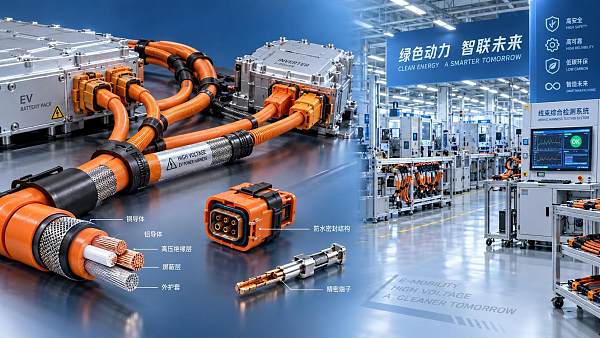
Automotive sourcing in Mexico is often more compelling for assemblies where labor content still matters, yet process discipline can keep quality stable. Wiring harnesses are an obvious example. They involve labor-intensive routing, taping, terminal insertion, and variant management, while also benefiting from geographic proximity to vehicle assembly in North America. The cost logic becomes stronger when harness complexity is high enough that labor arbitrage matters, but mature enough that build errors and engineering churn are under control. If connector changes or branch revisions are still frequent, the source must be able to manage revision discipline with very low risk of mixed stock.
Interior electronics and cockpit-related assemblies can also fit, but only under tighter conditions. Media head units, cockpit displays, or HUD-related subassemblies may contain imported semiconductors, display modules, optics, or high-value PCB content that dominate cost. In those cases, Mexico does not necessarily create a direct material advantage. The savings may come instead from final assembly localization, test localization, reduced transit time to vehicle plants, and avoidance of lengthy inbound inventory buffers. If the imported content remains the majority of value and must still travel through multiple customs stages, the landed-cost improvement can narrow quickly.
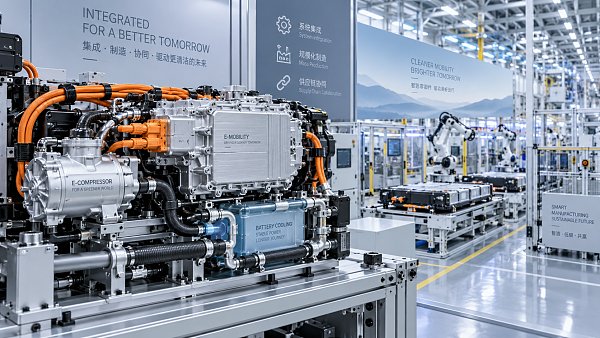
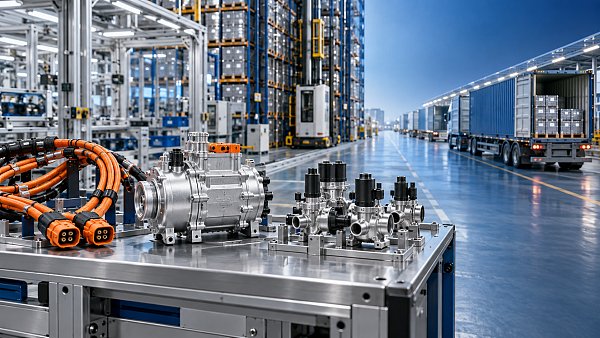
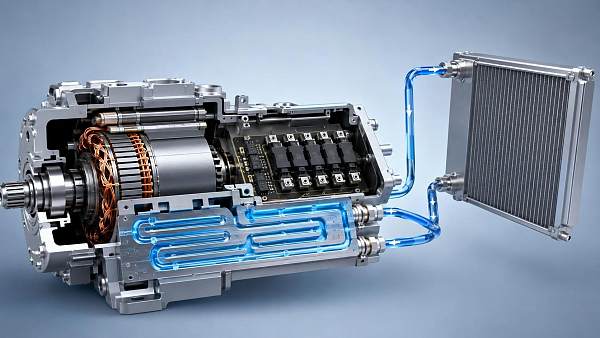
Thermal management components need a more selective view. Parts such as battery cooling subassemblies, refrigerant lines, or an integrated thermal valve may suit Mexico when the process chain is well established and leak testing, cleanliness control, brazing quality, and traceability are robust. These parts carry significant risk if process drift causes field failures, rework, or containment at the OEM plant. A lower regional freight bill is not enough to offset quality instability in systems that affect battery temperature control, cabin comfort, or heat pump operation.
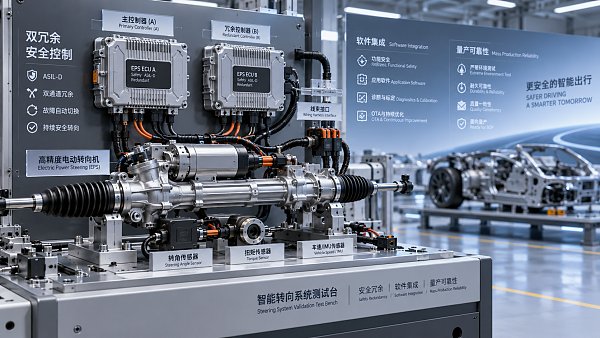
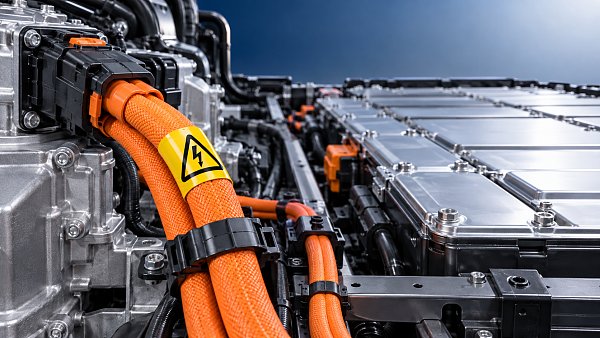
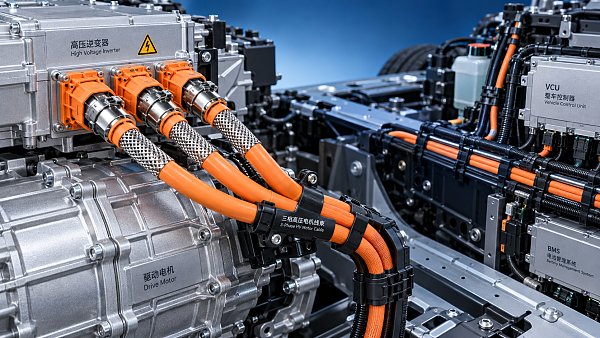
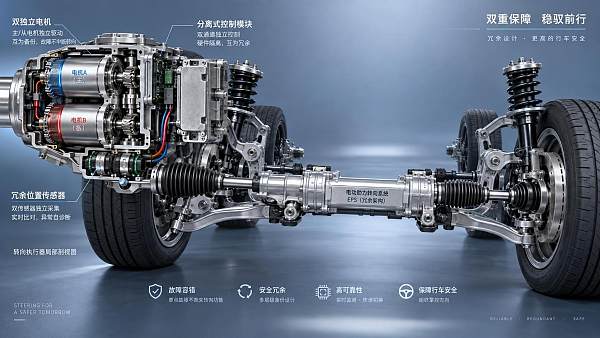
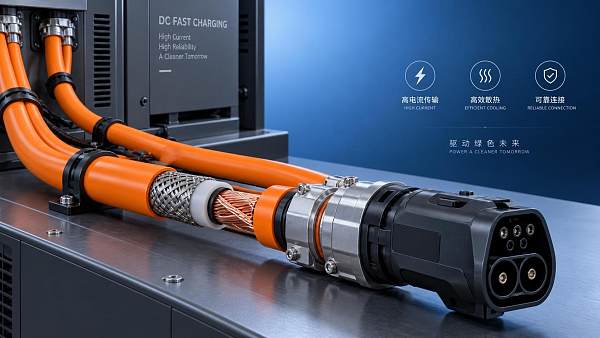
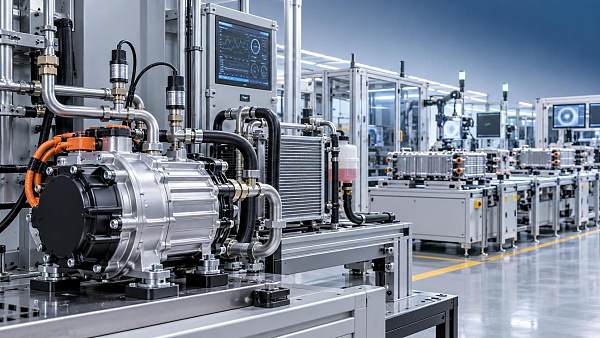
Compressors, steering systems, and high-voltage electrical products require even more discipline. The landed-cost case can work if the supplier base supports precision machining, motor integration, balancing, software calibration where applicable, and validated end-of-line testing. It weakens if key shafts, rotors, castings, electronic controls, or specialty seals still come from distant sources with long replenishment cycles. In such cases, the plant in Mexico may be geographically close to final assembly yet still operationally dependent on the same long global pipeline that created the original cost burden.
The hidden threshold: engineering maturity
A common misjudgment is treating Mexico as a universal answer for labor-heavy automotive components. The more accurate threshold is engineering maturity. Mature parts with frozen interfaces, repeatable tooling, validated process capability, and stable annual volume are more likely to show durable landed-cost gains. Newer parts with unresolved validation issues, frequent material substitutions, or unclear demand patterns can become expensive to localize because every change propagates through tooling, work instructions, PPAP documentation, packaging, and service stock planning.
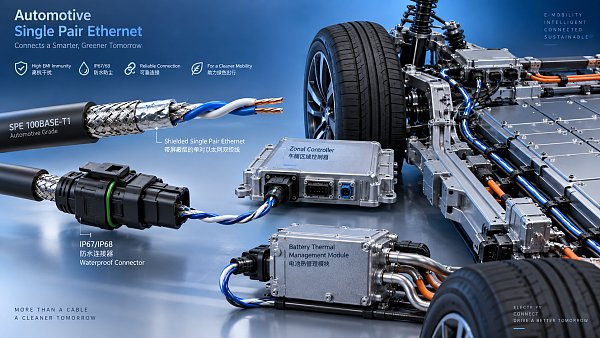
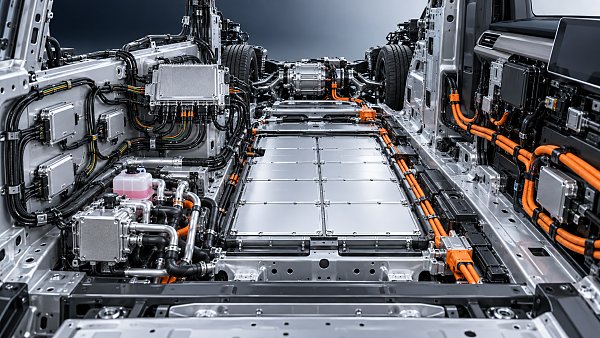
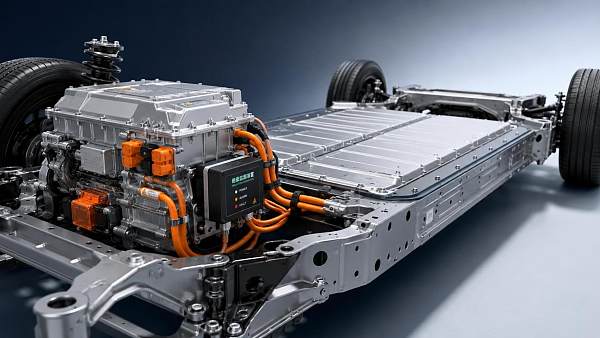
This is especially relevant in electrification-related systems. Battery cooling modules, electric compressors, high-voltage harnesses, and steer-by-wire subassemblies may have shorter design cycles and stricter functional requirements than legacy mechanical parts. If the source transition happens before the engineering baseline settles, the launch may accumulate expedite cost, duplicate validation effort, and temporary quality walls. Those costs are often booked in different departments, which makes the sourcing decision look better on paper than it performs in practice.
Why direct labor is rarely enough
Direct labor matters most when it sits inside a process that can absorb local training variation without a sharp increase in defect cost. Harness assembly, subassembly kitting, mechanical fastening, and some final assembly operations fit this pattern better than ultra-precision manufacturing steps. But labor savings alone rarely sustain a sourcing move if the process requires unusually tight tolerance control, low particulate exposure, advanced automation maintenance, or specialized materials handling that the selected facility has not yet proven at volume.
Consider the difference between a bracketed electromechanical assembly and a precision valve body. The first may tolerate a straightforward local assembly ramp with well-designed poka-yoke and end-of-line verification. The second may depend on machining capability, surface finish consistency, seal compatibility, and contamination control. If scrap rises or process capability drifts, the apparent labor advantage disappears into sorting, premium freight, customer complaints, and replacement stock.
Logistics gains are strongest when inventory pain is real
Mexico usually creates the most visible landed-cost improvement when the current sourcing model forces excess pipeline inventory. Long transit windows increase not only carrying cost but also exposure to forecast error. If vehicle mix changes while material is still on the water, the receiving side may end up with the wrong variants, obsolete packaging, or parts tied to superseded engineering levels. Shorter regional replenishment can reduce that mismatch.
This effect is particularly strong in parts with many part numbers, left-hand and right-hand variants, trim-dependent configurations, or VIN-linked sequencing. A source closer to final assembly can respond in smaller and more frequent lots, which may reduce stock balancing effort across warehouses. The result is not simply lower inventory. It can also mean fewer write-offs from engineering change timing, fewer manual substitutions on the line, and less dependence on emergency air freight.
By contrast, if the part has very stable demand, high cube efficiency, low obsolescence risk, and minimal engineering churn, then the logistics advantage of Mexico may be modest. Ocean transit may already be predictable enough that the cost stack is acceptable. In that setting, a relocation should be justified by a broader total-cost case, not by proximity alone.
Supplier capability is the deciding filter
No landed-cost model survives weak execution. The source must be evaluated on process capability, launch discipline, maintenance rigor, traceability, and sub-tier control. This is where sourcing decisions often become distorted by attractive quotations. A plant can offer competitive conversion cost while relying on fragile tooling maintenance, inconsistent operator certification, or incomplete reaction plans for nonconforming material. The hidden cost then appears later as line disruptions and containment campaigns.
Sub-tier mapping is especially important in Mexico because the final assembly location may be local while critical inputs remain global. Resin grades, semiconductors, magnets, copper conductors, aluminum extrusions, pressure sensors, display panels, and specialty bearings can determine both cost and continuity. If these inputs still travel through long lead-time channels, the local source may not materially reduce exposure to shortages. In some cases it simply adds one more node to manage.
A useful test is to separate value-add performed in Mexico from value merely passed through Mexico. If the plant contributes meaningful assembly, testing, localization, and supply responsiveness, the landed-cost potential is real. If the operation mostly imports high-value content, performs limited transformation, and remains vulnerable to the same long inbound cycles, the advantage can be thinner than expected.
Cross-border friction can erase the savings
Automotive sourcing in Mexico works best when customs documentation, packaging compliance, labeling, and origin records are routine rather than improvised. Border delays do not need to be constant to damage the business case. Even occasional holds can force larger safety stock or trigger premium freight to protect assembly schedules. The cost model therefore has to include the administrative maturity of the supplier and the reliability of the logistics lane, not just the distance map.
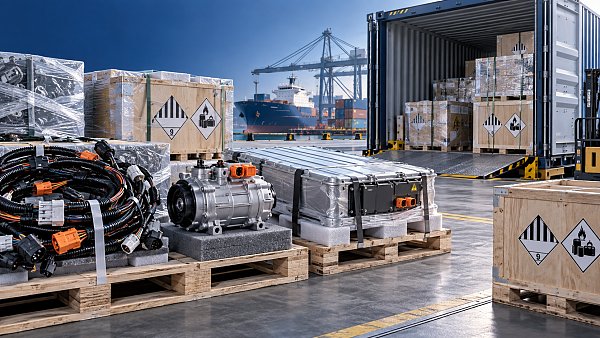
Packaging deserves more attention than it usually gets. Returnable packaging can support lower unit logistics cost and better part protection, but only if the loop is stable. If returnables are frequently lost, delayed, or mismatched to variant demand, the system creates shortages and repacking expense. Expendable packaging may look simpler, yet it can reduce trailer density or increase damage rates. For delicate cockpit electronics, optics, and precision thermal components, packaging design has a direct effect on landed cost through scrap and handling efficiency.
When the switch is likely to disappoint
The weakest scenario is a component with low labor content, high imported material value, and unstable engineering. Another poor fit is a part requiring specialized machinery or process know-how that the selected source has not demonstrated in automotive volume conditions. The same applies when demand is too small to absorb the cost of tooling transfer, local validation, duplicate inventory during cutover, and launch support.
There is also a trap in assuming every North America-facing component should move closer to assembly. Sometimes the incumbent source already has superior yield, better material leverage, or tightly integrated sub-tier relationships that keep total cost low despite longer transport. Replacing that structure with a geographically closer but operationally weaker setup can raise total landed cost even when the unit price appears competitive.
A more practical comparison method
The cleanest way to judge Mexico is to compare sourcing scenarios by cost behavior under normal execution and stressed execution. Normal execution includes quoted conversion cost, material assumptions, standard freight, packaging, duty treatment, and inventory carrying logic. Stressed execution should test engineering changes, border delays, quality spillovers, and sub-tier shortages. If the Mexico scenario remains favorable when a few predictable disruptions are introduced, the case is likely robust. If the advantage disappears immediately, the sourcing move may be too fragile.
That approach is particularly useful in categories tied to electrification and cockpit integration, where component value is spread across software, electronics, thermal interfaces, precision seals, and high-voltage safety requirements. In those products, the landed-cost winner is often the source that handles change with the least operational drag, not the source with the lowest conversion quote.
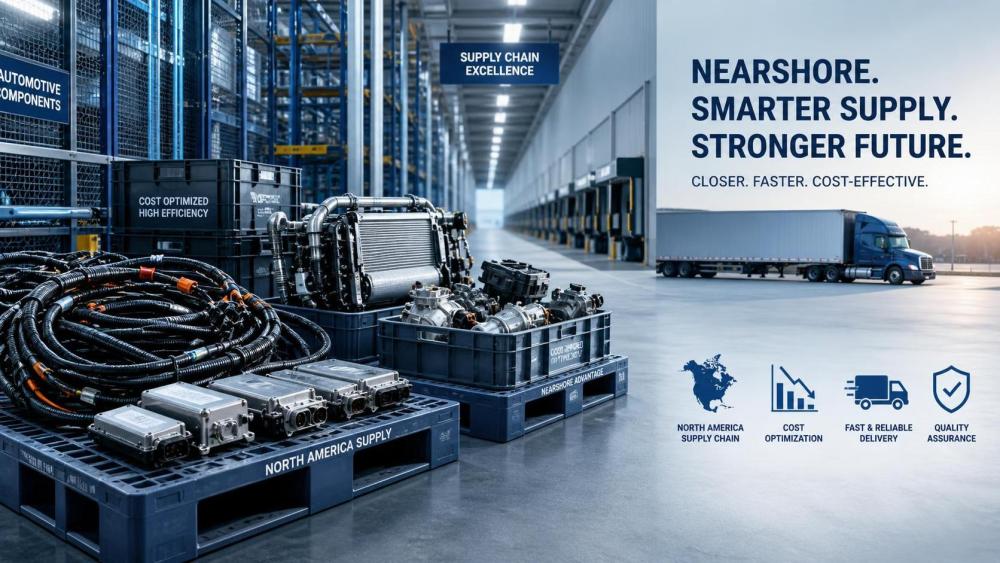
Mexico tends to lower total landed cost when proximity removes inventory and expedite burden, regional trade treatment is achievable, and supplier capability is strong enough to protect quality through launch and volume production. Without those conditions, the savings can remain theoretical even when the spreadsheet initially looks convincing.