What is driving the EV wiring harness price trend in 2026?




What Is Driving the EV Wiring Harness Price Trend in 2026?
The EV wiring harness price trend in 2026 is being shaped by rising high-voltage content, copper and aluminum costs, new vehicle electrical architectures, supplier capacity, and regional sourcing strategies. For procurement teams, understanding these cost drivers is essential to balancing reliability, compliance, and total program cost. This article examines the market forces influencing EV harness pricing and the sourcing signals buyers should monitor.
The main difficulty is that an EV harness is no longer a single, easily comparable bill of materials. A vehicle may contain high-voltage battery, inverter, e-axle, charging, and thermal-system connections alongside conventional low-voltage body, cockpit, ADAS, and communications harnesses. Their materials, assembly processes, test requirements, and exposure to supply risk are very different. A lower quoted harness price can therefore conceal a weaker connector specification, a less mature sealing design, insufficient validation scope, or an unrealistic production assumption.
In 2026, buyers are likely to see a mixed market rather than a uniform price rise or fall. Commodity pressure may ease in one period while engineering changes, localization requirements, or utilization constraints lift the final delivered cost. The useful question is not simply whether harnesses are becoming more expensive. It is which portion of the harness system is moving, why it is moving, and whether that movement is temporary, structural, or specific to a vehicle platform.
High-voltage content is changing the cost base
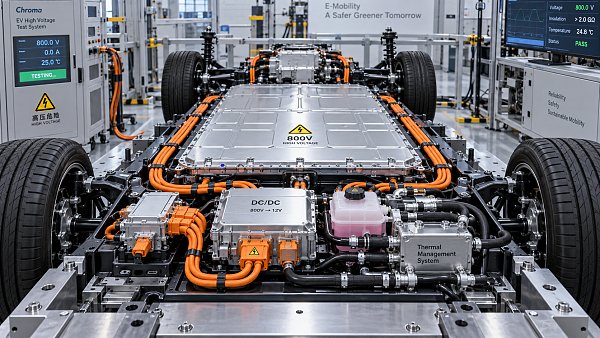
The expansion of high-voltage electrical systems remains the most direct structural influence on EV wiring harness pricing. Compared with conventional low-voltage circuits, high-voltage harnesses generally require larger conductors, purpose-designed terminals and connectors, insulation systems suited to higher electrical and thermal loads, shielding where electromagnetic compatibility demands it, and more stringent assembly and end-of-line testing.
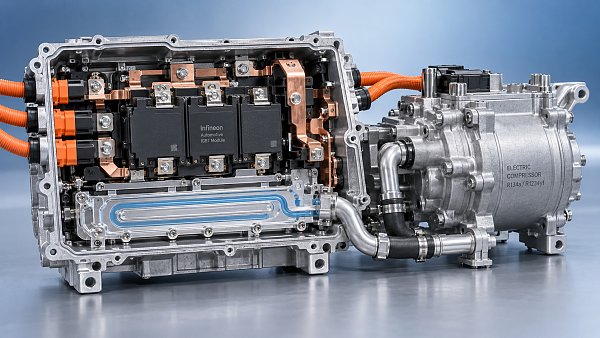
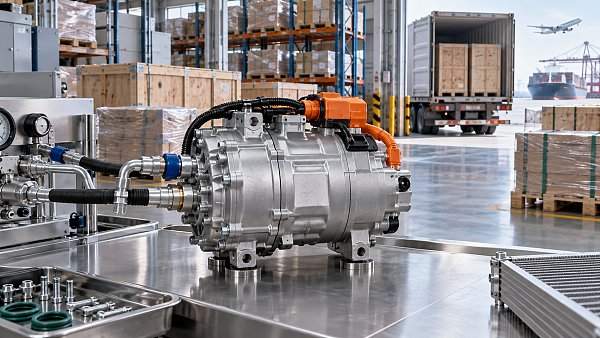
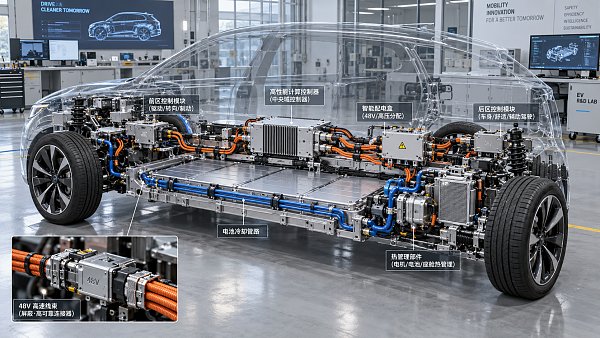
A harness connecting the battery pack, power electronics, electric drive unit, onboard charger, DC/DC converter, electric compressor, and heat-pump components does more than transmit power. It must maintain insulation integrity, mechanical retention, sealing performance, routing clearance, and service safety through vibration, temperature cycling, moisture, and vehicle life. Those requirements affect material selection and manufacturing yield. Small changes to cable length, bend radius, connector orientation, shield termination, or mounting points can have a disproportionate effect on cost once production has begun.
Higher system voltage does not automatically mean a more expensive harness in every application. In some designs, increased voltage can allow lower current for a given power level, potentially changing conductor sizing. Yet the complete cost outcome depends on the architecture, power demand, cable routes, connector family, thermal environment, and the validation approach. Procurement teams should avoid treating voltage alone as a cost proxy.
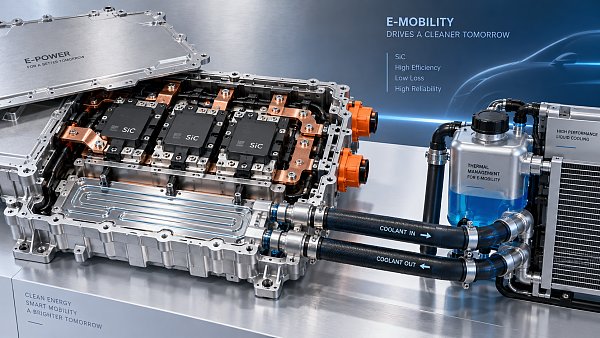
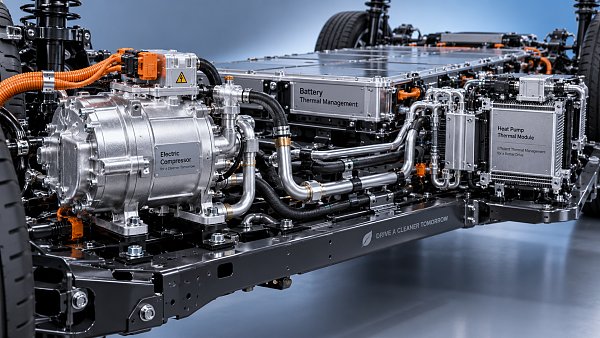
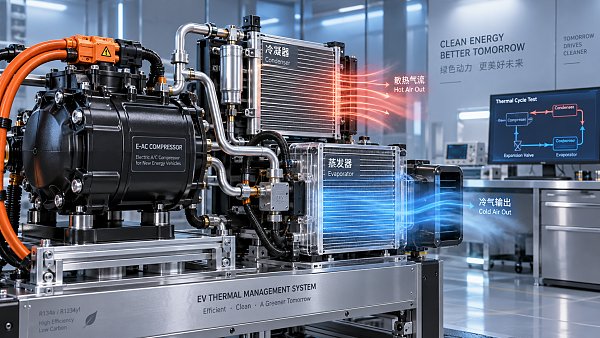
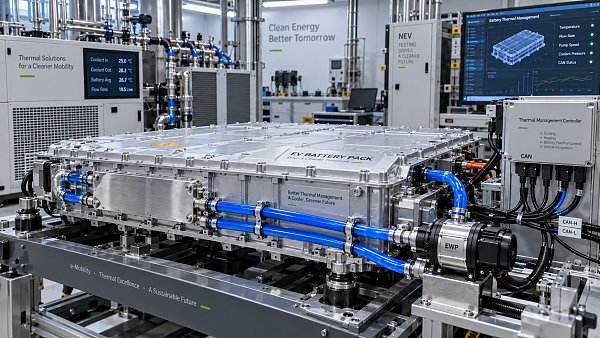
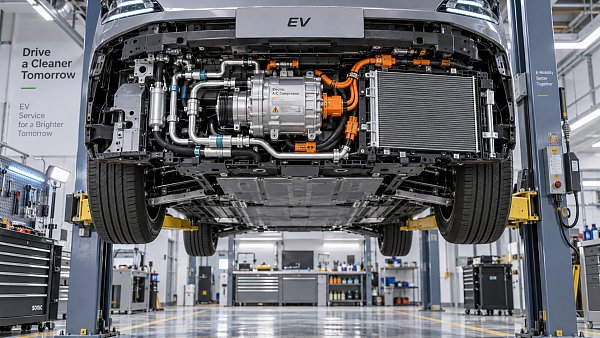
The growing integration of thermal systems also matters. Battery liquid cooling, heat pumps, electric compressors, valves, pumps, and control modules add electrically connected equipment across the vehicle. Their placement can create longer runs or more complex routing through crowded zones. Harness decisions increasingly need to be reviewed alongside thermal packaging rather than after the mechanical layout has been frozen.
Copper, aluminum, and the limits of material substitution
Copper remains a major cost exposure in both high-voltage and low-voltage wiring. Price volatility affects not only raw conductor cost but also the value of inventory, scrap recovery, supplier hedging practices, and the timing of quotation validity. A fixed-price annual agreement may appear stable until the supplier’s metal adjustment mechanism, baseline, currency assumption, and pass-through timing are examined.
For buyers, the important distinction is between a commodity-driven movement and a conversion-cost movement. Copper escalation can be transparent if the contract clearly defines the reference index, conversion basis, scrap treatment, and trigger period. Less visible are changes in insulation compounds, shielding braids, terminals, seals, corrugated tubes, clips, and protective tapes. These items can become material constraints even when copper itself is stable.
Aluminum conductor options continue to attract attention because weight and material cost are under pressure. They are not a universal replacement for copper. Aluminum’s connection behavior, corrosion management, cross-sectional requirements, flexibility, crimping process, and joining strategy must suit the application. The benefit can be credible in selected high-voltage routes, particularly where cable length and mass are substantial, but it should be assessed as a system decision rather than a line-item substitution. A cable saving can disappear if additional terminals, protection, process controls, or validation work are required.
Vehicle architecture is splitting the harness market
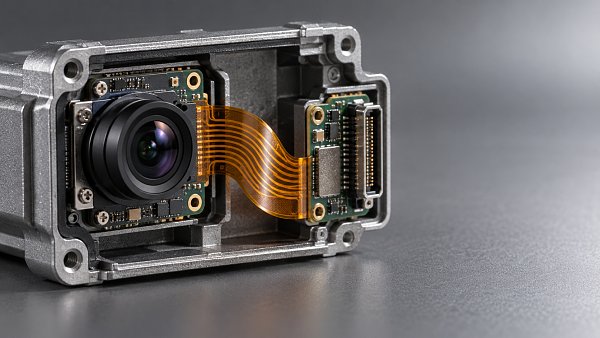
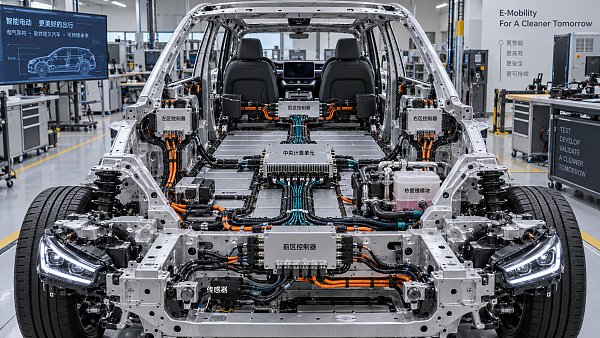
The EV wiring harness price trend is also being influenced by a gradual split between power distribution and data distribution. Centralized computing, domain controllers, zonal architectures, cameras, radar, displays, head units, HUD systems, and connected services can reduce some legacy branch circuits while increasing demand for data and communication cables, shielded connections, FPC assemblies, and higher-quality signal routing.
This does not mean the total harness simply becomes smaller. Zonal designs can reduce vehicle-wide wire length, but they may introduce smart junctions, local controllers, new connectors, more demanding data links, and different assembly sequences. Cost savings depend heavily on whether the electrical architecture, body structure, and manufacturing plan were developed together. Retrofitting zonal concepts onto an established vehicle package can create expensive transition harnesses and late engineering revisions.
For sourcing purposes, a low-voltage body harness, a battery pack harness, a high-voltage interconnect, and a cockpit data harness should not be benchmarked as though they share the same economics. Labor content, automation feasibility, connector complexity, quality controls, and failure consequences vary widely. A more accurate RFQ separates these modules and identifies interface ownership early.
Capacity is available, but capability remains uneven
Harness assembly is labor-intensive even where cutting, stripping, crimping, testing, and traceability are highly automated. Complex vehicle harnesses still depend on manual routing, fixture work, visual checks, connector insertion, clip installation, and rework control. Wage inflation, labor availability, and training quality therefore continue to influence regional cost competitiveness.
At the same time, production capacity should not be confused with high-voltage capability. A supplier may have sufficient floor space and assembly labor but limited experience in high-voltage crimping, shield processing, leak-resistant connector handling, electrical safety controls, or the documentation needed for an OEM approval process. The bottleneck can be a particular terminal machine, test station, connector allocation, or qualified engineering team rather than the entire plant.
This distinction is particularly relevant when programs move from prototype volumes to series production. Prototype quotations may be dominated by manual work and low-volume procurement. Series pricing assumes stable tooling, repeatable process windows, forecast visibility, approved sub-suppliers, and manageable change control. If any of those assumptions weaken, the expected cost curve may not materialize.
Regional sourcing is becoming a delivered-cost decision
The lowest ex-works quotation is less decisive than it was a few years ago. Buyers in North America, Europe, China, Japan, South Korea, India, Mexico, and Southeast Asia are weighing transport distance, customs exposure, local-content expectations, currency risk, port reliability, service responsiveness, and disruption resilience alongside direct labor and material cost.
Nearshoring can reduce logistics uncertainty and simplify engineering support, but it can also increase labor cost or narrow the local supply base for specialized connectors and cable materials. Sourcing from an established harness manufacturing region may offer stronger component ecosystems and competitive conversion cost, but longer replenishment cycles require disciplined inventory planning. There is no universal regional advantage; the answer changes with annual volume, vehicle launch timing, service-part obligations, and how much localization is required by the program.
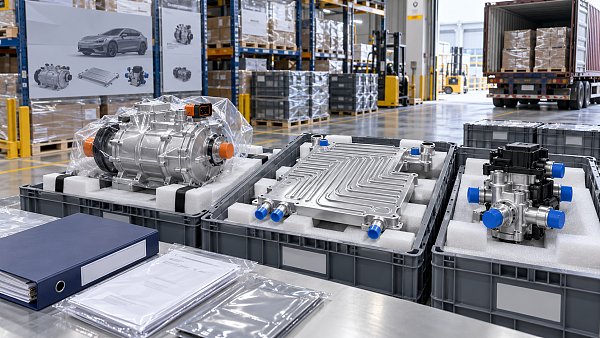
A practical comparison should include landed cost, buffer stock, packaging, lead-time exposure, tooling ownership, engineering-change response, and the cost of a production interruption. It should also distinguish between locally assembled harnesses and locally sourced content. A local plant may still depend on imported terminals, connectors, specialty cable, or protective materials.
Why engineering changes often cost more than commodity movement
Late changes are a persistent reason actual harness spend exceeds the original sourcing estimate. A revised battery location, inverter orientation, body reinforcement, thermal pipe route, charging-port design, or dashboard layout can alter harness length, fixing points, branch breakouts, and connector access. Each change may require drawings, prototypes, tooling modifications, work-instruction updates, validation review, and old-stock disposition.
Design for manufacturability is often undervalued during early cost discussions. Tight routing channels, inaccessible clips, excessive branch variation, and ambiguous connector keying may seem minor in CAD but increase takt time and quality risk on an assembly board. Standardizing connector families and reducing unnecessary variants can help, provided that the standardization does not compromise serviceability or environmental performance.
Buyers should ask suppliers to identify cost assumptions that are sensitive to design maturity. Those usually include cable lengths, expected annual volume, build sequence, automation rate, customer-supplied versus supplier-sourced components, test requirements, and packaging. This is more useful than pushing for a single fixed price before the design is sufficiently stable.
What procurement teams should monitor in 2026
A disciplined sourcing review should separate the harness into understandable cost and risk layers. Material cost matters, but a procurement decision based only on conductor weight and assembly labor can miss the factors most likely to disrupt launch timing or field reliability.
- Confirm the metal adjustment formula, including the reference mechanism, baseline period, currency treatment, and scrap assumptions.
- Review the bill of materials for single-source connectors, shielding materials, seals, and high-voltage terminals rather than focusing only on cable suppliers.
- Separate prototype, pre-series, and series-production pricing so that temporary manual work is not mistaken for a permanent conversion cost.
- Check how the supplier plans to manage traceability, electrical testing, crimp quality, and containment if a quality issue emerges.
- Assess engineering-change lead time and liability for obsolete inventory, especially where vehicle packaging remains fluid.
- Compare total delivered cost across regions, including logistics buffers and the operational effect of long lead times.
Standards and customer specifications also need careful interpretation. Electrical, environmental, flammability, electromagnetic compatibility, and functional requirements may originate from different vehicle-level documents and market expectations. The applicable requirements should be confirmed for the exact vehicle, component location, and destination market rather than inferred from a generic harness description.
The likely direction of the market
In broad terms, mature, well-designed low-voltage harness assemblies may face continuing cost pressure from competition, modularization, and manufacturing efficiency. High-voltage harnesses and high-speed data connections are less likely to behave like simple commodity products because their cost is tied more closely to system architecture, qualification effort, specialized components, and vehicle integration.
That makes 2026 a year for more granular sourcing rather than broad assumptions about “EV harness cost.” Buyers who map the connection between battery systems, thermal management, electric compressors, cockpit electronics, and vehicle network architecture can identify where design choices are creating avoidable cost and where spending is justified by safety or durability.
GACT’s coverage of high-voltage harnesses, data cables, thermal systems, smart cockpit electronics, and global component supply chains is useful in this context because the price of a harness increasingly reflects decisions made outside the harness department. Before finalizing a sourcing strategy, procurement teams should align the harness quote with the latest electrical architecture, thermal packaging, volume forecast, regional delivery model, and validation responsibilities. That is where a price trend becomes a manageable program decision rather than an unexpected cost increase.
Related News
- 00
0000-00
How to diagnose CAN bus faults in a hybrid vehicle control unit - 00
0000-00
How does battery cooling pipe diameter affect coolant pressure drop? - 00
0000-00
How to assess PPAP readiness of automotive sensor system manufacturers - 00
0000-00
What to ask an FPC connector manufacturer about reliability testing - 00
0000-00
How to verify vehicle fitment for an aftermarket AC evaporator
Weekly Insights
Stay ahead with our curated technology reports delivered every Monday.
Recommended News
 How to diagnose CAN bus faults in a hybrid vehicle control unitDiagnose Hybrid Vehicle Systems control unit CAN bus faults with step-by-step power, wiring, and waveform checks. Find the root cause and avoid unnecessary replacement.Author:Time:Oct 24, 2026
 How does battery cooling pipe diameter affect coolant pressure drop?Battery Cooling Pipe diameter affects coolant pressure drop and pump power. Explore sizing calculations and practical tips to optimize EV battery cooling and compare options with confidence.Author:Time:Oct 23, 2026
 How to assess PPAP readiness of automotive sensor system manufacturersAssess Automotive Sensor Systems manufacturers for PPAP readiness. Learn to verify production evidence, measurement capability, validation, and traceability to reduce sourcing risks.Author:Time:Oct 22, 2026
 What to ask an FPC connector manufacturer about reliability testingChoosing an FPC Connector manufacturer? Learn what to ask about reliability testing, failure limits, and traceable results to reduce design risks and select with confidence.Author:Time:Oct 21, 2026
 How to verify vehicle fitment for an aftermarket AC evaporatorNavigating the evaporator aftermarket? Verify vehicle fitment with VIN data, OE numbers, and physical interface checks. Use this guide to avoid costly mismatches and order confidently.Author:Time:Oct 20, 2026
 How electric compressor speed affects EV battery cooling capacityElectric compressor technology: battery cooling depends on more than RPM. Discover how speed, refrigerant flow, and system limits affect EV cooling capacity and energy efficiency.Author:Time:Oct 19, 2026
 How to verify a variable frequency compressor supplier’s efficiency claimsVerify a variable frequency compressor supplier’s efficiency claims using COP boundaries, matched test conditions, and duty-cycle data. Learn how to choose with confidence.Author:Time:Oct 18, 2026
 How bend radius affects FPC reliability in automotive camera modulesAutomotive FPC applications: camera module reliability starts with bend radius. Learn how stack-up, strain, and validation guide robust designs and help prevent costly failures.Author:Time:Oct 17, 2026
 How to diagnose intermittent loss of electric power steering assistMaster power steering system diagnostics to trace intermittent EPS assist loss. Learn proven checks for voltage, wiring, and fault codes to avoid costly guesswork.Author:Time:Oct 16, 2026
 How to size automotive power modules for electric compressorsSize automotive power modules for electric compressors with confidence. Learn how voltage, phase current, losses, and cooling shape reliable selection—and avoid costly oversizing.Author:Time:Oct 15, 2026
 Why automotive power electronics are shifting to silicon carbideAutomotive Power Electronics are shifting to silicon carbide. Discover how SiC can cut losses, boost EV power density, and reshape cooling, reliability, and system costs.Author:Time:Oct 14, 2026
 How EV adoption shapes the electrically driven compressor marketExplore how EV adoption shapes the electrically driven compressor market, from battery cooling and heat pumps to supplier margins. Discover the drivers of profitable growth.Author:Time:Oct 13, 2026
 How to size a PTC heater for reliable EV cabin heatingPTC Heater sizing for EV cabins: learn how to balance defrost performance, heat-pump integration, airflow, voltage range, and battery power for reliable winter comfort.Author:Time:Oct 12, 2026
 What determines the cooling output of electric automotive AC compressors?Automotive air conditioning compressors electric systems: explore how speed, voltage, refrigerant, controls, and heat exchangers shape EV cooling capacity and efficiency.Author:Time:Oct 11, 2026
 What makes a touchscreen media head unit responsive enough for daily use?Touchscreen media head unit performance explained: discover what delivers fast starts, smooth maps, reliable phone pairing, and responsive daily driving.Author:Time:Oct 10, 2026
 How Does a Battery Management System Communicate Cooling Demand?How does a battery management system communicate cooling demand? Explore CAN signals, thermal priorities, fault handling, and EV cooling control strategies.Author:Time:Oct 20, 2026
 Can a Domain Controller Share a Cooling Loop with Other Electronics?Can a domain controller share a cooling loop with other electronics? Explore thermal zoning, flow control, safety priorities, and reliable vehicle electronics cooling strategies.Author:Time:Oct 19, 2026
 What Causes Domain Controller Overheating During Summer Testing?What causes domain controller overheating in summer testing? Explore heat load, airflow, installation, software factors, and practical fixes.Author:Time:Oct 18, 2026
 Is a Head-Up Display Hard to Integrate with Different Windshields?Is a head-up display difficult to integrate with different windshields? Discover how glass geometry, coatings, and calibration affect HUD clarity, cost, and production readiness.Author:Time:Oct 17, 2026
 What Should Be Checked Before Selecting an Automotive Head Unit?What should be checked before selecting an automotive head unit? Explore compatibility, performance, cybersecurity, compliance, and supplier support.Author:Time:Oct 16, 2026
 Is Steer-by-Wire More Expensive Than an EPS Steering System?Is steer-by-wire more expensive than an EPS steering system? Explore the true costs, safety demands, software value, and when SbW justifies its premium.Author:Time:Oct 15, 2026
 Which Automotive Electronics Need Validation for 800V Platforms?What automotive electronics should be validated for 800V platforms? Explore critical checks for harnesses, power electronics, thermal systems, safety, and EMC.Author:Time:Oct 14, 2026
 How Do Automotive Compressor Export Requirements Vary by Market?How do automotive compressor export requirements vary by market? Explore key compliance rules for refrigerants, EV safety, OEM approvals, labeling, and customs.Author:Time:Oct 13, 2026
 What Documents Are Needed to Export Automotive Thermal Components?What documents are needed to export automotive thermal components? Explore customs, compliance, technical records, and shipping tips to prevent costly delays.Author:Time:Oct 12, 2026
 How Often Should an EV Air Conditioning Compressor Be Inspected?How often should an EV air conditioning compressor be inspected? Discover recommended service intervals, warning signs, and expert care tips to protect cooling performance and EV reliability.Author:Time:Oct 11, 2026
 How resolution and refresh rate affect vehicle dashboard displaysCompare resolutions and refresh rates of vehicle dashboard displays to optimize readability, motion, latency, and cockpit performance. Explore the right specs for every vehicle display.Author:Time:Oct 20, 2026
 How to size power solutions for automotive head-up display systemsHeads-up display systems power solutions: learn how to size automotive HUD power architectures for startup, brightness, thermal limits, EMC, protection, and reliable vehicle operation.Author:Time:Oct 19, 2026
 How does a head-up display work in a high-performance car?Hoe werkt een head-up display in een high-performance auto en welke informatie toont het? Discover the tech, safety alerts, and performance data that sharpen every drive.Author:Time:Oct 18, 2026
 Which trends will shape zonal EV architectures in the next decade?Future trends in zonal EV architectures: explore smarter power distribution, 48V systems, thermal integration, software, and resilient networks shaping next-gen vehicles.Author:Time:Oct 17, 2026
 When does a zonal EV architecture outperform a centralized design?Explore the trade-offs between zonal and centralized EV architectures to identify the best path for harness efficiency, software scalability, safety, and faster EV launches.Author:Time:Oct 16, 2026