Automotive ECU Diagnostics: How to Spot Intermittent Faults




Automotive ECU Diagnostics: How to Spot Intermittent Faults
Intermittent vehicle faults can be the hardest problems to trace, especially when warning signs appear and disappear without a clear pattern.
In Automotive ECU diagnostics, unstable signals often hide behind normal test results, short drive cycles, or incomplete fault memories.
That is why accurate troubleshooting depends on timing, context, and careful data capture, not only on reading one fault code.
This guide explains practical ways to identify hidden ECU-related issues faster and improve troubleshooting accuracy in daily service work.
Why Intermittent ECU Faults Are So Difficult to Confirm
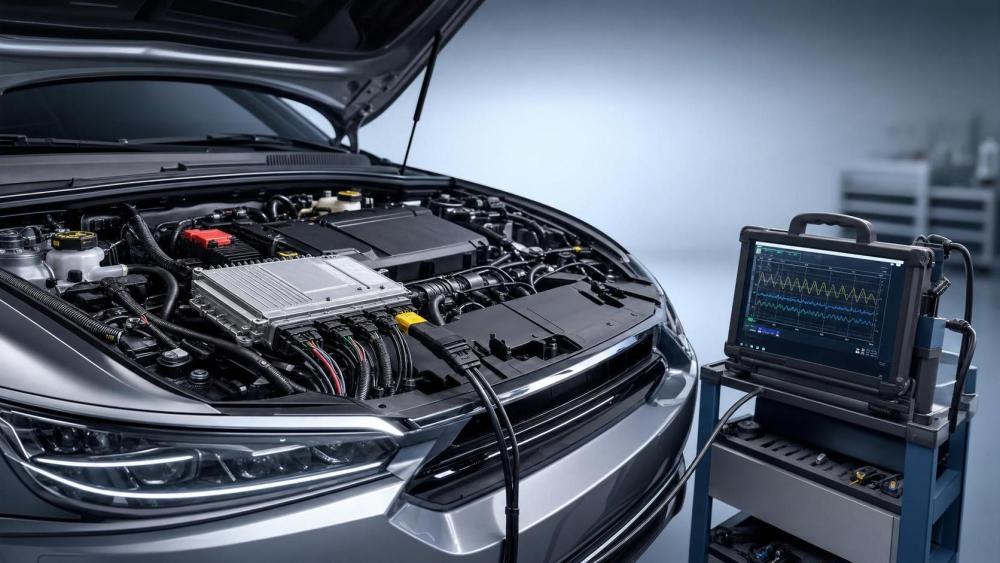
Most permanent faults leave a stable trace. Intermittent faults do not. They appear under very specific temperatures, loads, vibrations, or voltage conditions.
In Automotive ECU diagnostics, this means a clean scan does not always mean the system is healthy.
A connector may open for half a second. A sensor may drift only when hot. A ground path may fail only during engine movement.
More importantly, many ECUs log a symptom without proving the root cause. A communication code can start at the module, harness, battery, or network load.
This is why effective Automotive ECU diagnostics always connects the code with freeze-frame data, operating conditions, and component behavior.
Start With the Complaint, Not the Code
A better starting point is the actual symptom. Ask when it happens, how long it lasts, and what changes before the fault appears.
Good Automotive ECU diagnostics begins with a pattern map. That map reduces guesswork and prevents unnecessary parts replacement.
Key questions to document
- Does the fault appear during cold start, hot restart, or steady cruising?
- Does it happen with headlights, HVAC, steering load, or charging load active?
- Is the issue linked to wet weather, rough roads, or long idle periods?
- Did recent repairs, battery replacement, or software updates happen before the symptom started?
These details matter because intermittent ECU faults usually respond to a trigger. The trigger is often easier to repeat than the fault itself.
Read More Than Stored DTCs
One common mistake in Automotive ECU diagnostics is stopping at stored or pending DTCs.
Instead, check related data sets that explain what the ECU saw when the event occurred.
Data worth reviewing
- Freeze-frame values, including voltage, temperature, RPM, and vehicle speed
- Failure counters and fault frequency records
- Time stamps or ignition cycle counts
- Module communication status and network wake-up behavior
- Adaptation values and sensor offset corrections
In practical Automotive ECU diagnostics, a pending code with repeated failure counts can be more valuable than one historic code with no repeat activity.
If available, compare fault snapshots from several visits. Repetition under similar conditions often reveals the real failure path.
Capture Live Data Under Real Conditions
Intermittent issues rarely show up in the workshop at idle. They often need a loaded system, a road test, or a heat-soak period.
That makes live data logging one of the most useful methods in Automotive ECU diagnostics.
What to log during a road test
- Battery voltage and charging stability
- Relevant sensor signals, especially those linked to the complaint
- CAN or LIN communication errors
- Commanded values versus actual values
- Switch states, relay activity, and actuator feedback
Try to reproduce the exact conditions reported earlier. Small differences in temperature or load can completely hide the fault.
When reviewing the log, look for short spikes, dropouts, implausible values, or delayed responses. Those are classic clues in Automotive ECU diagnostics.
Check Power, Ground, and Network Integrity First
Many suspected ECU failures are not ECU failures at all. They start with poor voltage supply, weak grounds, or unstable network connections.
This is a core rule in Automotive ECU diagnostics because modern vehicles depend on stable electrical architecture.
Common root causes behind intermittent faults
- Battery voltage dips during start or accessory load changes
- Loose grounds near the engine, body, or control module
- Corrosion inside connectors or fuse boxes
- Pin fit problems in wiring harness terminals
- Chafed data lines or moisture in junction points
Voltage drop testing is often more useful than simple resistance checks. A circuit can pass a static test and still fail under load.
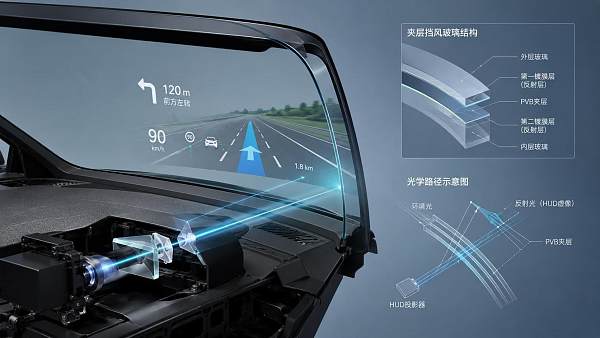
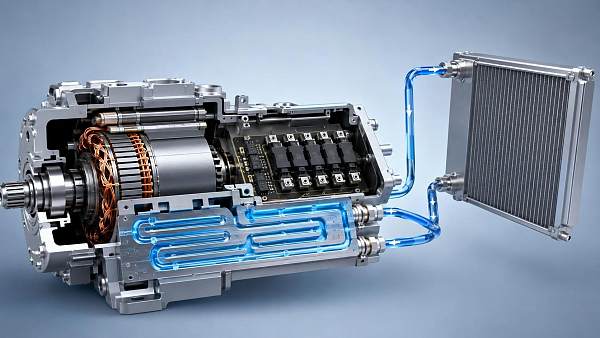
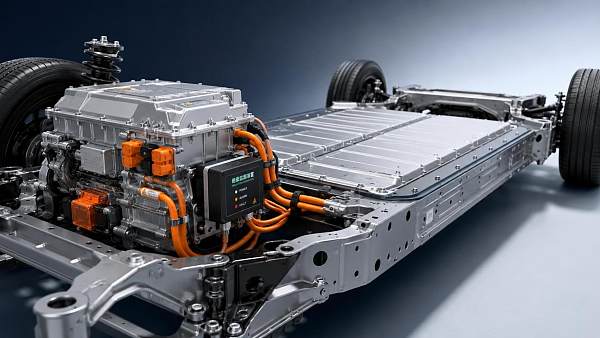
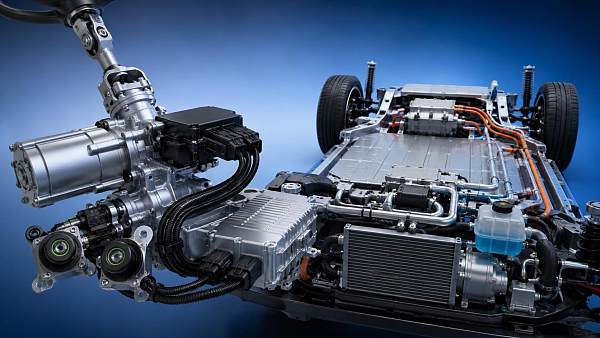
In vehicles with advanced cockpit electronics, thermal systems, EPS, or high-voltage support units, network quality becomes even more critical.
Use Heat, Vibration, and Load to Expose Hidden Problems
If normal tests show nothing, controlled stress can help. This step should be careful, targeted, and based on the symptom pattern.
Experienced technicians use this approach in Automotive ECU diagnostics to force weak components into failure conditions.
Useful stress methods
- Heat a suspect module or sensor gently, then monitor signal quality
- Cool a component after heat-soak to compare behavior
- Perform harness wiggle tests while watching live data
- Switch on heavy electrical loads to reveal weak power supply margins
The goal is not random stress. The goal is controlled confirmation. If the symptom repeats during one stress event, document it immediately.
That kind of evidence strengthens repair decisions and reduces the chance of replacing healthy components.
Know When Software, Calibration, or Standards Matter
Not every intermittent issue is hardware-related. Some faults come from calibration drift, outdated software, or incorrect learned values.
Modern Automotive ECU diagnostics should always include a check of software version, technical service information, and known issue bulletins.
This is especially relevant in vehicles using heat pump systems, electric compressors, smart cockpit modules, or steer-by-wire support electronics.
These systems combine sensors, actuators, communication networks, and thermal control logic. A small calibration error can look like a hardware fault.
Before replacing a module, confirm
- Software level matches the latest approved release
- Initialization or relearn procedures were completed correctly
- Relevant standards or service procedures were followed
- No supplier bulletin already explains the symptom pattern
This step saves time, protects parts budgets, and improves the quality of Automotive ECU diagnostics in complex electronic platforms.
A Practical Fault-Isolation Workflow
When time is limited, a clear workflow keeps the process efficient. It also improves repeatability across similar cases.
- Confirm the complaint and record the exact trigger conditions.
- Scan all modules, not only the one showing the warning.
- Review freeze-frame data, pending codes, and failure counters.
- Check power supply, grounds, connector condition, and network health.
- Log live data during the operating conditions that matter.
- Apply controlled heat, vibration, or load if reproduction is difficult.
- Verify software status, calibration, and service bulletins.
- Repair the confirmed cause, then repeat the original test conditions.
This workflow makes Automotive ECU diagnostics more disciplined and helps separate symptom codes from true root causes.
Final Takeaway
Intermittent faults are frustrating because they break consistency. Still, they usually leave clues in data, conditions, and circuit behavior.
The most effective Automotive ECU diagnostics combines fault codes, live logging, power quality checks, network analysis, and careful reproduction.
In real service situations, the best results come from patience and structure, not from replacing parts too early.
Start with the symptom, test under real conditions, and verify every suspected cause before making the final repair call.
That approach improves troubleshooting accuracy, reduces repeat visits, and makes Automotive ECU diagnostics far more reliable in modern vehicles.
Related News
- 00
0000-00
What should you verify before choosing a heat pump supplier? - 00
0000-00
Which Automotive CAN Bus standard fits a new vehicle network? - 00
0000-00
How thermodynamic parameter modeling improves battery cooling design - 00
0000-00
Where automotive thermal management applications matter most in EV design - 00
0000-00
How actuator redundancy affects steer-by-wire system safety
Weekly Insights
Stay ahead with our curated technology reports delivered every Monday.
Recommended News
 What should you verify before choosing a heat pump supplier?Heat pump supplier selection guide: verify engineering fit, cold-climate performance, manufacturing quality, supply resilience, and commercial readiness before nomination.Author:Time:Sep 17, 2026
 Which Automotive CAN Bus standard fits a new vehicle network?Automotive CAN Bus standard guide: compare Classical CAN, CAN FD, and CAN XL to build a reliable, scalable vehicle network with the right cost, bandwidth, and compatibility.Author:Time:Sep 16, 2026
 How thermodynamic parameter modeling improves battery cooling designThermodynamic parameter modeling improves battery cooling design by predicting heat flow, temperature uniformity, flow balance, and transient performance.Author:Time:Sep 15, 2026
 Where automotive thermal management applications matter most in EV designAutomotive thermal management applications shape EV battery safety, fast charging, range, HVAC comfort, and powertrain reliability. Explore the design priorities that matter most.Author:Time:Sep 14, 2026
 How actuator redundancy affects steer-by-wire system safetySteer by wire actuator redundancy explained: discover how independent power, sensing, control, and fault handling protect vehicle steering safety.Author:Time:Sep 13, 2026
 What cable ratings matter most in a fast charging harness?Fast charging harness ratings explained: assess current capacity, thermal derating, voltage, shielding, and connector performance for reliable EV charging.Author:Time:Sep 12, 2026
 How to specify a low voltage harness assembly for automotive useLow voltage harness assembly specification guide for automotive use—covering circuit design, durability, EMC, validation, and production-ready compliance.Author:Time:Sep 11, 2026
 What to verify before choosing a variable speed compressor supplierVariable speed compressor supplier selection made easier: verify technical fit, validation, compliance, capacity, and after-sales support before sourcing.Author:Time:Sep 10, 2026
 What is driving the EV wiring harness price trend in 2026?EV wiring harness price trend in 2026: explore how high-voltage systems, copper costs, vehicle architecture, and sourcing strategies shape EV harness costs.Author:Time:Sep 09, 2026
 How windshield curvature causes HUD system image distortionHUD system image distortion explained: discover how windshield curvature affects focus, ghosting, keystone, and AR-HUD accuracy—and how to evaluate solutions.Author:Time:Sep 08, 2026
 How to choose an AR-HUD projector for different windshield designsAR-HUD projector selection guide for different windshield designs. Learn how curvature, wedge glass, coatings, calibration, and packaging affect clear, stable AR display performance.Author:Time:Sep 07, 2026
 How does an e-drive cooling system prevent motor and inverter overheating?E-drive cooling system guide: learn how targeted coolant flow, cold plates, heat rejection, and smart controls prevent motor and inverter overheating.Author:Time:Sep 07, 2026
 How does vehicle motion control support safer steer-by-wire systems?Vehicle motion control strengthens steer-by-wire safety by coordinating steering, braking, and propulsion. Explore fault handling, validation, and safer vehicle responses.Author:Time:Sep 05, 2026
 How insulation monitoring protects high-voltage electrical architectureHigh-voltage electrical architecture insulation monitoring detects leakage early, improving EV safety, fault diagnosis, quality control, and reliability.Author:Time:Sep 04, 2026
 How ISO 26262 shapes functional safety requirements for automotive actuatorsAutomotive Actuators functional safety: discover how ISO 26262 links vehicle hazards, ASILs, diagnostics, and safety evidence for reliable actuator design.Author:Time:Sep 03, 2026
 How to choose a thermal management controller for battery coolingThermal Management Controller selection guide for battery cooling: compare control accuracy, BMS integration, safety, efficiency, and validation for smarter EV performance.Author:Time:Sep 02, 2026
 How EV powertrain components in Europe are adapting to 800V systemsEV Powertrain Components Europe are evolving for 800V systems—discover how inverters, e-axles, connectors and cooling enable safer, faster, high-performance EVs.Author:Time:Sep 01, 2026
 How electronic expansion valves improve heat pump efficiency at part loadElectronic expansion valve heat pump systems improve part-load efficiency through precise refrigerant control, stable superheat, and smarter EV thermal management. Explore key insights.Author:Time:Aug 31, 2026
 How to qualify an automotive flexible electronics supplier for FFC reliabilityAutomotive flexible electronics supplier qualification guide: verify FFC bend, thermal, electrical, connector, and production reliability before sourcing.Author:Time:Aug 30, 2026
 What to audit before choosing a swash plate compressor factorySwash plate compressor factory audit guide: verify machining, testing, traceability, change control, supply stability, and export readiness before sourcing.Author:Time:Aug 29, 2026
 How automotive thermal management modules affect EV battery coolingAutomotive thermal management module insights for EV battery cooling: learn how flow, chillers, heat pumps, and predictive controls improve fast charging, range, and reliability.Author:Time:Aug 28, 2026
 When does an aftermarket auto A/C compressor become a false economy?Auto A/C compressor aftermarket choices can cut upfront costs—but when do they raise lifecycle risk? Explore fitment, durability, warranty, and downtime factors before you buy.Author:Time:Aug 27, 2026
 How rising freight volatility is reshaping global automotive supply chain logisticsGlobal automotive supply chain logistics is being reshaped by freight volatility. Discover practical strategies to reduce risk, improve control, and protect automotive sourcing and production continuity.Author:Time:Aug 26, 2026
 How to choose automotive Ethernet cables for EMI-heavy vehicle systemsAutomotive Ethernet cables for EMI-heavy vehicles: learn how to compare shielding, signal integrity, durability, and connector fit to choose a more robust, future-ready link.Author:Time:Aug 25, 2026
 When does commercial vehicle thermal management for trucks lower fleet operating costsCommercial vehicle thermal management for trucks lowers fleet costs by reducing fuel or energy waste, downtime, and component failures. See when the ROI is real and worth the investment.Author:Time:Aug 24, 2026
 What drives auto A/C compressors price differences across vehicle typesAuto A/C compressors price varies by vehicle type, design, and thermal system demands. Learn the real cost drivers to compare quotes smarter and avoid hidden sourcing risks.Author:Time:Aug 23, 2026
 When is a 600V motor harness the right choice for EV subsystemsMotor harness 600V is ideal for EV subsystems like compressors and pumps when voltage, thermal load, EMC, and packaging demand a compact, reliable, cost-smart harness solution.Author:Time:Aug 22, 2026
 What makes a cockpit domain controller ECU scalable across vehicle platformsCockpit domain controller ECU scalability goes beyond compute—learn how modular software, display flexibility, thermal design, and network compatibility enable reuse across vehicle platforms.Author:Time:Aug 21, 2026
 When does automotive sourcing in Mexico lower total landed cost?Automotive sourcing in Mexico lowers total landed cost when logistics, tariffs, inventory, and supplier capability align. Learn where savings are real and when the switch pays off.Author:Time:Aug 20, 2026
 How to choose a 24V low voltage harness for vibration-prone systemsLow voltage harness 24V selection for vibration-prone systems: learn how to assess wire flexibility, terminals, routing, and durability to prevent failures and improve reliability.Author:Time:Aug 19, 2026