Automotive Standards Checklist for New EV Programs




Automotive Standards Checklist for New EV Programs: where should the review really start?

Launching a new EV program rarely fails because one team ignored a single rule.
More often, delays appear when automotive standards are reviewed too late, too narrowly, or without ownership across systems.
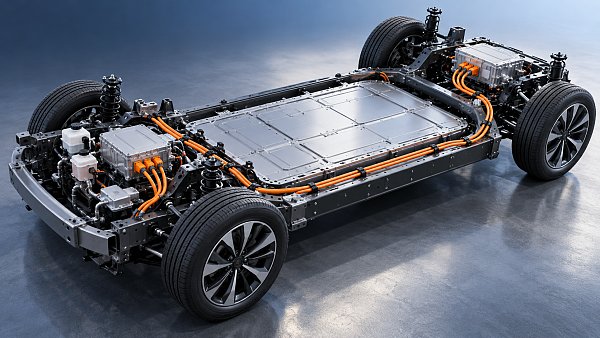
That matters even more in electric vehicles, where thermal management, high-voltage wiring, cockpit electronics, steering control, and software-linked safety all interact.
A practical checklist helps turn automotive standards from a compliance task into a timing and risk-control tool.
In real programs, the best starting point is not a long document library.
It is a structured question: which standards can block sourcing, validation, launch timing, or market access if missed early?
That approach is especially useful when components come from multiple regions and technology domains.
Industry platforms such as GACT are often valuable here because they connect standards interpretation with component trends, supplier developments, and regional market signals.
Which automotive standards usually shape the first gate of a new EV program?
The first gate is usually broader than product safety alone.
For EV development, automotive standards often fall into five working groups that affect early decisions.
- Functional safety and system behavior, including ISO 26262 and related process expectations.
- Cybersecurity and software governance, especially where cockpit, connectivity, or steer-by-wire functions are involved.
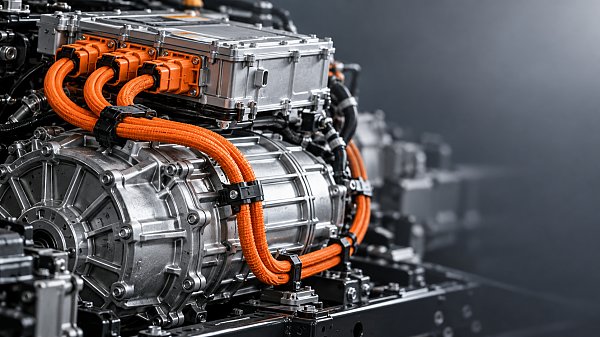
- High-voltage electrical safety, insulation, connector integrity, and harness routing requirements.
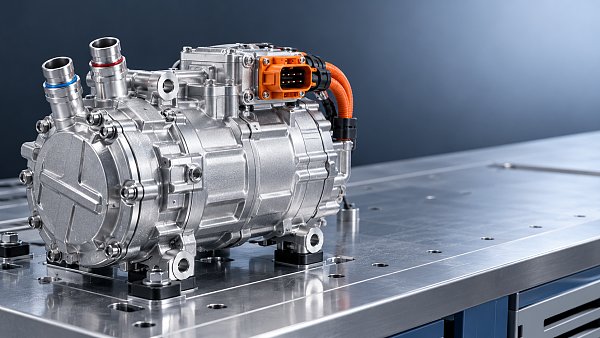
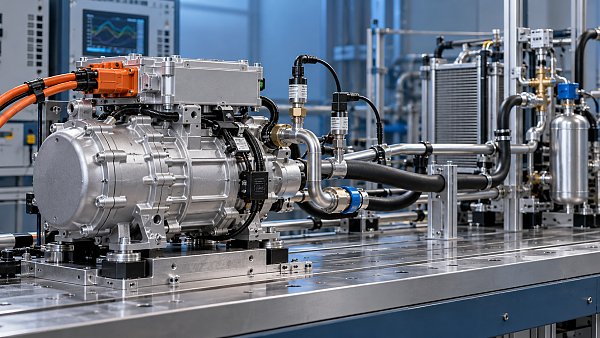
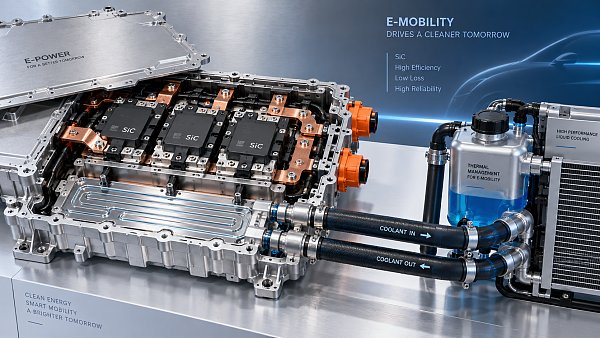
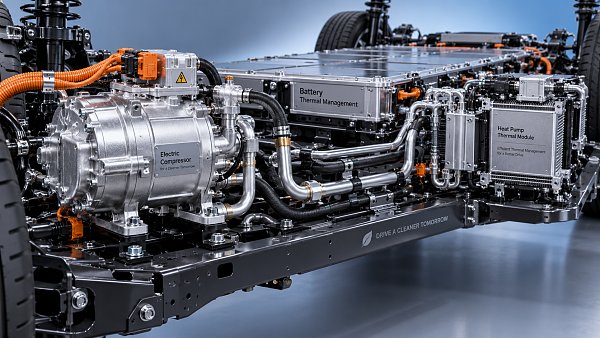
- Thermal system performance, refrigerant handling, battery cooling reliability, and compressor-related compliance.
- EMC, environmental durability, and regional homologation rules that affect final market entry.
The useful question is not whether every standard applies equally.
It is which standards define architecture choices before tooling, software freeze, or supplier nomination.
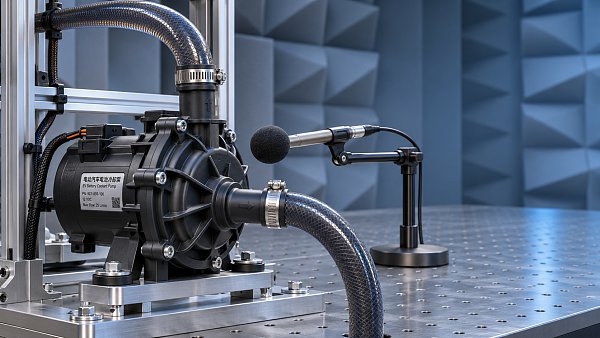
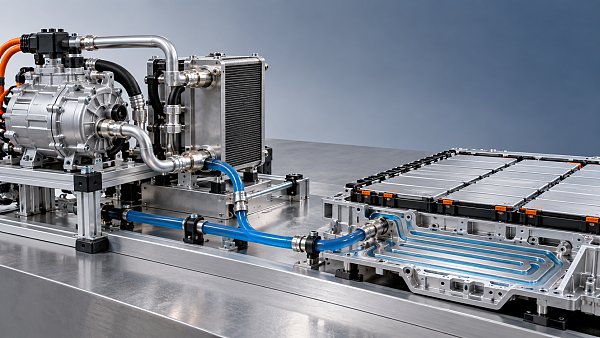
For example, a battery liquid cooling system may pass basic performance testing yet still create late issues if material compatibility, leak durability, or pressure behavior were scoped poorly.
The same pattern appears in electric compressors, integrated thermal valves, EPS systems, and high-voltage harnesses.
Automotive standards become gating items once they influence packaging, interfaces, diagnostics, or fault response.
A quick screening table helps prevent blind spots
Before detailed design reviews, many teams use a simple judgment table like the one below.
How do automotive standards change decisions for thermal systems and compressors?
This is where many EV programs underestimate coupling between efficiency targets and compliance expectations.
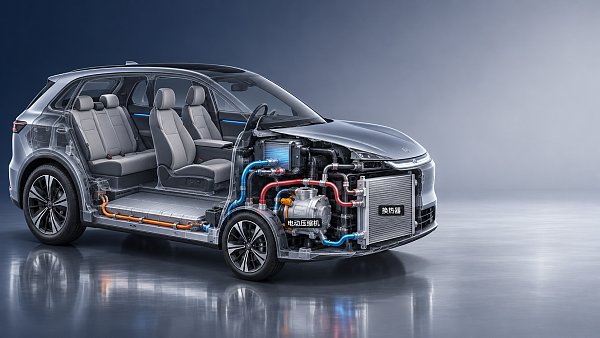
A heat pump system, electric compressor, or integrated thermal valve is not checked only for thermal output.
It also has to fit durability, refrigerant control, electrical safety, noise, diagnostics, and service conditions.
In practice, automotive standards in thermal management affect three decisions early.
- Whether the system architecture can handle regional temperature extremes without oversized redesign.
- Whether the selected compressor and valve strategy support both efficiency claims and fault handling logic.
- Whether the validation plan covers real operating transitions, not just stable laboratory conditions.
A common mistake is treating supplier test reports as enough evidence.
More often, program risk comes from gaps between component-level compliance and vehicle-level behavior.
That is why cross-checking standards interpretation with market intelligence matters.
GACT-style coverage is useful because thermal components are changing quickly, especially in battery cooling and heat pump packaging across China, Europe, and North America.
When do wiring, cockpit, and steering standards become a launch risk?
Usually earlier than expected.
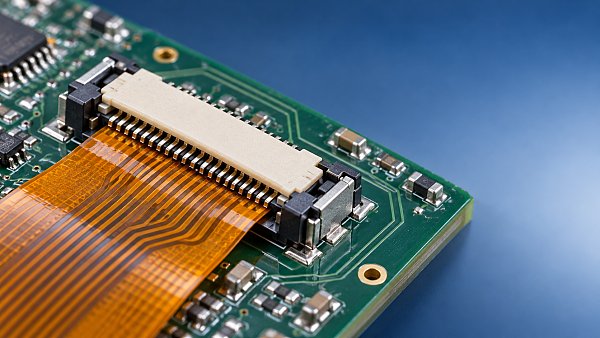
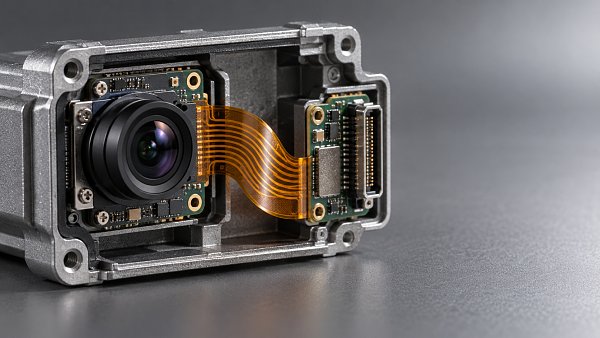
High-voltage harnesses, FPC systems, data cables, HUD units, displays, EPS, and steer-by-wire functions are deeply connected through architecture choices.
If those interfaces are frozen before standards-based checks, changes become expensive.
For wiring, the issue is not only conductor size or voltage rating.
Routing, shielding, bend radius, sealing, connector retention, and serviceability often decide whether compliance survives production reality.
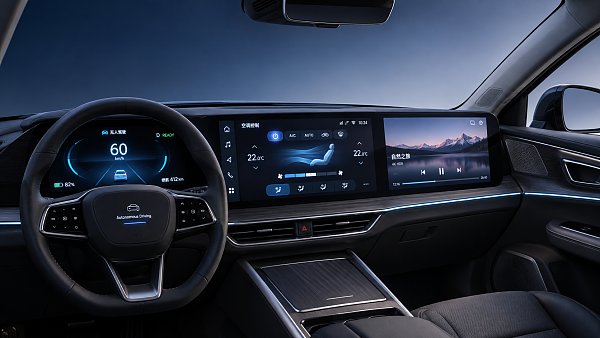
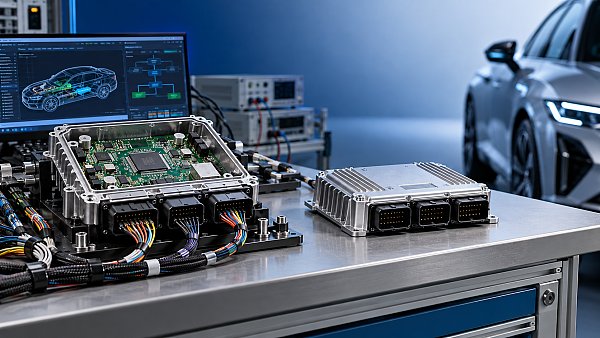
For cockpit electronics, automotive standards frequently drive EMC, display readability, software update strategy, and cybersecurity controls.
A media head unit or HUD may look mature on the bench.
Yet integration issues appear once power quality, thermal load, and communication networks are tested together.
Steering systems raise the highest sensitivity.
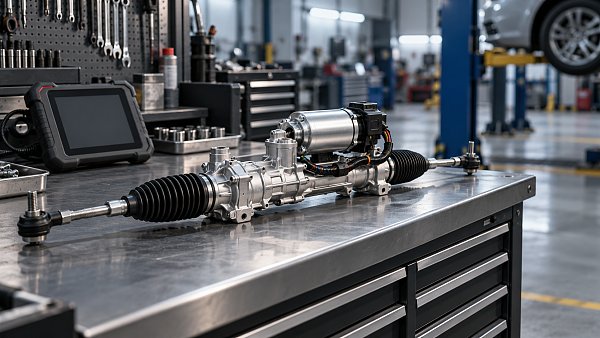
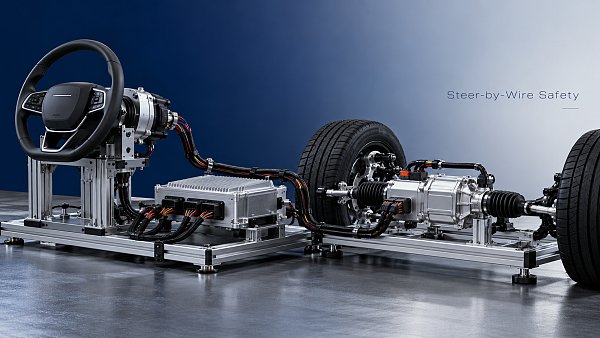
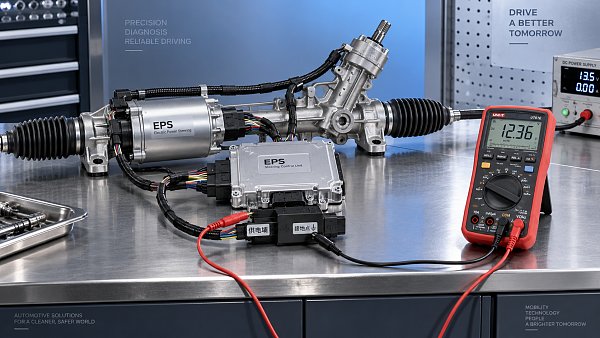
With EPS or steer-by-wire, standards work must define failure response, redundancy, diagnostics, and validation evidence very early.
If the safety concept changes late, the launch plan usually slips with it.
What should be checked before design freeze?
- Interface definitions across harness, controller, actuator, and display systems.
- Regional automotive standards that differ by target market or homologation route.
- Evidence format expected from suppliers, not only the test result itself.
- Change-control rules once software and hardware validation begin.
Why do compliant components still create standards problems later?
Because component compliance does not automatically equal program compliance.
This is one of the most expensive misunderstandings around automotive standards.
In actual EV programs, late issues often come from integration boundaries.
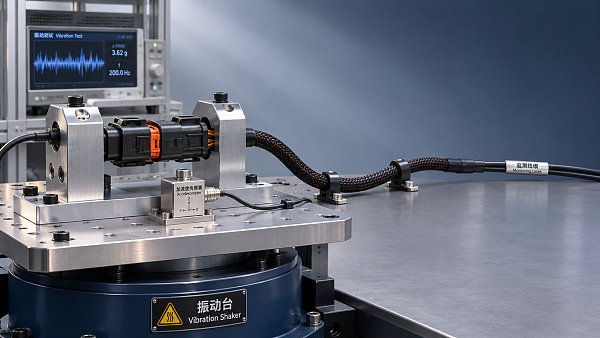
A high-voltage connector may meet its own specification, but fail within the actual routing environment.
A cockpit display may satisfy lab requirements, yet create thermal drift after full vehicle soak testing.
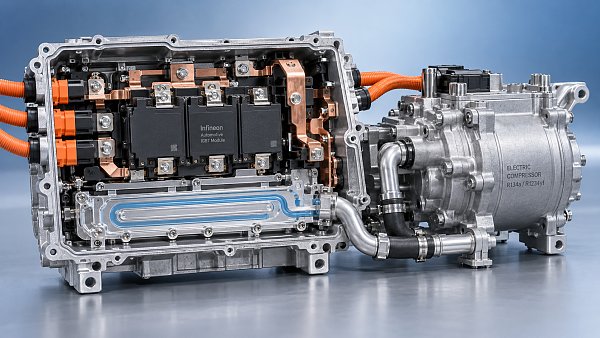
An electric compressor may pass durability checks, but still challenge system-level fault management.
The stronger approach is to review automotive standards at three levels.
- Component level: what each part must prove on its own.
- System level: how connected functions behave together.
- Program level: what evidence supports sourcing, PPAP, launch, and market entry.
That layered view is more realistic than chasing one master checklist.
It also makes cross-functional reviews shorter because each unresolved gap has a clear owner.
What is the most practical checklist for timing, cost, and implementation control?
The most practical checklist is not the longest one.
It is the one linked to milestones, supplier decisions, and validation exits.
A workable version usually includes the points below.
- Map every target market and list the automotive standards that can block homologation or shipment.
- Tag each standard by impact on architecture, materials, software, testing, and documentation.
- Assign one owner for interpretation and one owner for evidence collection.
- Review whether supplier claims match the vehicle operating profile, not only catalog data.
- Add a recheck gate before tooling release and another before validation completion.
- Track open standards risks beside cost, timing, and quality risks in the same dashboard.
This matters because standards-related delay is rarely isolated.
It usually triggers retesting, supplier rework, document revision, and launch sequence changes.
Where component technologies are evolving fast, regular intelligence updates also help.
Following developments in thermal systems, wiring architecture, cockpit electronics, compressors, and steering through sources like GACT can sharpen those reviews.
The reason is simple.
Automotive standards do not sit still when market expectations, export routes, and vehicle architectures are moving.
What should happen next if the checklist shows gaps?
Do not try to solve every gap at once.
A better next step is to rank issues by launch impact, redesign cost, and validation dependency.
Then confirm which gaps are true standards risks and which are evidence or interpretation gaps.
That distinction saves time.
Some issues require engineering changes.
Others only need clearer traceability, test scope adjustment, or supplier documentation updates.
For any new EV program, the smartest habit is to review automotive standards as part of architecture control, not as a final audit exercise.
That keeps thermal systems, harnesses, cockpit electronics, steering functions, and safety evidence aligned before late cost appears.
If the goal is a cleaner launch path, start by refining the checklist around target markets, critical components, validation gates, and supplier proof quality.
That is usually where better decisions begin.
Have questions about this sector analysis, or seeking best practices specific to your niche? Drop us a line below and let the senior consultants at GAC assist you.
“We respect your privacy. Your information is strictly confidential.”
Related News
- 00
0000-00
How to compare noise ratings for battery coolant pumps - 00
0000-00
How bright should automotive display systems be in sunlight? - 00
0000-00
How heat pumps improve the efficiency of EV thermal systems - 00
0000-00
Can a smart cockpit platform support multiple displays? - 00
0000-00
How is automotive connector vibration resistance tested?
Tags
- thermal systems
- electric compressors
- high-voltage harness
- steer-by-wire
- electric vehicles
- thermal valves
- FPC systems
- automotive standards
- Battery Liquid Cooling System
- Integrated Thermal Valve
- Heat Pump System
- Electric Compressor
- Media Head Unit
- Cockpit Display
- High-voltage Connector
- battery liquid cooling
- steering systems
Weekly Insights
Stay ahead with our curated technology reports delivered every Monday.
Recommended News
 How to compare noise ratings for battery coolant pumpsCompare coolant pump low noise ratings with confidence. Learn how test conditions, hydraulic duty, tonal noise and installation affect your choice.Author:Time:Nov 10, 2026
 How bright should automotive display systems be in sunlight?Automotive Display Systems need more than brightness to stay readable in sunlight. Discover why 1,000 nits is a starting point and how to evaluate glare and heat.Author:Time:Nov 09, 2026
 How heat pumps improve the efficiency of EV thermal systemsEV Thermal Systems use heat pumps to reduce heating energy demand. Explore how they work, where they excel, and what limits efficiency in cold weather.Author:Time:Nov 08, 2026
 Can a smart cockpit platform support multiple displays?Can a smart cockpit platform support multiple displays? Explore key requirements for performance, safety, connectivity, and supplier evaluation.Author:Time:Nov 07, 2026
 How is automotive connector vibration resistance tested?Automotive connector vibration resistance testing reveals hidden contact failures. Explore test profiles, continuity monitoring and pass criteria.Author:Time:Nov 06, 2026
 How heat pumps save energy in automotive cabin climate systemsAutomotive Cabin Climate Systems energy saving starts with smarter heat pump design. Explore real-world efficiency, cold-weather trade-offs, and testing tips.Author:Time:Nov 05, 2026
 Is an EV heat pump worth it for winter driving range?Is a heat pump worth using in a cold-climate EV? Discover how it affects winter range, when it pays off, and what to check before buying.Author:Time:Nov 04, 2026
 When should you use 50-ohm coaxial cable instead of 75-ohm?Coaxial cable 50 ohm or 75 ohm? Learn when to use each, avoid impedance mismatches, and choose the right cable for reliable RF and video performance.Author:Time:Nov 03, 2026
 How to select a high temperature motor harness for an EVChoose the right high temperature motor harness for your EV. Compare thermal limits, current capacity, shielding, routing, and validation evidence.Author:Time:Nov 02, 2026
 How much does electric power steering replacement cost?Electric power steering price typically ranges from $1,000 to $3,000 for major replacements. Discover cost factors, repair options, and tips for comparing quotes.Author:Time:Nov 01, 2026
 How to size an EV A/C compressor for the required cooling capacitySize an EV A/C Compressor with confidence. Explore cooling loads, performance maps and power limits to select the right compressor for your vehicle.Author:Time:Oct 31, 2026
 How to choose the right pitch for an FPC board connectorFPC board connector pitch affects space, assembly and reliability. Learn how to compare options and select the best fit for your design.Author:Time:Oct 30, 2026
 How zonal design affects harness routing in high-voltage EV architecturesExplore high-voltage electrical architecture zonal design and its impact on EV harness routing. Discover key trade-offs in cable length, safety, thermal performance, and service access.Author:Time:Oct 29, 2026
 How tariffs affect costs in global automotive parts supply chainsNavigate tariffs in the global automotive parts trade supply chain. Learn to compare landed costs, manage duty exposure, and uncover smarter sourcing strategies to protect your margins.Author:Time:Oct 28, 2026
 How to assess vendor lock-in in a software-defined vehicle platformAssess Software-Defined Vehicle platform lock-in with practical tests for API portability, data access, update control, and exit costs. Learn how to choose a platform with a proven exit path.Author:Time:Oct 27, 2026
 How ISO 26262 guides functional safety in steer-by-wire systemsExplore steering systems functional safety through ISO 26262. Learn how hazard analysis, fault-tolerant design, and validation build a stronger steer-by-wire safety case.Author:Time:Oct 26, 2026
 How to evaluate a steering angle sensor manufacturer's accuracy claimsEvaluate steering angle sensor manufacturer accuracy claims with practical checks on calibration, latency, and test evidence. Compare suppliers confidently and avoid costly selection mistakes.Author:Time:Oct 25, 2026
 How to diagnose CAN bus faults in a hybrid vehicle control unitDiagnose Hybrid Vehicle Systems control unit CAN bus faults with step-by-step power, wiring, and waveform checks. Find the root cause and avoid unnecessary replacement.Author:Time:Oct 24, 2026
 How does battery cooling pipe diameter affect coolant pressure drop?Battery Cooling Pipe diameter affects coolant pressure drop and pump power. Explore sizing calculations and practical tips to optimize EV battery cooling and compare options with confidence.Author:Time:Oct 23, 2026
 How to assess PPAP readiness of automotive sensor system manufacturersAssess Automotive Sensor Systems manufacturers for PPAP readiness. Learn to verify production evidence, measurement capability, validation, and traceability to reduce sourcing risks.Author:Time:Oct 22, 2026
 What to ask an FPC connector manufacturer about reliability testingChoosing an FPC Connector manufacturer? Learn what to ask about reliability testing, failure limits, and traceable results to reduce design risks and select with confidence.Author:Time:Oct 21, 2026
 How to verify vehicle fitment for an aftermarket AC evaporatorNavigating the evaporator aftermarket? Verify vehicle fitment with VIN data, OE numbers, and physical interface checks. Use this guide to avoid costly mismatches and order confidently.Author:Time:Oct 20, 2026
 How electric compressor speed affects EV battery cooling capacityElectric compressor technology: battery cooling depends on more than RPM. Discover how speed, refrigerant flow, and system limits affect EV cooling capacity and energy efficiency.Author:Time:Oct 19, 2026
 How to verify a variable frequency compressor supplier’s efficiency claimsVerify a variable frequency compressor supplier’s efficiency claims using COP boundaries, matched test conditions, and duty-cycle data. Learn how to choose with confidence.Author:Time:Oct 18, 2026
 How bend radius affects FPC reliability in automotive camera modulesAutomotive FPC applications: camera module reliability starts with bend radius. Learn how stack-up, strain, and validation guide robust designs and help prevent costly failures.Author:Time:Oct 17, 2026
 How to diagnose intermittent loss of electric power steering assistMaster power steering system diagnostics to trace intermittent EPS assist loss. Learn proven checks for voltage, wiring, and fault codes to avoid costly guesswork.Author:Time:Oct 16, 2026
 How to size automotive power modules for electric compressorsSize automotive power modules for electric compressors with confidence. Learn how voltage, phase current, losses, and cooling shape reliable selection—and avoid costly oversizing.Author:Time:Oct 15, 2026
 Why automotive power electronics are shifting to silicon carbideAutomotive Power Electronics are shifting to silicon carbide. Discover how SiC can cut losses, boost EV power density, and reshape cooling, reliability, and system costs.Author:Time:Oct 14, 2026
 How EV adoption shapes the electrically driven compressor marketExplore how EV adoption shapes the electrically driven compressor market, from battery cooling and heat pumps to supplier margins. Discover the drivers of profitable growth.Author:Time:Oct 13, 2026
 How to size a PTC heater for reliable EV cabin heatingPTC Heater sizing for EV cabins: learn how to balance defrost performance, heat-pump integration, airflow, voltage range, and battery power for reliable winter comfort.Author:Time:Oct 12, 2026