How to Evaluate a Vehicle Domain Controller for Zonal E/E Architectures




Zonal E/E architectures are changing how vehicles are designed, integrated, and updated over time. In that shift, the vehicle domain controller is no longer just an electronics module. It becomes a platform decision that affects compute performance, wiring strategy, thermal load, software reuse, cybersecurity exposure, and future feature expansion across the vehicle lifecycle.
That is why evaluation should go beyond processor speed or bill of materials. A strong vehicle domain controller must fit the logic of centralized computing while also matching real-world constraints in harness design, cockpit electronics, thermal systems, chassis control, and supply chain resilience.
Why the vehicle domain controller matters in zonal architecture
In a traditional distributed architecture, dozens of ECUs manage isolated functions. Zonal design reduces that fragmentation. Functions move closer to centralized computing, while zonal nodes handle local I/O and power distribution.
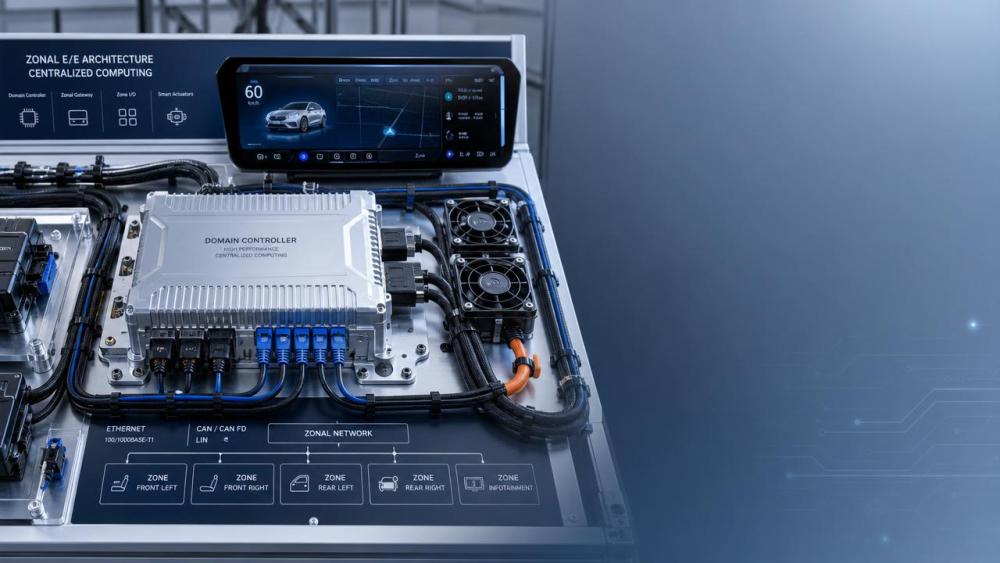
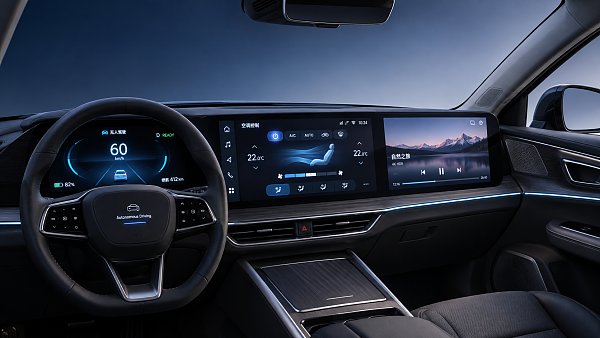
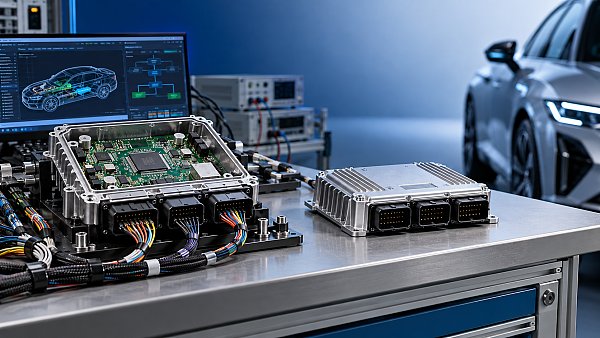
This shift changes the role of the vehicle domain controller. It often coordinates compute-intensive workloads across smart cockpit systems, body electronics, thermal management logic, gateway functions, and sometimes chassis-related domains.
The business implication is clear. Once the controller becomes central to software-defined vehicle functions, design mistakes are expensive. They affect platform timing, update strategy, validation effort, and regional compliance.
Start with the architecture fit, not the chip headline
A common mistake is to compare controllers only by processor family or benchmark score. For zonal programs, architectural fit matters more than headline performance.
The first question is functional scope. Some vehicle domain controller platforms are optimized for cockpit consolidation. Others are designed for body control, gateway integration, or mixed-domain coordination.
That scope should align with the vehicle roadmap. If the next platform plans to merge infotainment, display control, HVAC coordination, and OTA management, the evaluation baseline changes immediately.
In practical terms, the controller should be assessed against:
- Current domain responsibilities and near-term consolidation targets
- Required interfaces to zonal modules, sensors, displays, and gateways
- Compatibility with service-oriented and Ethernet-based communication
- Expected software partitioning for safety and non-safety workloads
- Upgrade path for future feature sets without major hardware redesign
A vehicle domain controller that fits the architecture often delivers more value than a technically superior unit that forces redesign elsewhere.
Key technical dimensions that shape long-term value
Evaluation becomes more useful when teams compare a short list of dimensions in one framework rather than in isolated engineering reviews.
Compute and workload balance
The controller must support the real mix of workloads, not only peak compute. Graphics, communication stacks, diagnostics, control logic, and virtualization all compete for resources.
A strong vehicle domain controller should show predictable latency, headroom for software growth, and stable behavior under simultaneous load rather than under synthetic lab conditions alone.
Network and harness impact
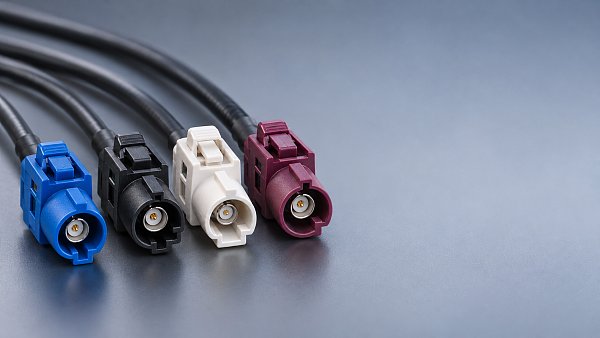
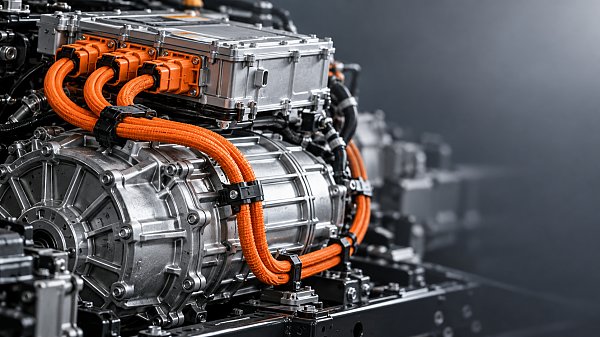
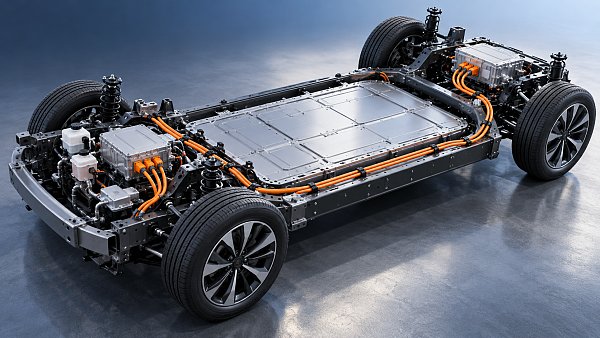
Zonal architecture aims to reduce harness complexity, cable length, and connector count. That means the controller should support high-speed networking and clean integration with data cables and high-voltage harness layouts.
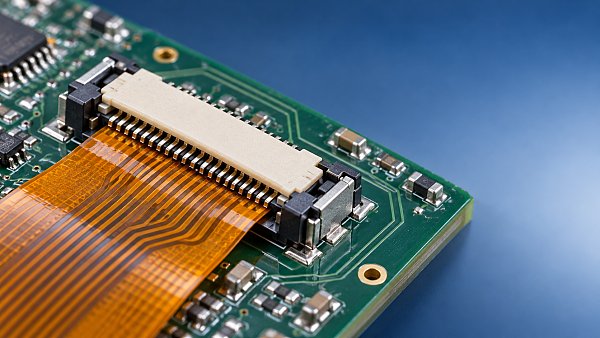
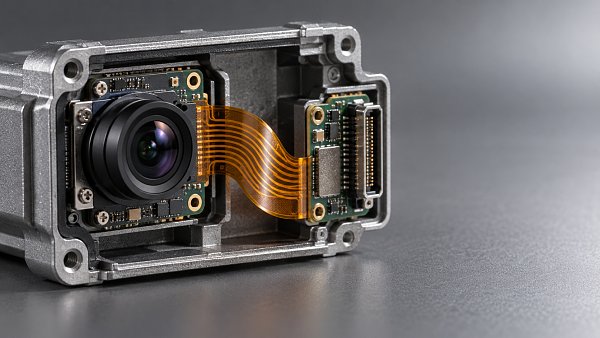
This is where cross-category thinking matters. A controller decision influences Ethernet topology, FPC routing, communication cable selection, and packaging around cockpit displays or central gateways.
Thermal behavior and power efficiency
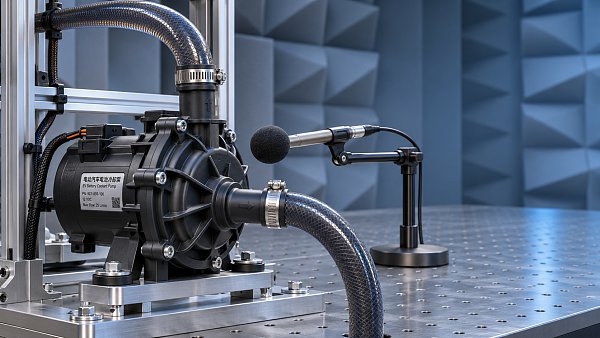
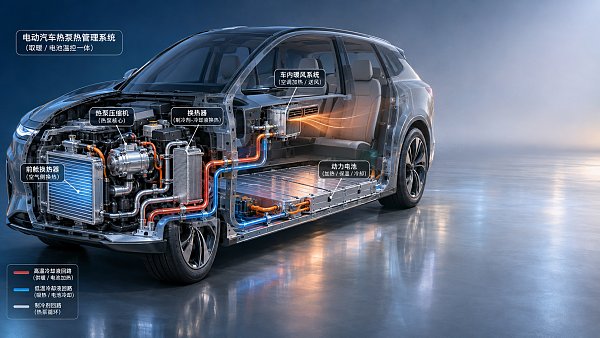
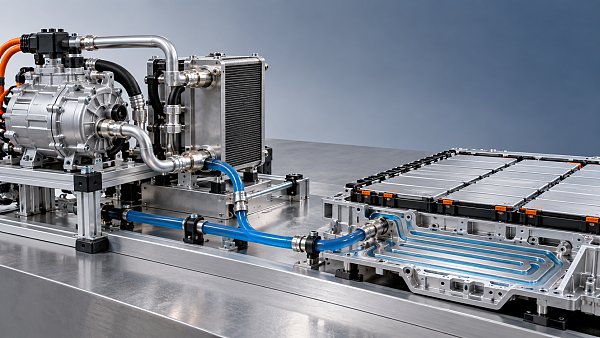
Thermal load is often underestimated in early selection rounds. Higher compute density can create packaging, cooling, and reliability issues, especially in EV platforms already balancing battery cooling and heat pump efficiency.
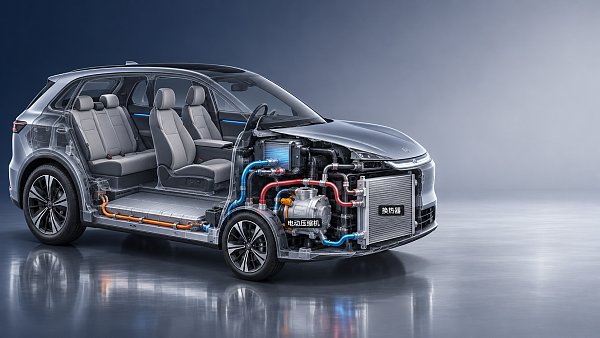
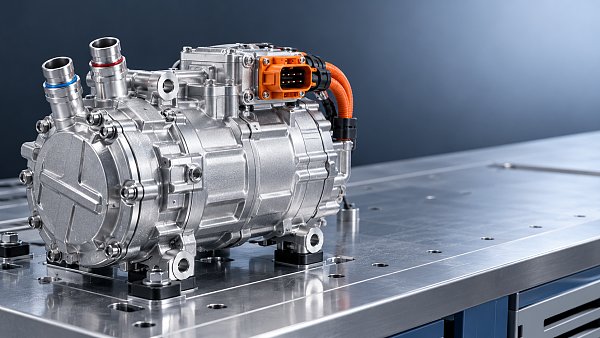
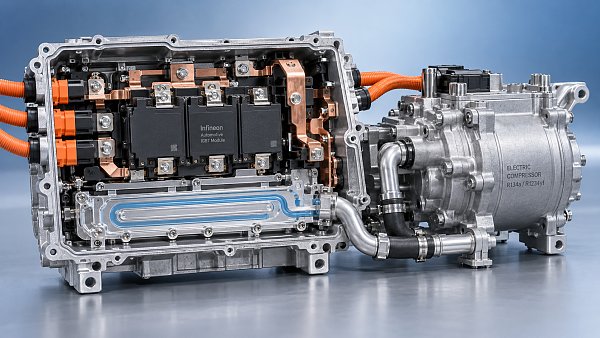
For platforms focused on NEV thermal optimization, the vehicle domain controller should be evaluated together with enclosure design, cooling path, compressor energy demand, and cabin electronics heat concentration.
Cybersecurity and update readiness
A centralized controller increases the importance of secure boot, isolation, encryption, key management, and OTA recovery logic. Security is no longer a supporting feature. It is a platform gate.
The best candidates are not only compliant on paper. They come with mature tooling, incident response capability, and a credible roadmap for regulatory alignment in multiple markets.
How application context changes the evaluation
Not every zonal program needs the same vehicle domain controller profile. The right choice depends on where complexity sits in the vehicle platform.
This is one reason market intelligence matters. A controller that looks competitive in one application may underperform when regional software requirements, local suppliers, or validation capacity are added to the picture.
Supply chain and ecosystem signals are part of the technical review
A vehicle domain controller should never be judged as a standalone box. The surrounding ecosystem often determines the actual project risk.
That includes semiconductor continuity, software toolchain maturity, middleware support, validation resources, and partner responsiveness across major production regions.
In global automotive sourcing, this issue is becoming sharper. Programs may need one platform logic across China, Europe, North America, and Southeast Asia, while still handling local standards, export restrictions, and cost shifts.
For that reason, many teams now track broader signals alongside hardware evaluation, including:
- Vendor roadmap stability over the expected vehicle platform life
- Availability of regional engineering and after-launch support
- Interoperability with cockpit electronics, steering systems, and harness suppliers
- Evidence of deployment in adjacent vehicle classes or export programs
- Exposure to component shortages, redesign cycles, or software dependence
This broader view aligns with how industry intelligence platforms such as GACT frame component decisions. The real value often sits at the intersection of product data, market timing, standards interpretation, and integration context.
A practical evaluation framework for business decisions
A useful review process compares each vehicle domain controller candidate against business priorities, not just engineering preferences. Usually, five checkpoints are enough to expose the strongest and weakest options.
1. Clarify the target platform boundary
Define which functions stay local, which move into the domain controller, and which remain in zonal nodes. This prevents overspecification and hidden integration cost.
2. Model the total integration burden
Assess harness impact, connector changes, cooling requirements, software migration effort, and gateway implications. Savings in one subsystem can create expense in another.
3. Test software and security maturity early
A vehicle domain controller may meet hardware targets but still delay launch if toolchains, hypervisors, security stacks, or diagnostics frameworks are immature.
4. Compare scalability under roadmap pressure
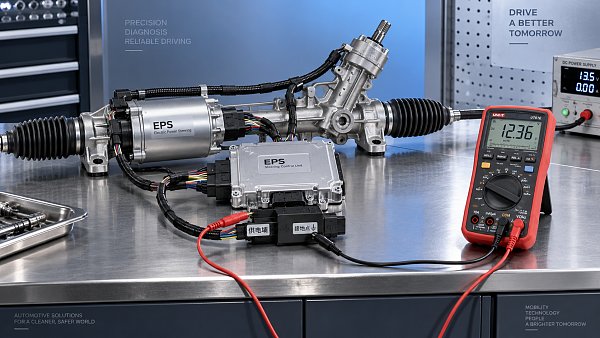
Check whether the same platform can support higher display loads, added sensors, new comfort functions, or advanced steering and body features without major redesign.
5. Add market and sourcing scenarios
Stress-test the choice against price shifts, supplier concentration, regional certification, and localization requirements. A technically ideal solution can still be commercially fragile.
What to watch next
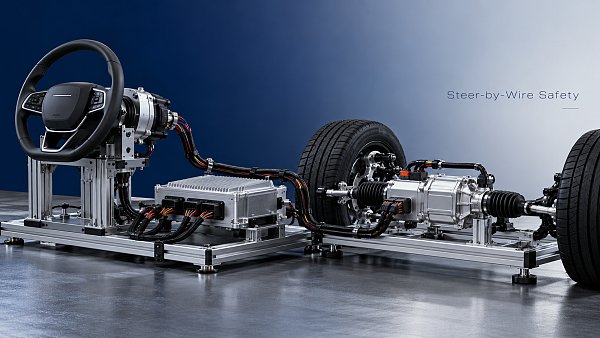
The vehicle domain controller market will keep evolving with centralized compute, service-oriented architectures, and stricter safety and cybersecurity expectations. At the same time, EV thermal efficiency, lightweight wiring, cockpit convergence, and steer-by-wire adoption will make controller choices more interconnected.
A sound next step is to build a comparison matrix around platform scope, thermal behavior, networking impact, software readiness, and supply chain resilience. That creates a more durable basis for selection than headline specifications alone.
When the evaluation also considers adjacent systems such as wiring harnesses, cockpit displays, thermal valves, electric compressors, and steering electronics, the decision becomes closer to real vehicle economics. That is usually where long-term competitiveness is decided.
Have questions about this sector analysis, or seeking best practices specific to your niche? Drop us a line below and let the senior consultants at GAC assist you.
“We respect your privacy. Your information is strictly confidential.”
Related News
- 00
0000-00
What does each FAKRA cable color code mean? - 00
0000-00
How to compare noise ratings for battery coolant pumps - 00
0000-00
How bright should automotive display systems be in sunlight? - 00
0000-00
How heat pumps improve the efficiency of EV thermal systems - 00
0000-00
Can a smart cockpit platform support multiple displays?
Weekly Insights
Stay ahead with our curated technology reports delivered every Monday.
Recommended News
 What does each FAKRA cable color code mean?FAKRA cable color code explained: Explore common connector colors, typical uses and key compatibility checks before choosing a replacement.Author:Time:Nov 11, 2026
 How to compare noise ratings for battery coolant pumpsCompare coolant pump low noise ratings with confidence. Learn how test conditions, hydraulic duty, tonal noise and installation affect your choice.Author:Time:Nov 10, 2026
 How bright should automotive display systems be in sunlight?Automotive Display Systems need more than brightness to stay readable in sunlight. Discover why 1,000 nits is a starting point and how to evaluate glare and heat.Author:Time:Nov 09, 2026
 How heat pumps improve the efficiency of EV thermal systemsEV Thermal Systems use heat pumps to reduce heating energy demand. Explore how they work, where they excel, and what limits efficiency in cold weather.Author:Time:Nov 08, 2026
 Can a smart cockpit platform support multiple displays?Can a smart cockpit platform support multiple displays? Explore key requirements for performance, safety, connectivity, and supplier evaluation.Author:Time:Nov 07, 2026
 How is automotive connector vibration resistance tested?Automotive connector vibration resistance testing reveals hidden contact failures. Explore test profiles, continuity monitoring and pass criteria.Author:Time:Nov 06, 2026
 How heat pumps save energy in automotive cabin climate systemsAutomotive Cabin Climate Systems energy saving starts with smarter heat pump design. Explore real-world efficiency, cold-weather trade-offs, and testing tips.Author:Time:Nov 05, 2026
 Is an EV heat pump worth it for winter driving range?Is a heat pump worth using in a cold-climate EV? Discover how it affects winter range, when it pays off, and what to check before buying.Author:Time:Nov 04, 2026
 When should you use 50-ohm coaxial cable instead of 75-ohm?Coaxial cable 50 ohm or 75 ohm? Learn when to use each, avoid impedance mismatches, and choose the right cable for reliable RF and video performance.Author:Time:Nov 03, 2026
 How to select a high temperature motor harness for an EVChoose the right high temperature motor harness for your EV. Compare thermal limits, current capacity, shielding, routing, and validation evidence.Author:Time:Nov 02, 2026
 How much does electric power steering replacement cost?Electric power steering price typically ranges from $1,000 to $3,000 for major replacements. Discover cost factors, repair options, and tips for comparing quotes.Author:Time:Nov 01, 2026
 How to size an EV A/C compressor for the required cooling capacitySize an EV A/C Compressor with confidence. Explore cooling loads, performance maps and power limits to select the right compressor for your vehicle.Author:Time:Oct 31, 2026
 How to choose the right pitch for an FPC board connectorFPC board connector pitch affects space, assembly and reliability. Learn how to compare options and select the best fit for your design.Author:Time:Oct 30, 2026
 How zonal design affects harness routing in high-voltage EV architecturesExplore high-voltage electrical architecture zonal design and its impact on EV harness routing. Discover key trade-offs in cable length, safety, thermal performance, and service access.Author:Time:Oct 29, 2026
 How tariffs affect costs in global automotive parts supply chainsNavigate tariffs in the global automotive parts trade supply chain. Learn to compare landed costs, manage duty exposure, and uncover smarter sourcing strategies to protect your margins.Author:Time:Oct 28, 2026
 How to assess vendor lock-in in a software-defined vehicle platformAssess Software-Defined Vehicle platform lock-in with practical tests for API portability, data access, update control, and exit costs. Learn how to choose a platform with a proven exit path.Author:Time:Oct 27, 2026
 How ISO 26262 guides functional safety in steer-by-wire systemsExplore steering systems functional safety through ISO 26262. Learn how hazard analysis, fault-tolerant design, and validation build a stronger steer-by-wire safety case.Author:Time:Oct 26, 2026
 How to evaluate a steering angle sensor manufacturer's accuracy claimsEvaluate steering angle sensor manufacturer accuracy claims with practical checks on calibration, latency, and test evidence. Compare suppliers confidently and avoid costly selection mistakes.Author:Time:Oct 25, 2026
 How to diagnose CAN bus faults in a hybrid vehicle control unitDiagnose Hybrid Vehicle Systems control unit CAN bus faults with step-by-step power, wiring, and waveform checks. Find the root cause and avoid unnecessary replacement.Author:Time:Oct 24, 2026
 How does battery cooling pipe diameter affect coolant pressure drop?Battery Cooling Pipe diameter affects coolant pressure drop and pump power. Explore sizing calculations and practical tips to optimize EV battery cooling and compare options with confidence.Author:Time:Oct 23, 2026
 How to assess PPAP readiness of automotive sensor system manufacturersAssess Automotive Sensor Systems manufacturers for PPAP readiness. Learn to verify production evidence, measurement capability, validation, and traceability to reduce sourcing risks.Author:Time:Oct 22, 2026
 What to ask an FPC connector manufacturer about reliability testingChoosing an FPC Connector manufacturer? Learn what to ask about reliability testing, failure limits, and traceable results to reduce design risks and select with confidence.Author:Time:Oct 21, 2026
 How to verify vehicle fitment for an aftermarket AC evaporatorNavigating the evaporator aftermarket? Verify vehicle fitment with VIN data, OE numbers, and physical interface checks. Use this guide to avoid costly mismatches and order confidently.Author:Time:Oct 20, 2026
 How electric compressor speed affects EV battery cooling capacityElectric compressor technology: battery cooling depends on more than RPM. Discover how speed, refrigerant flow, and system limits affect EV cooling capacity and energy efficiency.Author:Time:Oct 19, 2026
 How to verify a variable frequency compressor supplier’s efficiency claimsVerify a variable frequency compressor supplier’s efficiency claims using COP boundaries, matched test conditions, and duty-cycle data. Learn how to choose with confidence.Author:Time:Oct 18, 2026
 How bend radius affects FPC reliability in automotive camera modulesAutomotive FPC applications: camera module reliability starts with bend radius. Learn how stack-up, strain, and validation guide robust designs and help prevent costly failures.Author:Time:Oct 17, 2026
 How to diagnose intermittent loss of electric power steering assistMaster power steering system diagnostics to trace intermittent EPS assist loss. Learn proven checks for voltage, wiring, and fault codes to avoid costly guesswork.Author:Time:Oct 16, 2026
 How to size automotive power modules for electric compressorsSize automotive power modules for electric compressors with confidence. Learn how voltage, phase current, losses, and cooling shape reliable selection—and avoid costly oversizing.Author:Time:Oct 15, 2026
 Why automotive power electronics are shifting to silicon carbideAutomotive Power Electronics are shifting to silicon carbide. Discover how SiC can cut losses, boost EV power density, and reshape cooling, reliability, and system costs.Author:Time:Oct 14, 2026
 How EV adoption shapes the electrically driven compressor marketExplore how EV adoption shapes the electrically driven compressor market, from battery cooling and heat pumps to supplier margins. Discover the drivers of profitable growth.Author:Time:Oct 13, 2026