Electric Compressor Technology Efficiency: What Impacts Energy Use Most?




Electric Compressor Technology Efficiency: What Impacts Energy Use Most?
For business decision-makers navigating the fast-changing automotive components market, understanding electric compressor technology efficiency is essential to controlling energy use, system performance, and long-term cost.
From motor design and inverter control to refrigerant selection and thermal management integration, several factors shape real-world efficiency.
This article explores what impacts energy consumption most and why it matters for competitive product strategy.
Why electric compressor technology efficiency matters more now
Electric compressors have moved from a niche component to a strategic system node in modern vehicles.
That shift is especially visible in battery electric vehicles and hybrid platforms.
Unlike belt-driven compressors, electric units consume power directly from the vehicle electrical system.
This makes electric compressor technology efficiency a direct contributor to driving range and total system load.
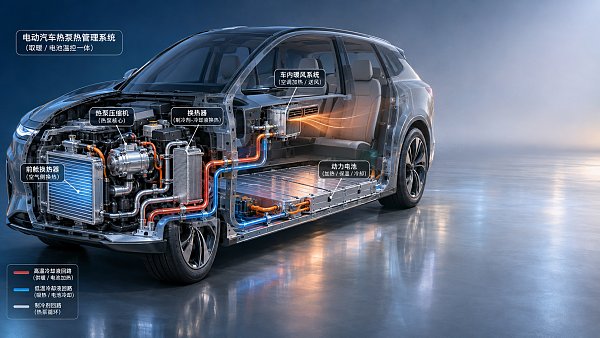
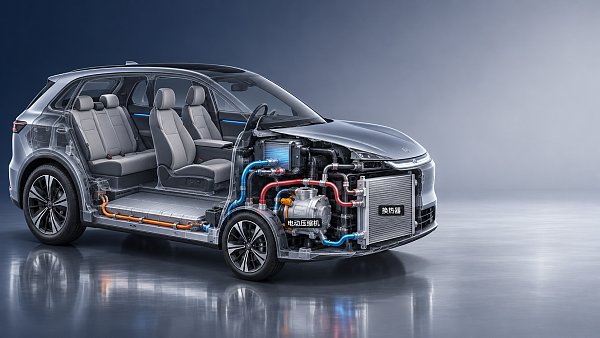
In thermal management architectures, the compressor often supports cabin cooling, battery conditioning, and heat pump operation.
As a result, small efficiency gains can create meaningful vehicle-level savings.
More importantly, efficiency now affects compliance, platform differentiation, and supplier competitiveness.
Recent market changes make this even more relevant.
Higher expectations for cabin comfort, fast charging support, and low-temperature heat pump performance raise compressor duty cycles.
That means energy use is no longer just an engineering detail.
It is now a purchasing, platform, and lifecycle cost issue.
The biggest factors behind energy use
When comparing products, it helps to separate nameplate claims from actual operating efficiency.
Real-world electric compressor technology efficiency depends on several linked variables.
1. Motor design and electromagnetic losses
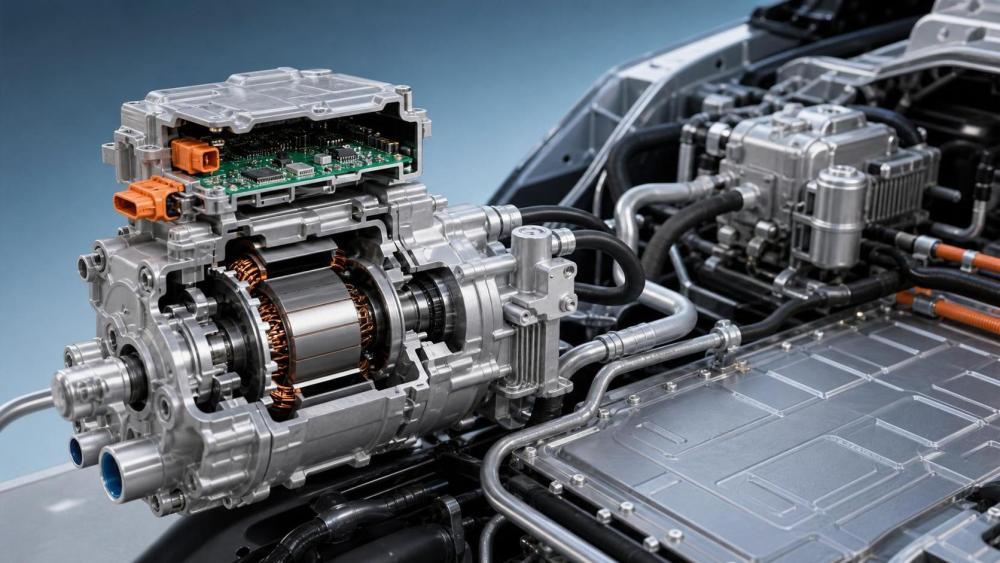
The motor is the first major source of efficiency gain or loss.
Copper losses, iron losses, rotor design, and magnet quality all influence input power demand.
Permanent magnet synchronous motors often perform well across wide speed ranges.
Still, their efficiency depends heavily on matching torque characteristics to compressor load profiles.
A strong peak value means little if part-load performance is weak.
2. Inverter control strategy
The inverter does far more than supply electricity.
Its switching logic, modulation method, and speed control map shape system behavior under changing loads.
Poor calibration causes unnecessary cycling, overshoot, and wasted power.
Better control keeps the compressor near its efficient operating window.
In practice, software can influence electric compressor technology efficiency almost as much as hardware choices.
3. Compression mechanism and internal friction
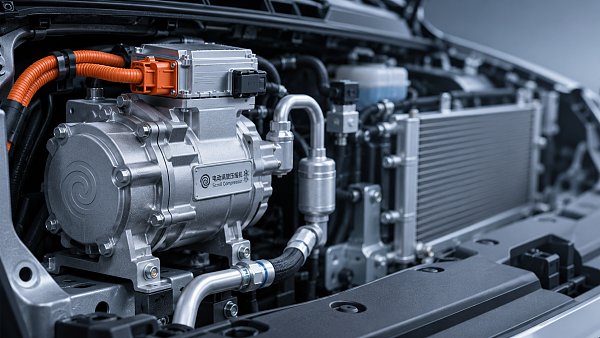
Scroll compressors and swash plate compressors do not behave the same way.
Mechanical friction, leakage, vibration, and sealing quality all affect power draw.
Scroll structures often support smoother operation and strong NVH performance.
However, manufacturing precision and wear control remain critical to sustained efficiency.
4. Refrigerant properties and operating pressure
Refrigerant choice changes the entire efficiency equation.
Thermodynamic properties, viscosity, pressure ratio, and heat transfer characteristics drive compressor workload.
Transitions from R134a to lower-GWP refrigerants require fresh system optimization.
Without that, a compliant refrigerant can still create an inefficient package.
5. Thermal system integration
This is where many evaluations fall short.
A compressor can test well alone and still perform poorly in a vehicle.
Expansion valve control, heat exchanger sizing, coolant loop coordination, and battery thermal priorities all matter.
The stronger the integration, the better the electric compressor technology efficiency across seasonal conditions.
Why test data often hides the real picture
Efficiency claims are frequently based on narrow operating points.
That is useful for benchmarking, but limited for sourcing decisions.
What matters more is performance across the full duty cycle.
Urban stop-and-go traffic, hot-soak restarts, winter heat pump demand, and battery preconditioning all change the load map.
In actual business evaluations, three questions usually reveal more than a single COP value.
- How stable is efficiency at low and mid speeds?
- How much energy is lost during transient control events?
- How quickly does performance drift after long-term thermal cycling?
These points are especially important for export programs and multi-region platforms.
Different climates and regulatory expectations can expose weak calibration or durability margins.
Key technical indicators worth comparing
To judge electric compressor technology efficiency properly, comparison needs a broader lens.
The table below highlights practical metrics that support better technical and commercial decisions.
From a procurement angle, these metrics also help separate mature suppliers from optimistic presentations.
That becomes more important as regional sourcing options expand.
Common efficiency risks in development and sourcing
Even strong programs can lose efficiency through avoidable decisions.
- Oversizing the compressor for rare peak conditions.
- Selecting a motor without verifying mid-load performance.
- Using control software that prioritizes response over steady efficiency.
- Switching refrigerants without redesigning the full thermal loop.
- Relying on bench results without vehicle-level validation.
These mistakes usually show up later as range loss, unstable cabin performance, or higher energy draw in winter.
They also complicate platform scaling across regions such as Europe, China, India, and North America.
How to improve electric compressor technology efficiency in practice
The most effective improvements usually come from coordinated system work, not one isolated upgrade.
- Match compressor displacement and motor output to realistic duty cycles.
- Optimize inverter calibration for part-load stability and smooth transients.
- Validate refrigerant compatibility with oil, seals, and pressure targets.
- Integrate compressor controls with battery cooling and heat pump logic.
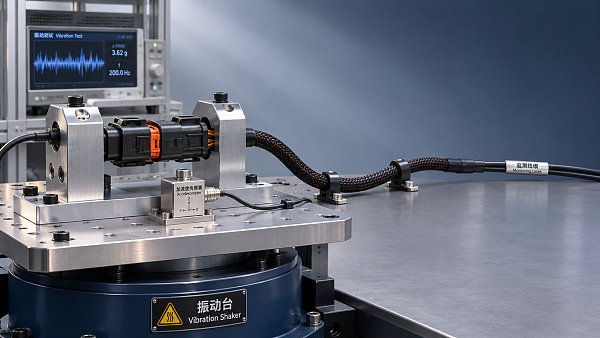
- Track durability drift through long-cycle thermal and vibration testing.
This also means engineering and sourcing teams should align earlier.
A lower unit price can quickly lose value if electric compressor technology efficiency is weak in fleet use.
Viewed this way, efficiency is not just about watts.
It is about platform economics, customer experience, and long-term product position.
What should guide the next decision
The main takeaway is straightforward.
Electric compressor technology efficiency is shaped most by system matching, control quality, and real operating conditions.
Motor architecture matters, but integration usually decides the final result.
For teams evaluating products, the best next move is to compare full-load claims against part-load maps, refrigerant strategy, and vehicle-level validation evidence.
That approach gives a clearer view of energy use, technical risk, and commercial resilience.
In a market where thermal efficiency increasingly shapes vehicle value, better decisions start with a deeper reading of electric compressor technology efficiency.
Have questions about this sector analysis, or seeking best practices specific to your niche? Drop us a line below and let the senior consultants at GAC assist you.
“We respect your privacy. Your information is strictly confidential.”
Related News
- 00
0000-00
How to assess a smart cockpit electronics manufacturer's integration capability - 00
0000-00
How does a shielded HSD cable reduce interference in vehicles? - 00
0000-00
What drives demand for scroll compressors in the automotive market? - 00
0000-00
Does AEC-Q200 apply to flexible printed circuits? - 00
0000-00
How does production volume affect automotive flexible electronics costs?
Weekly Insights
Stay ahead with our curated technology reports delivered every Monday.
Recommended News
 How to assess a smart cockpit electronics manufacturer's integration capabilityAssess a smart cockpit electronics manufacturer's integration capability with practical checks for interfaces, testing, safety, cybersecurity and supplier support.Author:Time:Nov 18, 2026
 How does a shielded HSD cable reduce interference in vehicles?Discover how a shielded HSD cable reduces vehicle interference, and learn why connector design, routing, and testing matter for reliable high-speed data links.Author:Time:Nov 17, 2026
 What drives demand for scroll compressors in the automotive market?Explore the scroll compressor for automobile market and discover how EV adoption, heat pumps, efficiency, and supplier capabilities shape demand.Author:Time:Nov 16, 2026
 Does AEC-Q200 apply to flexible printed circuits?Flexible Printed Circuit AEC-Q200 requirements explained: discover which components qualify and how to assess automotive FPC reliability.Author:Time:Nov 15, 2026
 How does production volume affect automotive flexible electronics costs?Explore how production volume affects automotive flexible electronics cost, from tooling and yield to testing. Compare quotes and negotiate smarter.Author:Time:Nov 14, 2026
 How much does an in-vehicle infotainment system cost to replace?Explore in-vehicle infotainment cost, from affordable repairs to factory replacements. Compare options, installation fees, and compatibility before you buy.Author:Time:Nov 13, 2026
 How does condenser efficiency affect heat pump performance?Discover how condenser high efficiency can improve heat pump performance, reduce compressor power, and boost heating COP—plus the trade-offs to watch.Author:Time:Nov 12, 2026
 What does each FAKRA cable color code mean?FAKRA cable color code explained: Explore common connector colors, typical uses and key compatibility checks before choosing a replacement.Author:Time:Nov 11, 2026
 How to compare noise ratings for battery coolant pumpsCompare coolant pump low noise ratings with confidence. Learn how test conditions, hydraulic duty, tonal noise and installation affect your choice.Author:Time:Nov 10, 2026
 How bright should automotive display systems be in sunlight?Automotive Display Systems need more than brightness to stay readable in sunlight. Discover why 1,000 nits is a starting point and how to evaluate glare and heat.Author:Time:Nov 09, 2026
 How heat pumps improve the efficiency of EV thermal systemsEV Thermal Systems use heat pumps to reduce heating energy demand. Explore how they work, where they excel, and what limits efficiency in cold weather.Author:Time:Nov 08, 2026
 Can a smart cockpit platform support multiple displays?Can a smart cockpit platform support multiple displays? Explore key requirements for performance, safety, connectivity, and supplier evaluation.Author:Time:Nov 07, 2026
 How is automotive connector vibration resistance tested?Automotive connector vibration resistance testing reveals hidden contact failures. Explore test profiles, continuity monitoring and pass criteria.Author:Time:Nov 06, 2026
 How heat pumps save energy in automotive cabin climate systemsAutomotive Cabin Climate Systems energy saving starts with smarter heat pump design. Explore real-world efficiency, cold-weather trade-offs, and testing tips.Author:Time:Nov 05, 2026
 Is an EV heat pump worth it for winter driving range?Is a heat pump worth using in a cold-climate EV? Discover how it affects winter range, when it pays off, and what to check before buying.Author:Time:Nov 04, 2026
 When should you use 50-ohm coaxial cable instead of 75-ohm?Coaxial cable 50 ohm or 75 ohm? Learn when to use each, avoid impedance mismatches, and choose the right cable for reliable RF and video performance.Author:Time:Nov 03, 2026
 How to select a high temperature motor harness for an EVChoose the right high temperature motor harness for your EV. Compare thermal limits, current capacity, shielding, routing, and validation evidence.Author:Time:Nov 02, 2026
 How much does electric power steering replacement cost?Electric power steering price typically ranges from $1,000 to $3,000 for major replacements. Discover cost factors, repair options, and tips for comparing quotes.Author:Time:Nov 01, 2026
 How to size an EV A/C compressor for the required cooling capacitySize an EV A/C Compressor with confidence. Explore cooling loads, performance maps and power limits to select the right compressor for your vehicle.Author:Time:Oct 31, 2026
 How to choose the right pitch for an FPC board connectorFPC board connector pitch affects space, assembly and reliability. Learn how to compare options and select the best fit for your design.Author:Time:Oct 30, 2026
 How zonal design affects harness routing in high-voltage EV architecturesExplore high-voltage electrical architecture zonal design and its impact on EV harness routing. Discover key trade-offs in cable length, safety, thermal performance, and service access.Author:Time:Oct 29, 2026
 How tariffs affect costs in global automotive parts supply chainsNavigate tariffs in the global automotive parts trade supply chain. Learn to compare landed costs, manage duty exposure, and uncover smarter sourcing strategies to protect your margins.Author:Time:Oct 28, 2026
 How to assess vendor lock-in in a software-defined vehicle platformAssess Software-Defined Vehicle platform lock-in with practical tests for API portability, data access, update control, and exit costs. Learn how to choose a platform with a proven exit path.Author:Time:Oct 27, 2026
 How ISO 26262 guides functional safety in steer-by-wire systemsExplore steering systems functional safety through ISO 26262. Learn how hazard analysis, fault-tolerant design, and validation build a stronger steer-by-wire safety case.Author:Time:Oct 26, 2026
 How to evaluate a steering angle sensor manufacturer's accuracy claimsEvaluate steering angle sensor manufacturer accuracy claims with practical checks on calibration, latency, and test evidence. Compare suppliers confidently and avoid costly selection mistakes.Author:Time:Oct 25, 2026
 How to diagnose CAN bus faults in a hybrid vehicle control unitDiagnose Hybrid Vehicle Systems control unit CAN bus faults with step-by-step power, wiring, and waveform checks. Find the root cause and avoid unnecessary replacement.Author:Time:Oct 24, 2026
 How does battery cooling pipe diameter affect coolant pressure drop?Battery Cooling Pipe diameter affects coolant pressure drop and pump power. Explore sizing calculations and practical tips to optimize EV battery cooling and compare options with confidence.Author:Time:Oct 23, 2026
 How to assess PPAP readiness of automotive sensor system manufacturersAssess Automotive Sensor Systems manufacturers for PPAP readiness. Learn to verify production evidence, measurement capability, validation, and traceability to reduce sourcing risks.Author:Time:Oct 22, 2026
 What to ask an FPC connector manufacturer about reliability testingChoosing an FPC Connector manufacturer? Learn what to ask about reliability testing, failure limits, and traceable results to reduce design risks and select with confidence.Author:Time:Oct 21, 2026
 How to verify vehicle fitment for an aftermarket AC evaporatorNavigating the evaporator aftermarket? Verify vehicle fitment with VIN data, OE numbers, and physical interface checks. Use this guide to avoid costly mismatches and order confidently.Author:Time:Oct 20, 2026