Domain Controller Price in 2026: What Drives Total System Cost




Why domain controller price in 2026 is no longer a hardware-only discussion
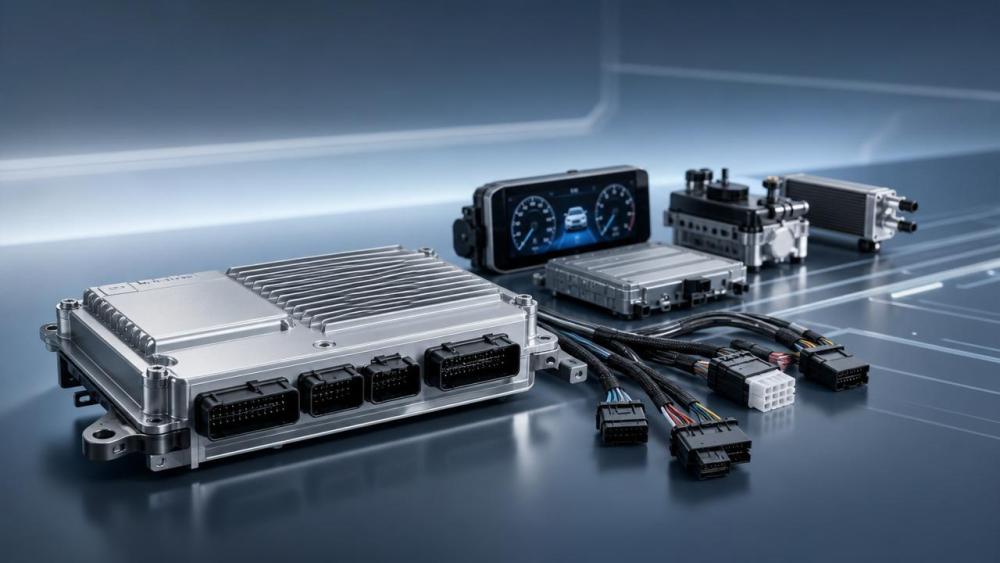
Domain controller price in 2026 is being shaped by a wider system transition, not by processor cost alone.
In automotive and industrial digitalization, controllers now sit closer to software-defined architecture, high-speed communication, and lifecycle cybersecurity.
That shift changes how total cost should be judged.
A lower unit quote can still lead to a higher long-term bill when integration, validation, maintenance, and upgrade limits appear later.
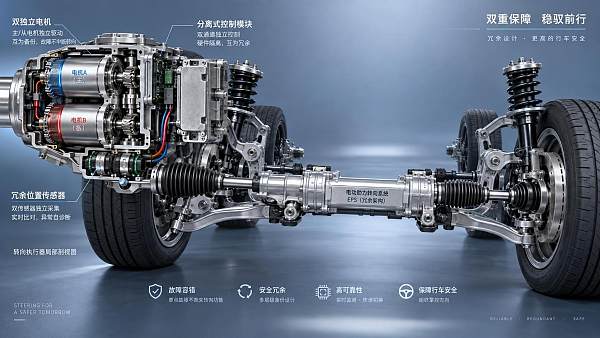
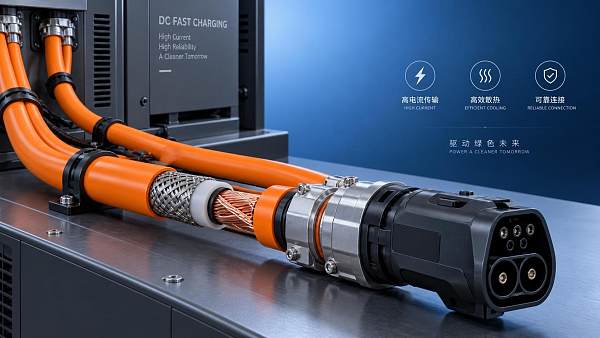
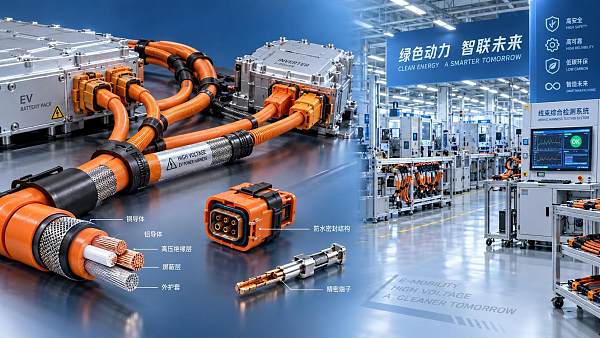
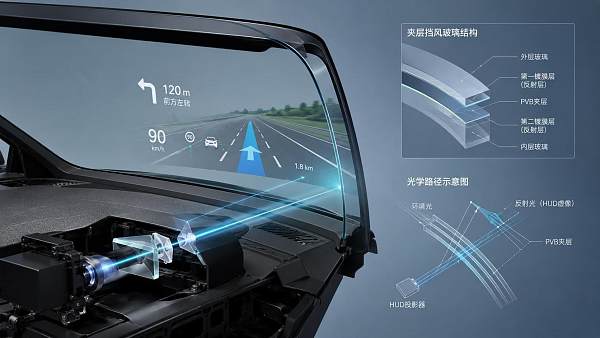
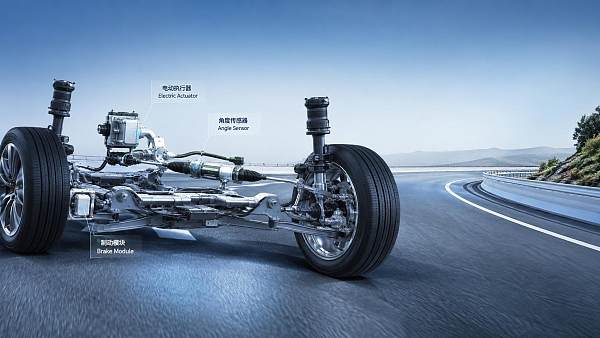
This is especially visible in sectors linked to smart cockpit electronics, thermal management coordination, steer-by-wire, EPS, and high-voltage electrical architecture.
Across these applications, domain controller price increasingly reflects computing consolidation, software stack maturity, and supply chain resilience.
From a market perspective, the more important question is not what a controller costs today, but what the entire system will cost over five to eight years.
Recent market signals are making cost structures more transparent
Over the past two years, buyer expectations have become more precise.
Requests now often cover controller hardware, operating environment, middleware compatibility, cybersecurity design, and update capability in one conversation.
That is a clear sign that domain controller price is being evaluated as a system-level commitment.
In vehicle platforms, controller consolidation can reduce harness complexity and module count.
Yet it may also increase demands on thermal performance, data bandwidth, and fail-safe design.
For companies tracking smart mobility through GACT-related segments, this is already familiar.
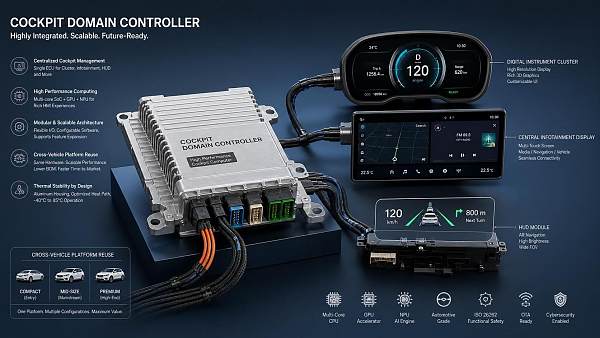
As cockpit displays, HUD systems, data cables, and electronic steering functions become more interconnected, a controller decision affects several component categories at once.
That is why domain controller price in 2026 is moving closer to platform economics than simple component sourcing.
The hidden cost shift is happening in integration layers
Hardware pricing still matters, but hidden cost is often created in integration work.
Interfaces between controller software and sensors, displays, compressors, valves, or steering subsystems can expand project effort quickly.
When legacy architectures are mixed with newer zonal or centralized designs, engineering hours rise faster than expected.
This is one reason domain controller price comparisons based only on BOM values are becoming less reliable.
What is actually driving domain controller price upward or downward
Several cost drivers now carry more weight than they did in earlier electronic control programs.
Some of them can push domain controller price higher at the start, while lowering lifecycle cost later.
More noticeable now is the interaction between these factors.
For example, a stronger chip without mature middleware may delay launch.
A lower-cost design without robust thermal planning may create field reliability issues.
So when evaluating domain controller price, the right lens is total system readiness.
Why automotive electrification makes the cost debate more complex
Electrification is changing cost logic beyond propulsion systems.
Controllers now coordinate more cross-domain functions, especially in thermal, cockpit, and chassis-related architectures.
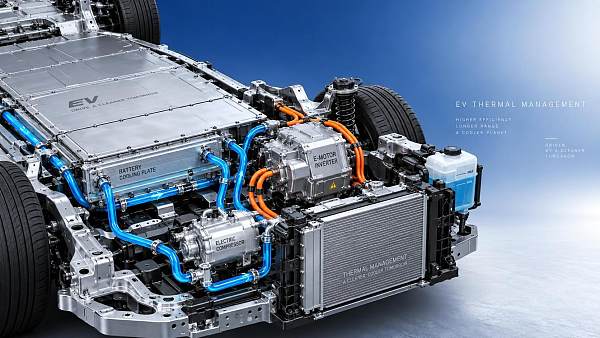
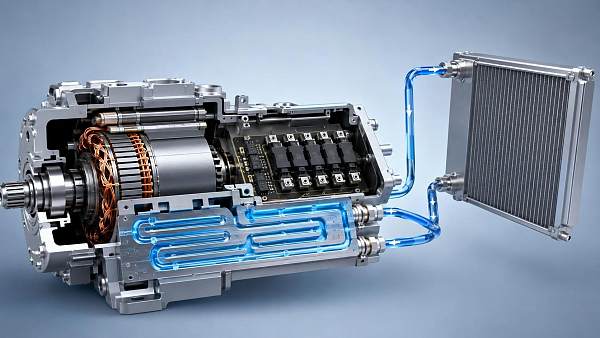
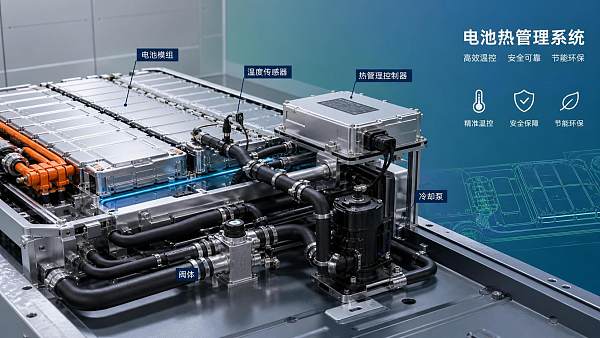
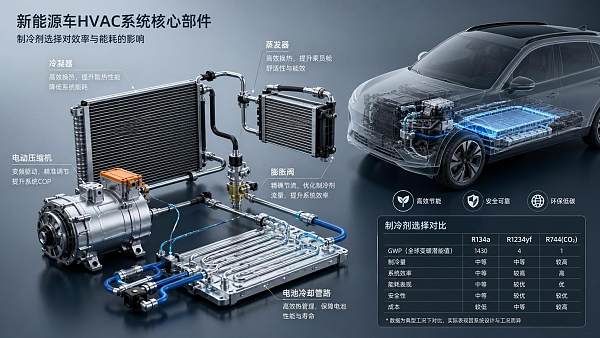
In NEV platforms, battery liquid cooling, heat pump systems, electric compressors, and smart cabin electronics increasingly rely on tighter control coordination.
That coordination raises the strategic value of controller architecture.
It also changes domain controller price by linking it to vehicle efficiency, software flexibility, and future feature expansion.
A controller that supports scalable thermal and communication strategies may cost more initially.
Still, it can help avoid redesign across harness layout, communication cables, display integration, or power management later.
This is where sector intelligence matters.
Signals from compressors, wiring harnesses, smart cockpit electronics, and steer-by-wire systems often reveal cost pressure before it appears in controller quotations.
Regional supply conditions are part of the price story
China, the United States, Germany, Japan, South Korea, India, Mexico, and Southeast Asia are not moving at the same pace.
Local software ecosystems, compliance pathways, labor costs, and export conditions affect domain controller price in different ways.
In some markets, lower assembly cost is offset by longer integration cycles.
In others, stronger engineering support justifies a higher initial quote.
The biggest impact is often felt after sourcing, not before
One of the most common mistakes is treating domain controller price as a sourcing event.
In practice, the most expensive consequences often emerge during validation, software updates, and field maintenance.
A controller with limited scalability may require earlier replacement.
A closed software environment can increase dependence on one development path.
A weak diagnostic framework can add service cost across the product lifecycle.
- Validation cost rises when interfaces are poorly documented or tested late.
- Update cost rises when over-the-air capability is incomplete or fragmented.
- Service cost rises when fault tracing spans controller, harness, and peripheral modules.
- Redesign cost rises when future functions exceed memory, bandwidth, or thermal margins.
That pattern matters for any business balancing product launches with platform longevity.
It is even more relevant where components evolve quickly, such as cockpit displays, communication cables, electric compressors, and integrated thermal valves.
What deserves closer attention before comparing quotations
The next phase of evaluation should go beyond unit price sheets.
A better comparison starts by identifying where hidden cost is most likely to appear.
Questions that sharpen a domain controller price review
- How much of the software stack is included, licensed separately, or tied to future usage fees?
- What thermal margin exists under peak workload and real enclosure conditions?
- Which cybersecurity functions are native, and which require external development effort?
- How easily can the controller scale across display, steering, thermal, or communication upgrades?
- What support is available for validation, diagnostics, and long-term software maintenance?
These questions make domain controller price more comparable across regions and architectures.
They also reduce the risk of selecting a low visible cost with high hidden obligations.
A more useful 2026 cost view starts with scenario planning
The strongest cost decisions now come from scenario-based planning rather than static quotation review.
One scenario may prioritize fast launch and proven software compatibility.
Another may favor broader consolidation across cockpit, thermal, and steering domains.
Each path leads to a different domain controller price profile.
What matters is whether the chosen architecture fits expected feature growth, compliance needs, and service strategy.
A practical next step is to map controller cost against three horizons: launch, integration, and lifecycle support.
Then compare those results with adjacent component trends, including wiring architecture, thermal efficiency demands, cockpit compute load, and export-side supply stability.
In 2026, domain controller price will continue to matter, but the more valuable insight lies in total system cost discipline.
The better decisions will come from watching technical signals early, testing integration assumptions, and building phased cost models before platform commitments become expensive to reverse.
Related News
- 00
0000-00
Where automotive thermal management applications matter most in EV design - 00
0000-00
How actuator redundancy affects steer-by-wire system safety - 00
0000-00
What cable ratings matter most in a fast charging harness? - 00
0000-00
How to specify a low voltage harness assembly for automotive use - 00
0000-00
What to verify before choosing a variable speed compressor supplier
Weekly Insights
Stay ahead with our curated technology reports delivered every Monday.
Recommended News
 Where automotive thermal management applications matter most in EV designAutomotive thermal management applications shape EV battery safety, fast charging, range, HVAC comfort, and powertrain reliability. Explore the design priorities that matter most.Author:Time:Sep 14, 2026
 How actuator redundancy affects steer-by-wire system safetySteer by wire actuator redundancy explained: discover how independent power, sensing, control, and fault handling protect vehicle steering safety.Author:Time:Sep 13, 2026
 What cable ratings matter most in a fast charging harness?Fast charging harness ratings explained: assess current capacity, thermal derating, voltage, shielding, and connector performance for reliable EV charging.Author:Time:Sep 12, 2026
 How to specify a low voltage harness assembly for automotive useLow voltage harness assembly specification guide for automotive use—covering circuit design, durability, EMC, validation, and production-ready compliance.Author:Time:Sep 11, 2026
 What to verify before choosing a variable speed compressor supplierVariable speed compressor supplier selection made easier: verify technical fit, validation, compliance, capacity, and after-sales support before sourcing.Author:Time:Sep 10, 2026
 What is driving the EV wiring harness price trend in 2026?EV wiring harness price trend in 2026: explore how high-voltage systems, copper costs, vehicle architecture, and sourcing strategies shape EV harness costs.Author:Time:Sep 09, 2026
 How windshield curvature causes HUD system image distortionHUD system image distortion explained: discover how windshield curvature affects focus, ghosting, keystone, and AR-HUD accuracy—and how to evaluate solutions.Author:Time:Sep 08, 2026
 How to choose an AR-HUD projector for different windshield designsAR-HUD projector selection guide for different windshield designs. Learn how curvature, wedge glass, coatings, calibration, and packaging affect clear, stable AR display performance.Author:Time:Sep 07, 2026
 How does an e-drive cooling system prevent motor and inverter overheating?E-drive cooling system guide: learn how targeted coolant flow, cold plates, heat rejection, and smart controls prevent motor and inverter overheating.Author:Time:Sep 07, 2026
 How does vehicle motion control support safer steer-by-wire systems?Vehicle motion control strengthens steer-by-wire safety by coordinating steering, braking, and propulsion. Explore fault handling, validation, and safer vehicle responses.Author:Time:Sep 05, 2026
 How insulation monitoring protects high-voltage electrical architectureHigh-voltage electrical architecture insulation monitoring detects leakage early, improving EV safety, fault diagnosis, quality control, and reliability.Author:Time:Sep 04, 2026
 How ISO 26262 shapes functional safety requirements for automotive actuatorsAutomotive Actuators functional safety: discover how ISO 26262 links vehicle hazards, ASILs, diagnostics, and safety evidence for reliable actuator design.Author:Time:Sep 03, 2026
 How to choose a thermal management controller for battery coolingThermal Management Controller selection guide for battery cooling: compare control accuracy, BMS integration, safety, efficiency, and validation for smarter EV performance.Author:Time:Sep 02, 2026
 How EV powertrain components in Europe are adapting to 800V systemsEV Powertrain Components Europe are evolving for 800V systems—discover how inverters, e-axles, connectors and cooling enable safer, faster, high-performance EVs.Author:Time:Sep 01, 2026
 How electronic expansion valves improve heat pump efficiency at part loadElectronic expansion valve heat pump systems improve part-load efficiency through precise refrigerant control, stable superheat, and smarter EV thermal management. Explore key insights.Author:Time:Aug 31, 2026
 How to qualify an automotive flexible electronics supplier for FFC reliabilityAutomotive flexible electronics supplier qualification guide: verify FFC bend, thermal, electrical, connector, and production reliability before sourcing.Author:Time:Aug 30, 2026
 What to audit before choosing a swash plate compressor factorySwash plate compressor factory audit guide: verify machining, testing, traceability, change control, supply stability, and export readiness before sourcing.Author:Time:Aug 29, 2026
 How automotive thermal management modules affect EV battery coolingAutomotive thermal management module insights for EV battery cooling: learn how flow, chillers, heat pumps, and predictive controls improve fast charging, range, and reliability.Author:Time:Aug 28, 2026
 When does an aftermarket auto A/C compressor become a false economy?Auto A/C compressor aftermarket choices can cut upfront costs—but when do they raise lifecycle risk? Explore fitment, durability, warranty, and downtime factors before you buy.Author:Time:Aug 27, 2026
 How rising freight volatility is reshaping global automotive supply chain logisticsGlobal automotive supply chain logistics is being reshaped by freight volatility. Discover practical strategies to reduce risk, improve control, and protect automotive sourcing and production continuity.Author:Time:Aug 26, 2026
 How to choose automotive Ethernet cables for EMI-heavy vehicle systemsAutomotive Ethernet cables for EMI-heavy vehicles: learn how to compare shielding, signal integrity, durability, and connector fit to choose a more robust, future-ready link.Author:Time:Aug 25, 2026
 When does commercial vehicle thermal management for trucks lower fleet operating costsCommercial vehicle thermal management for trucks lowers fleet costs by reducing fuel or energy waste, downtime, and component failures. See when the ROI is real and worth the investment.Author:Time:Aug 24, 2026
 What drives auto A/C compressors price differences across vehicle typesAuto A/C compressors price varies by vehicle type, design, and thermal system demands. Learn the real cost drivers to compare quotes smarter and avoid hidden sourcing risks.Author:Time:Aug 23, 2026
 When is a 600V motor harness the right choice for EV subsystemsMotor harness 600V is ideal for EV subsystems like compressors and pumps when voltage, thermal load, EMC, and packaging demand a compact, reliable, cost-smart harness solution.Author:Time:Aug 22, 2026
 What makes a cockpit domain controller ECU scalable across vehicle platformsCockpit domain controller ECU scalability goes beyond compute—learn how modular software, display flexibility, thermal design, and network compatibility enable reuse across vehicle platforms.Author:Time:Aug 21, 2026
 When does automotive sourcing in Mexico lower total landed cost?Automotive sourcing in Mexico lowers total landed cost when logistics, tariffs, inventory, and supplier capability align. Learn where savings are real and when the switch pays off.Author:Time:Aug 20, 2026
 How to choose a 24V low voltage harness for vibration-prone systemsLow voltage harness 24V selection for vibration-prone systems: learn how to assess wire flexibility, terminals, routing, and durability to prevent failures and improve reliability.Author:Time:Aug 19, 2026
 How refrigerant choice affects automotive HVAC system efficiencyAutomotive HVAC system refrigerant choices directly shape efficiency, compressor load, EV range, and compliance. Discover how to compare refrigerants for smarter thermal system decisions.Author:Time:Aug 18, 2026
 Is heat pump air conditioning worth it for EVs in hot climates?Heat pump air conditioning EV systems can help in hot climates—but only when thermal management is well engineered. Learn what really improves comfort, battery cooling, and summer range.Author:Time:Aug 17, 2026
 What drives automotive projection display price?Automotive projection display price depends on optics, brightness, materials, integration, and validation—discover the key cost drivers behind smarter sourcing decisions.Author:Time:Aug 16, 2026