Automotive Supply Chain Risks Shaping 2026 Sourcing Decisions




As 2026 sourcing strategies take shape, automotive supply chain volatility is becoming a board-level concern for manufacturers and suppliers alike. From raw material swings and regional policy shifts to electrification-driven component bottlenecks, decision-makers must balance cost, resilience, and technology readiness. This article explores the key risks influencing procurement priorities across critical vehicle systems and what they mean for smarter, future-focused sourcing.
Why is automotive supply chain risk now a strategic sourcing issue?
The automotive supply chain is no longer a background procurement function. It now directly shapes launch timing, platform profitability, compliance exposure, and even product architecture decisions. For executive teams, the key shift is simple: supply risk has moved from an operational inconvenience to a strategic variable.
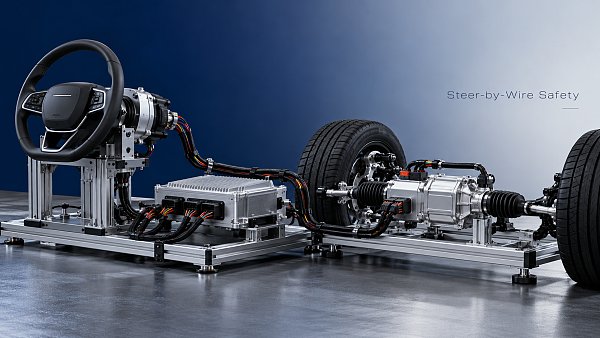
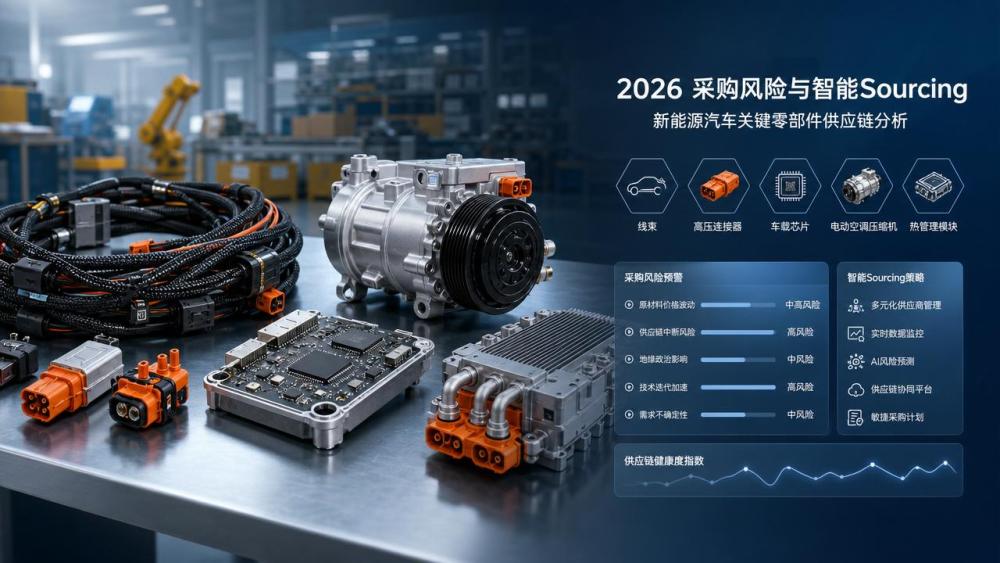
This is especially true in electrified and software-rich vehicles, where wiring harnesses, steer-by-wire related systems, electric compressors, IVI hardware, and NEV thermal management modules have become more interconnected. A shortage or qualification delay in one subsystem can cascade into redesign work, higher testing costs, or missed SOP targets.
For decision-makers, the challenge is not merely identifying the cheapest supplier. It is understanding which component families carry the highest disruption potential and which sourcing models can protect program continuity.
- Electrification increases dependence on copper, aluminum, magnets, semiconductors, refrigerant-compatible materials, and high-voltage insulation systems.
- Regional industrial policies are reshaping supplier footprints, local content expectations, and market access rules.
- Validation cycles are getting longer for safety-critical and integrated modules, reducing flexibility when supplier switching becomes necessary.
- Tier 1 and OEM buyers increasingly need intelligence that connects commodity trends with component engineering realities.
That is where GACT adds practical value. Its focus on underlying electromechanical controls, smart cabin electronics, and NEV thermal systems helps procurement leaders assess risk not only at the company level, but at the component logic level.
Which 2026 automotive supply chain risks deserve the most attention?
Not all disruptions carry the same weight. Some are temporary price events, while others can alter supplier qualification strategy for several years. The table below highlights major automotive supply chain risk categories and their likely sourcing impact in 2026.
The main takeaway is that automotive supply chain risk is now deeply layered. Commodity pressure, electronics concentration, and regulatory fragmentation often interact. Buyers that evaluate them separately may underestimate total exposure.
How component architecture changes risk intensity
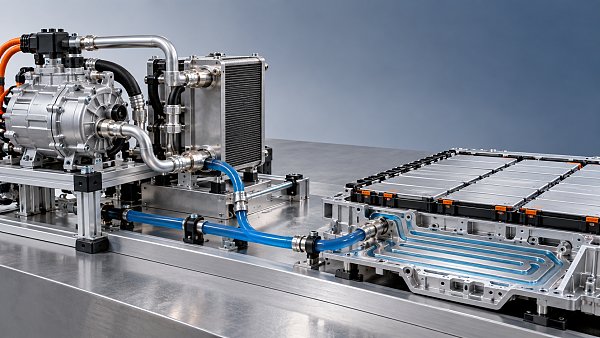
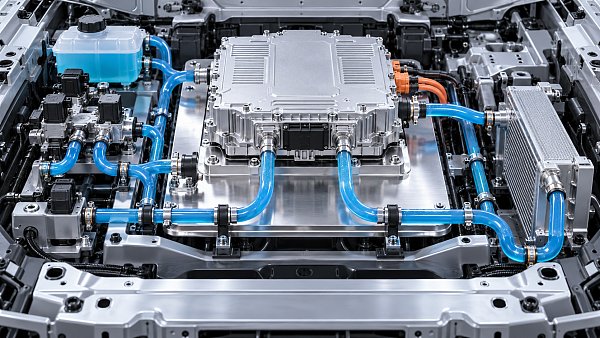
A traditional single-function component can often be replaced with manageable engineering work. A highly integrated module is different. In NEV thermal management, for example, heat pumps, multi-way valves, sensors, control logic, and packaging constraints are tightly linked. If one supplier fails, the replacement path can be far slower and more expensive than buyers initially assume.
The same pattern appears in IVI and steering electronics. Increasing functional concentration may reduce BOM count, but it can also raise qualification dependence on fewer strategic suppliers.
Where are sourcing risks most visible across core vehicle systems?
For 2026 planning, executives should not treat the automotive supply chain as a single risk pool. Different systems face different constraints, and each needs a tailored sourcing lens.
Auto wiring harnesses
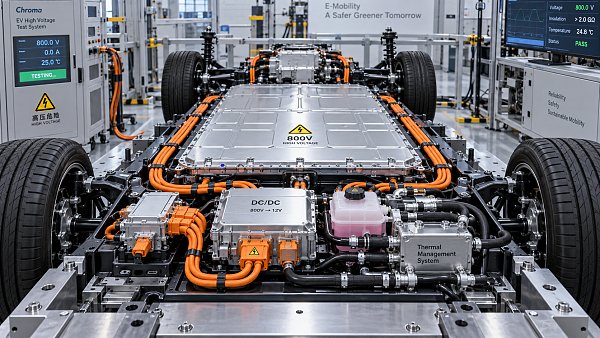
Harnesses are highly exposed to copper pricing, labor intensity, plant location strategy, and connector ecosystem complexity. High-voltage architectures add insulation, shielding, and temperature resistance requirements. In advanced driver-assistance environments, data transmission reliability also raises the performance bar.
Power steering systems
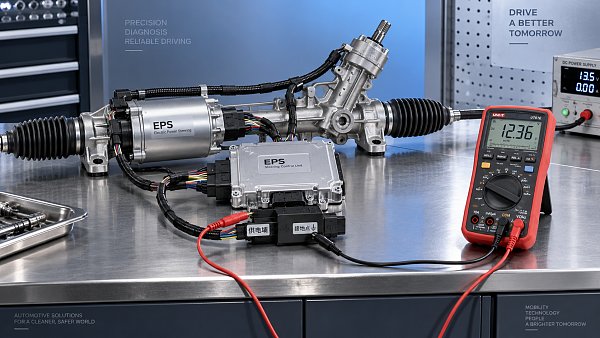
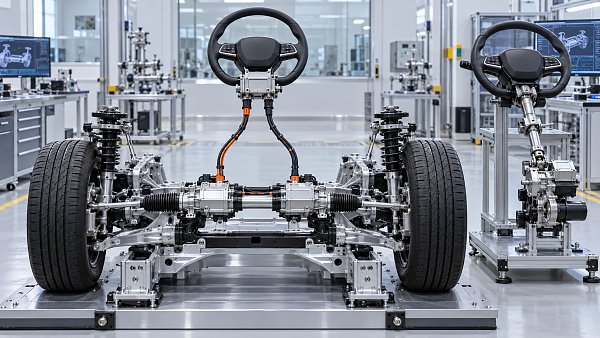
EPS and steer-by-wire related sourcing is shaped by safety expectations, software integration, actuator precision, and controller availability. Replacement risk is high because validation is demanding and regulatory scrutiny tends to increase with automated driving functions.
Auto A/C compressors
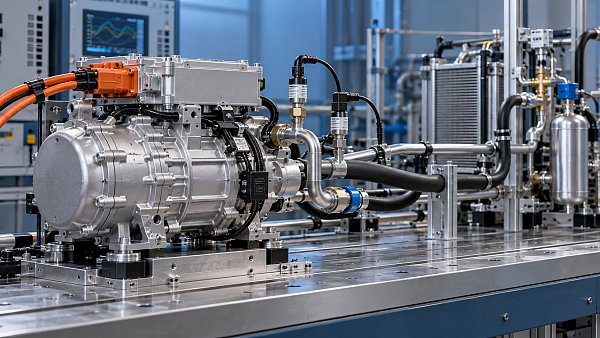
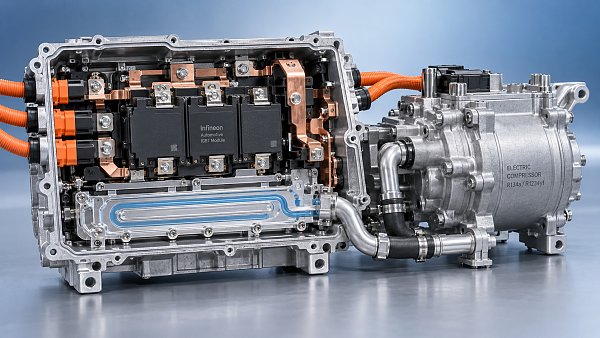
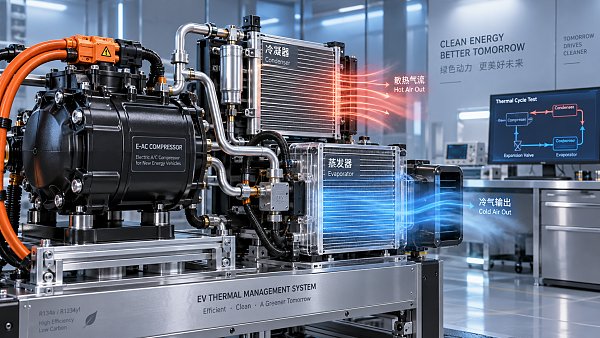
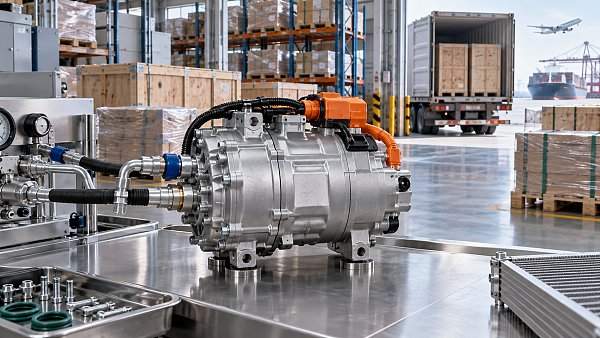
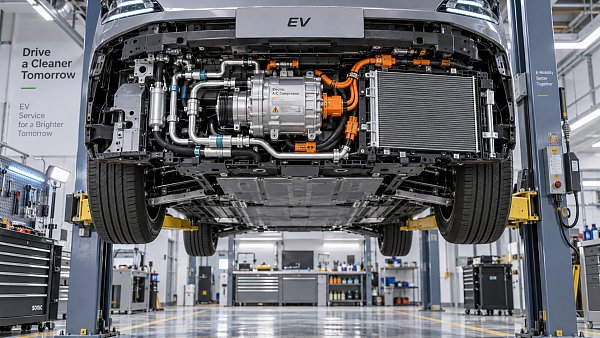
Electric compressor adoption in NEVs changes sourcing priorities from conventional mechanical supply to inverter compatibility, NVH control, efficiency mapping, and refrigerant system integration. The issue is not only unit price. Energy consumption affects vehicle range and customer comfort.
In-vehicle infotainment
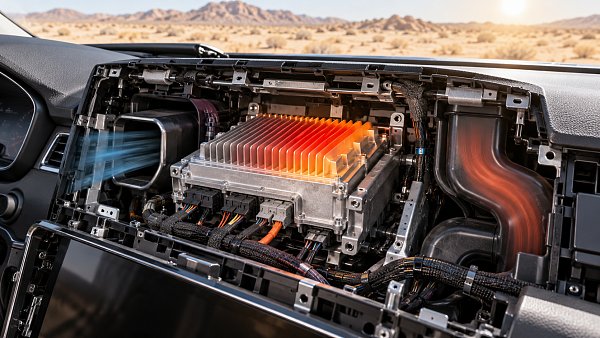
IVI sourcing faces semiconductor concentration, display and compute platform cycles, regional cybersecurity requirements, and faster obsolescence than mechanical components. Procurement teams must coordinate closely with software and electronics engineering teams before committing volume.
NEV thermal management systems
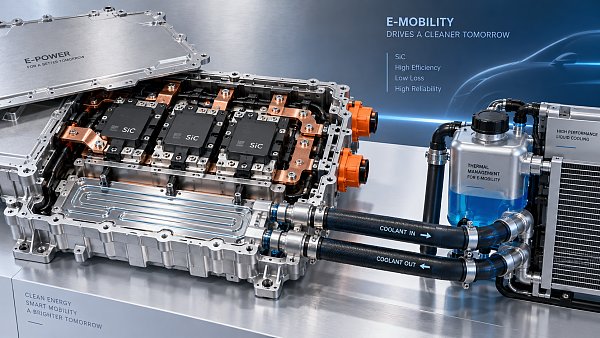
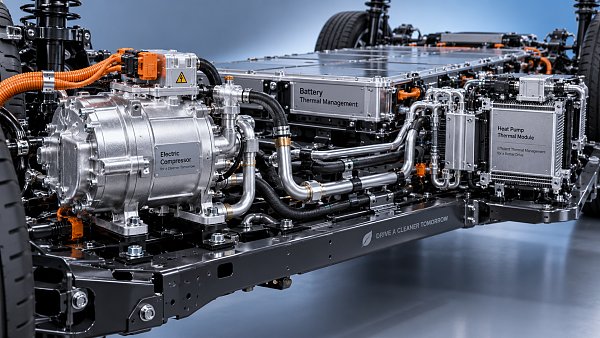
Thermal modules are becoming a critical bottleneck because they directly affect battery performance, cabin heating efficiency, and e-drive durability. Highly integrated heat pump systems create attractive system-level gains, but they also reduce flexibility if valve blocks, sensors, or control strategies are supplier-specific.
- If a part influences both energy efficiency and safety, switching cost rises sharply.
- If a subsystem depends on custom calibration logic, lead time risk expands beyond material availability.
- If a design requires scarce automotive-grade electronics, forecast accuracy becomes a competitive advantage.
GACT’s coverage of these five pillars is particularly useful because it helps procurement teams compare technical dependency across systems rather than reacting only to monthly price movement.
How should decision-makers compare sourcing options in 2026?
A resilient automotive supply chain strategy must compare suppliers on more than cost and quoted lead time. The table below offers a practical evaluation model for board-level or cross-functional sourcing reviews.
A useful sourcing comparison does not seek perfection in every dimension. Instead, it identifies where the enterprise can accept risk and where it cannot. Safety-critical and integration-heavy systems generally justify a higher resilience premium than commodity-like parts.
Three sourcing models and when they fit
- Single strategic source: Suitable when technical integration is deep, supplier capability is proven, and switching cost would be excessive.
- Dual source by region: Useful when tariff risk, transport uncertainty, or local content rules are likely to affect continuity.
- Platform-based source mix: Effective when shared architectures allow some standardization without forcing one supplier across all vehicle programs.
The best choice depends on component criticality, qualification timelines, and the real engineering cost of substitution. This is why intelligence-led sourcing often outperforms price-led tendering.
What procurement signals should leaders monitor before locking suppliers?
Board-level sourcing reviews often fail because they rely on lagging indicators. By the time a supplier misses deliveries, the real problem may have started months earlier in commodity procurement, engineering changes, or certification bottlenecks.
- Track material linkage: Know which parts are materially sensitive to copper, aluminum, or specialized electronics, and how price pass-through is structured.
- Track validation bottlenecks: Ask whether PPAP, environmental validation, EMC checks, and software integration reviews are on the critical path.
- Track design dependency: Identify supplier-specific algorithms, connectors, firmware, and thermal control logic that may restrict second-source options.
- Track regional exposure: Review plant location, customs risk, logistics corridors, and geopolitical concentration for each critical part family.
For companies sourcing harnesses, steering systems, electric compressors, IVI modules, and NEV thermal components, these indicators should be reviewed together. A cost-saving decision in one category can create hidden integration costs in another.
How do standards and compliance affect automotive supply chain choices?
Compliance is often underestimated in sourcing discussions because it does not always appear in the initial quote. Yet in automotive supply chain management, certification readiness and process discipline frequently determine whether a supplier can support program expansion across markets.
While requirements differ by component and customer, buyers commonly review quality management alignment, traceability depth, material declaration practices, and testing capability for automotive-grade applications. Electrical and thermal components may also require careful attention to reliability, environmental exposure, and functional safety related expectations.
For decision-makers, the practical question is not whether a supplier mentions standards, but whether its documentation, process controls, and engineering support can survive customer audits and change requests without delaying launch.
Common compliance checkpoints in sourcing reviews
- Process consistency for automotive-grade manufacturing and change control.
- Traceability from raw material or electronic component to delivered batch.
- Support for validation documents, sample builds, and engineering deviation handling.
- Clarity on test standards relevant to thermal, electrical, vibration, and EMC conditions.
FAQ: what do buyers most often ask about automotive supply chain planning?
How early should 2026 sourcing decisions be finalized?
For standard parts, timing depends on demand visibility and regional logistics. For integrated automotive systems such as NEV thermal modules, steering electronics, or IVI platforms, sourcing alignment should begin much earlier because validation, software coordination, and tooling can take longer than expected. Late switching is usually expensive.
Is dual sourcing always the best answer to automotive supply chain risk?
No. Dual sourcing works best when interfaces are standardized and requalification is realistic. In highly integrated systems, a second source may exist on paper but remain impractical because of calibration logic, packaging, safety validation, or controller compatibility. The better question is whether the second source is operationally usable.
Which parts are most vulnerable to hidden cost increases?
Parts with high copper, aluminum, semiconductor, or specialized polymer content are typical candidates. However, hidden cost also comes from redesign, delayed qualification, premium freight, and engineering support. A low quoted price can become expensive if dependency risk is ignored.
What is a common mistake in executive sourcing reviews?
A frequent mistake is separating purchasing, engineering, and compliance assessment. In today’s automotive supply chain, a supplier that looks competitive on cost may still create serious risk if validation capability, software support, or local production readiness is weak.
Why do intelligence-driven sourcing teams make better 2026 decisions?
The strongest sourcing teams no longer rely only on RFQ comparisons. They connect market signals with component-level engineering realities. That matters even more in vehicle electrification, where heat flow, signal transmission, controller architecture, and lightweighting choices all interact.
GACT is built for this decision environment. Its intelligence focus across auto wiring harnesses, power steering systems, auto A/C compressors, IVI, and NEV thermal management systems helps leaders understand where risk is temporary, where it is structural, and where it may become a competitive barrier.
Because GACT links commodity movement, automotive-grade access requirements, thermal system evolution, and smart cabin architecture trends, it supports a more useful procurement conversation: not only who can supply, but who can support long-term platform resilience.
Why choose us for automotive supply chain insight and sourcing support?
If your team is preparing 2026 sourcing plans, GACT can help you evaluate risk where it matters most: core component architecture, qualification practicality, and regional supply resilience. This is especially relevant for enterprises dealing with high-voltage harnesses, steering systems, electric compressors, IVI integration, and NEV thermal management modules.
You can consult with us on specific sourcing questions, including parameter confirmation for critical components, supplier comparison logic, expected delivery cycle risks, localization strategy, certification and validation checkpoints, and alternative solution screening for integrated thermal or electronic systems.
If you need support for sample-stage evaluation, RFQ preparation, technology route review, or quote discussions tied to material volatility, GACT offers an intelligence-centered perspective designed for real purchasing decisions rather than generic market commentary.
Related News
- 00
0000-00
How ISO 26262 guides functional safety in steer-by-wire systems - 00
0000-00
How to evaluate a steering angle sensor manufacturer's accuracy claims - 00
0000-00
How to diagnose CAN bus faults in a hybrid vehicle control unit - 00
0000-00
How does battery cooling pipe diameter affect coolant pressure drop? - 00
0000-00
How to assess PPAP readiness of automotive sensor system manufacturers
Weekly Insights
Stay ahead with our curated technology reports delivered every Monday.
Recommended News
 How ISO 26262 guides functional safety in steer-by-wire systemsExplore steering systems functional safety through ISO 26262. Learn how hazard analysis, fault-tolerant design, and validation build a stronger steer-by-wire safety case.Author:Time:Oct 26, 2026
 How to evaluate a steering angle sensor manufacturer's accuracy claimsEvaluate steering angle sensor manufacturer accuracy claims with practical checks on calibration, latency, and test evidence. Compare suppliers confidently and avoid costly selection mistakes.Author:Time:Oct 25, 2026
 How to diagnose CAN bus faults in a hybrid vehicle control unitDiagnose Hybrid Vehicle Systems control unit CAN bus faults with step-by-step power, wiring, and waveform checks. Find the root cause and avoid unnecessary replacement.Author:Time:Oct 24, 2026
 How does battery cooling pipe diameter affect coolant pressure drop?Battery Cooling Pipe diameter affects coolant pressure drop and pump power. Explore sizing calculations and practical tips to optimize EV battery cooling and compare options with confidence.Author:Time:Oct 23, 2026
 How to assess PPAP readiness of automotive sensor system manufacturersAssess Automotive Sensor Systems manufacturers for PPAP readiness. Learn to verify production evidence, measurement capability, validation, and traceability to reduce sourcing risks.Author:Time:Oct 22, 2026
 What to ask an FPC connector manufacturer about reliability testingChoosing an FPC Connector manufacturer? Learn what to ask about reliability testing, failure limits, and traceable results to reduce design risks and select with confidence.Author:Time:Oct 21, 2026
 How to verify vehicle fitment for an aftermarket AC evaporatorNavigating the evaporator aftermarket? Verify vehicle fitment with VIN data, OE numbers, and physical interface checks. Use this guide to avoid costly mismatches and order confidently.Author:Time:Oct 20, 2026
 How electric compressor speed affects EV battery cooling capacityElectric compressor technology: battery cooling depends on more than RPM. Discover how speed, refrigerant flow, and system limits affect EV cooling capacity and energy efficiency.Author:Time:Oct 19, 2026
 How to verify a variable frequency compressor supplier’s efficiency claimsVerify a variable frequency compressor supplier’s efficiency claims using COP boundaries, matched test conditions, and duty-cycle data. Learn how to choose with confidence.Author:Time:Oct 18, 2026
 How bend radius affects FPC reliability in automotive camera modulesAutomotive FPC applications: camera module reliability starts with bend radius. Learn how stack-up, strain, and validation guide robust designs and help prevent costly failures.Author:Time:Oct 17, 2026
 How to diagnose intermittent loss of electric power steering assistMaster power steering system diagnostics to trace intermittent EPS assist loss. Learn proven checks for voltage, wiring, and fault codes to avoid costly guesswork.Author:Time:Oct 16, 2026
 How to size automotive power modules for electric compressorsSize automotive power modules for electric compressors with confidence. Learn how voltage, phase current, losses, and cooling shape reliable selection—and avoid costly oversizing.Author:Time:Oct 15, 2026
 Why automotive power electronics are shifting to silicon carbideAutomotive Power Electronics are shifting to silicon carbide. Discover how SiC can cut losses, boost EV power density, and reshape cooling, reliability, and system costs.Author:Time:Oct 14, 2026
 How EV adoption shapes the electrically driven compressor marketExplore how EV adoption shapes the electrically driven compressor market, from battery cooling and heat pumps to supplier margins. Discover the drivers of profitable growth.Author:Time:Oct 13, 2026
 How to size a PTC heater for reliable EV cabin heatingPTC Heater sizing for EV cabins: learn how to balance defrost performance, heat-pump integration, airflow, voltage range, and battery power for reliable winter comfort.Author:Time:Oct 12, 2026
 What determines the cooling output of electric automotive AC compressors?Automotive air conditioning compressors electric systems: explore how speed, voltage, refrigerant, controls, and heat exchangers shape EV cooling capacity and efficiency.Author:Time:Oct 11, 2026
 What makes a touchscreen media head unit responsive enough for daily use?Touchscreen media head unit performance explained: discover what delivers fast starts, smooth maps, reliable phone pairing, and responsive daily driving.Author:Time:Oct 10, 2026
 How Does a Battery Management System Communicate Cooling Demand?How does a battery management system communicate cooling demand? Explore CAN signals, thermal priorities, fault handling, and EV cooling control strategies.Author:Time:Oct 20, 2026
 Can a Domain Controller Share a Cooling Loop with Other Electronics?Can a domain controller share a cooling loop with other electronics? Explore thermal zoning, flow control, safety priorities, and reliable vehicle electronics cooling strategies.Author:Time:Oct 19, 2026
 What Causes Domain Controller Overheating During Summer Testing?What causes domain controller overheating in summer testing? Explore heat load, airflow, installation, software factors, and practical fixes.Author:Time:Oct 18, 2026
 Is a Head-Up Display Hard to Integrate with Different Windshields?Is a head-up display difficult to integrate with different windshields? Discover how glass geometry, coatings, and calibration affect HUD clarity, cost, and production readiness.Author:Time:Oct 17, 2026
 What Should Be Checked Before Selecting an Automotive Head Unit?What should be checked before selecting an automotive head unit? Explore compatibility, performance, cybersecurity, compliance, and supplier support.Author:Time:Oct 16, 2026
 Is Steer-by-Wire More Expensive Than an EPS Steering System?Is steer-by-wire more expensive than an EPS steering system? Explore the true costs, safety demands, software value, and when SbW justifies its premium.Author:Time:Oct 15, 2026
 Which Automotive Electronics Need Validation for 800V Platforms?What automotive electronics should be validated for 800V platforms? Explore critical checks for harnesses, power electronics, thermal systems, safety, and EMC.Author:Time:Oct 14, 2026
 How Do Automotive Compressor Export Requirements Vary by Market?How do automotive compressor export requirements vary by market? Explore key compliance rules for refrigerants, EV safety, OEM approvals, labeling, and customs.Author:Time:Oct 13, 2026
 What Documents Are Needed to Export Automotive Thermal Components?What documents are needed to export automotive thermal components? Explore customs, compliance, technical records, and shipping tips to prevent costly delays.Author:Time:Oct 12, 2026
 How Often Should an EV Air Conditioning Compressor Be Inspected?How often should an EV air conditioning compressor be inspected? Discover recommended service intervals, warning signs, and expert care tips to protect cooling performance and EV reliability.Author:Time:Oct 11, 2026
 How resolution and refresh rate affect vehicle dashboard displaysCompare resolutions and refresh rates of vehicle dashboard displays to optimize readability, motion, latency, and cockpit performance. Explore the right specs for every vehicle display.Author:Time:Oct 20, 2026
 How to size power solutions for automotive head-up display systemsHeads-up display systems power solutions: learn how to size automotive HUD power architectures for startup, brightness, thermal limits, EMC, protection, and reliable vehicle operation.Author:Time:Oct 19, 2026
 How does a head-up display work in a high-performance car?Hoe werkt een head-up display in een high-performance auto en welke informatie toont het? Discover the tech, safety alerts, and performance data that sharpen every drive.Author:Time:Oct 18, 2026