Battery Thermoregulation Trends Shaping EV Range in 2026




As EV competition shifts from headline range figures to real-world efficiency, battery thermoregulation is becoming a decisive lever for performance, safety, and cost control in 2026. For business decision-makers, understanding how thermal architectures, integrated heat pumps, and smarter energy management shape vehicle range is essential to evaluating suppliers, technology roadmaps, and long-term competitiveness in the evolving electric mobility market.
Why battery thermoregulation is now a board-level EV range issue
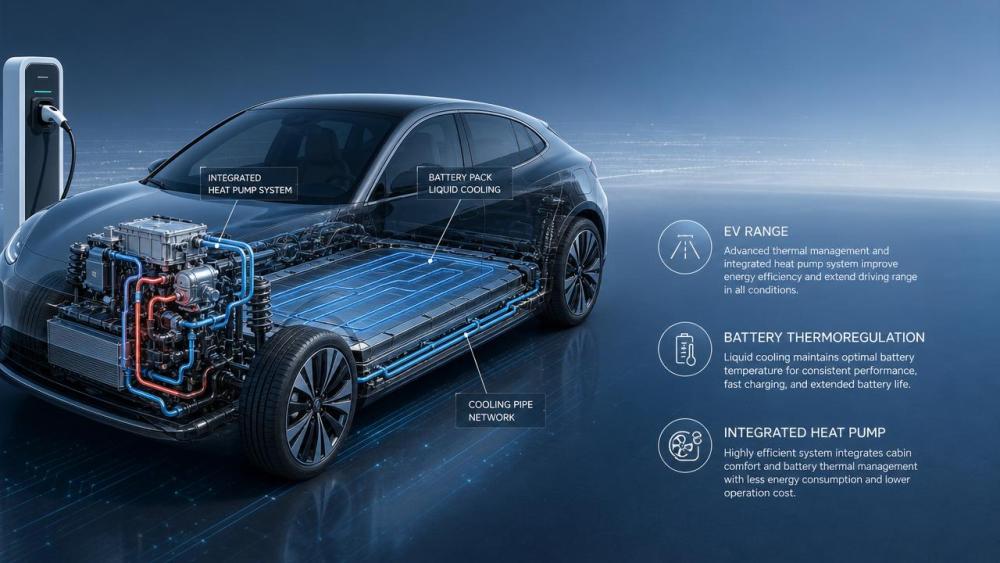
Battery thermoregulation is no longer a narrow engineering topic. In 2026, it directly affects usable range, charging speed consistency, battery aging, warranty risk, and the total energy balance between cabin comfort and propulsion.
For OEMs, Tier 1 suppliers, and sourcing leaders, the central question is simple: can the thermal system keep cells inside an efficient operating window across winter starts, summer fast charging, urban stop-go traffic, and highway load peaks?
If the answer is no, real-world range drops faster than brochure values suggest. If the answer is yes, the vehicle gains a measurable edge in customer satisfaction, charging confidence, and lifecycle economics.
- Cold conditions can reduce available power and raise cabin heating demand at the same time, creating a double penalty on range.
- High ambient temperatures can increase cooling energy draw while accelerating cell degradation if temperature uniformity is poor.
- Fast charging performance depends on preconditioning logic, coolant routing, compressor efficiency, and battery pack thermal responsiveness.
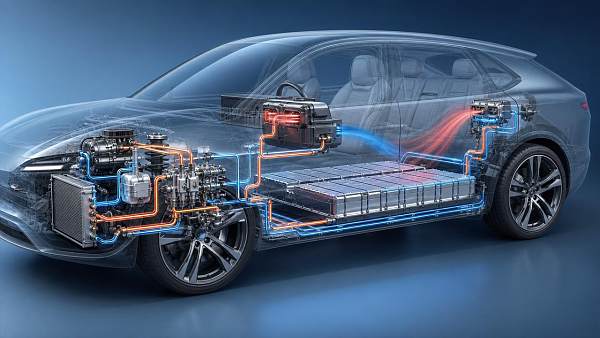
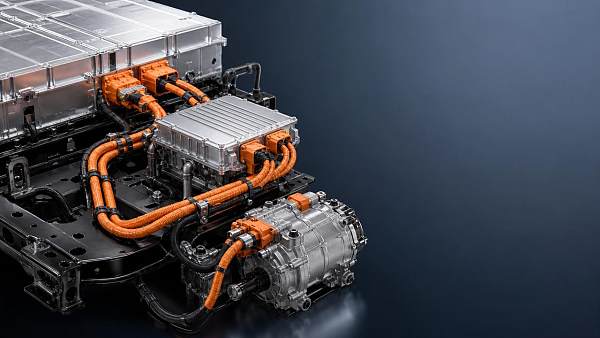
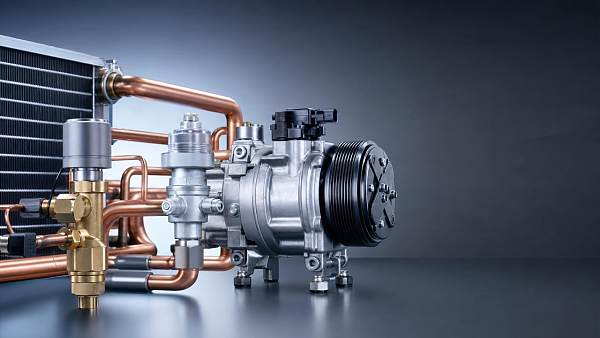
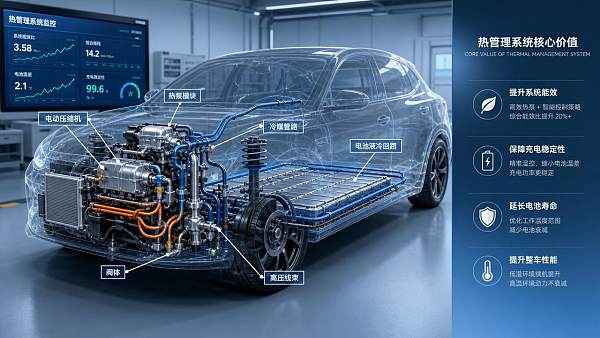
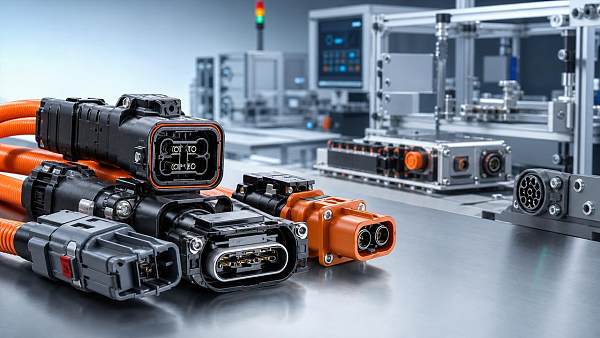
This is where GACT’s perspective matters. Battery thermoregulation cannot be assessed in isolation. It sits at the intersection of high-voltage wiring, electric compressors, heat pump logic, multi-way valves, e-drive cooling, and smart control architecture.
What is changing in 2026 battery thermoregulation architectures?
The biggest shift is integration. Earlier EV platforms often treated battery cooling, cabin HVAC, and e-powertrain cooling as partly separate domains. Newer platforms increasingly combine them into coordinated thermal loops managed by software-rich control strategies.
That integration improves range because waste heat can be reused, compressor work can be optimized across loads, and preconditioning can be synchronized with route planning and charging behavior.
Key architecture trends decision-makers should track
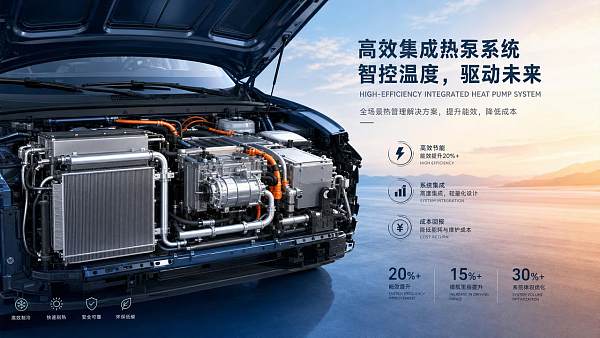
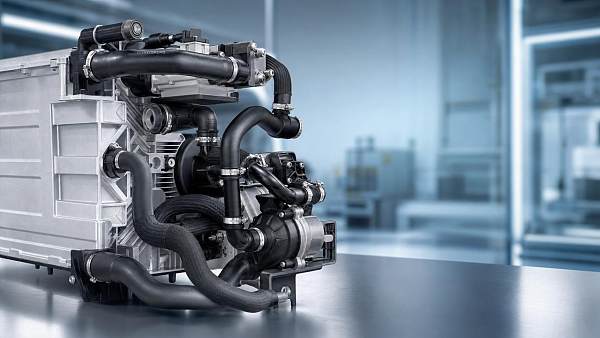
- Higher adoption of integrated heat pump systems that serve battery thermoregulation, cabin heating, and component cooling from one coordinated platform.
- Greater use of multi-way valves to dynamically prioritize battery temperature control during charging, launch, towing, or extreme weather.
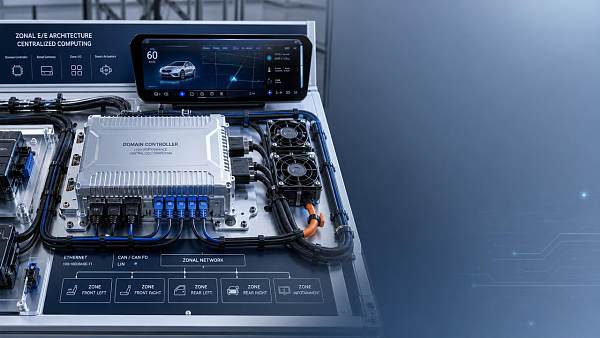
- More advanced domain control software linking thermal actions with navigation, state of charge, driver behavior, and ambient forecasts.
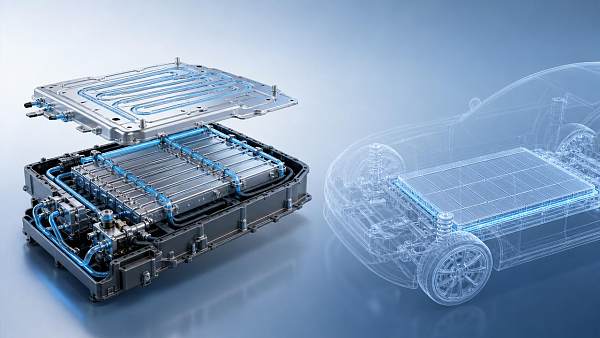
- Stronger focus on pack-level temperature uniformity, not just average temperature, because cell-to-cell variation affects aging and usable energy.
For buyers and program managers, this means supplier evaluation must extend beyond hardware catalogs. The quality of control logic, integration capability, and validation methodology increasingly determines range outcomes.
Which battery thermoregulation solutions affect EV range most?
Not every thermal upgrade delivers the same business value. The table below compares major battery thermoregulation solution paths based on their likely influence on range, system complexity, and sourcing implications.
The strategic takeaway is that battery thermoregulation should be judged by system-level outcomes, not single-component claims. A stronger compressor alone will not solve range loss if valve logic, coolant paths, and controls are poorly aligned.
How should enterprise buyers evaluate suppliers and platforms?
Procurement teams often face polished presentations but limited cross-domain transparency. Battery thermoregulation sourcing works best when technical and commercial teams assess the same decision matrix from the start.
Core evaluation checklist
- Check climate performance across low-temperature startup, high-temperature charging, and repeated drive-charge cycles rather than one laboratory point.
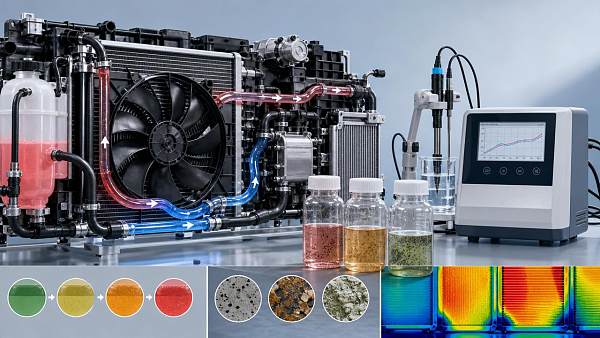
- Request evidence of pack temperature uniformity and control response time, because uneven cell temperatures create hidden lifecycle costs.
- Review the interaction between battery thermoregulation and cabin HVAC, especially in winter where comfort demand often erodes range claims.
- Assess software maturity, diagnostics capability, and over-the-air update readiness for thermal control optimization after launch.
- Map the bill of material exposure to copper, aluminum, refrigerant circuit components, and control valves to understand cost volatility.
GACT’s value for decision-makers lies in connecting these factors. Thermal systems do not operate independently from wiring harness capacity, compressor electrification, smart cabin loads, or steering and chassis energy strategies. Range is shaped by the whole vehicle energy network.
Battery thermoregulation comparison: integrated thermal module vs separated subsystem design
A common investment question is whether to move toward a highly integrated thermal module or keep battery, cabin, and e-drive thermal functions more separated. The answer depends on scale, software capability, validation resources, and target market climate conditions.
For premium EVs or platforms targeting global climates, integrated systems usually offer a stronger long-term business case. For cost-sensitive launches or shorter development windows, a more modular path may still be justified if thermal performance targets remain realistic.
What cost and risk factors do executives often underestimate?
The most common mistake is treating battery thermoregulation as an added cost rather than a margin-protection tool. Weak thermal control can trigger higher warranty exposure, slower charging perception, reduced residual values, and lower customer trust in cold or hot regions.
Hidden cost drivers
- Oversized battery packs used to compensate for poor thermal efficiency increase material cost and mass.
- Late-stage thermal redesign can disrupt packaging, software release schedules, and validation plans.
- Inadequate preconditioning logic can raise charging complaints even when charger infrastructure is not the main bottleneck.
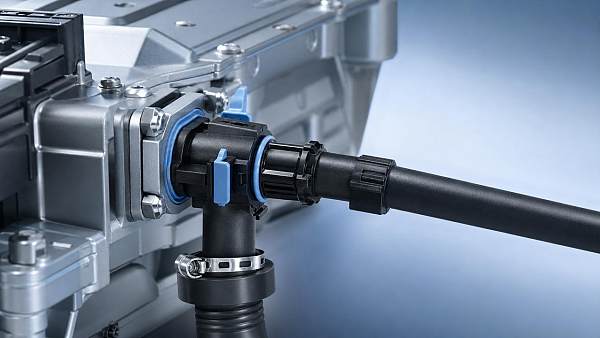
- Poor coolant or refrigerant circuit reliability can increase service events and field diagnostics costs.
This is why commercial intelligence matters alongside engineering. GACT tracks not only technology evolution but also cost signals in copper, aluminum, and automotive-grade access requirements that influence thermal module economics and sourcing resilience.
Which standards and validation topics should be included in procurement reviews?
Battery thermoregulation programs should not move forward on efficiency promises alone. Procurement reviews need a practical compliance and validation framework covering safety, durability, EMC interaction, refrigerant handling, and environmental operating windows.
The exact standard set varies by market and vehicle class, but the review scope should at least include thermal shock, vibration durability, insulation and high-voltage safety interfaces, software diagnostics, and climate chamber validation for charging and driving events.
A disciplined review process reduces the risk of selecting a solution that looks efficient on paper but struggles in regional launches, fast-charge corridors, or after extended field exposure.
How GACT helps decision-makers turn thermal complexity into sourcing clarity
GACT is positioned around the exact interfaces that define battery thermoregulation success: vehicle electrification controls, electric compressors, smart cabin electronics, wiring harnesses, power steering evolution, and NEV thermal integration.
That cross-domain visibility is critical because thermal performance is not only about a pack cooler or a heat pump. It also depends on electrical load behavior, domain controller logic, actuator coordination, and the way global supply chains absorb design change.
Typical questions GACT can support
- Which battery thermoregulation architecture is better suited to your platform cost target and launch region?
- How should electric compressor, valve, and harness decisions be aligned with pack cooling strategy?
- Where are the technical barriers that can help Tier 1 suppliers defend margins in integrated thermal modules?
- How do evolving automotive-grade access standards and material trends affect sourcing timing and supplier negotiation?
FAQ: battery thermoregulation questions executives ask before investment
Does battery thermoregulation really improve EV range, or mainly protect battery health?
It does both. Better battery thermoregulation reduces wasted energy for heating or cooling, keeps cells in a more efficient operating range, and supports stronger regenerative and charging behavior. Over time, it also helps preserve capacity consistency and lowers degradation-related business risk.
Which vehicles benefit most from advanced battery thermoregulation?
High-mileage fleets, premium EVs, vehicles sold across mixed climates, and platforms relying on frequent DC fast charging usually see the clearest benefit. These use cases face larger penalties from poor thermal control and gain more from predictive preconditioning and integrated heat pump strategies.
What is the main procurement mistake in battery thermoregulation projects?
The most damaging mistake is buying around component price instead of system performance. A lower-cost valve, pump, or compressor may look attractive initially, but if integration logic suffers, the total cost can rise through range loss, charging complaints, validation delays, or warranty claims.
How should a sourcing team compare suppliers when test methods differ?
Use common operating scenarios: cold soak startup, repeated highway acceleration, high ambient fast charging, and cabin comfort loads under low state of charge. Ask suppliers to map battery thermoregulation performance against these scenarios using the same assumptions and fallback conditions.
Why contact us for battery thermoregulation intelligence and sourcing support
If your team is evaluating battery thermoregulation technologies for 2026 EV programs, GACT can help you shorten decision cycles with engineering-linked market intelligence rather than isolated product claims.
You can consult us on thermal architecture comparison, parameter confirmation, electric compressor and valve matching logic, product selection paths, supplier capability screening, delivery timing risks, sample support expectations, certification review scope, and quotation communication strategy.
For decision-makers balancing range targets, cost pressure, and launch timing, the right battery thermoregulation roadmap is not only a technical choice. It is a competitiveness decision across supply chain resilience, user experience, and long-term platform value.
Related News
- 00
0000-00
Collapsible Steering Column Standards: Key Safety Checks Before Sourcing - 00
0000-00
Integrated Heat Pump Systems in EVs: Benefits, Limits, and Use Cases - 00
0000-00
High Voltage Cable Assembly Failures: Common Causes and Fixes - 00
0000-00
Heat Pump Air Conditioning System Costs: What Drives ROI in 2026? - 00
0000-00
Electronic Expansion Valve vs TXV: Which Improves Heat Pump Efficiency?
Weekly Insights
Stay ahead with our curated technology reports delivered every Monday.
Recommended News
 Collapsible Steering Column Standards: Key Safety Checks Before SourcingCollapsible steering column sourcing starts with safety, not just specs. Learn the key standards, collapse tests, and supplier checks to avoid risk and choose with confidence.Author:Time:Jun 13, 2026
 Integrated Heat Pump Systems in EVs: Benefits, Limits, and Use CasesIntegrated heat pump systems in EVs improve winter range, battery preconditioning, and thermal efficiency. Explore key benefits, limits, and best-fit use cases.Author:Time:Jun 13, 2026
 High Voltage Cable Assembly Failures: Common Causes and FixesHigh voltage cable assembly failures often stem from heat, poor crimps, vibration, or insulation damage. Learn the real causes and practical fixes for longer-lasting EV reliability.Author:Time:Jun 13, 2026
 Heat Pump Air Conditioning System Costs: What Drives ROI in 2026?Heat Pump Air Conditioning System costs in 2026 depend on integration, software, suppliers, and climate ROI. Learn what truly drives payback and smarter sourcing decisions.Author:Time:Jun 13, 2026
 Electronic Expansion Valve vs TXV: Which Improves Heat Pump Efficiency?Electronic Expansion Valve vs TXV: discover which valve improves heat pump efficiency, boosts cold-weather EV performance, and delivers smarter thermal control.Author:Time:Jun 13, 2026
 Battery Cooling Hose Selection: Material, Pressure, and Coolant CompatibilityBattery Cooling Hose selection guide covering material, pressure, and coolant compatibility. Learn how to improve EV thermal reliability, reduce failure risk, and source with confidence.Author:Time:Jun 12, 2026
 Automotive HUD Design Challenges: Brightness, Ghosting, and Packaging Trade-OffsAutomotive HUD design is shaped by brightness, ghosting, and packaging trade-offs. Discover practical insights to improve readability, control risk, and speed smarter vehicle integration.Author:Time:Jun 12, 2026
 Automotive Exports Trends 2026: Key Shifts in EV Supply Chains and DemandAutomotive exports trends in 2026 reveal key shifts in EV supply chains, localization, and regional demand. Discover where export risks and growth opportunities are emerging.Author:Time:Jun 12, 2026
 How to Evaluate a Vehicle Domain Controller for Zonal E/E ArchitecturesVehicle domain controller evaluation for zonal E/E architectures: learn how to compare compute, networking, thermal design, cybersecurity, and supply chain fit for smarter platform decisions.Author:Time:Jun 12, 2026
 Automotive Camera Cable Guide: Signal Integrity, EMC, and Routing BasicsAutomotive Camera Cable guide covering signal integrity, EMC, and routing basics. Learn how to improve image stability, reliability, and vehicle-level design decisions.Author:Time:Jun 12, 2026
 Battery Cooling Connector Selection Guide for Leak Risk and DurabilityBattery Cooling Connector selection guide covering leak risk, sealing design, material durability, and supplier checks to help you choose safer, longer-lasting EV cooling solutions.Author:Time:Jun 11, 2026
 NEV Thermal Management Systems: Key Design Trade-Offs in 2026NEV thermal management systems in 2026 define range, fast charging, battery life, and cost. Explore key design trade-offs to choose smarter, more competitive vehicle platforms.Author:Time:Jun 11, 2026
 Steering Rack Failure Signs and When Replacement Becomes NecessarySteering Rack failure signs explained: spot play, leaks, knocking, and uneven assist early, learn when replacement is the smarter fix, and avoid costly repeat repairs.Author:Time:Jun 11, 2026
 Battery Cooling Module Basics: What Impacts Pack Safety and EfficiencyBattery Cooling Module basics explained: learn what drives EV pack safety, fast-charging stability, and efficiency, and how smarter thermal design boosts battery life and vehicle competitiveness.Author:Time:Jun 11, 2026
 How to Evaluate an Automotive Connector Supplier for EV ProgramsAutomotive connector supplier evaluation for EV programs: learn how to assess quality, technical depth, capacity, and total cost to reduce risk and choose a reliable partner.Author:Time:Jun 11, 2026
 Thermal Fluid Analysis: 5 Warning Signs of Cooling System DegradationThermal fluid analysis reveals 5 early warning signs of cooling system degradation, helping you catch contamination, heat-transfer loss, and fluid chemistry issues before costly failures.Author:Time:Jun 10, 2026
 Steering Column Supplier Evaluation: Key Safety, Fit, and Compliance FactorsSteering column supplier evaluation starts with safety, fit, and compliance. Discover the key checks that reduce launch risk, improve quality, and support smarter sourcing decisions.Author:Time:Jun 10, 2026
 Smart Cockpit System Trends Shaping In-Vehicle Display Integration in 2026Smart Cockpit System trends in 2026 are redefining in-vehicle display integration through cross-screen coordination, thermal efficiency, and smarter software architecture.Author:Time:Jun 10, 2026
 Auto AC Compressor Supplier Checklist: Cost, Lead Time, and Quality RisksAuto AC compressor supplier checklist covering cost, lead time, and quality risks. Learn how to compare quotes, spot hidden issues, and choose a reliable partner with confidence.Author:Time:Jun 10, 2026
 How to Choose a Flexible Printed Circuit Manufacturer for High-Reliability ElectronicsFlexible printed circuit manufacturer selection for high-reliability electronics: learn how to assess materials, process control, testing, and supply stability to reduce risk.Author:Time:Jun 10, 2026
![]() Automotive Quality Control Checklist for Reducing Defect RiskAutomotive quality control checklist strategies to reduce defect risk across suppliers, processes, and testing—learn practical checkpoints that improve compliance, safety, and warranty performance.Author:Time:Jun 09, 2026
Automotive Quality Control Checklist for Reducing Defect RiskAutomotive quality control checklist strategies to reduce defect risk across suppliers, processes, and testing—learn practical checkpoints that improve compliance, safety, and warranty performance.Author:Time:Jun 09, 2026![]() Compressor Noise Reduction Methods That Improve Cabin ComfortCompressor noise reduction methods that improve cabin comfort: explore EV, hybrid, and premium-cabin strategies to cut vibration, tonal peaks, and HVAC noise more effectively.Author:Time:Jun 09, 2026
Compressor Noise Reduction Methods That Improve Cabin ComfortCompressor noise reduction methods that improve cabin comfort: explore EV, hybrid, and premium-cabin strategies to cut vibration, tonal peaks, and HVAC noise more effectively.Author:Time:Jun 09, 2026![]() Automotive HSD Cable Selection Guide for High-Speed Data ReliabilityAutomotive HSD cable selection starts with signal integrity, EMC, durability, and connector fit. Explore this practical guide to compare options and improve in-vehicle data reliability.Author:Time:Jun 09, 2026
Automotive HSD Cable Selection Guide for High-Speed Data ReliabilityAutomotive HSD cable selection starts with signal integrity, EMC, durability, and connector fit. Explore this practical guide to compare options and improve in-vehicle data reliability.Author:Time:Jun 09, 2026![]() How to Evaluate an Automotive Connector Manufacturer for Stable SupplyAutomotive connector manufacturer evaluation starts with supply stability, quality control, and compliance. Learn how to compare suppliers, avoid hidden costs, and choose a reliable long-term partner.Author:Time:Jun 09, 2026
How to Evaluate an Automotive Connector Manufacturer for Stable SupplyAutomotive connector manufacturer evaluation starts with supply stability, quality control, and compliance. Learn how to compare suppliers, avoid hidden costs, and choose a reliable long-term partner.Author:Time:Jun 09, 2026![]() Power Steering Assembly Failures: Key Signs and Repair TriggersPower steering assembly problems often start with noise, leaks, or heavy steering. Learn the key warning signs, root causes, and when repair should become replacement.Author:Time:Jun 09, 2026
Power Steering Assembly Failures: Key Signs and Repair TriggersPower steering assembly problems often start with noise, leaks, or heavy steering. Learn the key warning signs, root causes, and when repair should become replacement.Author:Time:Jun 09, 2026 High-Voltage Electric Compressor Faults: Common Causes and Fix PrioritiesHigh-voltage Electric Compressor faults can signal insulation, voltage, refrigerant, or control issues. Discover common causes, fix priorities, and smarter diagnostics to avoid repeat failures.Author:Time:Jun 08, 2026
 EPS System Manufacturer Selection: What Matters Beyond Torque AccuracyEPS system manufacturer selection goes far beyond torque accuracy. Learn how software, safety, integration, validation, and supply resilience shape better steering decisions.Author:Time:Jun 08, 2026
 Electric Vehicle Components Supplier Checklist for Cost and Quality ControlElectric vehicle components supplier checklist for smarter sourcing: compare cost, quality, validation, capacity, and export readiness to cut risk and improve EV program results.Author:Time:Jun 08, 2026
 How to Choose an Automotive Ethernet Cable Supplier for Stable In-Vehicle DataAutomotive ethernet cable supplier selection impacts in-vehicle data stability, EMC, and production reliability. Learn the key factors to compare for safer sourcing decisions.Author:Time:Jun 08, 2026
 Integrated Chassis Control: Key Functions and EV Handling BenefitsIntegrated chassis control improves EV handling by coordinating steering, braking, suspension, and torque. Discover key functions, system value, and why it matters for stability, comfort, and smarter vehicle design.Author:Time:Jun 08, 2026