Automotive Exports Trends 2026: Key Shifts in EV Supply Chains and Demand




Automotive exports trends in 2026 are no longer moving in one direction
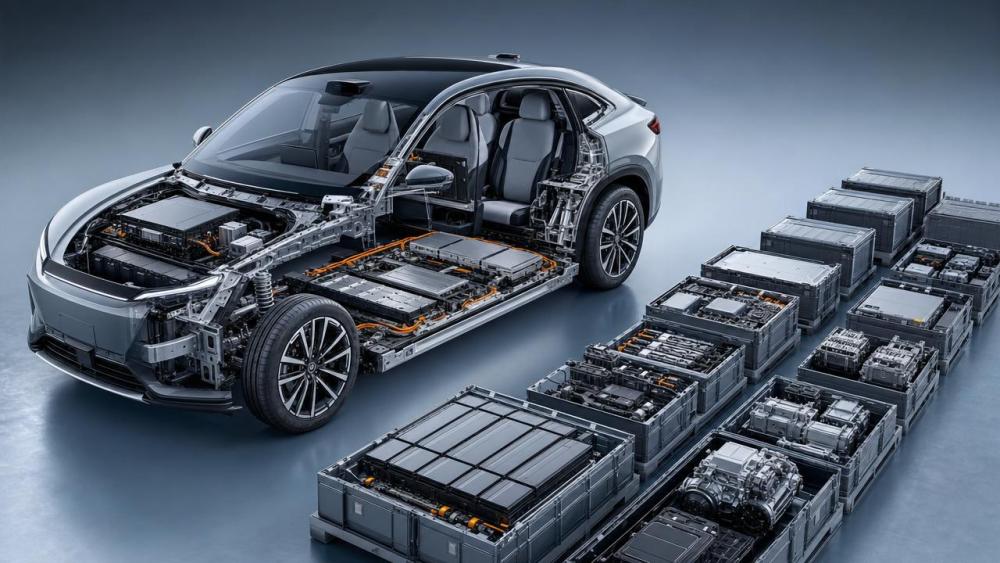
Automotive exports trends in 2026 show a market that is splitting rather than expanding evenly.
Cross-border shipments still matter, but export logic is changing across EV systems, cockpit electronics, and core components.
What stands out is not a simple decline or rebound.
The more important shift is where value is created, assembled, certified, and delivered.
For platforms tracking thermal systems, wiring harnesses, steering technologies, compressors, and smart cabin hardware, this matters immediately.
Automotive exports trends now reflect localization pressure, regional compliance, and a procurement model that rewards supply chain visibility.
That makes export evaluation less about volume alone and more about component fit, origin strategy, and replacement risk.
A clearer signal is coming from EV-related component trade
Recent trade flows show that EV-linked parts are not following the old internal combustion export map.
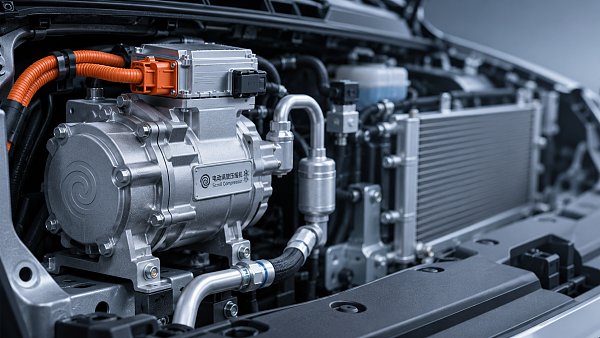
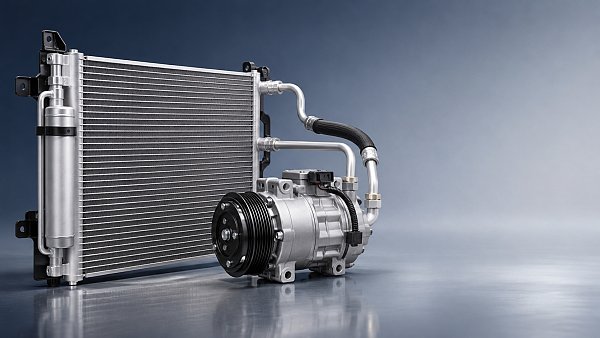
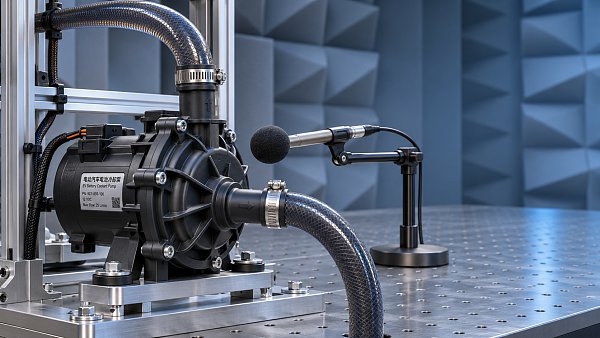
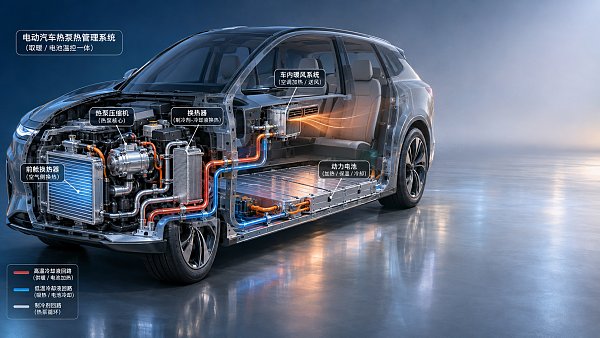
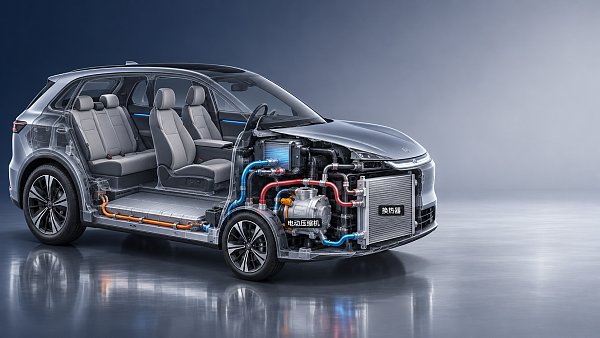
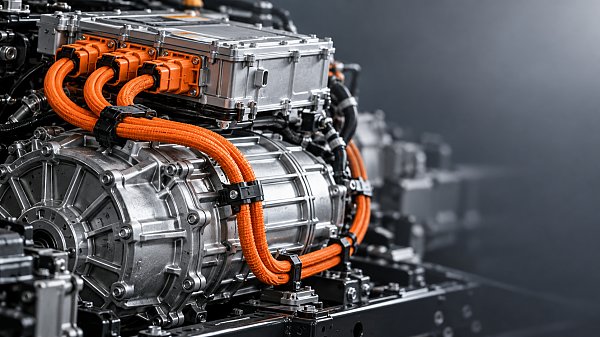
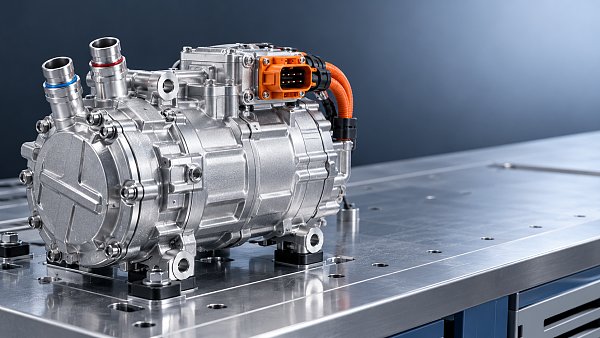
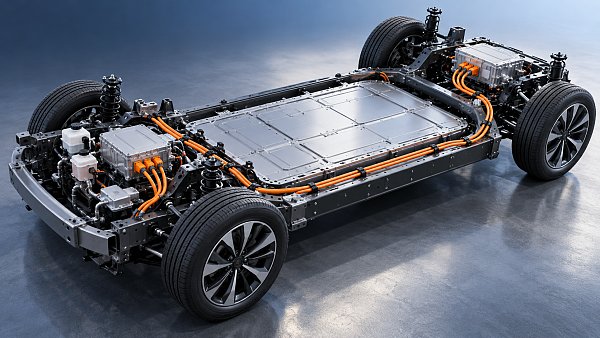
Battery liquid cooling modules, heat pump systems, electric compressors, and high-voltage harnesses are gaining strategic weight.
At the same time, destination markets are asking for shorter lead times and stronger technical traceability.
This is why automotive exports trends increasingly favor suppliers that can adapt product configuration by region.
A thermal valve shipped to Europe may require different validation priorities than one supplied to Southeast Asia.
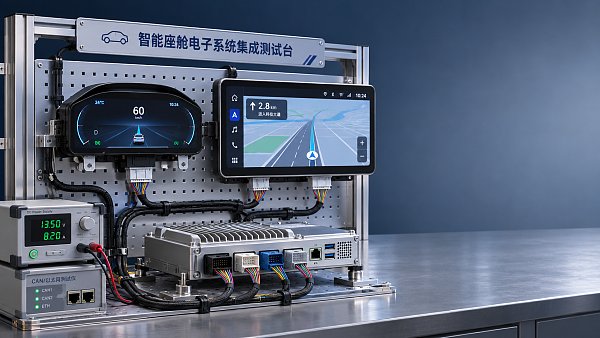
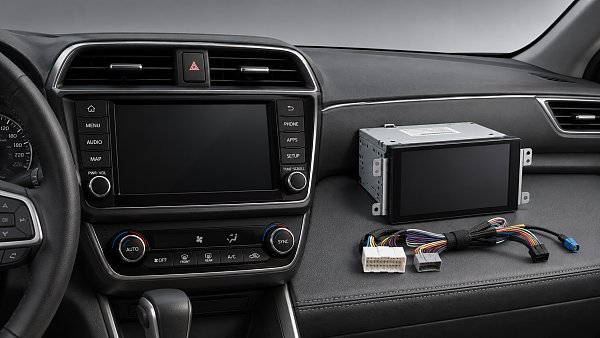
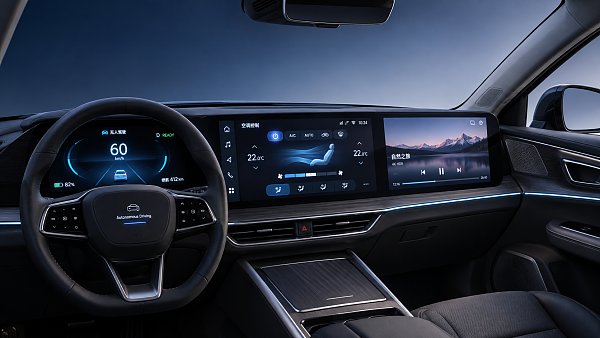
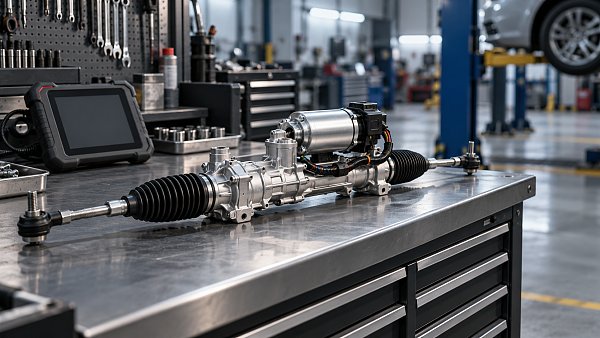
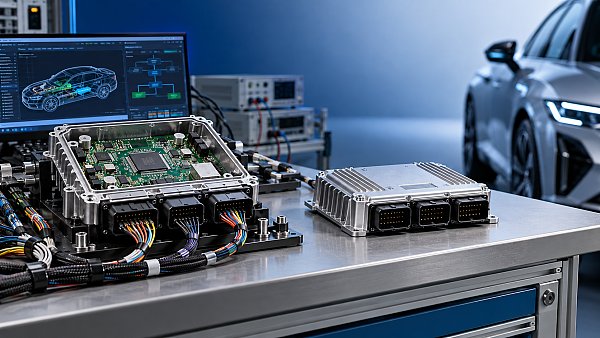
The same applies to cockpit displays, HUD systems, EPS modules, and data cables linked to digital architecture upgrades.
Trade is becoming more technical, not just more competitive.
Why this shift is becoming harder to ignore
- Regional EV incentives increasingly favor local assembly or local content thresholds.
- OEM sourcing teams are reducing single-country dependence in critical electrical and thermal categories.
- Software-linked cockpit products now face compatibility and certification demands beyond hardware pricing.
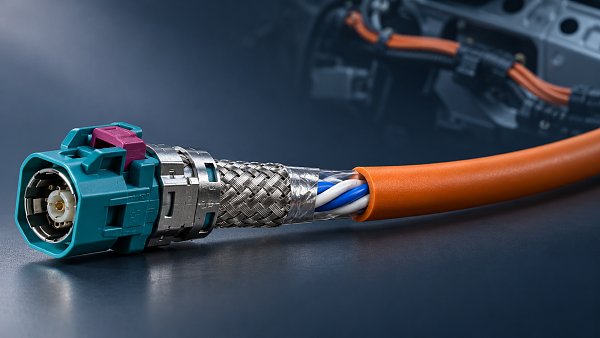
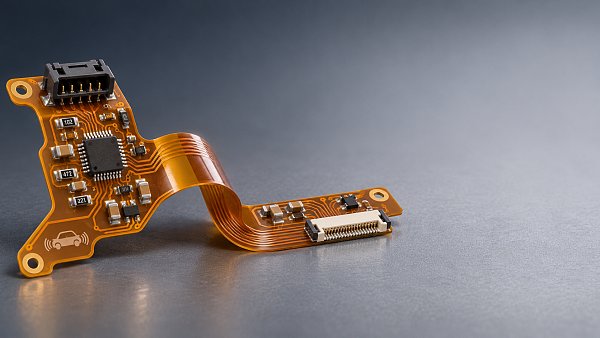
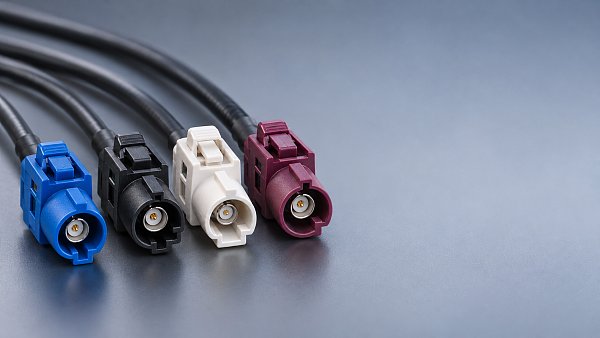
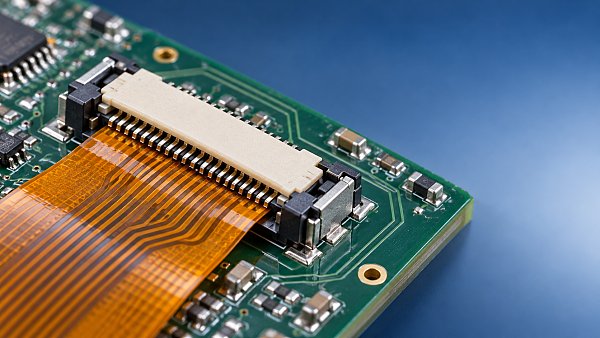
- High-voltage architecture upgrades raise the export value of specialized connectors, FPC systems, and communication cables.
These changes explain why automotive exports trends now look uneven across categories that once moved together.
Localization is not replacing trade, but it is changing its structure
The phrase “local for local” is often overstated.
In practice, localization rarely eliminates exports completely.
Instead, it changes which layers stay global and which shift closer to assembly plants.
Core designs, specialized subcomponents, and advanced materials may still cross borders.
Final integration, testing, and low-risk variants often move into regional manufacturing hubs.
That is especially visible in thermal management systems and wiring harness production.
Large, labor-sensitive, or vehicle-specific assemblies are more likely to be regionalized.
High-value valves, electric compressor technologies, control electronics, and engineered cable solutions remain active in global trade.
This pattern makes automotive exports trends more nuanced than headline trade totals suggest.
Demand is also fragmenting across regions
Not every export market is rewarding the same product mix.
China remains central in scale, but outbound strategy now intersects with trade policy and local capacity planning.
The United States is attracting interest through nearshoring and supply resilience priorities.
Mexico continues to benefit as a bridge for selected systems and subassemblies.
Europe still offers demand for advanced thermal efficiency and cockpit features, though compliance expectations remain strict.
India and Southeast Asia show a different pattern.
Their opportunities often come from gradual EV penetration, two-speed vehicle demand, and cost-sensitive model platforms.
As a result, automotive exports trends are now shaped by multiple regional clocks.
What demand-side signals deserve closer attention
- Whether heat pump systems are moving from premium EVs into wider model ranges.
- Whether cockpit display demand is tied to full platform upgrades or selective trim expansion.
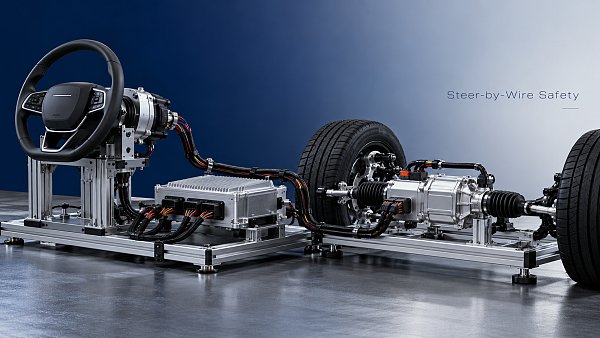
- Whether steer-by-wire and advanced EPS systems remain pilot-focused or enter volume sourcing.
- Whether high-voltage cable demand grows with local assembly projects or imported platform kits.
These questions reveal more than shipment volume alone.
They show where future export stickiness is likely to form.
The biggest impact may be on how export risk is judged
Automotive exports trends now require a broader risk lens than tariff exposure or freight cost.
A supplier can keep shipping while still losing strategic position.
This happens when the exported product becomes easier to replace locally or technically less differentiated.
It also happens when a component is locked out by standards, software adaptation gaps, or certification delays.
For that reason, export resilience in 2026 depends on several layers at once.
- Technical substitution risk in thermal, steering, or cockpit categories.
- Country-of-origin exposure in politically sensitive trade lanes.
- Dependence on a narrow group of vehicle programs or battery platforms.
- Visibility into tiered sourcing for chips, magnet materials, aluminum, and specialty polymers.
This is where component intelligence platforms add value.
Tracking product evolution, standards, applications, and regional movement together gives a clearer reading of automotive exports trends.
The next opportunities may come from components that support system efficiency
The market conversation often centers on batteries and finished vehicles.
Yet export opportunities are increasingly forming around the systems that improve efficiency, packaging, and user experience.
Integrated thermal valves, battery cooling loops, electric compressors, lightweight harnesses, and communication cables fit that pattern.
So do cockpit displays, media head units, and HUD solutions when they align with digital cabin upgrades.
These categories often travel with platform change, not just market recovery.
That makes them especially relevant when reading automotive exports trends for medium-term direction.
From a practical standpoint, the most attractive export categories are not always the largest today.
They are often the ones becoming harder to commoditize.
What to watch next before making export assumptions
The next phase of automotive exports trends will likely be decided by execution details rather than broad forecasts.
A useful next step is to compare market signals at component level, not just by country or vehicle segment.
Review which products are tied to local assembly mandates and which still benefit from global specialization.
Check where standards, refrigerant rules, electrical architecture changes, or software integration may alter export readiness.
It also helps to map whether demand is driven by pilot programs, platform migration, or sustained replacement cycles.
In 2026, good judgment will come from connecting trade data with technical context.
That is the difference between reading noise and spotting durable movement.
The strongest response is not to chase every market shift.
It is to build a staged view of where export demand, localization pressure, and component differentiation are moving together.
Have questions about this sector analysis, or seeking best practices specific to your niche? Drop us a line below and let the senior consultants at GAC assist you.
“We respect your privacy. Your information is strictly confidential.”
Related News
- 00
0000-00
How to assess a smart cockpit electronics manufacturer's integration capability - 00
0000-00
How does a shielded HSD cable reduce interference in vehicles? - 00
0000-00
What drives demand for scroll compressors in the automotive market? - 00
0000-00
Does AEC-Q200 apply to flexible printed circuits? - 00
0000-00
How does production volume affect automotive flexible electronics costs?
Weekly Insights
Stay ahead with our curated technology reports delivered every Monday.
Recommended News
 How to assess a smart cockpit electronics manufacturer's integration capabilityAssess a smart cockpit electronics manufacturer's integration capability with practical checks for interfaces, testing, safety, cybersecurity and supplier support.Author:Time:Nov 18, 2026
 How does a shielded HSD cable reduce interference in vehicles?Discover how a shielded HSD cable reduces vehicle interference, and learn why connector design, routing, and testing matter for reliable high-speed data links.Author:Time:Nov 17, 2026
 What drives demand for scroll compressors in the automotive market?Explore the scroll compressor for automobile market and discover how EV adoption, heat pumps, efficiency, and supplier capabilities shape demand.Author:Time:Nov 16, 2026
 Does AEC-Q200 apply to flexible printed circuits?Flexible Printed Circuit AEC-Q200 requirements explained: discover which components qualify and how to assess automotive FPC reliability.Author:Time:Nov 15, 2026
 How does production volume affect automotive flexible electronics costs?Explore how production volume affects automotive flexible electronics cost, from tooling and yield to testing. Compare quotes and negotiate smarter.Author:Time:Nov 14, 2026
 How much does an in-vehicle infotainment system cost to replace?Explore in-vehicle infotainment cost, from affordable repairs to factory replacements. Compare options, installation fees, and compatibility before you buy.Author:Time:Nov 13, 2026
 How does condenser efficiency affect heat pump performance?Discover how condenser high efficiency can improve heat pump performance, reduce compressor power, and boost heating COP—plus the trade-offs to watch.Author:Time:Nov 12, 2026
 What does each FAKRA cable color code mean?FAKRA cable color code explained: Explore common connector colors, typical uses and key compatibility checks before choosing a replacement.Author:Time:Nov 11, 2026
 How to compare noise ratings for battery coolant pumpsCompare coolant pump low noise ratings with confidence. Learn how test conditions, hydraulic duty, tonal noise and installation affect your choice.Author:Time:Nov 10, 2026
 How bright should automotive display systems be in sunlight?Automotive Display Systems need more than brightness to stay readable in sunlight. Discover why 1,000 nits is a starting point and how to evaluate glare and heat.Author:Time:Nov 09, 2026
 How heat pumps improve the efficiency of EV thermal systemsEV Thermal Systems use heat pumps to reduce heating energy demand. Explore how they work, where they excel, and what limits efficiency in cold weather.Author:Time:Nov 08, 2026
 Can a smart cockpit platform support multiple displays?Can a smart cockpit platform support multiple displays? Explore key requirements for performance, safety, connectivity, and supplier evaluation.Author:Time:Nov 07, 2026
 How is automotive connector vibration resistance tested?Automotive connector vibration resistance testing reveals hidden contact failures. Explore test profiles, continuity monitoring and pass criteria.Author:Time:Nov 06, 2026
 How heat pumps save energy in automotive cabin climate systemsAutomotive Cabin Climate Systems energy saving starts with smarter heat pump design. Explore real-world efficiency, cold-weather trade-offs, and testing tips.Author:Time:Nov 05, 2026
 Is an EV heat pump worth it for winter driving range?Is a heat pump worth using in a cold-climate EV? Discover how it affects winter range, when it pays off, and what to check before buying.Author:Time:Nov 04, 2026
 When should you use 50-ohm coaxial cable instead of 75-ohm?Coaxial cable 50 ohm or 75 ohm? Learn when to use each, avoid impedance mismatches, and choose the right cable for reliable RF and video performance.Author:Time:Nov 03, 2026
 How to select a high temperature motor harness for an EVChoose the right high temperature motor harness for your EV. Compare thermal limits, current capacity, shielding, routing, and validation evidence.Author:Time:Nov 02, 2026
 How much does electric power steering replacement cost?Electric power steering price typically ranges from $1,000 to $3,000 for major replacements. Discover cost factors, repair options, and tips for comparing quotes.Author:Time:Nov 01, 2026
 How to size an EV A/C compressor for the required cooling capacitySize an EV A/C Compressor with confidence. Explore cooling loads, performance maps and power limits to select the right compressor for your vehicle.Author:Time:Oct 31, 2026
 How to choose the right pitch for an FPC board connectorFPC board connector pitch affects space, assembly and reliability. Learn how to compare options and select the best fit for your design.Author:Time:Oct 30, 2026
 How zonal design affects harness routing in high-voltage EV architecturesExplore high-voltage electrical architecture zonal design and its impact on EV harness routing. Discover key trade-offs in cable length, safety, thermal performance, and service access.Author:Time:Oct 29, 2026
 How tariffs affect costs in global automotive parts supply chainsNavigate tariffs in the global automotive parts trade supply chain. Learn to compare landed costs, manage duty exposure, and uncover smarter sourcing strategies to protect your margins.Author:Time:Oct 28, 2026
 How to assess vendor lock-in in a software-defined vehicle platformAssess Software-Defined Vehicle platform lock-in with practical tests for API portability, data access, update control, and exit costs. Learn how to choose a platform with a proven exit path.Author:Time:Oct 27, 2026
 How ISO 26262 guides functional safety in steer-by-wire systemsExplore steering systems functional safety through ISO 26262. Learn how hazard analysis, fault-tolerant design, and validation build a stronger steer-by-wire safety case.Author:Time:Oct 26, 2026
 How to evaluate a steering angle sensor manufacturer's accuracy claimsEvaluate steering angle sensor manufacturer accuracy claims with practical checks on calibration, latency, and test evidence. Compare suppliers confidently and avoid costly selection mistakes.Author:Time:Oct 25, 2026
 How to diagnose CAN bus faults in a hybrid vehicle control unitDiagnose Hybrid Vehicle Systems control unit CAN bus faults with step-by-step power, wiring, and waveform checks. Find the root cause and avoid unnecessary replacement.Author:Time:Oct 24, 2026
 How does battery cooling pipe diameter affect coolant pressure drop?Battery Cooling Pipe diameter affects coolant pressure drop and pump power. Explore sizing calculations and practical tips to optimize EV battery cooling and compare options with confidence.Author:Time:Oct 23, 2026
 How to assess PPAP readiness of automotive sensor system manufacturersAssess Automotive Sensor Systems manufacturers for PPAP readiness. Learn to verify production evidence, measurement capability, validation, and traceability to reduce sourcing risks.Author:Time:Oct 22, 2026
 What to ask an FPC connector manufacturer about reliability testingChoosing an FPC Connector manufacturer? Learn what to ask about reliability testing, failure limits, and traceable results to reduce design risks and select with confidence.Author:Time:Oct 21, 2026
 How to verify vehicle fitment for an aftermarket AC evaporatorNavigating the evaporator aftermarket? Verify vehicle fitment with VIN data, OE numbers, and physical interface checks. Use this guide to avoid costly mismatches and order confidently.Author:Time:Oct 20, 2026