2026 Thermodynamic Parameters Shaping EV Cooling Efficiency




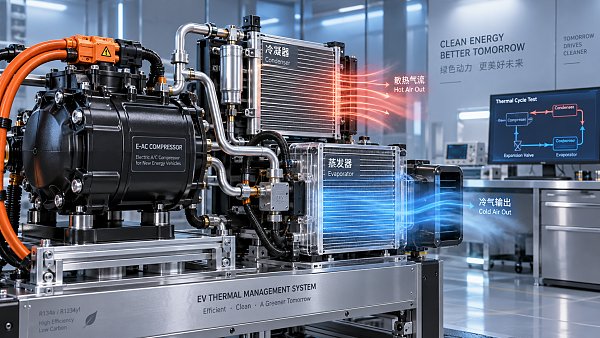
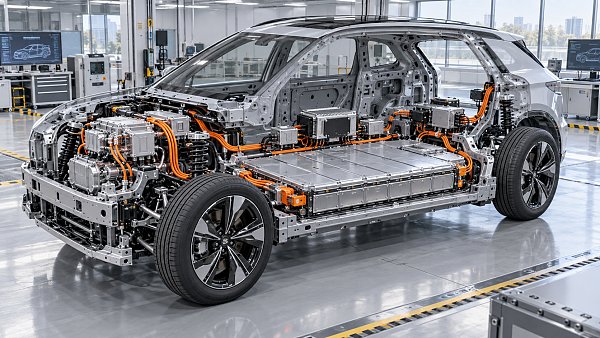
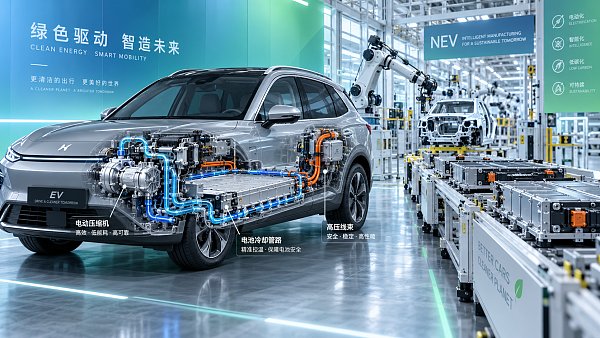
As EV architectures grow more integrated, thermodynamic parameters now define far more than cooling output. They influence battery safety, compressor load, charging stability, cabin comfort, and whole-vehicle energy efficiency.
For GACT, these variables sit at the intersection of electrical control, fluid routing, and thermal system integration. In 2026, judging EV cooling efficiency requires reading thermodynamic parameters as system-level performance signals.
The value is practical. Different EV scenarios place different thermal burdens on batteries, e-drives, power electronics, and smart cabin modules. Strong evaluation starts with matching thermodynamic parameters to real operating conditions.
Why thermodynamic parameters matter more in integrated EV architectures
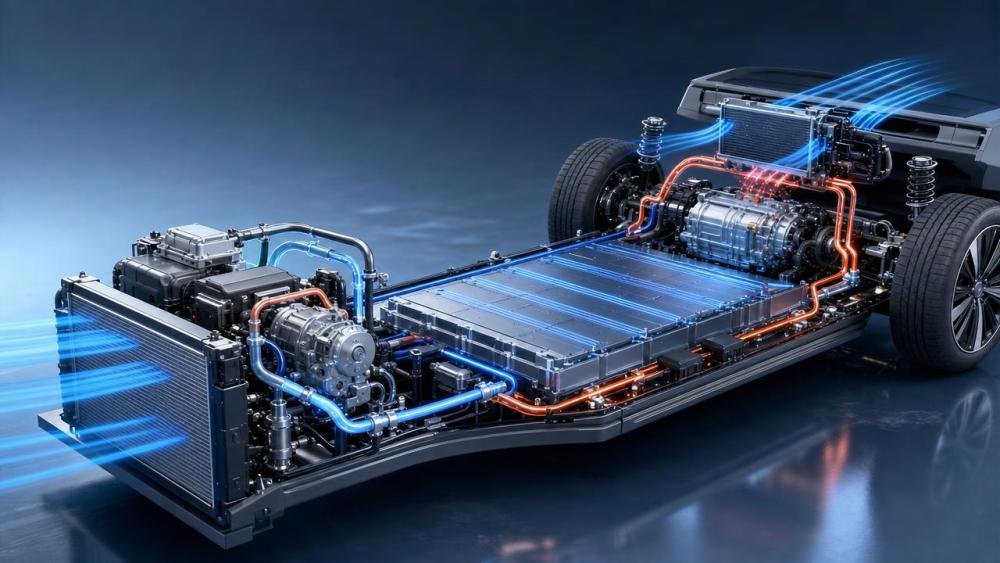
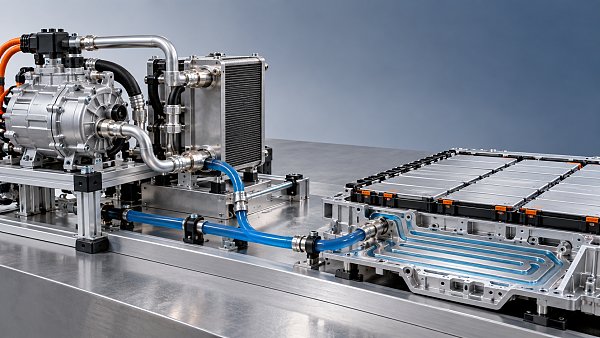
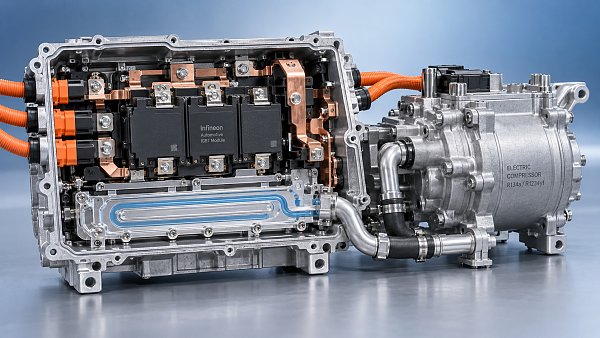
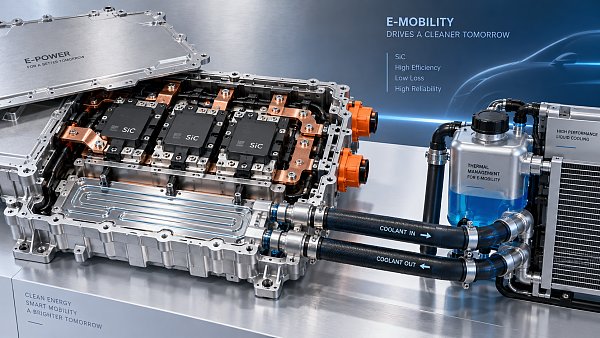
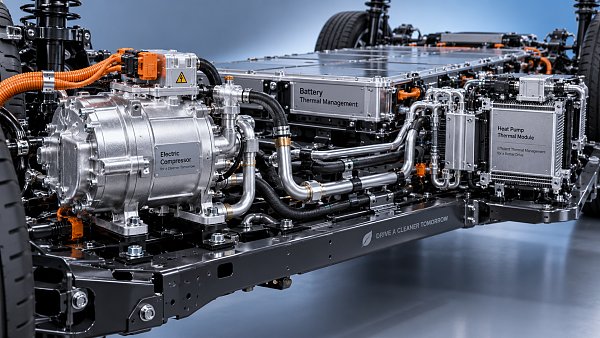
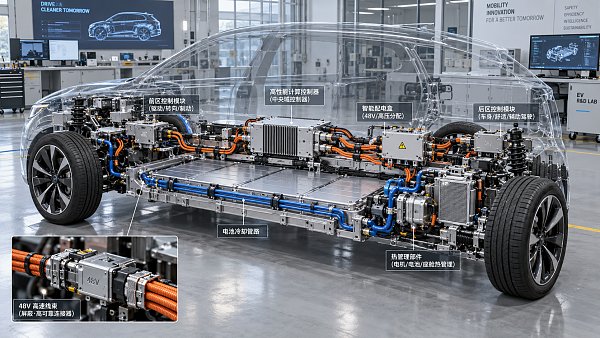
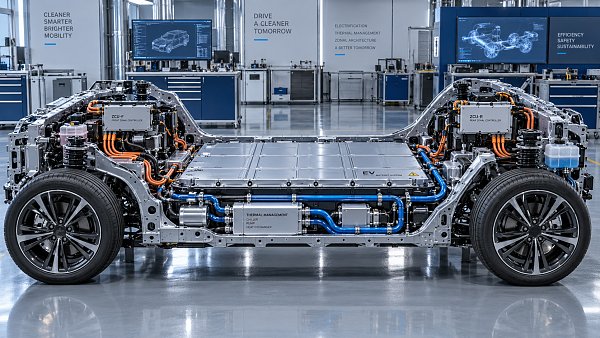
In earlier EV platforms, cooling loops were easier to separate. In 2026 designs, batteries, electric compressors, heat pumps, inverters, and cabins increasingly share coordinated thermal resources.
That shift makes thermodynamic parameters critical evaluation points. A small change in coolant temperature rise, pressure drop, or superheat can alter range, charging speed, and component durability.
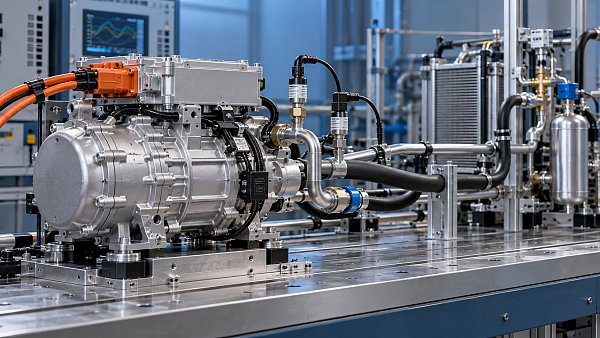
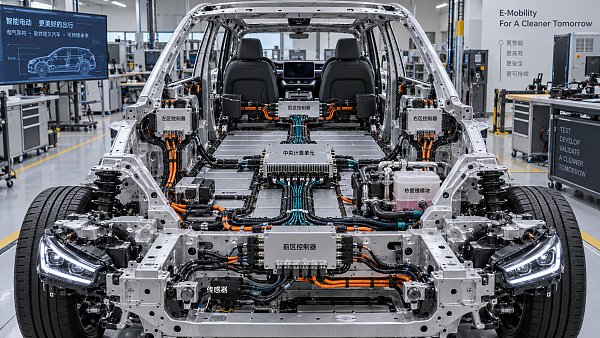
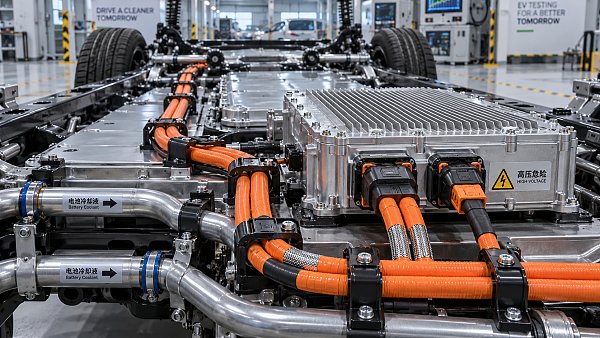
GACT tracks this through a broader component lens. Wiring harness layout affects sensor reliability, compressor response affects cabin pull-down, and valve logic affects battery thermal balancing.
The key question is no longer whether a subsystem cools effectively. The better question is whether thermodynamic parameters stay stable across fast charging, hot soak, highway load, and low-temperature heat pump operation.
Scenario one: fast-charging EVs where battery protection defines cooling efficiency
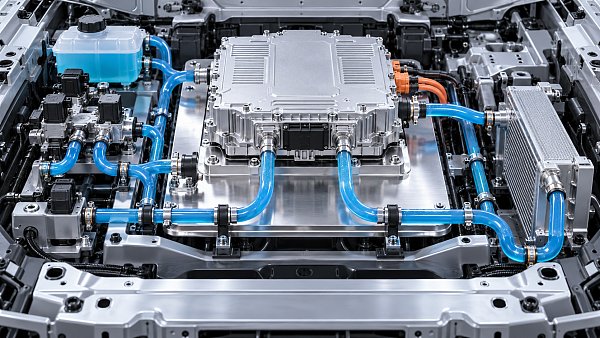
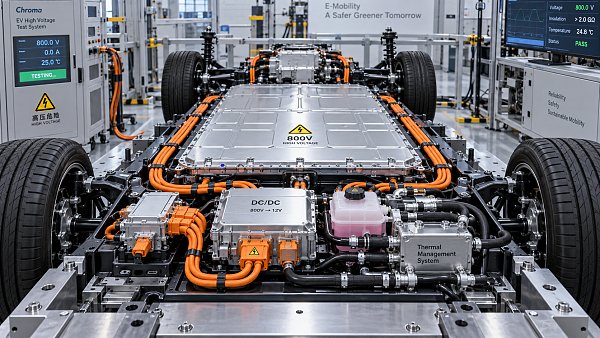
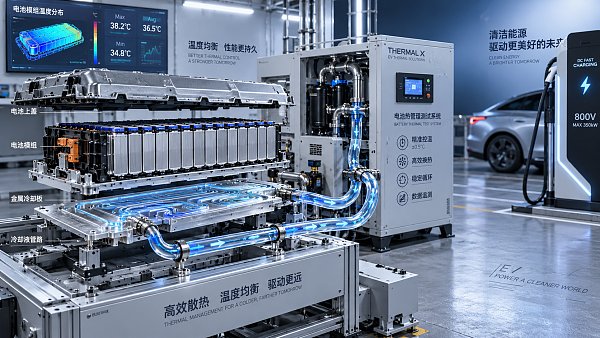
During DC fast charging, thermal concentration increases sharply. Battery cells, busbars, contact regions, and power electronics can generate localized heat faster than standard loop assumptions predict.
Here, thermodynamic parameters must be judged by transient control quality, not only steady-state cooling capacity. Heat rejection speed matters, but so do temperature uniformity and recovery stability.
Core judgment points in charging-dominant use cases
- Battery inlet and outlet temperature delta under peak charging load
- Coolant flow distribution across parallel branches
- Refrigerant evaporation stability during rapid compressor modulation
- Pressure loss through plates, valves, and manifolds
- Thermal overshoot after charging power steps
A common mistake is focusing only on maximum cooling power. In charging scenarios, thermodynamic parameters should reveal whether the system can avoid cell imbalance and repeated thermal cycling.
Scenario two: high-speed and heavy-load driving where e-drive heat becomes decisive
At sustained highway speed or climbing load, the thermal center often shifts from the battery to the motor, inverter, and reduction gear environment. Cooling efficiency becomes a dynamic distribution problem.
In these cases, thermodynamic parameters should be read together with electrical load traces. Motor copper loss, inverter switching heat, and ambient airflow conditions reshape loop priorities in real time.
What matters most in propulsion-heavy scenarios
- Coolant specific heat use across motor and inverter branches
- Junction temperature stability during torque peaks
- Compressor energy draw versus net propulsion efficiency
- Thermal lag between sensor position and actual hotspot formation
This is where system design quality appears. Better thermodynamic parameters are not just lower temperatures. They show efficient heat routing with minimal parasitic energy and predictable control response.
Scenario three: smart cabin comfort loads that compete with thermal efficiency
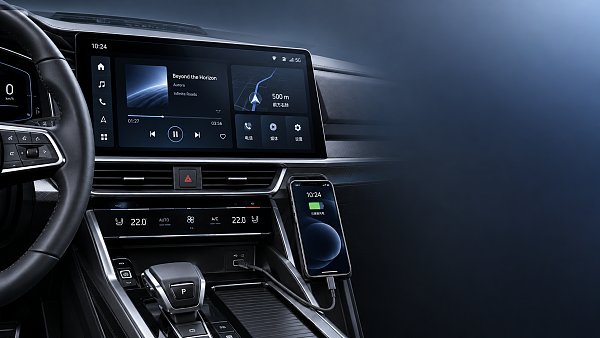
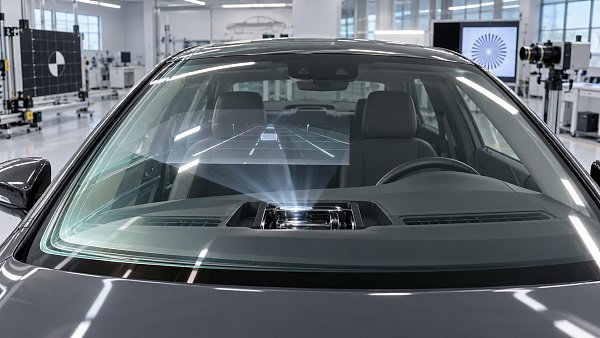
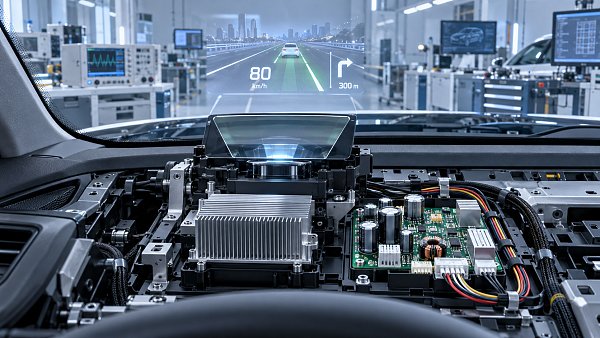
Cabin cooling in software-defined vehicles is no longer isolated. Large displays, processors, zonal electronics, AR-HUD modules, and acoustic insulation strategies influence internal heat gain and airflow behavior.
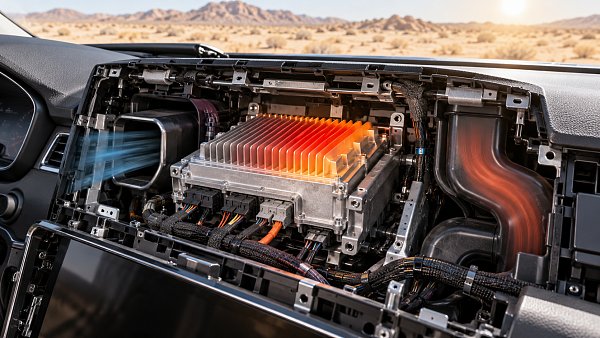
When ambient temperatures rise, the cabin and traction system can compete for thermal resources. Thermodynamic parameters then become indicators of prioritization logic rather than raw hardware capability alone.
Relevant cabin-linked thermodynamic parameters
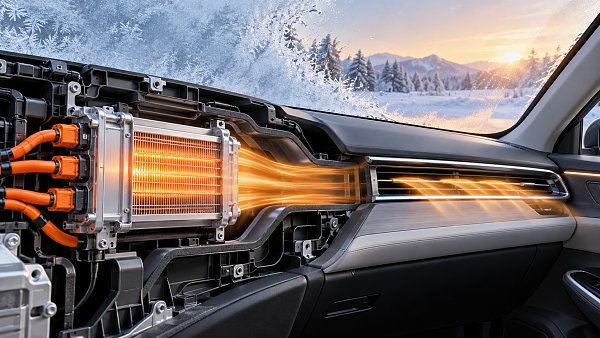
- Evaporator approach temperature and moisture handling
- Compressor frequency range under mixed cabin and battery demand
- Air-side heat exchange efficiency during recirculation shifts
- Control delay between cabin sensor feedback and valve action
For integrated thermal modules, these thermodynamic parameters help judge whether comfort can be maintained without undermining range or battery preconditioning targets.
How scenario differences change thermodynamic parameter priorities
Not all EVs should optimize the same variables first. Thermodynamic parameters must be weighted by operating scenario, climate region, charging pattern, and architecture integration level.
This comparison shows why thermodynamic parameters must be interpreted in context. A strong result in one scenario may mask poor adaptability in another.
Practical adaptation advice for selecting and validating cooling solutions
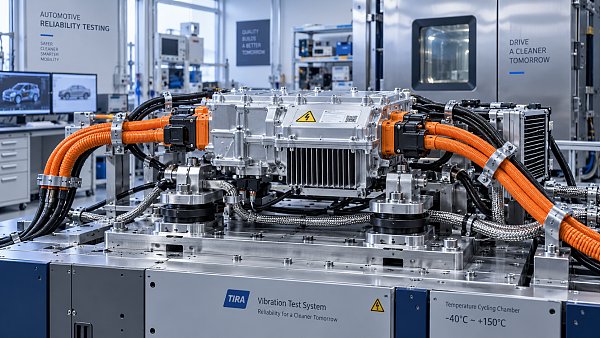
The best evaluation method combines simulation, bench data, and vehicle-level verification. Thermodynamic parameters should be linked to actual control logic, hardware tolerances, and routing constraints.
Recommended actions for stronger assessment
- Map thermodynamic parameters to distinct operating scenes before testing begins.
- Measure transient behavior, not only stabilized thermal values.
- Validate sensor placement against predicted thermal hotspots.
- Compare compressor efficiency across partial-load control bands.
- Track pressure drop growth as valves and channels age.
- Assess software calibration effects on thermodynamic parameters after updates.
For integrated suppliers, this approach supports more robust thermal modules. For intelligence platforms like GACT, it also improves cross-domain interpretation between controls, fluid systems, and component evolution.
Common misjudgments when reading thermodynamic parameters in EV cooling
Several errors appear repeatedly in thermal system reviews. Each can distort cooling efficiency conclusions and lead to weak design comparisons.
- Treating peak cooling capacity as equal to cooling efficiency
- Ignoring local thermal gradients inside packs or power modules
- Overlooking harness, connector, and sensor reliability in hot zones
- Using laboratory ambient conditions as the main decision basis
- Separating software control evaluation from thermodynamic parameters
Another oversight is missing the link between architecture integration and thermal risk concentration. As systems become more compact, thermodynamic parameters can shift faster and interact more strongly.
What to do next with 2026 thermodynamic parameters insights
The most useful next step is to build a scenario-based checklist. Rank thermodynamic parameters by charging use, drive profile, climate exposure, and cabin electronics intensity.
Then compare each parameter with component architecture choices. Review compressor maps, heat exchanger sizing, valve strategy, coolant routing, and control timing as one coordinated system.
In 2026, thermodynamic parameters are no longer background engineering data. They are direct indicators of EV cooling efficiency, product readiness, and competitive thermal system design.
A disciplined reading of thermodynamic parameters helps turn complex measurements into better validation decisions, stronger integration strategies, and more reliable electrified mobility outcomes.
Related News
- 00
0000-00
How electric compressor speed affects EV battery cooling capacity - 00
0000-00
How to verify a variable frequency compressor supplier’s efficiency claims - 00
0000-00
How bend radius affects FPC reliability in automotive camera modules - 00
0000-00
How to diagnose intermittent loss of electric power steering assist - 00
0000-00
How to size automotive power modules for electric compressors
Weekly Insights
Stay ahead with our curated technology reports delivered every Monday.
Recommended News
 How electric compressor speed affects EV battery cooling capacityElectric compressor technology: battery cooling depends on more than RPM. Discover how speed, refrigerant flow, and system limits affect EV cooling capacity and energy efficiency.Author:Time:Oct 19, 2026
 How to verify a variable frequency compressor supplier’s efficiency claimsVerify a variable frequency compressor supplier’s efficiency claims using COP boundaries, matched test conditions, and duty-cycle data. Learn how to choose with confidence.Author:Time:Oct 18, 2026
 How bend radius affects FPC reliability in automotive camera modulesAutomotive FPC applications: camera module reliability starts with bend radius. Learn how stack-up, strain, and validation guide robust designs and help prevent costly failures.Author:Time:Oct 17, 2026
 How to diagnose intermittent loss of electric power steering assistMaster power steering system diagnostics to trace intermittent EPS assist loss. Learn proven checks for voltage, wiring, and fault codes to avoid costly guesswork.Author:Time:Oct 16, 2026
 How to size automotive power modules for electric compressorsSize automotive power modules for electric compressors with confidence. Learn how voltage, phase current, losses, and cooling shape reliable selection—and avoid costly oversizing.Author:Time:Oct 15, 2026
 Why automotive power electronics are shifting to silicon carbideAutomotive Power Electronics are shifting to silicon carbide. Discover how SiC can cut losses, boost EV power density, and reshape cooling, reliability, and system costs.Author:Time:Oct 14, 2026
 How EV adoption shapes the electrically driven compressor marketExplore how EV adoption shapes the electrically driven compressor market, from battery cooling and heat pumps to supplier margins. Discover the drivers of profitable growth.Author:Time:Oct 13, 2026
 How to size a PTC heater for reliable EV cabin heatingPTC Heater sizing for EV cabins: learn how to balance defrost performance, heat-pump integration, airflow, voltage range, and battery power for reliable winter comfort.Author:Time:Oct 12, 2026
 What determines the cooling output of electric automotive AC compressors?Automotive air conditioning compressors electric systems: explore how speed, voltage, refrigerant, controls, and heat exchangers shape EV cooling capacity and efficiency.Author:Time:Oct 11, 2026
 What makes a touchscreen media head unit responsive enough for daily use?Touchscreen media head unit performance explained: discover what delivers fast starts, smooth maps, reliable phone pairing, and responsive daily driving.Author:Time:Oct 10, 2026
 Can a Domain Controller Share a Cooling Loop with Other Electronics?Can a domain controller share a cooling loop with other electronics? Explore thermal zoning, flow control, safety priorities, and reliable vehicle electronics cooling strategies.Author:Time:Oct 19, 2026
 What Causes Domain Controller Overheating During Summer Testing?What causes domain controller overheating in summer testing? Explore heat load, airflow, installation, software factors, and practical fixes.Author:Time:Oct 18, 2026
 Is a Head-Up Display Hard to Integrate with Different Windshields?Is a head-up display difficult to integrate with different windshields? Discover how glass geometry, coatings, and calibration affect HUD clarity, cost, and production readiness.Author:Time:Oct 17, 2026
 What Should Be Checked Before Selecting an Automotive Head Unit?What should be checked before selecting an automotive head unit? Explore compatibility, performance, cybersecurity, compliance, and supplier support.Author:Time:Oct 16, 2026
 Is Steer-by-Wire More Expensive Than an EPS Steering System?Is steer-by-wire more expensive than an EPS steering system? Explore the true costs, safety demands, software value, and when SbW justifies its premium.Author:Time:Oct 15, 2026
 Which Automotive Electronics Need Validation for 800V Platforms?What automotive electronics should be validated for 800V platforms? Explore critical checks for harnesses, power electronics, thermal systems, safety, and EMC.Author:Time:Oct 14, 2026
 How Do Automotive Compressor Export Requirements Vary by Market?How do automotive compressor export requirements vary by market? Explore key compliance rules for refrigerants, EV safety, OEM approvals, labeling, and customs.Author:Time:Oct 13, 2026
 What Documents Are Needed to Export Automotive Thermal Components?What documents are needed to export automotive thermal components? Explore customs, compliance, technical records, and shipping tips to prevent costly delays.Author:Time:Oct 12, 2026
 How Often Should an EV Air Conditioning Compressor Be Inspected?How often should an EV air conditioning compressor be inspected? Discover recommended service intervals, warning signs, and expert care tips to protect cooling performance and EV reliability.Author:Time:Oct 11, 2026
 How to size power solutions for automotive head-up display systemsHeads-up display systems power solutions: learn how to size automotive HUD power architectures for startup, brightness, thermal limits, EMC, protection, and reliable vehicle operation.Author:Time:Oct 19, 2026
 How does a head-up display work in a high-performance car?Hoe werkt een head-up display in een high-performance auto en welke informatie toont het? Discover the tech, safety alerts, and performance data that sharpen every drive.Author:Time:Oct 18, 2026
 Which trends will shape zonal EV architectures in the next decade?Future trends in zonal EV architectures: explore smarter power distribution, 48V systems, thermal integration, software, and resilient networks shaping next-gen vehicles.Author:Time:Oct 17, 2026
 When does a zonal EV architecture outperform a centralized design?Explore the trade-offs between zonal and centralized EV architectures to identify the best path for harness efficiency, software scalability, safety, and faster EV launches.Author:Time:Oct 16, 2026
 How to compare vendors for zonal EV power architecturesComparing vendors for zonal EV power architectures: assess electrical capability, interface ownership, lifecycle support, and integration risk for smarter sourcing.Author:Time:Oct 15, 2026
 How zonal architectures can improve EV reliability at the system levelHow zonal architectures affect EV reliability: explore fault containment, diagnostics, power resilience, and software strategies for more dependable electric vehicles.Author:Time:Oct 14, 2026
 What is driving growth in the automotive E/E architecture market?Explore what drives the automotive electric electronic systems architecture market, from EV power systems and zonal computing to ADAS, cybersecurity, and software-defined vehicles.Author:Time:Oct 13, 2026
 How to evaluate top-rated vehicle electrical components for reliabilityDiscover how to evaluate top-rated vehicle electrical components for reliability, from connector integrity and thermal margins to validation data and manufacturing control.Author:Time:Oct 12, 2026
 What makes vehicle electrical components reliable over a long service life?Top-rated vehicle electrical components for reliability depend on thermal control, sealing, vibration resistance, and validated manufacturing. Discover how to choose durable parts.Author:Time:Oct 11, 2026
 How battery thermal management solutions prevent fast-charge overheatingBattery thermal management solutions prevent fast-charge overheating with intelligent cooling, valve control, predictive preconditioning, and reliable heat rejection.Author:Time:Oct 09, 2026
 What an automotive market report can reveal about EV demand shiftsAutomotive market report insights reveal EV demand shifts, component opportunities, regional risks, and smarter investment strategies for growth.Author:Time:Oct 08, 2026