Defrosting Algorithms: How Faster Windshield Clearing Is Measured




For technical evaluators assessing cabin thermal performance, defrosting algorithms are more than control logic—they are measurable indicators of safety, energy efficiency, and system intelligence.
As electrified vehicles spread, windshield clearing speed now reflects deeper system integration across sensors, HVAC controls, heat pumps, and airflow management.
In this context, defrosting algorithms have become a strategic benchmark for vehicle comfort, low-temperature usability, and thermal efficiency.
Why defrosting algorithms are becoming a frontline performance signal
Traditional defrost assessment focused on heater output and vent layout. Today, evaluation is broader, faster, and more data-driven.
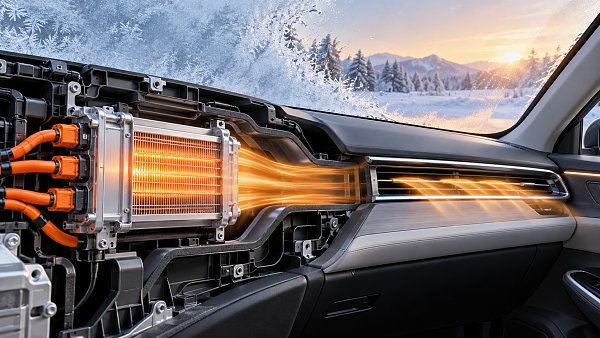
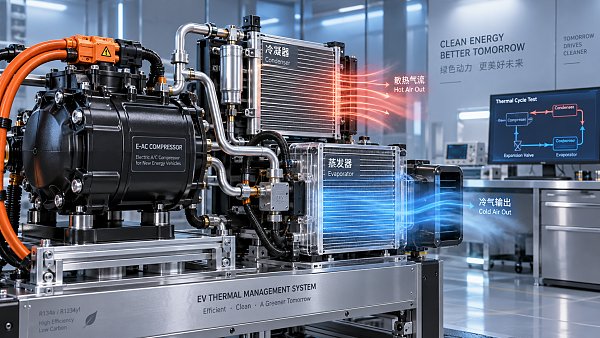
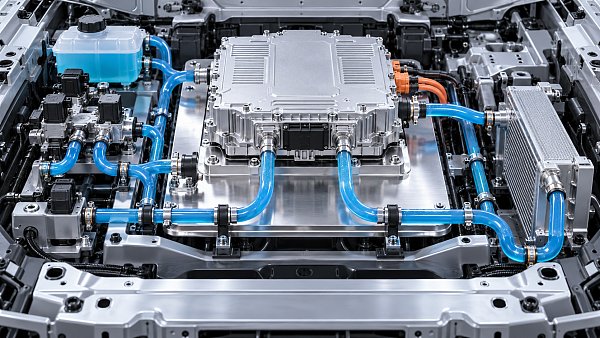
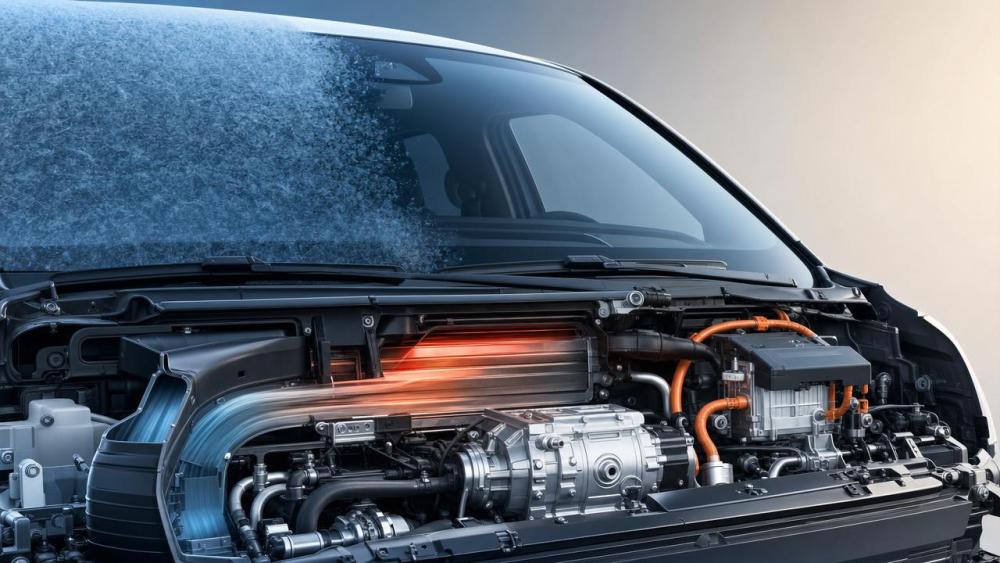
Modern defrosting algorithms coordinate compressor speed, blower response, flap position, coolant routing, humidity sensing, and windshield surface conditions.
That shift matters across the broader automotive ecosystem. Cabin comfort no longer stands apart from power consumption, battery range, or software-defined control quality.
For platforms using heat pumps, the challenge is greater. Energy-saving operation must coexist with fast visibility restoration under cold, wet, and variable ambient conditions.
As a result, defrosting algorithms are increasingly reviewed as indicators of integrated thermal intelligence rather than isolated HVAC functions.
The market is shifting from simple heating capacity to measurable clearing intelligence
Several trend signals explain why faster windshield clearing is receiving more technical attention.
- NEV platforms require lower energy use during cold-start cabin conditioning.
- Heat pump systems introduce complex mode switching during low-temperature defog and defrost events.
- Smart cabins increase sensor availability, enabling finer control but also higher calibration demands.
- Safety expectations are rising for rapid visibility recovery in real traffic conditions.
- Global validation standards are pushing repeatable, quantifiable clearing benchmarks.
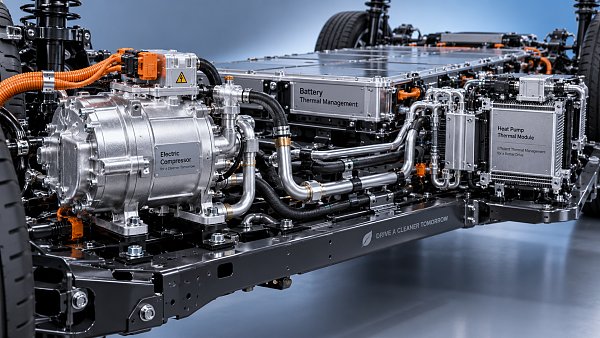
This evolution connects defrosting algorithms with wiring harness integrity, electric compressor response, software coordination, and thermal module integration.
The result is a wider engineering question: how should faster windshield clearing be measured fairly across architectures?
How faster windshield clearing is actually measured in technical evaluation
Measurement starts with defining what “clear” means. It is not simply warm air at the glass.
Most evaluations combine visibility area, time-to-clear, thermal stability, and energy cost during the event.
Core metrics used to assess defrosting algorithms
Good defrosting algorithms improve several metrics simultaneously. Fast clearing alone is not enough if power draw spikes or re-fogging appears minutes later.
Typical validation inputs behind the numbers
- Ambient temperature and soak duration
- Initial windshield ice, frost, or fog thickness
- Cabin humidity and occupancy simulation
- Blower speed map and vent discharge temperature
- Compressor, PTC, or coolant heater operating status
- Battery temperature and available electrical power
These inputs help evaluators compare defrosting algorithms across conventional HVAC systems and advanced heat pump architectures.
The main engineering forces shaping better defrosting algorithms
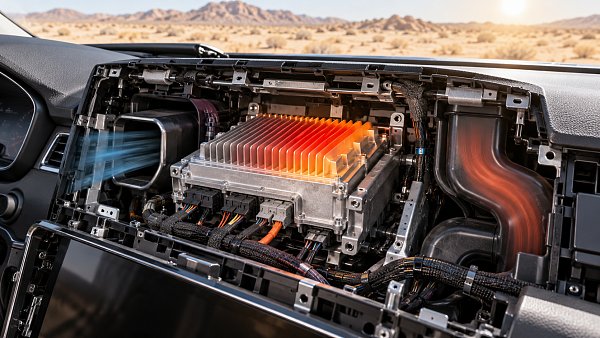
Faster windshield clearing depends on coordinated physics, not one powerful component.
Key drivers behind stronger defrost performance
In advanced vehicles, defrosting algorithms often rely on predictive logic. They estimate fog risk before visibility deteriorates.
This predictive approach can reduce peak intervention, shorten recovery time, and improve overall energy discipline.
Why measurement results affect more than thermal comfort
The performance of defrosting algorithms influences multiple business and engineering decisions across the vehicle program.
First, poor clearing performance can expose hidden integration issues between compressors, sensors, software calibration, and electrical distribution.
Second, excellent clearing with excessive energy demand may weaken winter range targets in electric vehicles.
Third, repeatable defrost measurement supports global platform harmonization. It helps engineering teams compare market-specific calibrations under common standards.
- Vehicle safety performance becomes easier to benchmark.
- Software updates can be evaluated against validated clearing targets.
- Thermal hardware trade-offs become visible earlier in development.
- System suppliers gain clearer evidence for integrated module value.
What deserves closer attention when reviewing defrosting algorithms
Several technical checkpoints deserve priority when analyzing future-ready defrosting algorithms.
- Check whether clearing speed is measured alongside energy consumed per event.
- Verify if the algorithm prevents re-fogging after initial windshield clearing.
- Review sensor fusion logic for humidity, glass temperature, and cabin occupancy conditions.
- Assess response stability during low-voltage, low-temperature, or reduced compressor availability.
- Compare performance across frost, ice, and fog scenarios rather than one test case.
- Evaluate how thermal priorities shift between cabin comfort and battery protection.
These checkpoints reveal whether defrosting algorithms are robust enough for software-defined, energy-sensitive vehicles.
How to build a practical judgment framework for upcoming evaluations
A useful evaluation framework should combine visible results, control logic quality, and cross-system efficiency.
- Define scenario sets covering cold soak, wet cabin, and repeated restart conditions.
- Set target windows for clearing time, coverage, stability, and power consumption.
- Track actuator and compressor commands against actual windshield response.
- Identify mismatch points between algorithm intention and hardware execution.
- Use results to refine control logic, calibration maps, and thermal loop priorities.
This method keeps defrosting algorithms tied to measurable outcomes rather than subjective cabin impressions.
For intelligence platforms tracking automotive thermal evolution, these measurements also reveal where integration value is accelerating fastest.
A clear next step for interpreting defrost performance trends
Defrosting algorithms now sit at the intersection of safety, electrification, and smart thermal control.
The most meaningful question is no longer whether a windshield clears, but how quickly, how efficiently, and how reliably that clearing is sustained.
Tracking those metrics across heat pumps, electric compressors, sensor networks, and thermal modules will sharpen future engineering judgment.
Use defrosting algorithms as a comparative lens. They reveal the maturity of cabin control systems and the competitive depth of integrated vehicle thermal architecture.
Related News
- 00
0000-00
How electric compressor speed affects EV battery cooling capacity - 00
0000-00
How to verify a variable frequency compressor supplier’s efficiency claims - 00
0000-00
How bend radius affects FPC reliability in automotive camera modules - 00
0000-00
How to diagnose intermittent loss of electric power steering assist - 00
0000-00
How to size automotive power modules for electric compressors
Weekly Insights
Stay ahead with our curated technology reports delivered every Monday.
Recommended News
 How electric compressor speed affects EV battery cooling capacityElectric compressor technology: battery cooling depends on more than RPM. Discover how speed, refrigerant flow, and system limits affect EV cooling capacity and energy efficiency.Author:Time:Oct 19, 2026
 How to verify a variable frequency compressor supplier’s efficiency claimsVerify a variable frequency compressor supplier’s efficiency claims using COP boundaries, matched test conditions, and duty-cycle data. Learn how to choose with confidence.Author:Time:Oct 18, 2026
 How bend radius affects FPC reliability in automotive camera modulesAutomotive FPC applications: camera module reliability starts with bend radius. Learn how stack-up, strain, and validation guide robust designs and help prevent costly failures.Author:Time:Oct 17, 2026
 How to diagnose intermittent loss of electric power steering assistMaster power steering system diagnostics to trace intermittent EPS assist loss. Learn proven checks for voltage, wiring, and fault codes to avoid costly guesswork.Author:Time:Oct 16, 2026
 How to size automotive power modules for electric compressorsSize automotive power modules for electric compressors with confidence. Learn how voltage, phase current, losses, and cooling shape reliable selection—and avoid costly oversizing.Author:Time:Oct 15, 2026
 Why automotive power electronics are shifting to silicon carbideAutomotive Power Electronics are shifting to silicon carbide. Discover how SiC can cut losses, boost EV power density, and reshape cooling, reliability, and system costs.Author:Time:Oct 14, 2026
 How EV adoption shapes the electrically driven compressor marketExplore how EV adoption shapes the electrically driven compressor market, from battery cooling and heat pumps to supplier margins. Discover the drivers of profitable growth.Author:Time:Oct 13, 2026
 How to size a PTC heater for reliable EV cabin heatingPTC Heater sizing for EV cabins: learn how to balance defrost performance, heat-pump integration, airflow, voltage range, and battery power for reliable winter comfort.Author:Time:Oct 12, 2026
 What determines the cooling output of electric automotive AC compressors?Automotive air conditioning compressors electric systems: explore how speed, voltage, refrigerant, controls, and heat exchangers shape EV cooling capacity and efficiency.Author:Time:Oct 11, 2026
 What makes a touchscreen media head unit responsive enough for daily use?Touchscreen media head unit performance explained: discover what delivers fast starts, smooth maps, reliable phone pairing, and responsive daily driving.Author:Time:Oct 10, 2026
 Can a Domain Controller Share a Cooling Loop with Other Electronics?Can a domain controller share a cooling loop with other electronics? Explore thermal zoning, flow control, safety priorities, and reliable vehicle electronics cooling strategies.Author:Time:Oct 19, 2026
 What Causes Domain Controller Overheating During Summer Testing?What causes domain controller overheating in summer testing? Explore heat load, airflow, installation, software factors, and practical fixes.Author:Time:Oct 18, 2026
 Is a Head-Up Display Hard to Integrate with Different Windshields?Is a head-up display difficult to integrate with different windshields? Discover how glass geometry, coatings, and calibration affect HUD clarity, cost, and production readiness.Author:Time:Oct 17, 2026
 What Should Be Checked Before Selecting an Automotive Head Unit?What should be checked before selecting an automotive head unit? Explore compatibility, performance, cybersecurity, compliance, and supplier support.Author:Time:Oct 16, 2026
 Is Steer-by-Wire More Expensive Than an EPS Steering System?Is steer-by-wire more expensive than an EPS steering system? Explore the true costs, safety demands, software value, and when SbW justifies its premium.Author:Time:Oct 15, 2026
 Which Automotive Electronics Need Validation for 800V Platforms?What automotive electronics should be validated for 800V platforms? Explore critical checks for harnesses, power electronics, thermal systems, safety, and EMC.Author:Time:Oct 14, 2026
 How Do Automotive Compressor Export Requirements Vary by Market?How do automotive compressor export requirements vary by market? Explore key compliance rules for refrigerants, EV safety, OEM approvals, labeling, and customs.Author:Time:Oct 13, 2026
 What Documents Are Needed to Export Automotive Thermal Components?What documents are needed to export automotive thermal components? Explore customs, compliance, technical records, and shipping tips to prevent costly delays.Author:Time:Oct 12, 2026
 How Often Should an EV Air Conditioning Compressor Be Inspected?How often should an EV air conditioning compressor be inspected? Discover recommended service intervals, warning signs, and expert care tips to protect cooling performance and EV reliability.Author:Time:Oct 11, 2026
 How to size power solutions for automotive head-up display systemsHeads-up display systems power solutions: learn how to size automotive HUD power architectures for startup, brightness, thermal limits, EMC, protection, and reliable vehicle operation.Author:Time:Oct 19, 2026
 How does a head-up display work in a high-performance car?Hoe werkt een head-up display in een high-performance auto en welke informatie toont het? Discover the tech, safety alerts, and performance data that sharpen every drive.Author:Time:Oct 18, 2026
 Which trends will shape zonal EV architectures in the next decade?Future trends in zonal EV architectures: explore smarter power distribution, 48V systems, thermal integration, software, and resilient networks shaping next-gen vehicles.Author:Time:Oct 17, 2026
 When does a zonal EV architecture outperform a centralized design?Explore the trade-offs between zonal and centralized EV architectures to identify the best path for harness efficiency, software scalability, safety, and faster EV launches.Author:Time:Oct 16, 2026
 How to compare vendors for zonal EV power architecturesComparing vendors for zonal EV power architectures: assess electrical capability, interface ownership, lifecycle support, and integration risk for smarter sourcing.Author:Time:Oct 15, 2026
 How zonal architectures can improve EV reliability at the system levelHow zonal architectures affect EV reliability: explore fault containment, diagnostics, power resilience, and software strategies for more dependable electric vehicles.Author:Time:Oct 14, 2026
 What is driving growth in the automotive E/E architecture market?Explore what drives the automotive electric electronic systems architecture market, from EV power systems and zonal computing to ADAS, cybersecurity, and software-defined vehicles.Author:Time:Oct 13, 2026
 How to evaluate top-rated vehicle electrical components for reliabilityDiscover how to evaluate top-rated vehicle electrical components for reliability, from connector integrity and thermal margins to validation data and manufacturing control.Author:Time:Oct 12, 2026
 What makes vehicle electrical components reliable over a long service life?Top-rated vehicle electrical components for reliability depend on thermal control, sealing, vibration resistance, and validated manufacturing. Discover how to choose durable parts.Author:Time:Oct 11, 2026
 How battery thermal management solutions prevent fast-charge overheatingBattery thermal management solutions prevent fast-charge overheating with intelligent cooling, valve control, predictive preconditioning, and reliable heat rejection.Author:Time:Oct 09, 2026
 What an automotive market report can reveal about EV demand shiftsAutomotive market report insights reveal EV demand shifts, component opportunities, regional risks, and smarter investment strategies for growth.Author:Time:Oct 08, 2026