Automotive Electromechanical Parts: Key Failure Checks




For aftermarket maintenance teams, automotive electromechanical failures often appear as intermittent faults, abnormal noise, warning lights, or degraded comfort and handling.
Yet the real causes may hide in wiring harness connections, steering actuators, electric compressors, infotainment modules, or thermal management valves.
This guide outlines practical failure checks for tracing electrical signals, mechanical movement, and thermal performance with fewer misdiagnoses.
Automotive Electromechanical Parts and Failure Logic
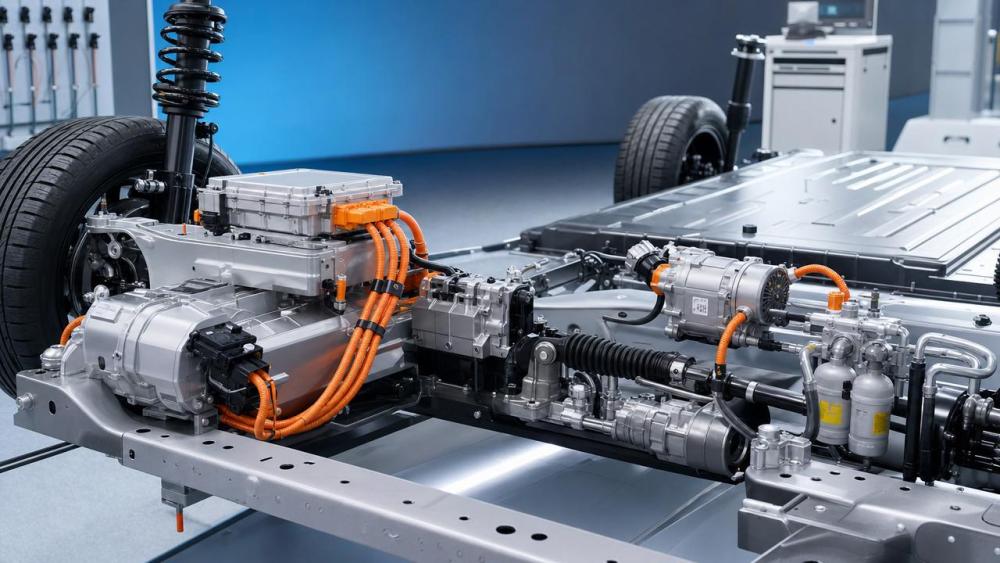
Automotive electromechanical parts convert electrical commands into movement, pressure, cooling, heating, sound, data exchange, or driver assistance functions.
They sit between software decisions and physical vehicle response, making diagnosis more complex than purely mechanical inspection.
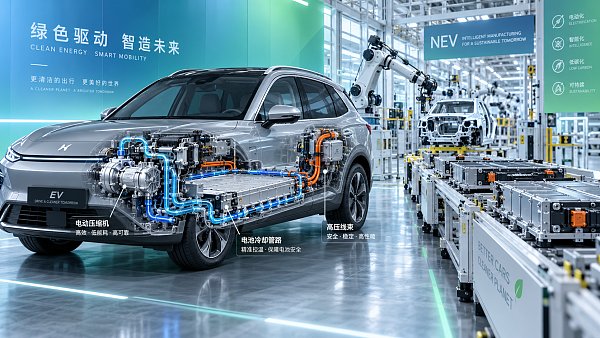
Common automotive electromechanical systems include electric power steering, wiring harnesses, electric A/C compressors, smart cabin controllers, and thermal valves.
A fault may start as voltage drop, connector fretting, actuator friction, signal noise, coolant restriction, or software protection logic.
Effective checks therefore require three views: electrical integrity, mechanical condition, and thermal or functional output.
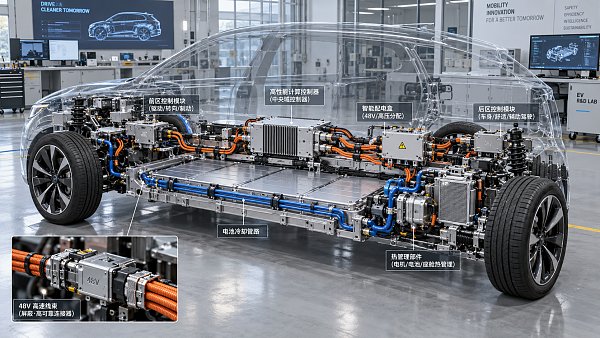
GACT observes these systems as vehicle neurons and temperature control hubs within electrified and intelligent mobility architectures.
The same diagnostic discipline applies across internal combustion vehicles, hybrids, and new energy vehicles.
Current Industry Focus in Automotive Electromechanical Reliability
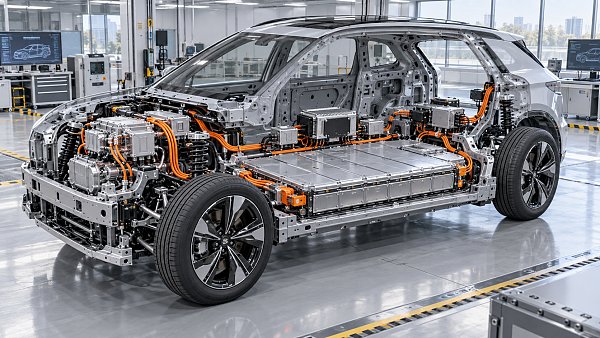
The automotive electromechanical workload has increased as vehicles add high-voltage circuits, domain controllers, smart cabins, and integrated thermal modules.
Small defects now affect multiple functions because one module may control comfort, safety, energy efficiency, and driver interaction.
Failure checks must reflect this integration, especially when symptoms appear in unrelated systems.
Supply chain changes also matter because material substitutions can affect terminals, aluminum conductors, insulation, and heat exchanger durability.
For automotive electromechanical diagnosis, component history is often as important as live test data.
Core Failure Checks for Wiring Harnesses and Connectors
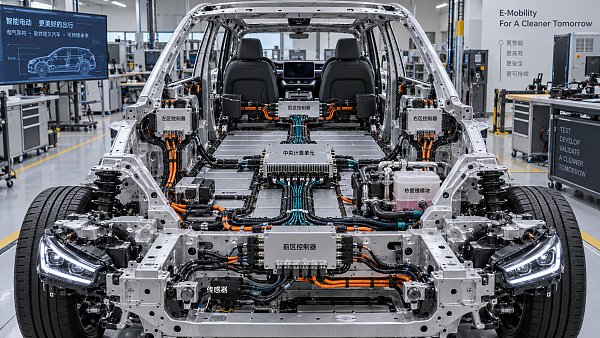
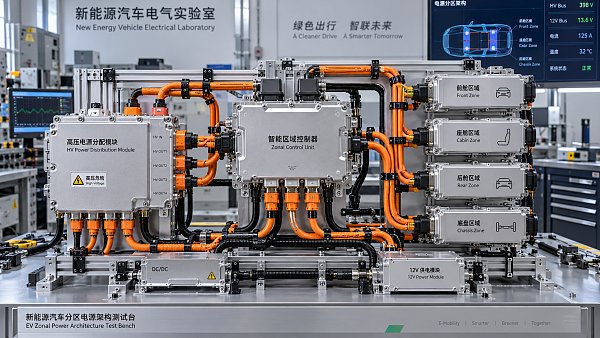
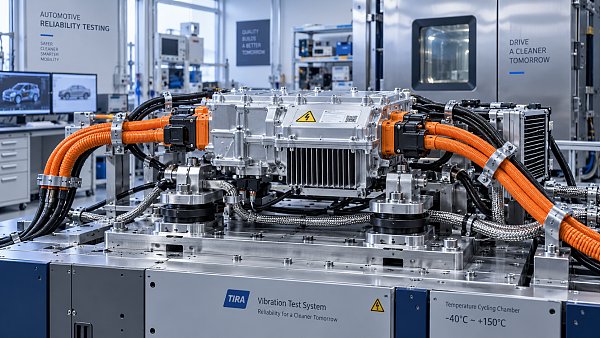
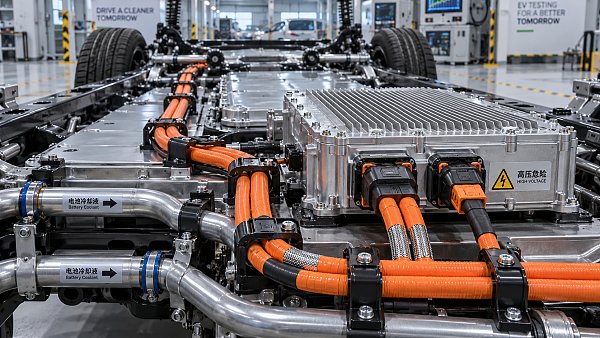
Wiring harnesses are the blood vessels and nerves of modern vehicles, carrying power, signals, and high-speed data.
In automotive electromechanical repairs, harness faults often imitate failed sensors, actuators, or control modules.
- Inspect connector pins for looseness, corrosion, moisture marks, overheating, and incorrect locking position.
- Perform voltage drop tests under load, not only open-circuit continuity checks.
- Check ground paths during actuator operation, when current demand is highest.
- Move the harness gently while monitoring live data for intermittent signal changes.
- Verify shielding and routing near motors, inverters, compressors, and high-voltage cables.
A harness may pass static inspection but fail during vibration, heat soak, steering movement, or rainwater exposure.
Automotive electromechanical systems depend on millisecond-level communication, so small resistance changes can trigger large functional disturbances.
Power Steering Actuator and Sensor Checks
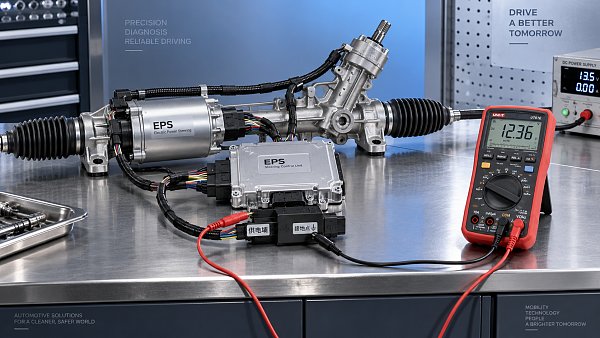
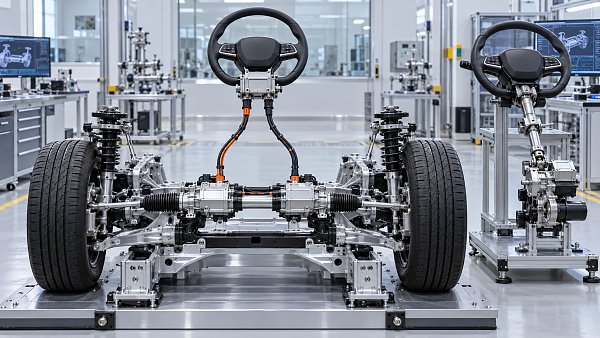
Electric power steering links driver intent to wheel movement through torque sensors, control logic, motors, and rack mechanisms.
A steering complaint may come from electrical supply weakness, mechanical binding, sensor drift, or calibration loss.
Begin with battery health, charging voltage, fuse integrity, and steering control module communication status.
Then compare torque sensor values at rest, slow turning, and full lock, watching for asymmetry or sudden jumps.
Measure motor current while the wheels are unloaded and then loaded on the ground.
Large differences may indicate rack resistance, tire friction, alignment issues, or actuator overload.
For steer-by-wire and advanced chassis systems, redundancy paths require additional communication and safety-state verification.
Automotive electromechanical steering repairs should never ignore mechanical inspection, even when diagnostic trouble codes appear electrical.
Electric Compressor and Cabin Comfort Diagnosis
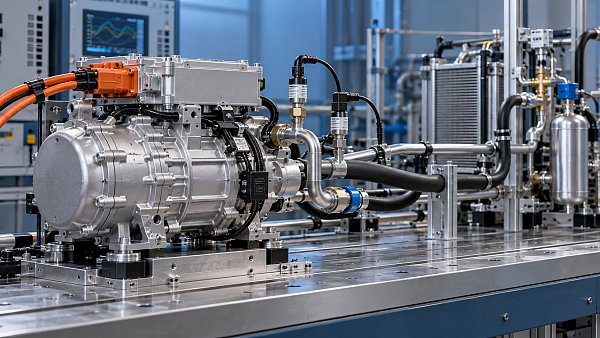
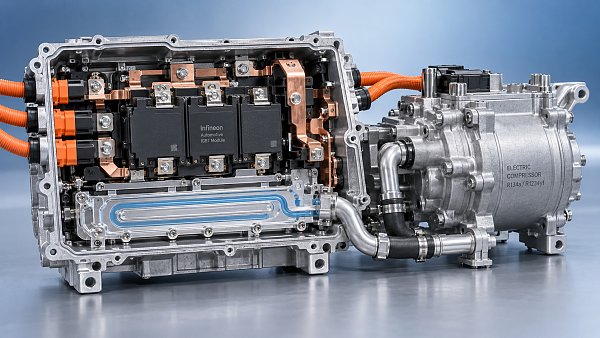
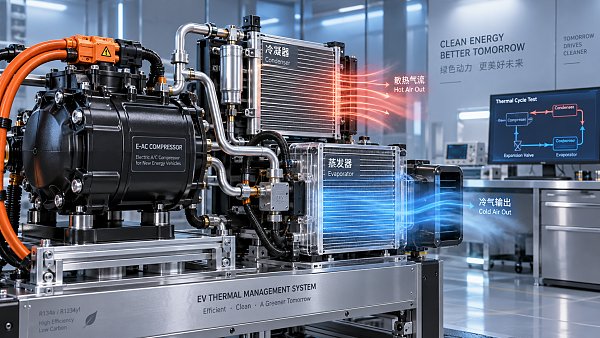
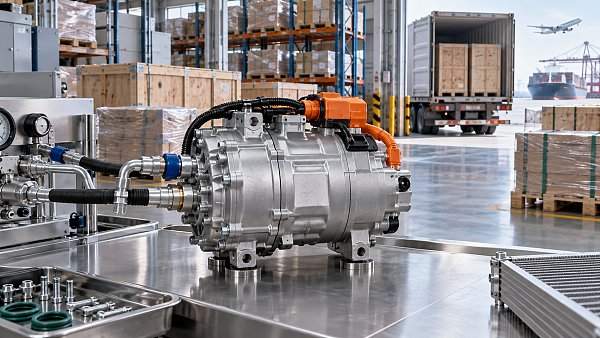
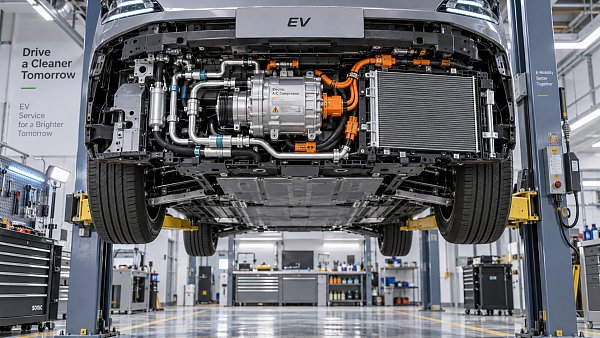
Electric compressors are central to cabin comfort and battery thermal support in many electrified vehicles.
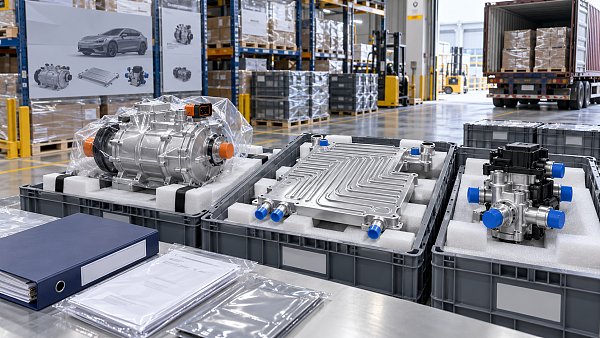
They combine a motor, inverter, compression mechanism, refrigerant circuit, and protection controls inside one automotive electromechanical assembly.
Poor cooling should not lead directly to compressor replacement before refrigerant, power, and command checks are complete.
- Confirm compressor command percentage, speed request, and actual operating speed.
- Check high-voltage interlock status and insulation resistance where applicable.
- Compare suction and discharge pressures against ambient temperature and blower demand.
- Listen for bearing noise, liquid slugging, or inverter whine.
- Review thermal shutdown records and overcurrent events before clearing codes.
Noise may reflect refrigerant charge error, oil circulation problems, mounting stress, or internal compressor damage.
Automotive electromechanical comfort diagnosis is strongest when pressure, temperature, current, and command data are viewed together.
Smart Cabin Electronics and Infotainment Control Modules
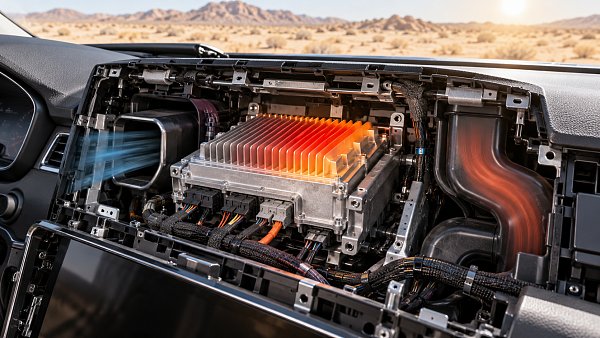
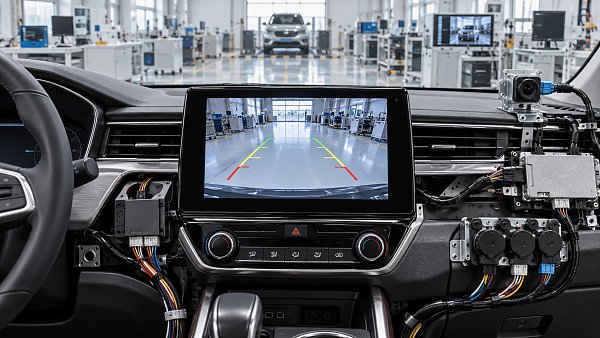
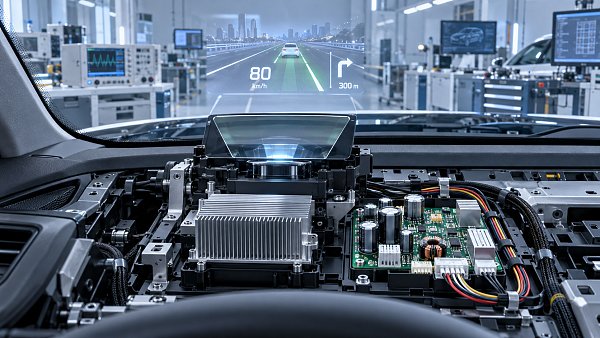
In-vehicle infotainment has become the soul of human-machine interaction, connecting displays, audio, cameras, cloud services, and vehicle settings.
Failures may appear as black screens, delayed booting, navigation freezing, audio dropouts, or unresponsive touch panels.
Many symptoms are linked to unstable power, poor grounding, overheating, software conflicts, or communication bus errors.
Before replacing a head unit, confirm wake-up signals, sleep current, battery voltage during cranking, and module temperature.
Check whether faults appear after software updates, accessory installation, water intrusion, or extended parking.
Automotive electromechanical cabin electronics need clean power and predictable thermal conditions to maintain stable user experience.
A repeated reset may be a protection response, not a failed screen.
NEV Thermal Management Valves, Pumps, and Sensors
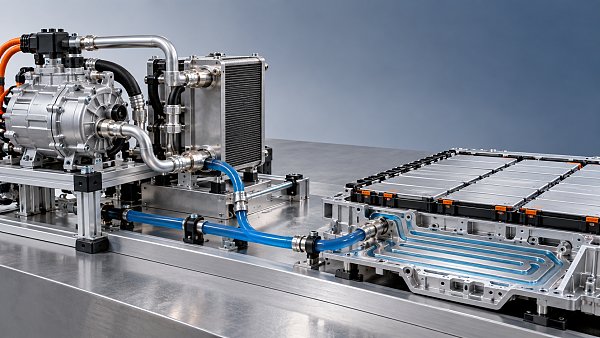
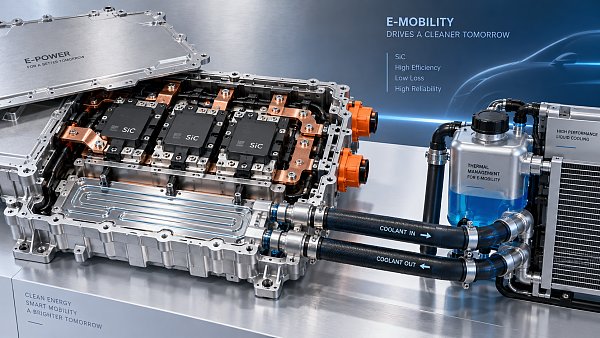
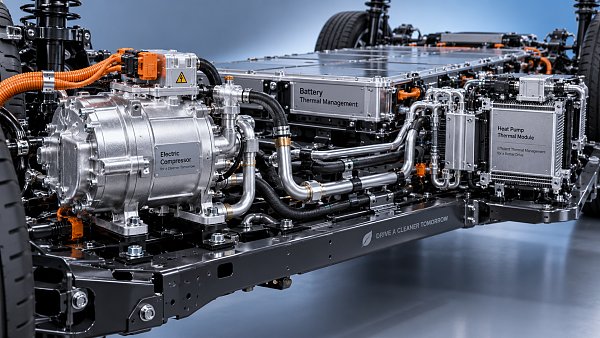
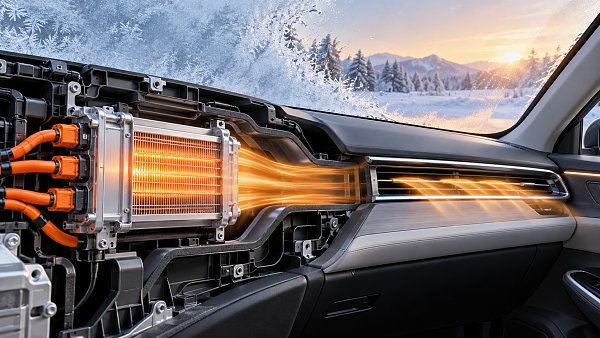
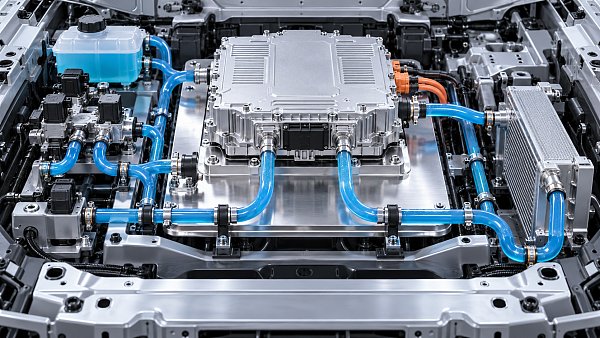
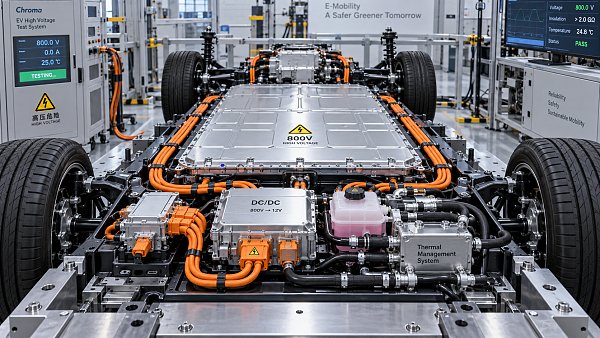
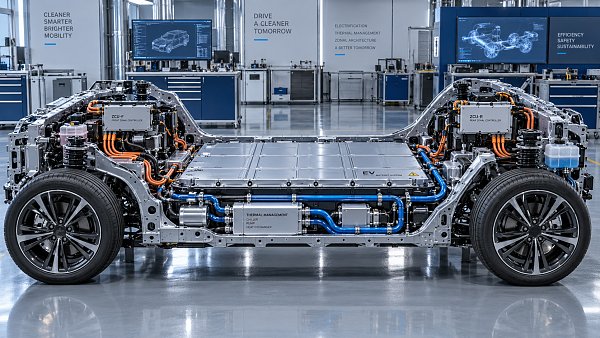
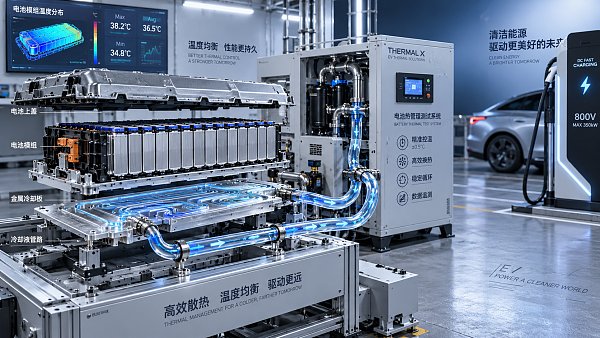
Thermal management systems regulate battery temperature, e-drive cooling, cabin heating, defrosting, and heat pump performance.
They use pumps, multi-way valves, sensors, chillers, heat exchangers, and electronic controls.
In automotive electromechanical thermal systems, a single valve error can reduce range, slow charging, or weaken cabin heating.
Start with coolant level, air pockets, leakage, contamination, and correct coolant specification.
Then compare sensor readings across battery inlet, outlet, motor loop, chiller, and cabin heater circuits.
Command pumps and valves through a scan tool, confirming current draw, flow response, and temperature change.
If temperature changes are delayed, inspect stuck valves, weak pumps, clogged heat exchangers, or incorrect hose routing.
Automotive electromechanical thermal checks should include defrost strategy, fast-charging heat rejection, and low-temperature heat pump behavior.
Practical Diagnostic Sequence for Repeatable Results
A structured sequence prevents unnecessary parts replacement and improves confidence when faults are intermittent.
- Record customer symptoms, operating conditions, warning lamps, weather, speed, charging state, and recent repairs.
- Scan all related modules, not only the system showing the symptom.
- Save freeze-frame data before clearing diagnostic trouble codes.
- Check power, ground, connectors, and harness routing before module replacement.
- Command actuators and compare requested values with actual physical response.
- Validate repair under the same conditions that produced the complaint.
For automotive electromechanical work, live data trends are often more useful than isolated readings.
Graphing voltage, current, temperature, pressure, and actuator position can reveal timing gaps and hidden restrictions.
Application Value for Service Quality and Component Strategy
Accurate failure checks reduce repeat repairs, unnecessary claims, customer downtime, and inventory pressure.
They also help identify whether a problem belongs to the component, installation, software, environment, or system design.
Automotive electromechanical intelligence supports better decisions on sourcing, training, test equipment, and service documentation.
For global supply chains, reliability depends on material quality, connector standards, thermal design, and control integration.
GACT tracks these relationships across harnesses, steering, compressors, IVI electronics, and NEV thermal management systems.
The goal is to link electrical signals, fluid dynamics, and thermodynamic behavior into practical maintenance intelligence.
Next Steps for Automotive Electromechanical Failure Control
Build inspection checklists around systems, not isolated parts, and update them when new vehicle platforms enter service.
Prioritize test points for power supply, grounds, communication lines, actuator feedback, and thermal output.
Keep known-good waveforms, pressure ranges, temperature maps, and current profiles for common automotive electromechanical platforms.
Use GACT sector intelligence to follow component evolution, thermal integration, smart cabin architectures, and chassis control trends.
A disciplined diagnostic process turns complex automotive electromechanical faults into traceable, verifiable, and repairable issues.
That approach strengthens reliability, protects comfort, improves safety, and supports the transition toward smarter mobility.
Related News
- 00
0000-00
How electric compressor speed affects EV battery cooling capacity - 00
0000-00
How to verify a variable frequency compressor supplier’s efficiency claims - 00
0000-00
How bend radius affects FPC reliability in automotive camera modules - 00
0000-00
How to diagnose intermittent loss of electric power steering assist - 00
0000-00
How to size automotive power modules for electric compressors
Weekly Insights
Stay ahead with our curated technology reports delivered every Monday.
Recommended News
 How electric compressor speed affects EV battery cooling capacityElectric compressor technology: battery cooling depends on more than RPM. Discover how speed, refrigerant flow, and system limits affect EV cooling capacity and energy efficiency.Author:Time:Oct 19, 2026
 How to verify a variable frequency compressor supplier’s efficiency claimsVerify a variable frequency compressor supplier’s efficiency claims using COP boundaries, matched test conditions, and duty-cycle data. Learn how to choose with confidence.Author:Time:Oct 18, 2026
 How bend radius affects FPC reliability in automotive camera modulesAutomotive FPC applications: camera module reliability starts with bend radius. Learn how stack-up, strain, and validation guide robust designs and help prevent costly failures.Author:Time:Oct 17, 2026
 How to diagnose intermittent loss of electric power steering assistMaster power steering system diagnostics to trace intermittent EPS assist loss. Learn proven checks for voltage, wiring, and fault codes to avoid costly guesswork.Author:Time:Oct 16, 2026
 How to size automotive power modules for electric compressorsSize automotive power modules for electric compressors with confidence. Learn how voltage, phase current, losses, and cooling shape reliable selection—and avoid costly oversizing.Author:Time:Oct 15, 2026
 Why automotive power electronics are shifting to silicon carbideAutomotive Power Electronics are shifting to silicon carbide. Discover how SiC can cut losses, boost EV power density, and reshape cooling, reliability, and system costs.Author:Time:Oct 14, 2026
 How EV adoption shapes the electrically driven compressor marketExplore how EV adoption shapes the electrically driven compressor market, from battery cooling and heat pumps to supplier margins. Discover the drivers of profitable growth.Author:Time:Oct 13, 2026
 How to size a PTC heater for reliable EV cabin heatingPTC Heater sizing for EV cabins: learn how to balance defrost performance, heat-pump integration, airflow, voltage range, and battery power for reliable winter comfort.Author:Time:Oct 12, 2026
 What determines the cooling output of electric automotive AC compressors?Automotive air conditioning compressors electric systems: explore how speed, voltage, refrigerant, controls, and heat exchangers shape EV cooling capacity and efficiency.Author:Time:Oct 11, 2026
 What makes a touchscreen media head unit responsive enough for daily use?Touchscreen media head unit performance explained: discover what delivers fast starts, smooth maps, reliable phone pairing, and responsive daily driving.Author:Time:Oct 10, 2026
 Can a Domain Controller Share a Cooling Loop with Other Electronics?Can a domain controller share a cooling loop with other electronics? Explore thermal zoning, flow control, safety priorities, and reliable vehicle electronics cooling strategies.Author:Time:Oct 19, 2026
 What Causes Domain Controller Overheating During Summer Testing?What causes domain controller overheating in summer testing? Explore heat load, airflow, installation, software factors, and practical fixes.Author:Time:Oct 18, 2026
 Is a Head-Up Display Hard to Integrate with Different Windshields?Is a head-up display difficult to integrate with different windshields? Discover how glass geometry, coatings, and calibration affect HUD clarity, cost, and production readiness.Author:Time:Oct 17, 2026
 What Should Be Checked Before Selecting an Automotive Head Unit?What should be checked before selecting an automotive head unit? Explore compatibility, performance, cybersecurity, compliance, and supplier support.Author:Time:Oct 16, 2026
 Is Steer-by-Wire More Expensive Than an EPS Steering System?Is steer-by-wire more expensive than an EPS steering system? Explore the true costs, safety demands, software value, and when SbW justifies its premium.Author:Time:Oct 15, 2026
 Which Automotive Electronics Need Validation for 800V Platforms?What automotive electronics should be validated for 800V platforms? Explore critical checks for harnesses, power electronics, thermal systems, safety, and EMC.Author:Time:Oct 14, 2026
 How Do Automotive Compressor Export Requirements Vary by Market?How do automotive compressor export requirements vary by market? Explore key compliance rules for refrigerants, EV safety, OEM approvals, labeling, and customs.Author:Time:Oct 13, 2026
 What Documents Are Needed to Export Automotive Thermal Components?What documents are needed to export automotive thermal components? Explore customs, compliance, technical records, and shipping tips to prevent costly delays.Author:Time:Oct 12, 2026
 How Often Should an EV Air Conditioning Compressor Be Inspected?How often should an EV air conditioning compressor be inspected? Discover recommended service intervals, warning signs, and expert care tips to protect cooling performance and EV reliability.Author:Time:Oct 11, 2026
 How to size power solutions for automotive head-up display systemsHeads-up display systems power solutions: learn how to size automotive HUD power architectures for startup, brightness, thermal limits, EMC, protection, and reliable vehicle operation.Author:Time:Oct 19, 2026
 How does a head-up display work in a high-performance car?Hoe werkt een head-up display in een high-performance auto en welke informatie toont het? Discover the tech, safety alerts, and performance data that sharpen every drive.Author:Time:Oct 18, 2026
 Which trends will shape zonal EV architectures in the next decade?Future trends in zonal EV architectures: explore smarter power distribution, 48V systems, thermal integration, software, and resilient networks shaping next-gen vehicles.Author:Time:Oct 17, 2026
 When does a zonal EV architecture outperform a centralized design?Explore the trade-offs between zonal and centralized EV architectures to identify the best path for harness efficiency, software scalability, safety, and faster EV launches.Author:Time:Oct 16, 2026
 How to compare vendors for zonal EV power architecturesComparing vendors for zonal EV power architectures: assess electrical capability, interface ownership, lifecycle support, and integration risk for smarter sourcing.Author:Time:Oct 15, 2026
 How zonal architectures can improve EV reliability at the system levelHow zonal architectures affect EV reliability: explore fault containment, diagnostics, power resilience, and software strategies for more dependable electric vehicles.Author:Time:Oct 14, 2026
 What is driving growth in the automotive E/E architecture market?Explore what drives the automotive electric electronic systems architecture market, from EV power systems and zonal computing to ADAS, cybersecurity, and software-defined vehicles.Author:Time:Oct 13, 2026
 How to evaluate top-rated vehicle electrical components for reliabilityDiscover how to evaluate top-rated vehicle electrical components for reliability, from connector integrity and thermal margins to validation data and manufacturing control.Author:Time:Oct 12, 2026
 What makes vehicle electrical components reliable over a long service life?Top-rated vehicle electrical components for reliability depend on thermal control, sealing, vibration resistance, and validated manufacturing. Discover how to choose durable parts.Author:Time:Oct 11, 2026
 How battery thermal management solutions prevent fast-charge overheatingBattery thermal management solutions prevent fast-charge overheating with intelligent cooling, valve control, predictive preconditioning, and reliable heat rejection.Author:Time:Oct 09, 2026
 What an automotive market report can reveal about EV demand shiftsAutomotive market report insights reveal EV demand shifts, component opportunities, regional risks, and smarter investment strategies for growth.Author:Time:Oct 08, 2026