Auto A/C Compressors: Costly Failure Signs to Watch




Early diagnosis of auto A/C compressors can prevent expensive comebacks, refrigerant loss, and customer dissatisfaction in modern service environments.
As vehicles shift toward electric and variable-speed compressor designs, failure signs are no longer limited to weak cabin cooling.
Noise, control faults, pressure imbalance, oil contamination, and intermittent operation can all reveal deeper thermal system problems.
Why Auto A/C Compressors Need Checklist-Based Diagnosis
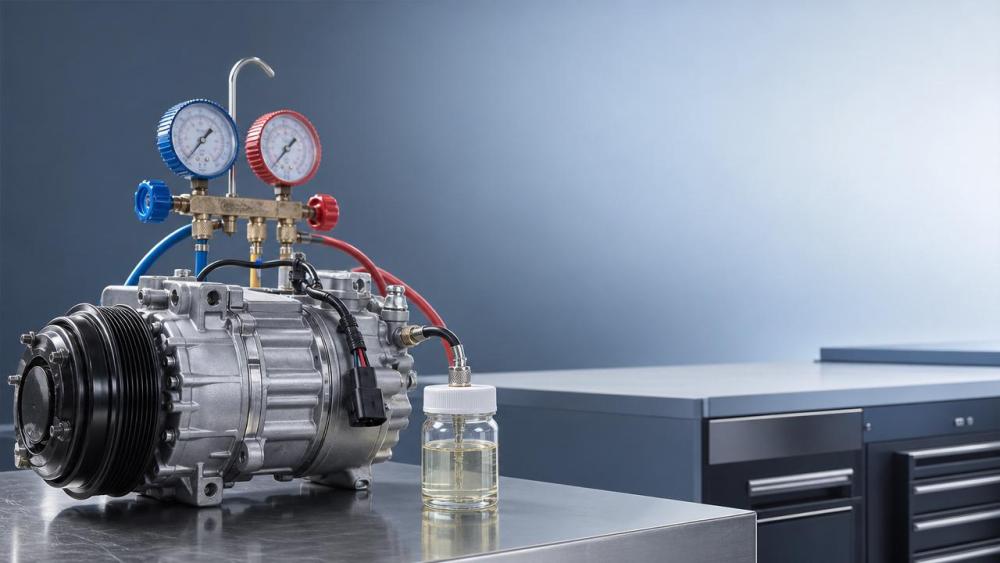
Auto A/C compressors sit at the center of refrigerant circulation, cabin comfort, defogging performance, and electric vehicle thermal stability.
A missed symptom can damage the condenser, expansion valve, battery cooling loop, or integrated heat pump module.
Checklist-based inspection reduces guesswork by linking visible symptoms with pressure data, electrical signals, and refrigerant condition.
It also helps separate compressor failure from airflow restriction, sensor error, low charge, or control software behavior.
For auto A/C compressors, the most expensive failures often start as small operating changes that appear only under load.
Core Warning Signs of Costly Compressor Failure
Noise, Vibration, and Harshness
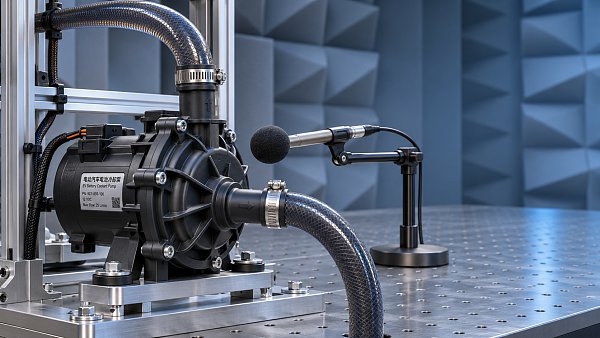
- Listen for grinding after clutch engagement, because bearing wear inside auto A/C compressors can spread metal debris through the refrigerant circuit.
- Check rattling at idle and during acceleration, since loose mounting points can imitate internal compressor damage and mislead diagnosis.
- Compare noise with compressor command changes, especially on electric units where speed modulation should remain smooth and controlled.
- Inspect belt tension and pulley alignment before condemning mechanical auto A/C compressors, as external drive faults create similar complaints.
Unusual noise should never be dismissed as normal aging. It may indicate poor lubrication, internal scoring, or liquid refrigerant return.
Poor Cooling or Slow Pull-Down
- Measure vent temperature under stable engine or inverter conditions, then compare results with ambient temperature and system specifications.
- Verify refrigerant charge by weight, because low charge can mimic weak auto A/C compressors while hiding small leakage points.
- Watch for delayed cooling after startup, which may suggest valve leakage, worn scroll elements, or unstable compressor control.
- Confirm condenser airflow before replacement, since restricted fins and fan faults raise discharge pressure and reduce compressor efficiency.
Slow cooling is costly when it triggers unnecessary compressor replacement. Data from pressure, temperature, and airflow must align.
Pressure Abnormalities
- Record high-side and low-side pressure together, because single-gauge readings rarely explain the true condition of auto A/C compressors.
- Identify low suction and high discharge pressure, which may point toward restriction, overcharge, or poor condenser heat rejection.
- Investigate equalized pressure during commanded operation, since failed valves or non-rotating compressor elements can prevent compression.
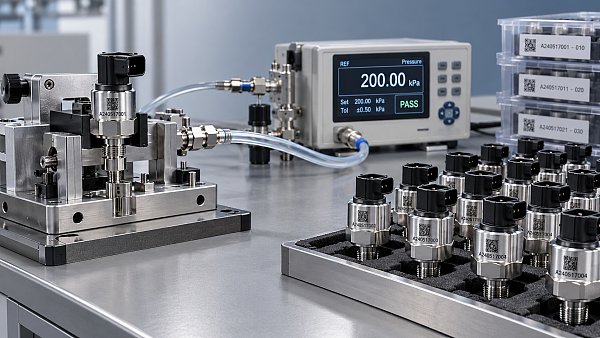
- Review pressure sensor outputs against mechanical gauges, because electronic control decisions depend on accurate signal conversion.
Pressure behavior shows how the refrigerant loop breathes. For auto A/C compressors, pressure trends often matter more than one reading.
Oil and Refrigerant Contamination
- Inspect recovered oil for discoloration, burnt odor, or metallic particles, because contamination can destroy replacement components quickly.
- Flush approved sections after confirmed internal failure, while replacing parts that cannot be cleaned to required standards.
- Use the correct oil type and quantity, especially for electric auto A/C compressors requiring high dielectric insulation performance.
- Avoid mixing refrigerant types, because chemical incompatibility changes lubrication behavior and risks seal deterioration.
Contamination turns one failed compressor into a system-wide repair. Cleanliness protects valves, sensors, condensers, and future warranty confidence.
Electrical and Control Faults
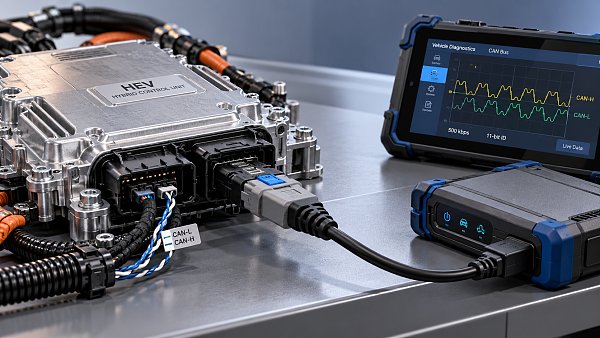
- Scan the HVAC, powertrain, and thermal management modules before mechanical teardown, because control faults can disable compressor operation.
- Check command percentage, current draw, and speed feedback when diagnosing variable-speed auto A/C compressors.
- Test clutch voltage and ground integrity on belt-driven systems, since poor connections can create intermittent cooling complaints.
- Inspect high-voltage interlock status on electric systems before testing, following all isolation and safety procedures.
Modern auto A/C compressors may be mechanically healthy but electronically locked out due to sensor logic or protection strategies.
Scenario Notes for Different Vehicle Platforms
Conventional Belt-Driven Systems
Mechanical auto A/C compressors usually depend on belt drive, clutch engagement, pulley condition, and engine speed stability.
A slipping belt, weak clutch coil, or worn bearing can look like compressor failure during high-demand cooling.
Inspect belt path, clutch air gap, relay function, and refrigerant charge before replacing the compressor assembly.
Hybrid and Electric Vehicles
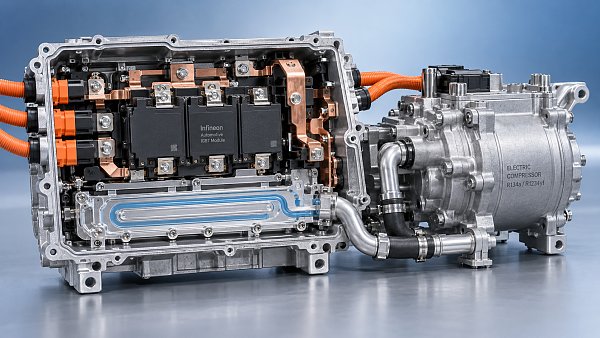
Electric auto A/C compressors are driven by inverter control rather than engine rotation, making electrical diagnosis essential.
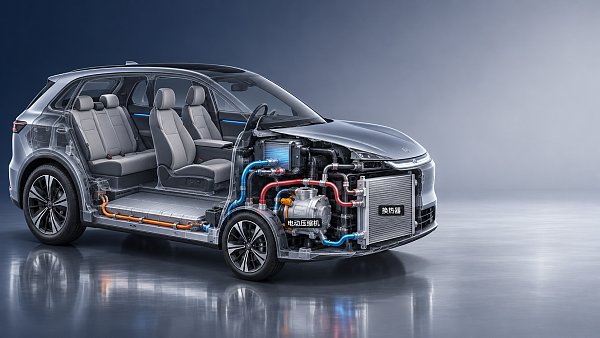
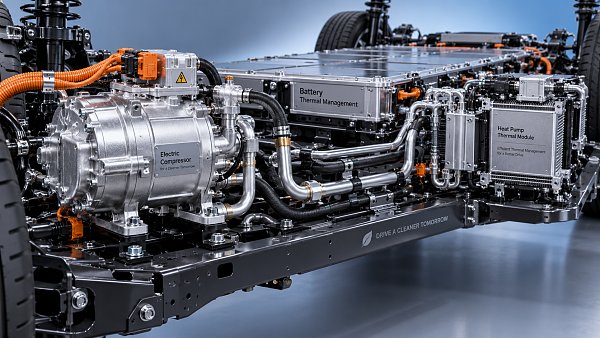
They often support cabin cooling, battery temperature control, and heat pump operation through integrated thermal loops.
Incorrect oil, insulation leakage, or communication failure can shut down the compressor to protect high-voltage components.
Heat Pump Thermal Management
In heat pump systems, auto A/C compressors may run during heating, defrosting, dehumidification, and battery conditioning.
Failure signs may appear as fogged glass, slow battery warm-up, cabin temperature swing, or unusual mode switching.
Diagnosis should include multi-way valves, electronic expansion valves, coolant pumps, and thermal control software status.
Commonly Missed Risks During Inspection
Ignoring Root-Cause Restrictions
Replacing auto A/C compressors without finding a restriction can create another failure within days or weeks.
Blocked condensers, clogged desiccant bags, and stuck expansion valves increase load and reduce lubrication flow.
Skipping Oil Balance
Oil balance is critical because too much oil reduces cooling, while too little oil accelerates internal wear.
Recovered oil amount, replaced component volume, and compressor supplier guidance should all guide the final charge.
Overlooking Software and Sensor Logic
Many late-model auto A/C compressors depend on pressure sensors, cabin sensors, ambient sensors, and control module permissions.
A faulty sensor may command reduced compressor output even when the hardware is capable of normal operation.
Failing to Verify Leak Points
Low refrigerant charge often damages auto A/C compressors by reducing oil circulation and raising operating temperature.
Use proper leak detection methods on hoses, seals, service ports, condensers, and evaporator drains before recharge.
Practical Execution Checklist
- Confirm the complaint under repeatable conditions, including ambient temperature, blower setting, vehicle speed, and requested cabin temperature.
- Scan related modules and save diagnostic codes, freeze-frame data, compressor commands, and pressure sensor values.
- Measure static and dynamic pressures, then compare them with temperature charts and vehicle-specific service information.
- Check condenser airflow, fan response, cabin filter condition, and evaporator icing before focusing only on auto A/C compressors.
- Recover and weigh refrigerant, because exact charge quantity is essential for accurate compressor performance assessment.
- Inspect oil condition during recovery or component removal, watching for glitter, sludge, acid odor, or burnt residue.
- Test electrical supply, ground, clutch circuit, inverter communication, or high-voltage insulation according to system design.
- Replace receiver-drier, desiccant, expansion device, or condenser when contamination or severe restriction is confirmed.
- Evacuate for the required time, verify vacuum stability, and recharge by weight using approved refrigerant.
- Validate final vent temperature, pressure balance, noise level, and mode operation during road or controlled load testing.
This sequence keeps auto A/C compressors from becoming a default replacement choice when the real cause is elsewhere.
Cost Control and Repair Quality Tips
Document pressure readings, refrigerant weight, fault codes, and temperature results before and after repair.
This record supports repair quality and helps identify recurring faults in vehicle platforms or component batches.
Use validated parts, correct oil, clean handling practices, and updated service procedures for auto A/C compressors.
For electric systems, prioritize insulation safety, connector condition, and compressor communication before refrigerant-side conclusions.
When replacing failed auto A/C compressors, treat the repair as a system restoration, not a single-component swap.
Summary and Next Steps
Costly compressor failure rarely appears without warning. Noise, poor cooling, pressure imbalance, contamination, and control errors reveal the pattern.
Auto A/C compressors now operate inside increasingly connected thermal systems, especially in hybrid and electric vehicles.
A disciplined checklist protects repair margins, reduces repeat work, and preserves comfort, defogging, and battery thermal performance.
Start with verified symptoms, measure the refrigerant circuit, confirm electrical control, and inspect oil condition before replacement.
Used correctly, this process turns auto A/C compressors from costly surprises into manageable, data-driven service decisions.
Have questions about this sector analysis, or seeking best practices specific to your niche? Drop us a line below and let the senior consultants at GAC assist you.
“We respect your privacy. Your information is strictly confidential.”
Related News
- 00
0000-00
How to compare noise ratings for battery coolant pumps - 00
0000-00
How bright should automotive display systems be in sunlight? - 00
0000-00
How heat pumps improve the efficiency of EV thermal systems - 00
0000-00
Can a smart cockpit platform support multiple displays? - 00
0000-00
How is automotive connector vibration resistance tested?
Weekly Insights
Stay ahead with our curated technology reports delivered every Monday.
Recommended News
 How to compare noise ratings for battery coolant pumpsCompare coolant pump low noise ratings with confidence. Learn how test conditions, hydraulic duty, tonal noise and installation affect your choice.Author:Time:Nov 10, 2026
 How bright should automotive display systems be in sunlight?Automotive Display Systems need more than brightness to stay readable in sunlight. Discover why 1,000 nits is a starting point and how to evaluate glare and heat.Author:Time:Nov 09, 2026
 How heat pumps improve the efficiency of EV thermal systemsEV Thermal Systems use heat pumps to reduce heating energy demand. Explore how they work, where they excel, and what limits efficiency in cold weather.Author:Time:Nov 08, 2026
 Can a smart cockpit platform support multiple displays?Can a smart cockpit platform support multiple displays? Explore key requirements for performance, safety, connectivity, and supplier evaluation.Author:Time:Nov 07, 2026
 How is automotive connector vibration resistance tested?Automotive connector vibration resistance testing reveals hidden contact failures. Explore test profiles, continuity monitoring and pass criteria.Author:Time:Nov 06, 2026
 How heat pumps save energy in automotive cabin climate systemsAutomotive Cabin Climate Systems energy saving starts with smarter heat pump design. Explore real-world efficiency, cold-weather trade-offs, and testing tips.Author:Time:Nov 05, 2026
 Is an EV heat pump worth it for winter driving range?Is a heat pump worth using in a cold-climate EV? Discover how it affects winter range, when it pays off, and what to check before buying.Author:Time:Nov 04, 2026
 When should you use 50-ohm coaxial cable instead of 75-ohm?Coaxial cable 50 ohm or 75 ohm? Learn when to use each, avoid impedance mismatches, and choose the right cable for reliable RF and video performance.Author:Time:Nov 03, 2026
 How to select a high temperature motor harness for an EVChoose the right high temperature motor harness for your EV. Compare thermal limits, current capacity, shielding, routing, and validation evidence.Author:Time:Nov 02, 2026
 How much does electric power steering replacement cost?Electric power steering price typically ranges from $1,000 to $3,000 for major replacements. Discover cost factors, repair options, and tips for comparing quotes.Author:Time:Nov 01, 2026
 How to size an EV A/C compressor for the required cooling capacitySize an EV A/C Compressor with confidence. Explore cooling loads, performance maps and power limits to select the right compressor for your vehicle.Author:Time:Oct 31, 2026
 How to choose the right pitch for an FPC board connectorFPC board connector pitch affects space, assembly and reliability. Learn how to compare options and select the best fit for your design.Author:Time:Oct 30, 2026
 How zonal design affects harness routing in high-voltage EV architecturesExplore high-voltage electrical architecture zonal design and its impact on EV harness routing. Discover key trade-offs in cable length, safety, thermal performance, and service access.Author:Time:Oct 29, 2026
 How tariffs affect costs in global automotive parts supply chainsNavigate tariffs in the global automotive parts trade supply chain. Learn to compare landed costs, manage duty exposure, and uncover smarter sourcing strategies to protect your margins.Author:Time:Oct 28, 2026
 How to assess vendor lock-in in a software-defined vehicle platformAssess Software-Defined Vehicle platform lock-in with practical tests for API portability, data access, update control, and exit costs. Learn how to choose a platform with a proven exit path.Author:Time:Oct 27, 2026
 How ISO 26262 guides functional safety in steer-by-wire systemsExplore steering systems functional safety through ISO 26262. Learn how hazard analysis, fault-tolerant design, and validation build a stronger steer-by-wire safety case.Author:Time:Oct 26, 2026
 How to evaluate a steering angle sensor manufacturer's accuracy claimsEvaluate steering angle sensor manufacturer accuracy claims with practical checks on calibration, latency, and test evidence. Compare suppliers confidently and avoid costly selection mistakes.Author:Time:Oct 25, 2026
 How to diagnose CAN bus faults in a hybrid vehicle control unitDiagnose Hybrid Vehicle Systems control unit CAN bus faults with step-by-step power, wiring, and waveform checks. Find the root cause and avoid unnecessary replacement.Author:Time:Oct 24, 2026
 How does battery cooling pipe diameter affect coolant pressure drop?Battery Cooling Pipe diameter affects coolant pressure drop and pump power. Explore sizing calculations and practical tips to optimize EV battery cooling and compare options with confidence.Author:Time:Oct 23, 2026
 How to assess PPAP readiness of automotive sensor system manufacturersAssess Automotive Sensor Systems manufacturers for PPAP readiness. Learn to verify production evidence, measurement capability, validation, and traceability to reduce sourcing risks.Author:Time:Oct 22, 2026
 What to ask an FPC connector manufacturer about reliability testingChoosing an FPC Connector manufacturer? Learn what to ask about reliability testing, failure limits, and traceable results to reduce design risks and select with confidence.Author:Time:Oct 21, 2026
 How to verify vehicle fitment for an aftermarket AC evaporatorNavigating the evaporator aftermarket? Verify vehicle fitment with VIN data, OE numbers, and physical interface checks. Use this guide to avoid costly mismatches and order confidently.Author:Time:Oct 20, 2026
 How electric compressor speed affects EV battery cooling capacityElectric compressor technology: battery cooling depends on more than RPM. Discover how speed, refrigerant flow, and system limits affect EV cooling capacity and energy efficiency.Author:Time:Oct 19, 2026
 How to verify a variable frequency compressor supplier’s efficiency claimsVerify a variable frequency compressor supplier’s efficiency claims using COP boundaries, matched test conditions, and duty-cycle data. Learn how to choose with confidence.Author:Time:Oct 18, 2026
 How bend radius affects FPC reliability in automotive camera modulesAutomotive FPC applications: camera module reliability starts with bend radius. Learn how stack-up, strain, and validation guide robust designs and help prevent costly failures.Author:Time:Oct 17, 2026
 How to diagnose intermittent loss of electric power steering assistMaster power steering system diagnostics to trace intermittent EPS assist loss. Learn proven checks for voltage, wiring, and fault codes to avoid costly guesswork.Author:Time:Oct 16, 2026
 How to size automotive power modules for electric compressorsSize automotive power modules for electric compressors with confidence. Learn how voltage, phase current, losses, and cooling shape reliable selection—and avoid costly oversizing.Author:Time:Oct 15, 2026
 Why automotive power electronics are shifting to silicon carbideAutomotive Power Electronics are shifting to silicon carbide. Discover how SiC can cut losses, boost EV power density, and reshape cooling, reliability, and system costs.Author:Time:Oct 14, 2026
 How EV adoption shapes the electrically driven compressor marketExplore how EV adoption shapes the electrically driven compressor market, from battery cooling and heat pumps to supplier margins. Discover the drivers of profitable growth.Author:Time:Oct 13, 2026
 How to size a PTC heater for reliable EV cabin heatingPTC Heater sizing for EV cabins: learn how to balance defrost performance, heat-pump integration, airflow, voltage range, and battery power for reliable winter comfort.Author:Time:Oct 12, 2026