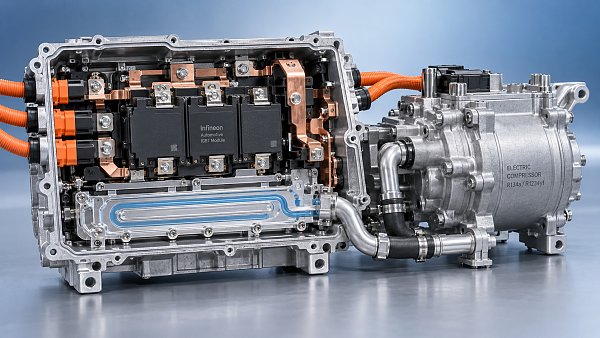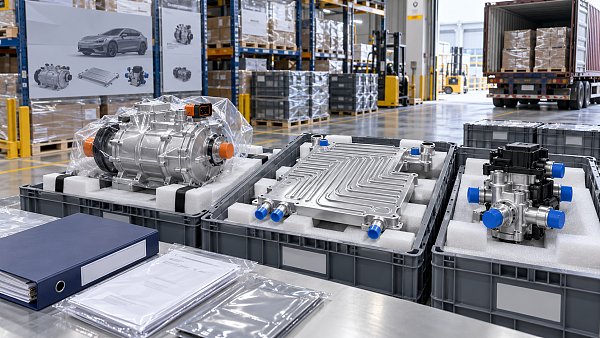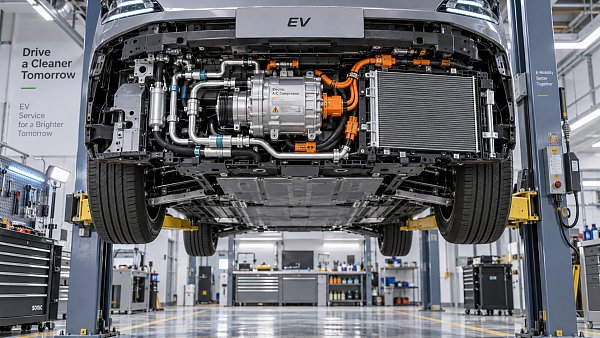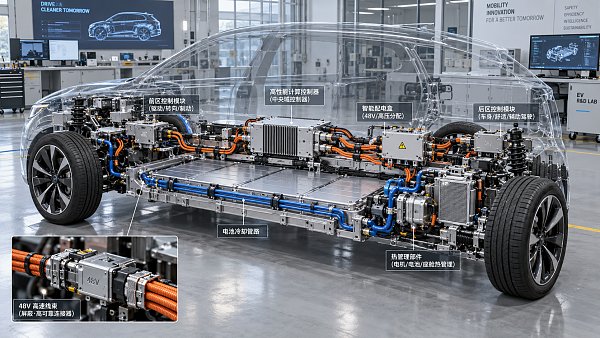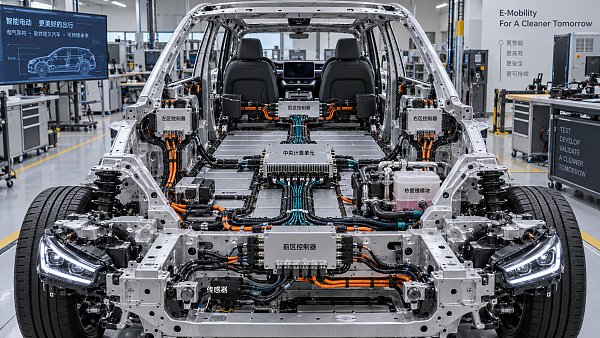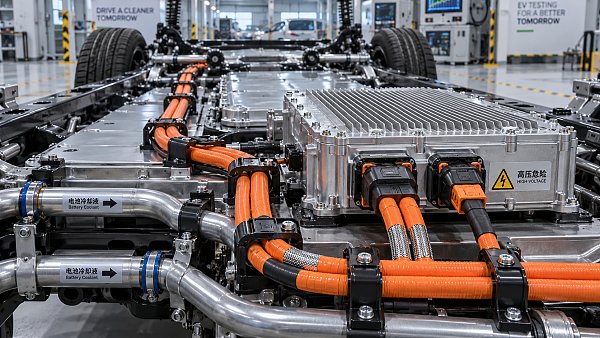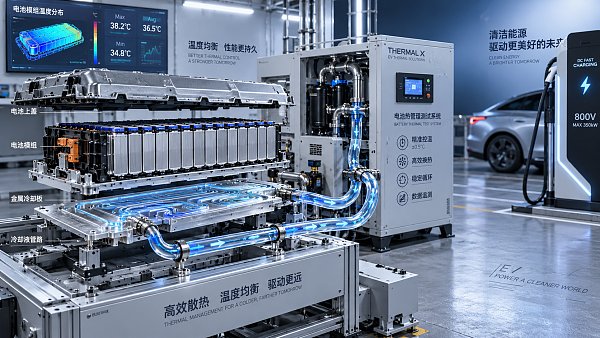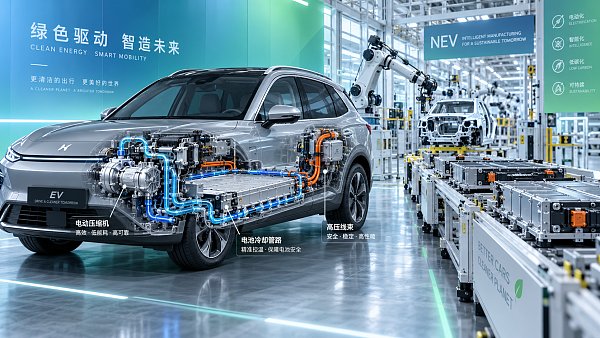




As electrification reshapes global mobility, variable-frequency compressors are becoming a strategic lever for efficiency, comfort, and thermal reliability in 2026.
For automotive decision-makers, the shift is no longer just about quieter cabin cooling or replacing belt-driven compressor architectures.
It is about extending EV range, optimizing heat pump performance, reducing system energy loss, and strengthening supplier competitiveness.
This article examines how advanced compressor control, integrated thermal architectures, and evolving NEV requirements are driving measurable efficiency gains.
Why Variable-Frequency Compressors Matter More in 2026
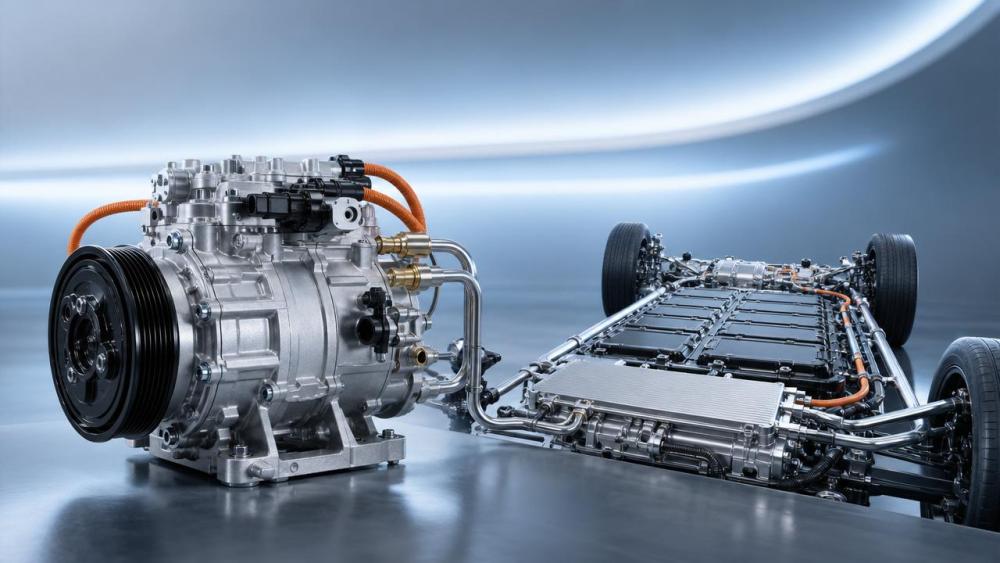
For executives, the central question is not whether variable-frequency compressors are technically better, but whether they improve vehicle economics.
In 2026, the answer is increasingly yes, because thermal loads now influence range, charging speed, comfort, and battery durability.
Traditional fixed-speed or mechanically driven compressors were designed around internal combustion vehicle priorities and relatively predictable cabin cooling needs.
Electric vehicles changed the equation by removing engine waste heat and making every watt of auxiliary consumption commercially visible.
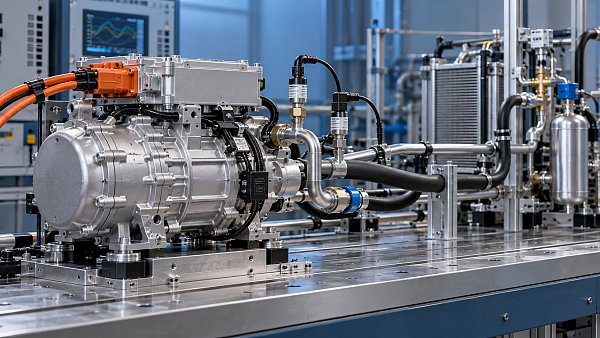
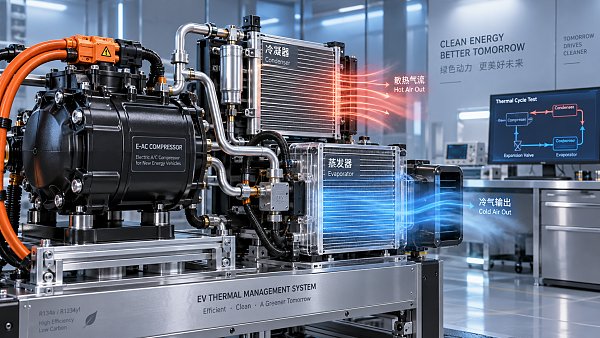
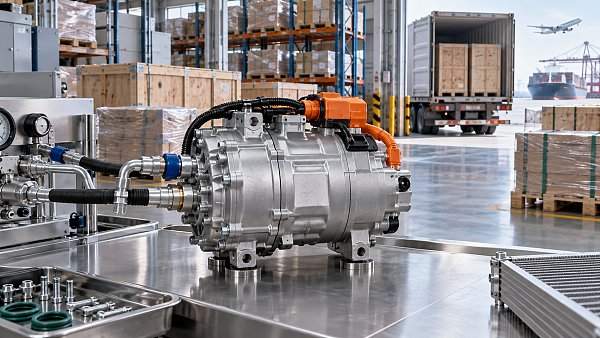
Variable-frequency compressors adjust motor speed according to real-time cooling or heating demand, instead of cycling between full output and shutdown.
This modulation reduces unnecessary power draw, stabilizes temperature control, and supports smoother integration with heat pumps and battery thermal loops.
For automakers, the commercial value appears in range protection, smaller energy penalties during climate operation, and improved customer satisfaction.
For Tier 1 suppliers, compressor efficiency is becoming a differentiator in platform sourcing, especially for high-volume NEV programs.
The Business Value: Efficiency Is Now a Platform-Level Metric
Decision-makers should view compressor efficiency as part of total vehicle energy management, not as a standalone HVAC component issue.
A compressor that saves limited energy in isolation may create larger gains when coordinated with valves, chillers, sensors, and software.
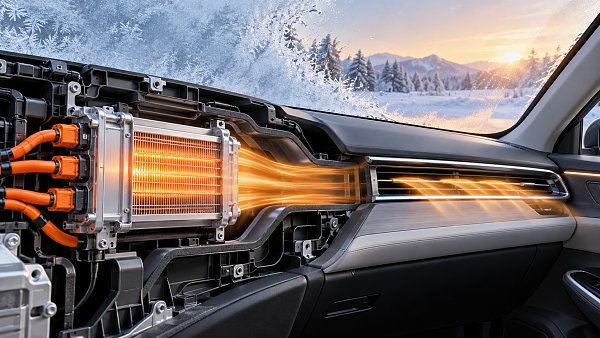
In cold climates, heat pump systems rely on compressor performance to extract usable heat while maintaining acceptable defrosting and cabin comfort.
In hot climates, the same component must support rapid pulldown without excessive noise, vibration, or power consumption spikes.
For fleet buyers and EV users, HVAC-related range loss is highly visible, especially during winter highway driving or summer fast charging.
Variable-frequency compressors help reduce that range penalty by matching output to thermal demand instead of oversupplying cooling capacity.
The efficiency gain also supports battery protection, since battery thermal management often competes with cabin conditioning for limited energy.
When calibrated well, the compressor becomes a shared thermal resource that balances passenger comfort, pack temperature, and power electronics cooling.
Where the Efficiency Gains Actually Come From
The largest gains do not come from one technology alone, but from better coordination across hardware, electronics, and control logic.
First, inverter-driven operation enables the compressor motor to run at an optimal speed range under partial-load conditions.
Because vehicles spend much operating time outside peak thermal demand, partial-load efficiency can matter more than maximum cooling capacity.
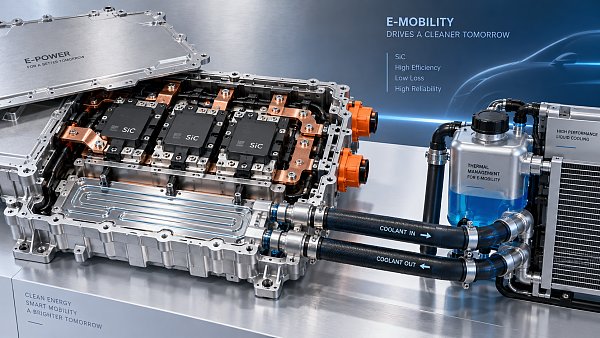
Second, improved motor design and power electronics reduce electrical losses during frequent speed changes and low-load operation.
Third, advanced refrigerant circuit control helps prevent inefficient pressure overshoot, poor evaporator utilization, and unstable thermal exchange.
Fourth, domain-level thermal controllers increasingly calculate compressor requests using battery, cabin, drivetrain, and ambient condition data.
That intelligence allows variable-frequency compressors to avoid unnecessary operation while maintaining a wider comfort and safety envelope.
In practice, strong efficiency requires compressor maps, refrigerant strategy, valve response, and vehicle software to be developed together.
What Automotive Executives Should Evaluate Before Sourcing
Procurement teams often compare price, capacity, noise, and warranty history, but 2026 sourcing decisions require a deeper framework.
The first evaluation point is operating efficiency across real vehicle scenarios, not only rated performance under laboratory conditions.
Suppliers should provide efficiency maps showing compressor behavior at different speeds, pressure ratios, ambient temperatures, and refrigerant conditions.
The second point is software controllability, including response time, communication interface, diagnostic coverage, and compatibility with thermal domain controllers.
The third point is acoustic performance across the full speed range, because variable operation can expose tonal noise at specific frequencies.
The fourth point is durability under high-voltage operation, repeated cycling, vibration, oil circulation variation, and thermal shock.
The fifth point is system integration experience, especially with heat pumps, multi-way valves, battery chillers, and CO2 or low-GWP refrigerants.
A lower unit price can become expensive if it forces additional calibration, larger heat exchangers, or repeated field service interventions.
NEV Thermal Management Is Raising the Bar
New energy vehicles are no longer designed with separate comfort, battery, and drivetrain cooling systems operating in isolation.
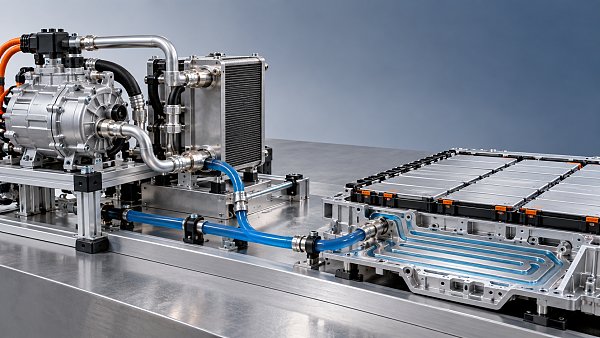
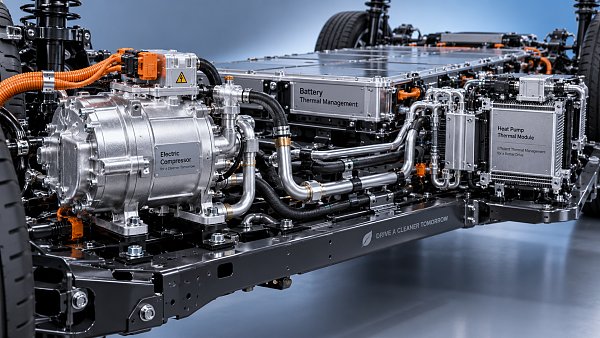
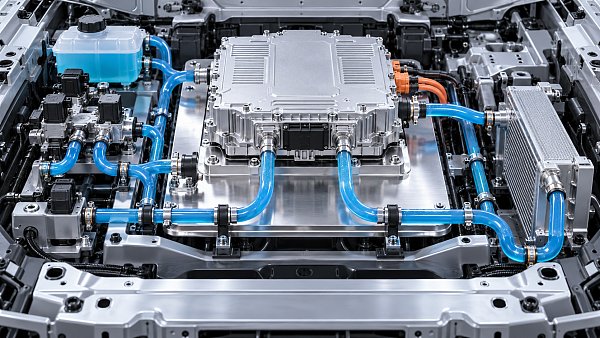
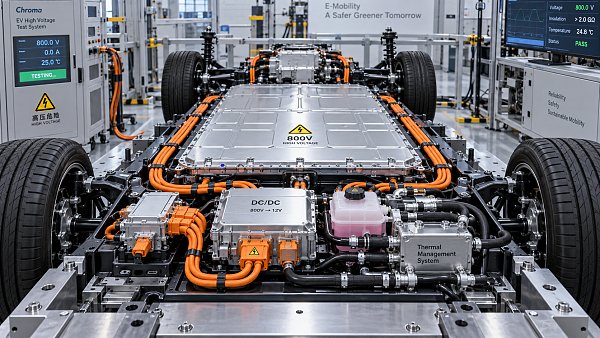
They increasingly use integrated thermal architectures that move heat between cabin, battery pack, electric drive, and ambient air.
In such systems, the compressor becomes a critical actuator, not merely a cooling device inside an air conditioning loop.
When the battery requires preheating before fast charging, compressor control can influence charging readiness and user waiting time.
When the cabin needs heating in subzero conditions, compressor efficiency affects both comfort delivery and available driving range.
When power electronics produce heat during high-load operation, the thermal system must redistribute or reject heat without instability.
Variable-frequency compressors support this complexity because they provide continuous control rather than coarse on-off thermal response.
For global platforms, this flexibility helps automakers satisfy different climate requirements without excessive regional hardware variation.
Return on Investment: How to Think Beyond Component Cost
The ROI case for variable-frequency compressors should include more than purchase price and expected energy savings per vehicle.
Automakers should model avoided range loss, reduced warranty risk, improved thermal comfort scores, and potential downsizing of related components.
In premium vehicles, better thermal refinement can support brand value, especially when users expect silent, seamless climate control.
In mass-market vehicles, efficiency can reduce battery capacity pressure, helping balance vehicle cost, range target, and competitive positioning.
For commercial fleets, stable HVAC efficiency can improve route predictability and reduce operational complaints during extreme weather seasons.
Suppliers should present business cases using vehicle-level simulations and field data, rather than relying only on compressor bench tests.
Decision-makers should also consider engineering time, calibration complexity, production scalability, and aftersales diagnostic requirements in ROI calculations.
A technically advanced compressor only creates value when its benefits are repeatable across factories, markets, and driving cycles.
Risks and Trade-Offs That Should Not Be Ignored
Variable-frequency compressors create clear advantages, but they also introduce integration challenges that must be managed early.
One risk is poor calibration, where aggressive energy-saving logic causes slow cabin response or unstable battery temperature control.
Another risk is insufficient electromagnetic compatibility management, especially as high-voltage components and sensitive electronics become more densely packaged.
Noise can also become a concern if the compressor operates frequently at resonance-prone speeds during quiet EV driving.
Refrigerant and oil management require careful design because variable speeds change flow behavior across the operating envelope.
Supply chain risk is another factor, including semiconductor availability, motor materials, precision machining capacity, and automotive-grade quality systems.
Executives should ask whether suppliers can support local validation, rapid software iteration, and long-term failure analysis across regions.
The most successful programs treat the compressor as a mechatronic system requiring joint development, not as a catalog component.
How 2026 Technology Trends Are Changing Supplier Competition
The competitive landscape is shifting from basic compressor manufacturing toward integrated thermal intelligence and platform engineering capability.
Leading suppliers are investing in high-efficiency motors, compact inverters, low-noise mechanisms, and model-based compressor control algorithms.
They are also aligning compressor development with heat pump modules, electronic expansion valves, coolant distribution units, and thermal domain controllers.
This integration allows suppliers to sell performance assurance rather than simply selling hardware capacity measured in kilowatts.
Automakers are likely to favor partners that can shorten calibration cycles and support multiple refrigerant strategies across platforms.
Suppliers with strong data capabilities can use fleet feedback to refine control strategies and predict performance degradation earlier.
For GACT’s focus areas, this trend connects electromechanical control, fluid dynamics, and thermodynamic parameters into one strategic supply chain question.
The winners will be companies that make thermal systems measurable, controllable, reliable, and economically scalable.
Decision Framework for 2026 Vehicle Programs
Before approving a compressor strategy, executives should define the vehicle-level thermal objectives that matter most to customers and regulators.
These objectives may include winter range retention, fast-charging temperature control, cabin pulldown time, acoustic comfort, and lifetime reliability.
Next, teams should test candidate variable-frequency compressors inside representative system architectures, not only isolated laboratory setups.
Evaluation should include hot soak, cold start, humidity management, defrosting, rapid charging, mountain driving, and repeated urban stop cycles.
Commercial teams should compare suppliers using total system cost, software support capability, validation burden, and local manufacturing resilience.
Engineering leaders should confirm whether the compressor can communicate effectively with vehicle controllers and provide actionable diagnostic data.
Product teams should translate technical improvements into customer-facing value, including range confidence, quieter operation, and faster comfort delivery.
This framework prevents decisions from being dominated by unit price while ignoring long-term platform efficiency and user experience.
Conclusion: Efficiency Gains Are Strategic, Not Incremental
Variable-frequency compressors are becoming essential components in 2026 because EV thermal management has moved to the center of vehicle value.
Their efficiency gains depend on intelligent control, robust hardware, integrated architecture, and disciplined vehicle-level validation.
For decision-makers, the right question is not whether these compressors save energy, but how much value they unlock across the platform.
That value can appear as better range retention, stronger heat pump performance, improved comfort, reduced system waste, and higher supplier competitiveness.
Companies that evaluate variable-frequency compressors strategically will be better positioned for global NEV competition and next-generation thermal system integration.