Chassis Dynamics Tuning for EV Ride Comfort




Chassis Dynamics Tuning for EV Ride Comfort
As EV architectures push curb weight, battery placement, and torque response into new territory, chassis dynamics tuning now defines perceived ride quality.
For technical evaluators, the question is not whether an EV feels soft, firm, sporty, or isolated during a short drive.
The real question is whether the vehicle maintains comfort, control, and predictability across load, speed, temperature, road texture, and software states.
What Technical Evaluators Should Verify First
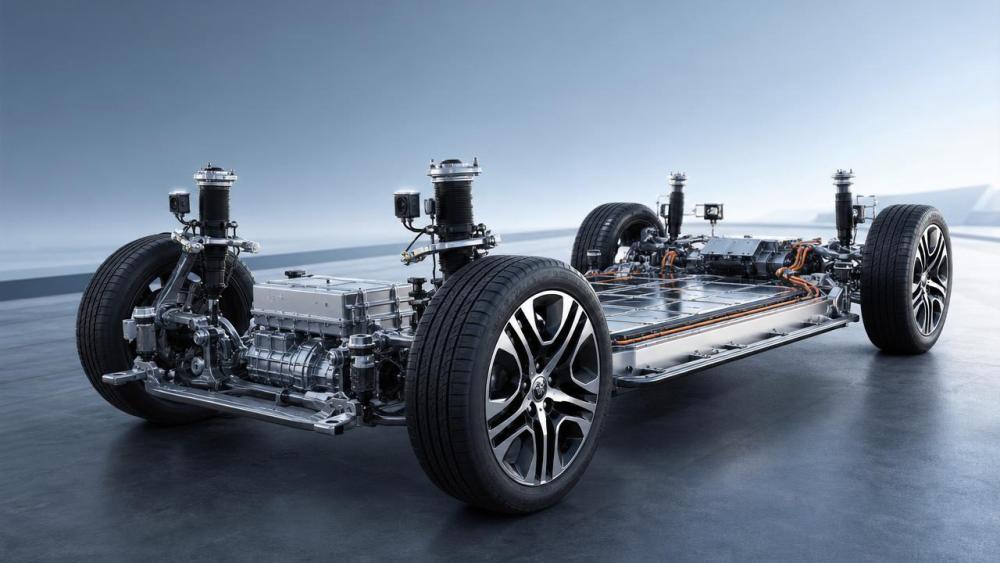
EV ride comfort begins with mass distribution, but it is judged through body motion, steering response, impact harshness, and acoustic refinement.
A good evaluation should separate impressive initial smoothness from repeatable comfort under expansion joints, broken asphalt, braking events, and high-speed lane changes.
The strongest chassis dynamics programs do not tune one component in isolation. They coordinate springs, dampers, bushings, tires, steering, braking, and controls.
For evaluators, the priority is understanding whether comfort comes from robust mechanical fundamentals or from software compensation hiding unresolved hardware limitations.
Why EVs Change the Ride Comfort Baseline
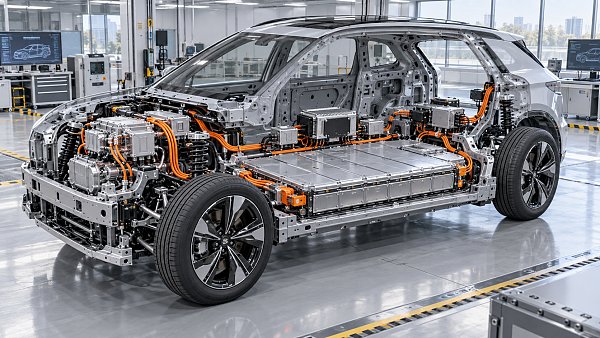
Battery packs lower the center of gravity, which can reduce roll, but they also increase total mass and wheel-load demands.
This creates a tuning contradiction. The vehicle can feel planted in corners while transmitting sharp vertical inputs through the body structure.
Compared with combustion platforms, EVs also introduce quieter cabins, making tire cavity noise, suspension clunks, and damper hiss easier to detect.
Instant torque adds another challenge. Pitch control during acceleration and regeneration must feel natural, not abrupt, artificial, or disconnected.
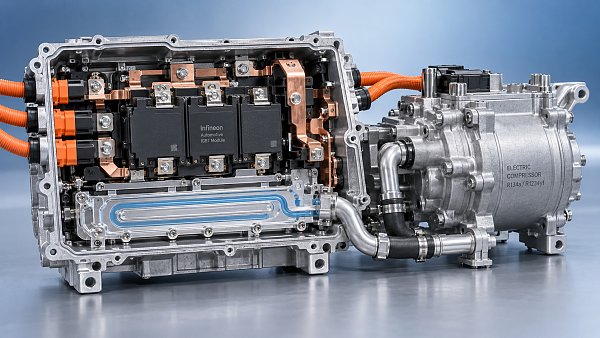
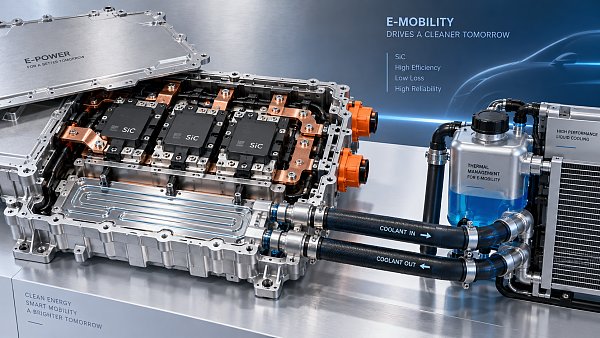
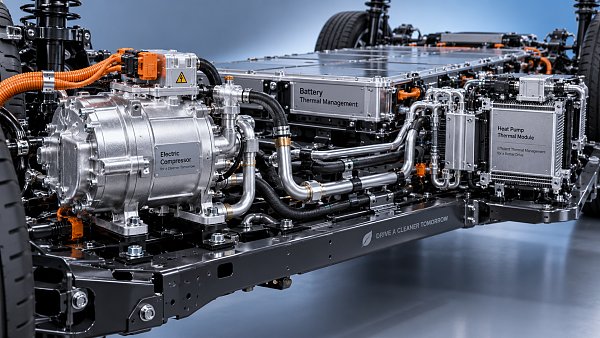
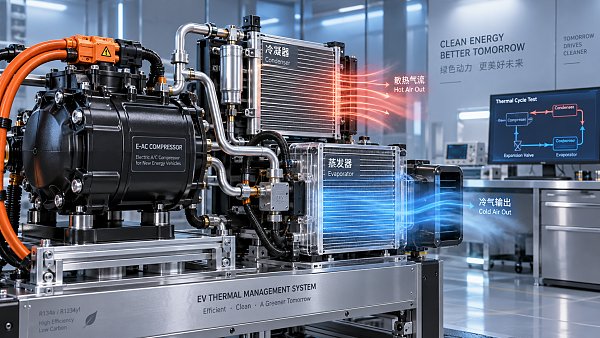
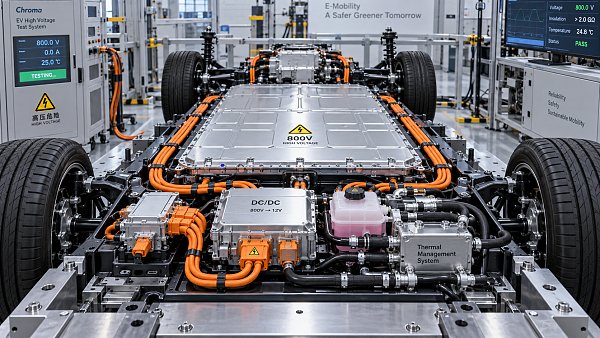
Thermal and electrical loads matter too. Actuator performance, compressor noise, battery temperature, and power management can influence comfort perception during real operation.
Core Chassis Dynamics Variables Behind EV Comfort
Spring rates establish the basic vertical support strategy. In EVs, they must handle battery mass without creating a brittle primary ride.
Damper calibration then shapes how the body settles after inputs. Poor damping often appears as float, head toss, secondary bounce, or impact crash.
Bushings and mounts control the path between road inputs and cabin sensation. Their stiffness decisions strongly affect harshness and steering precision.
Tire compliance is equally decisive. Low rolling resistance tires can improve efficiency, yet reduce impact absorption and amplify high-frequency road texture.
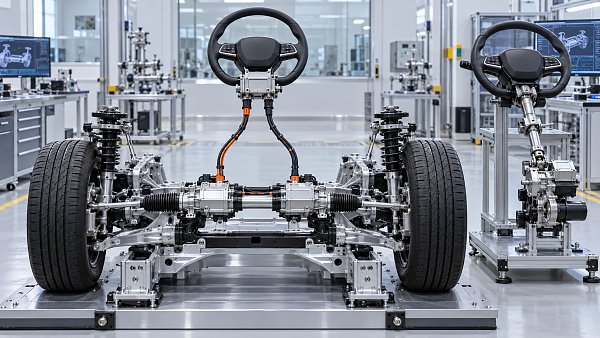
Steering systems influence ride indirectly. Excessive assist filtering can make a comfortable chassis feel numb, while aggressive feedback may suggest unnecessary harshness.
Suspension Hardware: Comfort Starts Before Software
Multi-link rear suspensions give engineers more freedom to separate longitudinal compliance, lateral control, and wheel camber behavior under load.
However, architecture alone does not guarantee refinement. Geometry, joint friction, damper mounting stiffness, and manufacturing tolerance can undermine theoretical advantages.
Air suspension can widen the operating envelope, especially for premium EVs carrying different passengers, cargo, and battery sizes.
Yet air systems introduce control complexity, compressor packaging, leak risk, and calibration sensitivity during temperature changes or repeated height adjustments.
Passive suspensions remain competitive when mechanical tuning is disciplined. They can provide consistent behavior, lower cost, and fewer validation dependencies.
The best choice depends on brand positioning, vehicle mass, road markets, wheel size strategy, and expected durability targets.
Adaptive Damping and Control Logic
Adaptive damping can greatly improve EV comfort when sensors, control models, and actuator response are aligned with actual road events.
Evaluators should check whether comfort mode merely softens everything, or whether it preserves body control during braking, cornering, and repeated undulations.
High-quality damping logic distinguishes low-speed body motion from high-speed wheel impacts. This prevents float while reducing sharp road intrusion.
Control transitions are critical. A vehicle should not feel calm in one moment, then suddenly stiff or busy after a mode change.
Data review should include damper current, body acceleration, wheel acceleration, steering angle, brake pressure, vehicle speed, and vertical displacement.
When these signals are synchronized, engineers can identify whether discomfort originates from calibration, mechanical friction, tire behavior, or structural resonance.
Steering, Braking, and Torque Blending
Ride comfort is often discussed vertically, but EV occupants also judge smoothness through steering corrections and longitudinal body motion.
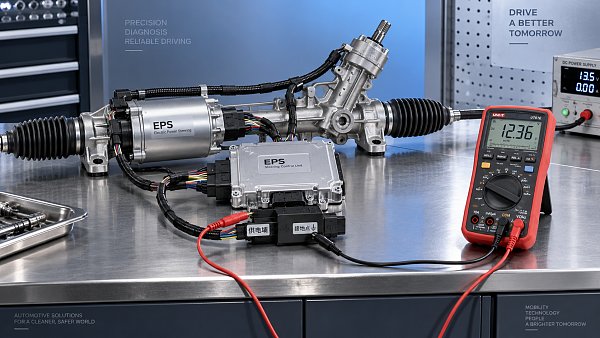
Electric power steering must provide stable on-center feel without requiring constant micro-corrections on highways or rough surfaces.
If steering assist masks road inputs too heavily, evaluators may miss chassis instability until emergency maneuvers or uneven corners reveal it.
Regenerative braking adds another comfort layer. Poor blending can create nose dive, inconsistent pedal response, or motion sickness in stop-and-go traffic.
Torque delivery must also be tuned with suspension behavior. Instant drive force can excite pitch and squat if control maps are too aggressive.
A refined EV coordinates accelerator mapping, motor torque rise, brake regeneration, damper force, and power steering response as one system.
NVH and Cabin Electronics Influence Perceived Ride
In a quiet EV cabin, small chassis noises become more visible to occupants than they were in combustion vehicles.
Impact boom, tire slap, suspension knock, and structural buzz can make an otherwise well-controlled chassis feel less premium.
Evaluators should connect ride tests with NVH measurements, because the same road event may be acceptable mechanically but objectionable acoustically.
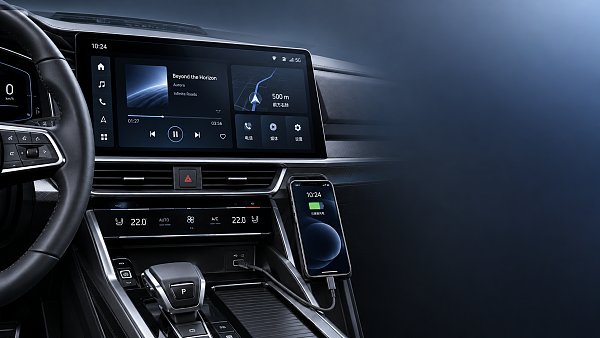
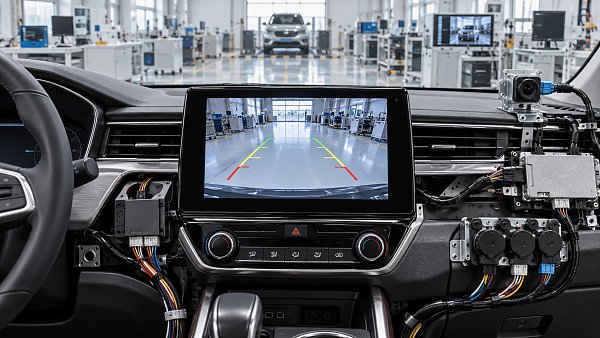
Smart cabin electronics also influence perception. Seat structure, active sound design, display vibration, and trim mounting can amplify or reduce discomfort.
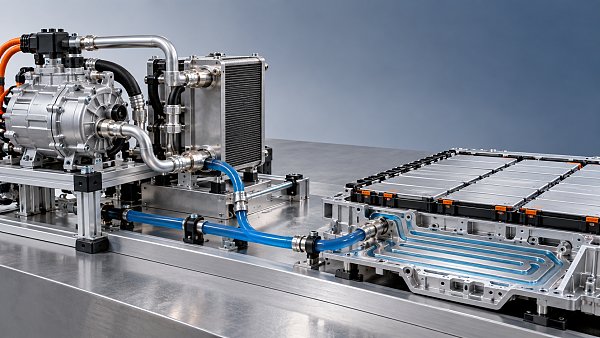
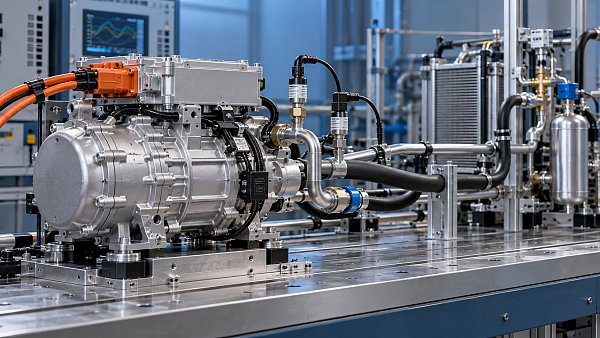
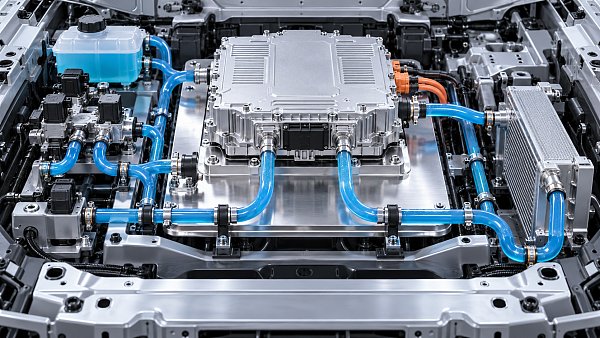
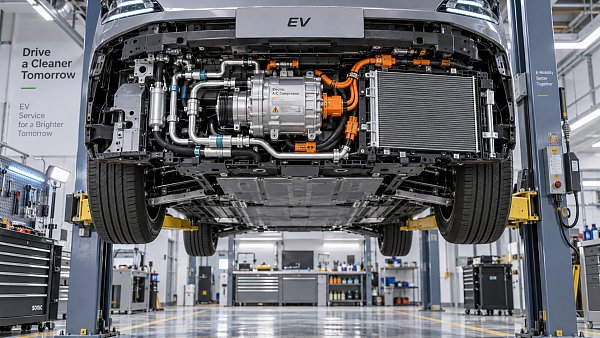
Thermal systems should not be ignored. Electric compressor vibration, coolant pump cycling, and heat pump defrosting may overlap with ride impressions.
For this reason, GACT views comfort as an electromechanical result, not simply a suspension department deliverable.
Road Profiles That Reveal Real Weaknesses
A short urban test on smooth pavement rarely exposes chassis weaknesses. Technical evaluation should include structured routes with repeatable surface events.
Expansion joints reveal impact isolation, secondary body motion, and whether damping recovery feels controlled or unsettled.
Broken asphalt highlights tire compliance, bushing tuning, steering kickback, and suspension noise transmitted through the body shell.
Long-wave undulations show whether the vehicle floats, heaves, or allows passenger head motion to accumulate over distance.
High-speed concrete roads reveal tire cavity noise, road roar, and the interaction between wheel size and body acoustic sealing.
Low-speed parking maneuvers are also useful. They expose steering friction, brake creep behavior, suspension creak, and motor control smoothness.
Data-Driven Validation Metrics
Subjective ride scoring remains essential, but it should be supported by objective measurements that explain why evaluators disagree.
Useful metrics include vertical seat acceleration, body pitch rate, roll rate, wheel hop frequency, steering torque variation, and impact peak levels.
Comfort analysis should examine both frequency and timing. A low peak value may still feel unpleasant if oscillations continue too long.
Engineers should compare driver seat, rear seat, and floor measurements, because EV floor battery structures can transmit vibration differently.
Thermal and electrical data should be logged during tests. Battery temperature, compressor activity, and control derating may alter ride-related actuator behavior.
The goal is not collecting more data. The goal is linking each uncomfortable event to a physical or software cause.
Benchmarking: What Separates Good From Excellent
A good EV chassis feels comfortable on smooth roads and stable during normal maneuvers. An excellent one remains coherent under conflicting demands.
Benchmarking should compare similar vehicle mass, tire size, suspension type, battery position, and market price, not only brand reputation.
Evaluators should record whether a competitor achieves comfort through soft isolation, advanced active control, superior structural stiffness, or better tire selection.
Premium comfort is not always softness. Many customers prefer a composed ride that absorbs impacts without excessive body movement.
For supplier and platform decisions, benchmarking should reveal which components create value and which only add cost or complexity.
Common Tuning Mistakes in EV Programs
One common mistake is using heavy battery mass as justification for overly firm suspension settings across all driving conditions.
This can improve handling metrics, yet create sharpness, fatigue, and poor rear-seat comfort in daily urban use.
Another mistake is relying on software modes to solve mechanical imbalance. Mode variety cannot compensate for poor bushing paths or tire mismatch.
Oversized wheels are also risky. They support styling and handling perception, but often reduce sidewall compliance and increase impact noise.
Finally, teams may evaluate comfort without full thermal loads, passengers, or aging components, producing results that degrade after launch.
How Suppliers and OEM Teams Should Collaborate
Effective chassis dynamics tuning requires early cooperation between suspension suppliers, steering teams, brake controls, tire partners, and thermal system engineers.
Component targets should be translated into vehicle-level outcomes, including ride frequency, damping ratio, steering response, noise limits, and comfort scores.
Suppliers should provide not only parts, but parameter transparency, simulation models, durability data, and calibration support for multiple vehicle states.
OEM teams should avoid freezing packaging decisions before comfort targets are validated, especially for damper travel, mount stiffness, and tire dimensions.
This collaborative approach reduces late-stage compromises, shortens tuning loops, and supports more reliable comfort performance across global markets.
Decision Checklist for Technical Evaluators
Before approving a chassis package, evaluators should ask whether the vehicle remains comfortable across payload, temperature, road surface, and software mode.
They should verify whether objective data supports subjective praise, especially when early impressions are influenced by quiet cabins or strong acceleration.
They should examine whether steering, braking, and torque behavior support ride comfort, instead of creating hidden motion disturbances.
They should also review supplier maturity, actuator durability, diagnostic capability, and calibration flexibility for future software updates.
Most importantly, evaluators should identify the limiting factor. It may be tire choice, damper logic, mount design, or thermal-electrical integration.
Conclusion: Comfort Is a System-Level Chassis Outcome
Chassis dynamics tuning for EV ride comfort is no longer a narrow suspension exercise. It is a system-level engineering judgment.
The best EVs convert mass, torque, electronics, and thermal constraints into a calm, predictable, and confidence-building ride experience.
For technical evaluators, the strongest evidence comes from combining structured road testing, synchronized vehicle data, and disciplined component benchmarking.
When mechanical design and control logic reinforce each other, chassis complexity becomes a measurable comfort advantage rather than a validation burden.
Related News
- 00
0000-00
How electric compressor speed affects EV battery cooling capacity - 00
0000-00
How to verify a variable frequency compressor supplier’s efficiency claims - 00
0000-00
How bend radius affects FPC reliability in automotive camera modules - 00
0000-00
How to diagnose intermittent loss of electric power steering assist - 00
0000-00
How to size automotive power modules for electric compressors
Weekly Insights
Stay ahead with our curated technology reports delivered every Monday.
Recommended News
 How electric compressor speed affects EV battery cooling capacityElectric compressor technology: battery cooling depends on more than RPM. Discover how speed, refrigerant flow, and system limits affect EV cooling capacity and energy efficiency.Author:Time:Oct 19, 2026
 How to verify a variable frequency compressor supplier’s efficiency claimsVerify a variable frequency compressor supplier’s efficiency claims using COP boundaries, matched test conditions, and duty-cycle data. Learn how to choose with confidence.Author:Time:Oct 18, 2026
 How bend radius affects FPC reliability in automotive camera modulesAutomotive FPC applications: camera module reliability starts with bend radius. Learn how stack-up, strain, and validation guide robust designs and help prevent costly failures.Author:Time:Oct 17, 2026
 How to diagnose intermittent loss of electric power steering assistMaster power steering system diagnostics to trace intermittent EPS assist loss. Learn proven checks for voltage, wiring, and fault codes to avoid costly guesswork.Author:Time:Oct 16, 2026
 How to size automotive power modules for electric compressorsSize automotive power modules for electric compressors with confidence. Learn how voltage, phase current, losses, and cooling shape reliable selection—and avoid costly oversizing.Author:Time:Oct 15, 2026
 Why automotive power electronics are shifting to silicon carbideAutomotive Power Electronics are shifting to silicon carbide. Discover how SiC can cut losses, boost EV power density, and reshape cooling, reliability, and system costs.Author:Time:Oct 14, 2026
 How EV adoption shapes the electrically driven compressor marketExplore how EV adoption shapes the electrically driven compressor market, from battery cooling and heat pumps to supplier margins. Discover the drivers of profitable growth.Author:Time:Oct 13, 2026
 How to size a PTC heater for reliable EV cabin heatingPTC Heater sizing for EV cabins: learn how to balance defrost performance, heat-pump integration, airflow, voltage range, and battery power for reliable winter comfort.Author:Time:Oct 12, 2026
 What determines the cooling output of electric automotive AC compressors?Automotive air conditioning compressors electric systems: explore how speed, voltage, refrigerant, controls, and heat exchangers shape EV cooling capacity and efficiency.Author:Time:Oct 11, 2026
 What makes a touchscreen media head unit responsive enough for daily use?Touchscreen media head unit performance explained: discover what delivers fast starts, smooth maps, reliable phone pairing, and responsive daily driving.Author:Time:Oct 10, 2026
 Can a Domain Controller Share a Cooling Loop with Other Electronics?Can a domain controller share a cooling loop with other electronics? Explore thermal zoning, flow control, safety priorities, and reliable vehicle electronics cooling strategies.Author:Time:Oct 19, 2026
 What Causes Domain Controller Overheating During Summer Testing?What causes domain controller overheating in summer testing? Explore heat load, airflow, installation, software factors, and practical fixes.Author:Time:Oct 18, 2026
 Is a Head-Up Display Hard to Integrate with Different Windshields?Is a head-up display difficult to integrate with different windshields? Discover how glass geometry, coatings, and calibration affect HUD clarity, cost, and production readiness.Author:Time:Oct 17, 2026
 What Should Be Checked Before Selecting an Automotive Head Unit?What should be checked before selecting an automotive head unit? Explore compatibility, performance, cybersecurity, compliance, and supplier support.Author:Time:Oct 16, 2026
 Is Steer-by-Wire More Expensive Than an EPS Steering System?Is steer-by-wire more expensive than an EPS steering system? Explore the true costs, safety demands, software value, and when SbW justifies its premium.Author:Time:Oct 15, 2026
 Which Automotive Electronics Need Validation for 800V Platforms?What automotive electronics should be validated for 800V platforms? Explore critical checks for harnesses, power electronics, thermal systems, safety, and EMC.Author:Time:Oct 14, 2026
 How Do Automotive Compressor Export Requirements Vary by Market?How do automotive compressor export requirements vary by market? Explore key compliance rules for refrigerants, EV safety, OEM approvals, labeling, and customs.Author:Time:Oct 13, 2026
 What Documents Are Needed to Export Automotive Thermal Components?What documents are needed to export automotive thermal components? Explore customs, compliance, technical records, and shipping tips to prevent costly delays.Author:Time:Oct 12, 2026
 How Often Should an EV Air Conditioning Compressor Be Inspected?How often should an EV air conditioning compressor be inspected? Discover recommended service intervals, warning signs, and expert care tips to protect cooling performance and EV reliability.Author:Time:Oct 11, 2026
 How to size power solutions for automotive head-up display systemsHeads-up display systems power solutions: learn how to size automotive HUD power architectures for startup, brightness, thermal limits, EMC, protection, and reliable vehicle operation.Author:Time:Oct 19, 2026
 How does a head-up display work in a high-performance car?Hoe werkt een head-up display in een high-performance auto en welke informatie toont het? Discover the tech, safety alerts, and performance data that sharpen every drive.Author:Time:Oct 18, 2026
 Which trends will shape zonal EV architectures in the next decade?Future trends in zonal EV architectures: explore smarter power distribution, 48V systems, thermal integration, software, and resilient networks shaping next-gen vehicles.Author:Time:Oct 17, 2026
 When does a zonal EV architecture outperform a centralized design?Explore the trade-offs between zonal and centralized EV architectures to identify the best path for harness efficiency, software scalability, safety, and faster EV launches.Author:Time:Oct 16, 2026
 How to compare vendors for zonal EV power architecturesComparing vendors for zonal EV power architectures: assess electrical capability, interface ownership, lifecycle support, and integration risk for smarter sourcing.Author:Time:Oct 15, 2026
 How zonal architectures can improve EV reliability at the system levelHow zonal architectures affect EV reliability: explore fault containment, diagnostics, power resilience, and software strategies for more dependable electric vehicles.Author:Time:Oct 14, 2026
 What is driving growth in the automotive E/E architecture market?Explore what drives the automotive electric electronic systems architecture market, from EV power systems and zonal computing to ADAS, cybersecurity, and software-defined vehicles.Author:Time:Oct 13, 2026
 How to evaluate top-rated vehicle electrical components for reliabilityDiscover how to evaluate top-rated vehicle electrical components for reliability, from connector integrity and thermal margins to validation data and manufacturing control.Author:Time:Oct 12, 2026
 What makes vehicle electrical components reliable over a long service life?Top-rated vehicle electrical components for reliability depend on thermal control, sealing, vibration resistance, and validated manufacturing. Discover how to choose durable parts.Author:Time:Oct 11, 2026
 How battery thermal management solutions prevent fast-charge overheatingBattery thermal management solutions prevent fast-charge overheating with intelligent cooling, valve control, predictive preconditioning, and reliable heat rejection.Author:Time:Oct 09, 2026
 What an automotive market report can reveal about EV demand shiftsAutomotive market report insights reveal EV demand shifts, component opportunities, regional risks, and smarter investment strategies for growth.Author:Time:Oct 08, 2026