NEV Thermal Management Trends to Watch in 2026




As electrification accelerates, NEV thermal management is becoming a decisive factor in vehicle range, safety, comfort, and supply chain competitiveness. In 2026, decision makers will need to track how integrated heat pumps, battery thermal control, e-drive cooling, smart valves, and software-driven energy optimization reshape platform design and Tier 1 value creation. This article highlights the key trends that will define the next stage of thermal system innovation and strategic investment.
For OEMs, Tier 1 suppliers, component manufacturers, and investment teams, thermal architecture is no longer a supporting subsystem. It increasingly defines platform efficiency, validation cost, and differentiation across 400V and 800V vehicle programs.
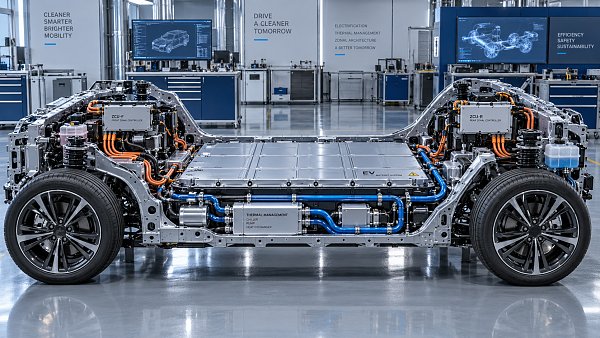
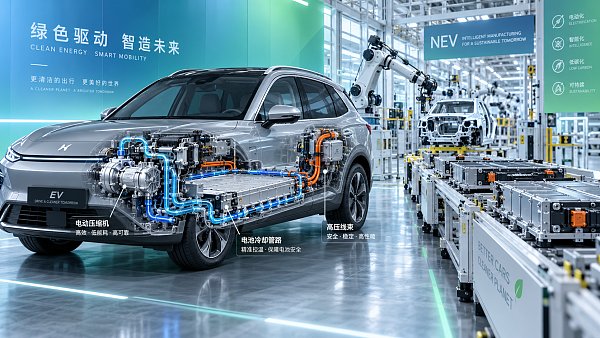
GACT views NEV thermal management as the “energy steward” connecting battery safety, e-drive durability, cabin comfort, electric compressor performance, wiring harness packaging, and intelligent control logic into one vehicle-level decision framework.
1. Integrated Heat Pump Architecture Moves From Option to Platform Baseline
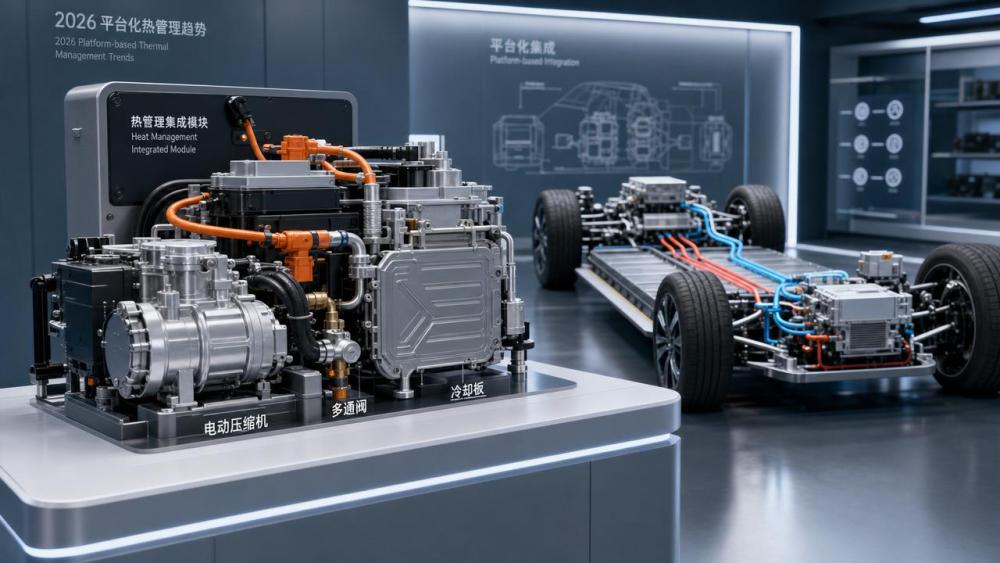
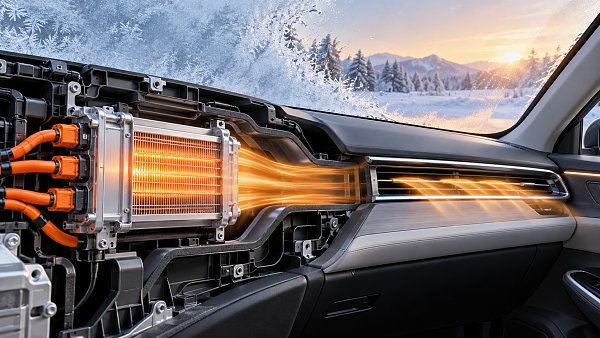
By 2026, heat pump systems will be evaluated less as premium comfort features and more as core platform assets. Their value lies in energy recovery, cold-weather range protection, and reduced heating load.
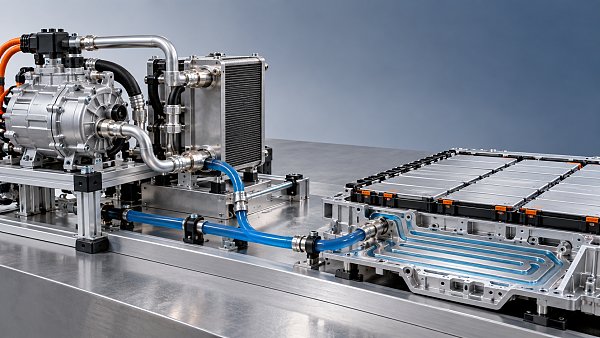
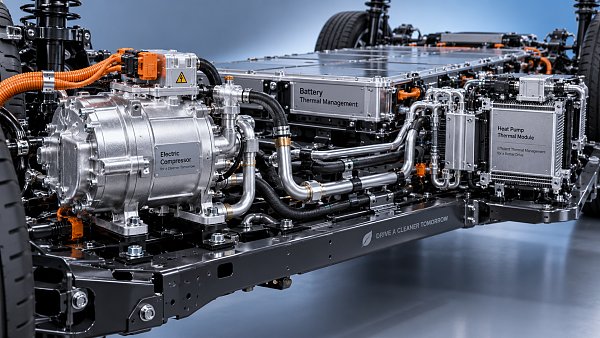
A modern NEV thermal management platform may coordinate 6–10 operating loops, including battery cooling, motor cooling, cabin heating, defogging, charger cooling, and waste heat recovery from power electronics.
Why Integration Matters for Vehicle Programs
Earlier EV platforms often treated battery conditioning, cabin HVAC, and e-drive cooling as separate engineering tasks. That approach increases hose length, connector count, leakage points, and calibration complexity.
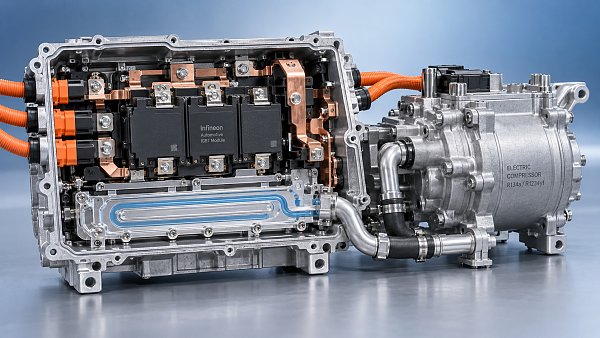
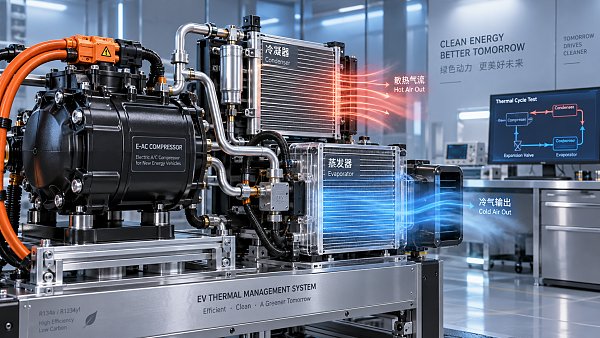
Integrated heat pump modules reduce fragmented engineering. In practical sourcing discussions, buyers now compare compact valve blocks, electric compressors, heat exchangers, sensors, and controllers as one functional package.
Decision Factors for 2026 Sourcing
- Operating temperature coverage, typically from -30°C to 45°C for mainstream global vehicle programs.
- Heating capacity range, commonly 5kW–12kW depending on cabin size and battery preconditioning strategy.
- System response time during defrost, fast charging, and cold-start scenarios within 2–5 minutes.
- Compatibility with centralized domain control and over-the-air thermal software updates.
The following comparison helps decision makers distinguish three common thermal architecture routes for 2026 vehicle development and supplier selection.
The key conclusion is not that one architecture fits all programs. The stronger approach is matching NEV thermal management complexity with climate targets, platform volume, battery size, and service strategy.
2. Battery Thermal Control Becomes a Safety and Warranty Discipline
Battery packs remain the most expensive and risk-sensitive assets in electric vehicles. Thermal control decisions directly influence charging speed, cell aging, safety margins, and warranty exposure.
For many lithium-ion systems, the preferred operating window is often around 15°C–35°C. Deviations affect resistance, charging acceptance, and thermal runaway prevention strategies.
Fast Charging Raises the Thermal Requirement
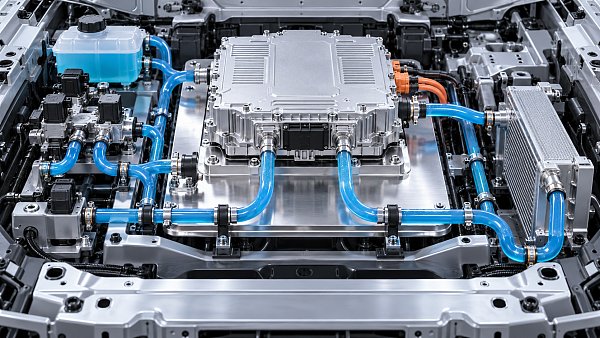
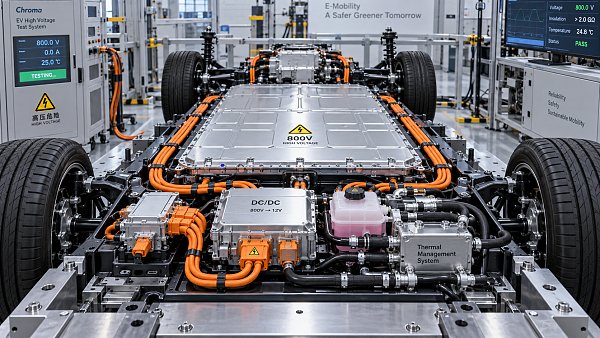
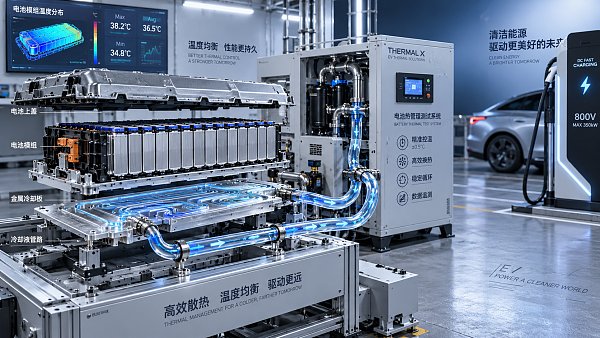
As 800V platforms expand, pack preconditioning becomes more important. During high-power charging, liquid cooling plates, sensors, and control algorithms must respond before temperature gradients widen.
A practical target for engineering teams is reducing cell-to-cell temperature difference to a controlled range, often within 3°C–5°C under demanding charging or high-load driving scenarios.
Typical Battery Thermal Control Priorities
- Prevent overheating during fast charging, steep climbing, towing, or repeated acceleration cycles.
- Enable low-temperature preheating before charging, especially below 0°C.
- Maintain uniform pack temperature to slow uneven cell aging.
- Integrate thermal fault signals with battery management and vehicle domain controllers.
Decision makers should ask whether the supplier can validate both component performance and system-level thermal behavior. A cooling plate alone does not guarantee battery protection.
For 2026 sourcing, thermal simulation, pressure drop analysis, leak testing, sensor redundancy, and software calibration should be reviewed together within a 3-stage development gate.
Risk Signals for Procurement Teams
A supplier may appear competitive on unit price while lacking pack-level validation capability. That gap can create expensive redesigns after vehicle packaging, crash layout, or charging targets are frozen.
GACT recommends reviewing 6 checkpoints: material compatibility, coolant cleanliness, burst pressure, sensor accuracy, thermal simulation assumptions, and serviceability after vehicle assembly.
3. E-Drive Cooling and Smart Valves Redefine Component Value
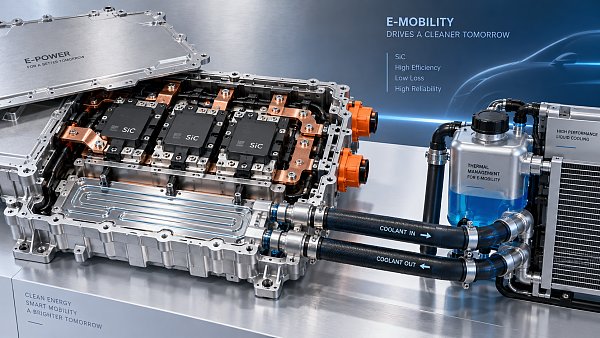
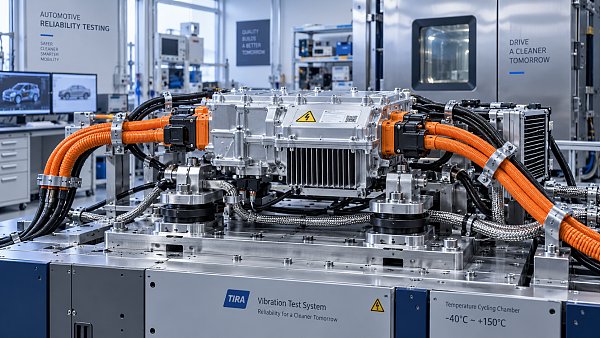
The e-drive system is becoming more power-dense, especially as flat-wire motors, silicon carbide inverters, and integrated electric axles become mainstream. Cooling logic must evolve accordingly.
In NEV thermal management, e-drive cooling is not simply about preventing overheating. It supports sustained performance, acoustic comfort, insulation reliability, and stable efficiency across driving cycles.
Multi-Way Valves Become Strategic Components
Smart valves are shifting from mechanical routing parts to precision control nodes. A 4-way, 6-way, or 8-way valve can determine how energy moves between subsystems.
For Tier 1 suppliers, valve control accuracy, sealing reliability, actuator durability, and diagnostic capability are becoming important differentiators in platform-level sourcing negotiations.
The table below outlines practical evaluation criteria for smart valves, electric compressors, and cooling modules used in advanced NEV thermal management programs.
This comparison shows why component evaluation should move beyond unit specifications. The best suppliers prove how their parts behave within a complete vehicle thermal loop.
E-Drive Cooling in High-Voltage Platforms
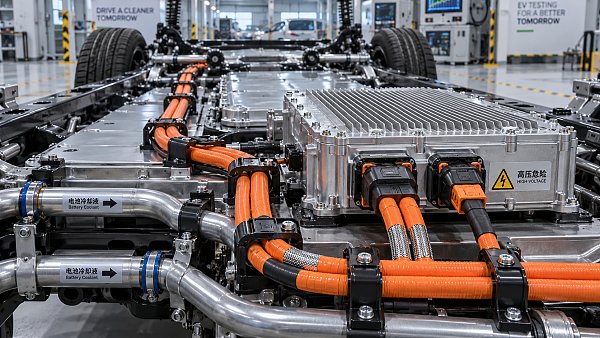
High-voltage e-drive systems place additional requirements on insulation, connector layout, harness routing, and coolant compatibility. Thermal, electrical, and mechanical teams must align early.
A 2–4 week delay in thermal package confirmation can cascade into bracket redesign, hose rerouting, EMC review, and service access changes across the vehicle platform.
4. Software-Defined Thermal Management Changes the Supplier Model
The next phase of NEV thermal management will be defined by software as much as hardware. Energy optimization depends on sensing, prediction, control logic, and cloud-connected calibration.
Thermal controllers increasingly exchange information with BMS, powertrain controllers, chassis systems, infotainment units, and navigation data. This integration supports predictive preconditioning before charging or cold arrival.
From Reactive Control to Predictive Energy Management
Traditional systems respond after temperature changes occur. Predictive strategies use route, ambient temperature, charging plan, passenger load, and battery state to act 5–20 minutes earlier.
For fleet operators and premium OEM programs, this can improve user experience by reducing sudden compressor load, fogging risk, and range fluctuation in winter or high-speed travel.
Software Capabilities to Review
- Thermal mode library covering cold start, fast charging, mountain driving, hot soak, and defrost conditions.
- Fault diagnosis for compressor, pump, sensor, valve, and coolant circulation anomalies.
- OTA calibration support with clear version control and safety rollback procedures.
- Energy arbitration between cabin comfort, battery preservation, and e-drive performance.
For buyers, software maturity changes the supplier relationship. The evaluation period should include code interface definition, diagnostic service data, calibration ownership, and cybersecurity boundaries.
A supplier that delivers only hardware drawings may struggle in 2026 programs. A stronger partner supports model-based development, HIL testing, vehicle road validation, and post-launch calibration.
5. Procurement Strategy: How Decision Makers Should Prepare for 2026
Strategic sourcing for NEV thermal management should start earlier than traditional HVAC procurement. Thermal decisions influence battery pack design, body packaging, wiring harness routing, and vehicle software architecture.
A practical program timeline often includes 3–6 months for concept selection, 6–12 months for system validation, and additional cycles for regional climate testing.
Five-Step Supplier Evaluation Process
- Define vehicle targets: range, charging time, cabin comfort, battery warranty, and regional climate coverage.
- Map thermal loads across battery, e-drive, cabin, charger, and electronic control units.
- Compare architecture options using BOM cost, energy impact, packaging space, and service complexity.
- Validate suppliers through simulation reports, bench tests, endurance data, and vehicle-level trials.
- Lock software responsibility, warranty boundaries, spare parts strategy, and change management rules.
Common Mistakes to Avoid
One mistake is treating NEV thermal management as a late-stage cost reduction topic. By then, packaging space, controller interfaces, and coolant routing may already be constrained.
Another mistake is comparing suppliers only by component quote. A lower initial price can be offset by extra hoses, delayed calibration, warranty exposure, or inefficient energy consumption.
Decision makers should also avoid underestimating regional requirements. Vehicles sold across northern Europe, China, North America, and Southeast Asia may face very different heating and cooling loads.
Commercial Signals Worth Tracking
- Rising demand for integrated thermal modules among high-volume electric SUV and sedan platforms.
- Material cost sensitivity around aluminum heat exchangers, copper wiring, sensors, and high-voltage connectors.
- Supplier consolidation as OEMs seek fewer interfaces and clearer accountability for full thermal loops.
- Growing importance of engineering service capability, not only factory output capacity.
GACT’s role is to help decision makers connect these technical and commercial signals. Thermal systems now sit at the intersection of comfort, safety, electronics, and platform profitability.
6. Frequently Asked Questions for Executive Teams
Executive teams often need fast, structured answers before approving platform investments. The following questions reflect typical concerns in NEV thermal management sourcing and strategy reviews.
Is an Integrated Heat Pump Always Necessary?
Not always. Entry vehicles in mild climates may prioritize lower cost. However, global platforms, cold regions, and fast-charging models usually benefit from higher integration.
When Should Thermal Architecture Be Frozen?
The architecture should be defined before major vehicle packaging freeze. A delay beyond the early development phase can affect 5 or more subsystems simultaneously.
What Should Tier 1 Suppliers Invest in First?
Suppliers should strengthen system simulation, valve and compressor control, module integration, and validation capability. These areas create more durable value than single-component price competition.
Strategic Outlook and Next Action
In 2026, NEV thermal management will shape electric vehicle competitiveness through integrated heat pumps, precise battery conditioning, e-drive cooling, smart valves, and software-defined energy coordination.
For enterprise decision makers, the priority is clear: evaluate thermal systems as platform infrastructure, not isolated components. The strongest investments will reduce risk while improving range, comfort, and serviceability.
GACT supports automotive component enterprises, Tier 1 suppliers, and strategic teams with intelligence on thermal systems, electromechanical controls, smart cabins, and global supply chain trends.
To benchmark your next NEV thermal management strategy, assess supplier readiness, or explore platform-level solutions, contact GACT to obtain tailored insights and discuss product details.
Related News
- 00
0000-00
How electric compressor speed affects EV battery cooling capacity - 00
0000-00
How to verify a variable frequency compressor supplier’s efficiency claims - 00
0000-00
How bend radius affects FPC reliability in automotive camera modules - 00
0000-00
How to diagnose intermittent loss of electric power steering assist - 00
0000-00
How to size automotive power modules for electric compressors
Weekly Insights
Stay ahead with our curated technology reports delivered every Monday.
Recommended News
 How electric compressor speed affects EV battery cooling capacityElectric compressor technology: battery cooling depends on more than RPM. Discover how speed, refrigerant flow, and system limits affect EV cooling capacity and energy efficiency.Author:Time:Oct 19, 2026
 How to verify a variable frequency compressor supplier’s efficiency claimsVerify a variable frequency compressor supplier’s efficiency claims using COP boundaries, matched test conditions, and duty-cycle data. Learn how to choose with confidence.Author:Time:Oct 18, 2026
 How bend radius affects FPC reliability in automotive camera modulesAutomotive FPC applications: camera module reliability starts with bend radius. Learn how stack-up, strain, and validation guide robust designs and help prevent costly failures.Author:Time:Oct 17, 2026
 How to diagnose intermittent loss of electric power steering assistMaster power steering system diagnostics to trace intermittent EPS assist loss. Learn proven checks for voltage, wiring, and fault codes to avoid costly guesswork.Author:Time:Oct 16, 2026
 How to size automotive power modules for electric compressorsSize automotive power modules for electric compressors with confidence. Learn how voltage, phase current, losses, and cooling shape reliable selection—and avoid costly oversizing.Author:Time:Oct 15, 2026
 Why automotive power electronics are shifting to silicon carbideAutomotive Power Electronics are shifting to silicon carbide. Discover how SiC can cut losses, boost EV power density, and reshape cooling, reliability, and system costs.Author:Time:Oct 14, 2026
 How EV adoption shapes the electrically driven compressor marketExplore how EV adoption shapes the electrically driven compressor market, from battery cooling and heat pumps to supplier margins. Discover the drivers of profitable growth.Author:Time:Oct 13, 2026
 How to size a PTC heater for reliable EV cabin heatingPTC Heater sizing for EV cabins: learn how to balance defrost performance, heat-pump integration, airflow, voltage range, and battery power for reliable winter comfort.Author:Time:Oct 12, 2026
 What determines the cooling output of electric automotive AC compressors?Automotive air conditioning compressors electric systems: explore how speed, voltage, refrigerant, controls, and heat exchangers shape EV cooling capacity and efficiency.Author:Time:Oct 11, 2026
 What makes a touchscreen media head unit responsive enough for daily use?Touchscreen media head unit performance explained: discover what delivers fast starts, smooth maps, reliable phone pairing, and responsive daily driving.Author:Time:Oct 10, 2026
 Can a Domain Controller Share a Cooling Loop with Other Electronics?Can a domain controller share a cooling loop with other electronics? Explore thermal zoning, flow control, safety priorities, and reliable vehicle electronics cooling strategies.Author:Time:Oct 19, 2026
 What Causes Domain Controller Overheating During Summer Testing?What causes domain controller overheating in summer testing? Explore heat load, airflow, installation, software factors, and practical fixes.Author:Time:Oct 18, 2026
 Is a Head-Up Display Hard to Integrate with Different Windshields?Is a head-up display difficult to integrate with different windshields? Discover how glass geometry, coatings, and calibration affect HUD clarity, cost, and production readiness.Author:Time:Oct 17, 2026
 What Should Be Checked Before Selecting an Automotive Head Unit?What should be checked before selecting an automotive head unit? Explore compatibility, performance, cybersecurity, compliance, and supplier support.Author:Time:Oct 16, 2026
 Is Steer-by-Wire More Expensive Than an EPS Steering System?Is steer-by-wire more expensive than an EPS steering system? Explore the true costs, safety demands, software value, and when SbW justifies its premium.Author:Time:Oct 15, 2026
 Which Automotive Electronics Need Validation for 800V Platforms?What automotive electronics should be validated for 800V platforms? Explore critical checks for harnesses, power electronics, thermal systems, safety, and EMC.Author:Time:Oct 14, 2026
 How Do Automotive Compressor Export Requirements Vary by Market?How do automotive compressor export requirements vary by market? Explore key compliance rules for refrigerants, EV safety, OEM approvals, labeling, and customs.Author:Time:Oct 13, 2026
 What Documents Are Needed to Export Automotive Thermal Components?What documents are needed to export automotive thermal components? Explore customs, compliance, technical records, and shipping tips to prevent costly delays.Author:Time:Oct 12, 2026
 How Often Should an EV Air Conditioning Compressor Be Inspected?How often should an EV air conditioning compressor be inspected? Discover recommended service intervals, warning signs, and expert care tips to protect cooling performance and EV reliability.Author:Time:Oct 11, 2026
 How to size power solutions for automotive head-up display systemsHeads-up display systems power solutions: learn how to size automotive HUD power architectures for startup, brightness, thermal limits, EMC, protection, and reliable vehicle operation.Author:Time:Oct 19, 2026
 How does a head-up display work in a high-performance car?Hoe werkt een head-up display in een high-performance auto en welke informatie toont het? Discover the tech, safety alerts, and performance data that sharpen every drive.Author:Time:Oct 18, 2026
 Which trends will shape zonal EV architectures in the next decade?Future trends in zonal EV architectures: explore smarter power distribution, 48V systems, thermal integration, software, and resilient networks shaping next-gen vehicles.Author:Time:Oct 17, 2026
 When does a zonal EV architecture outperform a centralized design?Explore the trade-offs between zonal and centralized EV architectures to identify the best path for harness efficiency, software scalability, safety, and faster EV launches.Author:Time:Oct 16, 2026
 How to compare vendors for zonal EV power architecturesComparing vendors for zonal EV power architectures: assess electrical capability, interface ownership, lifecycle support, and integration risk for smarter sourcing.Author:Time:Oct 15, 2026
 How zonal architectures can improve EV reliability at the system levelHow zonal architectures affect EV reliability: explore fault containment, diagnostics, power resilience, and software strategies for more dependable electric vehicles.Author:Time:Oct 14, 2026
 What is driving growth in the automotive E/E architecture market?Explore what drives the automotive electric electronic systems architecture market, from EV power systems and zonal computing to ADAS, cybersecurity, and software-defined vehicles.Author:Time:Oct 13, 2026
 How to evaluate top-rated vehicle electrical components for reliabilityDiscover how to evaluate top-rated vehicle electrical components for reliability, from connector integrity and thermal margins to validation data and manufacturing control.Author:Time:Oct 12, 2026
 What makes vehicle electrical components reliable over a long service life?Top-rated vehicle electrical components for reliability depend on thermal control, sealing, vibration resistance, and validated manufacturing. Discover how to choose durable parts.Author:Time:Oct 11, 2026
 How battery thermal management solutions prevent fast-charge overheatingBattery thermal management solutions prevent fast-charge overheating with intelligent cooling, valve control, predictive preconditioning, and reliable heat rejection.Author:Time:Oct 09, 2026
 What an automotive market report can reveal about EV demand shiftsAutomotive market report insights reveal EV demand shifts, component opportunities, regional risks, and smarter investment strategies for growth.Author:Time:Oct 08, 2026