



Chassis Dynamics: Key Tests Before Platform Selection
Selecting the right vehicle platform starts with proving how it behaves under real-world loads, transient maneuvers, and system-level integration constraints.
For technical evaluators, chassis dynamics is not just a handling metric; it is a validation framework connecting safety, comfort, electrification, and autonomy readiness.
Start with the platform question: can the architecture tolerate real vehicle loads?
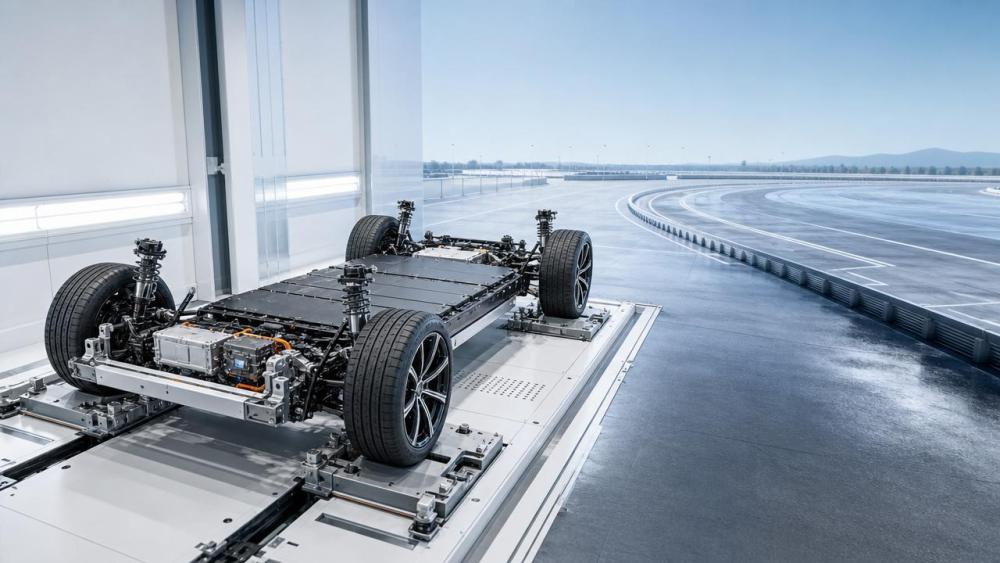
The first decision is not whether a platform feels sporty. It is whether the architecture remains predictable across payload, speed, temperature, and road variation.
A strong chassis dynamics assessment should expose margins, not only best-case performance. Evaluators need evidence under realistic mass distribution and component packaging constraints.
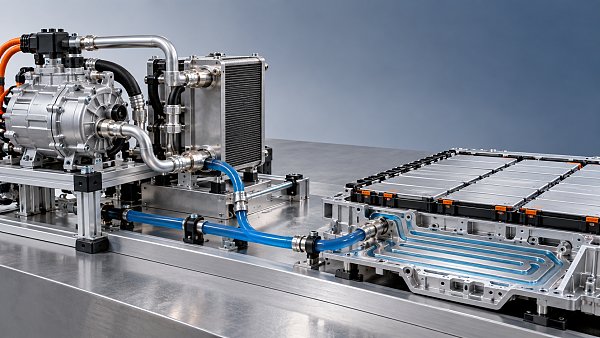
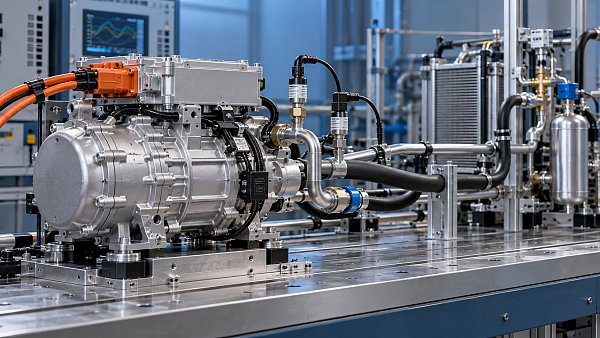
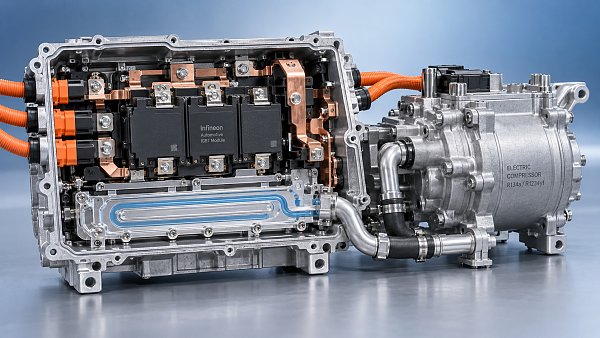
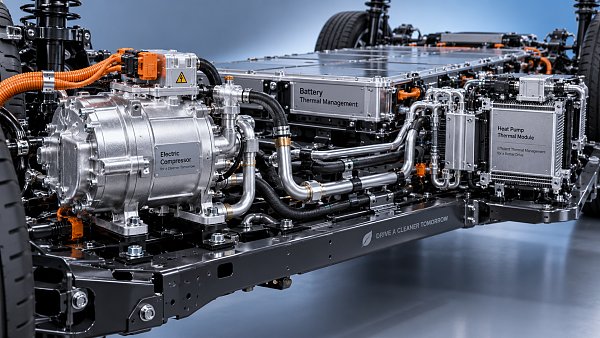
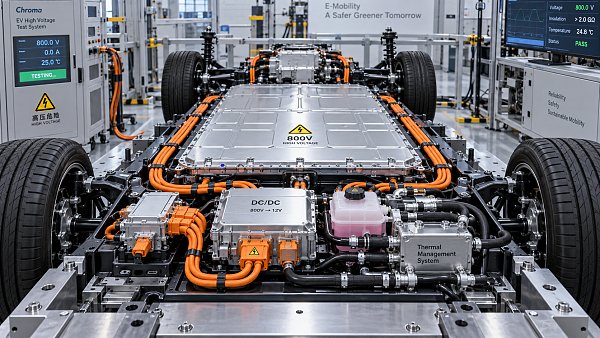
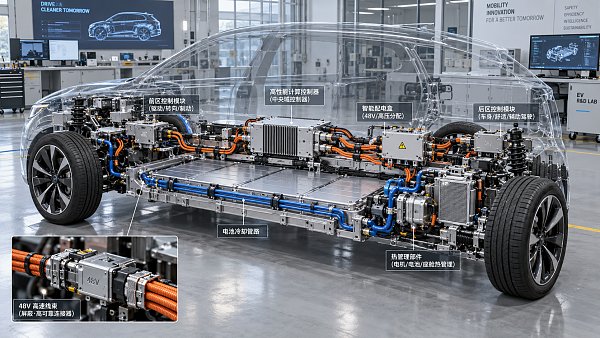
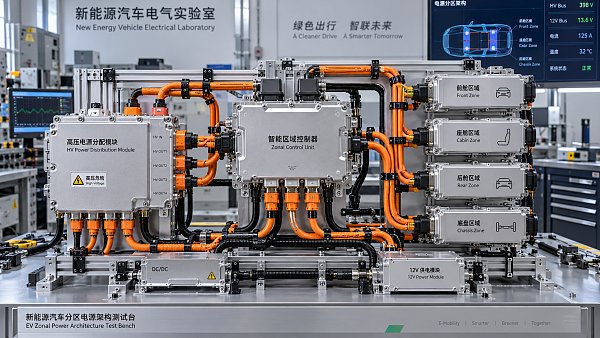
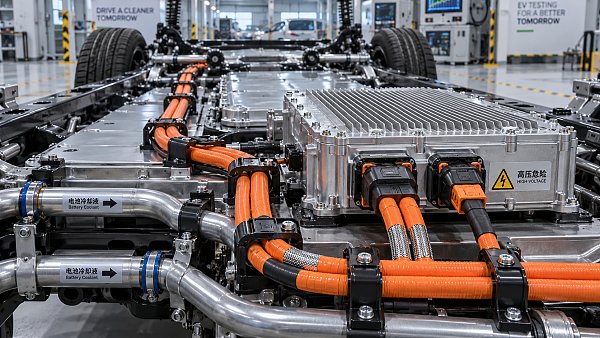
Battery placement, e-axle mass, high-voltage routing, compressor location, and thermal modules all affect stiffness, vibration paths, and transient load transfer.
If the platform is intended for multiple models, testing must include worst-case wheelbase, tire size, curb weight, and center-of-gravity assumptions.
The core question is simple: can the platform deliver stable responses without expensive suspension, steering, braking, or structural redesign later?
Steering response tests should verify intent, delay, and redundancy
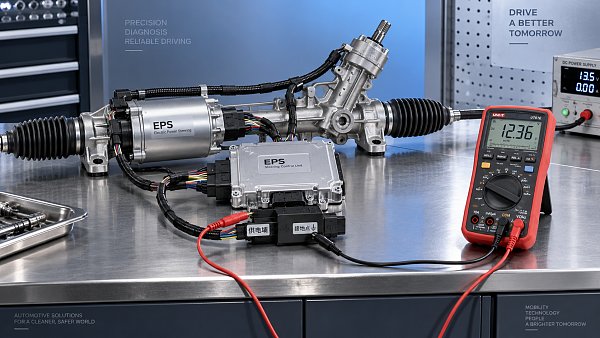
Steering is where driver intent becomes chassis action. For evaluators, the priority is response linearity, on-center feel, delay, returnability, and disturbance rejection.
Step-steer, sine-with-dwell, frequency response, and on-center micro-input tests help reveal how the platform translates small and large inputs.
Electric power steering calibration can mask mechanical weakness during early reviews. Therefore, raw rack force, column friction, compliance, and assist buildup deserve separate measurement.
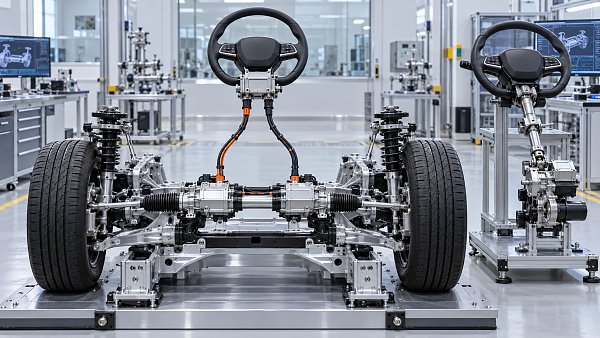
For steer-by-wire or autonomy-ready architectures, redundancy is equally important. Loss-of-assist, degraded sensor, and backup power scenarios should be tested early.
A platform with good chassis dynamics should not depend on software compensation alone. Mechanical geometry and actuator bandwidth must provide a stable foundation.
Suspension compliance tests reveal comfort risks before they become cost risks
Suspension performance is often judged during ride drives, but platform selection requires more disciplined evaluation of compliance, bushing behavior, and load paths.
Kinematics and compliance testing should measure camber gain, toe change, caster variation, lateral compliance, longitudinal compliance, and roll center movement.
These values directly influence tire contact, steering precision, braking stability, and impact harshness. Small compliance errors can become expensive NVH problems later.
Evaluators should test laden, unladen, towing, and battery-weight variants. Electrified platforms often carry heavy underfloor structures that change suspension operating points.
The best platforms offer tunable comfort without sacrificing transient control. That usually requires clean hard-point design, sufficient travel, and predictable elastomer characteristics.
Brake stability tests must include split friction and regenerative blending
Braking is no longer only a hydraulic event. In electrified vehicles, brake stability depends on friction brakes, regenerative torque, controllers, and tire behavior.
Technical teams should prioritize straight-line braking, split-mu braking, trail braking, high-speed deceleration, and emergency brake assist response.
The key is not peak deceleration alone. Yaw stability, pedal consistency, torque blending, and thermal repeatability define real braking confidence.
Regenerative braking can improve efficiency, but poor blending creates pitch inconsistency, pedal nonlinearity, and unexpected yaw moments during low-grip events.
Before platform commitment, evaluators should confirm that the chassis can accept future brake-by-wire, ADAS braking, and redundancy requirements.
Tire and road interaction tests determine whether simulation assumptions are trustworthy
Tires are the final interface between platform design and road reality. Without tire correlation, chassis dynamics simulations can look convincing but mislead decisions.
Testing should include steady-state cornering, combined slip, wet grip, cleat impact, rough-road input, and temperature-dependent tire response.
Evaluators should compare measured lateral force buildup, aligning torque, relaxation length, and vertical stiffness against simulation models used during platform development.
This is especially important when one platform supports multiple tire suppliers, wheel sizes, rolling resistance targets, and regional road conditions.
A platform is safer to select when its performance is robust across tire variation, instead of depending on one premium tire to meet targets.
Transient maneuvers expose integration limits faster than steady-state metrics
Steady-state tests are necessary, but transient maneuvers reveal whether the platform can manage rapid energy transfer and controller coordination.
Lane change, fishhook, slalom, obstacle avoidance, and high-speed stability tests should be used to identify overshoot, oscillation, and delayed recovery.
These maneuvers show how steering, suspension, tires, braking, and stability control interact under time pressure. That is where weak integration appears.
For technical evaluators, the most valuable data includes yaw rate gain, sideslip evolution, roll gradient, steering reversal behavior, and intervention timing.
If a platform needs aggressive electronic stability control to remain controllable, the underlying chassis margin may be insufficient for future vehicle derivatives.
NVH, ride, and thermal packaging should be assessed together
Chassis dynamics cannot be separated from comfort. Road noise, impact harshness, vibration transfer, and ride frequency influence perceived platform quality.
In new energy vehicles, reduced powertrain noise makes suspension and tire noise more visible. Poor isolation becomes harder for occupants to ignore.
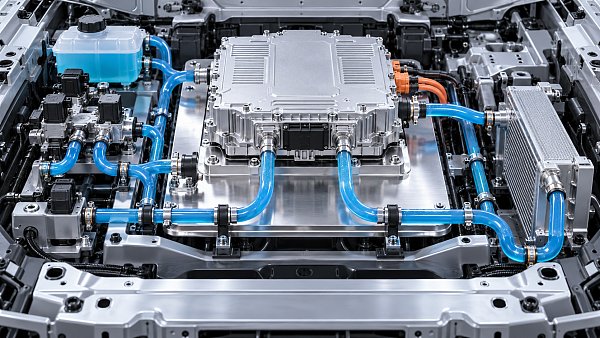
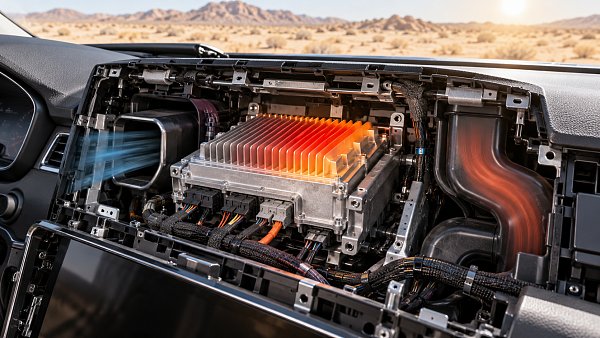
Thermal systems also affect chassis packaging. Compressors, valves, coolant lines, heat pumps, and battery plates may change structure, mass, and acoustic paths.
Evaluators should review ride and NVH data alongside thermal management layouts, wiring harness routes, and underbody protection requirements.
A platform that performs well dynamically but forces compromised thermal routing may create durability, serviceability, or noise problems during industrialization.
Durability and environmental tests prove whether performance survives the product lifecycle
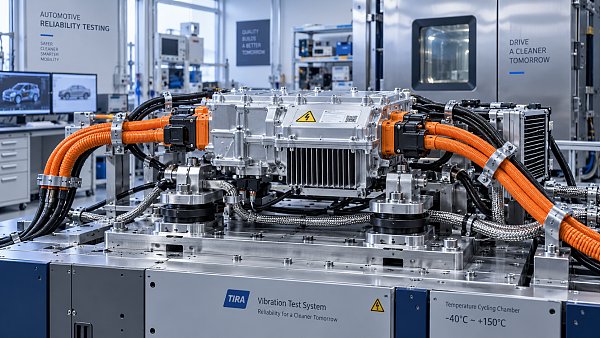
Initial handling performance is not enough. Technical evaluators need proof that chassis behavior remains stable after corrosion, aging, temperature cycling, and abuse.
Durability testing should include pothole impact, curb strike, Belgian block, gravel, washboard, twist roads, salt exposure, and high-temperature operation.
Bushings, ball joints, steering joints, dampers, subframes, and mounting points should be measured before and after endurance cycles.
The concern is not only component failure. Geometry drift, rising friction, looseness, and compliance changes can quietly degrade chassis dynamics.
Platforms intended for global markets need regional durability profiles. Road quality, payload habits, climate, and maintenance behavior vary significantly by market.
Software-in-the-loop and vehicle tests must close the validation gap
Modern chassis performance depends on software as much as hardware. However, platform selection should not rely only on simulation or controller promises.
Model-in-the-loop, software-in-the-loop, hardware-in-the-loop, proving-ground tests, and public-road validation should form one connected evidence chain.
Evaluators should check whether simulation models are correlated with measured steering, braking, tire, suspension, and body response data.
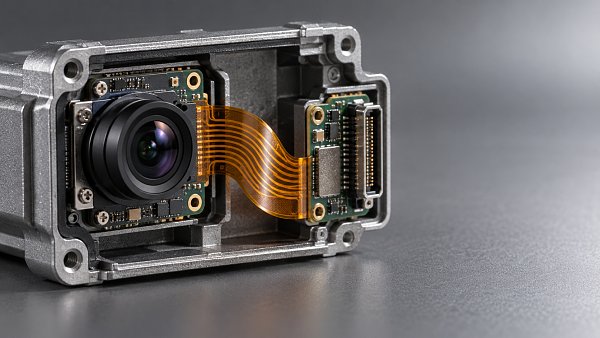
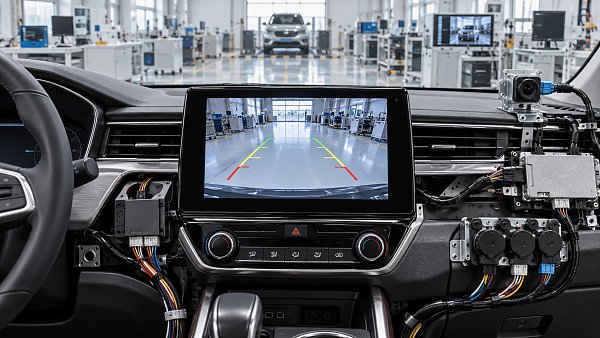
Controller functions such as ESC, torque vectoring, active damping, rear steering, and ADAS path control must be validated against realistic disturbances.
The strongest platforms provide transparent interfaces, accurate sensors, sufficient actuator bandwidth, and fault-handling strategies that support future software evolution.
What technical evaluators should compare before making a platform decision
A practical evaluation matrix should include measurable targets, test evidence, integration risk, upgrade potential, supplier maturity, and total validation effort.
Chassis dynamics results should be compared with structural mass, battery packaging, steering architecture, brake strategy, thermal routing, and electronic redundancy.
Do not select a platform only because one prototype performs well. Confirm whether performance remains stable across variants, regions, loads, and suppliers.
Evaluation teams should request raw data, test conditions, calibration versions, failure cases, and correlation reports, not only summarized performance claims.
The best choice is usually the platform with predictable margins, manageable tuning effort, and enough architectural headroom for electrification and autonomy.
Conclusion: chassis dynamics testing is a platform risk filter
For platform selection, chassis dynamics is a risk filter rather than a narrow handling discipline. It reveals whether the architecture is fundamentally scalable.
Steering, suspension, braking, tires, controls, NVH, durability, and thermal packaging must be tested as one system before major investment decisions.
Technical evaluators should favor platforms that show stable behavior under imperfect conditions, not only excellent behavior in carefully controlled demonstrations.
When the test program is structured correctly, it prevents late redesign, protects safety margins, and supports future functions such as steer-by-wire and automated driving.
The right platform is the one whose chassis dynamics data proves confidence, integration readiness, and lifecycle robustness before the vehicle program accelerates.