NEV Thermal Management: Key Cost Drivers in 2026




As automakers push for higher efficiency and tighter margins, NEV thermal management is moving from an engineering topic to a financial one. For approval teams in 2026, the main question is not whether thermal systems matter, but which cost drivers will most affect program ROI, warranty exposure, supplier pricing power, and long-term platform competitiveness.
For financial decision-makers, the core search intent behind this topic is clear: identify what is making NEV thermal management more expensive, which costs are structural versus temporary, and how to judge whether a supplier’s solution will protect margin instead of creating hidden risk.
That means the most useful analysis is not a broad technical overview. It is a practical breakdown of where cost truly comes from: architecture complexity, battery conditioning requirements, heat pump integration, materials volatility, software controls, manufacturing scale, validation burden, and aftersales implications.
In 2026, the best procurement and investment decisions will likely come from teams that evaluate thermal systems as a total cost lever. Unit price still matters, but lifecycle efficiency, range impact, packaging, reliability, and integration strategy now have direct financial consequences.
What financial approvers should focus on first in 2026
The most important judgment for finance teams is whether a thermal management solution reduces total vehicle cost or simply shifts cost between components. A lower upfront quote can still destroy value if it increases energy consumption, warranty claims, software calibration time, or production complexity.
In practical terms, three questions should come first. Does the system improve vehicle efficiency enough to support pricing or battery downsizing? Does it reduce long-term quality risk? And can the supplier scale consistently across programs and regions without repeated engineering change costs?
For many NEV programs, thermal management now influences battery life, charging performance, cabin comfort, and winter range at the same time. That makes it one of the few subsystems capable of affecting both customer experience and gross margin in a measurable way.
This is why finance leaders should treat NEV thermal management as a cross-functional investment case, not a narrow BOM issue. The right evaluation frame is total business impact across sourcing, manufacturing, usage, compliance, and warranty horizons.
The biggest cost drivers behind NEV thermal management in 2026
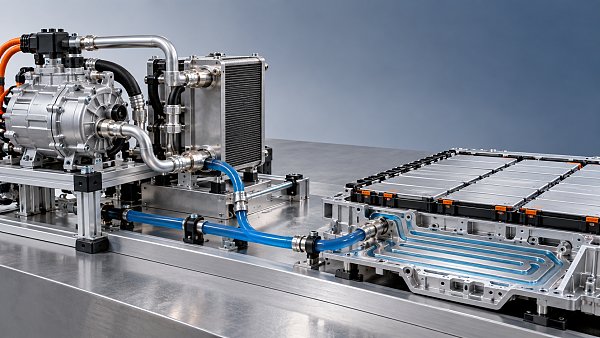
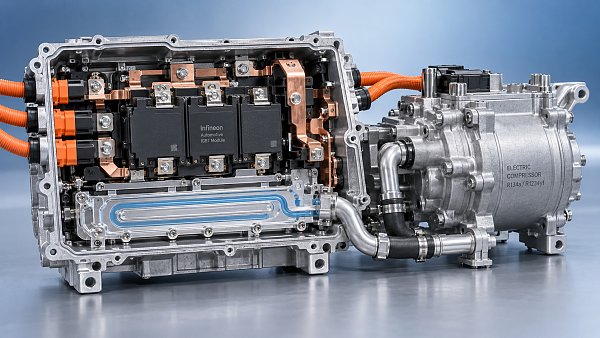
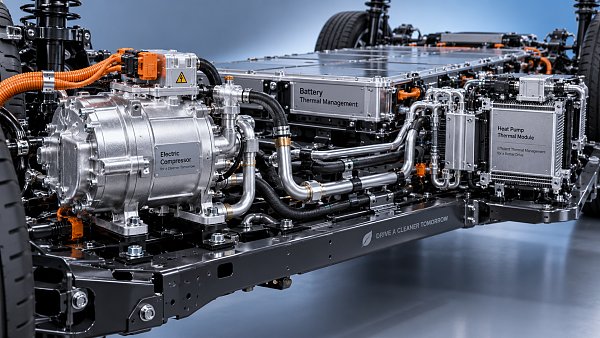
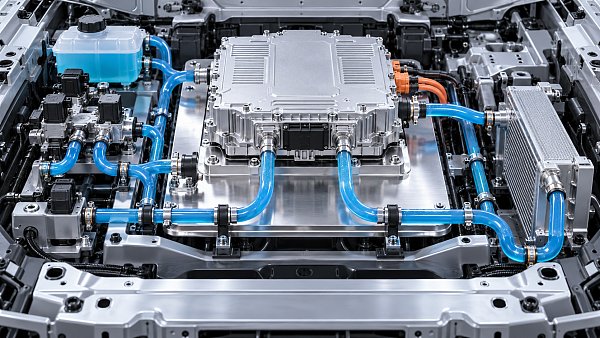
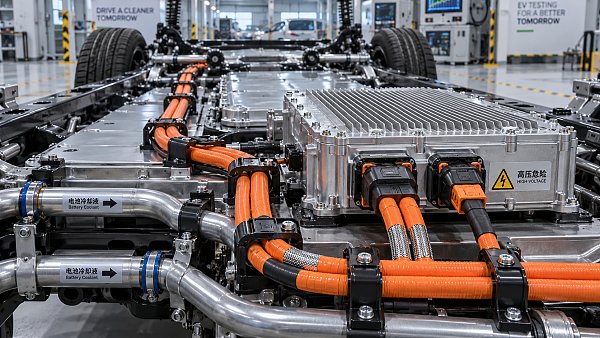
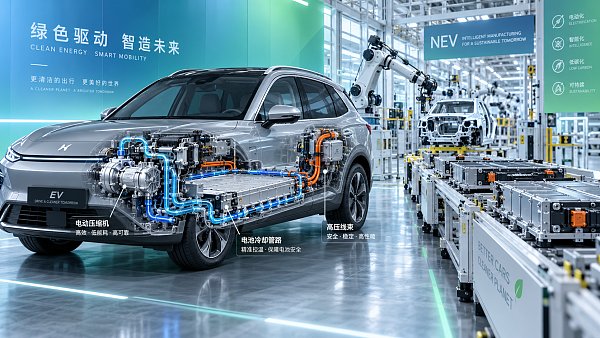
The first major cost driver is system integration. Earlier NEV platforms often used separate loops and discrete components for battery cooling, e-drive cooling, and cabin thermal control. Newer architectures increasingly combine these functions into integrated thermal modules to improve efficiency and save space.
Integration can lower total system weight and improve energy performance, but it also raises development complexity. More valves, sensors, software strategies, and failure interactions mean higher engineering hours, longer validation cycles, and tougher supplier qualification requirements.
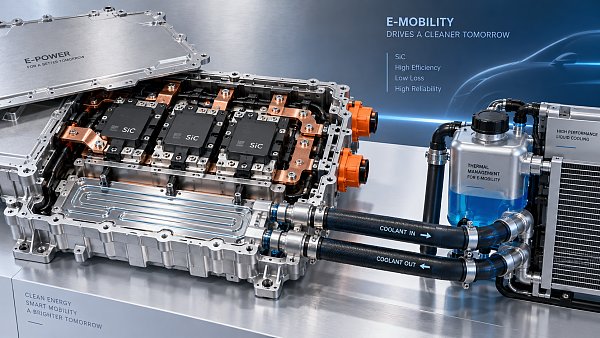
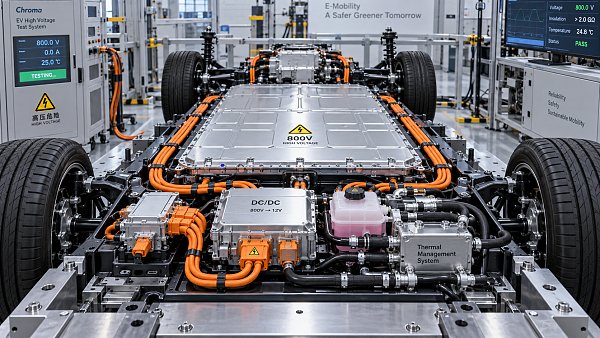
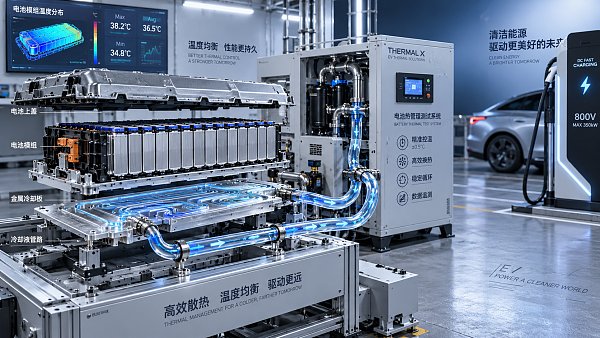
The second cost driver is battery conditioning performance. Fast charging, higher energy density, and broader climate operating targets demand tighter thermal control. Maintaining battery cells within a narrow temperature window requires more capable pumps, heat exchangers, chillers, and control logic.
As charging speeds increase, thermal systems must remove heat faster without compromising safety or cycle life. That pushes suppliers toward higher-spec materials, stronger sealing performance, and more advanced refrigerant and coolant management designs, all of which raise cost.
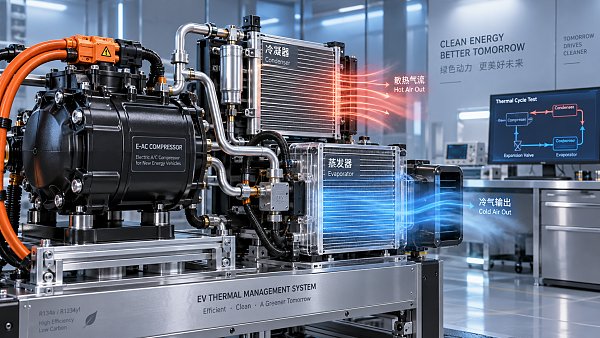
The third major cost driver is heat pump adoption. In many 2026 NEV programs, heat pumps are no longer optional premium features. They are becoming necessary for winter range optimization and platform efficiency targets, especially in Europe, China, and colder North American markets.
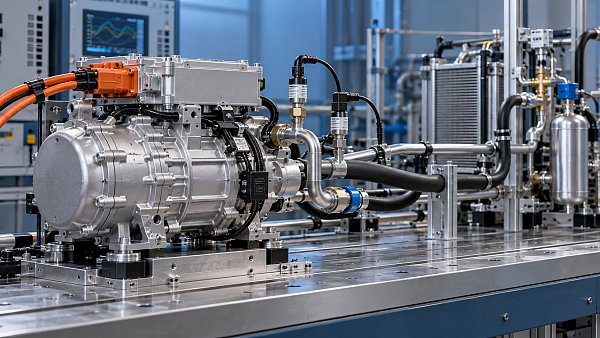
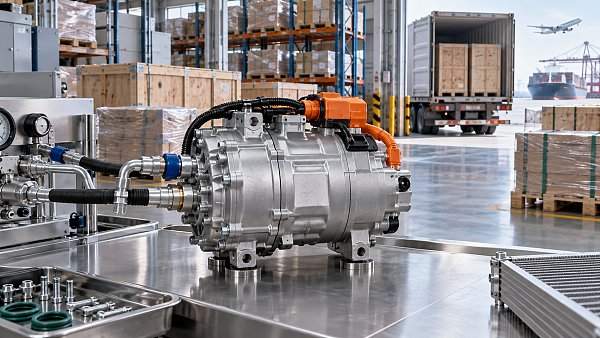
However, heat pump systems add cost through compressors, valves, controllers, refrigerant routing, and software calibration. Their business case depends on climate mix, vehicle segment, and range strategy. For finance teams, the key is whether efficiency gains offset added hardware and validation expense.
The fourth cost driver is material volatility. Aluminum, copper, specialty polymers, and automotive-grade sealing materials all affect pricing. Thermal systems are particularly exposed because they combine fluid channels, electrical interfaces, pressure-bearing components, and lightweight structural needs.
When suppliers face unstable input costs, quotations may include risk premiums. Even if spot prices ease temporarily, finance teams should watch how much of the cost base is structurally linked to high-grade metals, precision casting, brazing quality, and electronics content.
Why architecture choices matter more than component prices
A common mistake in sourcing reviews is comparing component quotes in isolation. In 2026, architecture decisions often matter more than line-item pricing because they determine how many parts are needed, how difficult assembly becomes, and how much software coordination is required later.
For example, a platform using a highly integrated thermal module may appear more expensive at the assembly level. But if it cuts hose count, reduces leak points, shortens installation time, simplifies plant logistics, and improves vehicle efficiency, the total business result may be superior.
By contrast, a fragmented architecture built around lower-cost discrete parts can create hidden expenses. These may include more brackets, more connectors, more quality inspection steps, more supplier interfaces, and more opportunities for field failure or thermal imbalance.
Finance approvers should therefore ask engineering and sourcing teams to model system cost in layers: direct material, plant labor, tooling, software integration, validation, serviceability, and warranty probability. This approach usually reveals that “cheap” architectures are not always lower-cost in practice.
Another architecture issue is platform carryover. If a thermal design can be reused across multiple vehicle programs with manageable calibration changes, its value rises significantly. Reusable architectures spread development cost, improve supplier learning curves, and reduce future sourcing uncertainty.
How software and controls are becoming hidden cost centers
Many cost reviews still focus mainly on hardware, yet software is becoming one of the most underestimated expenses in NEV thermal management. Advanced systems rely on algorithms to balance battery conditioning, compressor operation, cabin comfort, defrosting, and energy efficiency under changing conditions.
More integrated architectures require more sophisticated control logic. That means calibration effort increases, edge cases multiply, and validation becomes harder across climates, drive cycles, and charging scenarios. These costs may not be obvious in the initial BOM, but they affect launch timing and engineering budgets.
Software also changes the supplier evaluation model. A vendor with mature control strategies may justify a higher quote if it reduces calibration delays and improves real-world efficiency. For finance teams, this is a classic case where technical maturity can lower total program risk.
Cybersecurity, over-the-air update capability, and controller integration further influence cost. As thermal systems connect more closely with domain controllers and vehicle energy management, they inherit part of the software governance burden usually associated with larger electrical architectures.
Warranty risk, durability, and the real cost of failure
For financial approvers, warranty risk is often the most decisive factor after purchase price. Thermal systems operate at the intersection of pressure, vibration, temperature cycling, refrigerant control, and electrical communication. Small design weaknesses can become costly field campaigns.
Leakage, valve malfunction, sensor drift, compressor inefficiency, and poor cold-weather calibration all create downstream cost. Some failures produce direct repair claims. Others reduce charging speed, lower winter range, or trigger customer dissatisfaction that damages model reputation.
This is why durability evidence matters. Finance teams should look beyond standard qualification summaries and ask for proof tied to real operating stress: high-mileage cycling, extreme climate testing, contamination tolerance, and repeated fast-charging scenarios.
The lowest-cost quote becomes expensive very quickly if it carries elevated failure probability. In 2026, the best suppliers will differentiate themselves not only through efficiency claims, but through robust validation data and a credible record of stable field performance.
What separates temporary cost pressure from structural cost inflation
Not every price increase should be treated the same way. Some cost pressure is cyclical, such as short-term metal price swings, logistics disruption, or currency movements. Other cost drivers are structural and unlikely to reverse because they reflect permanent shifts in product requirements.
Heat pump penetration, faster charging targets, tighter efficiency regulation, and higher software complexity are structural. These trends increase the capability expected from thermal systems, which means a portion of cost inflation is tied to lasting performance demands rather than temporary market noise.
For budgeting, this distinction matters. Temporary inflation may justify short-term negotiation tactics or hedging strategies. Structural cost expansion requires deeper action, such as platform redesign, supplier consolidation, value engineering, or revised vehicle pricing assumptions.
Finance leaders should therefore ask suppliers which cost elements are linked to commodity exposure and which come from performance upgrades, integration scope, or compliance burden. Clear segmentation improves negotiation quality and capital planning discipline.
A practical evaluation framework for supplier and investment decisions
For 2026 approval cycles, a useful review framework includes five lenses. First, assess efficiency value: how much range, charging performance, or battery downsizing benefit the system can realistically support. Second, assess complexity cost across engineering, manufacturing, and service.
Third, assess supplier maturity. Does the vendor have proven expertise in compressors, valves, refrigerant loops, software controls, and integrated module production? Fourth, assess durability confidence through validation depth and field history. Fifth, assess scalability across models, plants, and regions.
This framework helps finance teams avoid overpaying for features with weak business impact. It also helps prevent underinvestment in solutions that can improve margin through energy savings, platform reuse, and warranty protection.
In supplier discussions, the most revealing questions are often simple. What assumptions support the quoted efficiency gain? Which functions are reusable across future programs? Where are the largest validation risks? What failure modes remain open? And what portion of cost can fall with volume scale?
These questions move the conversation away from marketing language and toward investment-grade decision criteria. That is especially important in a market where many suppliers promote high integration, but not all can deliver stable economics at production scale.
Conclusion: thermal management is now a capital discipline, not just an engineering subsystem
By 2026, NEV thermal management will be one of the clearest examples of how engineering architecture shapes financial performance. The biggest cost drivers are no longer limited to hardware pieces. They now include integration logic, software maturity, validation burden, material exposure, and lifecycle reliability.
For financial approvers, the right conclusion is not to simply push for lower quoted prices. It is to identify which thermal solutions create sustainable cost efficiency across the full vehicle lifecycle. In many cases, the better investment is the system that lowers hidden risk, not the one with the lowest initial invoice.
Companies that evaluate thermal systems through total cost, platform reuse, and supplier capability will likely make stronger sourcing decisions in the next NEV cycle. In a market where efficiency and profitability are tightly linked, thermal management has become a strategic financial variable.
Related News
- 00
0000-00
How electric compressor speed affects EV battery cooling capacity - 00
0000-00
How to verify a variable frequency compressor supplier’s efficiency claims - 00
0000-00
How bend radius affects FPC reliability in automotive camera modules - 00
0000-00
How to diagnose intermittent loss of electric power steering assist - 00
0000-00
How to size automotive power modules for electric compressors
Weekly Insights
Stay ahead with our curated technology reports delivered every Monday.
Recommended News
 How electric compressor speed affects EV battery cooling capacityElectric compressor technology: battery cooling depends on more than RPM. Discover how speed, refrigerant flow, and system limits affect EV cooling capacity and energy efficiency.Author:Time:Oct 19, 2026
 How to verify a variable frequency compressor supplier’s efficiency claimsVerify a variable frequency compressor supplier’s efficiency claims using COP boundaries, matched test conditions, and duty-cycle data. Learn how to choose with confidence.Author:Time:Oct 18, 2026
 How bend radius affects FPC reliability in automotive camera modulesAutomotive FPC applications: camera module reliability starts with bend radius. Learn how stack-up, strain, and validation guide robust designs and help prevent costly failures.Author:Time:Oct 17, 2026
 How to diagnose intermittent loss of electric power steering assistMaster power steering system diagnostics to trace intermittent EPS assist loss. Learn proven checks for voltage, wiring, and fault codes to avoid costly guesswork.Author:Time:Oct 16, 2026
 How to size automotive power modules for electric compressorsSize automotive power modules for electric compressors with confidence. Learn how voltage, phase current, losses, and cooling shape reliable selection—and avoid costly oversizing.Author:Time:Oct 15, 2026
 Why automotive power electronics are shifting to silicon carbideAutomotive Power Electronics are shifting to silicon carbide. Discover how SiC can cut losses, boost EV power density, and reshape cooling, reliability, and system costs.Author:Time:Oct 14, 2026
 How EV adoption shapes the electrically driven compressor marketExplore how EV adoption shapes the electrically driven compressor market, from battery cooling and heat pumps to supplier margins. Discover the drivers of profitable growth.Author:Time:Oct 13, 2026
 How to size a PTC heater for reliable EV cabin heatingPTC Heater sizing for EV cabins: learn how to balance defrost performance, heat-pump integration, airflow, voltage range, and battery power for reliable winter comfort.Author:Time:Oct 12, 2026
 What determines the cooling output of electric automotive AC compressors?Automotive air conditioning compressors electric systems: explore how speed, voltage, refrigerant, controls, and heat exchangers shape EV cooling capacity and efficiency.Author:Time:Oct 11, 2026
 What makes a touchscreen media head unit responsive enough for daily use?Touchscreen media head unit performance explained: discover what delivers fast starts, smooth maps, reliable phone pairing, and responsive daily driving.Author:Time:Oct 10, 2026
 Can a Domain Controller Share a Cooling Loop with Other Electronics?Can a domain controller share a cooling loop with other electronics? Explore thermal zoning, flow control, safety priorities, and reliable vehicle electronics cooling strategies.Author:Time:Oct 19, 2026
 What Causes Domain Controller Overheating During Summer Testing?What causes domain controller overheating in summer testing? Explore heat load, airflow, installation, software factors, and practical fixes.Author:Time:Oct 18, 2026
 Is a Head-Up Display Hard to Integrate with Different Windshields?Is a head-up display difficult to integrate with different windshields? Discover how glass geometry, coatings, and calibration affect HUD clarity, cost, and production readiness.Author:Time:Oct 17, 2026
 What Should Be Checked Before Selecting an Automotive Head Unit?What should be checked before selecting an automotive head unit? Explore compatibility, performance, cybersecurity, compliance, and supplier support.Author:Time:Oct 16, 2026
 Is Steer-by-Wire More Expensive Than an EPS Steering System?Is steer-by-wire more expensive than an EPS steering system? Explore the true costs, safety demands, software value, and when SbW justifies its premium.Author:Time:Oct 15, 2026
 Which Automotive Electronics Need Validation for 800V Platforms?What automotive electronics should be validated for 800V platforms? Explore critical checks for harnesses, power electronics, thermal systems, safety, and EMC.Author:Time:Oct 14, 2026
 How Do Automotive Compressor Export Requirements Vary by Market?How do automotive compressor export requirements vary by market? Explore key compliance rules for refrigerants, EV safety, OEM approvals, labeling, and customs.Author:Time:Oct 13, 2026
 What Documents Are Needed to Export Automotive Thermal Components?What documents are needed to export automotive thermal components? Explore customs, compliance, technical records, and shipping tips to prevent costly delays.Author:Time:Oct 12, 2026
 How Often Should an EV Air Conditioning Compressor Be Inspected?How often should an EV air conditioning compressor be inspected? Discover recommended service intervals, warning signs, and expert care tips to protect cooling performance and EV reliability.Author:Time:Oct 11, 2026
 How to size power solutions for automotive head-up display systemsHeads-up display systems power solutions: learn how to size automotive HUD power architectures for startup, brightness, thermal limits, EMC, protection, and reliable vehicle operation.Author:Time:Oct 19, 2026
 How does a head-up display work in a high-performance car?Hoe werkt een head-up display in een high-performance auto en welke informatie toont het? Discover the tech, safety alerts, and performance data that sharpen every drive.Author:Time:Oct 18, 2026
 Which trends will shape zonal EV architectures in the next decade?Future trends in zonal EV architectures: explore smarter power distribution, 48V systems, thermal integration, software, and resilient networks shaping next-gen vehicles.Author:Time:Oct 17, 2026
 When does a zonal EV architecture outperform a centralized design?Explore the trade-offs between zonal and centralized EV architectures to identify the best path for harness efficiency, software scalability, safety, and faster EV launches.Author:Time:Oct 16, 2026
 How to compare vendors for zonal EV power architecturesComparing vendors for zonal EV power architectures: assess electrical capability, interface ownership, lifecycle support, and integration risk for smarter sourcing.Author:Time:Oct 15, 2026
 How zonal architectures can improve EV reliability at the system levelHow zonal architectures affect EV reliability: explore fault containment, diagnostics, power resilience, and software strategies for more dependable electric vehicles.Author:Time:Oct 14, 2026
 What is driving growth in the automotive E/E architecture market?Explore what drives the automotive electric electronic systems architecture market, from EV power systems and zonal computing to ADAS, cybersecurity, and software-defined vehicles.Author:Time:Oct 13, 2026
 How to evaluate top-rated vehicle electrical components for reliabilityDiscover how to evaluate top-rated vehicle electrical components for reliability, from connector integrity and thermal margins to validation data and manufacturing control.Author:Time:Oct 12, 2026
 What makes vehicle electrical components reliable over a long service life?Top-rated vehicle electrical components for reliability depend on thermal control, sealing, vibration resistance, and validated manufacturing. Discover how to choose durable parts.Author:Time:Oct 11, 2026
 How battery thermal management solutions prevent fast-charge overheatingBattery thermal management solutions prevent fast-charge overheating with intelligent cooling, valve control, predictive preconditioning, and reliable heat rejection.Author:Time:Oct 09, 2026
 What an automotive market report can reveal about EV demand shiftsAutomotive market report insights reveal EV demand shifts, component opportunities, regional risks, and smarter investment strategies for growth.Author:Time:Oct 08, 2026