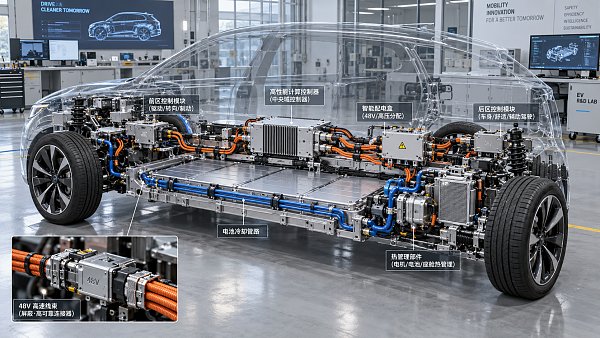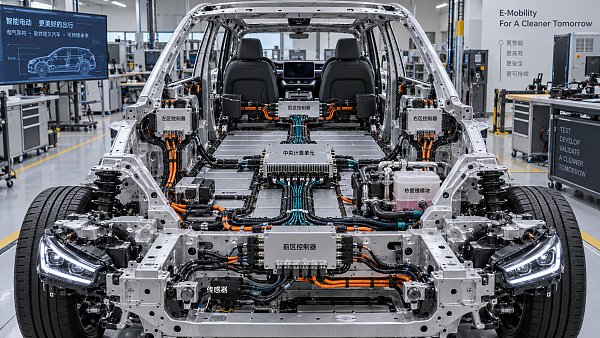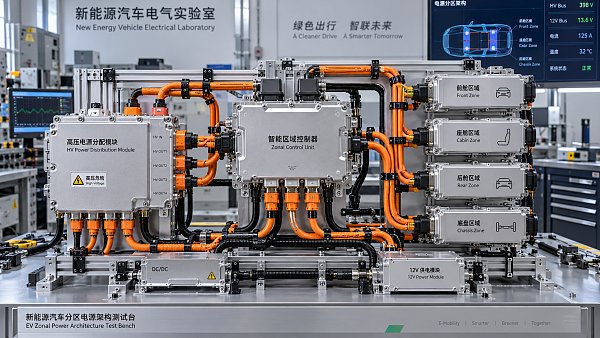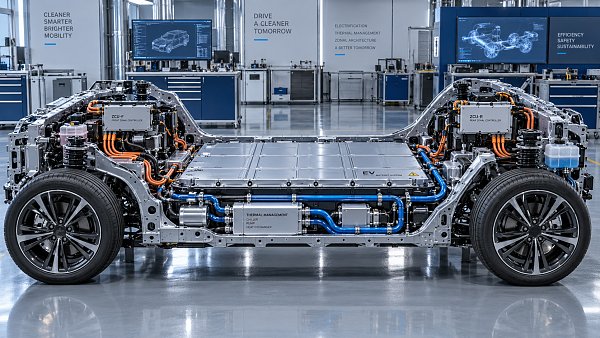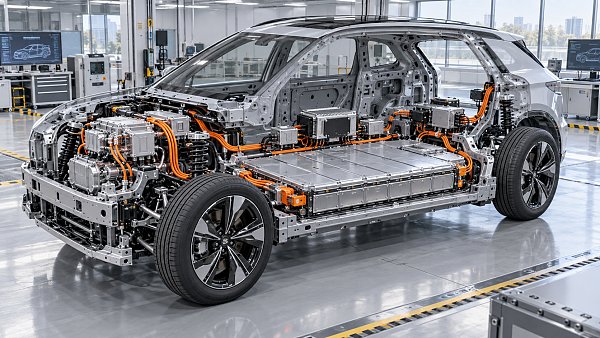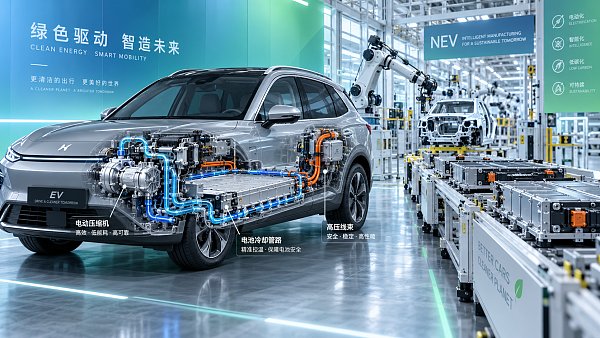




As 2026 EV platforms move toward higher voltage architectures, software-defined chassis, integrated thermal modules, and smarter cabin electronics, vehicle reliability is becoming a board-level risk rather than a purely engineering metric.
For OEMs, Tier 1 suppliers, and component strategists, the next competitive frontier lies in understanding how wiring harnesses, steer-by-wire systems, electric compressors, IVI domains, and NEV thermal management interact under real-world stress.
This article examines the reliability risks shaping next-generation EV platforms and the strategic decisions needed to protect safety, uptime, and market confidence.
Why Vehicle Reliability Becomes a Strategic Risk in 2026
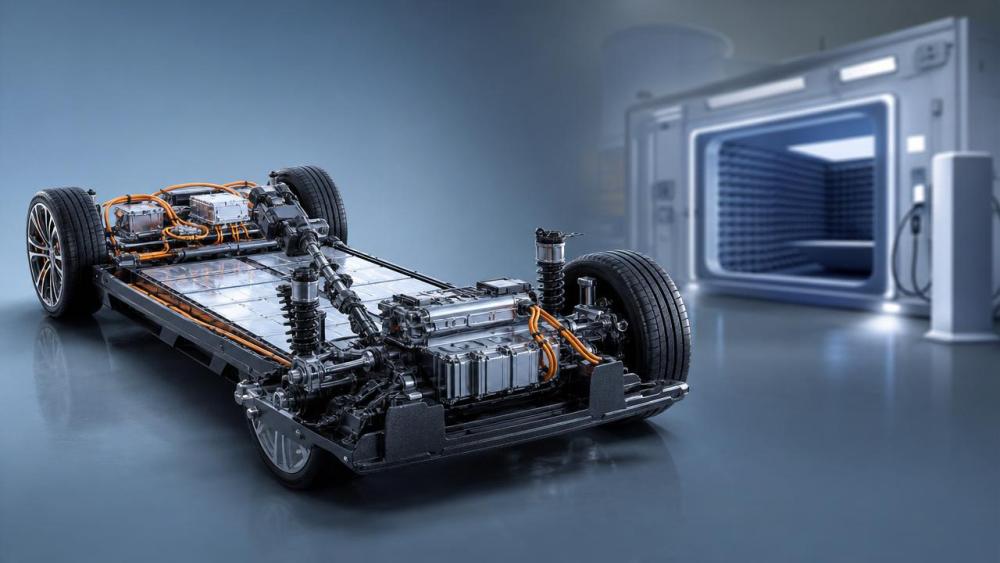
The central reliability question for 2026 EV platforms is no longer whether one component can pass qualification testing in isolation.
The harder question is whether electrical, thermal, mechanical, and software systems remain stable when they interact continuously under customer use.
Higher voltage platforms, faster charging, more sensors, and centralized computing increase performance potential, but they also compress failure tolerance.
A minor harness contact issue, compressor control deviation, or thermal valve delay can cascade into range loss, cabin complaints, or safety alerts.
For business leaders, vehicle reliability now influences warranty exposure, brand trust, fleet uptime, regulatory scrutiny, and supplier negotiation power.
The companies that win will not simply add stronger components; they will engineer reliability across interfaces, data flows, and operating scenarios.
The Five Reliability Domains Executives Should Track
Decision makers need a practical reliability map, because 2026 EV platforms combine many risk sources that traditional quality dashboards may miss.
GACT views the next-generation EV as five interacting reliability domains: high-voltage harnesses, steering systems, compressors, cabin electronics, and thermal management.
Each domain has its own qualification logic, but failures increasingly emerge at the boundaries between them, not inside one supplier’s specification sheet.
A thermal management strategy can affect compressor load, battery aging, inverter temperature, and even perceived cabin comfort during fast charging.
A smart cabin domain may appear unrelated to chassis reliability, yet software load, power stability, and electromagnetic compatibility can affect user confidence.
Executives should therefore ask suppliers not only for component reliability data, but also for evidence of cross-system validation and failure containment.
High-Voltage Wiring Harnesses: The Hidden Reliability Backbone
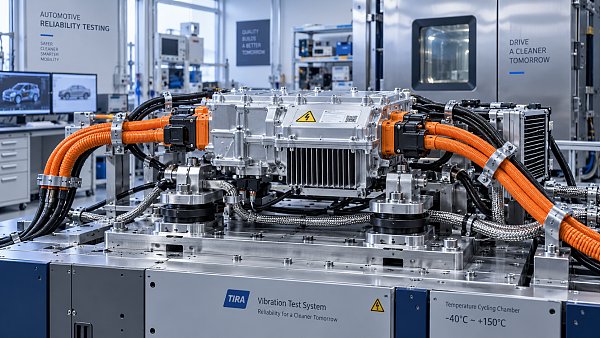
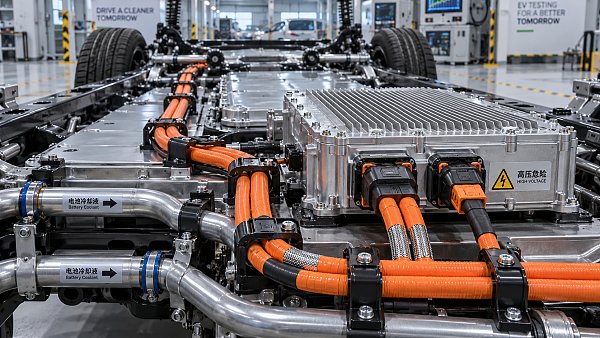
In 2026 EV platforms, wiring harnesses function as both power arteries and data nerves, making them central to vehicle reliability.
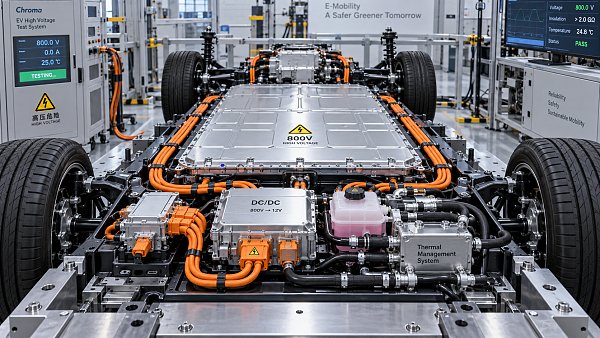
The move toward 800V architectures, high-current charging, and dense electronic control units increases stress on insulation, connectors, shielding, and routing.
Reliability risks include thermal aging, vibration-induced loosening, water ingress, crimp inconsistency, electromagnetic interference, and installation damage during assembly.
These issues are difficult for customers to diagnose, yet they can trigger intermittent faults, reduced charging speed, or unexplained warning events.
For OEM sourcing teams, the key is not lowest harness cost, but predictable manufacturing quality and robust validation across lifetime conditions.
Supplier audits should examine copper or aluminum material control, connector sealing, automated inspection, high-voltage interlock design, and traceability depth.
Boards should also evaluate whether lightweighting targets are compromising serviceability, repair time, or long-term safety margins in harsh climates.
Steer-by-Wire and EPS: Reliability Moves Into Redundancy Design
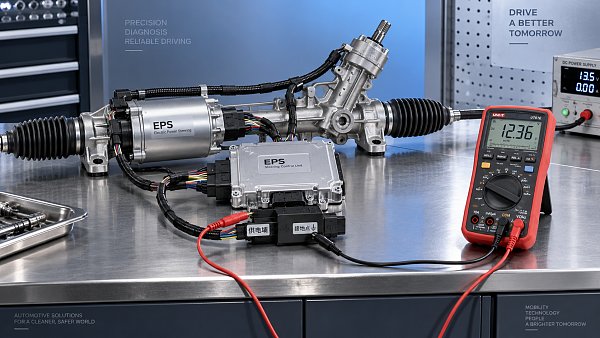
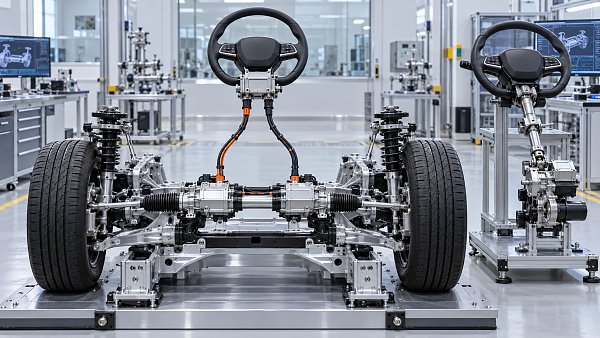
Power steering systems are shifting from mechanical assistance toward software-defined chassis control, with steer-by-wire becoming strategically important for autonomy.
This transition changes the reliability discussion, because steering trust depends on redundancy, fault detection, actuator response, and power supply stability.
Traditional EPS failures are already serious, but steer-by-wire platforms require deeper proof that control authority remains available under abnormal conditions.
Executives should focus on fail-operational capability, sensor redundancy, dual power paths, actuator thermal limits, and diagnostic response time.
Reliability risks can arise when steering control interacts with braking, suspension, ADAS, and domain controllers during high-speed maneuvers.
From a business standpoint, chassis reliability has direct implications for regulatory approval, insurance perception, and the commercial launch of higher automation.
A supplier that offers strong hardware but weak system safety evidence may create unacceptable program risk for premium or autonomous EV platforms.
Electric Compressors: Small Component, Large Comfort and Range Impact
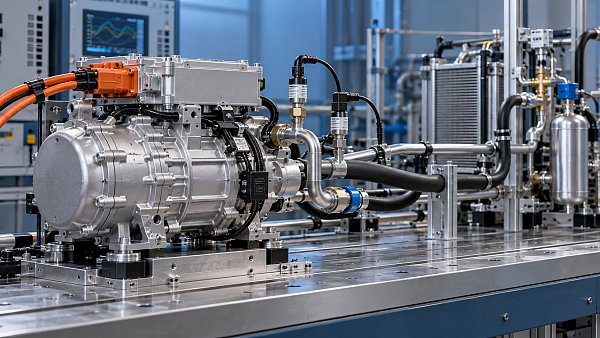
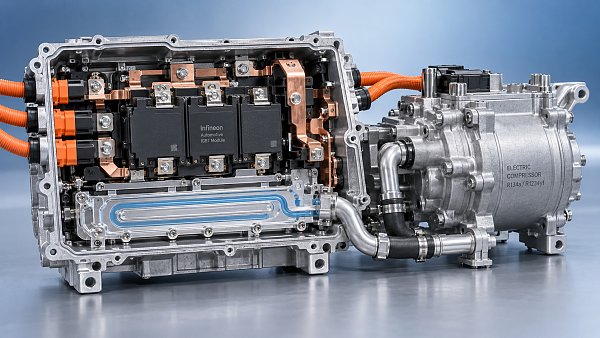
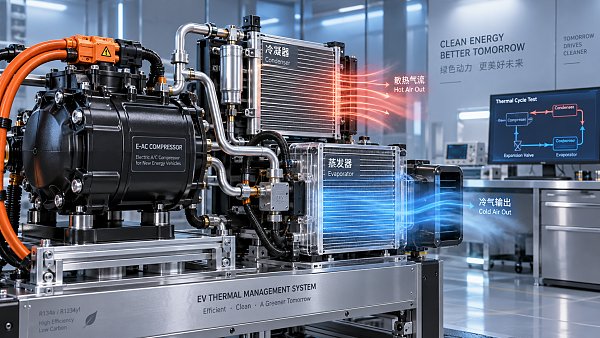
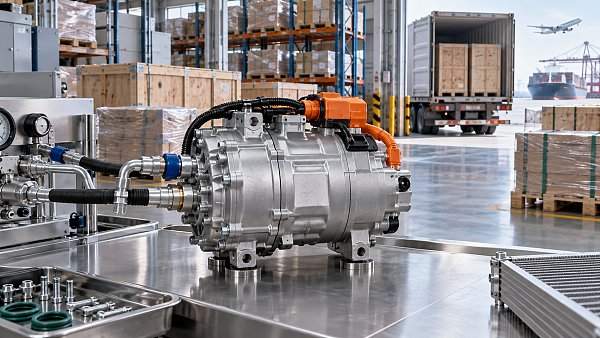
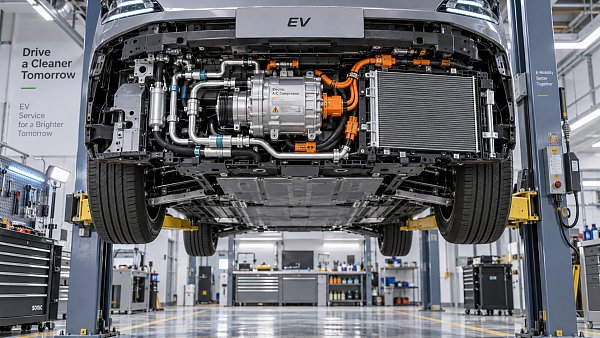
Electric A/C compressors are becoming more important because EV cabin comfort and battery thermal control often compete for limited energy.
Variable-frequency compressors must deliver cooling efficiency, low noise, fast response, and reliable operation across repeated thermal load cycles.
Reliability concerns include inverter overheating, lubricant compatibility, motor insulation stress, bearing wear, refrigerant leakage, and control instability.
Compressor failure does not only create discomfort; it can reduce battery cooling capacity and constrain fast charging or high-power driving.
For enterprise buyers, compressor selection should consider total vehicle energy strategy, not just nominal cooling capacity or unit price.
Suppliers should demonstrate performance under heat-soak conditions, low-temperature startup, vibration exposure, and long-duration partial-load operation.
Noise, vibration, and harshness also matter commercially, because customers associate quiet EV cabins with quality and premium engineering.
Integrated Thermal Management: Efficiency Gains With New Failure Modes
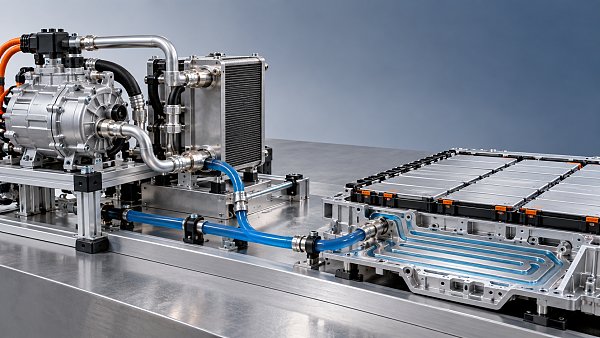
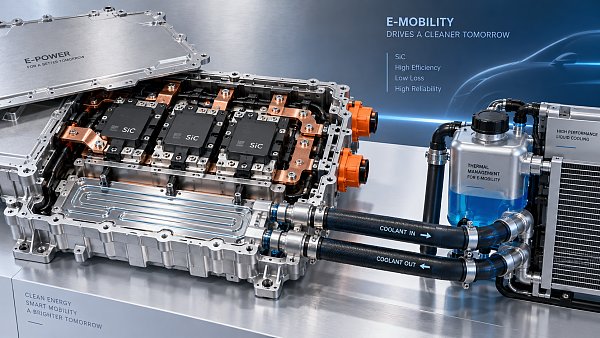
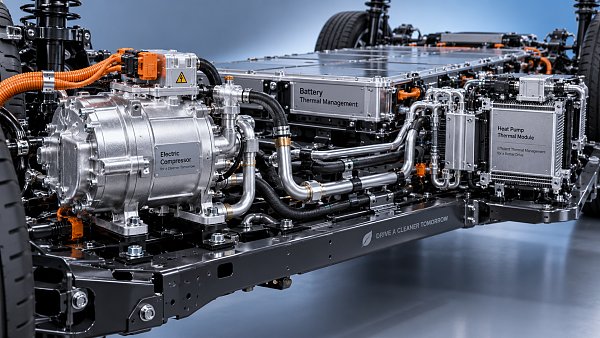
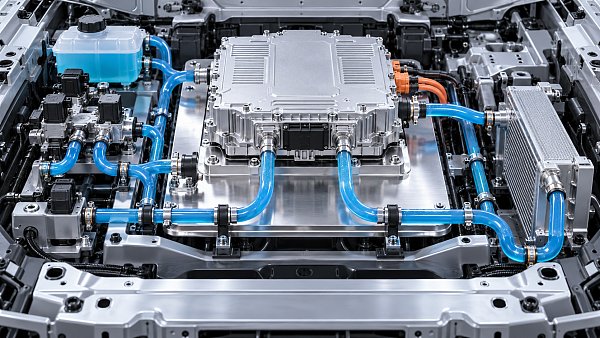
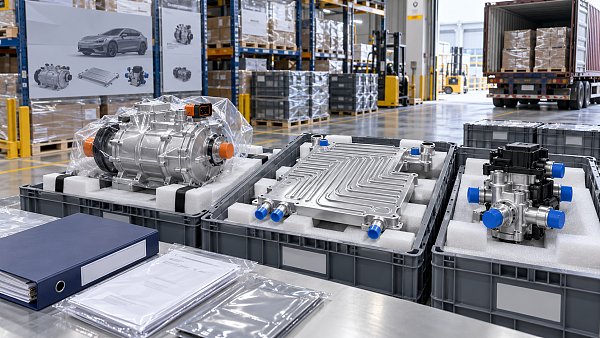
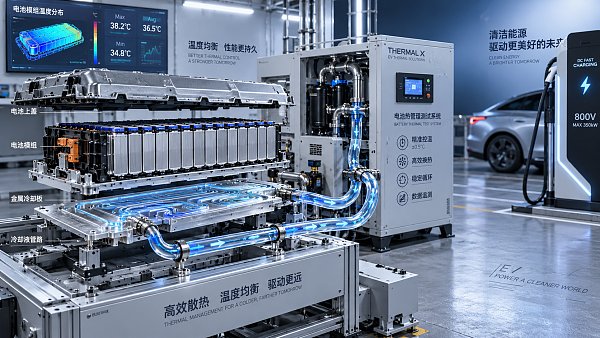
NEV thermal management systems are evolving from separate cooling loops into integrated modules using heat pumps, multi-way valves, sensors, and controllers.
This integration can improve winter range, charging performance, component protection, and cabin comfort, but it also concentrates reliability risk.
A valve delay, sensor drift, software calibration error, or pump degradation may affect several subsystems simultaneously.
Executives should treat thermal architecture as a strategic platform decision, not a late-stage comfort feature or commodity package.
The strongest programs validate battery thermoregulation, e-drive cooling, cabin heating, and defrosting logic together under realistic operating sequences.
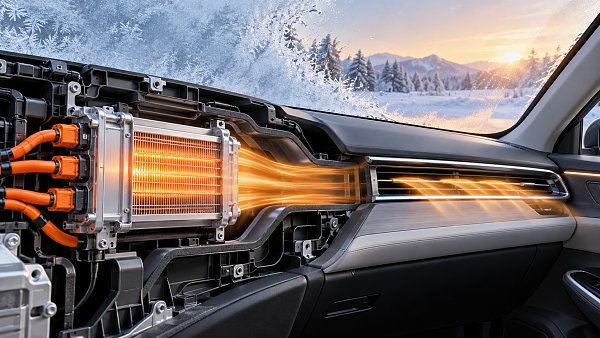
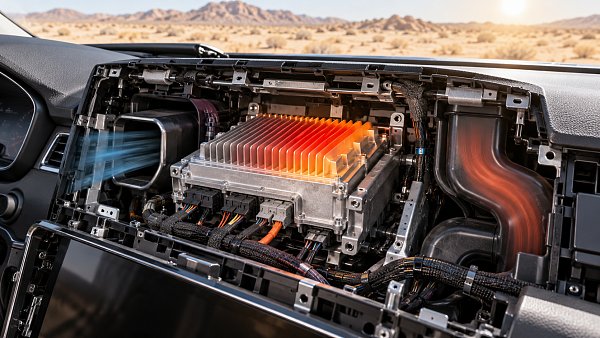
Cold-weather use is especially important, because heat pump performance, defrost algorithms, and battery preconditioning directly influence customer satisfaction.
Thermal reliability also shapes residual value, since battery aging patterns and charging behavior affect fleet economics and long-term brand reputation.
Smart Cabin Electronics: Reliability Is Also User Confidence
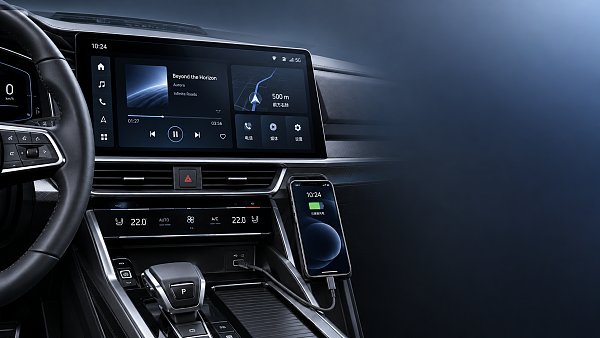
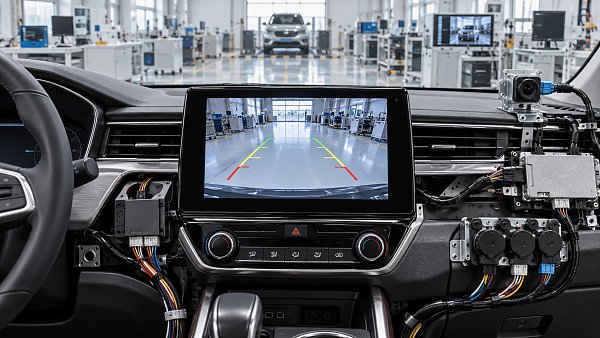
In-vehicle infotainment has become the visible face of vehicle reliability, even when the underlying drivetrain remains mechanically sound.
Customers may forgive a minor cosmetic issue, but repeated screen freezes, audio delays, or navigation failures quickly damage trust.
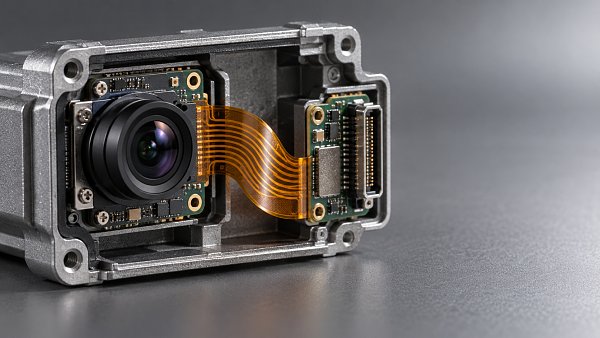
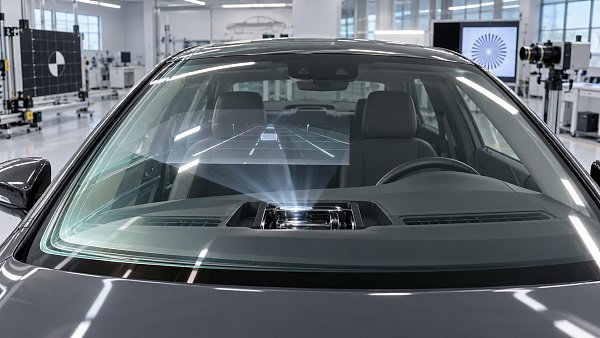
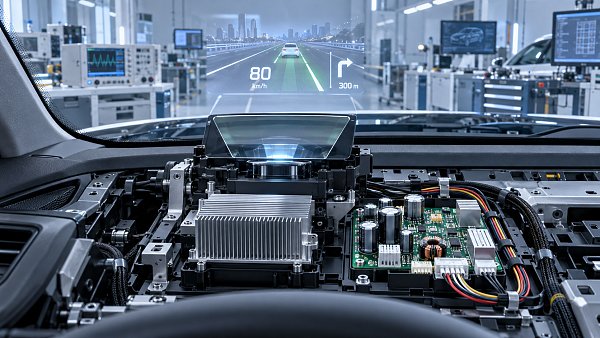
Smart cabins now integrate multi-screen displays, AR-HUD, voice assistants, cloud services, camera feeds, and over-the-air updates.
This complexity introduces risks around boot time, cybersecurity, data latency, power management, thermal throttling, and software compatibility.
For decision makers, IVI reliability should be measured through user journeys, not only through laboratory uptime statistics.
A vehicle that technically operates but repeatedly frustrates the driver creates warranty claims, negative reviews, and lower repurchase willingness.
Strong suppliers must show disciplined software release management, hardware thermal design, electromagnetic compatibility, and robust recovery after system faults.
Where Reliability Failures Are Most Likely to Cascade
The most expensive EV reliability events often start as small deviations that move across system boundaries before becoming visible.
One example is high-current fast charging, where harness temperature, battery conditioning, compressor load, and coolant flow must align precisely.
If one sensor reports inaccurate data, the platform may reduce charging speed, overwork cooling components, or trigger protective shutdowns.
Another cascade risk occurs during winter driving, when cabin heating, battery efficiency, defrosting, and range prediction interact continuously.
A weak thermal algorithm can create customer complaints even when all hardware components technically remain within specification.
Software updates add another dimension, because new control logic can change component duty cycles and expose hardware margins previously unseen.
Boards should demand reliability governance that covers interface risks, regression testing, field data feedback, and supplier accountability after updates.
What Business Leaders Should Ask Before Platform Commitment
Before approving a 2026 EV platform architecture, executives should ask whether reliability evidence reflects actual operating complexity.
Component qualification certificates are necessary, but they are not enough to predict market performance under regional climate and usage diversity.
Leaders should request validation matrices covering temperature extremes, charging scenarios, high humidity, road vibration, electromagnetic exposure, and software updates.
They should also examine how suppliers define early warning indicators, field data access, root-cause ownership, and corrective action timelines.
Another critical question is whether cost reduction programs preserve reliability margins in connectors, valves, sensors, bearings, and power electronics.
Short-term savings can become expensive if they increase warranty rates, recall probability, or service network burden after launch.
The most capable OEMs link sourcing, engineering, quality, and aftersales data into one reliability decision system before volume production.
Investment Priorities: Where Reliability Spending Creates Business Value
Reliability investment should be targeted toward the points where failures would create the greatest operational, safety, or reputational damage.
For high-voltage systems, spending on connector quality, insulation validation, automated inspection, and traceability can reduce severe downstream costs.
For thermal systems, investment in integrated simulation, cold-climate testing, and valve control calibration improves both efficiency and customer satisfaction.
For steering systems, redundancy validation and functional safety engineering are essential prerequisites for premium positioning and autonomous readiness.
For smart cabins, robust software release processes and thermal design protect the customer-facing experience of the entire vehicle.
The return on reliability investment is visible through lower warranty reserves, faster issue containment, stronger residual values, and more stable supplier relationships.
Executives should evaluate reliability spending as market protection, not as an engineering overhead that can be trimmed late in development.
How Suppliers Can Differentiate Through Reliability Intelligence
Tier 1 suppliers can gain strategic leverage by presenting reliability intelligence rather than only component specifications and quotation advantages.
This means showing how their products behave across duty cycles, thermal environments, voltage fluctuations, and software-controlled operating modes.
Suppliers of harnesses should provide evidence on routing robustness, assembly repeatability, material substitution risks, and high-voltage safety margins.
Thermal module suppliers should demonstrate how pumps, valves, compressors, sensors, and control logic maintain stability as a complete system.
Cabin electronics suppliers should quantify recovery behavior, update resilience, heat dissipation, cybersecurity readiness, and long-term software maintainability.
The strongest commercial position belongs to suppliers who can help OEMs reduce uncertainty before launch and shorten reaction time after launch.
In a market where vehicle reliability shapes brand perception, reliability intelligence becomes a sales asset and a technical barrier.
Conclusion: Reliability Will Decide the Credibility of 2026 EV Platforms
The next phase of EV competition will not be decided by range, displays, or charging speed alone.
It will be decided by whether complex vehicle systems remain dependable when customers use them across seasons, regions, and years.
Vehicle reliability in 2026 EV platforms depends on the coordination of wiring harnesses, steering systems, compressors, cabin electronics, and thermal management.
For business leaders, the right question is not which component looks advanced, but which architecture can control risk at scale.
Companies that invest early in cross-domain validation, supplier transparency, and field-data feedback will protect safety, uptime, and market confidence.
In that sense, reliability is becoming one of the most important strategic assets in the electrified and intelligent vehicle value chain.