Automotive Electromechanical Design: Key Failure Points




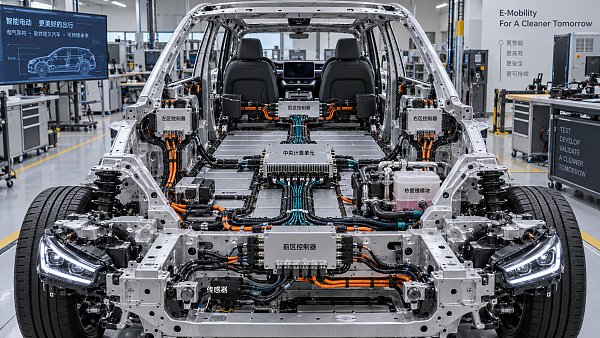
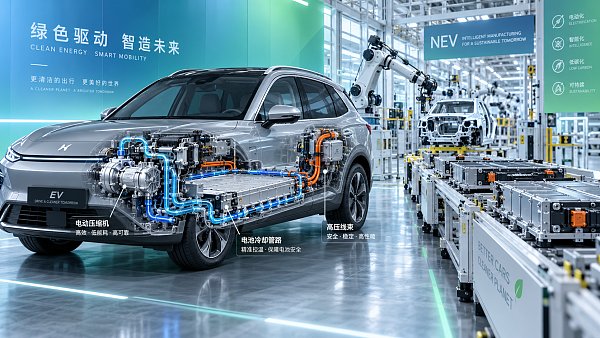
In automotive electromechanical design, small weaknesses in signal integrity, thermal control, actuator response, or connector durability can escalate into system-level failures that compromise safety, comfort, and reliability. For technical evaluators, identifying these failure points early is essential as vehicles shift toward high-voltage architectures, steer-by-wire platforms, smart cabins, and integrated NEV thermal management. This article examines the critical risk zones behind modern vehicle “neurons” and “temperature control hubs,” helping engineering teams assess design robustness, supplier readiness, and long-term performance under real operating stress.
For GACT’s focus areas, the evaluation challenge is no longer limited to one component drawing or one bench test result. Harness routing, steering electronics, electric compressors, IVI domain controllers, and heat-pump modules now interact within shared power, data, and thermal environments.
A reliable automotive electromechanical assessment must therefore connect circuit behavior, mechanical endurance, fluid dynamics, and software control logic. The most expensive failures often appear only after 3–6 months of vehicle exposure, when vibration, humidity, thermal cycling, and load variation combine.
System-Level Failure Zones in Automotive Electromechanical Architecture
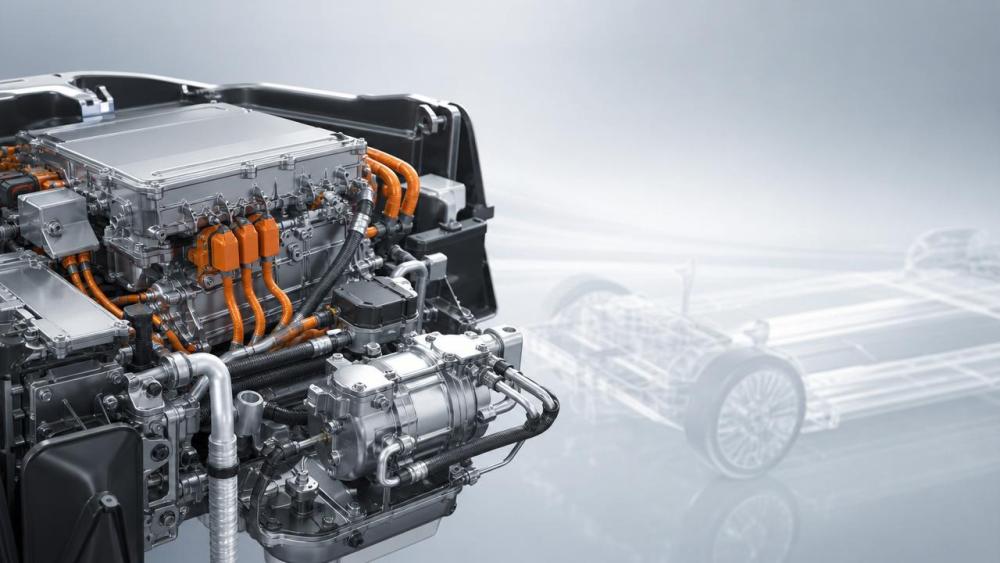
Modern vehicles contain dozens of control units, hundreds of connectors, and several kilometers of low-voltage and high-voltage conductors. A weak interface can affect braking confidence, cabin comfort, or battery protection within milliseconds.
Technical evaluators should begin with failure propagation, not isolated component performance. A 12 V voltage dip, CAN delay, or compressor start-up current spike may trigger faults across 2–4 connected subsystems.
Signal Integrity and Connector Durability
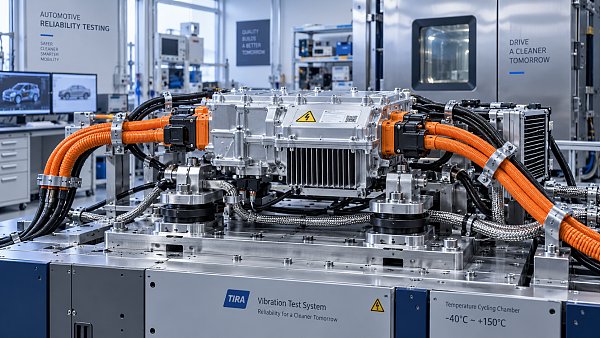
In automotive electromechanical systems, signal degradation is frequently caused by impedance mismatch, poor shielding continuity, terminal fretting, or connector water ingress. The problem may appear intermittent during standard inspection.
High-speed links for smart cabins and driver assistance often operate above 100 Mbps, while safety-related actuator commands may require response windows below 10 ms. Small noise margins become design risks.
- Check crimp height, pull force, plating thickness, and terminal retention after 10–20 mating cycles.
- Review EMC margin under worst-case cable bundling, inverter switching, and compressor operating states.
- Validate sealing performance at connector interfaces exposed to splash water, road salt, and pressure washing.
Thermal Drift in Compact Control Modules
Thermal stress is a central failure driver because electronics are increasingly packaged near motors, pumps, compressors, and high-current conductors. Ambient temperatures may range from -40°C to 105°C.
A component that passes room-temperature testing may drift under 85°C continuous operation. Sensor offset, solder fatigue, and capacitor aging can reduce control accuracy over 1,000–2,000 thermal cycles.
Key Technical Evaluation Questions
- Does the design maintain current, voltage, and communication margin under simultaneous peak loads?
- Are heat sources mapped with real vehicle airflow, not only laboratory convection assumptions?
- Can the supplier provide accelerated aging data linked to field-relevant duty cycles?
The following matrix helps evaluators connect visible symptoms with deeper automotive electromechanical causes and practical verification methods during supplier review or design gate approval.
The key conclusion is that failure modes rarely remain inside one part. Automotive electromechanical validation must include electrical stress, mechanical vibration, thermal load, and communication timing together.
High-Voltage Harnesses and Power Distribution Risks
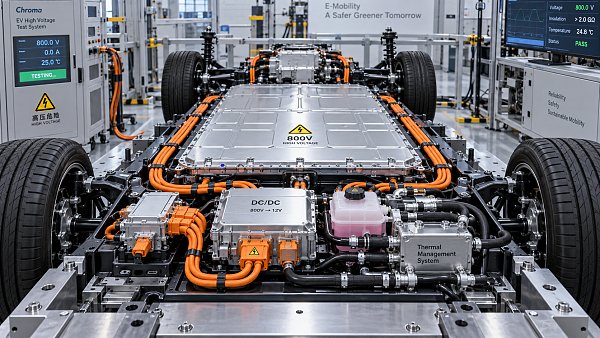
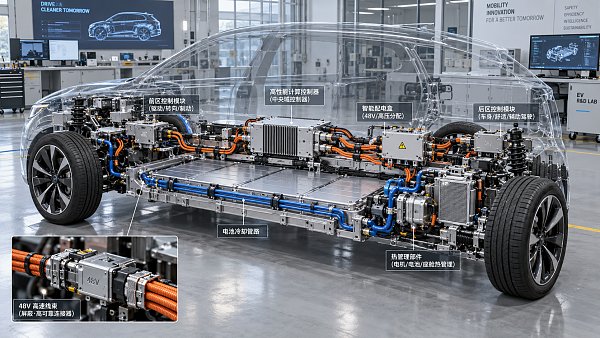
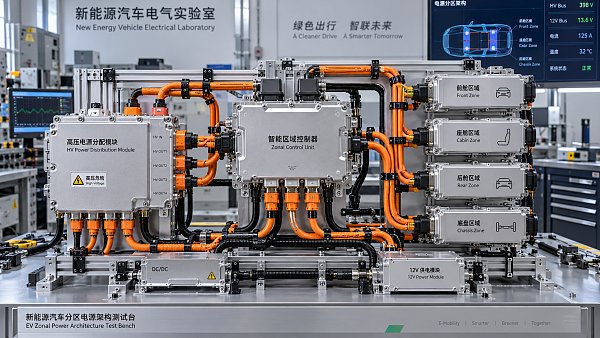
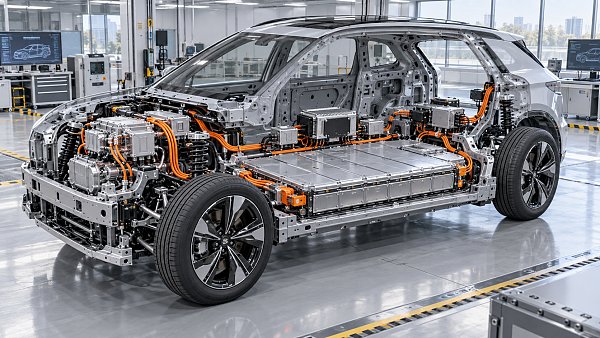
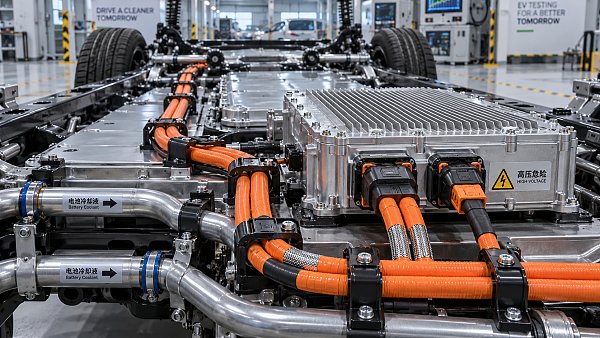
High-voltage harnesses are the “blood vessels and nerves” of electrified vehicles. They carry 400 V or 800 V energy while protecting occupants, control units, and service technicians.
In automotive electromechanical evaluation, harness risks include insulation breakdown, shielding gaps, excessive bending radius, terminal temperature rise, and routing conflicts near heat sources or moving structures.
Insulation, Creepage, and Heat Rise
A high-voltage harness must maintain insulation resistance under humidity, salt mist, and temperature cycling. Evaluators commonly review resistance, dielectric strength, creepage distance, and clearance around metal brackets.
Thermal rise is equally important. A connector passing a 30-minute current test may still degrade under 2-hour peak load, especially when packed inside compact battery or inverter zones.
Practical Inspection Points
- Confirm bend radius against cable diameter, especially near battery pack exits and compressor connections.
- Measure temperature rise at terminals under rated current plus realistic derating assumptions.
- Check orange cable visibility, mechanical protection, and service disconnect accessibility.
- Review compatibility between copper, aluminum, plating materials, and anti-galvanic corrosion measures.
EMC Coupling with Inverters and Compressors
NEV platforms contain high-frequency switching sources from traction inverters, DC-DC converters, and electric A/C compressors. Poor separation can disturb sensors or IVI communication links.
A robust automotive electromechanical layout usually defines routing zones, ground reference strategy, and shielding termination rules before prototype build. Late EMC correction often adds weight, cost, and delay.
Steering, Actuation, and Safety-Critical Response
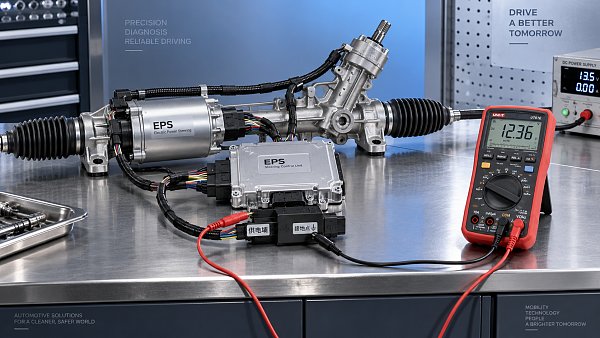
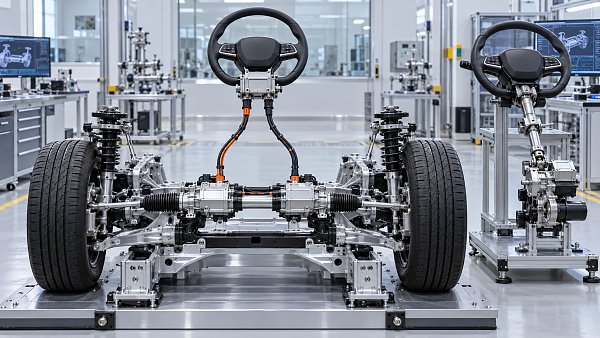
Power steering has moved from hydraulic assistance to EPS, and now toward steer-by-wire architectures. This transition raises expectations for redundancy, diagnostic coverage, and actuator precision.
For technical evaluators, steering-related automotive electromechanical failures are among the most severe because they directly affect driver intent, lane control, and fail-operational behavior.
Motor, Sensor, and ECU Weak Points
Common weak points include torque sensor drift, motor bearing wear, PCB solder fatigue, ECU overheating, and insufficient software diagnostics. These issues may emerge after repeated parking maneuvers.
Steering systems often face high peak loads at low speed. Evaluation should include stall conditions, rapid reversal, 8–12 hour endurance cycles, and degraded voltage scenarios.
Evaluation Criteria for Steering Electronics
- Verify torque command accuracy under hot, cold, and low-voltage conditions.
- Review dual-channel sensing and plausibility checks for steer-by-wire platforms.
- Test diagnostic reaction time for short circuit, open circuit, and sensor mismatch.
- Assess ECU thermal design at continuous high assist and limited airflow.
Redundancy Without Hidden Complexity
Redundancy improves safety only when failure isolation is clear. Adding a second sensor, motor winding, or controller channel can introduce synchronization and calibration challenges.
A mature automotive electromechanical supplier should explain failure containment, fallback torque strategy, and service diagnostics in plain engineering evidence, not only in functional block diagrams.
Electric Compressors and NEV Thermal Management Failure Points
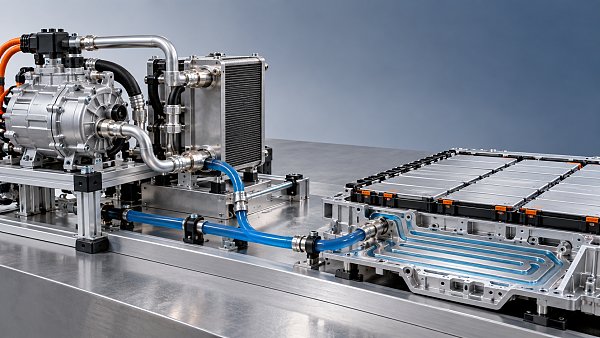
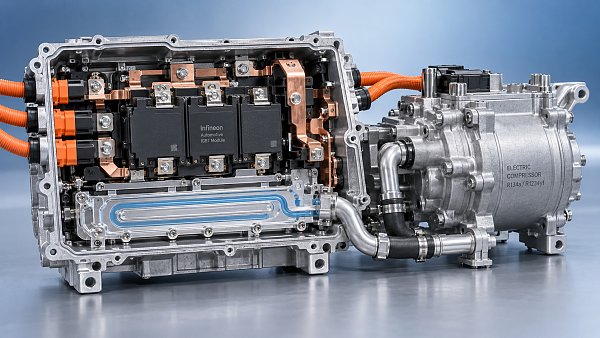
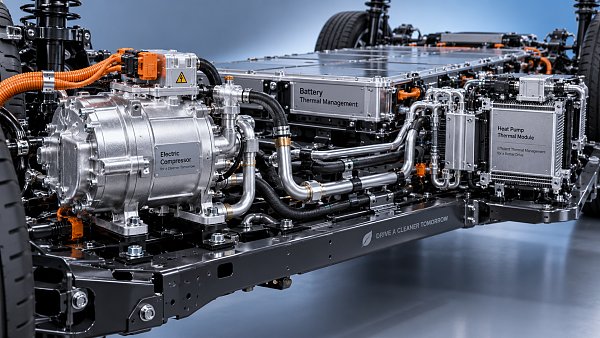
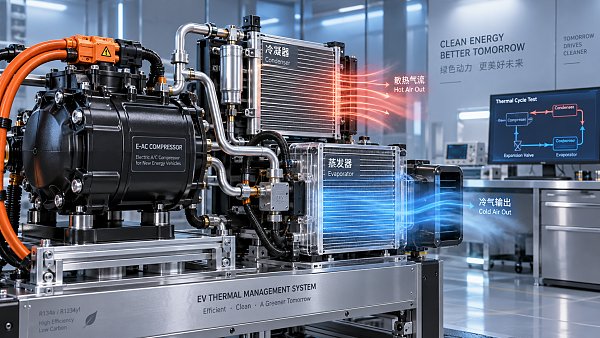
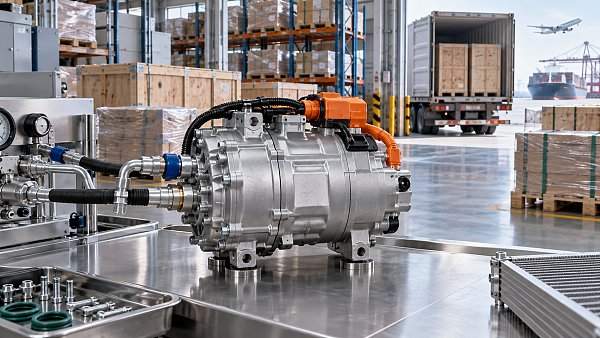
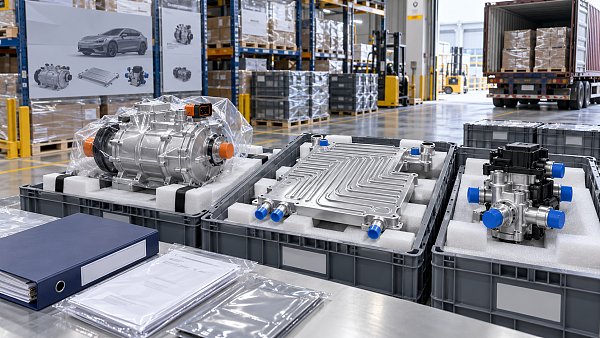
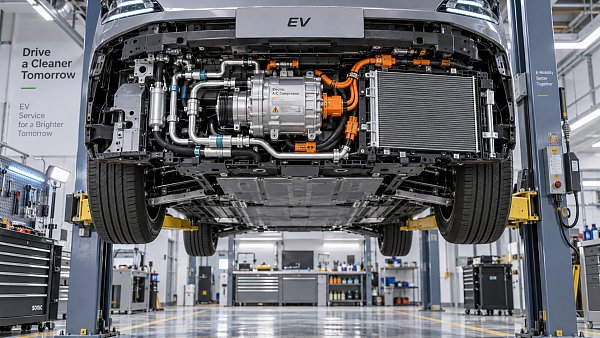
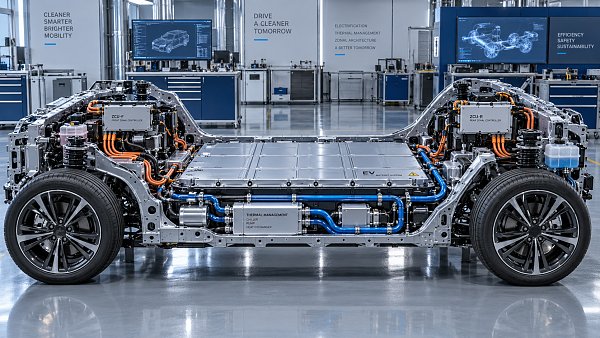
Electric compressors and integrated thermal modules have become central to battery range, cabin comfort, and charging stability. Their operation spans cooling, heating, defrosting, and component protection.
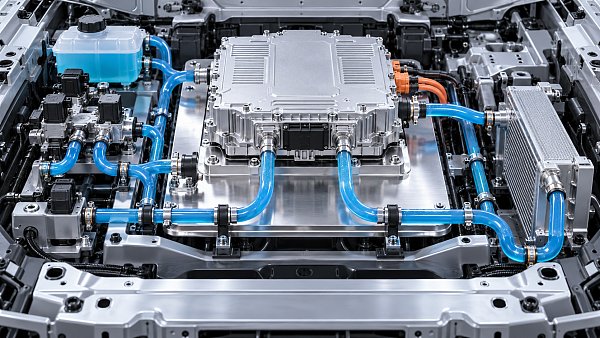
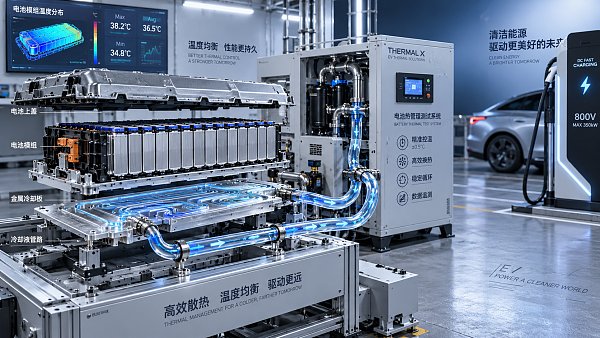
Unlike conventional cabin A/C, NEV thermal management must coordinate battery loops, e-drive cooling, heat pumps, chillers, and multi-way valves across 3–5 operating modes.
Compressor Control and NVH Trade-Offs
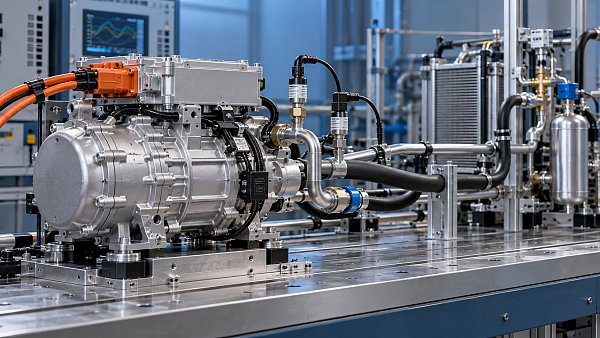
Variable-frequency electric compressors improve efficiency but create new automotive electromechanical risks. Inverter control, oil return, refrigerant compatibility, and acoustic behavior must be assessed together.
At low cabin loads, excessive cycling can increase noise and reduce lifetime. At high loads, insufficient cooling may limit battery fast charging or power output.
Thermal Control Parameters to Review
- Cooling capacity range, commonly assessed across 2 kW–10 kW depending on vehicle segment.
- Compressor speed control stability during rapid cabin setpoint changes and battery cooling demand.
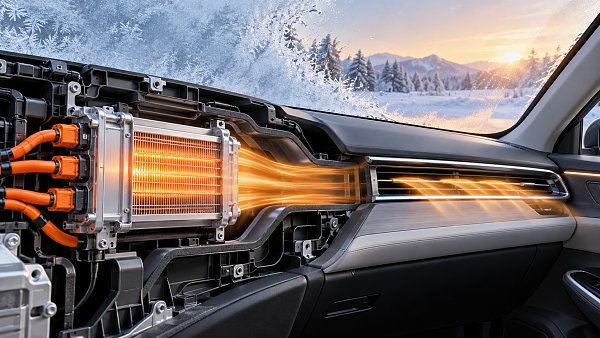
- Defrost algorithm response at subzero ambient conditions, especially around -10°C to -25°C.
- Valve leakage, actuator position feedback, and coolant pump performance under mixed thermal modes.
The table below outlines decision factors for evaluating thermal modules and electric compressor suppliers during sourcing, prototype validation, or platform upgrade programs.
The strongest suppliers provide traceable links between simulation, bench testing, and vehicle data. This linkage helps evaluators avoid optimistic thermal claims that fail in cold, humid, or high-load environments.
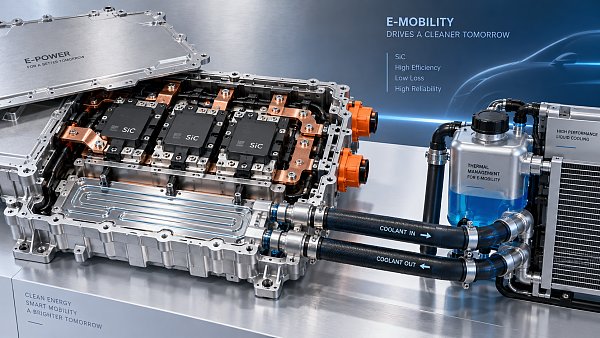
Battery Thermal Safety and Energy Efficiency
Battery temperature imbalance can accelerate aging and limit fast charging. Many platforms target narrow thermal windows, often around 20°C–40°C during demanding charge and discharge events.
Automotive electromechanical design should therefore verify pump response, valve accuracy, sensor redundancy, and compressor availability during overlapping cabin heating and battery conditioning requests.
Smart Cabin Electronics and IVI Reliability Risks
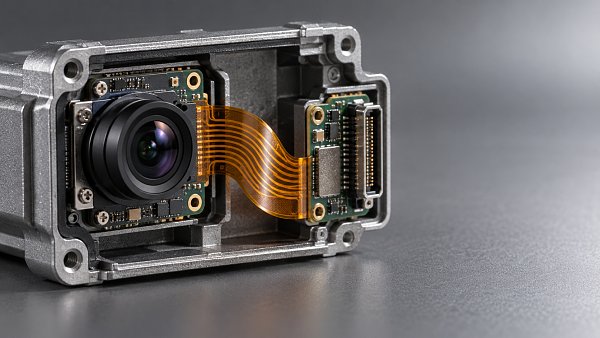
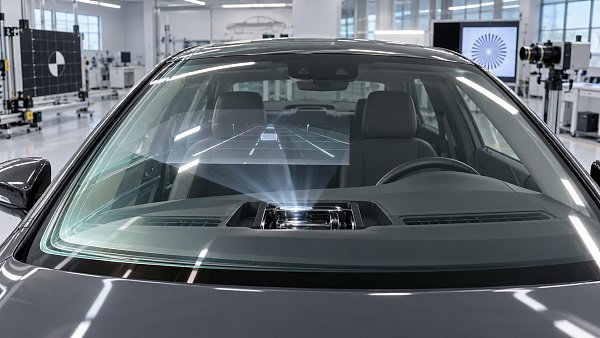
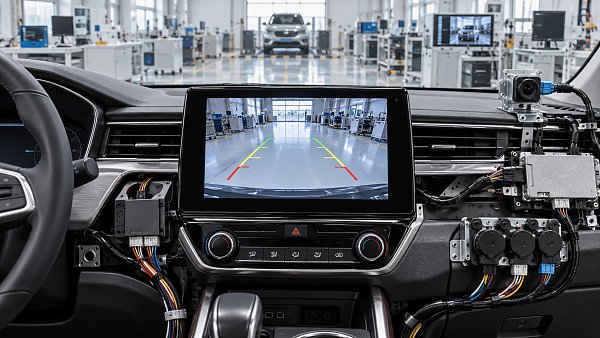
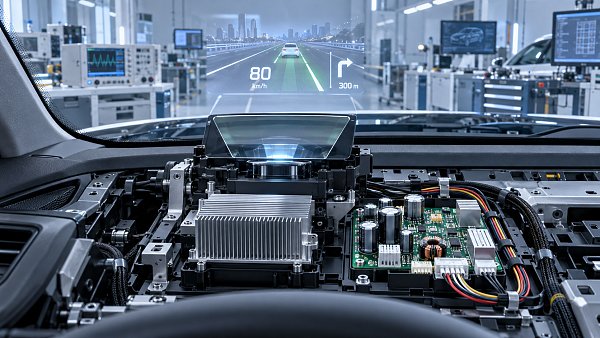
In-vehicle infotainment has become the “soul” of human-machine interaction, integrating multi-screen displays, AR-HUD, voice systems, cloud services, and domain controllers.
Although IVI may appear comfort-oriented, failures can distract drivers, block camera views, or interrupt vehicle settings. Reliability expectations now resemble mission-critical electronic control.
Power Transients and Boot Stability
Smart cabin modules face cold crank, load dump, wake-up storms, and sleep-current constraints. A design that boots in 8 seconds may still fail under unstable voltage.
Technical evaluators should review power sequencing, memory protection, watchdog policy, and recovery logic. The goal is not only a fast display, but predictable recovery after disturbance.
Common IVI Evaluation Mistakes
- Testing screens separately without checking domain controller thermal load during multi-screen operation.
- Ignoring cable insertion loss between camera, display, AR-HUD, and central computing units.
- Evaluating user interface response while overlooking sleep current and battery drain risks.
Data Bandwidth and Cabin Thermal Interaction
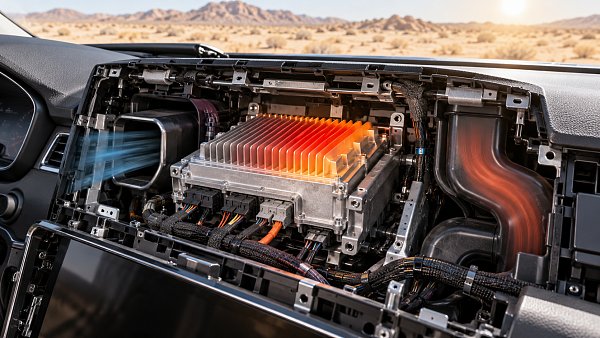
High-resolution displays and camera streams increase processing heat. When the cabin is parked under sun exposure, electronic modules may start near their thermal limit.
A complete automotive electromechanical review should connect IVI heat generation with HVAC behavior. Thermal throttling, display dimming, and fan noise can affect perceived quality.
Supplier Evaluation and Design Gate Checklist
For technical evaluators, supplier readiness is measured by evidence quality. Drawings, simulations, PPAP documents, and test reports must tell the same engineering story.
GACT’s intelligence perspective emphasizes cross-domain consistency. A harness supplier, compressor supplier, or steering electronics supplier should support vehicle-level validation, not only component-level compliance.
A 5-Step Review Flow
- Define system interfaces, including voltage levels, data links, coolant ports, mounting points, and diagnostic paths.
- Map operating stress across temperature, humidity, vibration, current, software load, and user scenarios.
- Compare simulation assumptions with bench data and at least 2 vehicle-level validation phases.
- Review failure mode controls, including diagnostics, derating, fallback operation, and service procedures.
- Confirm production controls for crimping, sealing, calibration, end-of-line testing, and change management.
Documentation That Deserves Priority
Automotive electromechanical sourcing decisions should prioritize documents that show design maturity. Useful evidence includes DFMEA, PFMEA, control plans, EMC reports, thermal maps, and endurance logs.
For early programs, a 2–4 week technical review can identify most major interface risks. For production nomination, evaluators should demand stronger traceability and change-control discipline.
Risk-Based Procurement Guidance
- Choose suppliers that can discuss vehicle integration, not only catalog specifications.
- Request test data under combined stress, such as heat plus vibration or voltage transient plus communication load.
- Check whether design changes require software recalibration, tooling updates, or new validation cycles.
- Evaluate supply-chain exposure for copper, aluminum, connector materials, and automotive-grade semiconductors.
Building Robustness into Future Vehicle Platforms
Automotive electromechanical failure points are becoming more interconnected as vehicles move toward electrification, intelligent cabins, and software-defined control. The evaluation boundary must expand accordingly.
The most valuable technical reviews identify weak interfaces before they become field issues. Signal paths, actuator loads, compressor behavior, and thermal loops should be assessed as one vehicle network.
GACT supports engineers, strategists, and sourcing teams with intelligence focused on wiring harnesses, steering systems, electric compressors, IVI electronics, and NEV thermal management architecture.
If your team needs sharper supplier evaluation, design risk mapping, or component trend insight, contact GACT to explore tailored intelligence support and learn more about practical automotive electromechanical solutions.
Related News
- 00
0000-00
How electric compressor speed affects EV battery cooling capacity - 00
0000-00
How to verify a variable frequency compressor supplier’s efficiency claims - 00
0000-00
How bend radius affects FPC reliability in automotive camera modules - 00
0000-00
How to diagnose intermittent loss of electric power steering assist - 00
0000-00
How to size automotive power modules for electric compressors
Weekly Insights
Stay ahead with our curated technology reports delivered every Monday.
Recommended News
 How electric compressor speed affects EV battery cooling capacityElectric compressor technology: battery cooling depends on more than RPM. Discover how speed, refrigerant flow, and system limits affect EV cooling capacity and energy efficiency.Author:Time:Oct 19, 2026
 How to verify a variable frequency compressor supplier’s efficiency claimsVerify a variable frequency compressor supplier’s efficiency claims using COP boundaries, matched test conditions, and duty-cycle data. Learn how to choose with confidence.Author:Time:Oct 18, 2026
 How bend radius affects FPC reliability in automotive camera modulesAutomotive FPC applications: camera module reliability starts with bend radius. Learn how stack-up, strain, and validation guide robust designs and help prevent costly failures.Author:Time:Oct 17, 2026
 How to diagnose intermittent loss of electric power steering assistMaster power steering system diagnostics to trace intermittent EPS assist loss. Learn proven checks for voltage, wiring, and fault codes to avoid costly guesswork.Author:Time:Oct 16, 2026
 How to size automotive power modules for electric compressorsSize automotive power modules for electric compressors with confidence. Learn how voltage, phase current, losses, and cooling shape reliable selection—and avoid costly oversizing.Author:Time:Oct 15, 2026
 Why automotive power electronics are shifting to silicon carbideAutomotive Power Electronics are shifting to silicon carbide. Discover how SiC can cut losses, boost EV power density, and reshape cooling, reliability, and system costs.Author:Time:Oct 14, 2026
 How EV adoption shapes the electrically driven compressor marketExplore how EV adoption shapes the electrically driven compressor market, from battery cooling and heat pumps to supplier margins. Discover the drivers of profitable growth.Author:Time:Oct 13, 2026
 How to size a PTC heater for reliable EV cabin heatingPTC Heater sizing for EV cabins: learn how to balance defrost performance, heat-pump integration, airflow, voltage range, and battery power for reliable winter comfort.Author:Time:Oct 12, 2026
 What determines the cooling output of electric automotive AC compressors?Automotive air conditioning compressors electric systems: explore how speed, voltage, refrigerant, controls, and heat exchangers shape EV cooling capacity and efficiency.Author:Time:Oct 11, 2026
 What makes a touchscreen media head unit responsive enough for daily use?Touchscreen media head unit performance explained: discover what delivers fast starts, smooth maps, reliable phone pairing, and responsive daily driving.Author:Time:Oct 10, 2026
 Can a Domain Controller Share a Cooling Loop with Other Electronics?Can a domain controller share a cooling loop with other electronics? Explore thermal zoning, flow control, safety priorities, and reliable vehicle electronics cooling strategies.Author:Time:Oct 19, 2026
 What Causes Domain Controller Overheating During Summer Testing?What causes domain controller overheating in summer testing? Explore heat load, airflow, installation, software factors, and practical fixes.Author:Time:Oct 18, 2026
 Is a Head-Up Display Hard to Integrate with Different Windshields?Is a head-up display difficult to integrate with different windshields? Discover how glass geometry, coatings, and calibration affect HUD clarity, cost, and production readiness.Author:Time:Oct 17, 2026
 What Should Be Checked Before Selecting an Automotive Head Unit?What should be checked before selecting an automotive head unit? Explore compatibility, performance, cybersecurity, compliance, and supplier support.Author:Time:Oct 16, 2026
 Is Steer-by-Wire More Expensive Than an EPS Steering System?Is steer-by-wire more expensive than an EPS steering system? Explore the true costs, safety demands, software value, and when SbW justifies its premium.Author:Time:Oct 15, 2026
 Which Automotive Electronics Need Validation for 800V Platforms?What automotive electronics should be validated for 800V platforms? Explore critical checks for harnesses, power electronics, thermal systems, safety, and EMC.Author:Time:Oct 14, 2026
 How Do Automotive Compressor Export Requirements Vary by Market?How do automotive compressor export requirements vary by market? Explore key compliance rules for refrigerants, EV safety, OEM approvals, labeling, and customs.Author:Time:Oct 13, 2026
 What Documents Are Needed to Export Automotive Thermal Components?What documents are needed to export automotive thermal components? Explore customs, compliance, technical records, and shipping tips to prevent costly delays.Author:Time:Oct 12, 2026
 How Often Should an EV Air Conditioning Compressor Be Inspected?How often should an EV air conditioning compressor be inspected? Discover recommended service intervals, warning signs, and expert care tips to protect cooling performance and EV reliability.Author:Time:Oct 11, 2026
 How to size power solutions for automotive head-up display systemsHeads-up display systems power solutions: learn how to size automotive HUD power architectures for startup, brightness, thermal limits, EMC, protection, and reliable vehicle operation.Author:Time:Oct 19, 2026
 How does a head-up display work in a high-performance car?Hoe werkt een head-up display in een high-performance auto en welke informatie toont het? Discover the tech, safety alerts, and performance data that sharpen every drive.Author:Time:Oct 18, 2026
 Which trends will shape zonal EV architectures in the next decade?Future trends in zonal EV architectures: explore smarter power distribution, 48V systems, thermal integration, software, and resilient networks shaping next-gen vehicles.Author:Time:Oct 17, 2026
 When does a zonal EV architecture outperform a centralized design?Explore the trade-offs between zonal and centralized EV architectures to identify the best path for harness efficiency, software scalability, safety, and faster EV launches.Author:Time:Oct 16, 2026
 How to compare vendors for zonal EV power architecturesComparing vendors for zonal EV power architectures: assess electrical capability, interface ownership, lifecycle support, and integration risk for smarter sourcing.Author:Time:Oct 15, 2026
 How zonal architectures can improve EV reliability at the system levelHow zonal architectures affect EV reliability: explore fault containment, diagnostics, power resilience, and software strategies for more dependable electric vehicles.Author:Time:Oct 14, 2026
 What is driving growth in the automotive E/E architecture market?Explore what drives the automotive electric electronic systems architecture market, from EV power systems and zonal computing to ADAS, cybersecurity, and software-defined vehicles.Author:Time:Oct 13, 2026
 How to evaluate top-rated vehicle electrical components for reliabilityDiscover how to evaluate top-rated vehicle electrical components for reliability, from connector integrity and thermal margins to validation data and manufacturing control.Author:Time:Oct 12, 2026
 What makes vehicle electrical components reliable over a long service life?Top-rated vehicle electrical components for reliability depend on thermal control, sealing, vibration resistance, and validated manufacturing. Discover how to choose durable parts.Author:Time:Oct 11, 2026
 How battery thermal management solutions prevent fast-charge overheatingBattery thermal management solutions prevent fast-charge overheating with intelligent cooling, valve control, predictive preconditioning, and reliable heat rejection.Author:Time:Oct 09, 2026
 What an automotive market report can reveal about EV demand shiftsAutomotive market report insights reveal EV demand shifts, component opportunities, regional risks, and smarter investment strategies for growth.Author:Time:Oct 08, 2026