Chassis Dynamics Trends Shaping EV Ride and Safety




As EV platforms evolve, chassis dynamics is becoming a decisive factor in ride comfort, safety, and brand differentiation. For the broader automotive industry, it now sits at the intersection of electrification, software control, steering architecture, braking coordination, and thermal packaging. Understanding these shifts helps frame better investment, engineering, sourcing, and partnership decisions across the value chain.
Why chassis dynamics now requires a checklist approach
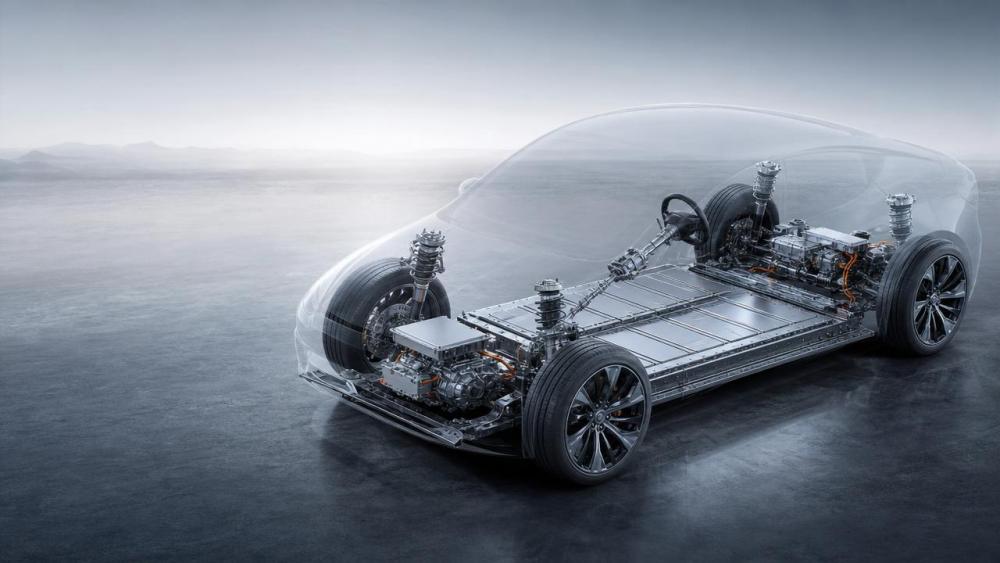
EVs change the physical rules behind vehicle behavior. Battery mass increases curb weight, torque response becomes immediate, and packaging priorities move around the floor, axles, and thermal loops.
At the same time, software-defined control grows more important. Steer-by-wire, brake blending, active damping, rear-wheel steering, and integrated thermal systems all influence chassis dynamics in real time.
A checklist helps compare platforms consistently. It reduces the risk of evaluating ride and safety through isolated components instead of through system-level vehicle behavior.
Core checklist: trends shaping EV ride and safety
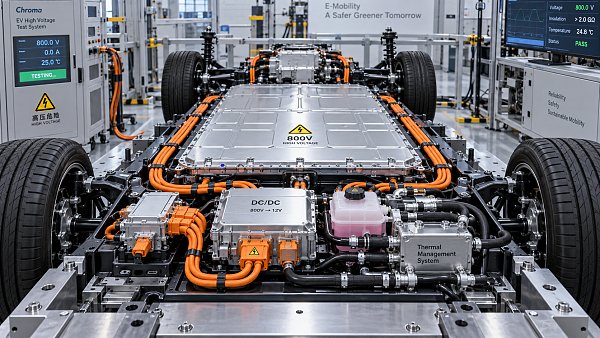
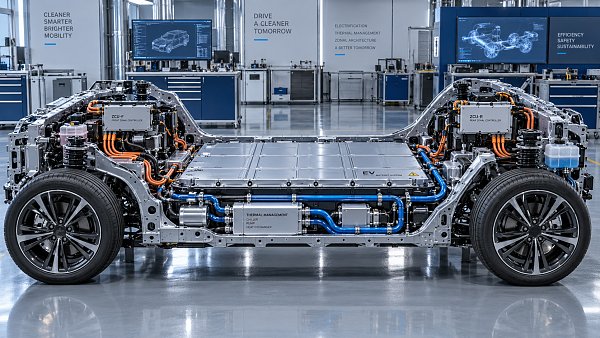
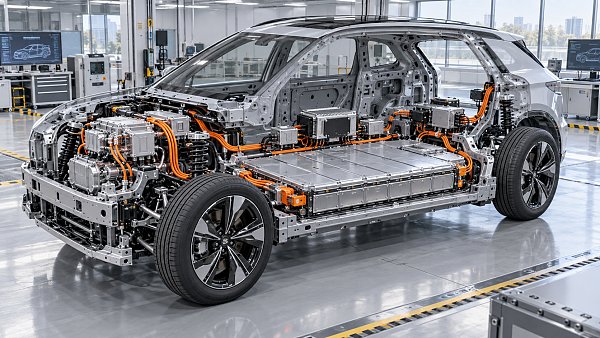
- Assess battery placement early, because floor-mounted packs lower the center of gravity while increasing mass sensitivity in pitch, roll, tire loading, and impact response.
- Measure torque delivery calibration, since abrupt motor output can upset traction, ride refinement, and corner exit stability if software tuning lags hardware capability.
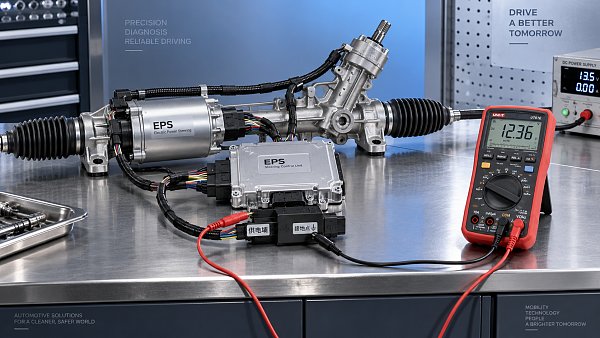
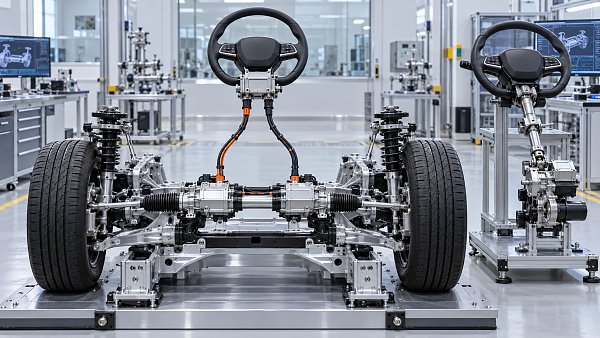
- Verify steering architecture choices, especially as EPS evolves toward steer-by-wire, bringing packaging freedom, redundancy needs, and new expectations for steering feel.
- Check brake blending logic, because regenerative braking and friction braking must transition smoothly to preserve stopping confidence, pedal consistency, and vehicle balance.
- Review suspension control bandwidth, including semi-active or active damping, to handle EV mass, suppress body motion, and improve high-frequency ride isolation.
- Examine tire strategy closely, as low rolling resistance targets can conflict with grip, noise, wet handling, and the broader goals of chassis dynamics.
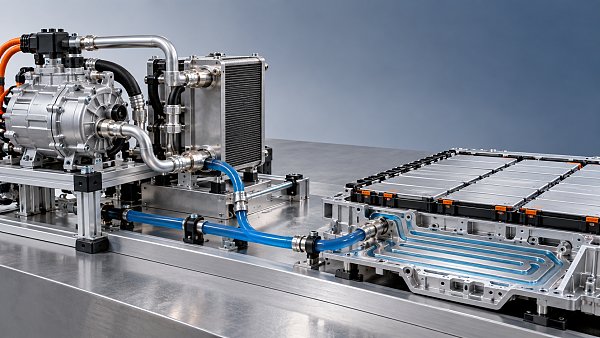
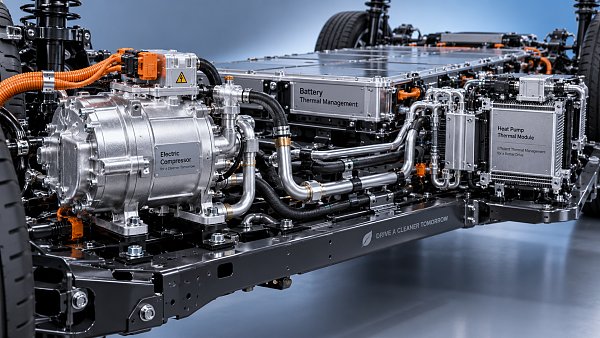
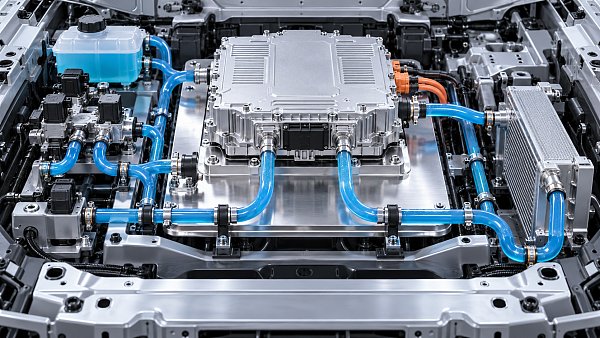
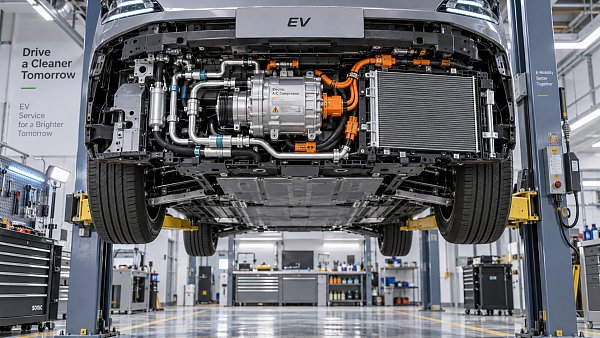
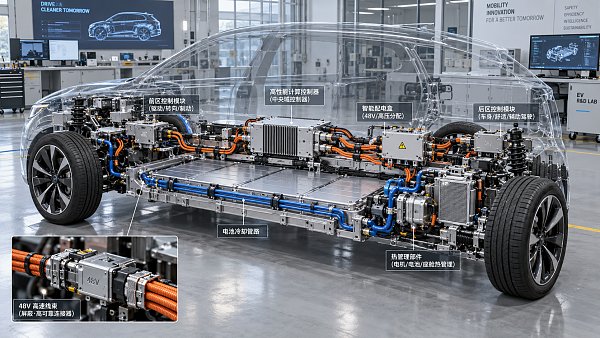
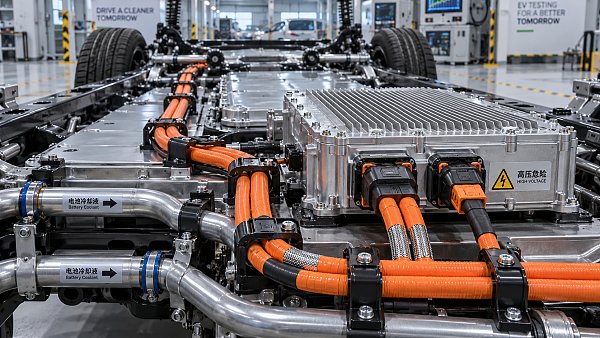
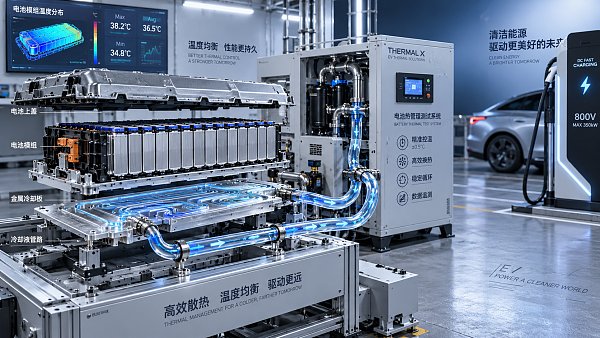
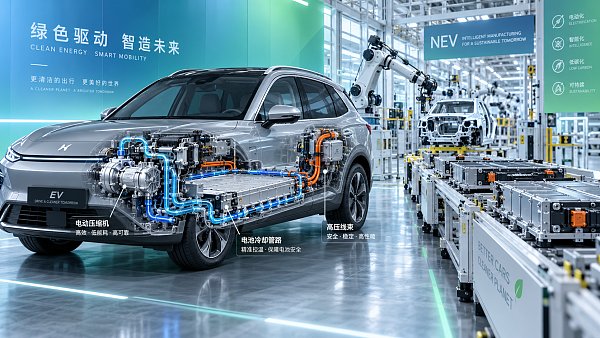
- Map thermal system integration, because battery cooling lines, e-drive loops, and heat pump components influence front-rear weight distribution and underbody stiffness constraints.
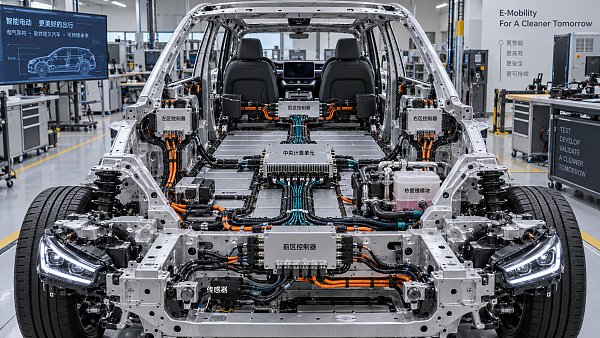
- Test domain control coordination, ensuring steering, braking, torque vectoring, and damping functions share fast data and avoid contradictory interventions.
- Evaluate redundancy and fail-operational design, particularly for steer-by-wire and brake-by-wire systems supporting advanced driver assistance and future automated driving.
- Benchmark software update capability, since modern chassis dynamics increasingly improves after launch through calibration revisions, cloud diagnostics, and scenario-based tuning.
How these trends play out across application scenarios
Urban EV platforms
In city-focused vehicles, low-speed comfort and maneuverability often matter more than outright lateral performance. Here, chassis dynamics depends heavily on steering precision, curb-impact filtering, and smooth brake regeneration.
Compact packaging also raises trade-offs. Thermal modules, wiring routes, and front-end electronics can crowd suspension space, making integration discipline essential from concept stage onward.
Premium and performance EVs
In premium segments, customers expect both quiet ride and sharp response. That pushes chassis dynamics toward active damping, rear-wheel steering, torque vectoring, and refined steering feedback models.
Software quality becomes a brand signature. Two vehicles may share similar hardware, yet differ greatly in body control, transient stability, and confidence during fast lane changes.
Commercial and multi-purpose electric vehicles
Heavier payload variation changes the problem. Suspension tuning must remain stable across empty and fully loaded conditions, while tire wear, braking consistency, and rollover resistance gain importance.
For these applications, chassis dynamics is closely linked to durability and uptime. Poor control calibration can accelerate component fatigue and reduce confidence in long-duty operations.
Commonly overlooked factors and risk alerts
Ignoring thermal-packaging effects
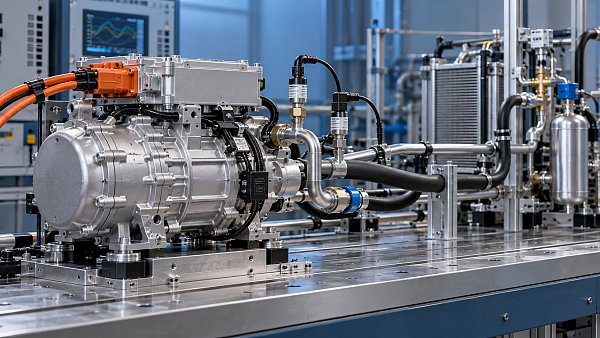
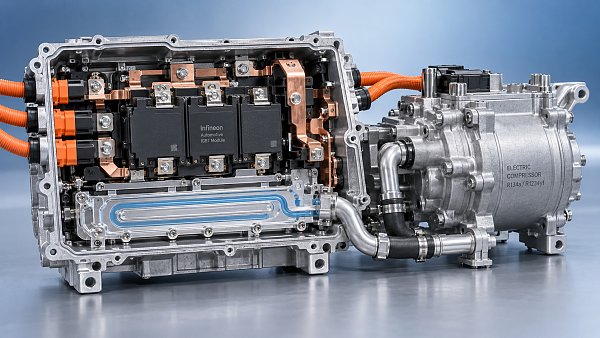
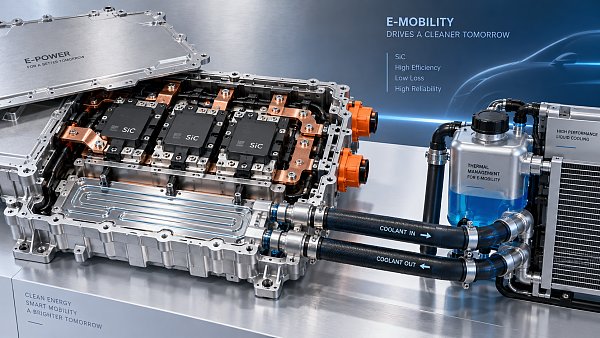
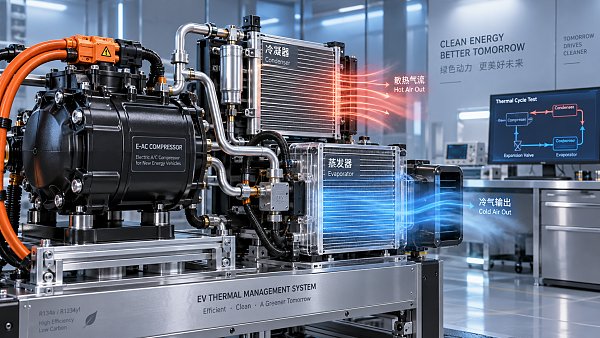
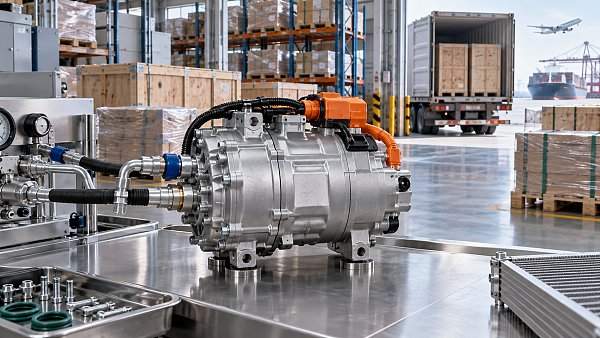
Thermal systems are often treated as separate efficiency modules. In reality, compressors, valves, refrigerant lines, coolant routing, and protective structures influence mass distribution, stiffness paths, and service access.
Over-prioritizing single metrics
A vehicle can post strong skidpad or range numbers yet still feel unstable, noisy, or inconsistent in daily use. Good chassis dynamics requires balancing comfort, grip, predictability, and control harmony.
Separating hardware teams from software teams
Many ride and handling issues no longer originate in springs or bushings alone. They emerge from mismatched control logic, signal latency, or poor arbitration between braking, steering, and propulsion systems.
Underestimating steering transition risk
As steer-by-wire expands, safety cases become broader than mechanical substitution. Validation must cover redundancy, cybersecurity, actuator feel mapping, and degraded-mode behavior under real road disturbances.
Execution guidance for stronger chassis decisions
- Build cross-functional reviews that include chassis, thermal, E/E architecture, and control software from the earliest packaging phase.
- Define scenario-based targets, covering potholes, split-friction braking, emergency lane changes, and mixed regen-friction deceleration events.
- Use supplier assessments that compare subsystem maturity and system integration readiness, not just unit cost or peak technical specifications.
- Prioritize data logging and over-the-air calibration pathways so chassis dynamics can improve after fleet feedback and field validation.
A practical evaluation matrix
Conclusion and next-step action
The next wave of EV competition will not be won by battery size or screen count alone. It will be shaped by how effectively chassis dynamics connects steering, braking, suspension, software, and thermal integration into one coherent driving experience.
A practical next step is to audit current programs against the checklist above. Identify where control domains remain siloed, where thermal packaging alters vehicle balance, and where steer-by-wire or brake blending maturity still lags.
For organizations tracking underlying automotive controls, smart cabin electronics, and NEV thermal systems, this system-level view creates clearer signals on future platform winners, supplier opportunities, and technology barriers that will define long-term competitiveness.
Related News
- 00
0000-00
How electric compressor speed affects EV battery cooling capacity - 00
0000-00
How to verify a variable frequency compressor supplier’s efficiency claims - 00
0000-00
How bend radius affects FPC reliability in automotive camera modules - 00
0000-00
How to diagnose intermittent loss of electric power steering assist - 00
0000-00
How to size automotive power modules for electric compressors
Weekly Insights
Stay ahead with our curated technology reports delivered every Monday.
Recommended News
 How electric compressor speed affects EV battery cooling capacityElectric compressor technology: battery cooling depends on more than RPM. Discover how speed, refrigerant flow, and system limits affect EV cooling capacity and energy efficiency.Author:Time:Oct 19, 2026
 How to verify a variable frequency compressor supplier’s efficiency claimsVerify a variable frequency compressor supplier’s efficiency claims using COP boundaries, matched test conditions, and duty-cycle data. Learn how to choose with confidence.Author:Time:Oct 18, 2026
 How bend radius affects FPC reliability in automotive camera modulesAutomotive FPC applications: camera module reliability starts with bend radius. Learn how stack-up, strain, and validation guide robust designs and help prevent costly failures.Author:Time:Oct 17, 2026
 How to diagnose intermittent loss of electric power steering assistMaster power steering system diagnostics to trace intermittent EPS assist loss. Learn proven checks for voltage, wiring, and fault codes to avoid costly guesswork.Author:Time:Oct 16, 2026
 How to size automotive power modules for electric compressorsSize automotive power modules for electric compressors with confidence. Learn how voltage, phase current, losses, and cooling shape reliable selection—and avoid costly oversizing.Author:Time:Oct 15, 2026
 Why automotive power electronics are shifting to silicon carbideAutomotive Power Electronics are shifting to silicon carbide. Discover how SiC can cut losses, boost EV power density, and reshape cooling, reliability, and system costs.Author:Time:Oct 14, 2026
 How EV adoption shapes the electrically driven compressor marketExplore how EV adoption shapes the electrically driven compressor market, from battery cooling and heat pumps to supplier margins. Discover the drivers of profitable growth.Author:Time:Oct 13, 2026
 How to size a PTC heater for reliable EV cabin heatingPTC Heater sizing for EV cabins: learn how to balance defrost performance, heat-pump integration, airflow, voltage range, and battery power for reliable winter comfort.Author:Time:Oct 12, 2026
 What determines the cooling output of electric automotive AC compressors?Automotive air conditioning compressors electric systems: explore how speed, voltage, refrigerant, controls, and heat exchangers shape EV cooling capacity and efficiency.Author:Time:Oct 11, 2026
 What makes a touchscreen media head unit responsive enough for daily use?Touchscreen media head unit performance explained: discover what delivers fast starts, smooth maps, reliable phone pairing, and responsive daily driving.Author:Time:Oct 10, 2026
 Can a Domain Controller Share a Cooling Loop with Other Electronics?Can a domain controller share a cooling loop with other electronics? Explore thermal zoning, flow control, safety priorities, and reliable vehicle electronics cooling strategies.Author:Time:Oct 19, 2026
 What Causes Domain Controller Overheating During Summer Testing?What causes domain controller overheating in summer testing? Explore heat load, airflow, installation, software factors, and practical fixes.Author:Time:Oct 18, 2026
 Is a Head-Up Display Hard to Integrate with Different Windshields?Is a head-up display difficult to integrate with different windshields? Discover how glass geometry, coatings, and calibration affect HUD clarity, cost, and production readiness.Author:Time:Oct 17, 2026
 What Should Be Checked Before Selecting an Automotive Head Unit?What should be checked before selecting an automotive head unit? Explore compatibility, performance, cybersecurity, compliance, and supplier support.Author:Time:Oct 16, 2026
 Is Steer-by-Wire More Expensive Than an EPS Steering System?Is steer-by-wire more expensive than an EPS steering system? Explore the true costs, safety demands, software value, and when SbW justifies its premium.Author:Time:Oct 15, 2026
 Which Automotive Electronics Need Validation for 800V Platforms?What automotive electronics should be validated for 800V platforms? Explore critical checks for harnesses, power electronics, thermal systems, safety, and EMC.Author:Time:Oct 14, 2026
 How Do Automotive Compressor Export Requirements Vary by Market?How do automotive compressor export requirements vary by market? Explore key compliance rules for refrigerants, EV safety, OEM approvals, labeling, and customs.Author:Time:Oct 13, 2026
 What Documents Are Needed to Export Automotive Thermal Components?What documents are needed to export automotive thermal components? Explore customs, compliance, technical records, and shipping tips to prevent costly delays.Author:Time:Oct 12, 2026
 How Often Should an EV Air Conditioning Compressor Be Inspected?How often should an EV air conditioning compressor be inspected? Discover recommended service intervals, warning signs, and expert care tips to protect cooling performance and EV reliability.Author:Time:Oct 11, 2026
 How to size power solutions for automotive head-up display systemsHeads-up display systems power solutions: learn how to size automotive HUD power architectures for startup, brightness, thermal limits, EMC, protection, and reliable vehicle operation.Author:Time:Oct 19, 2026
 How does a head-up display work in a high-performance car?Hoe werkt een head-up display in een high-performance auto en welke informatie toont het? Discover the tech, safety alerts, and performance data that sharpen every drive.Author:Time:Oct 18, 2026
 Which trends will shape zonal EV architectures in the next decade?Future trends in zonal EV architectures: explore smarter power distribution, 48V systems, thermal integration, software, and resilient networks shaping next-gen vehicles.Author:Time:Oct 17, 2026
 When does a zonal EV architecture outperform a centralized design?Explore the trade-offs between zonal and centralized EV architectures to identify the best path for harness efficiency, software scalability, safety, and faster EV launches.Author:Time:Oct 16, 2026
 How to compare vendors for zonal EV power architecturesComparing vendors for zonal EV power architectures: assess electrical capability, interface ownership, lifecycle support, and integration risk for smarter sourcing.Author:Time:Oct 15, 2026
 How zonal architectures can improve EV reliability at the system levelHow zonal architectures affect EV reliability: explore fault containment, diagnostics, power resilience, and software strategies for more dependable electric vehicles.Author:Time:Oct 14, 2026
 What is driving growth in the automotive E/E architecture market?Explore what drives the automotive electric electronic systems architecture market, from EV power systems and zonal computing to ADAS, cybersecurity, and software-defined vehicles.Author:Time:Oct 13, 2026
 How to evaluate top-rated vehicle electrical components for reliabilityDiscover how to evaluate top-rated vehicle electrical components for reliability, from connector integrity and thermal margins to validation data and manufacturing control.Author:Time:Oct 12, 2026
 What makes vehicle electrical components reliable over a long service life?Top-rated vehicle electrical components for reliability depend on thermal control, sealing, vibration resistance, and validated manufacturing. Discover how to choose durable parts.Author:Time:Oct 11, 2026
 How battery thermal management solutions prevent fast-charge overheatingBattery thermal management solutions prevent fast-charge overheating with intelligent cooling, valve control, predictive preconditioning, and reliable heat rejection.Author:Time:Oct 09, 2026
 What an automotive market report can reveal about EV demand shiftsAutomotive market report insights reveal EV demand shifts, component opportunities, regional risks, and smarter investment strategies for growth.Author:Time:Oct 08, 2026