2026 cabin climate control trends shaping EV comfort




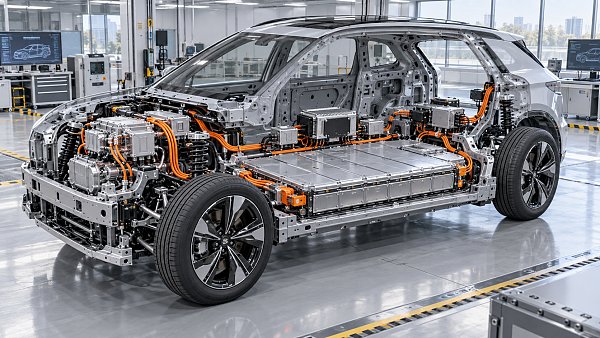
As EV competition shifts from range to in-cabin experience, cabin climate control is becoming a strategic differentiator for automakers and suppliers alike. In 2026, advances in heat pumps, variable-speed electric compressors, smart sensors, and integrated thermal architectures will redefine comfort, efficiency, and system value. For business decision-makers, understanding these trends is essential to capturing new opportunities across the evolving electric vehicle supply chain.
Why cabin climate control is now a board-level EV decision
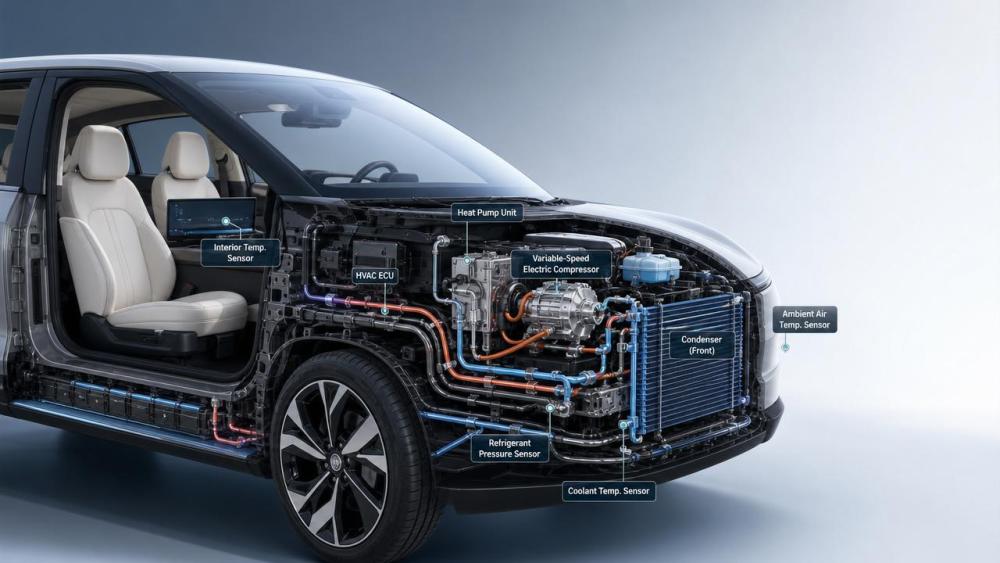
For EV programs, cabin climate control is no longer a comfort-only subsystem. It now directly affects winter range, charging readiness, acoustic quality, defog safety, cockpit electronics stability, and perceived premium value. That shift is especially important for executives managing product strategy, sourcing, and platform profitability.
In internal combustion vehicles, waste heat could support cabin heating. In battery electric vehicles, every kilowatt used for heating or cooling competes with propulsion. This changes the business case. A better cabin climate control architecture can improve user satisfaction while protecting energy efficiency and reducing warranty risk.
GACT tracks this transition from the component layer upward. Its focus on electric compressors, wiring harnesses, IVI, and NEV thermal management systems gives decision-makers a more realistic view of how signal control, refrigerant loops, valves, sensors, and software strategies work together in actual vehicle programs.
- Comfort expectations are rising because EV buyers compare silent cabins, fast warm-up, rear-seat zoning, and low-humidity defog performance across brands.
- Thermal integration is increasing because battery packs, e-drive units, power electronics, and cabin loops now share more hardware and controls.
- Procurement complexity is growing because one climate decision often affects compressor specification, valve count, sensor architecture, harness routing, and domain controller logic.
What will define cabin climate control trends in 2026?
The 2026 landscape will be shaped by six converging trends. They are technical, but each has a direct commercial consequence. The most successful suppliers and OEMs will not optimize them separately. They will treat cabin climate control as a system business tied to vehicle energy, software, and user experience.
1. Heat pump systems become the default, not the premium option
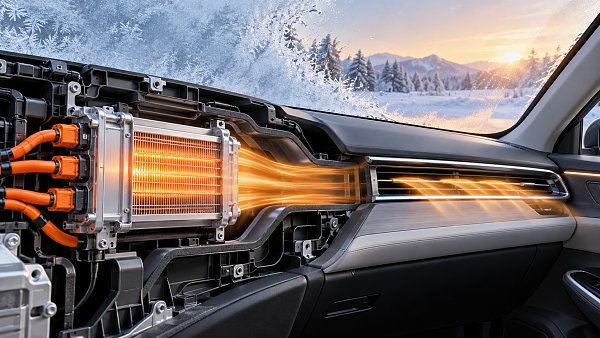
Heat pumps are moving from optional efficiency enhancers to mainstream architecture decisions. The main reason is cold-weather energy performance. As EV portfolios expand into mass-market segments and colder regions, the penalty of resistive heating becomes harder to justify.
2. Variable-speed electric compressors gain strategic importance
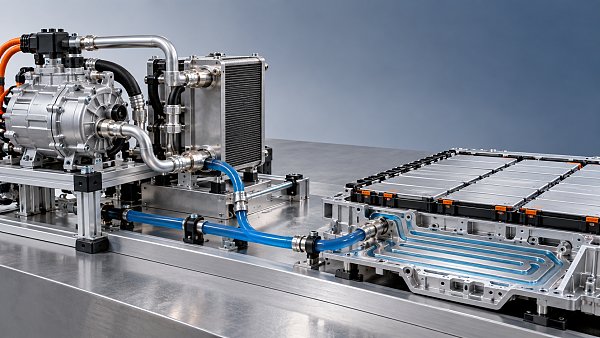
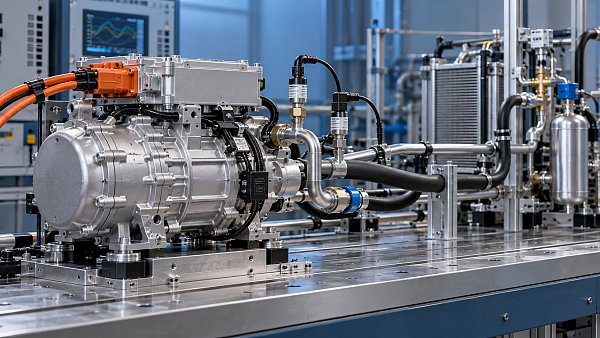
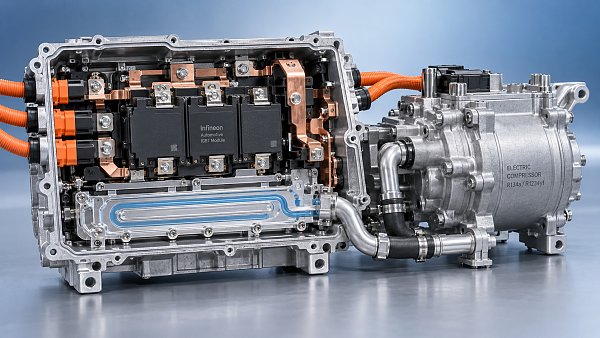
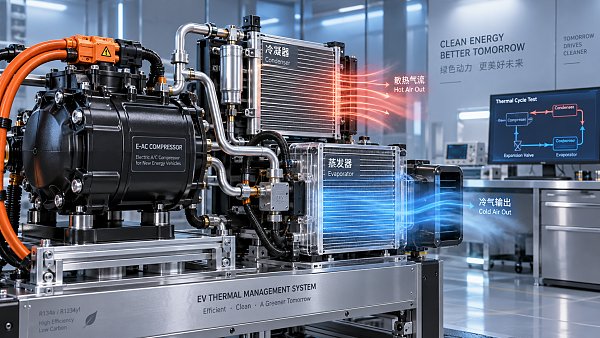
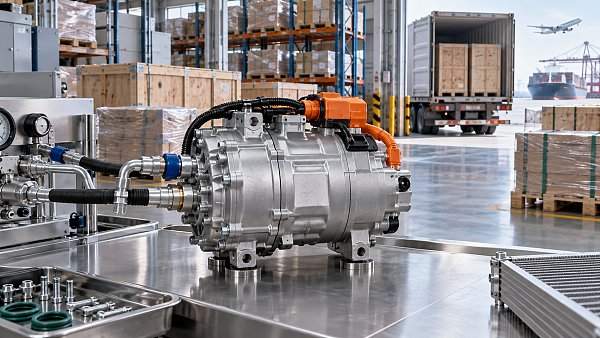
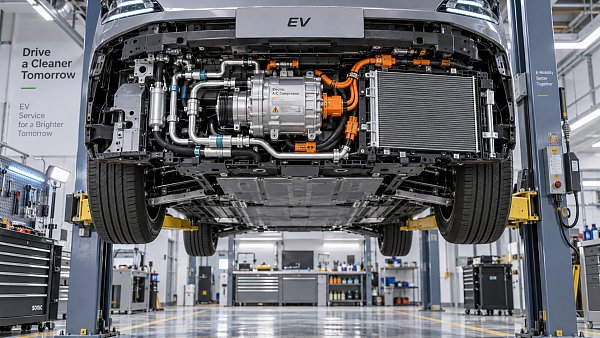
The electric compressor is the heart of modern cabin climate control. In 2026, variable-frequency designs will matter more for part-load efficiency, noise control, and precise thermal response. For decision-makers, compressor selection affects not only COP and pull-down time, but also NVH performance and inverter integration.
3. Smart sensing and software calibration become value drivers
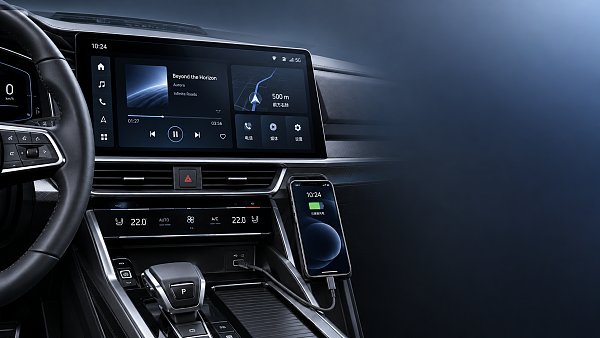
Cabin comfort will increasingly depend on sensor fusion rather than fixed HVAC logic. Solar load sensors, humidity detection, occupant presence recognition, air quality monitoring, windshield fog prediction, and seat-zone feedback will support more adaptive thermal control. This creates a stronger link between IVI, cabin electronics, and HVAC decisions.
4. Integrated thermal modules replace fragmented subsystems
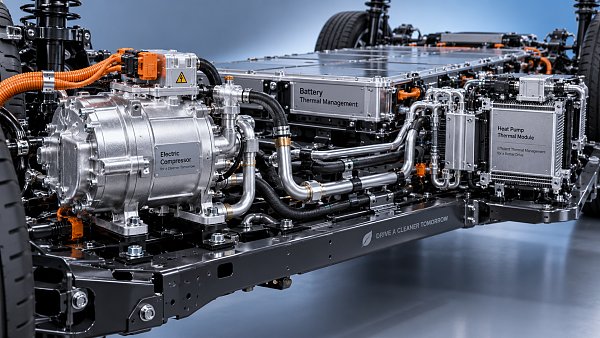
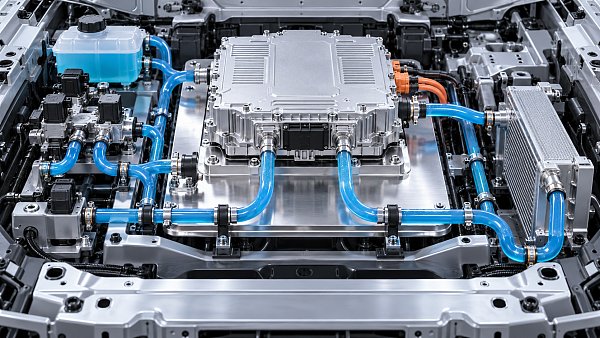
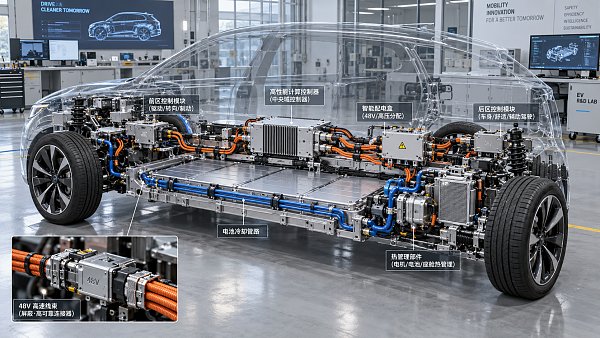
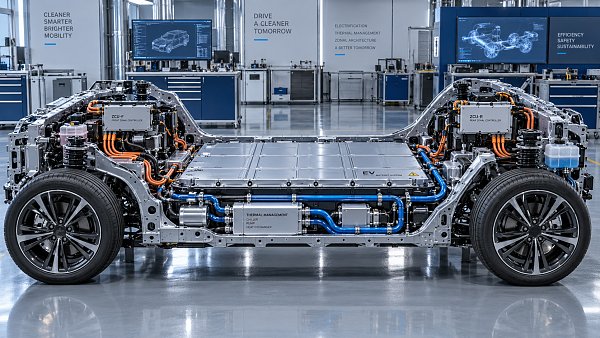
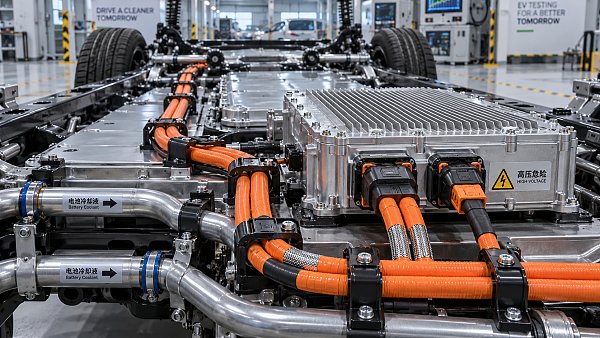
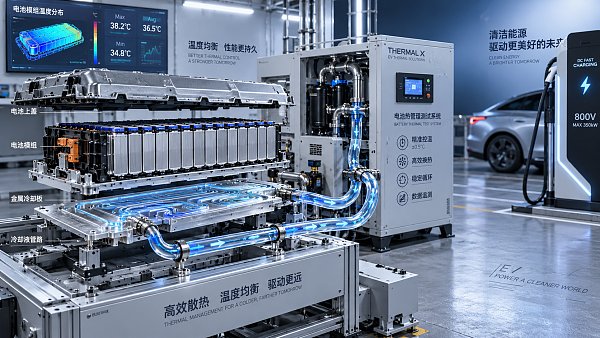
The market is moving toward compact thermal assemblies that combine valves, pumps, chillers, heat exchangers, sensors, and control logic. This can reduce package space and improve efficiency, but it raises integration risk. GACT’s intelligence approach is relevant here because integrated modules only perform well when electrical control and fluid routing are co-designed.
5. Low-noise comfort becomes a differentiator in silent EV cabins
In EVs, users hear more. Compressor tonal noise, blower harmonics, valve clicking, and refrigerant pulsation become more obvious. Cabin climate control suppliers that can reduce acoustic intrusion without sacrificing thermal output will win more premium and upper-mid market programs.
6. Thermal control is merging with platform software strategy
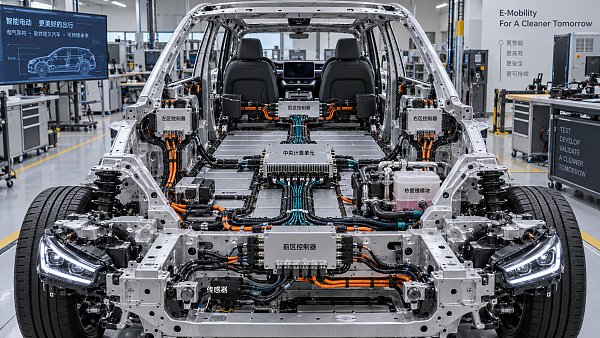
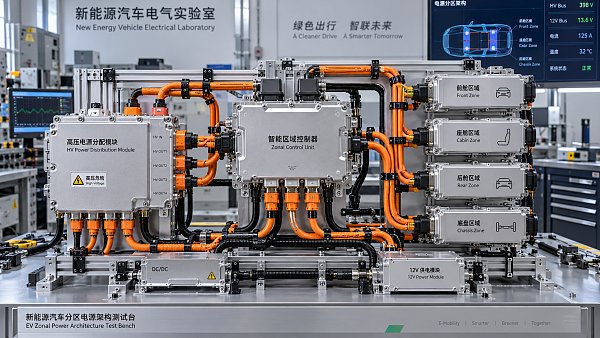
As zonal and domain architectures mature, climate logic will be less isolated. It will interact with battery preconditioning, navigation-based charging planning, ADAS compute cooling, and user profiles. That means sourcing teams must evaluate suppliers for software compatibility, diagnostics, and update readiness, not just hardware cost.
Which technologies will matter most in practical sourcing decisions?
The table below summarizes the main cabin climate control technologies shaping 2026 EV platforms and the procurement implications business leaders should watch closely.
The key takeaway is that no single component decides cabin climate control success. Programs that buy the lowest visible hardware cost without validating integration logic often create downstream losses in energy use, software complexity, and customer satisfaction.
How should executives compare cabin climate control architectures?
Executives often face three broad architecture choices: basic resistive systems, heat pump-centered systems, and highly integrated thermal management platforms. The right answer depends on vehicle segment, target region, software capability, and supplier ecosystem maturity.
This comparison table is useful when reviewing platform strategy, RFQ scope, or supplier nomination criteria for cabin climate control investment.
For many OEMs, the middle path will dominate in 2026. However, Tier 1 suppliers that prepare for higher integration now will be better positioned when platforms consolidate around fewer, smarter thermal modules.
What procurement teams should evaluate before selecting a cabin climate control solution
Buying cabin climate control hardware by component price alone is risky. Executive teams should adopt a cross-functional evaluation model that includes thermal engineering, electrical architecture, software calibration, quality, and aftersales serviceability.
Core evaluation checklist
- Check climate performance across both hot-soak cooling and cold-start heating conditions, not only nominal laboratory points.
- Review compressor speed map, power draw behavior, and NVH performance at partial load where users spend most operating time.
- Assess how the supplier handles harness interfaces, sensor count, diagnostics, and controller communication with broader vehicle electronics.
- Confirm service strategy for valves, sensors, and integrated modules, because lower part count can still create higher replacement cost if maintainability is poor.
- Ask for validation logic in regional scenarios such as humidity-heavy coastal use, northern winter defrosting, and urban stop-and-go load cycling.
GACT’s value is not limited to component observation. Its intelligence perspective helps decision-makers connect sourcing with upstream material volatility, access standards, and system evolution. That is important when compressor electrification, copper and aluminum content, and software-defined architecture all influence lifecycle economics.
Cost, alternatives, and the hidden economics of cabin climate control
The visible cost of cabin climate control is only part of the investment picture. A low-cost architecture can increase battery sizing pressure, reduce winter driving confidence, and create more customer complaints related to fogging, odor, or slow thermal response. Those downstream effects can outweigh the initial saving.
Where hidden costs usually appear
- Energy penalty cost: weak heating efficiency may require range compensation elsewhere in the vehicle program.
- Calibration cost: poorly matched components create longer tuning cycles and more launch risk.
- Warranty exposure: inadequate sensor robustness or valve control can trigger intermittent comfort issues that are expensive to diagnose.
- Brand perception cost: in EVs, comfort flaws are easier for users to notice and share publicly.
Alternatives still exist. Some cost-sensitive programs may combine a simplified heat pump with localized seat and steering heating to reduce total cabin load. Others may prioritize fast windshield defrost and front-row comfort over multi-zone sophistication. The best option depends on market positioning, not on a universal rule.
Which standards and compliance topics should not be overlooked?
Cabin climate control decisions intersect with several compliance areas. While exact requirements vary by market and vehicle program, decision-makers should align technical reviews with mainstream automotive quality, safety, EMC, refrigerant handling, and environmental expectations from the start.
- Functional safety and diagnostics matter more when valves, sensors, and controllers are tightly integrated with battery and e-drive thermal loops.
- EMC compatibility should be reviewed carefully for electric compressors, inverters, sensors, and communication networks within smart cabin architectures.
- Refrigerant strategy and service procedures must match regional regulations, workshop capability, and lifecycle support planning.
- Supplier process discipline, including common automotive quality frameworks, is essential when sourcing tightly coupled cabin climate control assemblies.
Executives should treat compliance as a design input, not a final checkpoint. Late corrections in thermal routing, controller logic, or connector protection often create costly delays in EV launches.
Common mistakes companies make when planning 2026 cabin climate control
Many organizations understand that cabin climate control matters, but they still underestimate where programs fail. The most common issues are strategic rather than purely technical.
Frequent decision errors
- Treating HVAC as a late-stage package problem instead of an early platform architecture decision.
- Selecting a compressor or heat pump strategy without considering harness load, controller communication, and software calibration capacity.
- Overemphasizing peak performance metrics while ignoring part-load acoustics and real-world transient comfort.
- Underestimating service complexity for highly integrated thermal modules in regional dealer networks.
- Assuming one global cabin climate control setup will satisfy all climate zones and customer expectations equally well.
Avoiding these errors requires better intelligence stitching between electrical controls, fluid behavior, and thermodynamic performance. That is precisely the analytical gap many sourcing and product teams need to close in the next two years.
FAQ: practical questions about cabin climate control investment
How do we choose between a standard EV HVAC system and a heat pump?
Start with target regions, vehicle segment, and range sensitivity. If your EV must perform credibly in cold climates or support mainstream buyers comparing winter usability, a heat pump-oriented cabin climate control strategy is often more competitive. If your use case is limited to mild climates and tight cost targets, a simpler system may still work, but only with a clear market trade-off.
What should we prioritize when sourcing electric compressors?
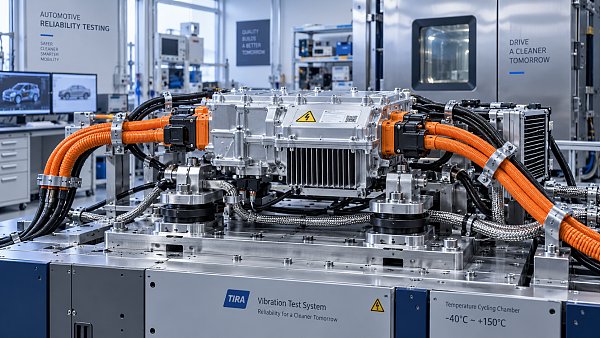
Do not prioritize peak cooling output alone. Evaluate speed controllability, low-load efficiency, acoustic behavior, inverter compatibility, and durability under vibration and thermal cycling. In EVs, the compressor affects comfort, efficiency, and brand perception simultaneously.
How important is cabin climate control software compared with hardware?
It is increasingly critical. Good hardware with weak control logic can still produce poor comfort, unstable humidity control, or excessive energy use. In 2026, software calibration, sensor fusion, and diagnostic strategy will be major differentiators, especially on integrated EV platforms.
What delivery and implementation topics should be discussed early?
Discuss prototype timing, validation scope, regional calibration support, wiring and connector compatibility, service documentation, and change management for integrated thermal modules. These factors often determine whether cabin climate control programs launch smoothly or face avoidable delays.
Why decision-makers are turning to GACT for cabin climate control insight
GACT is positioned around the component systems that increasingly define EV comfort and reliability: auto wiring harnesses, power steering systems, auto A/C compressors, IVI, and NEV thermal management systems. That coverage matters because cabin climate control is no longer isolated from vehicle electronics, energy strategy, or smart cockpit architecture.
Its Strategic Intelligence Center connects engineering detail with commercial relevance. For enterprise leaders, that means clearer visibility into technology evolution, supplier barriers, thermal integration direction, and material or compliance factors that can alter sourcing decisions.
What you can discuss with us
- Parameter confirmation for electric compressors, valve architectures, sensing layouts, and integrated thermal modules.
- Product selection support based on vehicle segment, climate region, cost target, and cabin climate control performance goals.
- Delivery cycle planning, including component readiness, validation coordination, and launch timing risks.
- Customized solution discussions covering smart cabin electronics, thermal loop integration, and software-linked control strategies.
- Certification and compliance review points relevant to automotive-grade access requirements and regional implementation concerns.
- Sample support and quotation communication for programs evaluating next-generation cabin climate control pathways.
If your team is planning 2026 EV platforms, now is the right time to examine how cabin climate control choices influence efficiency, comfort, system complexity, and supplier competitiveness. A better decision begins with better intelligence across components, controls, and thermal architecture.
Related News
- 00
0000-00
How electric compressor speed affects EV battery cooling capacity - 00
0000-00
How to verify a variable frequency compressor supplier’s efficiency claims - 00
0000-00
How bend radius affects FPC reliability in automotive camera modules - 00
0000-00
How to diagnose intermittent loss of electric power steering assist - 00
0000-00
How to size automotive power modules for electric compressors
Weekly Insights
Stay ahead with our curated technology reports delivered every Monday.
Recommended News
 How electric compressor speed affects EV battery cooling capacityElectric compressor technology: battery cooling depends on more than RPM. Discover how speed, refrigerant flow, and system limits affect EV cooling capacity and energy efficiency.Author:Time:Oct 19, 2026
 How to verify a variable frequency compressor supplier’s efficiency claimsVerify a variable frequency compressor supplier’s efficiency claims using COP boundaries, matched test conditions, and duty-cycle data. Learn how to choose with confidence.Author:Time:Oct 18, 2026
 How bend radius affects FPC reliability in automotive camera modulesAutomotive FPC applications: camera module reliability starts with bend radius. Learn how stack-up, strain, and validation guide robust designs and help prevent costly failures.Author:Time:Oct 17, 2026
 How to diagnose intermittent loss of electric power steering assistMaster power steering system diagnostics to trace intermittent EPS assist loss. Learn proven checks for voltage, wiring, and fault codes to avoid costly guesswork.Author:Time:Oct 16, 2026
 How to size automotive power modules for electric compressorsSize automotive power modules for electric compressors with confidence. Learn how voltage, phase current, losses, and cooling shape reliable selection—and avoid costly oversizing.Author:Time:Oct 15, 2026
 Why automotive power electronics are shifting to silicon carbideAutomotive Power Electronics are shifting to silicon carbide. Discover how SiC can cut losses, boost EV power density, and reshape cooling, reliability, and system costs.Author:Time:Oct 14, 2026
 How EV adoption shapes the electrically driven compressor marketExplore how EV adoption shapes the electrically driven compressor market, from battery cooling and heat pumps to supplier margins. Discover the drivers of profitable growth.Author:Time:Oct 13, 2026
 How to size a PTC heater for reliable EV cabin heatingPTC Heater sizing for EV cabins: learn how to balance defrost performance, heat-pump integration, airflow, voltage range, and battery power for reliable winter comfort.Author:Time:Oct 12, 2026
 What determines the cooling output of electric automotive AC compressors?Automotive air conditioning compressors electric systems: explore how speed, voltage, refrigerant, controls, and heat exchangers shape EV cooling capacity and efficiency.Author:Time:Oct 11, 2026
 What makes a touchscreen media head unit responsive enough for daily use?Touchscreen media head unit performance explained: discover what delivers fast starts, smooth maps, reliable phone pairing, and responsive daily driving.Author:Time:Oct 10, 2026
 Can a Domain Controller Share a Cooling Loop with Other Electronics?Can a domain controller share a cooling loop with other electronics? Explore thermal zoning, flow control, safety priorities, and reliable vehicle electronics cooling strategies.Author:Time:Oct 19, 2026
 What Causes Domain Controller Overheating During Summer Testing?What causes domain controller overheating in summer testing? Explore heat load, airflow, installation, software factors, and practical fixes.Author:Time:Oct 18, 2026
 Is a Head-Up Display Hard to Integrate with Different Windshields?Is a head-up display difficult to integrate with different windshields? Discover how glass geometry, coatings, and calibration affect HUD clarity, cost, and production readiness.Author:Time:Oct 17, 2026
 What Should Be Checked Before Selecting an Automotive Head Unit?What should be checked before selecting an automotive head unit? Explore compatibility, performance, cybersecurity, compliance, and supplier support.Author:Time:Oct 16, 2026
 Is Steer-by-Wire More Expensive Than an EPS Steering System?Is steer-by-wire more expensive than an EPS steering system? Explore the true costs, safety demands, software value, and when SbW justifies its premium.Author:Time:Oct 15, 2026
 Which Automotive Electronics Need Validation for 800V Platforms?What automotive electronics should be validated for 800V platforms? Explore critical checks for harnesses, power electronics, thermal systems, safety, and EMC.Author:Time:Oct 14, 2026
 How Do Automotive Compressor Export Requirements Vary by Market?How do automotive compressor export requirements vary by market? Explore key compliance rules for refrigerants, EV safety, OEM approvals, labeling, and customs.Author:Time:Oct 13, 2026
 What Documents Are Needed to Export Automotive Thermal Components?What documents are needed to export automotive thermal components? Explore customs, compliance, technical records, and shipping tips to prevent costly delays.Author:Time:Oct 12, 2026
 How Often Should an EV Air Conditioning Compressor Be Inspected?How often should an EV air conditioning compressor be inspected? Discover recommended service intervals, warning signs, and expert care tips to protect cooling performance and EV reliability.Author:Time:Oct 11, 2026
 How to size power solutions for automotive head-up display systemsHeads-up display systems power solutions: learn how to size automotive HUD power architectures for startup, brightness, thermal limits, EMC, protection, and reliable vehicle operation.Author:Time:Oct 19, 2026
 How does a head-up display work in a high-performance car?Hoe werkt een head-up display in een high-performance auto en welke informatie toont het? Discover the tech, safety alerts, and performance data that sharpen every drive.Author:Time:Oct 18, 2026
 Which trends will shape zonal EV architectures in the next decade?Future trends in zonal EV architectures: explore smarter power distribution, 48V systems, thermal integration, software, and resilient networks shaping next-gen vehicles.Author:Time:Oct 17, 2026
 When does a zonal EV architecture outperform a centralized design?Explore the trade-offs between zonal and centralized EV architectures to identify the best path for harness efficiency, software scalability, safety, and faster EV launches.Author:Time:Oct 16, 2026
 How to compare vendors for zonal EV power architecturesComparing vendors for zonal EV power architectures: assess electrical capability, interface ownership, lifecycle support, and integration risk for smarter sourcing.Author:Time:Oct 15, 2026
 How zonal architectures can improve EV reliability at the system levelHow zonal architectures affect EV reliability: explore fault containment, diagnostics, power resilience, and software strategies for more dependable electric vehicles.Author:Time:Oct 14, 2026
 What is driving growth in the automotive E/E architecture market?Explore what drives the automotive electric electronic systems architecture market, from EV power systems and zonal computing to ADAS, cybersecurity, and software-defined vehicles.Author:Time:Oct 13, 2026
 How to evaluate top-rated vehicle electrical components for reliabilityDiscover how to evaluate top-rated vehicle electrical components for reliability, from connector integrity and thermal margins to validation data and manufacturing control.Author:Time:Oct 12, 2026
 What makes vehicle electrical components reliable over a long service life?Top-rated vehicle electrical components for reliability depend on thermal control, sealing, vibration resistance, and validated manufacturing. Discover how to choose durable parts.Author:Time:Oct 11, 2026
 How battery thermal management solutions prevent fast-charge overheatingBattery thermal management solutions prevent fast-charge overheating with intelligent cooling, valve control, predictive preconditioning, and reliable heat rejection.Author:Time:Oct 09, 2026
 What an automotive market report can reveal about EV demand shiftsAutomotive market report insights reveal EV demand shifts, component opportunities, regional risks, and smarter investment strategies for growth.Author:Time:Oct 08, 2026