NEV Thermal Management Cost Drivers in 2026




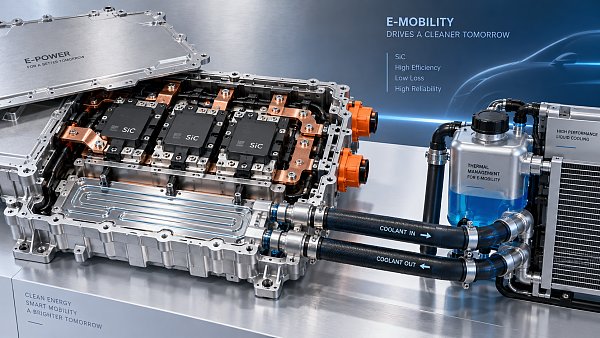
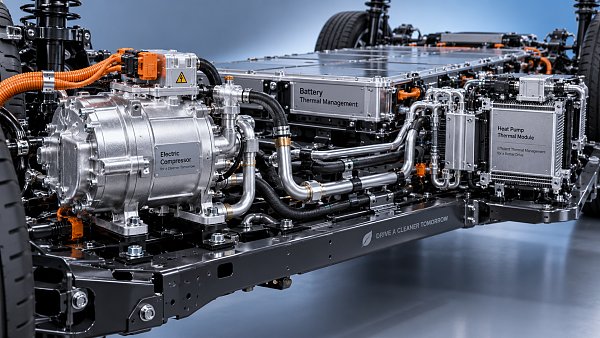
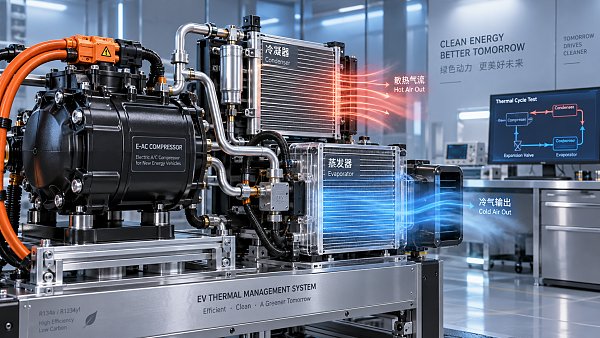
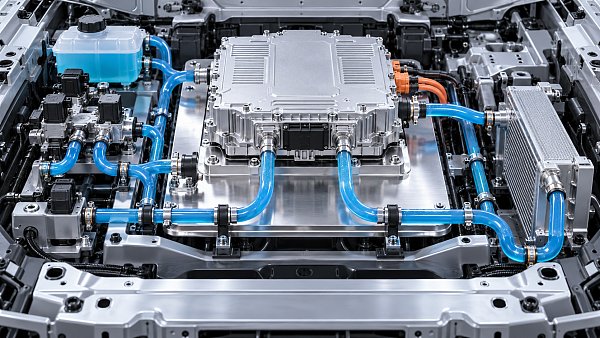
In 2026, NEV thermal management is no longer just an engineering topic—it is a board-level cost and margin issue. As heat pumps, integrated valve modules, electric compressors, battery cooling plates, and smart control algorithms become more complex, financial approvers must understand which design choices truly drive cost, efficiency, and supplier risk. This article examines the key cost drivers shaping procurement budgets, investment decisions, and long-term competitiveness across the NEV thermal value chain.
For finance leaders, the challenge is not simply approving a cheaper bill of materials. The real task is judging whether a NEV thermal management architecture can protect range, reliability, warranty exposure, and supplier continuity across a 5–8 year vehicle lifecycle.
Why NEV Thermal Management Cost Visibility Matters in 2026
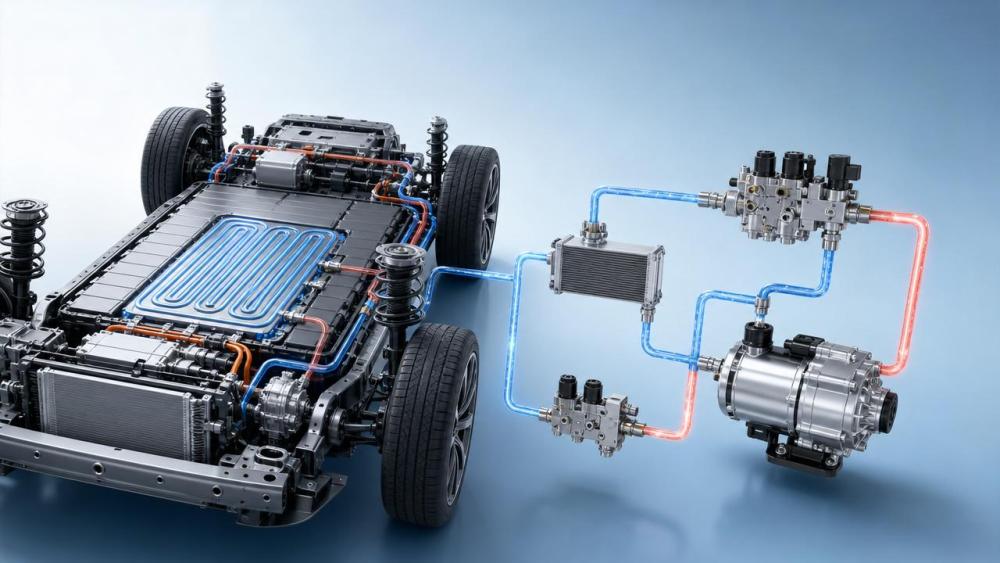
In a combustion vehicle, thermal decisions were often separated between engine cooling and cabin comfort. In an electric platform, battery conditioning, e-drive cooling, power electronics, cabin heating, and defrosting interact within one energy loop.
That interaction changes the approval logic. A component that saves 3% in procurement cost may reduce winter driving range, increase compressor load, or trigger higher warranty risk after 24–36 months of field operation.
The Cost Center Has Moved from Parts to System Behavior
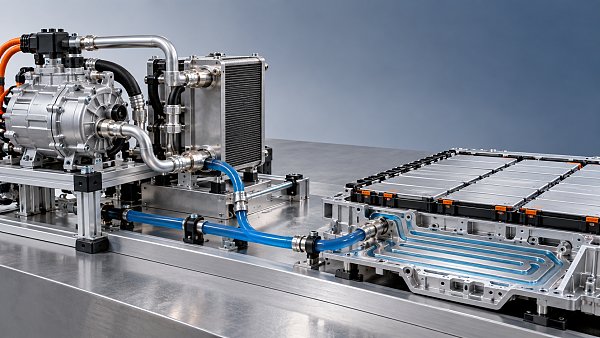
The highest-cost decisions in NEV thermal management are increasingly embedded in architecture. A heat pump loop with multi-way valves, coolant manifolds, sensors, and software can outperform a simple PTC heater, but only when calibrated for real use cycles.
Financial approvers should therefore evaluate 4 layers: hardware content, integration complexity, control strategy, and aftersales risk. Each layer affects capital allocation, supplier negotiations, and long-term margin protection.
Typical Financial Questions to Ask
- Does the system reduce energy consumption in both summer cooling and winter heating conditions?
- Can the supplier validate performance across -20°C to 45°C operating environments?
- Are electric compressor, valve, pump, and controller costs assessed as one thermal module?
- What is the expected impact on warranty claims, service labor, and replacement frequency?
- Does the design support platform reuse across 2–3 vehicle programs?
Key Cost Drivers Across the NEV Thermal Value Chain
The most visible cost driver is the component bill. Yet in 2026, finance teams should also examine engineering validation, tooling investment, thermal software, refrigerant strategy, and regional compliance requirements.
The following table summarizes common cost drivers that appear in procurement reviews for NEV thermal management systems. Actual values vary by platform size, battery capacity, localization level, and production volume.
The table shows why the lowest component quotation is rarely the lowest lifecycle cost. A better NEV thermal management decision links unit price with system efficiency, serviceability, and engineering maturity.
1. Heat Pump Complexity and Regional Use Cases
Heat pumps can reduce reliance on high-power PTC heating, especially in mild and cold climates. However, added valves, sensors, heat exchangers, and refrigerant flow paths increase sourcing and validation requirements.
For a platform sold in 3 climate zones, finance teams should ask whether one architecture can cover all regions or whether variants are needed. Variant proliferation can add tooling, inventory, and service training costs.
2. Battery Thermal Uniformity and Warranty Exposure
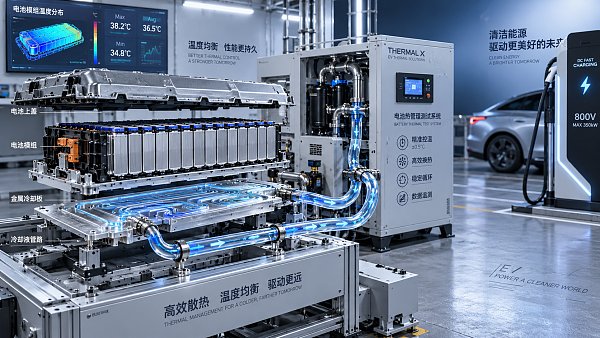
Battery packs need controlled temperature distribution during fast charging, high-load driving, and cold starts. A common evaluation target is keeping cell temperature deviation within a narrow range, often around 3°C–5°C depending on pack design.
If cooling plate design, coolant flow balance, or sensor feedback is weak, battery degradation may accelerate. This makes NEV thermal management a warranty risk management tool, not only a comfort feature.
3. Materials, Commodity Volatility, and Lightweighting
Aluminum, copper, engineered plastics, rubber hoses, and electronic components all influence cost stability. A design using fewer connectors and shorter coolant paths may reduce both weight and exposure to commodity fluctuation.
For approval, request a 12-month material sensitivity view. Even a 5% movement in aluminum or copper-related content can affect margins when annual volumes exceed tens of thousands of vehicles.
Architecture Choices: Integrated Module or Distributed Components
A central question for 2026 sourcing is whether to select highly integrated thermal modules or keep pumps, valves, manifolds, and heat exchangers distributed. The best answer depends on production scale, service strategy, and platform reuse.
Integrated NEV thermal management can reduce assembly steps and leakage points. Distributed layouts may offer easier replacement and greater supplier flexibility, especially in early-stage programs below stable annual volume.
Financial Comparison of Two Common Approaches
Financial approvers should compare total program cost instead of only purchase price. The table below outlines practical differences that often appear during sourcing, engineering change, and service planning.
The key conclusion is not that one structure is always superior. Finance teams should match integration depth with volume certainty, service economics, and the organization’s ability to manage technical dependency.
Decision Thresholds Worth Reviewing
- Annual platform volume and whether it supports dedicated tooling amortization within 3–5 years.
- Expected warranty reserve for thermal faults, including leakage, compressor failure, and control errors.
- Number of vehicle derivatives sharing the same battery pack and cabin HVAC requirements.
- Service network readiness, including diagnostic tools and replacement labor time.
Supplier Risk, Validation Cost, and Commercial Control
NEV thermal management sourcing requires a different supplier scorecard from traditional HVAC procurement. The supplier must demonstrate electromechanical control, fluid dynamics understanding, software calibration, and automotive-grade manufacturing discipline.
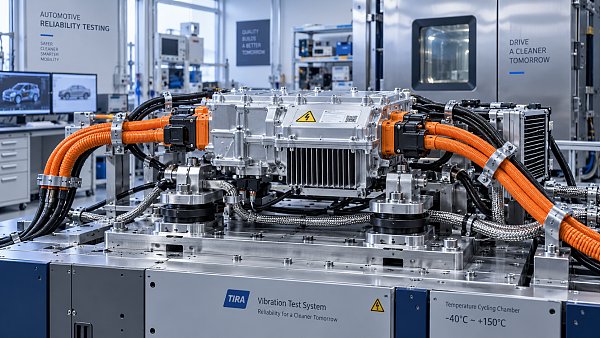
A low quotation without validation depth may create hidden cost. Typical design verification can involve thermal cycling, vibration, pressure retention, electromagnetic compatibility checks, and endurance testing over multiple sample phases.
Five Checks Before Budget Approval
- Technical maturity: Review whether the supplier has experience with heat pump loops, electric compressors, and battery cooling interfaces.
- Validation schedule: Confirm sample delivery, bench testing, vehicle calibration, and sign-off windows, often requiring 12–24 weeks.
- Cost transparency: Separate material, tooling, software, testing, logistics, and aftersales assumptions.
- Supply resilience: Identify single-source chips, valves, sensors, seals, and compressor electronics.
- Change control: Define who pays for redesign when pack layout, refrigerant choice, or cabin performance targets change.
Validation Is a Cost Driver, Not an Administrative Step
Thermal systems operate under harsh load changes. Fast charging may push battery cooling demand, while winter startup requires cabin heating, windshield defrosting, and battery preconditioning at the same time.
A structured validation plan should cover at least 3 stages: component bench verification, system rig testing, and vehicle-level calibration. Skipping one stage often transfers cost into later engineering changes.
Commercial Clauses That Protect Margin
Finance teams should request clear liability boundaries for leakage, controller failure, and field software updates. Payment milestones can be linked to measurable gates such as pressure decay results, thermal response time, or vehicle winter tests.
For higher-risk programs, consider a phased commitment: prototype sourcing, pre-production validation, and volume award. This 3-step structure reduces exposure before the final NEV thermal management design is proven.
Procurement Framework for Financial Approvers
A practical approval framework should connect technical decisions with measurable financial outcomes. Instead of asking only whether the price is acceptable, approvers should ask whether the thermal strategy supports product positioning.
For a long-range premium vehicle, efficient heat pump performance and low cabin noise may justify additional cost. For an entry model, a simplified NEV thermal management loop may be more appropriate if range promises remain realistic.
A 6-Point Approval Checklist
- Define the target climate range, including hot, cold, and humid use cases.
- Compare lifecycle cost, not only the first-year purchase price.
- Confirm platform sharing potential across at least 2 vehicle derivatives where possible.
- Review thermal performance under charging, acceleration, and cabin comfort peaks.
- Assess supplier readiness for production, quality traceability, and field support.
- Set decision gates for prototype, pilot run, and mass production release.
Common Misconceptions That Lead to Overpayment
One misconception is that more integration always means lower cost. Integration can reduce assembly work, but it may also increase tooling dependency and make late design changes more expensive.
Another misconception is that software can solve every thermal limitation. Algorithms improve energy allocation, but undersized heat exchangers, weak coolant distribution, or poor compressor matching still create physical constraints.
Where GACT Adds Decision Value
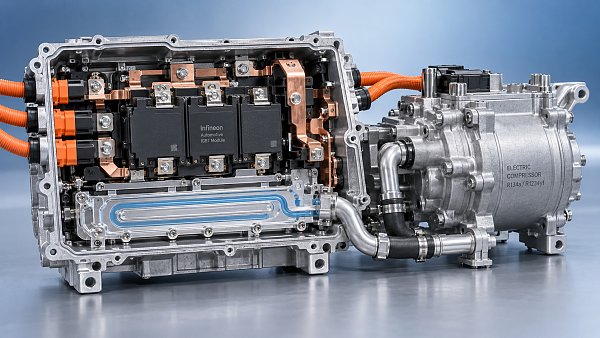
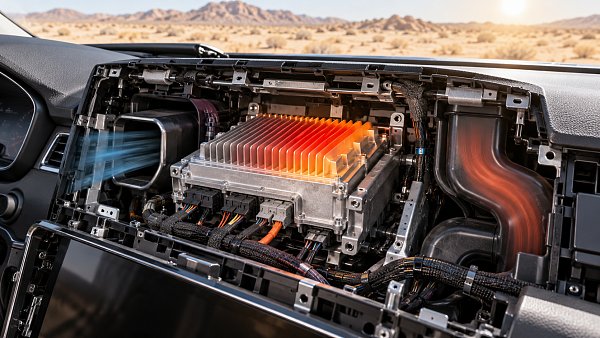
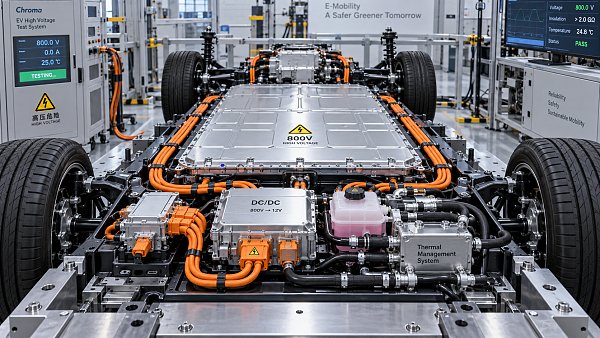
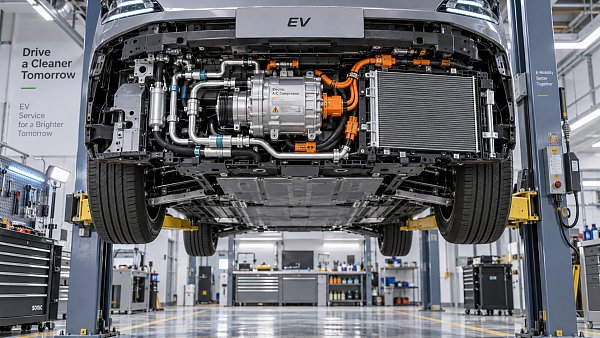
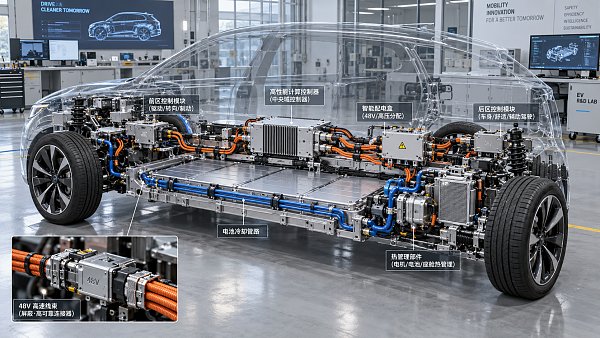
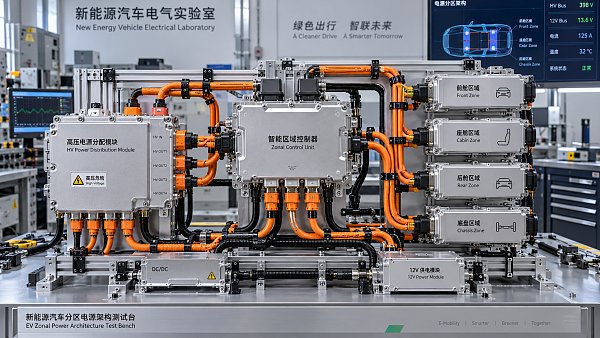
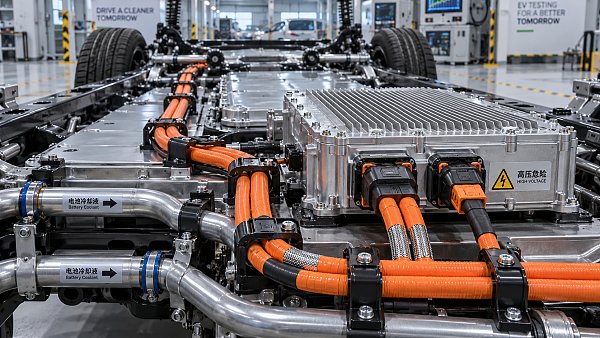
GACT observes the vehicle’s underlying “temperature control hubs” and adjacent component systems, including high-voltage harnesses, electric compressors, smart cabin electronics, and chassis-related electromechanical controls.
For financial approvers, this cross-domain view is valuable because thermal cost does not exist in isolation. Harness routing, compressor control, IVI energy load, and battery safety strategy all influence the final investment case.
Final Guidance for 2026 Budget Decisions
In 2026, NEV thermal management spending should be evaluated as a system-level investment. The right design can improve energy efficiency, stabilize battery performance, simplify assembly, and reduce avoidable warranty exposure.
Financial approvers should prioritize transparent cost breakdowns, realistic climate validation, supplier resilience, and architecture choices aligned with production volume. These 4 disciplines turn technical complexity into commercial control.
GACT helps procurement, finance, and strategy teams interpret the evolving thermal value chain with component-level intelligence and system-level context. To evaluate your next sourcing decision, explore more solutions, consult product details, or contact us for a tailored NEV thermal management insight package.
Related News
- 00
0000-00
How electric compressor speed affects EV battery cooling capacity - 00
0000-00
How to verify a variable frequency compressor supplier’s efficiency claims - 00
0000-00
How bend radius affects FPC reliability in automotive camera modules - 00
0000-00
How to diagnose intermittent loss of electric power steering assist - 00
0000-00
How to size automotive power modules for electric compressors
Weekly Insights
Stay ahead with our curated technology reports delivered every Monday.
Recommended News
 How electric compressor speed affects EV battery cooling capacityElectric compressor technology: battery cooling depends on more than RPM. Discover how speed, refrigerant flow, and system limits affect EV cooling capacity and energy efficiency.Author:Time:Oct 19, 2026
 How to verify a variable frequency compressor supplier’s efficiency claimsVerify a variable frequency compressor supplier’s efficiency claims using COP boundaries, matched test conditions, and duty-cycle data. Learn how to choose with confidence.Author:Time:Oct 18, 2026
 How bend radius affects FPC reliability in automotive camera modulesAutomotive FPC applications: camera module reliability starts with bend radius. Learn how stack-up, strain, and validation guide robust designs and help prevent costly failures.Author:Time:Oct 17, 2026
 How to diagnose intermittent loss of electric power steering assistMaster power steering system diagnostics to trace intermittent EPS assist loss. Learn proven checks for voltage, wiring, and fault codes to avoid costly guesswork.Author:Time:Oct 16, 2026
 How to size automotive power modules for electric compressorsSize automotive power modules for electric compressors with confidence. Learn how voltage, phase current, losses, and cooling shape reliable selection—and avoid costly oversizing.Author:Time:Oct 15, 2026
 Why automotive power electronics are shifting to silicon carbideAutomotive Power Electronics are shifting to silicon carbide. Discover how SiC can cut losses, boost EV power density, and reshape cooling, reliability, and system costs.Author:Time:Oct 14, 2026
 How EV adoption shapes the electrically driven compressor marketExplore how EV adoption shapes the electrically driven compressor market, from battery cooling and heat pumps to supplier margins. Discover the drivers of profitable growth.Author:Time:Oct 13, 2026
 How to size a PTC heater for reliable EV cabin heatingPTC Heater sizing for EV cabins: learn how to balance defrost performance, heat-pump integration, airflow, voltage range, and battery power for reliable winter comfort.Author:Time:Oct 12, 2026
 What determines the cooling output of electric automotive AC compressors?Automotive air conditioning compressors electric systems: explore how speed, voltage, refrigerant, controls, and heat exchangers shape EV cooling capacity and efficiency.Author:Time:Oct 11, 2026
 What makes a touchscreen media head unit responsive enough for daily use?Touchscreen media head unit performance explained: discover what delivers fast starts, smooth maps, reliable phone pairing, and responsive daily driving.Author:Time:Oct 10, 2026
 Can a Domain Controller Share a Cooling Loop with Other Electronics?Can a domain controller share a cooling loop with other electronics? Explore thermal zoning, flow control, safety priorities, and reliable vehicle electronics cooling strategies.Author:Time:Oct 19, 2026
 What Causes Domain Controller Overheating During Summer Testing?What causes domain controller overheating in summer testing? Explore heat load, airflow, installation, software factors, and practical fixes.Author:Time:Oct 18, 2026
 Is a Head-Up Display Hard to Integrate with Different Windshields?Is a head-up display difficult to integrate with different windshields? Discover how glass geometry, coatings, and calibration affect HUD clarity, cost, and production readiness.Author:Time:Oct 17, 2026
 What Should Be Checked Before Selecting an Automotive Head Unit?What should be checked before selecting an automotive head unit? Explore compatibility, performance, cybersecurity, compliance, and supplier support.Author:Time:Oct 16, 2026
 Is Steer-by-Wire More Expensive Than an EPS Steering System?Is steer-by-wire more expensive than an EPS steering system? Explore the true costs, safety demands, software value, and when SbW justifies its premium.Author:Time:Oct 15, 2026
 Which Automotive Electronics Need Validation for 800V Platforms?What automotive electronics should be validated for 800V platforms? Explore critical checks for harnesses, power electronics, thermal systems, safety, and EMC.Author:Time:Oct 14, 2026
 How Do Automotive Compressor Export Requirements Vary by Market?How do automotive compressor export requirements vary by market? Explore key compliance rules for refrigerants, EV safety, OEM approvals, labeling, and customs.Author:Time:Oct 13, 2026
 What Documents Are Needed to Export Automotive Thermal Components?What documents are needed to export automotive thermal components? Explore customs, compliance, technical records, and shipping tips to prevent costly delays.Author:Time:Oct 12, 2026
 How Often Should an EV Air Conditioning Compressor Be Inspected?How often should an EV air conditioning compressor be inspected? Discover recommended service intervals, warning signs, and expert care tips to protect cooling performance and EV reliability.Author:Time:Oct 11, 2026
 How to size power solutions for automotive head-up display systemsHeads-up display systems power solutions: learn how to size automotive HUD power architectures for startup, brightness, thermal limits, EMC, protection, and reliable vehicle operation.Author:Time:Oct 19, 2026
 How does a head-up display work in a high-performance car?Hoe werkt een head-up display in een high-performance auto en welke informatie toont het? Discover the tech, safety alerts, and performance data that sharpen every drive.Author:Time:Oct 18, 2026
 Which trends will shape zonal EV architectures in the next decade?Future trends in zonal EV architectures: explore smarter power distribution, 48V systems, thermal integration, software, and resilient networks shaping next-gen vehicles.Author:Time:Oct 17, 2026
 When does a zonal EV architecture outperform a centralized design?Explore the trade-offs between zonal and centralized EV architectures to identify the best path for harness efficiency, software scalability, safety, and faster EV launches.Author:Time:Oct 16, 2026
 How to compare vendors for zonal EV power architecturesComparing vendors for zonal EV power architectures: assess electrical capability, interface ownership, lifecycle support, and integration risk for smarter sourcing.Author:Time:Oct 15, 2026
 How zonal architectures can improve EV reliability at the system levelHow zonal architectures affect EV reliability: explore fault containment, diagnostics, power resilience, and software strategies for more dependable electric vehicles.Author:Time:Oct 14, 2026
 What is driving growth in the automotive E/E architecture market?Explore what drives the automotive electric electronic systems architecture market, from EV power systems and zonal computing to ADAS, cybersecurity, and software-defined vehicles.Author:Time:Oct 13, 2026
 How to evaluate top-rated vehicle electrical components for reliabilityDiscover how to evaluate top-rated vehicle electrical components for reliability, from connector integrity and thermal margins to validation data and manufacturing control.Author:Time:Oct 12, 2026
 What makes vehicle electrical components reliable over a long service life?Top-rated vehicle electrical components for reliability depend on thermal control, sealing, vibration resistance, and validated manufacturing. Discover how to choose durable parts.Author:Time:Oct 11, 2026
 How battery thermal management solutions prevent fast-charge overheatingBattery thermal management solutions prevent fast-charge overheating with intelligent cooling, valve control, predictive preconditioning, and reliable heat rejection.Author:Time:Oct 09, 2026
 What an automotive market report can reveal about EV demand shiftsAutomotive market report insights reveal EV demand shifts, component opportunities, regional risks, and smarter investment strategies for growth.Author:Time:Oct 08, 2026