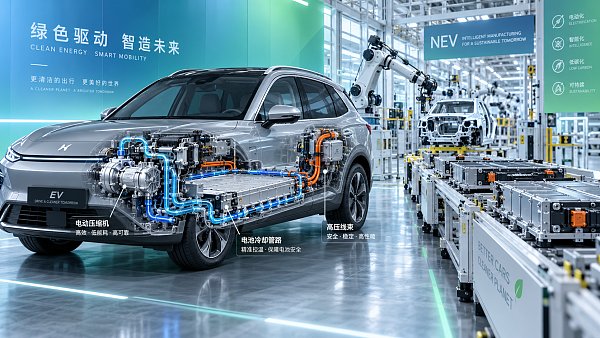
Electric Water Pump Price: What Drives Cost Up or Down?




Why does Electric Water Pump price vary so much in the first place?
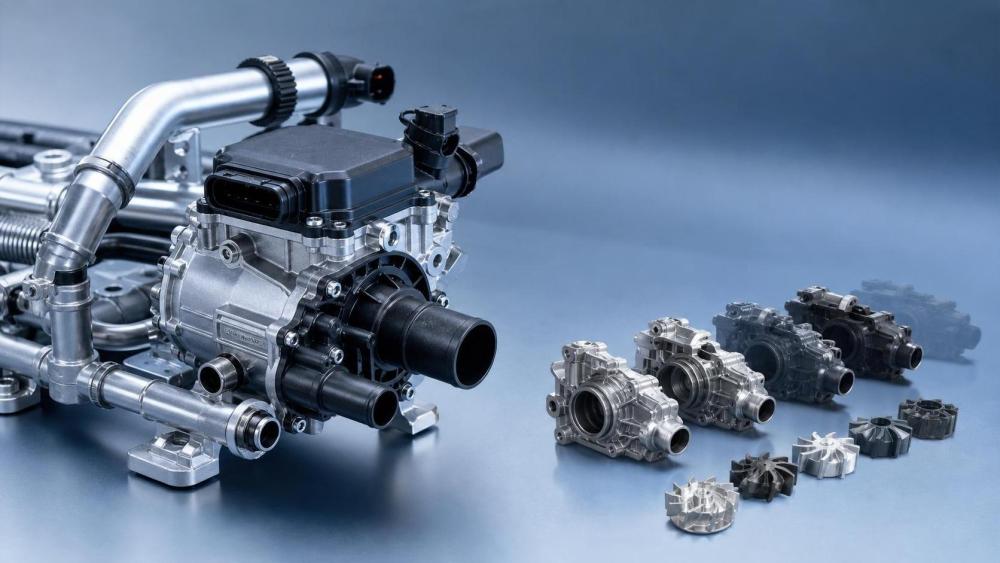
Electric Water Pump price often looks inconsistent until the cost structure is broken into parts that actually affect sourcing decisions.
In automotive applications, the pump is no longer a simple accessory. It is tied to thermal control, efficiency, and system reliability.
That matters even more in electrified vehicles, where coolant flow influences battery temperature, cabin comfort, and power electronics stability.
A low quote may reflect a basic brushed motor, limited sealing performance, or a shorter validation history. A higher quote may include smarter control and longer life.
In practice, Electric Water Pump price moves with five major variables: motor architecture, hydraulic output, material grade, electronics, and supply chain conditions.
For anyone comparing global component categories on platforms such as GACT, this pattern is familiar across thermal valves, electric compressors, and battery cooling modules as well.
The useful question is not whether one supplier is cheaper. It is whether the quoted cost fits the thermal task, durability target, and commercial risk.
Which technical specifications push Electric Water Pump price upward?
The fastest way to understand Electric Water Pump price is to look at the specification sheet and ask what is expensive to engineer and produce.
Motor type is a major driver. Brushless DC pumps usually cost more than brushed versions, but they deliver better efficiency, noise control, and service life.
Flow rate and head pressure also change the number. Higher performance typically requires a larger motor, stronger impeller design, and tighter manufacturing control.
Material selection matters more than many first-time buyers expect. Engineering plastics, aluminum housings, stainless shafts, and premium seals all lift the base cost.
Then comes control technology. PWM control, LIN communication, variable-speed logic, and fault feedback add value, but they also raise Electric Water Pump price.
Environmental resistance can be another hidden factor. IP rating, vibration tolerance, salt spray performance, and thermal cycling requirements all affect validation cost.
A simple comparison table helps separate price from specification noise.
When Electric Water Pump price rises for one of these reasons, the increase is not automatically negative. The issue is whether the feature is required in the target vehicle program.
Are low-cost pumps always a risky choice?
Not always. A lower Electric Water Pump price can be reasonable when the application is less demanding and the specification is clearly defined.
For example, auxiliary cooling loops with modest flow requirements may not need the same control complexity as battery liquid cooling or heat pump systems.
The problem appears when price becomes the only filter. A cheap unit can trigger higher costs later through warranty claims, unstable supply, or integration delays.
More common warning signs include incomplete drawings, vague life-test data, unclear connector standards, or missing information on coolant media compatibility.
In actual sourcing work, the most expensive pump is not always the premium model. It can be the low-priced one that fails after launch.
A useful way to screen quotations is to check whether the lower price comes from true efficiency or from omitted requirements.
- Ask if tooling cost is included or shifted into future batches.
- Confirm whether the quote covers connector, bracket, or controller integration.
- Review validation scope, especially thermal shock, endurance, and sealing tests.
- Check if the supplier uses equivalent materials or downgraded substitutes.
This is where broader market intelligence becomes useful. Price trends in pumps often follow the same supply logic seen in electric compressors, harnesses, and thermal modules.
How do order volume, region, and supplier type affect the final quote?
Even with similar specifications, Electric Water Pump price can change significantly because commercial conditions shape the final landed cost.
Order volume is the most obvious factor. Larger annual demand usually improves unit pricing through better material allocation and line utilization.
Still, the discount is not linear. A jump from prototype quantity to mid-volume can lower cost sharply, while later volume increases may deliver smaller savings.
Supplier location also matters. China may offer competitive manufacturing cost, while other regions may provide shorter logistics cycles or easier compliance alignment.
Exchange rates, freight volatility, tariffs, and local content rules can change the real Electric Water Pump price more than the ex-works quotation suggests.
Supplier type changes the conversation too. An established automotive supplier may quote higher, but documentation and program management are often more complete.
A smaller specialist may move faster and quote lower, especially in niche thermal applications, yet capacity resilience should be checked carefully.
For cross-border sourcing, it helps to compare total acquisition cost rather than unit price alone.
This wider view is especially relevant in automotive thermal systems, where pumps interact with valves, pipes, cooling plates, and electronic controllers across regions.
What is the smartest way to compare quotations without missing hidden costs?
A quotation only becomes meaningful when the comparison method is strict enough to expose differences that brochures often hide.
One practical method is to build a same-basis comparison sheet. Every supplier should quote against the same duty cycle, voltage, connector, coolant, and test expectation.
That prevents an artificially low Electric Water Pump price from winning because the scope was loosely defined.
It also helps to separate one-time and recurring costs. Tooling, sample builds, validation support, and software customization can distort the first impression.
In many cases, lifecycle cost is more useful than purchase price. Energy consumption, failure rate, replacement complexity, and claim response all affect real program cost.
A short review checklist keeps the comparison disciplined.
- Compare operating curve data under the same test conditions.
- Check whether control protocol matches the vehicle electrical architecture.
- Measure lead time risk, not only quoted production time.
- Review warranty terms and response responsibility for field issues.
- Confirm documentation depth for PPAP, traceability, and engineering changes.
Across GACT-covered categories, the most reliable sourcing decisions usually come from combining technical fit, regional supply intelligence, and total-cost comparison.
When is a higher Electric Water Pump price actually the better deal?
A higher Electric Water Pump price makes sense when the added cost directly protects performance, program timing, or long-term operating stability.
This is often true in EV battery cooling, heat pump loops, and high-duty thermal circuits where failure affects efficiency and safety-related system behavior.
A more expensive pump may reduce electrical consumption, improve NVH, or support smarter control with the rest of the thermal management system.
It may also come with stronger process discipline, cleaner traceability, and better continuity when raw material or logistics conditions tighten.
That said, paying more without a defined requirement is just as inefficient as buying too cheap. The better decision is requirement-led, not brand-led.
A balanced closing view is simple. Electric Water Pump price should be judged through application severity, validation evidence, supply reliability, and integration cost.
The next step is to map required flow, pressure, control, and durability targets, then compare quotes on a total-cost basis instead of a headline number.
When market references, regional sourcing trends, and thermal-system context are reviewed together, pricing becomes easier to interpret and easier to negotiate well.
Related News
- 00
0000-00
How electric compressor speed affects EV battery cooling capacity - 00
0000-00
How to verify a variable frequency compressor supplier’s efficiency claims - 00
0000-00
How bend radius affects FPC reliability in automotive camera modules - 00
0000-00
How to diagnose intermittent loss of electric power steering assist - 00
0000-00
How to size automotive power modules for electric compressors
Weekly Insights
Stay ahead with our curated technology reports delivered every Monday.
Recommended News
 How electric compressor speed affects EV battery cooling capacityElectric compressor technology: battery cooling depends on more than RPM. Discover how speed, refrigerant flow, and system limits affect EV cooling capacity and energy efficiency.Author:Time:Oct 19, 2026
 How to verify a variable frequency compressor supplier’s efficiency claimsVerify a variable frequency compressor supplier’s efficiency claims using COP boundaries, matched test conditions, and duty-cycle data. Learn how to choose with confidence.Author:Time:Oct 18, 2026
 How bend radius affects FPC reliability in automotive camera modulesAutomotive FPC applications: camera module reliability starts with bend radius. Learn how stack-up, strain, and validation guide robust designs and help prevent costly failures.Author:Time:Oct 17, 2026
 How to diagnose intermittent loss of electric power steering assistMaster power steering system diagnostics to trace intermittent EPS assist loss. Learn proven checks for voltage, wiring, and fault codes to avoid costly guesswork.Author:Time:Oct 16, 2026
 How to size automotive power modules for electric compressorsSize automotive power modules for electric compressors with confidence. Learn how voltage, phase current, losses, and cooling shape reliable selection—and avoid costly oversizing.Author:Time:Oct 15, 2026
 Why automotive power electronics are shifting to silicon carbideAutomotive Power Electronics are shifting to silicon carbide. Discover how SiC can cut losses, boost EV power density, and reshape cooling, reliability, and system costs.Author:Time:Oct 14, 2026
 How EV adoption shapes the electrically driven compressor marketExplore how EV adoption shapes the electrically driven compressor market, from battery cooling and heat pumps to supplier margins. Discover the drivers of profitable growth.Author:Time:Oct 13, 2026
 How to size a PTC heater for reliable EV cabin heatingPTC Heater sizing for EV cabins: learn how to balance defrost performance, heat-pump integration, airflow, voltage range, and battery power for reliable winter comfort.Author:Time:Oct 12, 2026
 What determines the cooling output of electric automotive AC compressors?Automotive air conditioning compressors electric systems: explore how speed, voltage, refrigerant, controls, and heat exchangers shape EV cooling capacity and efficiency.Author:Time:Oct 11, 2026
 What makes a touchscreen media head unit responsive enough for daily use?Touchscreen media head unit performance explained: discover what delivers fast starts, smooth maps, reliable phone pairing, and responsive daily driving.Author:Time:Oct 10, 2026
 Can a Domain Controller Share a Cooling Loop with Other Electronics?Can a domain controller share a cooling loop with other electronics? Explore thermal zoning, flow control, safety priorities, and reliable vehicle electronics cooling strategies.Author:Time:Oct 19, 2026
 What Causes Domain Controller Overheating During Summer Testing?What causes domain controller overheating in summer testing? Explore heat load, airflow, installation, software factors, and practical fixes.Author:Time:Oct 18, 2026
 Is a Head-Up Display Hard to Integrate with Different Windshields?Is a head-up display difficult to integrate with different windshields? Discover how glass geometry, coatings, and calibration affect HUD clarity, cost, and production readiness.Author:Time:Oct 17, 2026
 What Should Be Checked Before Selecting an Automotive Head Unit?What should be checked before selecting an automotive head unit? Explore compatibility, performance, cybersecurity, compliance, and supplier support.Author:Time:Oct 16, 2026
 Is Steer-by-Wire More Expensive Than an EPS Steering System?Is steer-by-wire more expensive than an EPS steering system? Explore the true costs, safety demands, software value, and when SbW justifies its premium.Author:Time:Oct 15, 2026
 Which Automotive Electronics Need Validation for 800V Platforms?What automotive electronics should be validated for 800V platforms? Explore critical checks for harnesses, power electronics, thermal systems, safety, and EMC.Author:Time:Oct 14, 2026
 How Do Automotive Compressor Export Requirements Vary by Market?How do automotive compressor export requirements vary by market? Explore key compliance rules for refrigerants, EV safety, OEM approvals, labeling, and customs.Author:Time:Oct 13, 2026
 What Documents Are Needed to Export Automotive Thermal Components?What documents are needed to export automotive thermal components? Explore customs, compliance, technical records, and shipping tips to prevent costly delays.Author:Time:Oct 12, 2026
 How Often Should an EV Air Conditioning Compressor Be Inspected?How often should an EV air conditioning compressor be inspected? Discover recommended service intervals, warning signs, and expert care tips to protect cooling performance and EV reliability.Author:Time:Oct 11, 2026
 How to size power solutions for automotive head-up display systemsHeads-up display systems power solutions: learn how to size automotive HUD power architectures for startup, brightness, thermal limits, EMC, protection, and reliable vehicle operation.Author:Time:Oct 19, 2026
 How does a head-up display work in a high-performance car?Hoe werkt een head-up display in een high-performance auto en welke informatie toont het? Discover the tech, safety alerts, and performance data that sharpen every drive.Author:Time:Oct 18, 2026
 Which trends will shape zonal EV architectures in the next decade?Future trends in zonal EV architectures: explore smarter power distribution, 48V systems, thermal integration, software, and resilient networks shaping next-gen vehicles.Author:Time:Oct 17, 2026
 When does a zonal EV architecture outperform a centralized design?Explore the trade-offs between zonal and centralized EV architectures to identify the best path for harness efficiency, software scalability, safety, and faster EV launches.Author:Time:Oct 16, 2026
 How to compare vendors for zonal EV power architecturesComparing vendors for zonal EV power architectures: assess electrical capability, interface ownership, lifecycle support, and integration risk for smarter sourcing.Author:Time:Oct 15, 2026
 How zonal architectures can improve EV reliability at the system levelHow zonal architectures affect EV reliability: explore fault containment, diagnostics, power resilience, and software strategies for more dependable electric vehicles.Author:Time:Oct 14, 2026
 What is driving growth in the automotive E/E architecture market?Explore what drives the automotive electric electronic systems architecture market, from EV power systems and zonal computing to ADAS, cybersecurity, and software-defined vehicles.Author:Time:Oct 13, 2026
 How to evaluate top-rated vehicle electrical components for reliabilityDiscover how to evaluate top-rated vehicle electrical components for reliability, from connector integrity and thermal margins to validation data and manufacturing control.Author:Time:Oct 12, 2026
 What makes vehicle electrical components reliable over a long service life?Top-rated vehicle electrical components for reliability depend on thermal control, sealing, vibration resistance, and validated manufacturing. Discover how to choose durable parts.Author:Time:Oct 11, 2026
 How battery thermal management solutions prevent fast-charge overheatingBattery thermal management solutions prevent fast-charge overheating with intelligent cooling, valve control, predictive preconditioning, and reliable heat rejection.Author:Time:Oct 09, 2026
 What an automotive market report can reveal about EV demand shiftsAutomotive market report insights reveal EV demand shifts, component opportunities, regional risks, and smarter investment strategies for growth.Author:Time:Oct 08, 2026