Automotive Actuators Price: What Drives Cost in 2026?




Why is Automotive Actuators price under more pressure in 2026?
Automotive Actuators price is no longer shaped by one simple cost line. In 2026, it reflects electronics content, software integration, regional sourcing risk, and changing vehicle architecture.
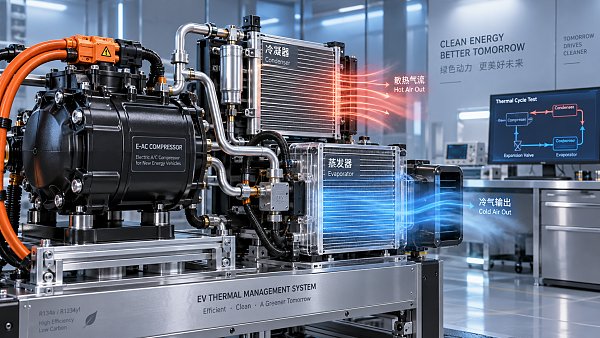
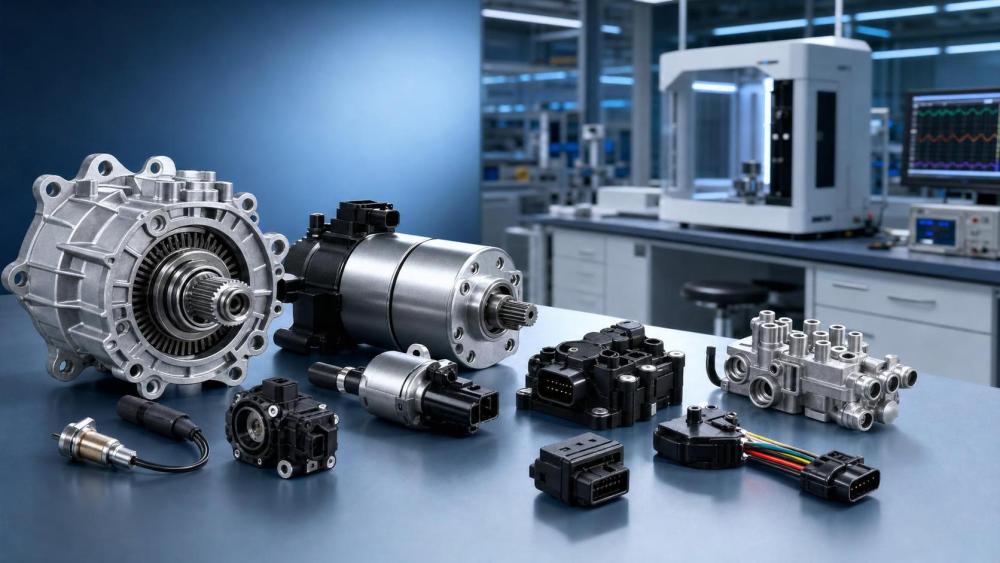
That matters because actuators now sit inside more critical systems. They support thermal valves, HVAC controls, power steering interfaces, seat functions, brake modules, grille shutters, and smart cockpit mechanisms.
The more electrified the vehicle becomes, the less room there is for price-only buying. A low quote can hide validation gaps, unstable lead times, or weak compatibility with newer platforms.
In practical terms, Automotive Actuators price rises when the part moves from a simple motion device to a controlled subsystem. Motor type, sensor feedback, gearbox precision, and communication protocol all change the cost base.
Another reason is supply chain overlap. Actuator sourcing now connects with thermal systems, high-voltage layouts, wiring harness routing, cockpit electronics, and steering control strategies across global vehicle programs.
This is why industry platforms such as GACT track not only component prices, but also export flows, standards shifts, technology updates, and capacity signals across automotive parts categories.
What actually makes one actuator cost more than another?
The short answer is function density. Two actuators may look similar on a drawing, yet differ sharply in materials, duty cycle, precision, and embedded control requirements.
A basic latch or flap actuator usually carries a simpler bill of materials. A unit used in battery cooling, steer-by-wire support, or active airflow management often needs tighter tolerance and more testing.
Several cost drivers appear again and again:
- Motor selection, including brushed, brushless, stepper, or integrated electric drive.
- Housing and gear materials, especially where heat, vibration, or chemical exposure is high.
- Position sensors, control boards, and connector standards.
- Functional safety, EMC, and validation requirements.
- Tooling amortization and annual program volume.
- Regional labor, freight, tariffs, and currency movement.
Automotive Actuators price also changes with platform strategy. If a vehicle program seeks common modules across EV and ICE lines, the part may need broader adaptability, which raises engineering and qualification cost.
More commonly, the hidden difference is not hardware alone. Firmware updates, diagnostics support, PPAP effort, and traceability requirements can add meaningful cost before mass production begins.
Which actuator applications are seeing the fastest price changes?
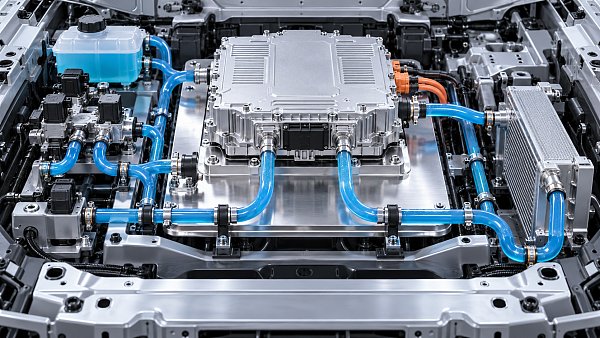
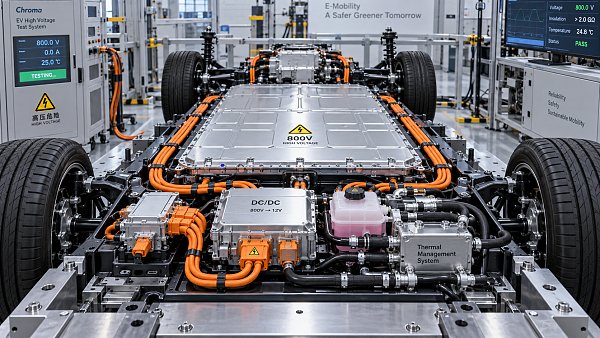
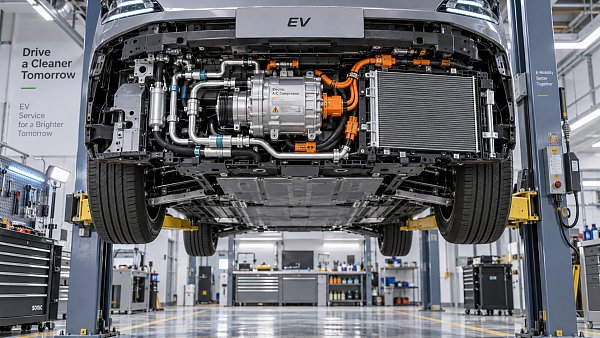
The fastest movement is happening where electrification and thermal efficiency meet. Actuators linked to battery liquid cooling, heat pump routing, and integrated thermal valve systems are under strong pricing pressure.
That pattern is easy to understand. NEV platforms need more precise thermal control, higher reliability, and better energy efficiency. Each requirement pushes actuator design beyond low-cost commodity territory.
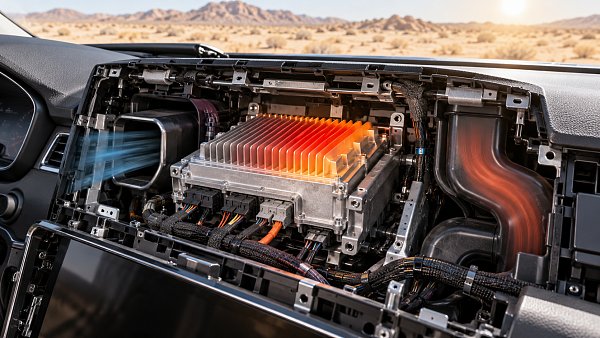
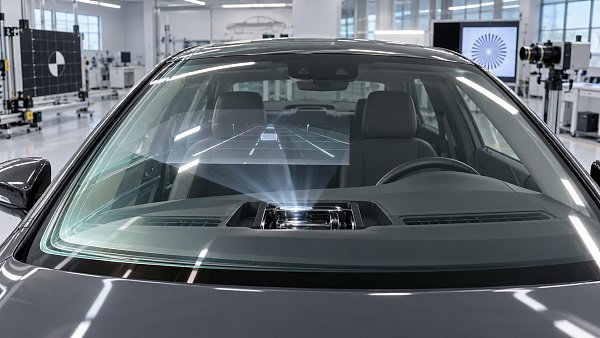
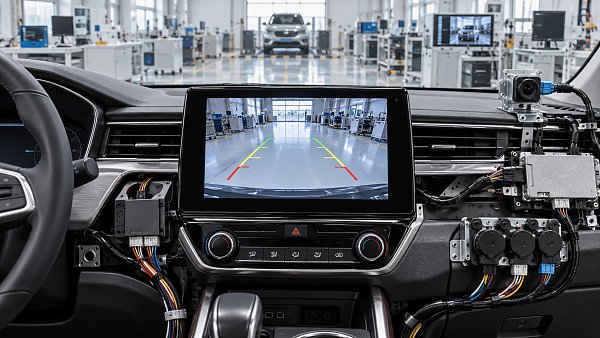
Cockpit-related actuators are also changing. Display movement, vent control, HUD positioning, and comfort modules increasingly require quiet operation and compact packaging, which affects Automotive Actuators price.
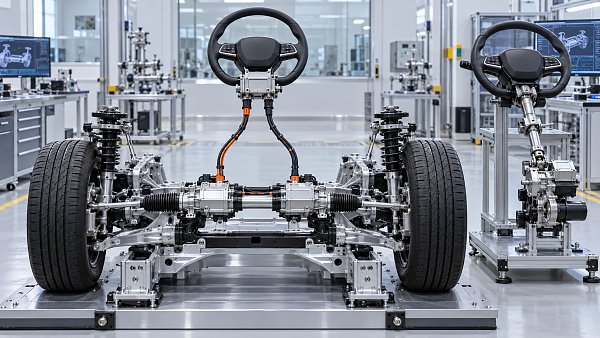
Steering and chassis-related applications deserve special attention. Even where the actuator is a subcomponent, safety expectations, redundancy planning, and control accuracy can reshape sourcing criteria.
The table below helps compare where price pressure tends to come from in 2026.
If the actuator sits inside a connected subsystem, cost changes rarely stay isolated. They influence harness design, controller selection, and even thermal or packaging decisions elsewhere in the vehicle.
How should price be compared without missing total cost?
This is where many sourcing decisions go wrong. Automotive Actuators price should be compared as a total delivered cost, not just as piece price on a quotation sheet.
A lower unit quote may still be expensive if the supplier needs longer development cycles, higher minimum order quantities, or repeated design changes during vehicle validation.
A more reliable comparison usually includes these checks:
- Quoted piece price at target annual volume.
- Tooling, sample cost, and engineering change exposure.
- PPAP timing, validation support, and traceability readiness.
- Freight model, Incoterms, and tariff sensitivity.
- Warranty assumptions and field return handling.
- Supply continuity across China, Europe, North America, and Southeast Asia.
In actual sourcing rounds, the best quote often comes from the supplier that explains cost structure clearly. Transparency around magnets, semiconductors, connectors, resin grades, and machining tolerance is very useful.
This is also where market intelligence becomes practical. Watching adjacent categories such as compressors, EPS systems, high-voltage harnesses, and thermal valves can help forecast where actuator costs may move next.
What pricing mistakes show up most often during sourcing?
One common mistake is treating all actuators as interchangeable electromechanical parts. In reality, application risk matters as much as dimensions and torque output.
Another mistake is assuming high-volume programs always guarantee lower Automotive Actuators price. That can fail when demand arrives before tooling, automation, or key material allocation is ready.
There is also the regional blind spot. A quote can look attractive from one production base, then lose its edge after exchange rates, customs treatment, and route instability are added.
A few warning signs deserve early attention:
- The supplier cannot separate material cost from electronics cost.
- Validation assumptions remain vague after technical review.
- Lead time looks short, but critical subcomponents are imported.
- The design depends on a single-source chip or magnet grade.
- Warranty cost is excluded from comparison logic.
When these signals appear, the initial price advantage may not hold through SOP. A stable sourcing plan usually depends on technical fit, not on headline savings alone.
What is a practical way to judge Automotive Actuators price in the next buying cycle?
A useful starting point is to group actuator demand by function, risk, and integration depth. That creates a clearer view than comparing all parts under one broad electromechanical budget.
Then map the actuator against the vehicle system around it. If it interacts with thermal management, cockpit electronics, steering logic, or high-voltage architecture, expect a more layered cost model.
It also helps to track market signals beyond the actuator itself. GACT-style cross-category intelligence is valuable because actuator pricing often moves with sensors, connectors, compressors, harnesses, and control modules.
For the next sourcing round, keep the evaluation simple but disciplined:
- Define the exact duty cycle and environmental requirement.
- Ask for cost breakdown by mechanics, electronics, and validation.
- Compare regional supply paths, not only ex-works pricing.
- Check whether the part supports future platform reuse.
- Review risk items before negotiating annual price reductions.
Automotive Actuators price in 2026 is really a signal. It shows how deeply a part is tied to electrification, control precision, and supply chain resilience.
The smartest next step is to build a comparison sheet that combines unit cost, validation effort, lead time, and application risk. That makes later decisions faster, cleaner, and easier to defend.
Related News
- 00
0000-00
How electric compressor speed affects EV battery cooling capacity - 00
0000-00
How to verify a variable frequency compressor supplier’s efficiency claims - 00
0000-00
How bend radius affects FPC reliability in automotive camera modules - 00
0000-00
How to diagnose intermittent loss of electric power steering assist - 00
0000-00
How to size automotive power modules for electric compressors
Weekly Insights
Stay ahead with our curated technology reports delivered every Monday.
Recommended News
 How electric compressor speed affects EV battery cooling capacityElectric compressor technology: battery cooling depends on more than RPM. Discover how speed, refrigerant flow, and system limits affect EV cooling capacity and energy efficiency.Author:Time:Oct 19, 2026
 How to verify a variable frequency compressor supplier’s efficiency claimsVerify a variable frequency compressor supplier’s efficiency claims using COP boundaries, matched test conditions, and duty-cycle data. Learn how to choose with confidence.Author:Time:Oct 18, 2026
 How bend radius affects FPC reliability in automotive camera modulesAutomotive FPC applications: camera module reliability starts with bend radius. Learn how stack-up, strain, and validation guide robust designs and help prevent costly failures.Author:Time:Oct 17, 2026
 How to diagnose intermittent loss of electric power steering assistMaster power steering system diagnostics to trace intermittent EPS assist loss. Learn proven checks for voltage, wiring, and fault codes to avoid costly guesswork.Author:Time:Oct 16, 2026
 How to size automotive power modules for electric compressorsSize automotive power modules for electric compressors with confidence. Learn how voltage, phase current, losses, and cooling shape reliable selection—and avoid costly oversizing.Author:Time:Oct 15, 2026
 Why automotive power electronics are shifting to silicon carbideAutomotive Power Electronics are shifting to silicon carbide. Discover how SiC can cut losses, boost EV power density, and reshape cooling, reliability, and system costs.Author:Time:Oct 14, 2026
 How EV adoption shapes the electrically driven compressor marketExplore how EV adoption shapes the electrically driven compressor market, from battery cooling and heat pumps to supplier margins. Discover the drivers of profitable growth.Author:Time:Oct 13, 2026
 How to size a PTC heater for reliable EV cabin heatingPTC Heater sizing for EV cabins: learn how to balance defrost performance, heat-pump integration, airflow, voltage range, and battery power for reliable winter comfort.Author:Time:Oct 12, 2026
 What determines the cooling output of electric automotive AC compressors?Automotive air conditioning compressors electric systems: explore how speed, voltage, refrigerant, controls, and heat exchangers shape EV cooling capacity and efficiency.Author:Time:Oct 11, 2026
 What makes a touchscreen media head unit responsive enough for daily use?Touchscreen media head unit performance explained: discover what delivers fast starts, smooth maps, reliable phone pairing, and responsive daily driving.Author:Time:Oct 10, 2026
 Can a Domain Controller Share a Cooling Loop with Other Electronics?Can a domain controller share a cooling loop with other electronics? Explore thermal zoning, flow control, safety priorities, and reliable vehicle electronics cooling strategies.Author:Time:Oct 19, 2026
 What Causes Domain Controller Overheating During Summer Testing?What causes domain controller overheating in summer testing? Explore heat load, airflow, installation, software factors, and practical fixes.Author:Time:Oct 18, 2026
 Is a Head-Up Display Hard to Integrate with Different Windshields?Is a head-up display difficult to integrate with different windshields? Discover how glass geometry, coatings, and calibration affect HUD clarity, cost, and production readiness.Author:Time:Oct 17, 2026
 What Should Be Checked Before Selecting an Automotive Head Unit?What should be checked before selecting an automotive head unit? Explore compatibility, performance, cybersecurity, compliance, and supplier support.Author:Time:Oct 16, 2026
 Is Steer-by-Wire More Expensive Than an EPS Steering System?Is steer-by-wire more expensive than an EPS steering system? Explore the true costs, safety demands, software value, and when SbW justifies its premium.Author:Time:Oct 15, 2026
 Which Automotive Electronics Need Validation for 800V Platforms?What automotive electronics should be validated for 800V platforms? Explore critical checks for harnesses, power electronics, thermal systems, safety, and EMC.Author:Time:Oct 14, 2026
 How Do Automotive Compressor Export Requirements Vary by Market?How do automotive compressor export requirements vary by market? Explore key compliance rules for refrigerants, EV safety, OEM approvals, labeling, and customs.Author:Time:Oct 13, 2026
 What Documents Are Needed to Export Automotive Thermal Components?What documents are needed to export automotive thermal components? Explore customs, compliance, technical records, and shipping tips to prevent costly delays.Author:Time:Oct 12, 2026
 How Often Should an EV Air Conditioning Compressor Be Inspected?How often should an EV air conditioning compressor be inspected? Discover recommended service intervals, warning signs, and expert care tips to protect cooling performance and EV reliability.Author:Time:Oct 11, 2026
 How to size power solutions for automotive head-up display systemsHeads-up display systems power solutions: learn how to size automotive HUD power architectures for startup, brightness, thermal limits, EMC, protection, and reliable vehicle operation.Author:Time:Oct 19, 2026
 How does a head-up display work in a high-performance car?Hoe werkt een head-up display in een high-performance auto en welke informatie toont het? Discover the tech, safety alerts, and performance data that sharpen every drive.Author:Time:Oct 18, 2026
 Which trends will shape zonal EV architectures in the next decade?Future trends in zonal EV architectures: explore smarter power distribution, 48V systems, thermal integration, software, and resilient networks shaping next-gen vehicles.Author:Time:Oct 17, 2026
 When does a zonal EV architecture outperform a centralized design?Explore the trade-offs between zonal and centralized EV architectures to identify the best path for harness efficiency, software scalability, safety, and faster EV launches.Author:Time:Oct 16, 2026
 How to compare vendors for zonal EV power architecturesComparing vendors for zonal EV power architectures: assess electrical capability, interface ownership, lifecycle support, and integration risk for smarter sourcing.Author:Time:Oct 15, 2026
 How zonal architectures can improve EV reliability at the system levelHow zonal architectures affect EV reliability: explore fault containment, diagnostics, power resilience, and software strategies for more dependable electric vehicles.Author:Time:Oct 14, 2026
 What is driving growth in the automotive E/E architecture market?Explore what drives the automotive electric electronic systems architecture market, from EV power systems and zonal computing to ADAS, cybersecurity, and software-defined vehicles.Author:Time:Oct 13, 2026
 How to evaluate top-rated vehicle electrical components for reliabilityDiscover how to evaluate top-rated vehicle electrical components for reliability, from connector integrity and thermal margins to validation data and manufacturing control.Author:Time:Oct 12, 2026
 What makes vehicle electrical components reliable over a long service life?Top-rated vehicle electrical components for reliability depend on thermal control, sealing, vibration resistance, and validated manufacturing. Discover how to choose durable parts.Author:Time:Oct 11, 2026
 How battery thermal management solutions prevent fast-charge overheatingBattery thermal management solutions prevent fast-charge overheating with intelligent cooling, valve control, predictive preconditioning, and reliable heat rejection.Author:Time:Oct 09, 2026
 What an automotive market report can reveal about EV demand shiftsAutomotive market report insights reveal EV demand shifts, component opportunities, regional risks, and smarter investment strategies for growth.Author:Time:Oct 08, 2026