Defrosting Algorithms That Reduce Heat Pump Energy Loss




As electric vehicles push heat pumps into colder operating zones, frost control is becoming a decisive factor in real-world efficiency.
For technical evaluators, understanding defrosting algorithms now reaches beyond comfort calibration and directly affects compressor workload, battery range, valve coordination, and energy loss.
Smarter defrost logic helps NEV thermal management systems protect visibility while limiting unnecessary heat diversion during demanding winter driving.
Defrosting Algorithms That Reduce Heat Pump Energy Loss
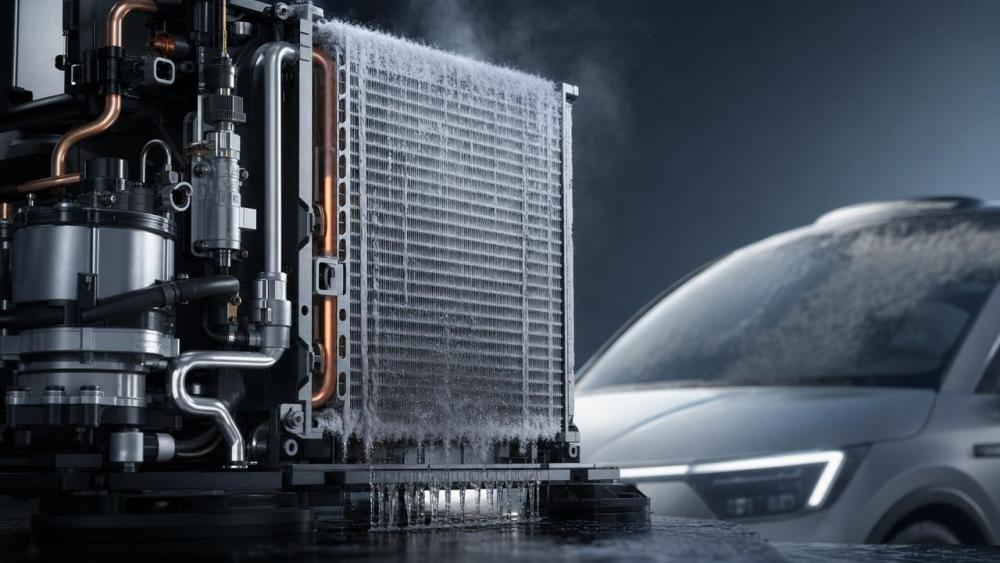
Defrosting algorithms are control strategies that decide when, how, and how long a heat pump should remove frost from outdoor heat exchangers.
In an electric vehicle, this decision is energy-sensitive because defrosting often redirects heat away from the cabin or battery.
Conventional time-based logic may activate too early, too late, or too frequently under changing humidity, airflow, and vehicle speed conditions.
Advanced defrosting algorithms combine sensor data, thermal models, and control thresholds to reduce avoidable compressor operation.
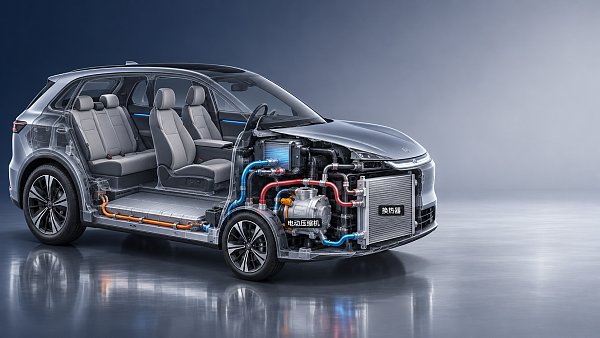
They also coordinate electronic expansion valves, multi-way valves, electric compressors, blowers, and coolant pumps across the whole thermal loop.
Core Control Objective
The core objective is not simply melting frost. It is restoring heat exchanger performance with the smallest practical energy penalty.
Efficient defrosting algorithms must preserve cabin safety, windshield clarity, battery temperature, and compressor durability at the same time.
This makes defrost calibration a system-level problem rather than a single component function.
Industry Background and Current Technical Signals
Heat pumps are central to NEV thermal management because they reduce resistive heating demand during cold weather operation.
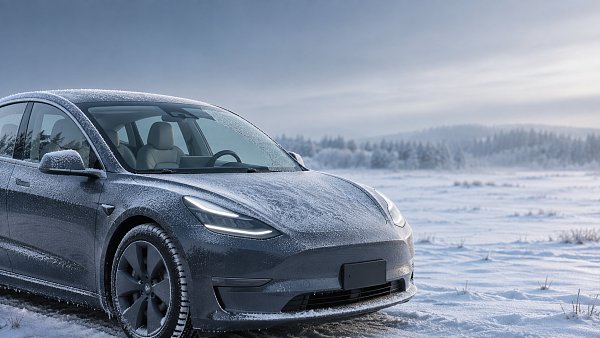
However, frost formation on the external heat exchanger lowers airflow, reduces refrigerant evaporation, and raises compressor pressure ratio.
When frost is misjudged, the vehicle may waste energy maintaining a heat pump that has already lost effective capacity.
When defrost starts too often, the system sacrifices useful heat and creates noticeable cabin temperature fluctuation.
The industry is therefore shifting from fixed schedules toward adaptive defrosting algorithms with multi-sensor validation.
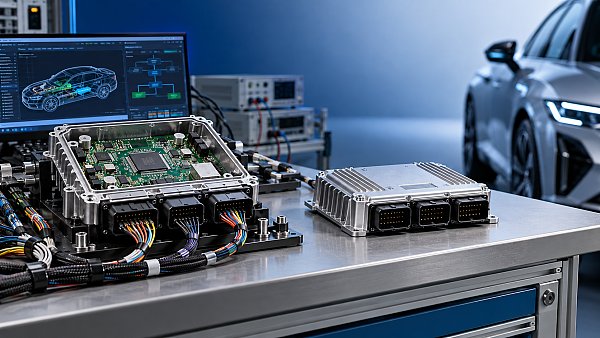
These signals are increasingly processed through domain controllers and thermal management ECUs.
For GACT’s intelligence framework, such logic connects vehicle neurons with temperature control hubs.
This connection is critical as electric compressors, sensors, wiring harnesses, and valves become more integrated.
How Defrosting Algorithms Reduce Energy Loss
Energy loss during defrost usually comes from three sources: heat diversion, compressor overwork, and unstable loop recovery.
Better defrosting algorithms reduce all three by improving prediction, activation timing, and post-defrost stabilization.
Predictive Frost Recognition
Predictive recognition estimates frost formation before the heat exchanger becomes severely blocked.
It may combine ambient dew point, coil surface temperature, vehicle speed, fan command, and refrigerant pressure behavior.
This reduces blind activation and avoids running defrost cycles when heat transfer remains acceptable.
Adaptive Thresholds
Fixed thresholds can fail across regional climates, driving patterns, and component aging.
Adaptive defrosting algorithms adjust thresholds based on observed system response and seasonal operating history.
For example, high humidity near freezing requires different logic from dry subzero highway driving.
Thermal Loop Coordination
A heat pump does not operate alone. It shares energy with cabin heating, battery conditioning, and power electronics cooling.
Effective defrosting algorithms coordinate valve positions and coolant flow before defrost begins.
This preparation prevents sudden cabin cooling and shortens the recovery phase after frost removal.
- Preheat sensitive loops before reversing refrigerant flow.
- Limit compressor ramp rate during low-temperature transients.
- Reserve cabin air stability during windshield safety demand.
- Use valve sequencing to avoid refrigerant pressure shocks.
Business Meaning Across Automotive Thermal Systems
For the automotive supply chain, defrosting algorithms influence more than software quality.
They affect component selection, sensor redundancy, harness architecture, compressor sizing, and validation workload.
A precise algorithm can allow smaller energy buffers because the system wastes less heat in repeated recovery cycles.
It can also reduce acoustic disturbance because compressor overspeed is less frequent during cold starts.
This is especially relevant where cabin comfort, range retention, and thermal safety are evaluated together.
Impact on Component Intelligence
High-voltage harnesses must transmit reliable signals from distributed temperature, pressure, humidity, and current sensors.
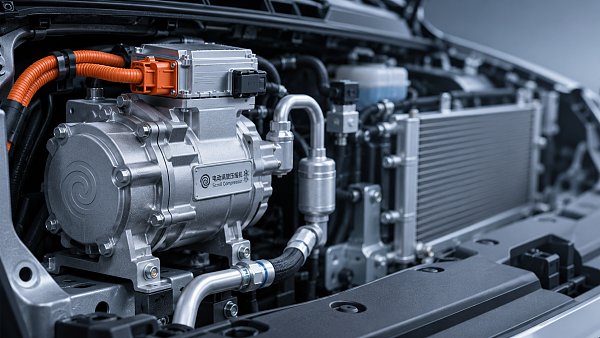
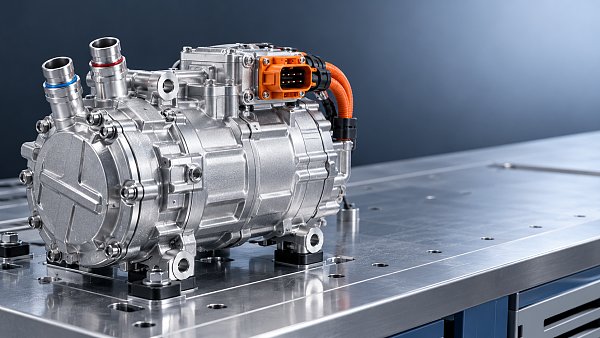
Electric compressors must respond smoothly to commands generated by defrosting algorithms under fast-changing thermal loads.
Smart cabin electronics must align demist priority with user comfort and energy conservation.
Integrated thermal modules must support precise switching between heating, cooling, defogging, and battery protection modes.
Typical Scenarios and Object Classification
Defrost strategy should be evaluated by scenario, not only by laboratory temperature points.
Different road speeds, soak conditions, and humidity levels create very different frost signatures.
Object classification also matters. Algorithms may treat light frost, dense frost, and ice accumulation as separate states.
Light frost may require delayed intervention, while dense frost may justify early energy investment.
Ice accumulation needs safety-focused logic because airflow and refrigerant response can become nonlinear.
Practical Design Recommendations
Robust defrosting algorithms should be developed with both thermodynamic accuracy and automotive reliability in mind.
A purely software-driven model is insufficient if sensor placement or signal quality is weak.
- Use multiple signals to confirm frost instead of relying on one temperature threshold.
- Validate defrosting algorithms under humidity cycles, not only fixed cold chambers.
- Measure energy loss across the full loop, including recovery after defrost.
- Coordinate compressor maps with valve timing and blower speed commands.
- Include diagnostic fallback modes for sensor drift, blockage, and harness faults.
Calibration Notes
Calibration should avoid optimizing one temperature point at the expense of broader winter performance.
Short test cycles may hide cumulative energy loss caused by repeated partial defrost events.
Longer drive profiles reveal whether defrosting algorithms maintain stable cabin and battery conditions after repeated activation.
Data logging should include pressure ratio, suction superheat, valve position, compressor speed, cabin outlet temperature, and battery inlet temperature.
Common Risks in Defrost Logic Development
Over-aggressive frost prevention can consume more energy than the frost itself would have cost.
Over-delayed defrost can force the compressor into inefficient operating zones and increase noise.
Poor sensor fusion can misinterpret rain, road spray, or low airflow as frost formation.
Inadequate valve coordination can produce thermal shocks, slow recovery, and unstable cabin outlet temperatures.
These risks show why defrosting algorithms must be validated as part of the whole NEV thermal management architecture.
Actionable Next Steps for System Evaluation
A practical evaluation can begin with a map of all energy flows before, during, and after defrost.
The next step is identifying which sensors truly improve decision quality and which create calibration noise.
Benchmarking should compare time-based, threshold-based, model-based, and adaptive defrosting algorithms under identical winter profiles.
GACT’s focus on thermal systems, electromechanical controls, and smart cabin integration supports this type of structured comparison.
The final assessment should link algorithm behavior to range retention, visibility safety, comfort recovery, and component stress.
When defrosting algorithms are treated as strategic control assets, heat pumps become more efficient and more predictable in winter conditions.
That is the practical route toward smarter temperature control, lower energy loss, and stronger NEV thermal management performance.
Have questions about this sector analysis, or seeking best practices specific to your niche? Drop us a line below and let the senior consultants at GAC assist you.
“We respect your privacy. Your information is strictly confidential.”
Related News
- 00
0000-00
How to assess a smart cockpit electronics manufacturer's integration capability - 00
0000-00
How does a shielded HSD cable reduce interference in vehicles? - 00
0000-00
What drives demand for scroll compressors in the automotive market? - 00
0000-00
Does AEC-Q200 apply to flexible printed circuits? - 00
0000-00
How does production volume affect automotive flexible electronics costs?
Weekly Insights
Stay ahead with our curated technology reports delivered every Monday.
Recommended News
 How to assess a smart cockpit electronics manufacturer's integration capabilityAssess a smart cockpit electronics manufacturer's integration capability with practical checks for interfaces, testing, safety, cybersecurity and supplier support.Author:Time:Nov 18, 2026
 How does a shielded HSD cable reduce interference in vehicles?Discover how a shielded HSD cable reduces vehicle interference, and learn why connector design, routing, and testing matter for reliable high-speed data links.Author:Time:Nov 17, 2026
 What drives demand for scroll compressors in the automotive market?Explore the scroll compressor for automobile market and discover how EV adoption, heat pumps, efficiency, and supplier capabilities shape demand.Author:Time:Nov 16, 2026
 Does AEC-Q200 apply to flexible printed circuits?Flexible Printed Circuit AEC-Q200 requirements explained: discover which components qualify and how to assess automotive FPC reliability.Author:Time:Nov 15, 2026
 How does production volume affect automotive flexible electronics costs?Explore how production volume affects automotive flexible electronics cost, from tooling and yield to testing. Compare quotes and negotiate smarter.Author:Time:Nov 14, 2026
 How much does an in-vehicle infotainment system cost to replace?Explore in-vehicle infotainment cost, from affordable repairs to factory replacements. Compare options, installation fees, and compatibility before you buy.Author:Time:Nov 13, 2026
 How does condenser efficiency affect heat pump performance?Discover how condenser high efficiency can improve heat pump performance, reduce compressor power, and boost heating COP—plus the trade-offs to watch.Author:Time:Nov 12, 2026
 What does each FAKRA cable color code mean?FAKRA cable color code explained: Explore common connector colors, typical uses and key compatibility checks before choosing a replacement.Author:Time:Nov 11, 2026
 How to compare noise ratings for battery coolant pumpsCompare coolant pump low noise ratings with confidence. Learn how test conditions, hydraulic duty, tonal noise and installation affect your choice.Author:Time:Nov 10, 2026
 How bright should automotive display systems be in sunlight?Automotive Display Systems need more than brightness to stay readable in sunlight. Discover why 1,000 nits is a starting point and how to evaluate glare and heat.Author:Time:Nov 09, 2026
 How heat pumps improve the efficiency of EV thermal systemsEV Thermal Systems use heat pumps to reduce heating energy demand. Explore how they work, where they excel, and what limits efficiency in cold weather.Author:Time:Nov 08, 2026
 Can a smart cockpit platform support multiple displays?Can a smart cockpit platform support multiple displays? Explore key requirements for performance, safety, connectivity, and supplier evaluation.Author:Time:Nov 07, 2026
 How is automotive connector vibration resistance tested?Automotive connector vibration resistance testing reveals hidden contact failures. Explore test profiles, continuity monitoring and pass criteria.Author:Time:Nov 06, 2026
 How heat pumps save energy in automotive cabin climate systemsAutomotive Cabin Climate Systems energy saving starts with smarter heat pump design. Explore real-world efficiency, cold-weather trade-offs, and testing tips.Author:Time:Nov 05, 2026
 Is an EV heat pump worth it for winter driving range?Is a heat pump worth using in a cold-climate EV? Discover how it affects winter range, when it pays off, and what to check before buying.Author:Time:Nov 04, 2026
 When should you use 50-ohm coaxial cable instead of 75-ohm?Coaxial cable 50 ohm or 75 ohm? Learn when to use each, avoid impedance mismatches, and choose the right cable for reliable RF and video performance.Author:Time:Nov 03, 2026
 How to select a high temperature motor harness for an EVChoose the right high temperature motor harness for your EV. Compare thermal limits, current capacity, shielding, routing, and validation evidence.Author:Time:Nov 02, 2026
 How much does electric power steering replacement cost?Electric power steering price typically ranges from $1,000 to $3,000 for major replacements. Discover cost factors, repair options, and tips for comparing quotes.Author:Time:Nov 01, 2026
 How to size an EV A/C compressor for the required cooling capacitySize an EV A/C Compressor with confidence. Explore cooling loads, performance maps and power limits to select the right compressor for your vehicle.Author:Time:Oct 31, 2026
 How to choose the right pitch for an FPC board connectorFPC board connector pitch affects space, assembly and reliability. Learn how to compare options and select the best fit for your design.Author:Time:Oct 30, 2026
 How zonal design affects harness routing in high-voltage EV architecturesExplore high-voltage electrical architecture zonal design and its impact on EV harness routing. Discover key trade-offs in cable length, safety, thermal performance, and service access.Author:Time:Oct 29, 2026
 How tariffs affect costs in global automotive parts supply chainsNavigate tariffs in the global automotive parts trade supply chain. Learn to compare landed costs, manage duty exposure, and uncover smarter sourcing strategies to protect your margins.Author:Time:Oct 28, 2026
 How to assess vendor lock-in in a software-defined vehicle platformAssess Software-Defined Vehicle platform lock-in with practical tests for API portability, data access, update control, and exit costs. Learn how to choose a platform with a proven exit path.Author:Time:Oct 27, 2026
 How ISO 26262 guides functional safety in steer-by-wire systemsExplore steering systems functional safety through ISO 26262. Learn how hazard analysis, fault-tolerant design, and validation build a stronger steer-by-wire safety case.Author:Time:Oct 26, 2026
 How to evaluate a steering angle sensor manufacturer's accuracy claimsEvaluate steering angle sensor manufacturer accuracy claims with practical checks on calibration, latency, and test evidence. Compare suppliers confidently and avoid costly selection mistakes.Author:Time:Oct 25, 2026
 How to diagnose CAN bus faults in a hybrid vehicle control unitDiagnose Hybrid Vehicle Systems control unit CAN bus faults with step-by-step power, wiring, and waveform checks. Find the root cause and avoid unnecessary replacement.Author:Time:Oct 24, 2026
 How does battery cooling pipe diameter affect coolant pressure drop?Battery Cooling Pipe diameter affects coolant pressure drop and pump power. Explore sizing calculations and practical tips to optimize EV battery cooling and compare options with confidence.Author:Time:Oct 23, 2026
 How to assess PPAP readiness of automotive sensor system manufacturersAssess Automotive Sensor Systems manufacturers for PPAP readiness. Learn to verify production evidence, measurement capability, validation, and traceability to reduce sourcing risks.Author:Time:Oct 22, 2026
 What to ask an FPC connector manufacturer about reliability testingChoosing an FPC Connector manufacturer? Learn what to ask about reliability testing, failure limits, and traceable results to reduce design risks and select with confidence.Author:Time:Oct 21, 2026
 How to verify vehicle fitment for an aftermarket AC evaporatorNavigating the evaporator aftermarket? Verify vehicle fitment with VIN data, OE numbers, and physical interface checks. Use this guide to avoid costly mismatches and order confidently.Author:Time:Oct 20, 2026