Defrosting Algorithms: Faster Windshield Clearing, Fewer False Starts




Defrosting algorithms are becoming a frontline tool for operators who need faster windshield clearing without draining battery range or triggering false starts in cold conditions. As vehicles grow more electrified and software-defined, understanding how thermal logic, sensor inputs, and heat pump strategies work together is essential for safer visibility, smoother startup performance, and more reliable winter operation.
For operators managing passenger cars, delivery fleets, service vehicles, or new energy platforms, winter drivability is no longer just a hardware issue. It is increasingly a software-and-systems issue. A windshield may clear in 90 seconds in one vehicle and take 4 minutes in another with similar heating hardware, largely because of differences in control logic, sensor calibration, and how defrosting algorithms prioritize cabin comfort, battery temperature, and compressor load.
This shift matters across the automotive components ecosystem that GACT tracks closely, from electric A/C compressors and wiring harnesses to smart cabin controls and NEV thermal management systems. For users and operators, the practical question is simple: how can a vehicle achieve faster glass clearing, stable startup, and lower winter energy penalties without creating nuisance events such as repeated blower spikes, compressor cycling, or false start conditions?
Why Defrosting Algorithms Matter More in Electrified Vehicles
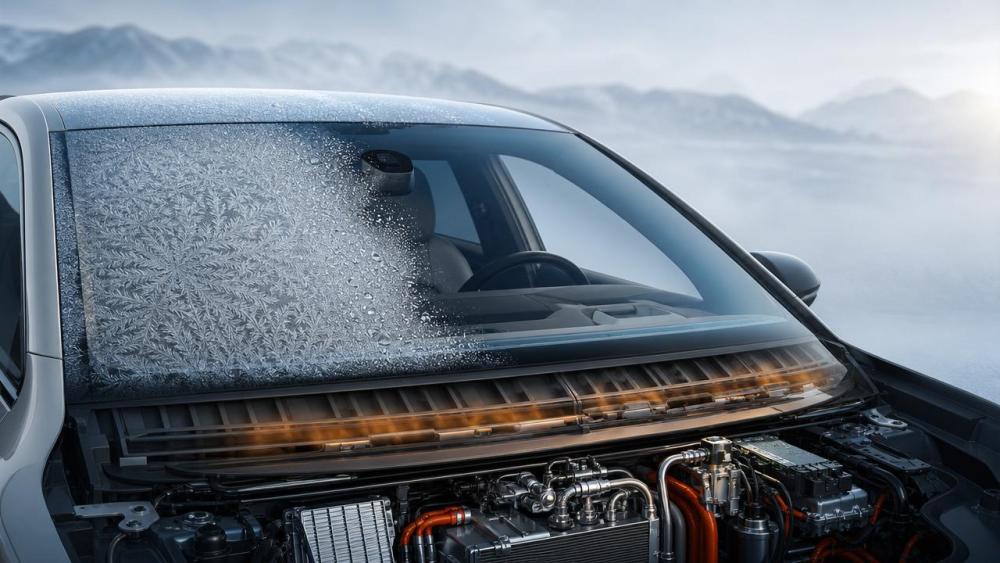
In internal combustion vehicles, surplus engine heat often supported windshield clearing after startup. In battery electric and hybrid platforms, there is no equivalent waste heat reserve during the first 3–10 minutes of cold operation. That makes defrosting algorithms a critical control layer rather than a secondary comfort feature.
A modern strategy typically coordinates 5 inputs at minimum: outside air temperature, cabin humidity, glass temperature, battery state of charge, and compressor or PTC heater availability. More advanced systems may add solar load, occupancy detection, and evaporator temperature protection. When these signals are interpreted well, visibility improves faster and energy use stays controlled.
The operator’s real-world pain points
Operators usually notice symptoms, not code. Common complaints include fog reappearing after initial clearing, weak airflow during the first 2 minutes, unexpected range drops of 5%–12% in short winter trips, and intermittent startup hesitation caused by aggressive power competition between heating loads and battery conditioning.
- Slow windshield clearing below 0°C despite active HVAC mode
- False starts or delayed readiness in low-voltage or cold-soaked conditions
- High compressor cycling frequency that increases cabin noise
- Reduced comfort because glass clearing overrides seat or footwell heating too long
These issues are often linked to control mismatches rather than component failure alone. An electric compressor may be fully functional, but if the algorithm delays load release from the battery or fails to predict condensation risk, the windshield can remain partially obscured even with enough installed heating capacity.
What the algorithm is actually controlling
Defrosting algorithms are designed to optimize at least 3 targets at the same time: visibility restoration, energy efficiency, and startup stability. That means they must decide when to prioritize dry air versus warm air, how quickly blower speed should ramp from level 1 to level 5 or 6, and whether to use a heat pump, PTC heater, or mixed strategy.
In NEV thermal systems, the best-performing logic usually avoids a simple “maximum heat” command. Instead, it uses staged control. For example, a system may begin with dehumidification and medium blower output for 30–60 seconds, then add glass-directed heating, then rebalance to cabin comfort after the windshield reaches a defined clear-zone threshold.
Typical control sequence
- Detect fogging or icing risk from humidity and glass temperature delta
- Check available thermal sources and low-voltage stability
- Assign airflow ratio to windshield vents, often 60%–90% initially
- Ramp compressor or heater output within current limits
- Reduce peak load once visibility target is reached
This sequence reduces unnecessary energy spikes and limits the chance that startup power demand will interfere with other vehicle functions such as battery warm-up, steering assist readiness, or domain controller boot timing.
Key Design Factors Behind Faster Windshield Clearing
Faster clearing depends on more than heater size. Operators evaluating winter performance should focus on four design layers: sensing accuracy, airflow routing, thermal source coordination, and power management. A strong result usually comes from system integration, not one oversized component.
Sensor quality and decision thresholds
If cabin humidity is underestimated by even 5%–8% RH, the controller may delay defog mode and allow condensation to spread. If glass temperature sensing is too slow, the system may overheat the cabin while underheating the windshield. Good defrosting algorithms depend on well-calibrated thresholds, not just more sensors.
A practical calibration strategy often includes 3 zones: low risk, active fog risk, and icing risk. Each zone triggers different compressor, blower, and vent commands. That kind of tiered response is more stable than a binary on/off logic, especially between -10°C and +5°C where fogging can change rapidly.
Heat pump versus PTC support
In many NEVs, heat pumps deliver strong efficiency benefits, but low ambient conditions can weaken immediate heating response. PTC heaters provide fast thermal output, yet they can consume several kilowatts during the first minutes of operation. Effective defrosting algorithms often combine the two rather than treating them as separate systems.
For example, an operator-focused setup may use PTC support for the first 60–180 seconds when glass clarity is mission-critical, then hand over to the heat pump once compressor conditions stabilize. This reduces visible clearing time while limiting the sustained energy penalty.
The table below shows how common thermal strategies compare in actual operating logic rather than brochure-level performance claims.
For most electrified applications, staged hybrid control is the most practical path because it addresses the operator’s first priority—clear sightlines in the first few minutes—without locking the vehicle into a high-load heating mode for the entire trip.
Airflow routing and vent authority
Even with adequate heat, poor airflow routing slows clearing. The windshield zone usually needs a dominant airflow share at startup, often above 70%. If vent doors leak too much air to the face or footwell position, the algorithm may appear weak although the real problem is actuator authority or flap response timing.
This is where underlying electromechanical controls matter. Wiring harness reliability, actuator speed, and domain controller coordination all shape the success of defrosting algorithms. A delay of 1–2 seconds in flap positioning can be significant when the vehicle is trying to clear a narrow visibility band quickly.
Reducing False Starts and Startup Conflicts in Cold Weather
False starts in winter are not always ignition problems in the traditional sense. In electrified vehicles, operators may experience delayed system readiness, repeated HVAC resets, or unstable power allocation during the startup window. Defrosting algorithms can either reduce or amplify these issues depending on how they are integrated with vehicle power strategy.
Where startup conflicts come from
During a cold soak, several subsystems may request power at nearly the same time: battery heating, cabin heating, windshield clearing, steering electronics, infotainment boot, and low-voltage stabilization. If the control strategy does not rank these loads clearly in the first 30–120 seconds, the result can be unstable startup behavior.
- Battery preconditioning demands may compete with HVAC peak load
- Compressor startup current may coincide with blower ramp and rear defogger activation
- Low-voltage dips can affect relays, controllers, or actuator initialization
- Overaggressive anti-fog mode may trigger repeated restarts of thermal components
A good algorithm avoids “all-at-once” logic. It uses staged priority and load shedding. For example, noncritical comfort loads can be delayed by 20–40 seconds while visibility and drivetrain readiness are secured first. That sequencing is particularly valuable in fleet duty cycles with frequent stop-start use.
Control measures operators should ask about
When discussing winter performance with suppliers or engineering teams, operators should not stop at asking for heating power in kilowatts. They should ask how defrosting algorithms manage startup timing, battery state thresholds, and fallback modes when sensors fail or ambient temperatures drop below expected calibration windows.
The checklist below can help users compare system maturity before purchase, platform validation, or winter fleet deployment.
This kind of evaluation helps separate true thermal management capability from simple peak-output claims. For users and operators, repeatability across 10, 50, or 500 winter starts often matters more than one strong test result under narrow lab conditions.
Common mistakes that reduce reliability
Mistake 1: Over-prioritizing cabin warmth
If the algorithm diverts airflow too early from the windshield to occupant zones, fog can return within minutes. Early comfort should not compromise visibility restoration, especially during short urban trips under 15 minutes.
Mistake 2: Ignoring low-voltage behavior
Startup stability depends not only on the high-voltage architecture but also on low-voltage harness integrity and controller sequencing. A robust defrost strategy must account for low-temperature voltage sag and communications timing across HVAC, body, and thermal modules.
Mistake 3: Using static thresholds in dynamic weather
A fixed trigger may work at -5°C and fail at +2°C with high humidity. More adaptive defrosting algorithms use trend-based logic, monitoring how quickly glass temperature and cabin moisture are changing over 30–90 second intervals.
How Operators and Buyers Should Evaluate Defrosting Performance
For procurement teams, fleet operators, and platform users, evaluation should combine technical verification with use-case relevance. A city delivery van, a premium EV, and a shuttle vehicle may all require windshield clearing, but their daily duty cycles and acceptable energy trade-offs are different.
Four practical selection criteria
- Clearing speed in real ambient bands such as -15°C to 0°C
- Energy impact across short trips of 10–30 km
- Startup stability with simultaneous battery conditioning
- Diagnostic transparency for sensor, actuator, and compressor behavior
These 4 criteria cover the user experience more effectively than focusing only on nominal heater capacity. They also align with current trends in software-defined vehicles, where thermal and cabin functions are increasingly linked through integrated control domains.
Implementation and service considerations
A strong solution should support calibration updates, fault logging, and seasonal optimization. In practice, winter issues often emerge after vehicles enter mixed climate service, not during initial release. That is why service teams benefit from access to data such as compressor command history, vent mode transitions, and humidity sensor anomalies.
For suppliers and component partners, this is where intelligence-led analysis becomes valuable. GACT’s focus on electric compressors, smart cabin electronics, thermal modules, and electromechanical controls reflects the reality that defrosting algorithms sit at the intersection of hardware capability and control software discipline.
Frequently asked operator questions
Can faster defrost always mean higher energy consumption?
Not always. Poorly tuned systems often use more energy because they overshoot heating demand or keep high blower operation too long. Better defrosting algorithms can reduce total clearing time and cut wasted load by moving to efficient maintenance mode sooner.
Why do some vehicles fog again after the glass first clears?
This usually points to humidity control and airflow redistribution issues. If the system restores comfort mode before cabin moisture is sufficiently reduced, the windshield surface can cool again and refog, especially in stop-and-go traffic.
What should be monitored during winter validation?
At minimum, track 6 items: ambient temperature, relative humidity, windshield clear-zone time, blower ramp profile, thermal source switching, and startup voltage stability. These indicators reveal whether the algorithm is balanced or simply aggressive.
Defrosting performance is now a system-level differentiator in electrified mobility. When control logic, sensors, compressors, airflow management, and power prioritization are aligned, operators gain faster windshield clearing, fewer false starts, and more predictable winter range. For users evaluating components, platforms, or thermal strategies, the right question is not just how much heat a vehicle can produce, but how intelligently that heat is managed in the first critical minutes. To explore more solution-focused insights on thermal controls, smart cabin systems, and NEV integration paths, contact GACT, request a tailored assessment, or learn more about practical defrosting algorithm strategies for your vehicle program.
Have questions about this sector analysis, or seeking best practices specific to your niche? Drop us a line below and let the senior consultants at GAC assist you.
“We respect your privacy. Your information is strictly confidential.”
Related News
- 00
0000-00
How to assess a smart cockpit electronics manufacturer's integration capability - 00
0000-00
How does a shielded HSD cable reduce interference in vehicles? - 00
0000-00
What drives demand for scroll compressors in the automotive market? - 00
0000-00
Does AEC-Q200 apply to flexible printed circuits? - 00
0000-00
How does production volume affect automotive flexible electronics costs?
Weekly Insights
Stay ahead with our curated technology reports delivered every Monday.
Recommended News
 How to assess a smart cockpit electronics manufacturer's integration capabilityAssess a smart cockpit electronics manufacturer's integration capability with practical checks for interfaces, testing, safety, cybersecurity and supplier support.Author:Time:Nov 18, 2026
 How does a shielded HSD cable reduce interference in vehicles?Discover how a shielded HSD cable reduces vehicle interference, and learn why connector design, routing, and testing matter for reliable high-speed data links.Author:Time:Nov 17, 2026
 What drives demand for scroll compressors in the automotive market?Explore the scroll compressor for automobile market and discover how EV adoption, heat pumps, efficiency, and supplier capabilities shape demand.Author:Time:Nov 16, 2026
 Does AEC-Q200 apply to flexible printed circuits?Flexible Printed Circuit AEC-Q200 requirements explained: discover which components qualify and how to assess automotive FPC reliability.Author:Time:Nov 15, 2026
 How does production volume affect automotive flexible electronics costs?Explore how production volume affects automotive flexible electronics cost, from tooling and yield to testing. Compare quotes and negotiate smarter.Author:Time:Nov 14, 2026
 How much does an in-vehicle infotainment system cost to replace?Explore in-vehicle infotainment cost, from affordable repairs to factory replacements. Compare options, installation fees, and compatibility before you buy.Author:Time:Nov 13, 2026
 How does condenser efficiency affect heat pump performance?Discover how condenser high efficiency can improve heat pump performance, reduce compressor power, and boost heating COP—plus the trade-offs to watch.Author:Time:Nov 12, 2026
 What does each FAKRA cable color code mean?FAKRA cable color code explained: Explore common connector colors, typical uses and key compatibility checks before choosing a replacement.Author:Time:Nov 11, 2026
 How to compare noise ratings for battery coolant pumpsCompare coolant pump low noise ratings with confidence. Learn how test conditions, hydraulic duty, tonal noise and installation affect your choice.Author:Time:Nov 10, 2026
 How bright should automotive display systems be in sunlight?Automotive Display Systems need more than brightness to stay readable in sunlight. Discover why 1,000 nits is a starting point and how to evaluate glare and heat.Author:Time:Nov 09, 2026
 How heat pumps improve the efficiency of EV thermal systemsEV Thermal Systems use heat pumps to reduce heating energy demand. Explore how they work, where they excel, and what limits efficiency in cold weather.Author:Time:Nov 08, 2026
 Can a smart cockpit platform support multiple displays?Can a smart cockpit platform support multiple displays? Explore key requirements for performance, safety, connectivity, and supplier evaluation.Author:Time:Nov 07, 2026
 How is automotive connector vibration resistance tested?Automotive connector vibration resistance testing reveals hidden contact failures. Explore test profiles, continuity monitoring and pass criteria.Author:Time:Nov 06, 2026
 How heat pumps save energy in automotive cabin climate systemsAutomotive Cabin Climate Systems energy saving starts with smarter heat pump design. Explore real-world efficiency, cold-weather trade-offs, and testing tips.Author:Time:Nov 05, 2026
 Is an EV heat pump worth it for winter driving range?Is a heat pump worth using in a cold-climate EV? Discover how it affects winter range, when it pays off, and what to check before buying.Author:Time:Nov 04, 2026
 When should you use 50-ohm coaxial cable instead of 75-ohm?Coaxial cable 50 ohm or 75 ohm? Learn when to use each, avoid impedance mismatches, and choose the right cable for reliable RF and video performance.Author:Time:Nov 03, 2026
 How to select a high temperature motor harness for an EVChoose the right high temperature motor harness for your EV. Compare thermal limits, current capacity, shielding, routing, and validation evidence.Author:Time:Nov 02, 2026
 How much does electric power steering replacement cost?Electric power steering price typically ranges from $1,000 to $3,000 for major replacements. Discover cost factors, repair options, and tips for comparing quotes.Author:Time:Nov 01, 2026
 How to size an EV A/C compressor for the required cooling capacitySize an EV A/C Compressor with confidence. Explore cooling loads, performance maps and power limits to select the right compressor for your vehicle.Author:Time:Oct 31, 2026
 How to choose the right pitch for an FPC board connectorFPC board connector pitch affects space, assembly and reliability. Learn how to compare options and select the best fit for your design.Author:Time:Oct 30, 2026
 How zonal design affects harness routing in high-voltage EV architecturesExplore high-voltage electrical architecture zonal design and its impact on EV harness routing. Discover key trade-offs in cable length, safety, thermal performance, and service access.Author:Time:Oct 29, 2026
 How tariffs affect costs in global automotive parts supply chainsNavigate tariffs in the global automotive parts trade supply chain. Learn to compare landed costs, manage duty exposure, and uncover smarter sourcing strategies to protect your margins.Author:Time:Oct 28, 2026
 How to assess vendor lock-in in a software-defined vehicle platformAssess Software-Defined Vehicle platform lock-in with practical tests for API portability, data access, update control, and exit costs. Learn how to choose a platform with a proven exit path.Author:Time:Oct 27, 2026
 How ISO 26262 guides functional safety in steer-by-wire systemsExplore steering systems functional safety through ISO 26262. Learn how hazard analysis, fault-tolerant design, and validation build a stronger steer-by-wire safety case.Author:Time:Oct 26, 2026
 How to evaluate a steering angle sensor manufacturer's accuracy claimsEvaluate steering angle sensor manufacturer accuracy claims with practical checks on calibration, latency, and test evidence. Compare suppliers confidently and avoid costly selection mistakes.Author:Time:Oct 25, 2026
 How to diagnose CAN bus faults in a hybrid vehicle control unitDiagnose Hybrid Vehicle Systems control unit CAN bus faults with step-by-step power, wiring, and waveform checks. Find the root cause and avoid unnecessary replacement.Author:Time:Oct 24, 2026
 How does battery cooling pipe diameter affect coolant pressure drop?Battery Cooling Pipe diameter affects coolant pressure drop and pump power. Explore sizing calculations and practical tips to optimize EV battery cooling and compare options with confidence.Author:Time:Oct 23, 2026
 How to assess PPAP readiness of automotive sensor system manufacturersAssess Automotive Sensor Systems manufacturers for PPAP readiness. Learn to verify production evidence, measurement capability, validation, and traceability to reduce sourcing risks.Author:Time:Oct 22, 2026
 What to ask an FPC connector manufacturer about reliability testingChoosing an FPC Connector manufacturer? Learn what to ask about reliability testing, failure limits, and traceable results to reduce design risks and select with confidence.Author:Time:Oct 21, 2026
 How to verify vehicle fitment for an aftermarket AC evaporatorNavigating the evaporator aftermarket? Verify vehicle fitment with VIN data, OE numbers, and physical interface checks. Use this guide to avoid costly mismatches and order confidently.Author:Time:Oct 20, 2026