Electric Vehicle Market China 2026: Price Pressure, Capacity, and Growth Signals




The electric vehicle market China moves into 2026 with a different tone from earlier expansion cycles. Growth remains real, but it now sits beside aggressive pricing, heavier capacity, and sharper scrutiny on profitability.
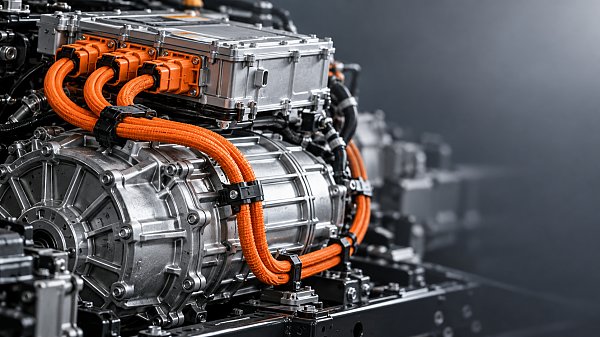
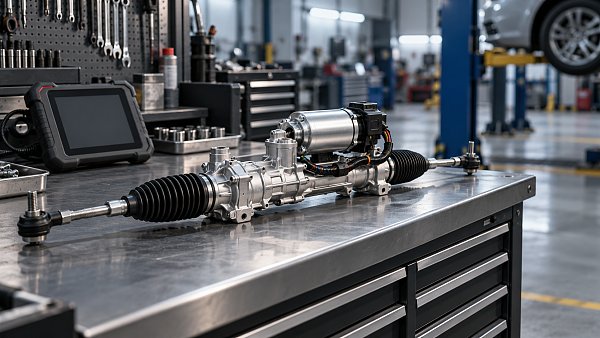
That combination matters across the automotive value chain. Vehicle programs, thermal systems, cockpit electronics, high-voltage harnesses, steering solutions, and export planning are all being shaped by the same market signals.
In simple terms, the electric vehicle market China is no longer defined only by volume. It is increasingly defined by who can convert scale, technology, and supply discipline into durable margins.
Why 2026 looks more complex than a standard growth story

China remains the largest and most influential EV market. Even so, market leadership no longer guarantees comfortable returns, because competition now reaches product planning, sourcing, software, and after-sales value.
Price pressure is the most visible signal. Brands continue to use discounts, feature bundling, and financing incentives to defend share, especially in high-volume passenger segments.
At the same time, production capacity keeps expanding. New plants, platform sharing, contract manufacturing, and faster model refresh cycles create more output potential than demand can always absorb evenly.
This is why the electric vehicle market China deserves close attention in 2026. The issue is not whether the market will grow, but where value will concentrate and where it will erode.
What the market is really signaling
Headline sales numbers can hide the underlying shift. Demand is still expanding, yet buyers are becoming more selective about range, charging speed, digital experience, thermal efficiency, and total ownership cost.
That changes the meaning of scale. Higher shipment volume helps, but only when it is supported by cost structure, platform efficiency, and parts integration.
Three signals stand out
- Volume growth is becoming uneven across price bands and vehicle classes.
- Component value is shifting toward efficiency, intelligence, and system integration.
- Exports are turning into a balancing channel for domestic capacity.
For that reason, reading the electric vehicle market China through vehicle sales alone is not enough. A better view comes from platform architecture, supplier positioning, and technology migration.
Where price pressure is coming from
Pricing stress does not come from a single cause. It is the result of more brands chasing similar demand with closely matched core specifications.
Battery costs have improved over time, but those gains are not always retained. In many cases, they are passed through to the market as lower sticker prices or richer configurations.
Another factor is feature normalization. Heat pump systems, larger displays, advanced driver assistance, and high-voltage fast charging are moving from differentiation to expectation.
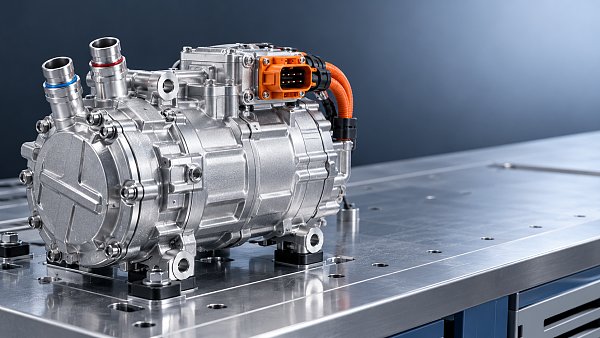
As a result, OEMs increasingly ask suppliers to lower cost while improving integration. That pressure extends to electric compressors, battery liquid cooling systems, integrated thermal valves, cockpit displays, EPS systems, and data cables.
This is where the electric vehicle market China becomes a supply chain story, not just a consumer market story. Margin pressure at the vehicle level quickly transfers into the component ecosystem.
Capacity expansion changes competitive behavior
Capacity matters because it shapes pricing behavior and launch timing. When available output rises faster than stable demand, companies tend to push inventory through incentives, channel programs, or export allocation.
That can create short-term growth while weakening long-term pricing discipline. It also raises the importance of factory utilization, platform commonality, and modular component strategy.
The electric vehicle market China also shows a split between advanced, highly automated facilities and less differentiated capacity. The first group can respond faster to cost and model changes.
The second group faces more risk when demand shifts suddenly. This often leads to sourcing renegotiation, design simplification, or stronger reliance on a few flagship models.
A practical way to read capacity risk
Why component strategy matters more in 2026
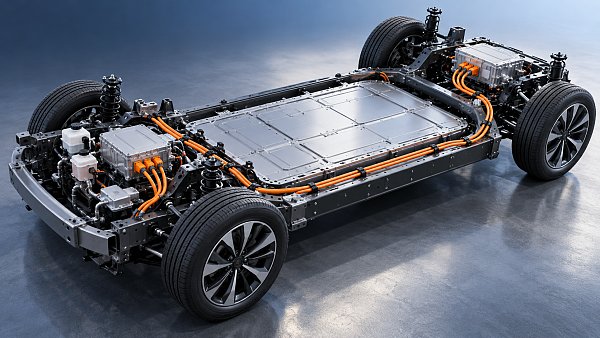
Much of the value competition in the electric vehicle market China now sits inside the vehicle architecture. Thermal management, cockpit electronics, wiring, steering, and energy efficiency are all tied to real cost outcomes.
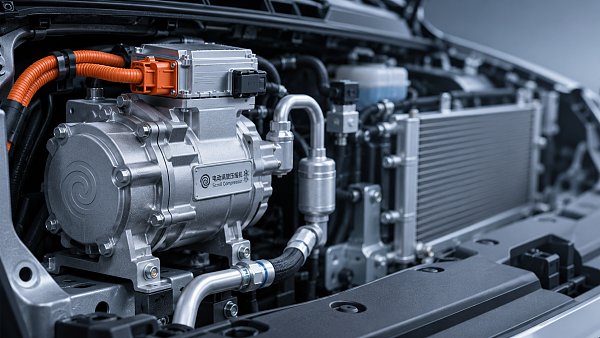
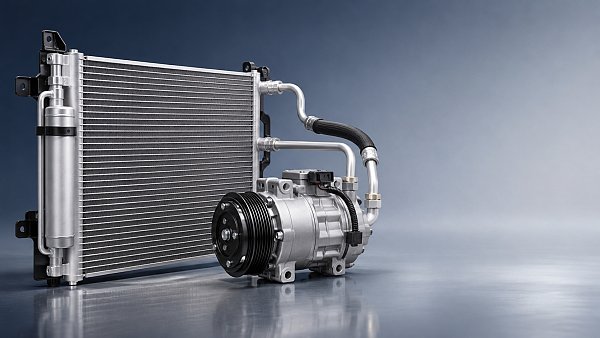
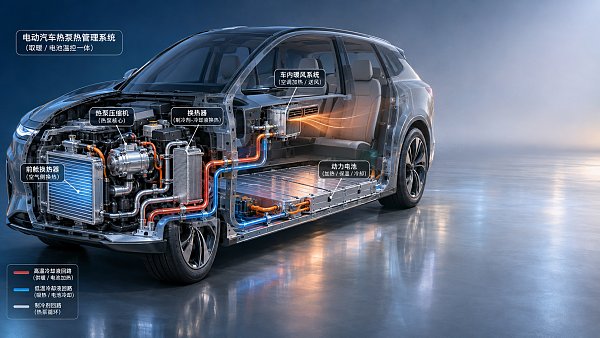
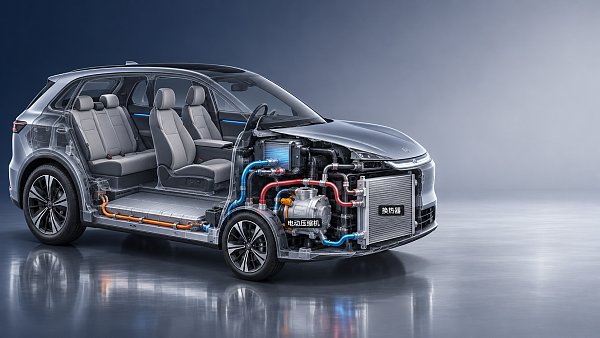
For example, NEV thermal systems are no longer a narrow engineering topic. Battery liquid cooling, heat pump systems, and electric compressors influence range stability, charging performance, and seasonal usability.
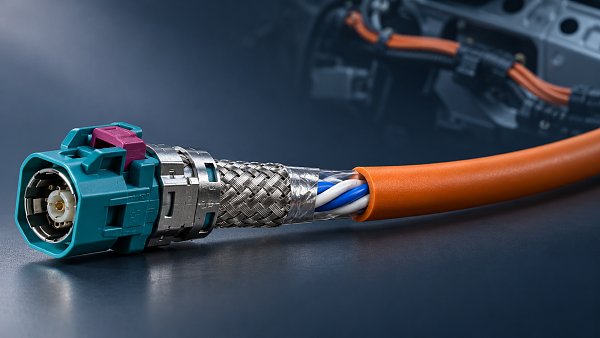
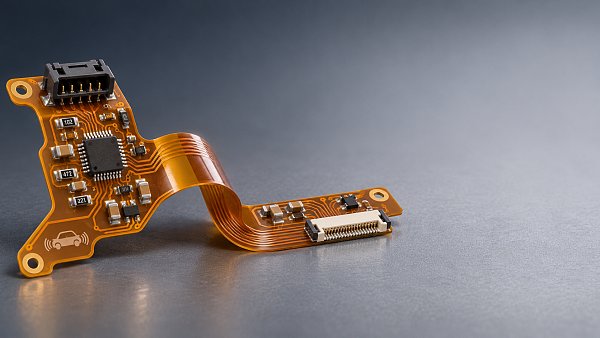
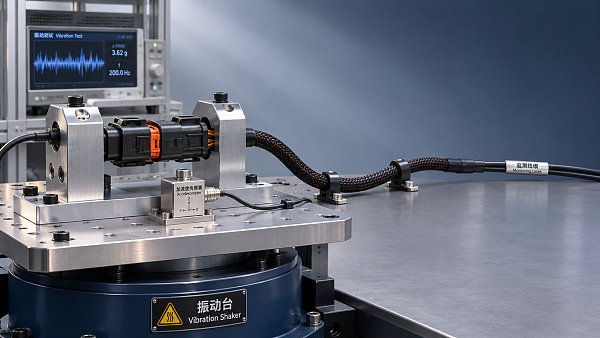
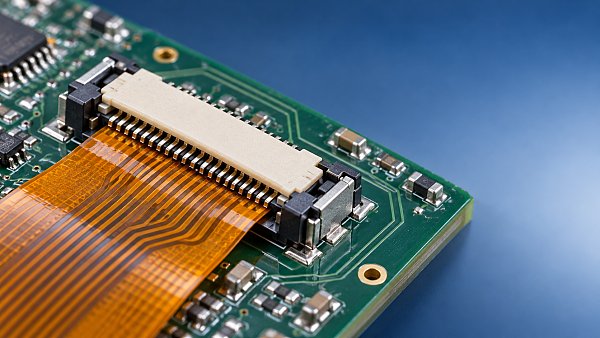
The same applies to wiring and data architecture. High-voltage harnesses, FPC systems, and communication cables affect packaging, weight, safety, and software-connected functionality.
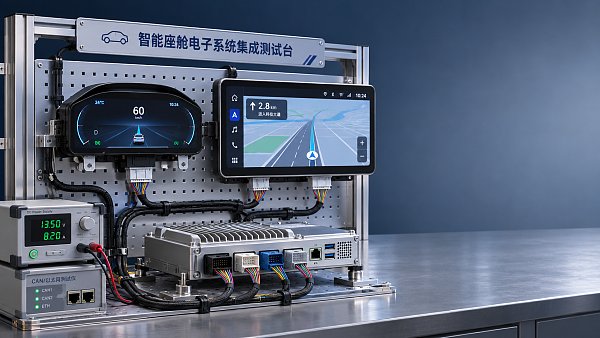
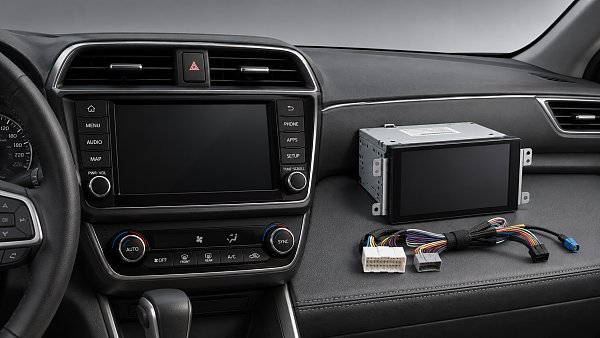
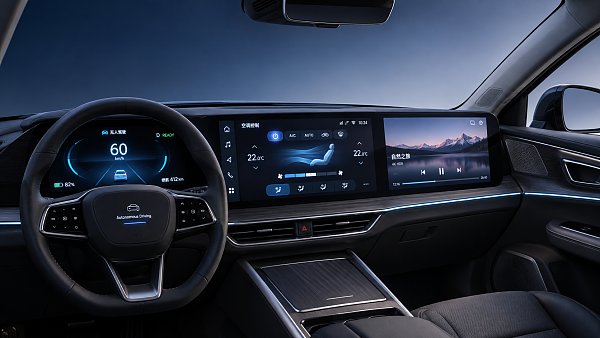
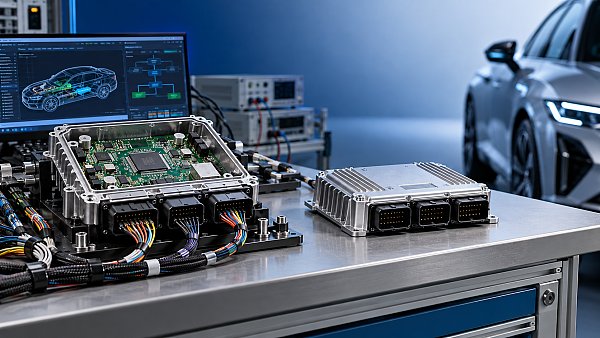
Cockpit electronics also carry new weight. Media head units, HUD systems, and cockpit displays increasingly shape perceived value in segments where propulsion performance is already converging.
This is where platforms such as GACT become useful. Market analysis is stronger when product categories, technology evolution, sourcing trends, and export signals are read together rather than in isolation.
How to interpret growth beyond headline sales
Growth signals in the electric vehicle market China should be separated into quantity growth and quality growth. The first measures shipments. The second measures resilience, mix, and value capture.
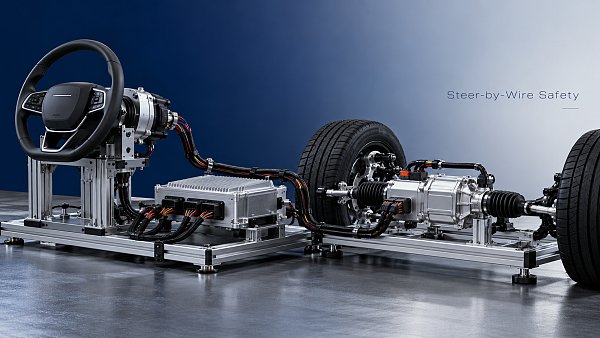
Quality growth often appears in less obvious places. Better thermal efficiency can support premium pricing. A lighter wiring architecture can improve energy use. More integrated steering systems can reduce complexity.
There is also a regional angle. Export momentum, overseas homologation readiness, and supply localization strategies increasingly shape which China-based programs scale successfully.
That means the electric vehicle market China should be evaluated as both a domestic competition arena and a global supply platform.
Key lenses for judging growth quality
- Model mix improvement rather than pure discount-led volume.
- Supplier participation in high-integration modules, not only discrete parts.
- Export readiness supported by standards, compliance, and service capability.
- Technology adoption that lowers lifecycle cost, not just launch cost.
Business decisions that deserve closer attention
In practice, the electric vehicle market China rewards decisions that connect market timing with component relevance. A strong demand outlook means little if the product fit sits in a weak margin segment.
Several questions help sharpen judgment.
- Is the targeted vehicle segment gaining share without relying only on price cuts?
- Does the component support efficiency, integration, or user experience in a measurable way?
- Can the supply chain absorb localization, compliance, and export complexity?
- Is capacity flexible enough to handle model mix changes?
These questions matter whether the focus is thermal valves, heat pump systems, steer-by-wire, EPS, electric compressors, cockpit displays, or high-voltage cable systems. The logic is similar across categories.
What to watch next
The next phase of the electric vehicle market China is likely to be shaped by fewer, more decisive variables than before. Pricing discipline, export absorption, platform consolidation, and component integration will stand out.
It is also worth tracking where technology shifts become procurement shifts. Once a system moves from optional to standard, supplier competition usually changes quickly.
A sensible next step is to build a market view that links vehicle segment trends with specific component categories and regional trade signals. That approach gives a clearer picture than sales data alone.
For anyone following the electric vehicle market China in 2026, the goal is not simply to identify growth. It is to identify growth that can survive price pressure, capacity swings, and the ongoing redesign of the automotive supply chain.
Have questions about this sector analysis, or seeking best practices specific to your niche? Drop us a line below and let the senior consultants at GAC assist you.
“We respect your privacy. Your information is strictly confidential.”
Related News
- 00
0000-00
How to assess a smart cockpit electronics manufacturer's integration capability - 00
0000-00
How does a shielded HSD cable reduce interference in vehicles? - 00
0000-00
What drives demand for scroll compressors in the automotive market? - 00
0000-00
Does AEC-Q200 apply to flexible printed circuits? - 00
0000-00
How does production volume affect automotive flexible electronics costs?
Weekly Insights
Stay ahead with our curated technology reports delivered every Monday.
Recommended News
 How to assess a smart cockpit electronics manufacturer's integration capabilityAssess a smart cockpit electronics manufacturer's integration capability with practical checks for interfaces, testing, safety, cybersecurity and supplier support.Author:Time:Nov 18, 2026
 How does a shielded HSD cable reduce interference in vehicles?Discover how a shielded HSD cable reduces vehicle interference, and learn why connector design, routing, and testing matter for reliable high-speed data links.Author:Time:Nov 17, 2026
 What drives demand for scroll compressors in the automotive market?Explore the scroll compressor for automobile market and discover how EV adoption, heat pumps, efficiency, and supplier capabilities shape demand.Author:Time:Nov 16, 2026
 Does AEC-Q200 apply to flexible printed circuits?Flexible Printed Circuit AEC-Q200 requirements explained: discover which components qualify and how to assess automotive FPC reliability.Author:Time:Nov 15, 2026
 How does production volume affect automotive flexible electronics costs?Explore how production volume affects automotive flexible electronics cost, from tooling and yield to testing. Compare quotes and negotiate smarter.Author:Time:Nov 14, 2026
 How much does an in-vehicle infotainment system cost to replace?Explore in-vehicle infotainment cost, from affordable repairs to factory replacements. Compare options, installation fees, and compatibility before you buy.Author:Time:Nov 13, 2026
 How does condenser efficiency affect heat pump performance?Discover how condenser high efficiency can improve heat pump performance, reduce compressor power, and boost heating COP—plus the trade-offs to watch.Author:Time:Nov 12, 2026
 What does each FAKRA cable color code mean?FAKRA cable color code explained: Explore common connector colors, typical uses and key compatibility checks before choosing a replacement.Author:Time:Nov 11, 2026
 How to compare noise ratings for battery coolant pumpsCompare coolant pump low noise ratings with confidence. Learn how test conditions, hydraulic duty, tonal noise and installation affect your choice.Author:Time:Nov 10, 2026
 How bright should automotive display systems be in sunlight?Automotive Display Systems need more than brightness to stay readable in sunlight. Discover why 1,000 nits is a starting point and how to evaluate glare and heat.Author:Time:Nov 09, 2026
 How heat pumps improve the efficiency of EV thermal systemsEV Thermal Systems use heat pumps to reduce heating energy demand. Explore how they work, where they excel, and what limits efficiency in cold weather.Author:Time:Nov 08, 2026
 Can a smart cockpit platform support multiple displays?Can a smart cockpit platform support multiple displays? Explore key requirements for performance, safety, connectivity, and supplier evaluation.Author:Time:Nov 07, 2026
 How is automotive connector vibration resistance tested?Automotive connector vibration resistance testing reveals hidden contact failures. Explore test profiles, continuity monitoring and pass criteria.Author:Time:Nov 06, 2026
 How heat pumps save energy in automotive cabin climate systemsAutomotive Cabin Climate Systems energy saving starts with smarter heat pump design. Explore real-world efficiency, cold-weather trade-offs, and testing tips.Author:Time:Nov 05, 2026
 Is an EV heat pump worth it for winter driving range?Is a heat pump worth using in a cold-climate EV? Discover how it affects winter range, when it pays off, and what to check before buying.Author:Time:Nov 04, 2026
 When should you use 50-ohm coaxial cable instead of 75-ohm?Coaxial cable 50 ohm or 75 ohm? Learn when to use each, avoid impedance mismatches, and choose the right cable for reliable RF and video performance.Author:Time:Nov 03, 2026
 How to select a high temperature motor harness for an EVChoose the right high temperature motor harness for your EV. Compare thermal limits, current capacity, shielding, routing, and validation evidence.Author:Time:Nov 02, 2026
 How much does electric power steering replacement cost?Electric power steering price typically ranges from $1,000 to $3,000 for major replacements. Discover cost factors, repair options, and tips for comparing quotes.Author:Time:Nov 01, 2026
 How to size an EV A/C compressor for the required cooling capacitySize an EV A/C Compressor with confidence. Explore cooling loads, performance maps and power limits to select the right compressor for your vehicle.Author:Time:Oct 31, 2026
 How to choose the right pitch for an FPC board connectorFPC board connector pitch affects space, assembly and reliability. Learn how to compare options and select the best fit for your design.Author:Time:Oct 30, 2026
 How zonal design affects harness routing in high-voltage EV architecturesExplore high-voltage electrical architecture zonal design and its impact on EV harness routing. Discover key trade-offs in cable length, safety, thermal performance, and service access.Author:Time:Oct 29, 2026
 How tariffs affect costs in global automotive parts supply chainsNavigate tariffs in the global automotive parts trade supply chain. Learn to compare landed costs, manage duty exposure, and uncover smarter sourcing strategies to protect your margins.Author:Time:Oct 28, 2026
 How to assess vendor lock-in in a software-defined vehicle platformAssess Software-Defined Vehicle platform lock-in with practical tests for API portability, data access, update control, and exit costs. Learn how to choose a platform with a proven exit path.Author:Time:Oct 27, 2026
 How ISO 26262 guides functional safety in steer-by-wire systemsExplore steering systems functional safety through ISO 26262. Learn how hazard analysis, fault-tolerant design, and validation build a stronger steer-by-wire safety case.Author:Time:Oct 26, 2026
 How to evaluate a steering angle sensor manufacturer's accuracy claimsEvaluate steering angle sensor manufacturer accuracy claims with practical checks on calibration, latency, and test evidence. Compare suppliers confidently and avoid costly selection mistakes.Author:Time:Oct 25, 2026
 How to diagnose CAN bus faults in a hybrid vehicle control unitDiagnose Hybrid Vehicle Systems control unit CAN bus faults with step-by-step power, wiring, and waveform checks. Find the root cause and avoid unnecessary replacement.Author:Time:Oct 24, 2026
 How does battery cooling pipe diameter affect coolant pressure drop?Battery Cooling Pipe diameter affects coolant pressure drop and pump power. Explore sizing calculations and practical tips to optimize EV battery cooling and compare options with confidence.Author:Time:Oct 23, 2026
 How to assess PPAP readiness of automotive sensor system manufacturersAssess Automotive Sensor Systems manufacturers for PPAP readiness. Learn to verify production evidence, measurement capability, validation, and traceability to reduce sourcing risks.Author:Time:Oct 22, 2026
 What to ask an FPC connector manufacturer about reliability testingChoosing an FPC Connector manufacturer? Learn what to ask about reliability testing, failure limits, and traceable results to reduce design risks and select with confidence.Author:Time:Oct 21, 2026
 How to verify vehicle fitment for an aftermarket AC evaporatorNavigating the evaporator aftermarket? Verify vehicle fitment with VIN data, OE numbers, and physical interface checks. Use this guide to avoid costly mismatches and order confidently.Author:Time:Oct 20, 2026