Automotive Wiring Harness Technology in Mexico: Key Supply Trends




Automotive Wiring Harness Technology Mexico has moved from a cost discussion to a strategic supply topic. Mexico now sits at the center of North American vehicle assembly, and wiring architecture is changing with it.
That shift matters because harnesses are no longer simple connection products. They now carry higher voltage, more data, tighter packaging demands, and stronger traceability requirements across conventional, hybrid, and electric platforms.
For companies tracking sourcing, localization, and product evolution, Mexico offers more than labor advantage. It offers scale, export access, supplier depth, and a growing role in future vehicle electrical systems.
Why Mexico Has Become a Wiring Harness Hub
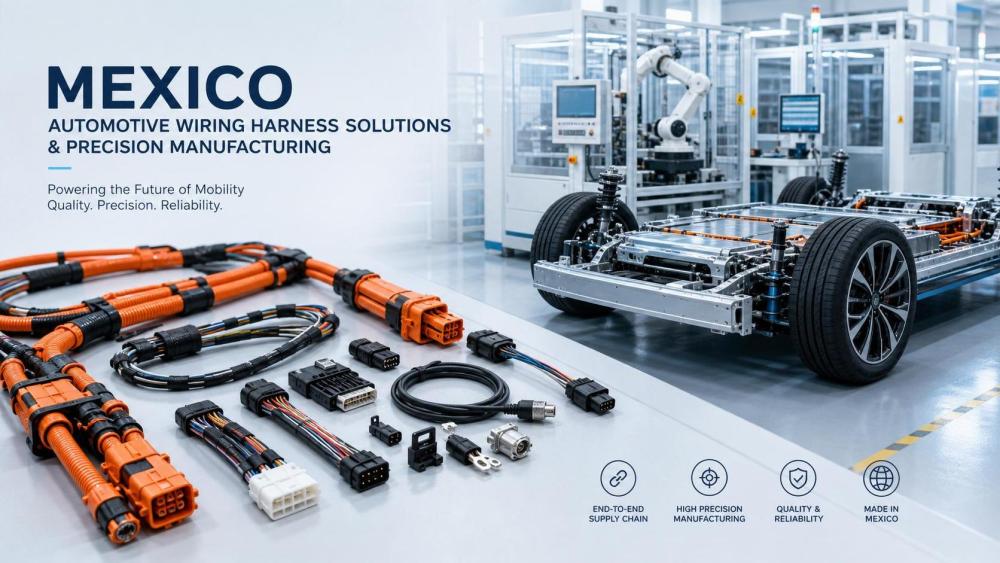
Mexico’s wiring harness industry developed alongside major OEM and Tier 1 production clusters. Plants in the north and central regions support passenger vehicles, light trucks, commercial vehicles, and increasingly electrified models.
The appeal is practical. Harness manufacturing still involves labor-intensive assembly, but program success now depends on engineering coordination, quality systems, logistics responsiveness, and compliance with regional production rules.
Automotive Wiring Harness Technology Mexico is therefore tied to trade structure as much as product design. USMCA alignment, proximity to the United States, and shorter lead times all shape sourcing decisions.
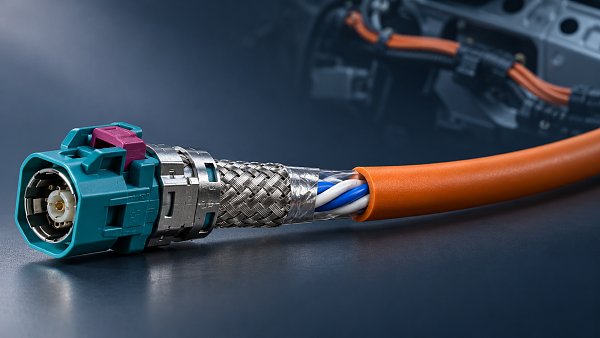
Another reason for attention is product mix. Mexico is not limited to low-complexity harnesses. It increasingly supports data cables, body harnesses, cockpit wiring, battery-related cables, and selected high-voltage harness assemblies.
What Automotive Wiring Harness Technology Mexico Now Includes
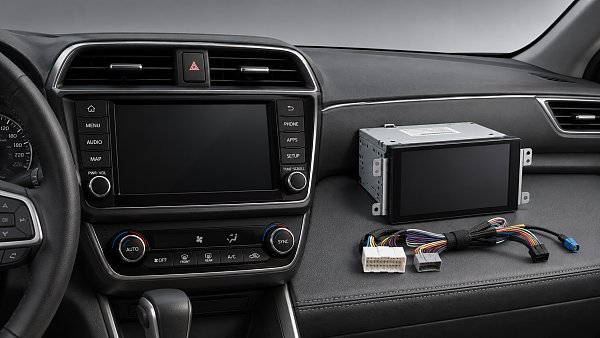
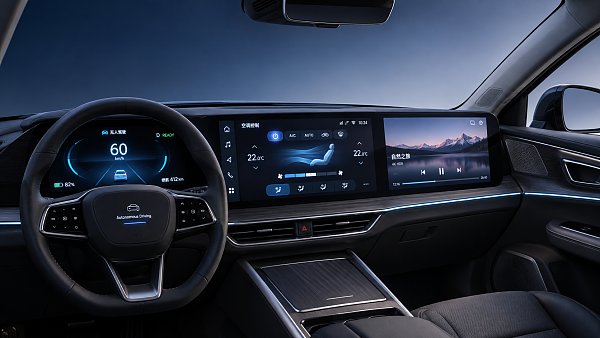
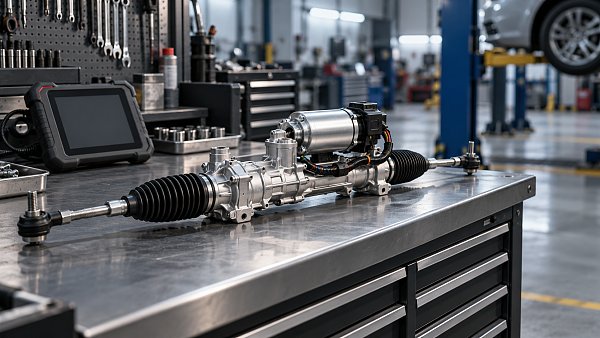
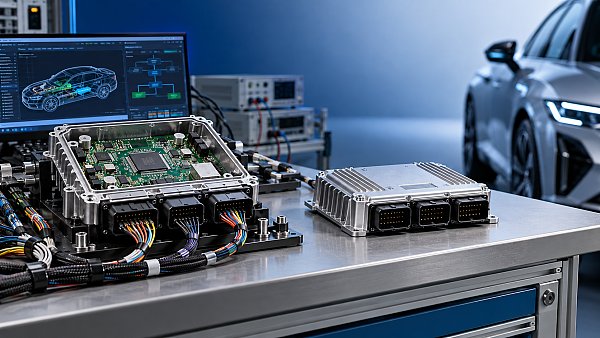
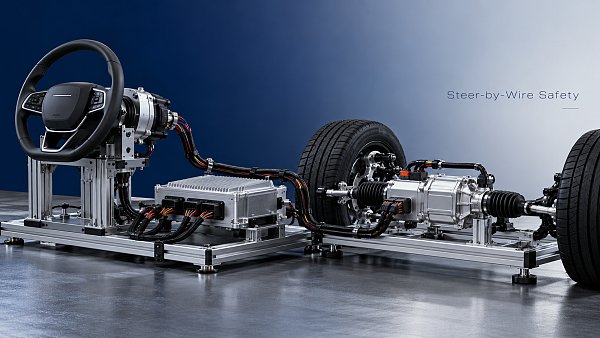
The term covers more than bundled wires. In current vehicle programs, the harness system connects power distribution, control modules, sensors, displays, infotainment, steering electronics, and thermal management components.
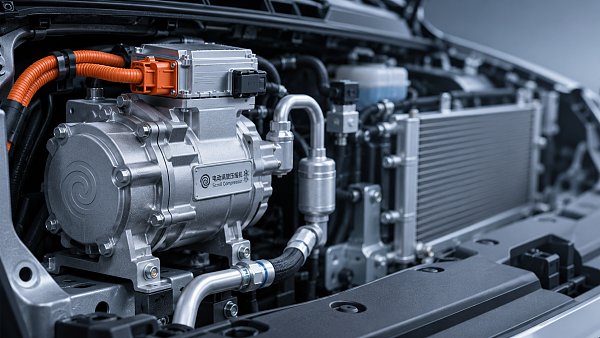
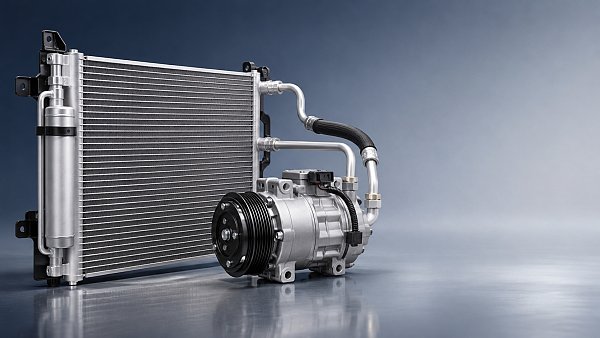
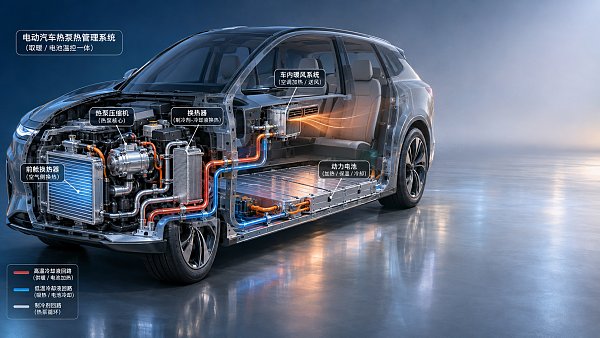
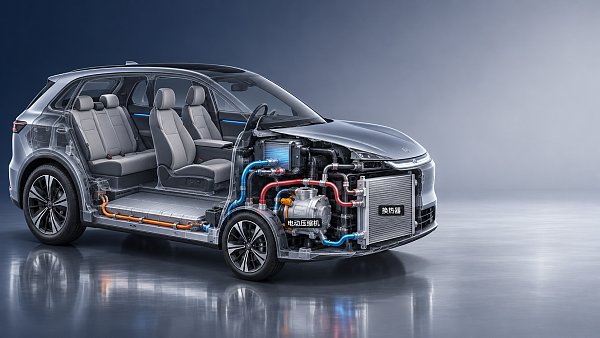
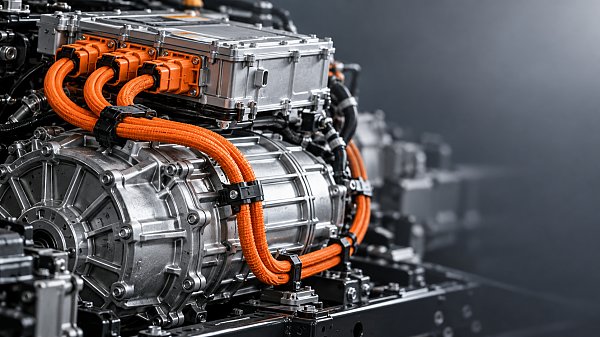
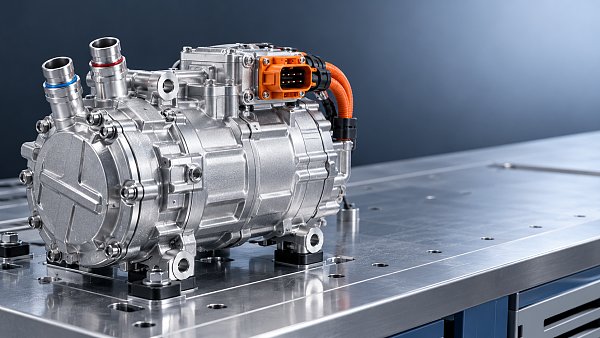
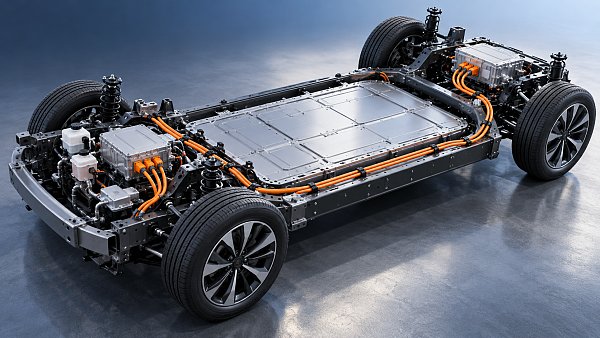
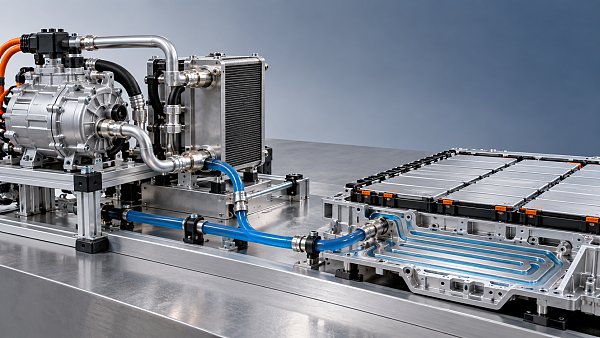
In electric and hybrid vehicles, complexity rises further. High-voltage harnesses must work with battery packs, electric compressors, battery liquid cooling systems, heat pump layouts, and safety isolation requirements.
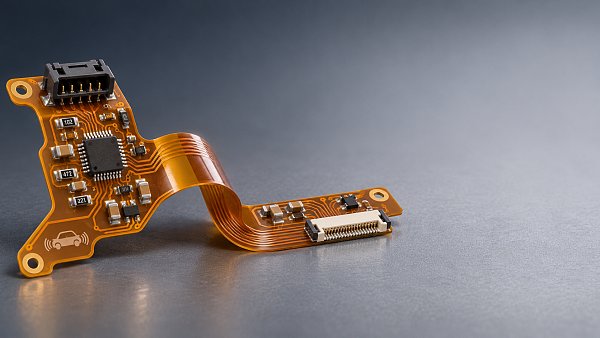
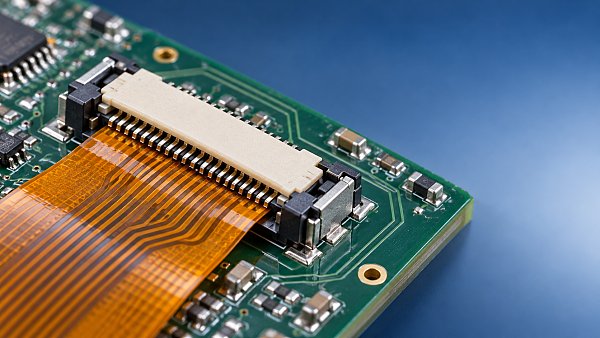
This is where broader component intelligence becomes useful. Wiring decisions increasingly interact with smart cockpit electronics, FPC systems, communication cables, and high-voltage electrical architecture rather than standing alone.
From a business perspective, Automotive Wiring Harness Technology Mexico should be read as a supply ecosystem. Materials, connector systems, terminals, shielding, routing methods, testing capability, and export readiness all matter.
Core product directions gaining attention
- High-voltage harnesses for EV and PHEV platforms
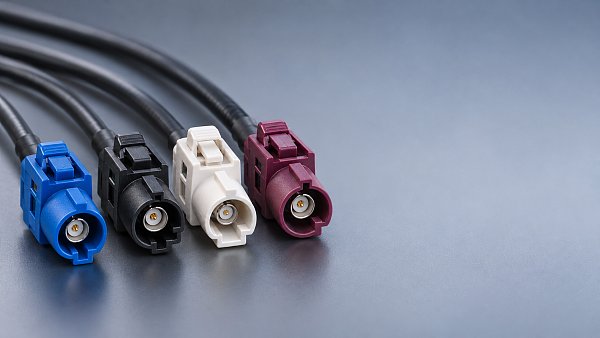
- Data and communication cables for connected cockpit systems
- Lightweight harness layouts for efficiency and packaging
- Engineered subassemblies for thermal and power electronics integration
- Customized export programs with traceability and validation support
The Supply Trends Reshaping the Market
The first trend is localization with qualification discipline. Buyers want more regional content, but not at the expense of validation depth, PPAP readiness, or launch stability.
The second trend is the move toward mixed portfolio production. A supplier may support traditional low-voltage harnesses while preparing for high-voltage and high-speed data applications in the same footprint.
The third trend is cost control through design simplification. Harness routing, connector standardization, modular subassemblies, and packaging efficiency now influence competitiveness as much as hourly labor rates.
There is also stronger emphasis on resilience. Recent years showed that terminals, resins, copper, connectors, and electronic interfaces can become bottlenecks faster than final assembly capacity.
Automotive Wiring Harness Technology Mexico is therefore being evaluated through a broader lens: Can the supplier absorb engineering changes, protect quality, and maintain cross-border delivery performance under pressure?
A practical view of current priorities
How Electrification Changes the Mexico Opportunity
Electrification is redefining harness value. In internal combustion vehicles, the harness remains essential, but in EV platforms it becomes more tightly linked with energy flow, thermal efficiency, and vehicle safety.
High-voltage harness demand is especially important. These assemblies must handle insulation, shielding, temperature resistance, connector integrity, and routing constraints near batteries, inverters, and compressors.
Mexico’s opportunity grows when suppliers move beyond manual assembly capacity and build competence in testing, validation, and integration with broader thermal and electrical systems.
That includes interfaces with battery liquid cooling systems, integrated thermal valves, electric compressors, and other components that are increasingly part of a unified vehicle efficiency strategy.
In that sense, Automotive Wiring Harness Technology Mexico connects directly to the same transition shaping smart mobility, intelligent cabins, and energy-efficient vehicle architecture across global markets.
Where Business Value Is Actually Created
The strongest value does not come from unit price alone. It comes from balancing piece cost with launch reliability, engineering responsiveness, and the ability to support platform updates without supply disruption.
For many vehicle programs, wiring harness decisions affect assembly efficiency, warranty exposure, and serviceability. A lower-cost option can become expensive if routing errors, connector failures, or inconsistent validation create field issues.
Mexico also matters as an export platform. Suppliers that combine local production with global material sourcing and North American delivery discipline can support both volume programs and regional diversification strategies.
This is one reason market intelligence platforms such as GACT have relevance. Tracking harnesses in isolation is no longer enough when electrical architecture overlaps with cockpit electronics, steering systems, thermal modules, and vehicle digitization.
Signals worth checking before a sourcing move
- Program history in North American vehicle launches
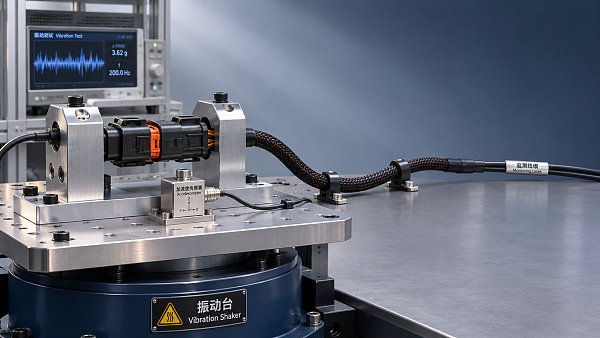
- Capability for high-voltage or high-speed data harness validation
- Connector and terminal sourcing resilience
- Engineering change management and document control
- Cross-border logistics performance and customs coordination
- Quality traceability from subcomponents to final harness assembly
How to Read Suppliers Beyond the Surface
A credible supplier profile should show more than installed capacity. The more useful question is whether the operation matches the technical direction of the vehicle program it is expected to support.
For legacy platforms, repeatability and cost structure may dominate. For newer programs, the evaluation needs to include signal integrity, thermal exposure, lightweighting potential, and compatibility with evolving zonal or centralized architectures.
It also helps to compare plant capability with product complexity. A facility strong in labor-intensive body harnesses may not automatically be ready for high-voltage assemblies or advanced cockpit communication harnesses.
Automotive Wiring Harness Technology Mexico should therefore be assessed through three layers: manufacturing execution, technical depth, and supply chain stability. Missing one of those layers creates blind spots.
What to Monitor Next
The next phase will likely be shaped by EV adoption rates, regional content pressures, and the speed of electrical architecture redesign. Harness complexity may decline in some zonal designs, but performance expectations will rise.
Mexico is well positioned if suppliers keep moving up the value chain. That means not only assembling harnesses efficiently, but also supporting validation, integration, and faster program adaptation.
A practical next step is to map current sourcing needs against vehicle architecture, voltage level, data requirements, and export exposure. From there, supplier comparison becomes much clearer and less reactive.
Automotive Wiring Harness Technology Mexico deserves attention because it reflects broader industry change. Watching it closely can sharpen decisions on localization, electrification readiness, and long-term supply resilience.
Have questions about this sector analysis, or seeking best practices specific to your niche? Drop us a line below and let the senior consultants at GAC assist you.
“We respect your privacy. Your information is strictly confidential.”
Related News
- 00
0000-00
How does a shielded HSD cable reduce interference in vehicles? - 00
0000-00
What drives demand for scroll compressors in the automotive market? - 00
0000-00
Does AEC-Q200 apply to flexible printed circuits? - 00
0000-00
How does production volume affect automotive flexible electronics costs? - 00
0000-00
How much does an in-vehicle infotainment system cost to replace?
Tags
- electric compressors
- high-voltage harness
- smart mobility
- automotive wiring harness
- smart cockpit electronics
- thermal valves
- smart cockpit
- FPC systems
- high-voltage electrical architecture
- battery liquid cooling
- EV architecture
- steering systems
- Automotive Wiring Harness Technology
- thermal management components
- Automotive Wiring Harness Technology Mexico
- liquid cooling systems
Weekly Insights
Stay ahead with our curated technology reports delivered every Monday.
Recommended News
 How does a shielded HSD cable reduce interference in vehicles?Discover how a shielded HSD cable reduces vehicle interference, and learn why connector design, routing, and testing matter for reliable high-speed data links.Author:Time:Nov 17, 2026
 What drives demand for scroll compressors in the automotive market?Explore the scroll compressor for automobile market and discover how EV adoption, heat pumps, efficiency, and supplier capabilities shape demand.Author:Time:Nov 16, 2026
 Does AEC-Q200 apply to flexible printed circuits?Flexible Printed Circuit AEC-Q200 requirements explained: discover which components qualify and how to assess automotive FPC reliability.Author:Time:Nov 15, 2026
 How does production volume affect automotive flexible electronics costs?Explore how production volume affects automotive flexible electronics cost, from tooling and yield to testing. Compare quotes and negotiate smarter.Author:Time:Nov 14, 2026
 How much does an in-vehicle infotainment system cost to replace?Explore in-vehicle infotainment cost, from affordable repairs to factory replacements. Compare options, installation fees, and compatibility before you buy.Author:Time:Nov 13, 2026
 How does condenser efficiency affect heat pump performance?Discover how condenser high efficiency can improve heat pump performance, reduce compressor power, and boost heating COP—plus the trade-offs to watch.Author:Time:Nov 12, 2026
 What does each FAKRA cable color code mean?FAKRA cable color code explained: Explore common connector colors, typical uses and key compatibility checks before choosing a replacement.Author:Time:Nov 11, 2026
 How to compare noise ratings for battery coolant pumpsCompare coolant pump low noise ratings with confidence. Learn how test conditions, hydraulic duty, tonal noise and installation affect your choice.Author:Time:Nov 10, 2026
 How bright should automotive display systems be in sunlight?Automotive Display Systems need more than brightness to stay readable in sunlight. Discover why 1,000 nits is a starting point and how to evaluate glare and heat.Author:Time:Nov 09, 2026
 How heat pumps improve the efficiency of EV thermal systemsEV Thermal Systems use heat pumps to reduce heating energy demand. Explore how they work, where they excel, and what limits efficiency in cold weather.Author:Time:Nov 08, 2026
 Can a smart cockpit platform support multiple displays?Can a smart cockpit platform support multiple displays? Explore key requirements for performance, safety, connectivity, and supplier evaluation.Author:Time:Nov 07, 2026
 How is automotive connector vibration resistance tested?Automotive connector vibration resistance testing reveals hidden contact failures. Explore test profiles, continuity monitoring and pass criteria.Author:Time:Nov 06, 2026
 How heat pumps save energy in automotive cabin climate systemsAutomotive Cabin Climate Systems energy saving starts with smarter heat pump design. Explore real-world efficiency, cold-weather trade-offs, and testing tips.Author:Time:Nov 05, 2026
 Is an EV heat pump worth it for winter driving range?Is a heat pump worth using in a cold-climate EV? Discover how it affects winter range, when it pays off, and what to check before buying.Author:Time:Nov 04, 2026
 When should you use 50-ohm coaxial cable instead of 75-ohm?Coaxial cable 50 ohm or 75 ohm? Learn when to use each, avoid impedance mismatches, and choose the right cable for reliable RF and video performance.Author:Time:Nov 03, 2026
 How to select a high temperature motor harness for an EVChoose the right high temperature motor harness for your EV. Compare thermal limits, current capacity, shielding, routing, and validation evidence.Author:Time:Nov 02, 2026
 How much does electric power steering replacement cost?Electric power steering price typically ranges from $1,000 to $3,000 for major replacements. Discover cost factors, repair options, and tips for comparing quotes.Author:Time:Nov 01, 2026
 How to size an EV A/C compressor for the required cooling capacitySize an EV A/C Compressor with confidence. Explore cooling loads, performance maps and power limits to select the right compressor for your vehicle.Author:Time:Oct 31, 2026
 How to choose the right pitch for an FPC board connectorFPC board connector pitch affects space, assembly and reliability. Learn how to compare options and select the best fit for your design.Author:Time:Oct 30, 2026
 How zonal design affects harness routing in high-voltage EV architecturesExplore high-voltage electrical architecture zonal design and its impact on EV harness routing. Discover key trade-offs in cable length, safety, thermal performance, and service access.Author:Time:Oct 29, 2026
 How tariffs affect costs in global automotive parts supply chainsNavigate tariffs in the global automotive parts trade supply chain. Learn to compare landed costs, manage duty exposure, and uncover smarter sourcing strategies to protect your margins.Author:Time:Oct 28, 2026
 How to assess vendor lock-in in a software-defined vehicle platformAssess Software-Defined Vehicle platform lock-in with practical tests for API portability, data access, update control, and exit costs. Learn how to choose a platform with a proven exit path.Author:Time:Oct 27, 2026
 How ISO 26262 guides functional safety in steer-by-wire systemsExplore steering systems functional safety through ISO 26262. Learn how hazard analysis, fault-tolerant design, and validation build a stronger steer-by-wire safety case.Author:Time:Oct 26, 2026
 How to evaluate a steering angle sensor manufacturer's accuracy claimsEvaluate steering angle sensor manufacturer accuracy claims with practical checks on calibration, latency, and test evidence. Compare suppliers confidently and avoid costly selection mistakes.Author:Time:Oct 25, 2026
 How to diagnose CAN bus faults in a hybrid vehicle control unitDiagnose Hybrid Vehicle Systems control unit CAN bus faults with step-by-step power, wiring, and waveform checks. Find the root cause and avoid unnecessary replacement.Author:Time:Oct 24, 2026
 How does battery cooling pipe diameter affect coolant pressure drop?Battery Cooling Pipe diameter affects coolant pressure drop and pump power. Explore sizing calculations and practical tips to optimize EV battery cooling and compare options with confidence.Author:Time:Oct 23, 2026
 How to assess PPAP readiness of automotive sensor system manufacturersAssess Automotive Sensor Systems manufacturers for PPAP readiness. Learn to verify production evidence, measurement capability, validation, and traceability to reduce sourcing risks.Author:Time:Oct 22, 2026
 What to ask an FPC connector manufacturer about reliability testingChoosing an FPC Connector manufacturer? Learn what to ask about reliability testing, failure limits, and traceable results to reduce design risks and select with confidence.Author:Time:Oct 21, 2026
 How to verify vehicle fitment for an aftermarket AC evaporatorNavigating the evaporator aftermarket? Verify vehicle fitment with VIN data, OE numbers, and physical interface checks. Use this guide to avoid costly mismatches and order confidently.Author:Time:Oct 20, 2026
 How electric compressor speed affects EV battery cooling capacityElectric compressor technology: battery cooling depends on more than RPM. Discover how speed, refrigerant flow, and system limits affect EV cooling capacity and energy efficiency.Author:Time:Oct 19, 2026