Variable-frequency compressors: key checks before selection




Selecting variable-frequency compressors for automotive thermal systems is a system-level decision. It affects cabin comfort, battery conditioning, energy efficiency, noise control, and platform scalability.
The most reliable choice comes from checking operating scenarios first. Power rating alone cannot predict whether variable-frequency compressors will perform well across hot starts, winter heating, fast charging, or mixed-drive cycles.
For GACT’s focus areas, this matters even more. Electric compressors now interact closely with wiring harnesses, controllers, heat pumps, and smart cabin strategies, making early verification essential.
Why scenario-based checks matter before selecting variable-frequency compressors

Variable-frequency compressors are used in very different vehicle environments. A compact EV, a premium SUV, and a commercial platform may share architecture principles, but their thermal loads differ sharply.
Selection should therefore start with usage scenarios. Real value comes from matching compressor speed range, control response, refrigerant behavior, and NVH targets to actual operating demands.
This approach reduces integration risk. It also improves whole-vehicle efficiency, because poorly matched variable-frequency compressors often force software compensation, overdesign, or repeated calibration work.
Scenario 1: Cabin cooling under high ambient conditions
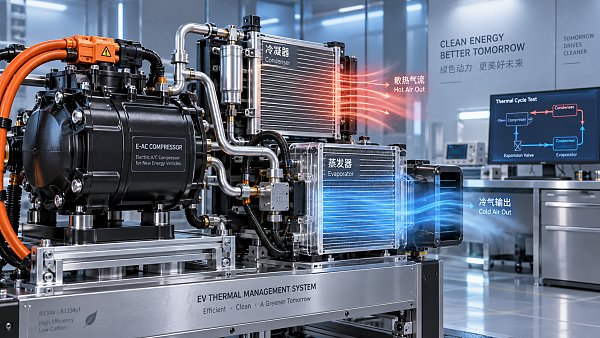
In hot-weather driving, variable-frequency compressors must deliver rapid pull-down without excessive current spikes. Fast response is important, but stable control across changing vehicle speeds matters just as much.
Key checks include maximum cooling capacity, discharge temperature limits, inverter efficiency, and low-speed operating stability. Condenser matching and airflow constraints should be verified early.
Another important point is transient behavior. During door openings, solar load peaks, or stop-and-go traffic, variable-frequency compressors should recover quickly without creating audible speed hunting.
Core judgment points for hot-climate use
- Is peak cooling capacity validated at high ambient and high humidity?
- Can the compressor maintain efficiency across mid-load urban conditions?
- Does the control algorithm avoid overshoot and repeated cycling?
- Are electrical interfaces sized for sustained high-load operation?
Scenario 2: Heat pump and low-temperature operation
For NEVs, winter operation often determines real user satisfaction. Variable-frequency compressors used in heat pump systems must support heating efficiency while preserving battery range.
The first check is low-temperature envelope capability. Not all variable-frequency compressors maintain stable compression, lubrication, and discharge management at deep subzero conditions.
Defrost interaction is another critical issue. Compressor selection should align with system control logic, expansion device strategy, and valve switching behavior to avoid unstable cabin temperature.
If the platform includes battery preheating, the compressor must also support multi-load coordination. Heating the cabin and conditioning the battery can create severe demand conflicts.
Checks often missed in cold-climate projects
- Oil return stability at low speed and low suction conditions
- Defrost recovery time and comfort fluctuations
- Compressor efficiency during partial-load heating
- Compatibility with refrigerants and low-GWP transition plans
Scenario 3: Battery cooling and fast-charging thermal control
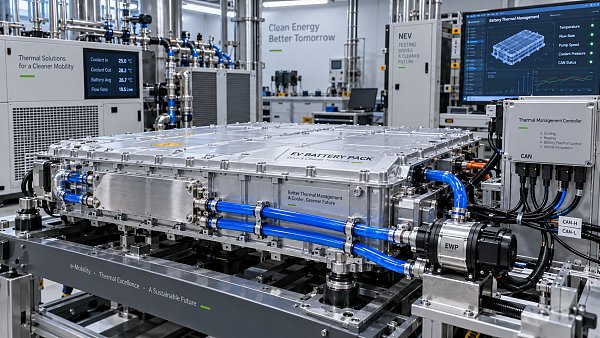
Battery thermal management creates a different requirement profile. Here, variable-frequency compressors must provide precise, repeatable cooling rather than only maximum cabin comfort output.
During fast charging, heat generation rises rapidly. The compressor must respond smoothly to battery temperature requests while coordinating with pumps, valves, and heat exchangers.
Control precision becomes a selection factor. Poor modulation can waste energy, increase cell temperature spread, or create unnecessary compressor wear from aggressive speed changes.
This scenario also places strong demands on electrical architecture. High-voltage safety, EMI behavior, and controller communication robustness should be reviewed alongside thermal performance data.
Scenario 4: Premium cabin NVH and smart comfort platforms
In premium vehicles, the thermal system is part of the perceived intelligence of the cabin. Variable-frequency compressors influence sound quality, vibration feel, and overall comfort impression.
Selection should therefore include more than decibel values. Tonal noise, speed transition smoothness, mounting interaction, and resonance behavior across the operating map all need validation.
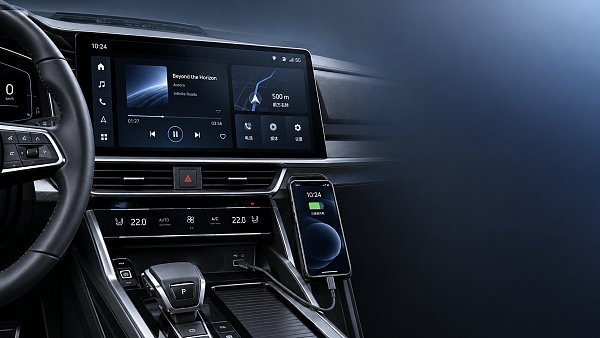
Integration with IVI and cabin control software can also matter. Smart comfort modes may demand quiet nighttime operation, predictive cooling, or occupancy-based load reduction.
NVH-related checks before approval
- Noise spectrum behavior at common cruising loads
- Compressor start response after idle or sleep modes
- Vibration transmission through brackets and piping
- Software calibration impact on audible speed ramps
How application needs differ across common vehicle scenarios
A practical checklist for selecting variable-frequency compressors
A structured checklist helps compare variable-frequency compressors fairly. It also prevents decisions based only on headline efficiency or cost numbers.
- Define the main operating scenario and secondary edge cases.
- Confirm compressor speed range against system load map.
- Check refrigerant, lubricant, and materials compatibility.
- Review COP performance at realistic partial-load points.
- Verify inverter, harness, and controller interface requirements.
- Assess NVH with mounting and vehicle-level boundary conditions.
- Validate durability under thermal cycling and vibration exposure.
- Confirm software calibration effort and diagnostic support.
Common misjudgments when comparing variable-frequency compressors
One common mistake is choosing the highest nominal capacity. Oversized variable-frequency compressors may run inefficiently at the loads seen most often in daily vehicle use.
Another error is ignoring electrical integration. High-voltage compressors interact with wiring, EMC targets, and domain control logic, especially in electrified platforms.
Teams also sometimes rely on bench data only. Vehicle packaging, refrigerant loop design, and control strategy can change actual performance significantly.
NVH is often checked too late. By the time tonal issues appear in full vehicles, redesign options become expensive and schedule pressure increases sharply.
Finally, future platform evolution may be overlooked. Variable-frequency compressors should be evaluated for software updates, refrigerant roadmap changes, and module reuse potential.
How to move from technical review to a confident next step
The best selection process links thermal targets with real application scenarios. That means testing variable-frequency compressors against hot climate, winter heat pump, battery cooling, and NVH expectations together.
For automotive thermal platforms, a strong decision framework should combine component maps, vehicle integration checks, and control strategy validation before sourcing is finalized.
GACT continues to track how variable-frequency compressors evolve with electrification, smart cabin demands, and integrated thermal modules. A careful scenario-first review will reduce risk and improve long-term system performance.
If the next step is evaluation, prepare a short matrix covering ambient range, heating mode, charging load, NVH target, refrigerant route, and electrical architecture. That matrix will quickly expose the right fit.
Have questions about this sector analysis, or seeking best practices specific to your niche? Drop us a line below and let the senior consultants at GAC assist you.
“We respect your privacy. Your information is strictly confidential.”
Related News
- 00
0000-00
Can a smart cockpit platform support multiple displays? - 00
0000-00
How is automotive connector vibration resistance tested? - 00
0000-00
How heat pumps save energy in automotive cabin climate systems - 00
0000-00
Is an EV heat pump worth it for winter driving range? - 00
0000-00
When should you use 50-ohm coaxial cable instead of 75-ohm?
Weekly Insights
Stay ahead with our curated technology reports delivered every Monday.
Recommended News
 Can a smart cockpit platform support multiple displays?Can a smart cockpit platform support multiple displays? Explore key requirements for performance, safety, connectivity, and supplier evaluation.Author:Time:Nov 07, 2026
 How is automotive connector vibration resistance tested?Automotive connector vibration resistance testing reveals hidden contact failures. Explore test profiles, continuity monitoring and pass criteria.Author:Time:Nov 06, 2026
 How heat pumps save energy in automotive cabin climate systemsAutomotive Cabin Climate Systems energy saving starts with smarter heat pump design. Explore real-world efficiency, cold-weather trade-offs, and testing tips.Author:Time:Nov 05, 2026
 Is an EV heat pump worth it for winter driving range?Is a heat pump worth using in a cold-climate EV? Discover how it affects winter range, when it pays off, and what to check before buying.Author:Time:Nov 04, 2026
 When should you use 50-ohm coaxial cable instead of 75-ohm?Coaxial cable 50 ohm or 75 ohm? Learn when to use each, avoid impedance mismatches, and choose the right cable for reliable RF and video performance.Author:Time:Nov 03, 2026
 How to select a high temperature motor harness for an EVChoose the right high temperature motor harness for your EV. Compare thermal limits, current capacity, shielding, routing, and validation evidence.Author:Time:Nov 02, 2026
 How much does electric power steering replacement cost?Electric power steering price typically ranges from $1,000 to $3,000 for major replacements. Discover cost factors, repair options, and tips for comparing quotes.Author:Time:Nov 01, 2026
 How to size an EV A/C compressor for the required cooling capacitySize an EV A/C Compressor with confidence. Explore cooling loads, performance maps and power limits to select the right compressor for your vehicle.Author:Time:Oct 31, 2026
 How to choose the right pitch for an FPC board connectorFPC board connector pitch affects space, assembly and reliability. Learn how to compare options and select the best fit for your design.Author:Time:Oct 30, 2026
 How zonal design affects harness routing in high-voltage EV architecturesExplore high-voltage electrical architecture zonal design and its impact on EV harness routing. Discover key trade-offs in cable length, safety, thermal performance, and service access.Author:Time:Oct 29, 2026
 How tariffs affect costs in global automotive parts supply chainsNavigate tariffs in the global automotive parts trade supply chain. Learn to compare landed costs, manage duty exposure, and uncover smarter sourcing strategies to protect your margins.Author:Time:Oct 28, 2026
 How to assess vendor lock-in in a software-defined vehicle platformAssess Software-Defined Vehicle platform lock-in with practical tests for API portability, data access, update control, and exit costs. Learn how to choose a platform with a proven exit path.Author:Time:Oct 27, 2026
 How ISO 26262 guides functional safety in steer-by-wire systemsExplore steering systems functional safety through ISO 26262. Learn how hazard analysis, fault-tolerant design, and validation build a stronger steer-by-wire safety case.Author:Time:Oct 26, 2026
 How to evaluate a steering angle sensor manufacturer's accuracy claimsEvaluate steering angle sensor manufacturer accuracy claims with practical checks on calibration, latency, and test evidence. Compare suppliers confidently and avoid costly selection mistakes.Author:Time:Oct 25, 2026
 How to diagnose CAN bus faults in a hybrid vehicle control unitDiagnose Hybrid Vehicle Systems control unit CAN bus faults with step-by-step power, wiring, and waveform checks. Find the root cause and avoid unnecessary replacement.Author:Time:Oct 24, 2026
 How does battery cooling pipe diameter affect coolant pressure drop?Battery Cooling Pipe diameter affects coolant pressure drop and pump power. Explore sizing calculations and practical tips to optimize EV battery cooling and compare options with confidence.Author:Time:Oct 23, 2026
 How to assess PPAP readiness of automotive sensor system manufacturersAssess Automotive Sensor Systems manufacturers for PPAP readiness. Learn to verify production evidence, measurement capability, validation, and traceability to reduce sourcing risks.Author:Time:Oct 22, 2026
 What to ask an FPC connector manufacturer about reliability testingChoosing an FPC Connector manufacturer? Learn what to ask about reliability testing, failure limits, and traceable results to reduce design risks and select with confidence.Author:Time:Oct 21, 2026
 How to verify vehicle fitment for an aftermarket AC evaporatorNavigating the evaporator aftermarket? Verify vehicle fitment with VIN data, OE numbers, and physical interface checks. Use this guide to avoid costly mismatches and order confidently.Author:Time:Oct 20, 2026
 How electric compressor speed affects EV battery cooling capacityElectric compressor technology: battery cooling depends on more than RPM. Discover how speed, refrigerant flow, and system limits affect EV cooling capacity and energy efficiency.Author:Time:Oct 19, 2026
 How to verify a variable frequency compressor supplier’s efficiency claimsVerify a variable frequency compressor supplier’s efficiency claims using COP boundaries, matched test conditions, and duty-cycle data. Learn how to choose with confidence.Author:Time:Oct 18, 2026
 How bend radius affects FPC reliability in automotive camera modulesAutomotive FPC applications: camera module reliability starts with bend radius. Learn how stack-up, strain, and validation guide robust designs and help prevent costly failures.Author:Time:Oct 17, 2026
 How to diagnose intermittent loss of electric power steering assistMaster power steering system diagnostics to trace intermittent EPS assist loss. Learn proven checks for voltage, wiring, and fault codes to avoid costly guesswork.Author:Time:Oct 16, 2026
 How to size automotive power modules for electric compressorsSize automotive power modules for electric compressors with confidence. Learn how voltage, phase current, losses, and cooling shape reliable selection—and avoid costly oversizing.Author:Time:Oct 15, 2026
 Why automotive power electronics are shifting to silicon carbideAutomotive Power Electronics are shifting to silicon carbide. Discover how SiC can cut losses, boost EV power density, and reshape cooling, reliability, and system costs.Author:Time:Oct 14, 2026
 How EV adoption shapes the electrically driven compressor marketExplore how EV adoption shapes the electrically driven compressor market, from battery cooling and heat pumps to supplier margins. Discover the drivers of profitable growth.Author:Time:Oct 13, 2026
 How to size a PTC heater for reliable EV cabin heatingPTC Heater sizing for EV cabins: learn how to balance defrost performance, heat-pump integration, airflow, voltage range, and battery power for reliable winter comfort.Author:Time:Oct 12, 2026
 What determines the cooling output of electric automotive AC compressors?Automotive air conditioning compressors electric systems: explore how speed, voltage, refrigerant, controls, and heat exchangers shape EV cooling capacity and efficiency.Author:Time:Oct 11, 2026
 What makes a touchscreen media head unit responsive enough for daily use?Touchscreen media head unit performance explained: discover what delivers fast starts, smooth maps, reliable phone pairing, and responsive daily driving.Author:Time:Oct 10, 2026
 How Does a Battery Management System Communicate Cooling Demand?How does a battery management system communicate cooling demand? Explore CAN signals, thermal priorities, fault handling, and EV cooling control strategies.Author:Time:Oct 20, 2026